Eduardo Bartoli Photography
Portfolio
Projects
The Book
Rome — When Light Shapes Form
Prints
About
Contact
Italy Travel Photography — Rome
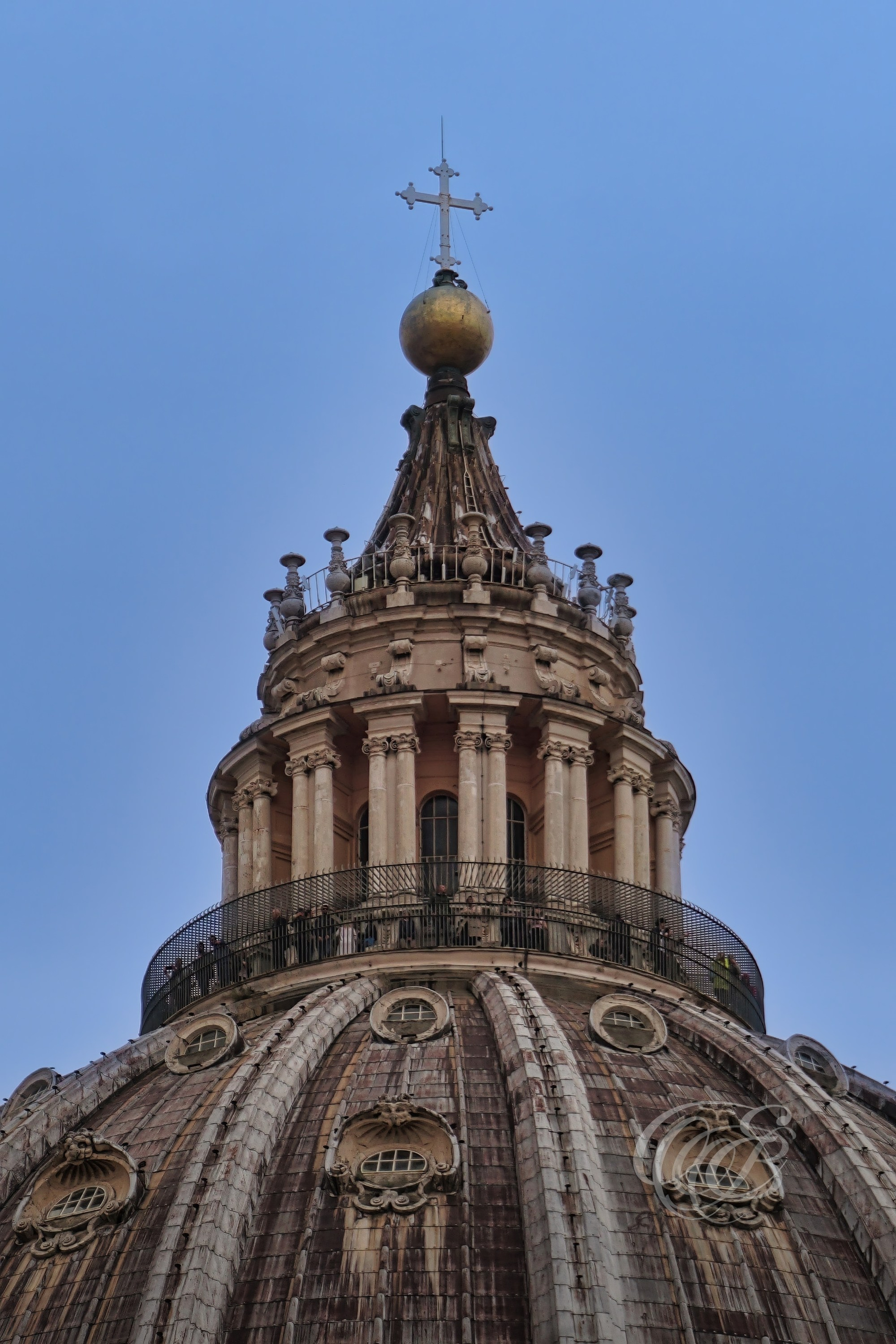
Designed by Michelangelo Buonarroti in the 16th century and completed after his death, the dome of St. Peter’s Basilica rises above Vatican City as one of the defining achievements of Renaissance architecture. Crowning the spiritual center of the Roman Catholic Church, its monumental scale and engineering influenced church design throughout Europe for centuries. The composition emphasizes the dome’s commanding form, architectural detail, and enduring presence on the Roman skyline. Eduardo Bartoli Photography.
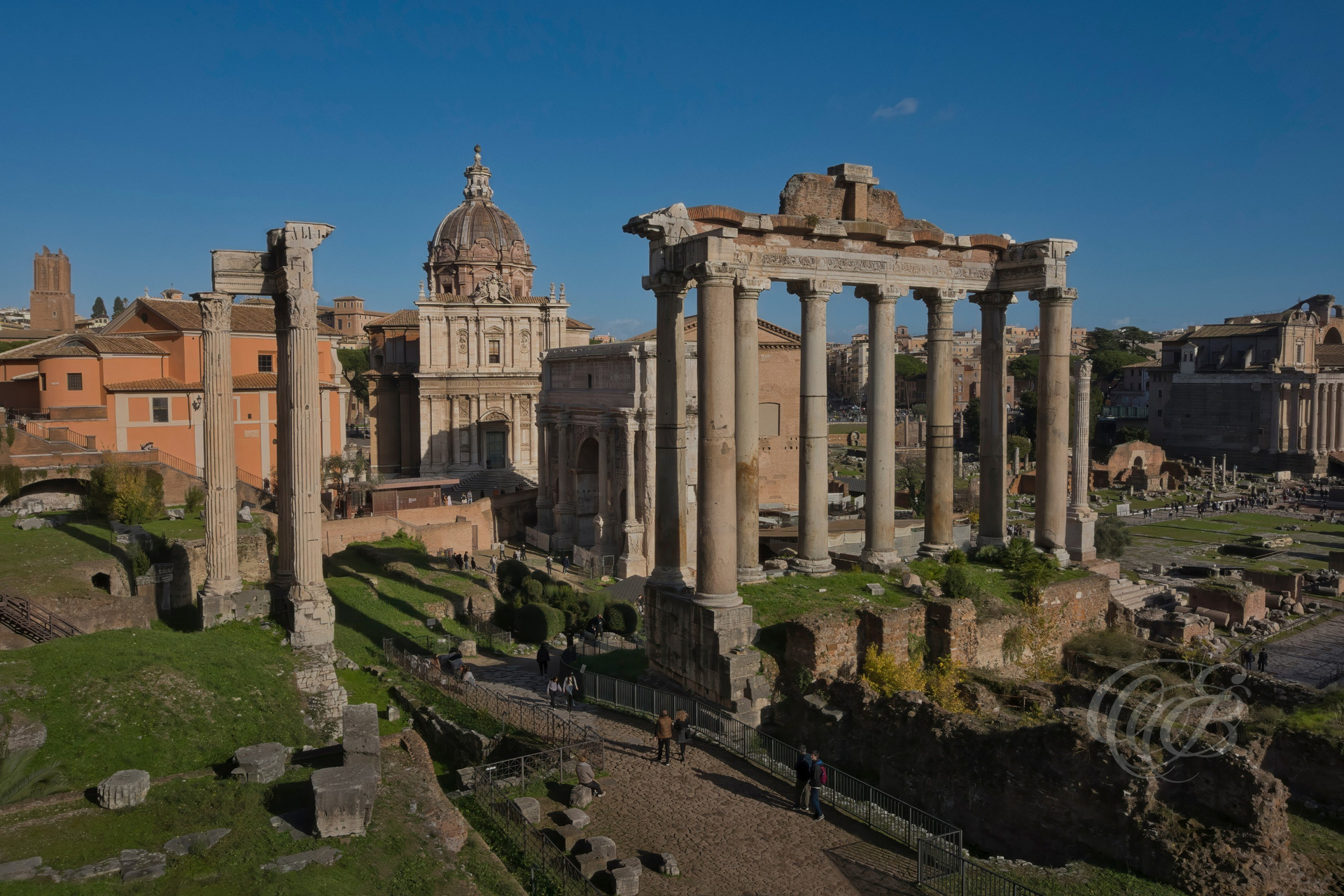
The Roman Forum preserves the political, religious, and civic heart of ancient Rome, where temples, basilicas, and public spaces shaped the development of one of history’s most influential civilizations. As daylight fades, the ruins reveal the enduring presence of a site that served as the center of Roman public life for centuries. Eduardo Bartoli Travel Photography.
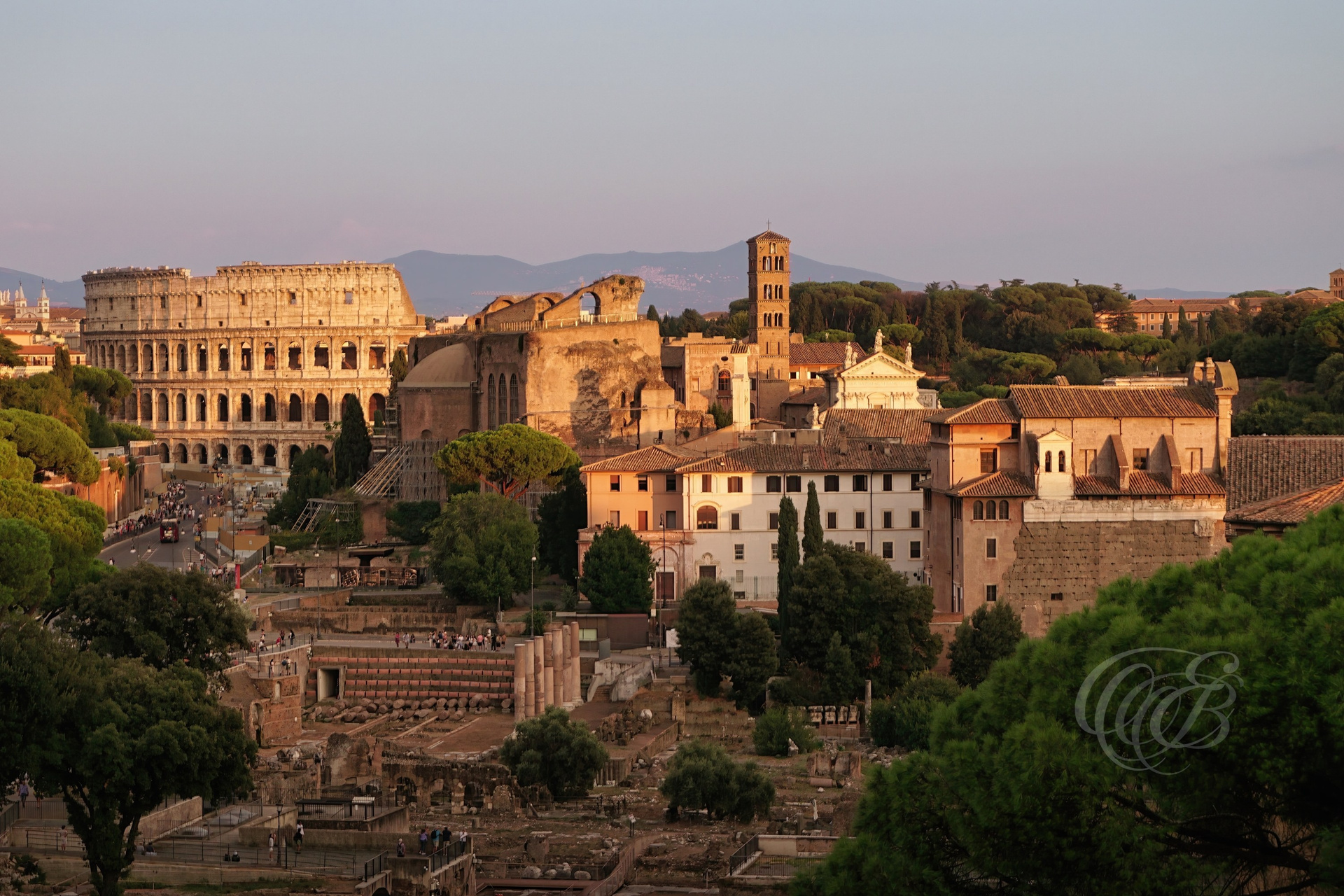
Completed in the 1st century AD under the emperors Vespasian and Titus, the Colosseum remains one of the most recognizable monuments of the ancient world. As the largest amphitheater ever built by the Roman Empire, it hosted gladiatorial contests, public spectacles, and civic events for centuries. The fading light of sunset accentuates the structure’s arches, textures, and enduring presence within the historic landscape of Rome. Eduardo Bartoli Photography.
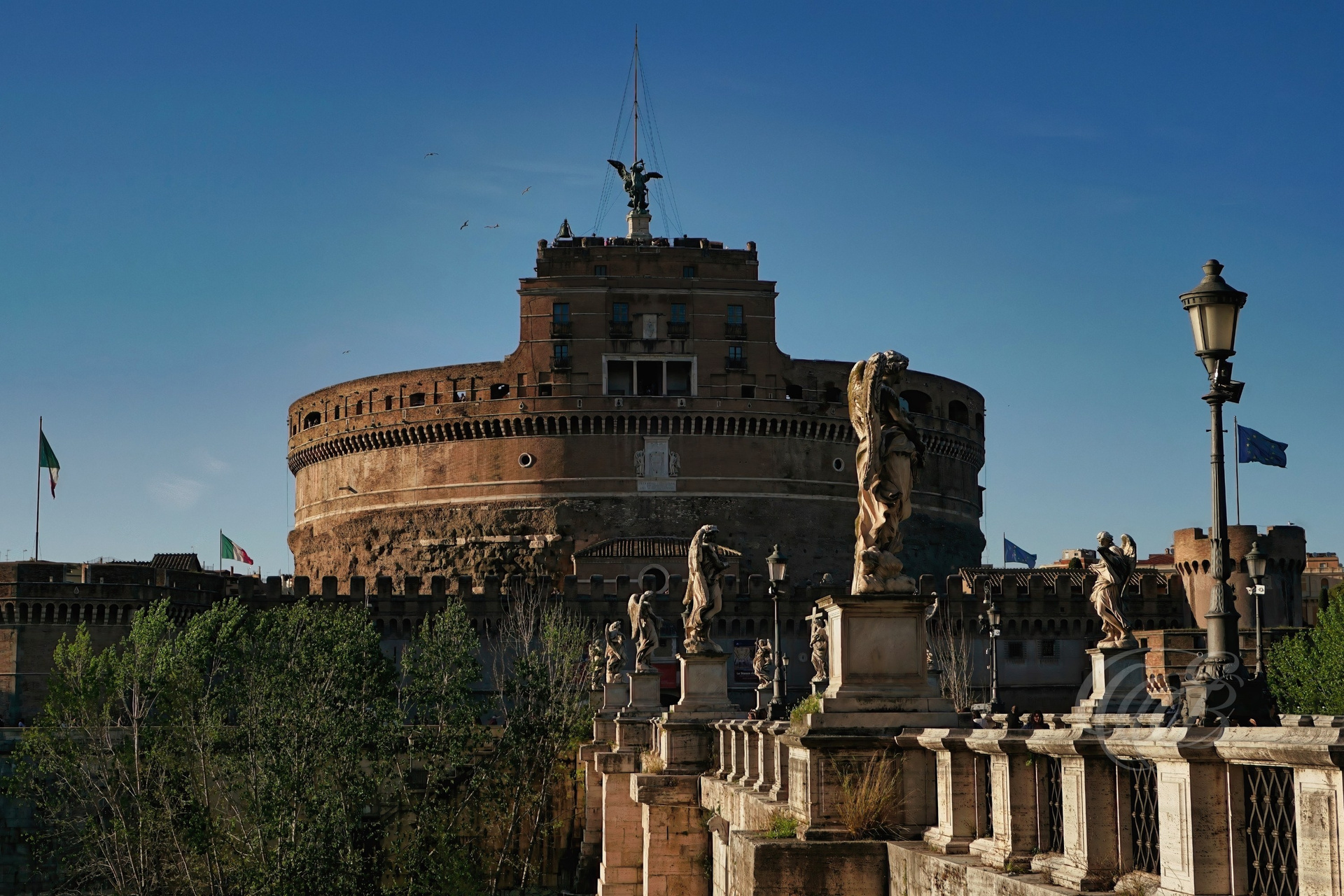
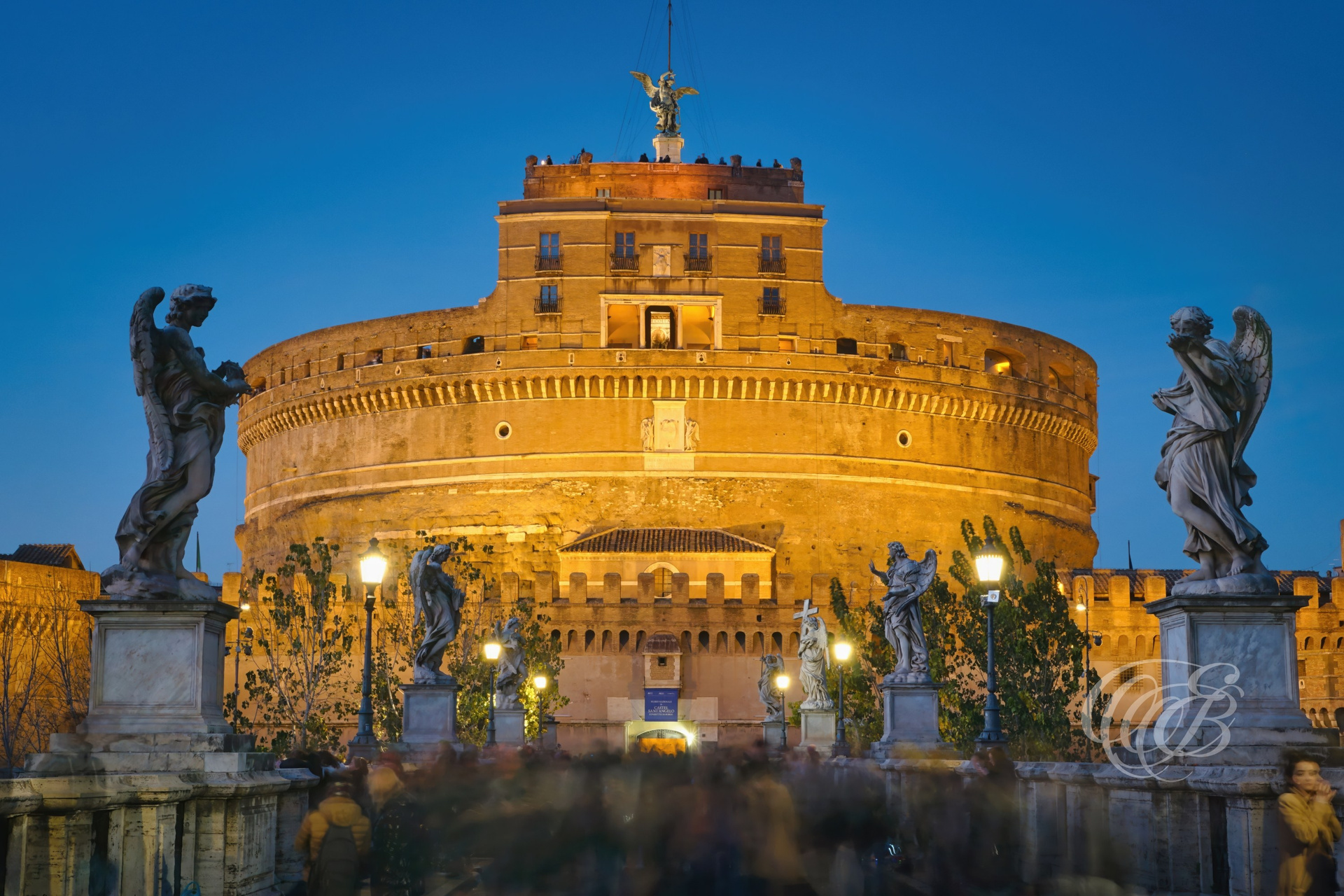
Originally constructed in the 2nd century AD as the mausoleum of Emperor Hadrian, Castel Sant’Angelo has served throughout history as a fortress, papal residence, military stronghold, and prison. Connected to the city by the historic Ponte Sant’Angelo, the monument stands as a testament to Rome’s layered past, where imperial, religious, and civic history converge along the banks of the Tiber River. Eduardo Bartoli Photography.
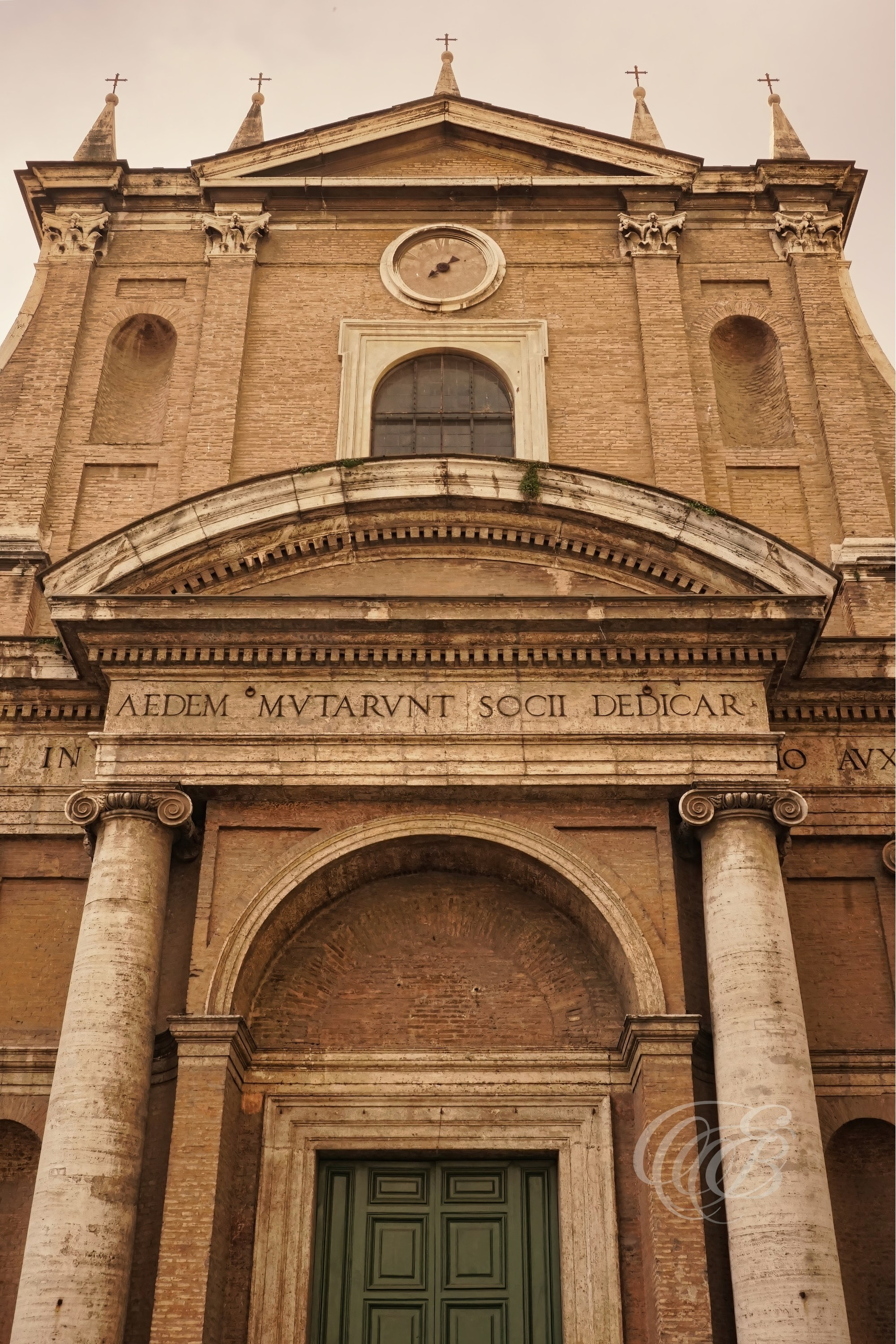
Founded in the 15th century in Rome’s Trastevere district, the Church of Santa Maria dell’Orto was established by local guilds and merchants who dedicated the church to the Virgin Mary. Its Renaissance façade and richly decorated interior reflect centuries of religious, artistic, and civic history, making it one of the distinctive historic churches of the Eternal City. Eduardo Bartoli Photography.
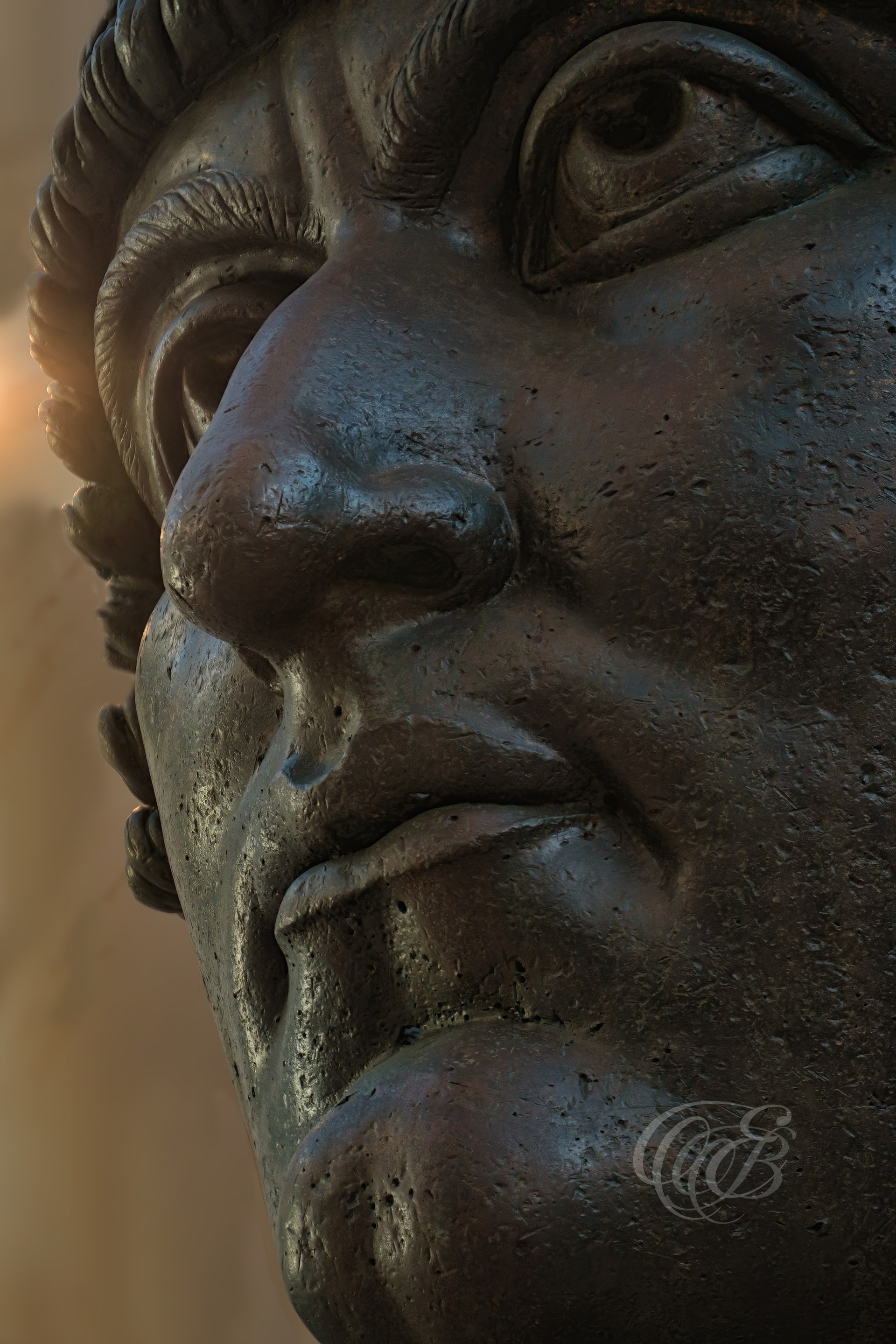
The Colossus of Constantine commemorates Emperor Constantine the Great, whose reign in the 4th century AD marked a turning point in Roman history and the spread of Christianity throughout the empire. Originally part of a monumental seated statue, surviving fragments remain among the most impressive examples of Roman imperial sculpture. This bronze recreation evokes the scale and authority associated with one of antiquity’s most influential rulers. Eduardo Bartoli Photography.
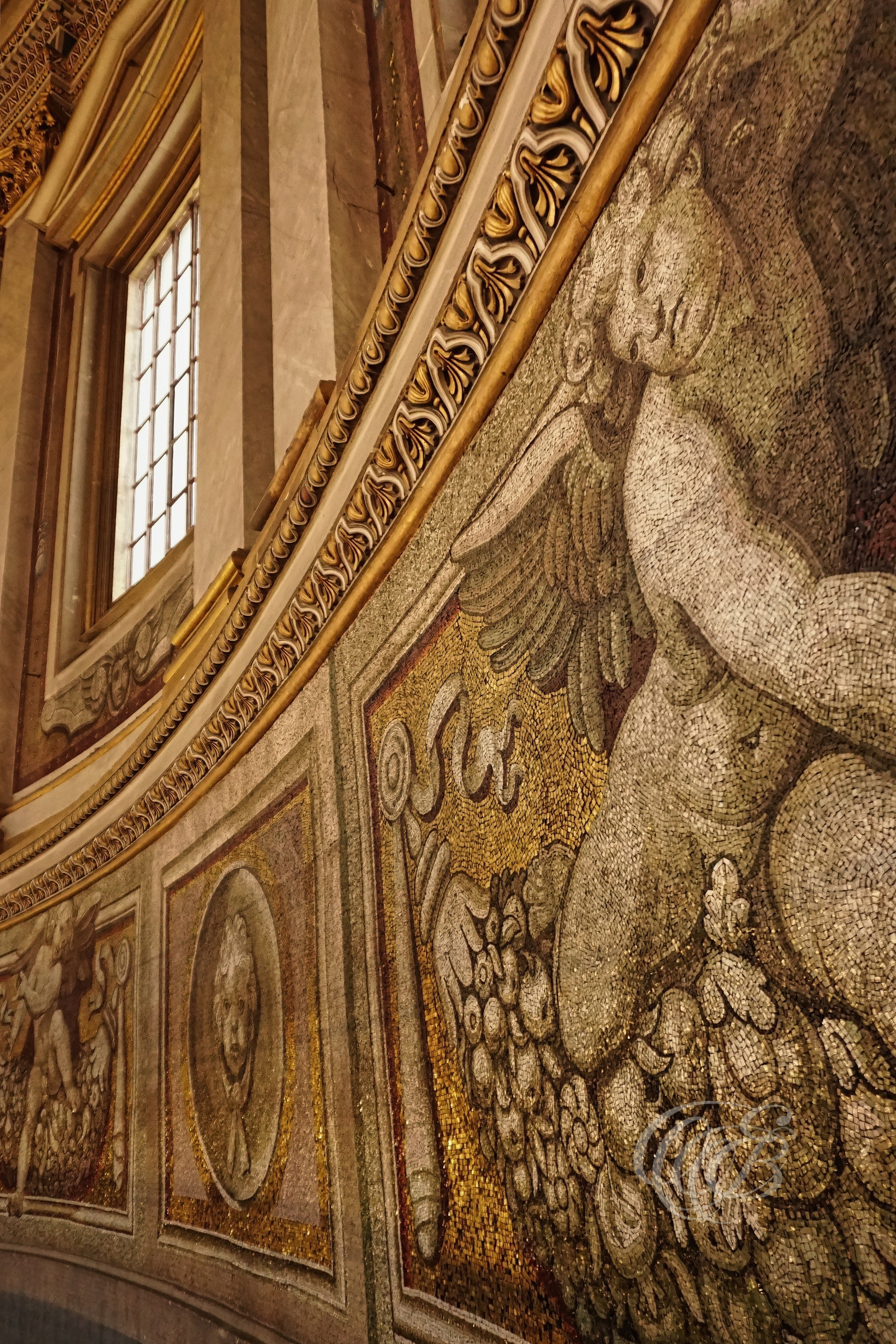
The interior mosaics of St. Peter’s Basilica adorn the vast cupola designed by Michelangelo Buonarroti, forming part of one of the most ambitious decorative programs of the Renaissance and Baroque periods. Created by generations of artists and craftsmen, these intricate works combine sacred imagery, monumental scale, and exceptional detail within the spiritual center of Vatican City. Eduardo Bartoli Photography.
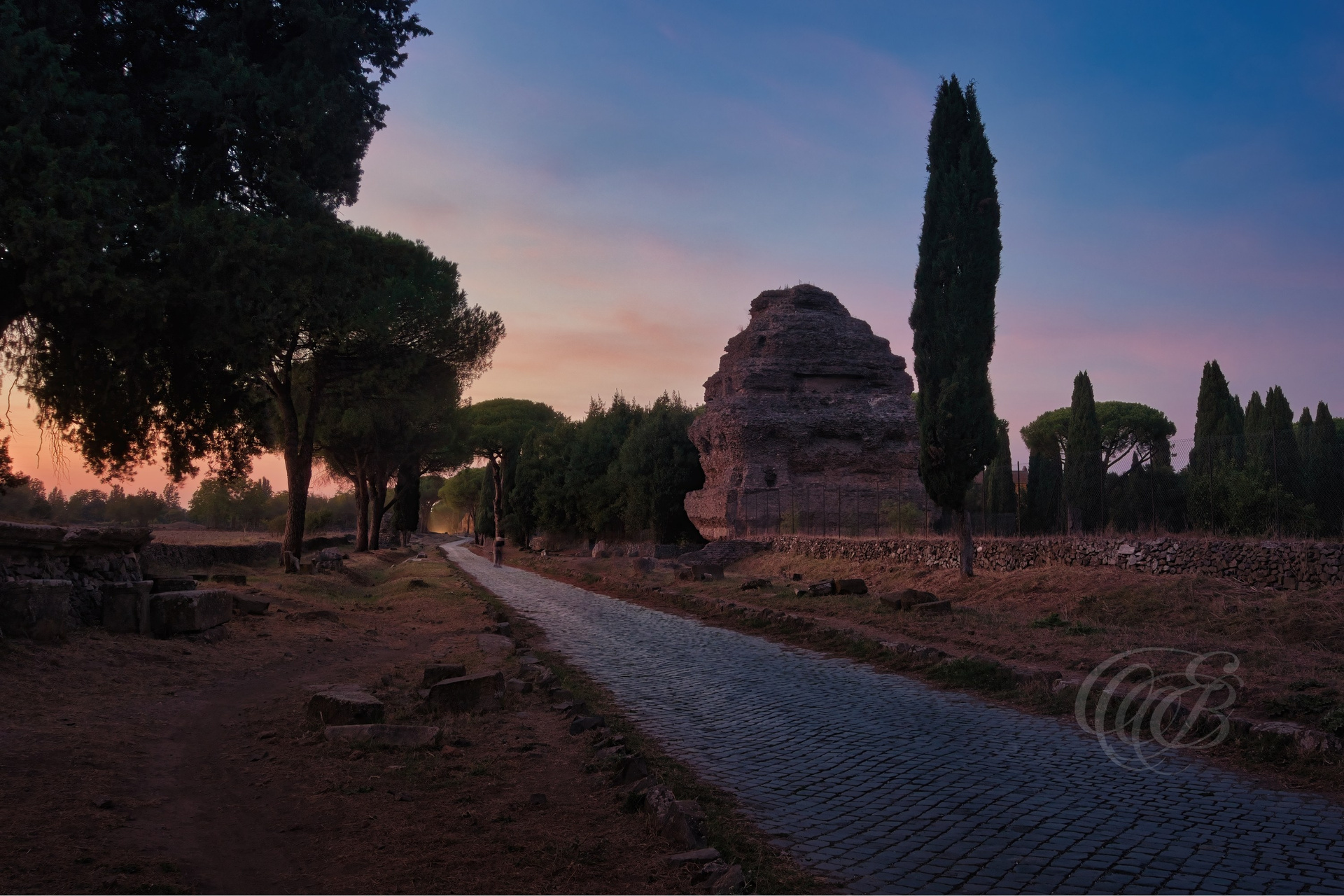
Known in antiquity as the Via Appia, the Appian Way was one of the earliest and most important roads of the Roman Republic, begun in 312 BC under Appius Claudius Caecus. Stretching across the Italian peninsula, it connected Rome to key regions of southern Italy and played a crucial role in trade, communication, and military expansion. The fading light of dusk accentuates the ancient roadway’s enduring character and historical significance. Eduardo Bartoli Photography.
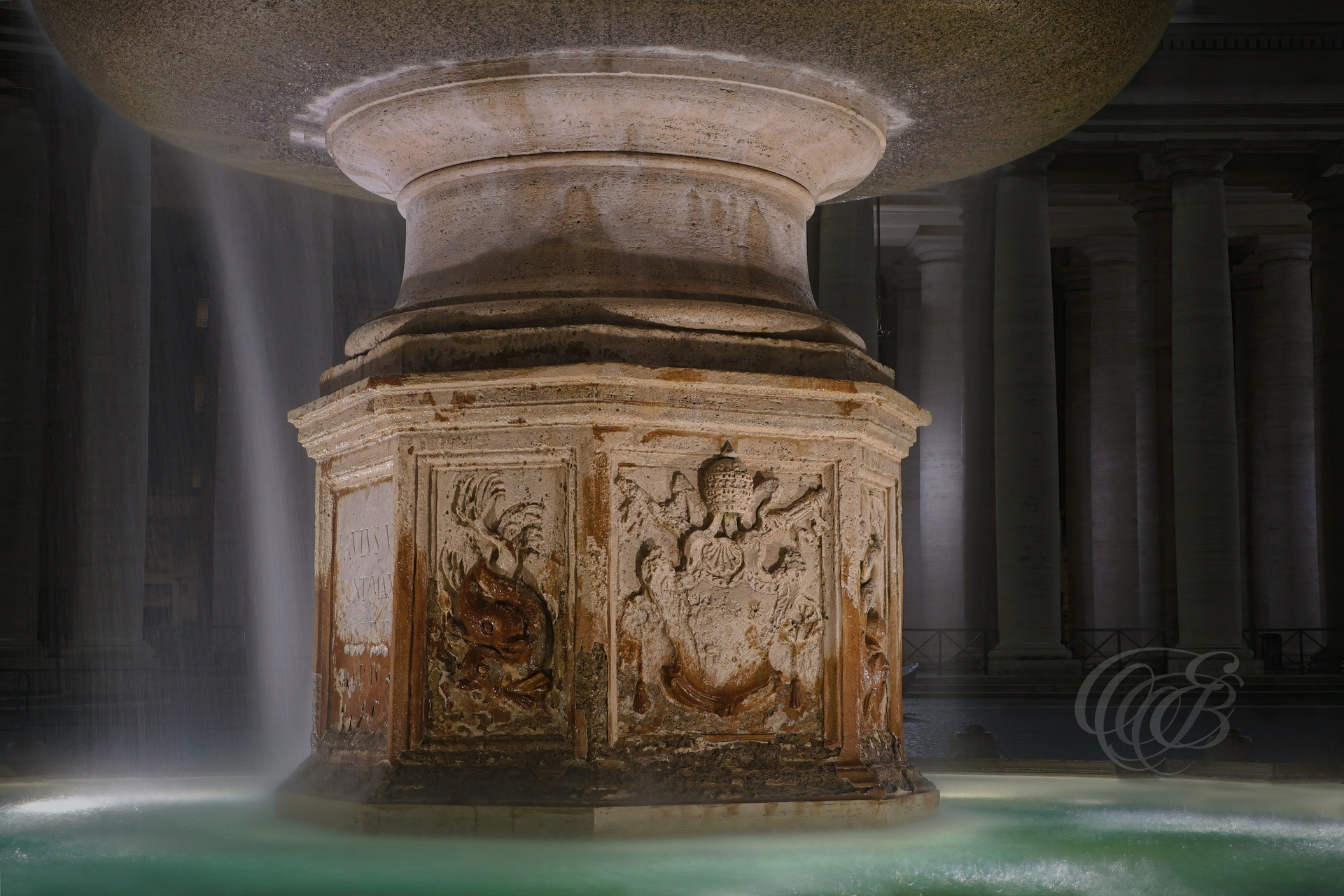
One of the two monumental fountains of St. Peter’s Square, this landmark forms an integral part of the grand piazza designed by Gian Lorenzo Bernini in the 17th century. Together with the surrounding colonnades and the façade of St. Peter’s Basilica, the fountain contributes to one of the most recognizable urban and religious spaces in the world. Eduardo Bartoli Photography.
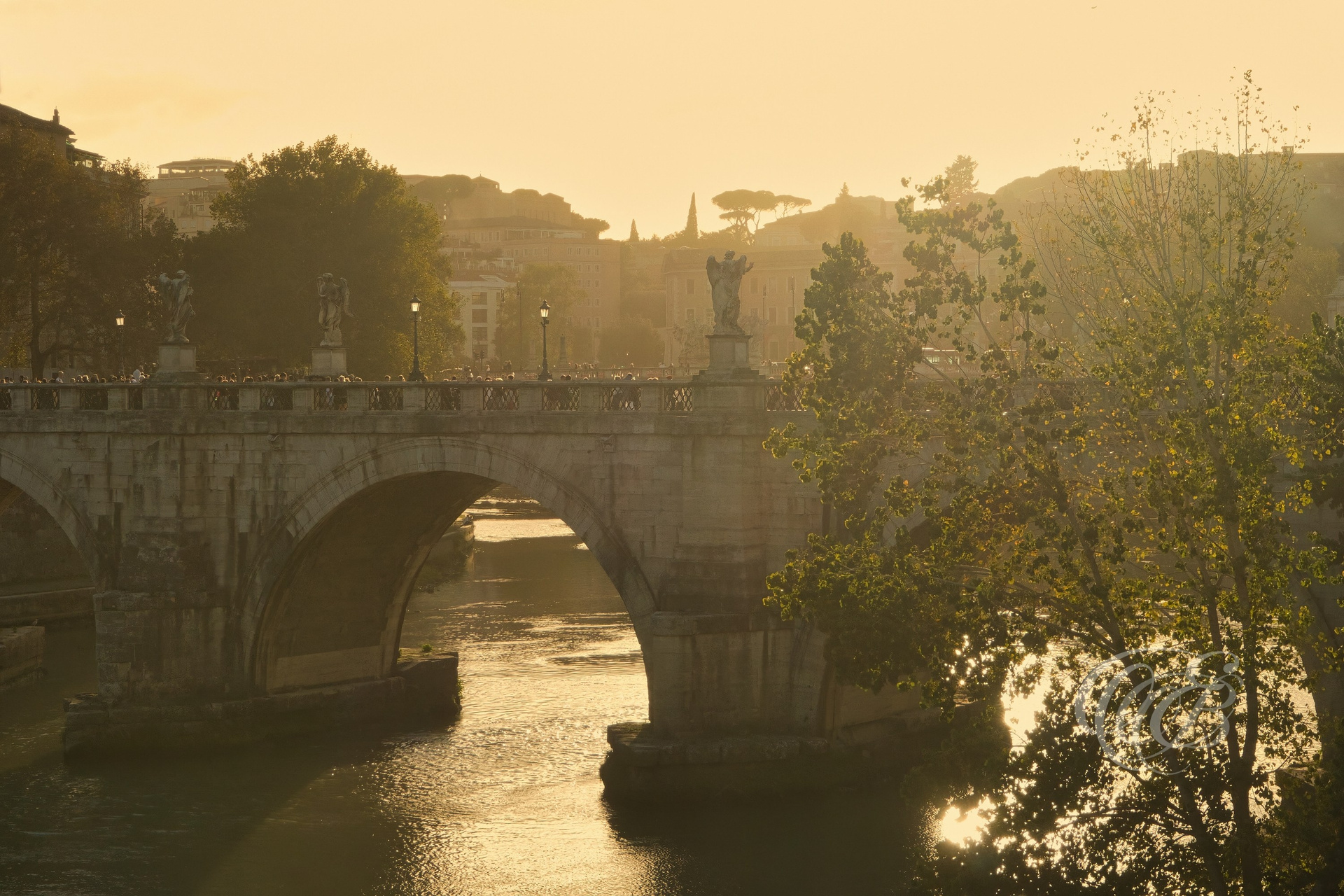
Ponte Sant’Angelo has connected the center of Rome to Castel Sant’Angelo since the 2nd century AD, when it was commissioned by Emperor Hadrian as access to his mausoleum. Lined with angel sculptures added under the direction of Gian Lorenzo Bernini in the 17th century, the bridge remains one of the most celebrated crossings over the Tiber River. The warm light of sunset highlights its architectural form and historical setting. Eduardo Bartoli Photography.
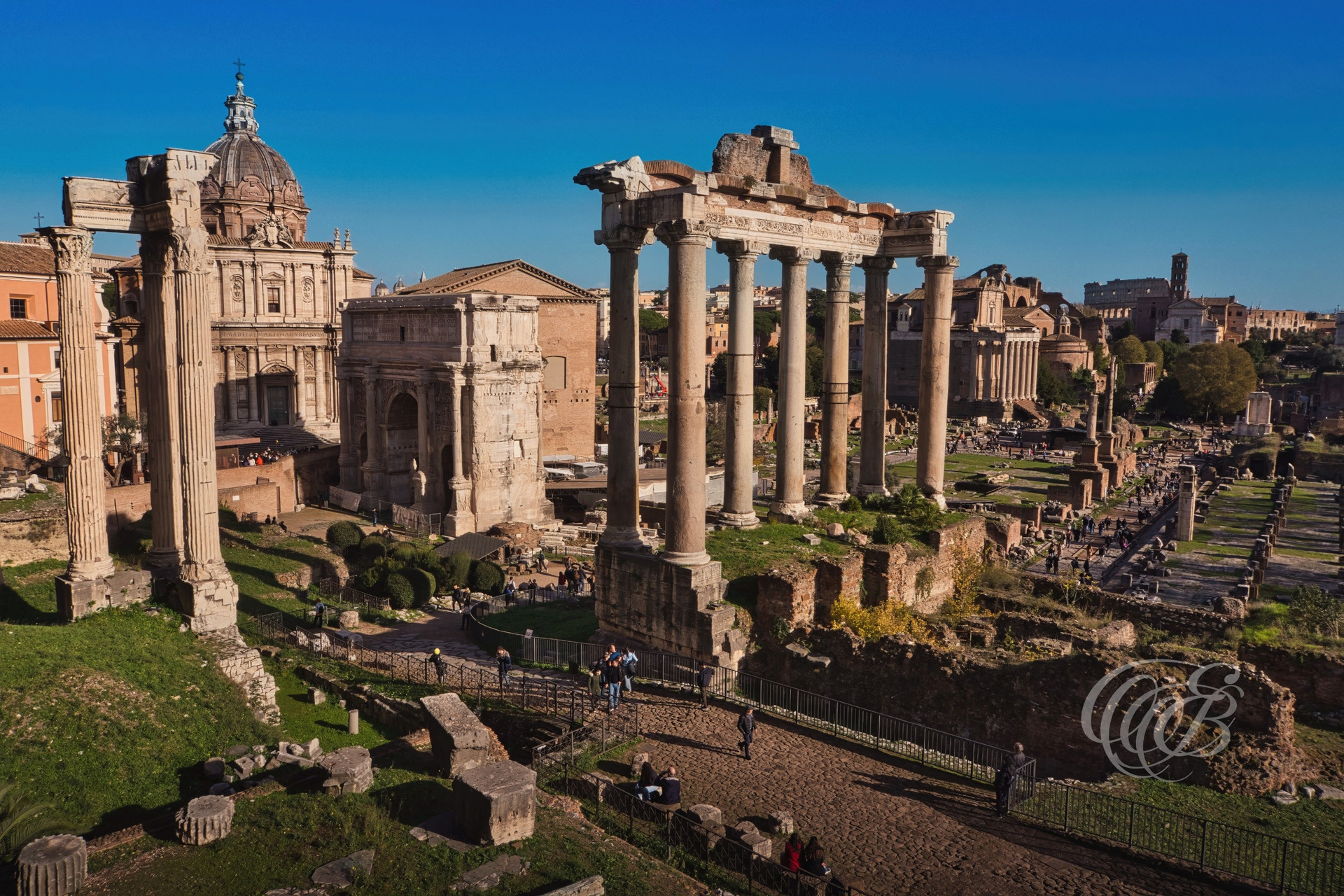
For centuries, the Roman Forum served as the political, religious, and commercial center of ancient Rome, surrounded by temples, basilicas, government buildings, and public monuments that shaped the course of Roman civilization. Located between the Palatine and Capitoline Hills, the site preserves the remains of one of history’s most influential urban spaces, offering a glimpse into the daily life and institutions of the ancient world. Eduardo Bartoli Photography.
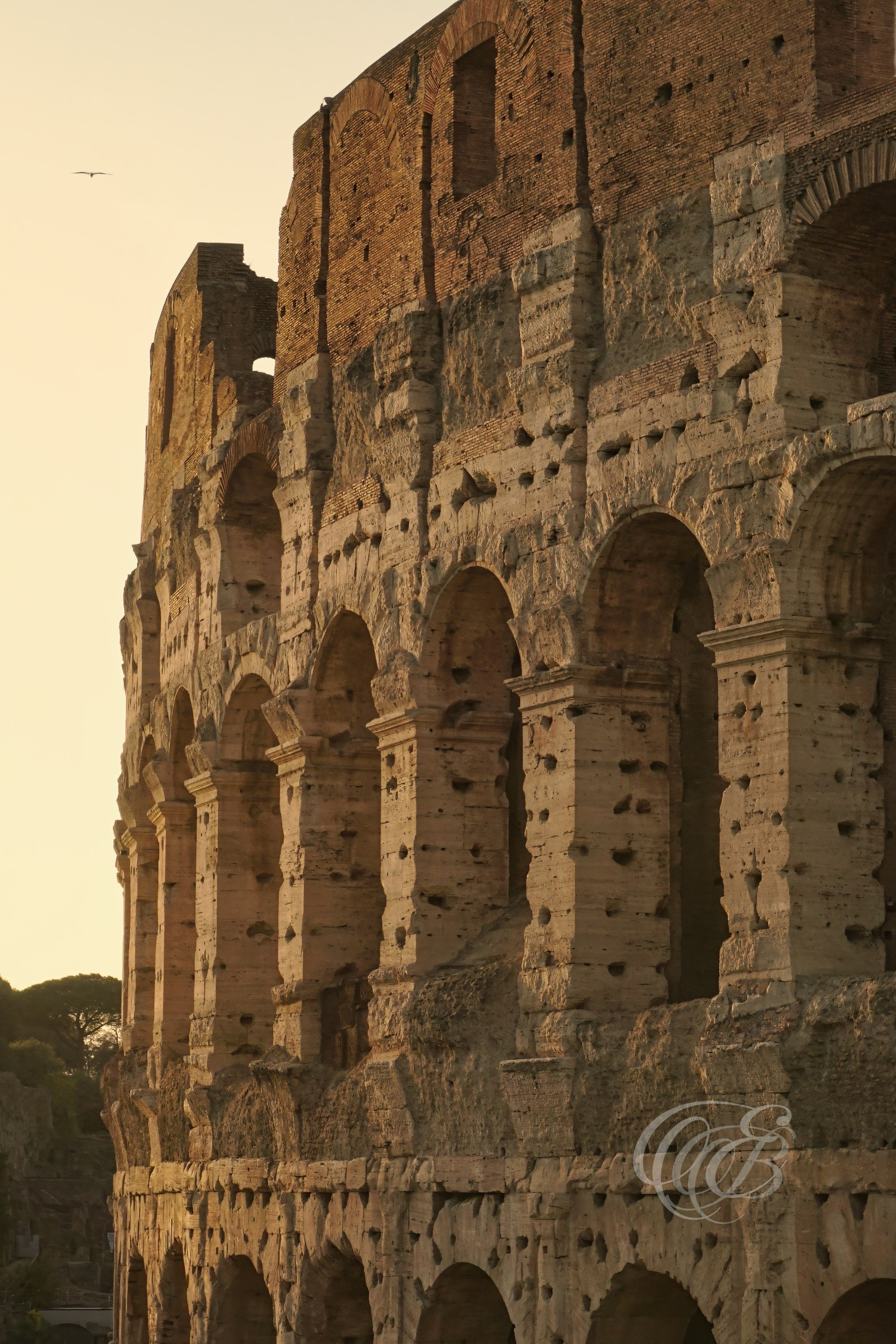
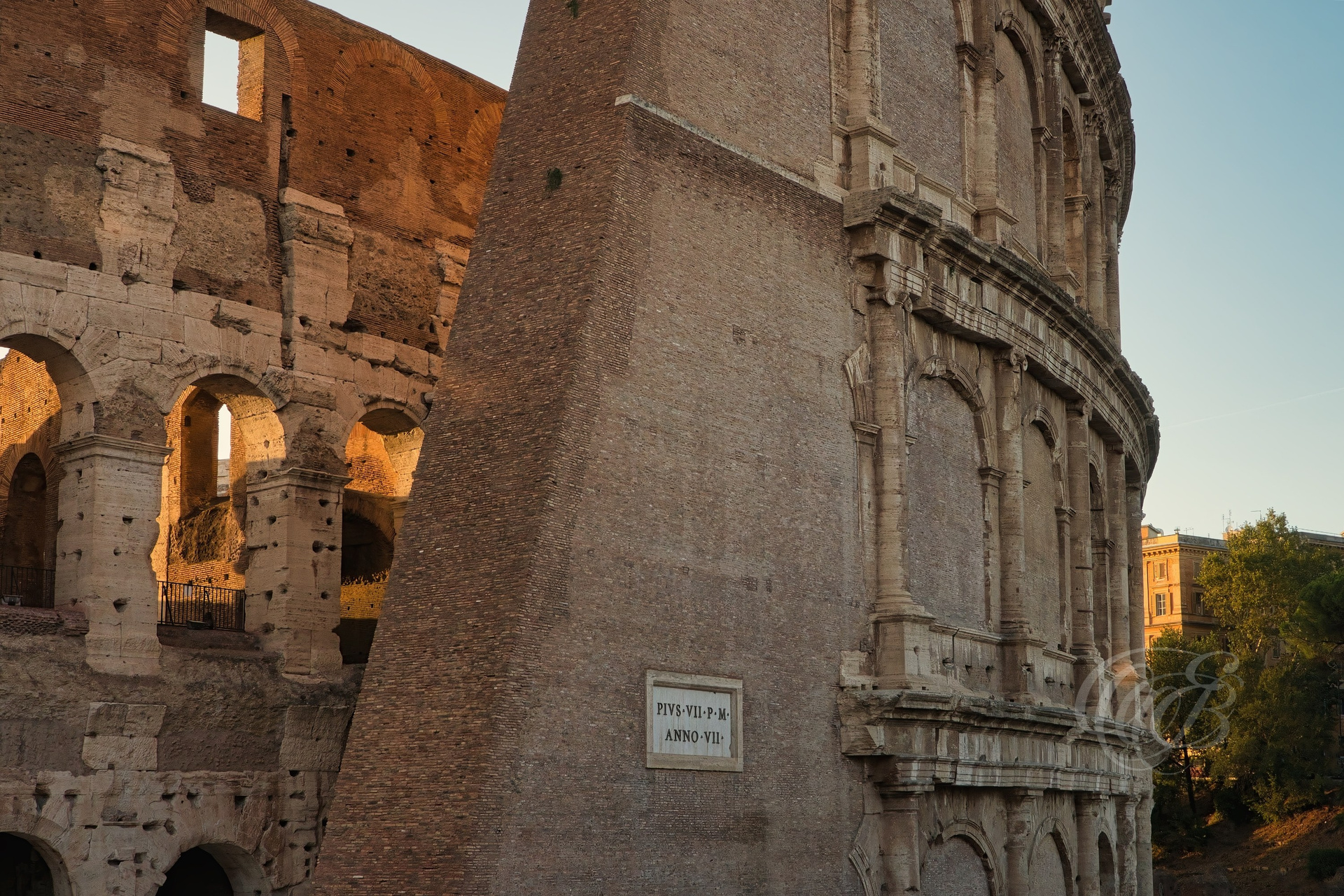
The façade of the Colosseum reveals the scale and engineering precision of one of the greatest monuments of the Roman Empire. Completed in the 1st century AD under Emperors Vespasian and Titus, the amphitheater's tiers of arches and stonework have endured for nearly two millennia. The light of sunset accentuates the textures, architectural rhythm, and enduring presence of this landmark within the historic landscape of Rome. Eduardo Bartoli Photography.
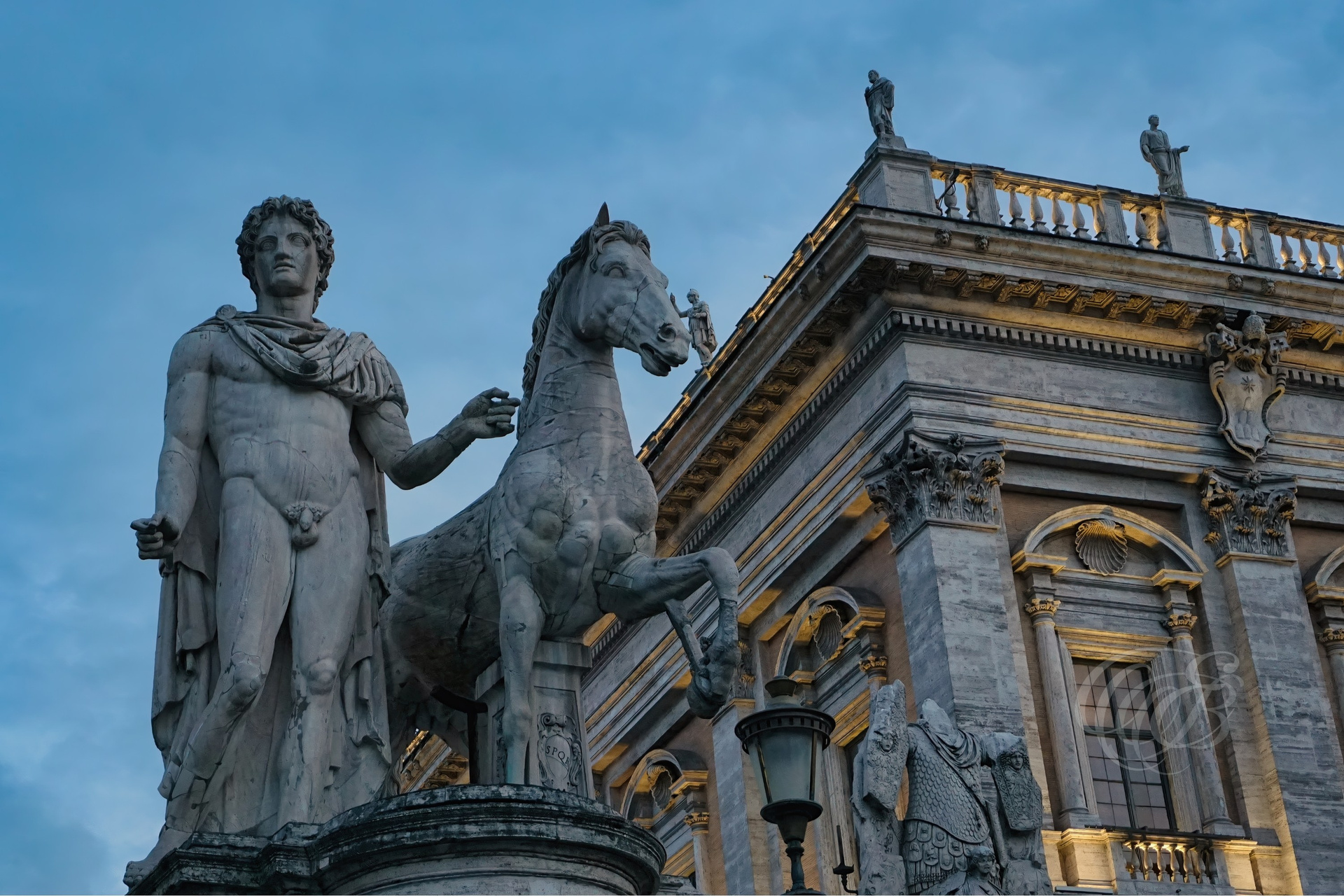
The Cordonata Capitolina forms the ceremonial approach to Piazza del Campidoglio, the monumental square redesigned by Michelangelo Buonarroti during the Renaissance. Flanked by sculptural figures and architectural elements, the broad staircase creates a gradual ascent toward one of Rome’s most important civic spaces, linking the city’s ancient foundations with its Renaissance transformation. Eduardo Bartoli Photography.
Dedicated to Saint Catherine of Alexandria, this historic church reflects the long tradition of Christian worship and religious architecture in Rome. Its design and artistic elements contribute to the rich ecclesiastical heritage of the city, where centuries of faith, art, and history converge within sacred spaces that continue to serve both spiritual and cultural roles. Eduardo Bartoli Photography.
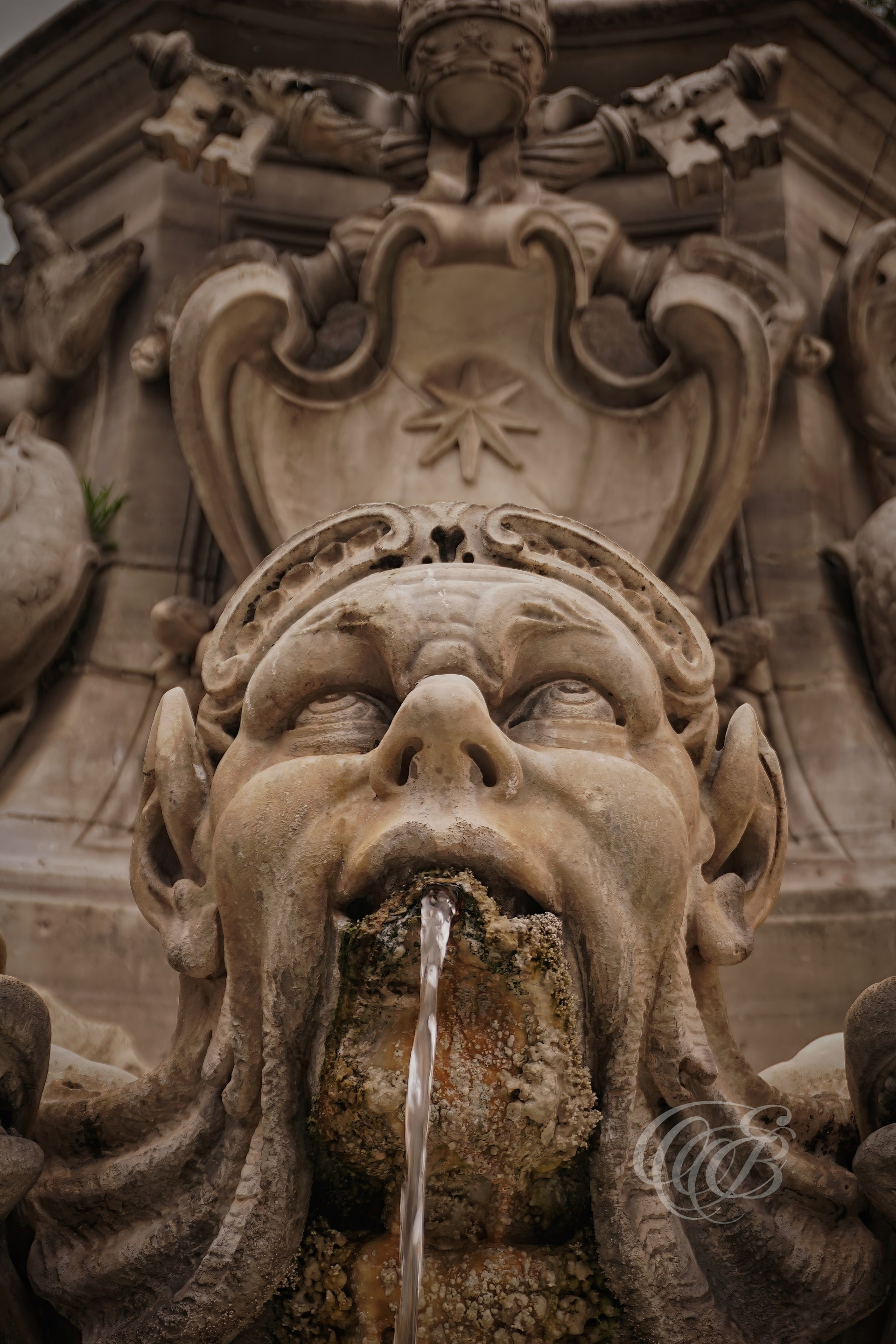
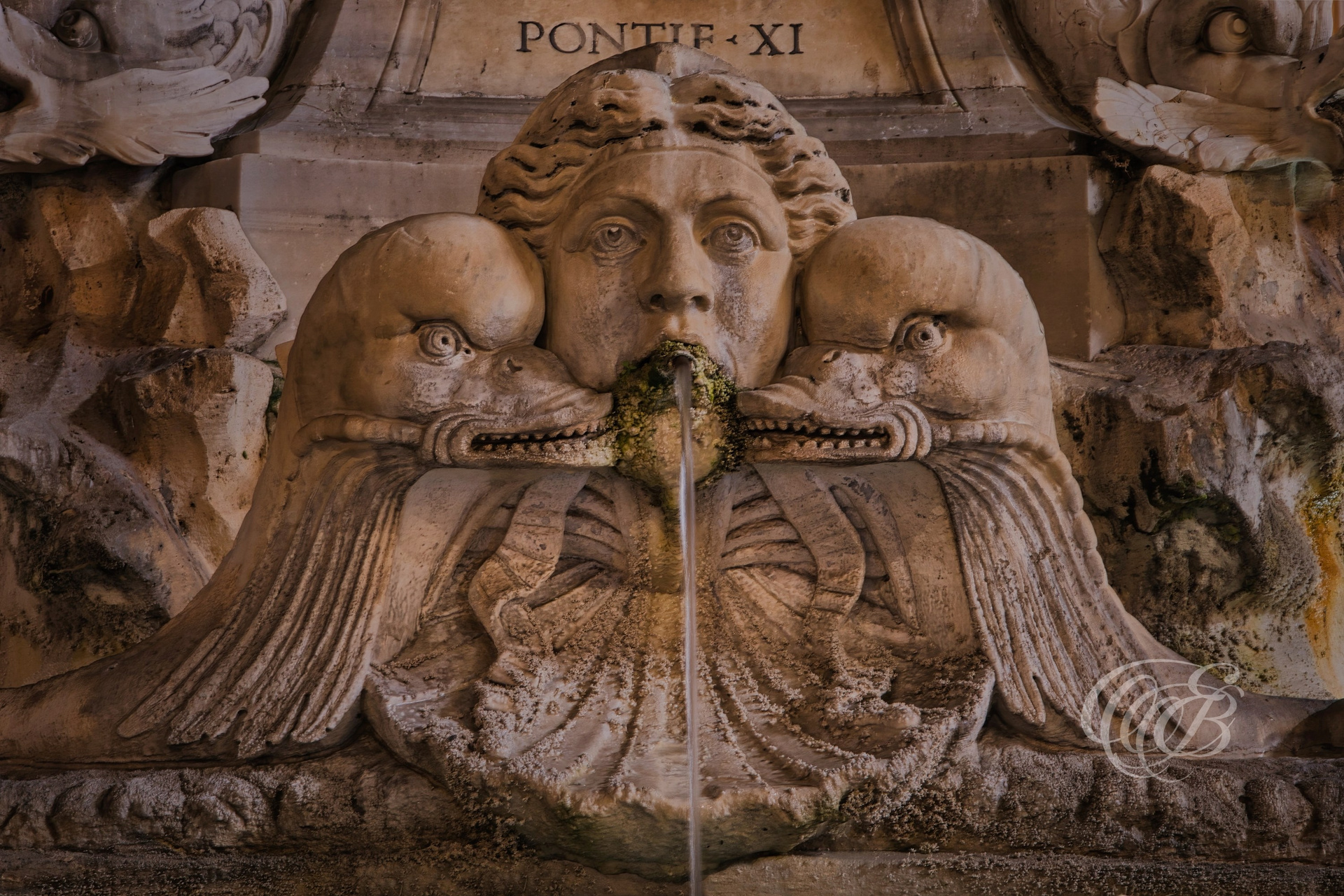
Standing in Piazza della Rotonda before the Pantheon, the Fontana del Pantheon has been a focal point of the square since the Renaissance. Originally designed by Giacomo Della Porta in 1575 and later enhanced with an ancient Egyptian obelisk during the 18th century, the fountain forms part of one of Rome’s most celebrated historic urban spaces. Eduardo Bartoli Photography.
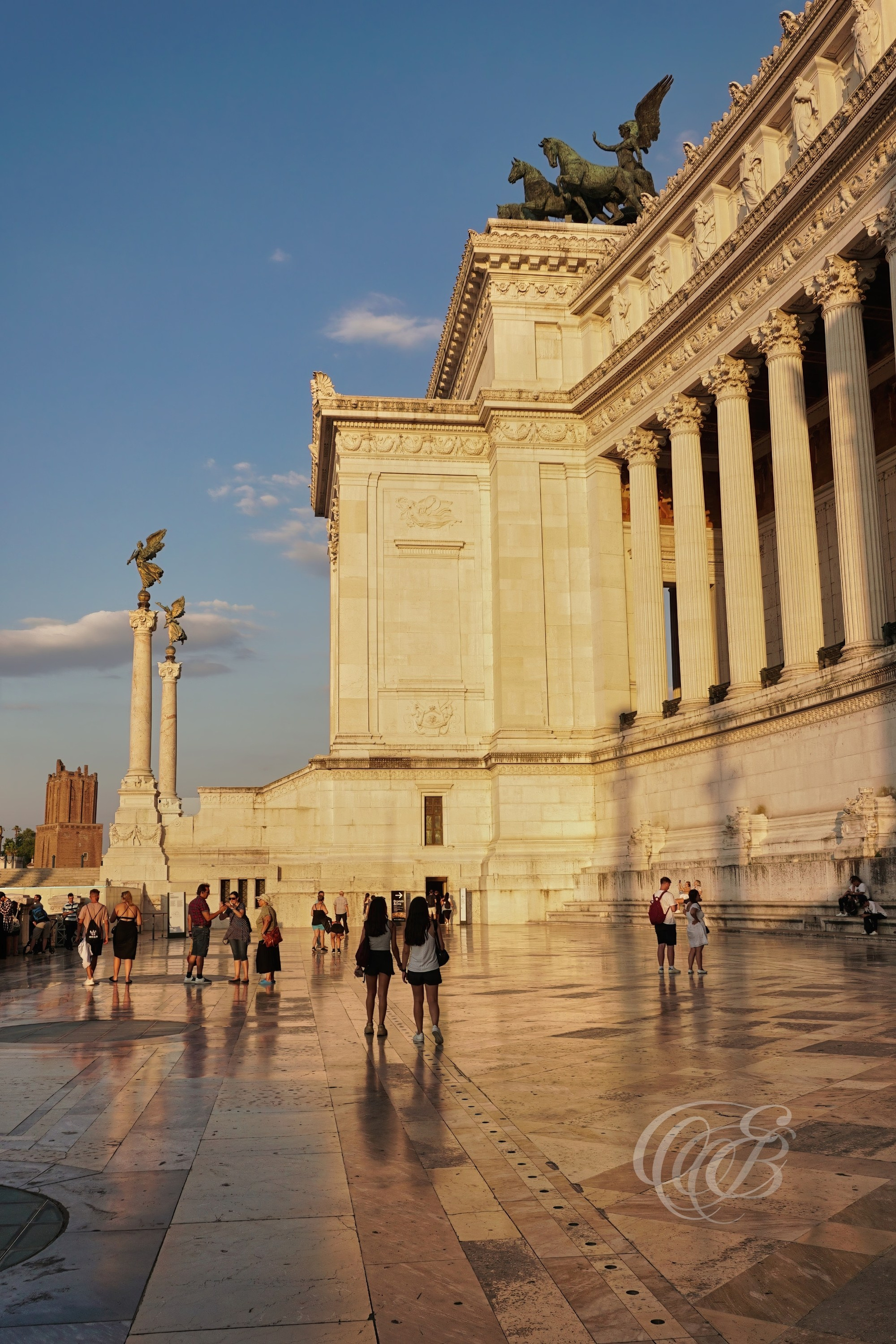
The terrace of the Vittoriano offers sweeping views across Rome from the Monument to Victor Emmanuel II, a landmark completed in the early 20th century to honor the first king of a unified Italy. Positioned above Piazza Venezia, the terrace provides a unique perspective over the city's layers of ancient, Renaissance, and modern history. Eduardo Bartoli Photography.
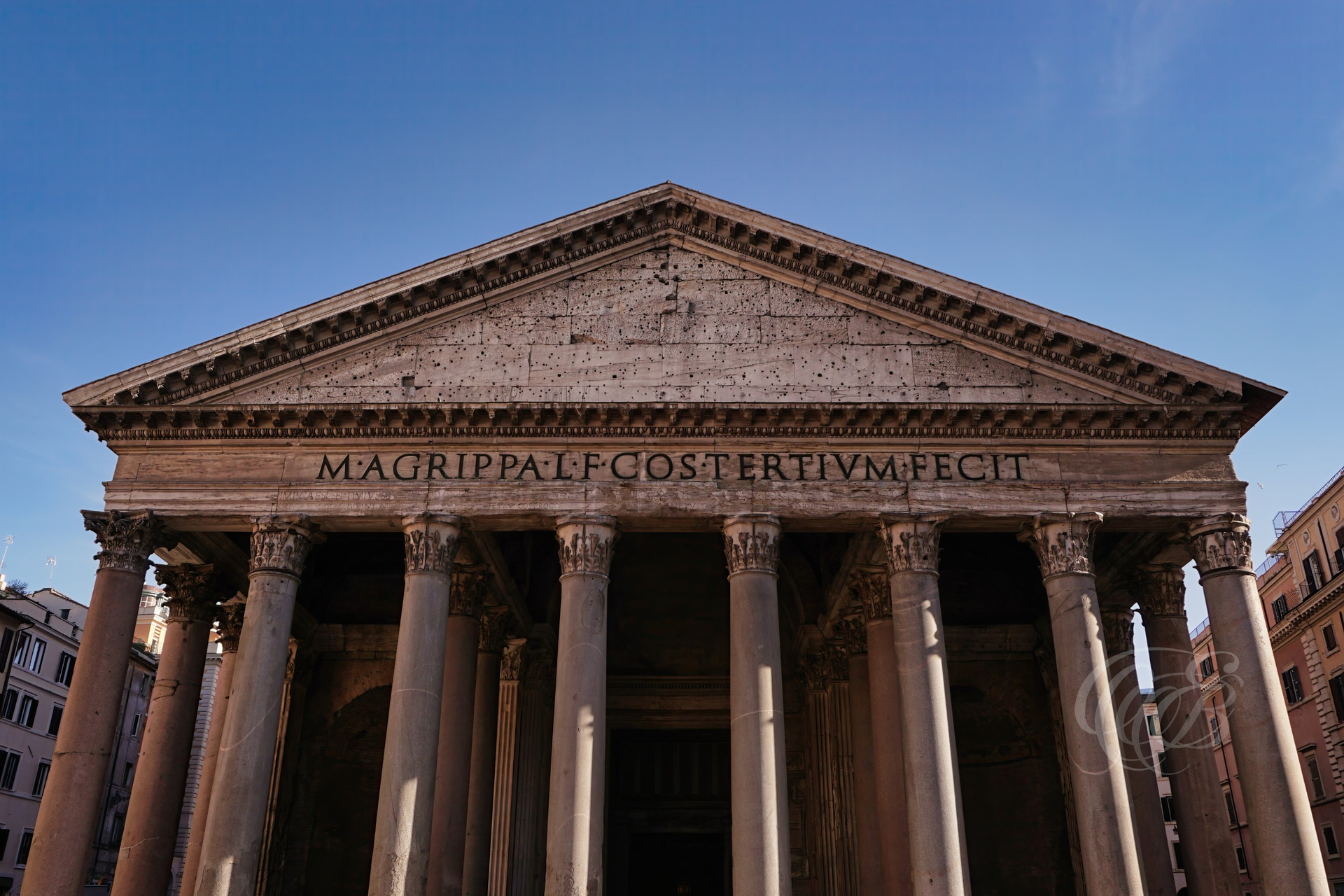
Completed nearly 2,000 years ago during the reign of Emperor Hadrian, the Pantheon remains one of the best-preserved monuments of ancient Rome. Renowned for its massive dome and central oculus, the structure has influenced architectural design for centuries and continues to stand as a remarkable achievement of Roman engineering. Eduardo Bartoli Photography.
As daylight fades over the Tiber River, Ponte Sant’Angelo connects the historic center of Rome with Castel Sant’Angelo, the former mausoleum of Emperor Hadrian. Built in the 2nd century AD and later adorned with angel sculptures designed under the direction of Gian Lorenzo Bernini, the bridge remains one of the city's most recognizable historic landmarks. Eduardo Bartoli Photography.
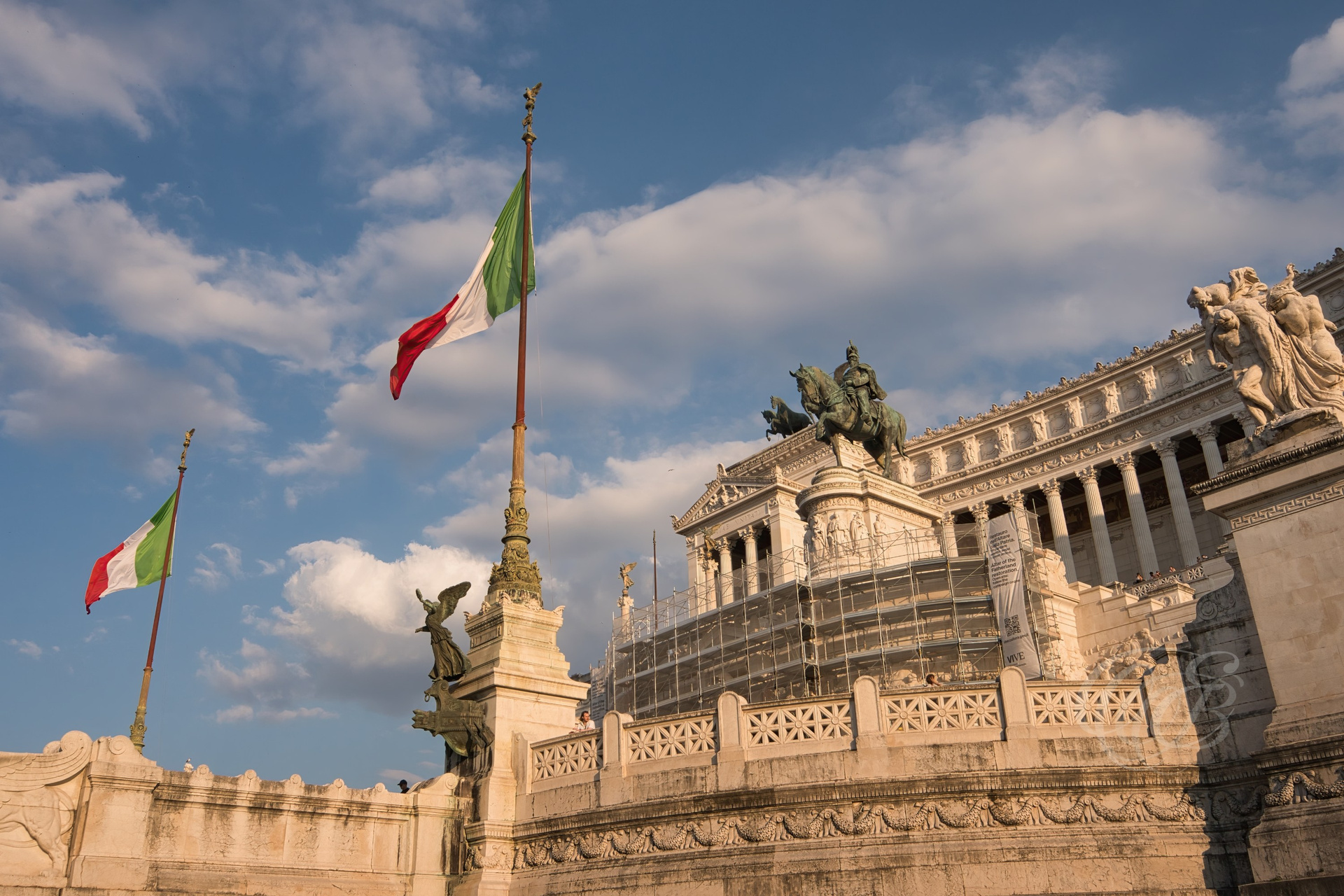
Rising above Piazza Venezia, the Vittoriano is one of Rome’s most prominent national monuments, built to honor Victor Emmanuel II, the first king of unified Italy. The flagpole and surrounding architectural elements form part of the monument’s grand composition, symbolizing Italian unity and the country's modern national identity. Eduardo Bartoli Photography.
Nearly two millennia after its completion, the Colosseum continues to stand as a symbol of ancient Rome and one of the greatest engineering achievements of the Roman Empire. Built during the 1st century AD under Emperors Vespasian and Titus, the amphitheater hosted public spectacles that drew thousands of spectators. Its enduring structure remains a powerful link to the history of the ancient world. Eduardo Bartoli Photography.
Located within the Roman Forum, the Shrine of Venus Cloacina was a small sacred monument dedicated to Venus in her association with purification and protection. Dating to the Roman Republic, the shrine stood near the ancient Cloaca Maxima, reflecting the close relationship between religion, civic life, and urban infrastructure in ancient Rome. Eduardo Bartoli Photography.
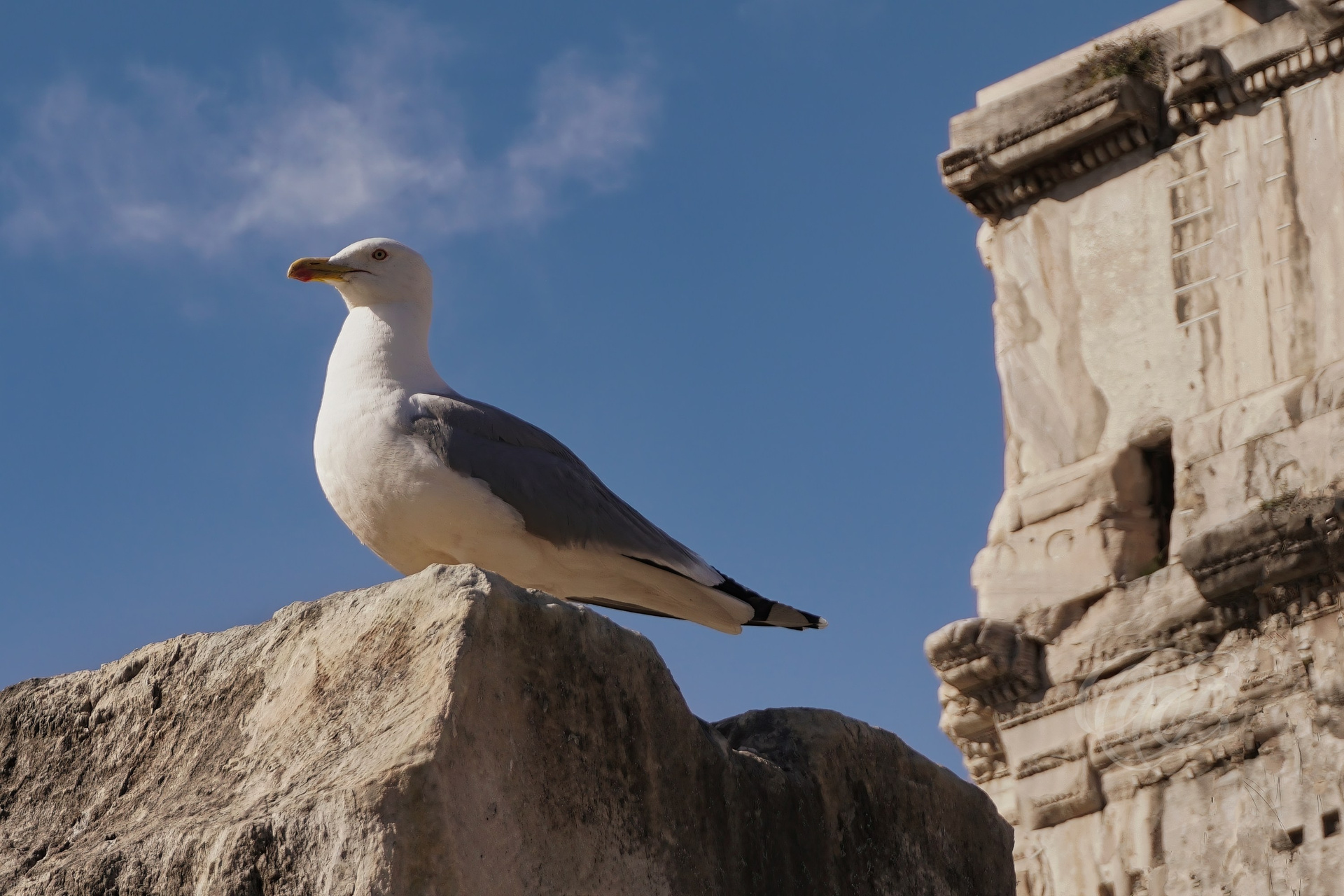
Amid the ruins of the Roman Forum, a seagull occupies a landscape shaped by more than two thousand years of history. The contrast between wildlife and the remains of ancient temples, monuments, and civic buildings reflects the continuing presence of nature within one of Rome’s most significant archaeological sites. Eduardo Bartoli Photography.
Commissioned by Julius Caesar and completed during the reign of Augustus in 13 BC, the Theatre of Marcellus is one of the oldest surviving Roman theaters. Its layered arches and enduring stone structure influenced later architectural works, including the design of the Colosseum. Captured during blue hour, the monument reveals the enduring presence of ancient Rome within the modern cityscape. Eduardo Bartoli Photography.
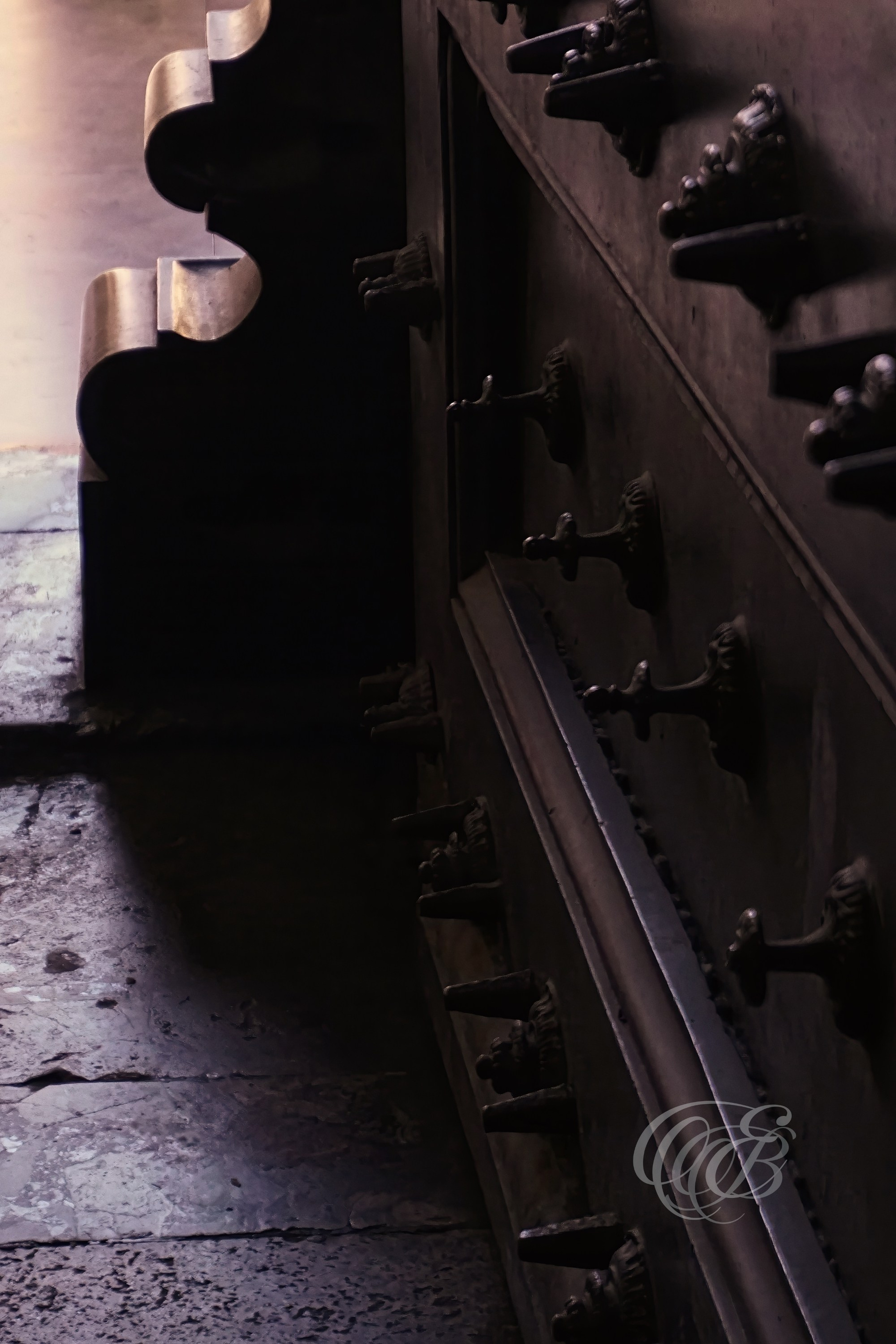
The bronze doors of the Pantheon form one of the most distinctive architectural features of this ancient Roman monument. Their massive scale, geometric panels, and weathered surfaces reflect centuries of use and preservation within one of the best-preserved buildings of antiquity. By focusing on form, texture, and pattern, the composition transforms a historic architectural element into an abstract study of material and design. Eduardo Bartoli Photography.
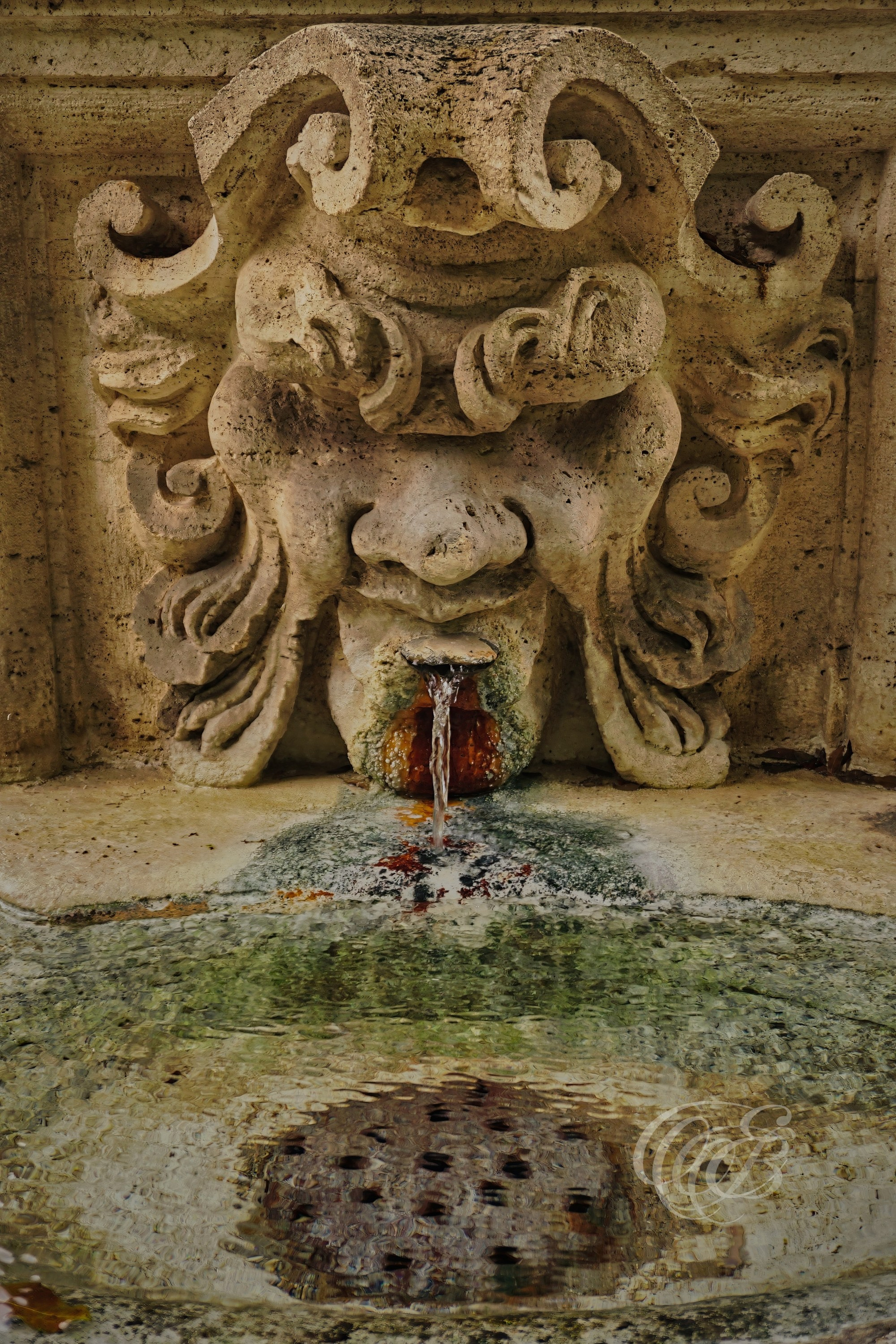
Decorative fountains and sculptural elements are woven throughout the landscapes of Villa Borghese, one of Rome’s largest historic parks. This close-up focuses on a carved fountain mask, highlighting the craftsmanship, texture, and ornamental traditions that have long been part of Italian garden and fountain design. Eduardo Bartoli Photography.
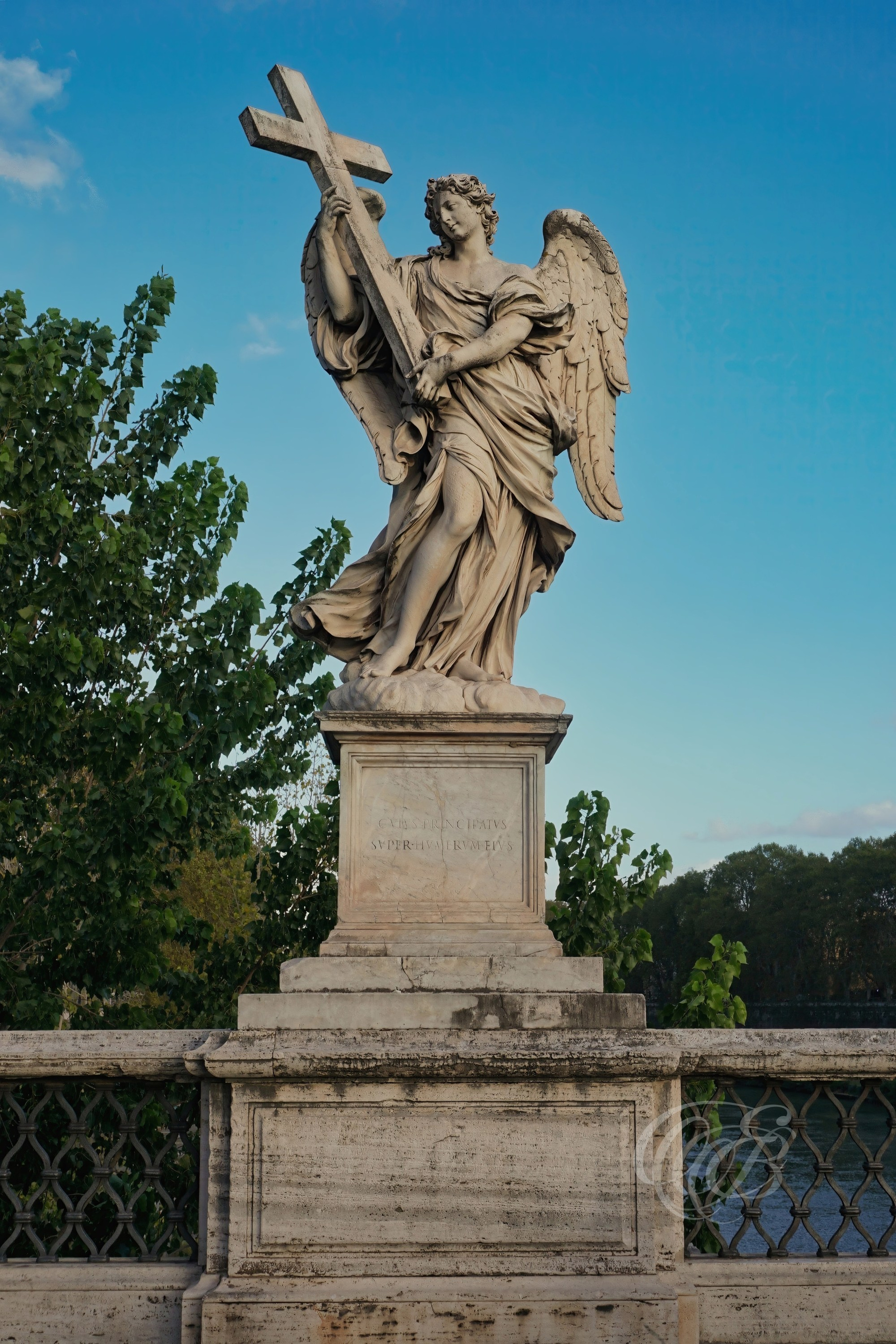
The angel sculptures of Ponte Sant’Angelo were created in the 17th century under the direction of Gian Lorenzo Bernini, transforming the historic bridge into a symbolic processional route leading toward St. Peter’s Basilica. Each figure carries an element associated with the Passion of Christ, blending religious symbolism with Baroque sculpture along one of Rome’s most historic crossings. Eduardo Bartoli Photography.
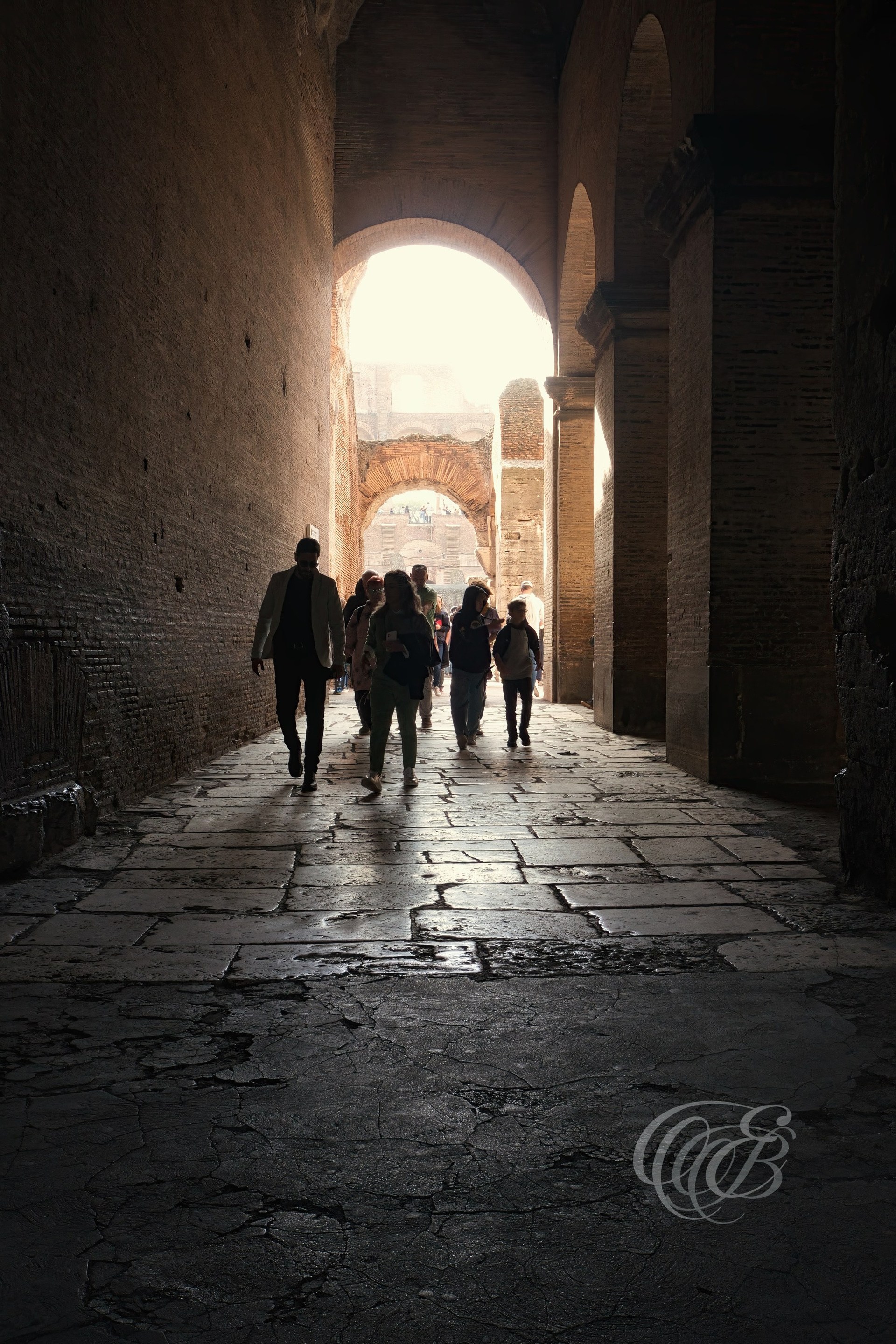
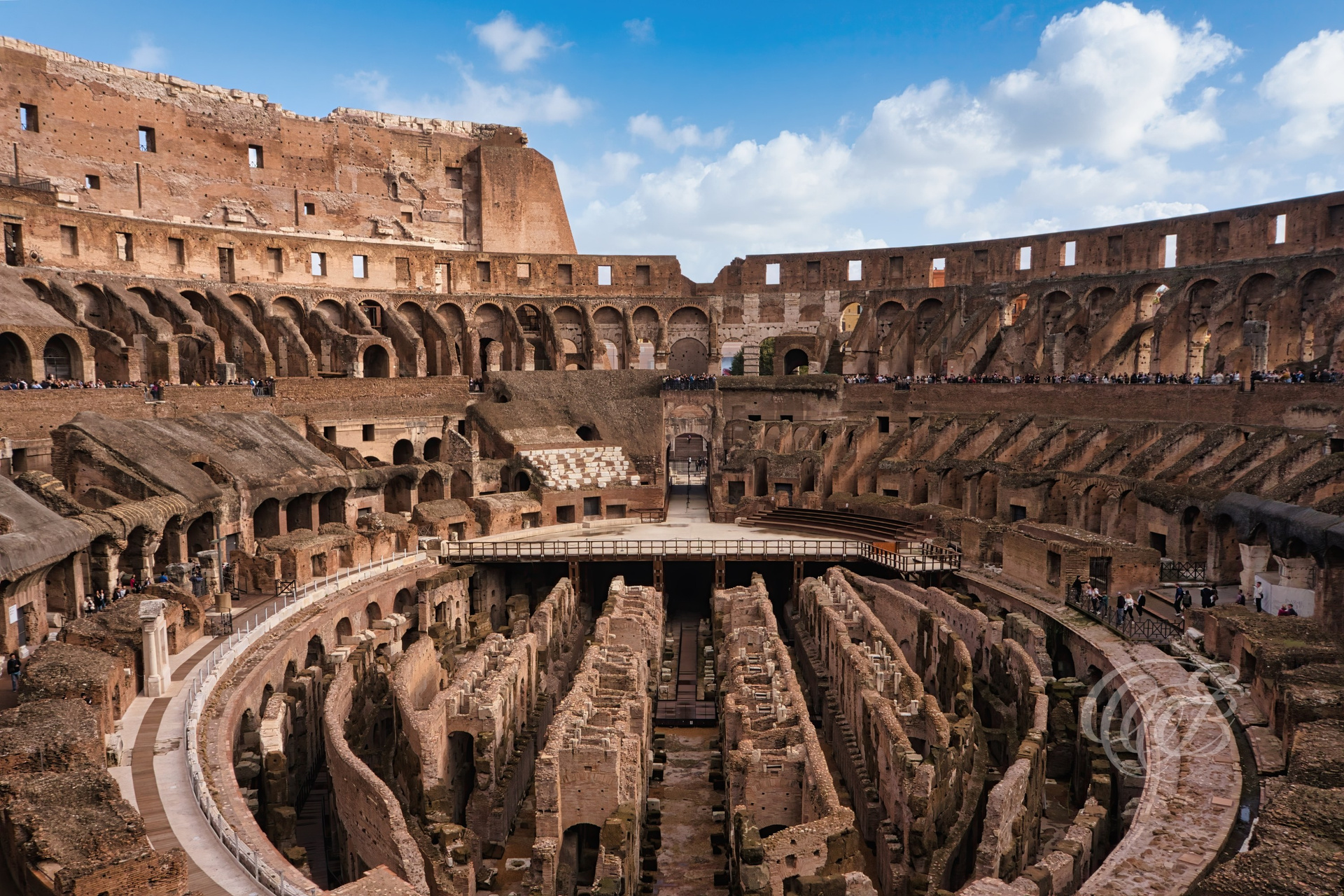
Beneath the seating levels of the Colosseum, a network of vaulted corridors and passageways supported the movement of spectators, performers, animals, and equipment throughout the amphitheater. These architectural spaces reveal the engineering complexity of a structure completed in the 1st century AD, demonstrating how circulation and structural design were integrated within one of the largest public venues of the Roman Empire. Eduardo Bartoli Photography.
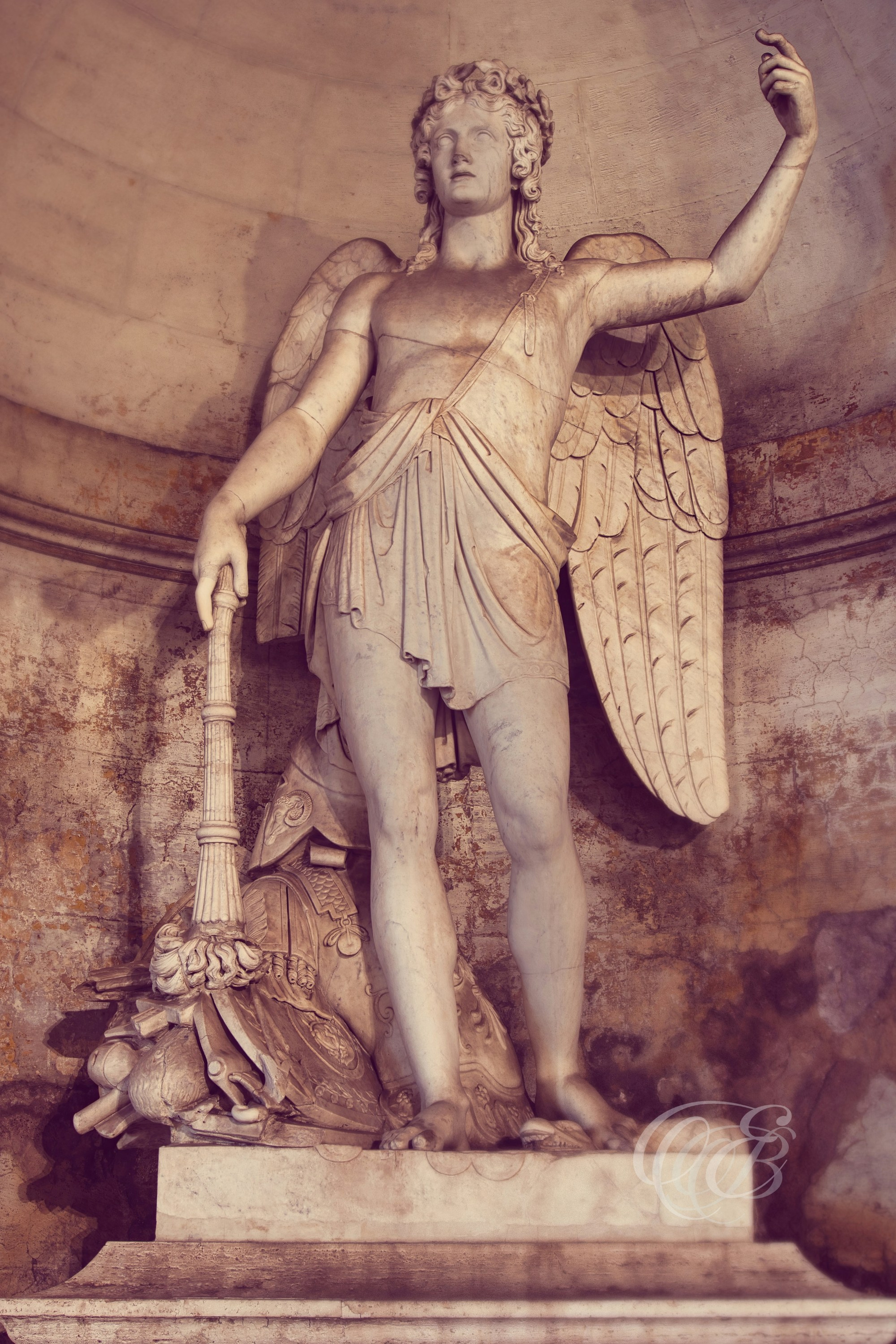
Overlooking Piazza del Popolo from the Pincian Hill, an angel sculpture forms part of the historic architectural and landscaped setting that connects one of Rome’s most important public squares with its elevated gardens and viewpoints. The figure reflects the artistic traditions that have shaped the city's monuments, terraces, and ceremonial spaces across centuries. Eduardo Bartoli Photography.
The Monument to Victor Emmanuel II, known as the Vittoriano, stands at Piazza Venezia as a national symbol of Italian unification, completed in the early 20th century to honor the first king of a unified Italy. Its monumental white marble architecture dominates the surrounding urban landscape, with terraces and sculptural elements that reflect the scale and ambition of post-unification Rome. Eduardo Bartoli Photography.
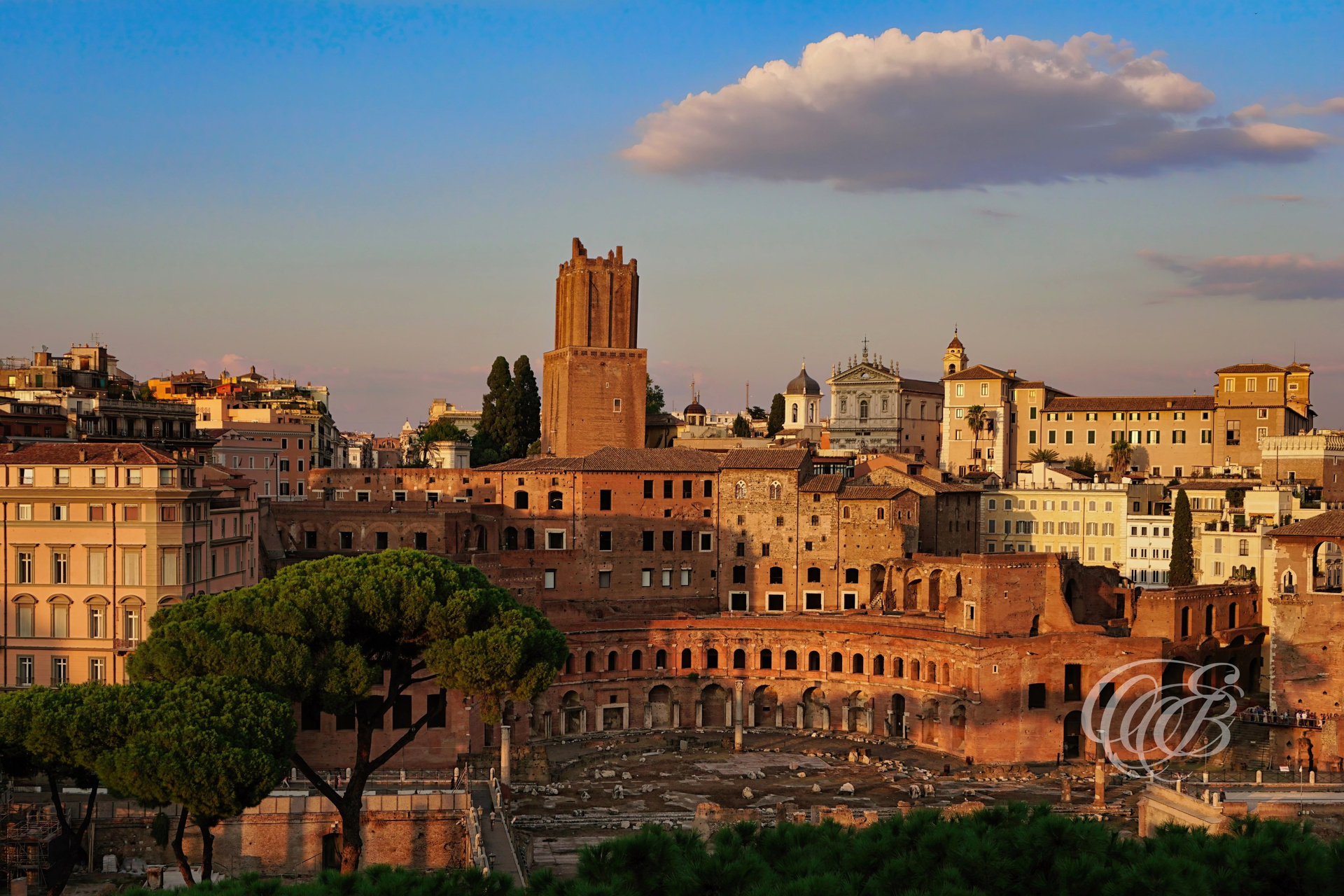
Trajan’s Market, built in the early 2nd century AD under Emperor Trajan, is considered one of the world’s earliest examples of a multi-level urban commercial complex. Adjacent to it rises the Torre delle Milizie, a medieval fortress tower that reflects Rome’s later transformation during the Middle Ages. Together, they illustrate the city’s layered architectural history spanning imperial and medieval periods. Eduardo Bartoli Photography.
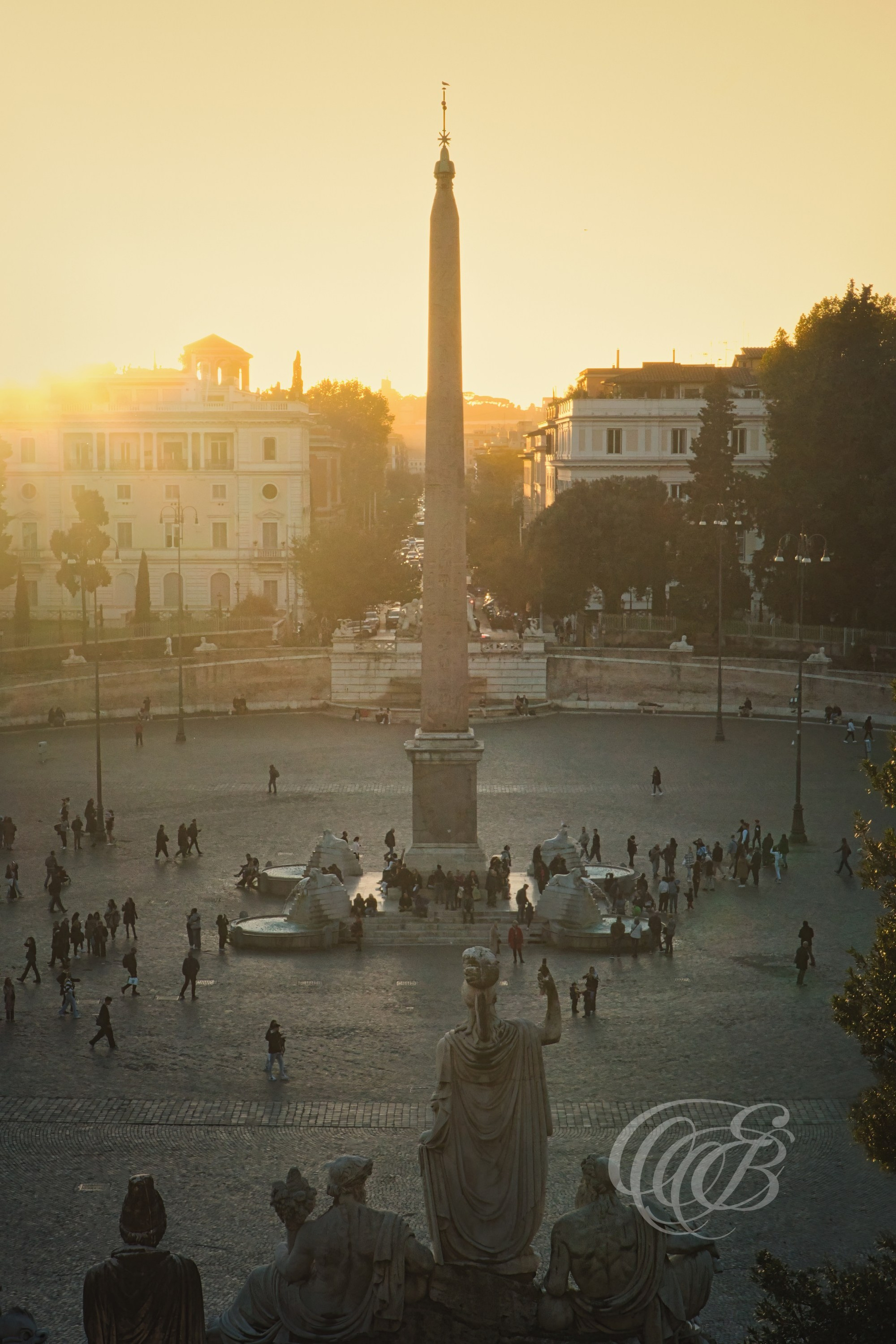
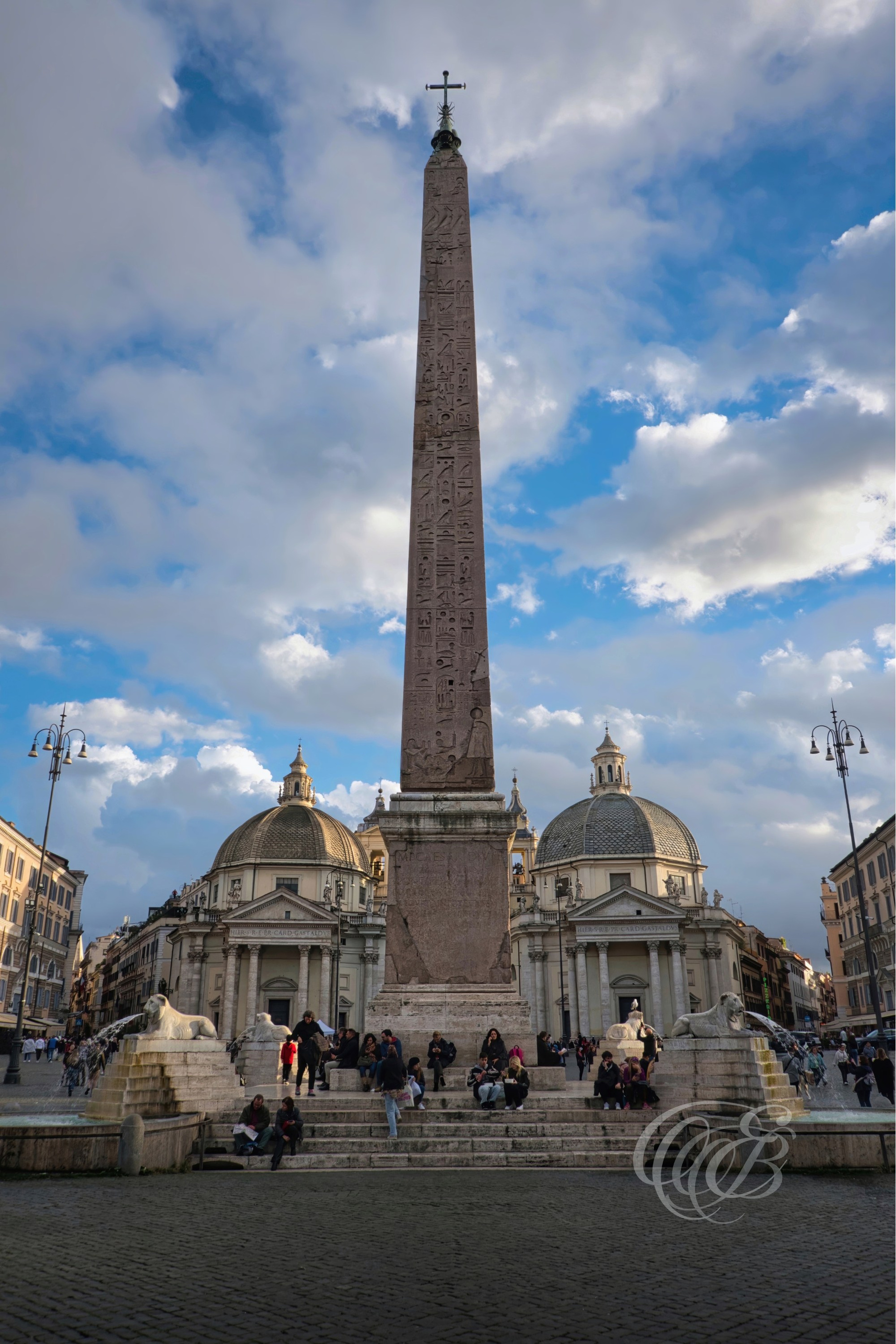
Piazza del Popolo has long served as one of Rome’s principal public squares, historically functioning as a ceremonial entrance to the city from the northern routes. Framed by churches, monuments, and the twin churches of Santa Maria dei Miracoli and Santa Maria in Montesanto, the square reflects layers of urban planning from the Renaissance and later periods. Eduardo Bartoli Photography.
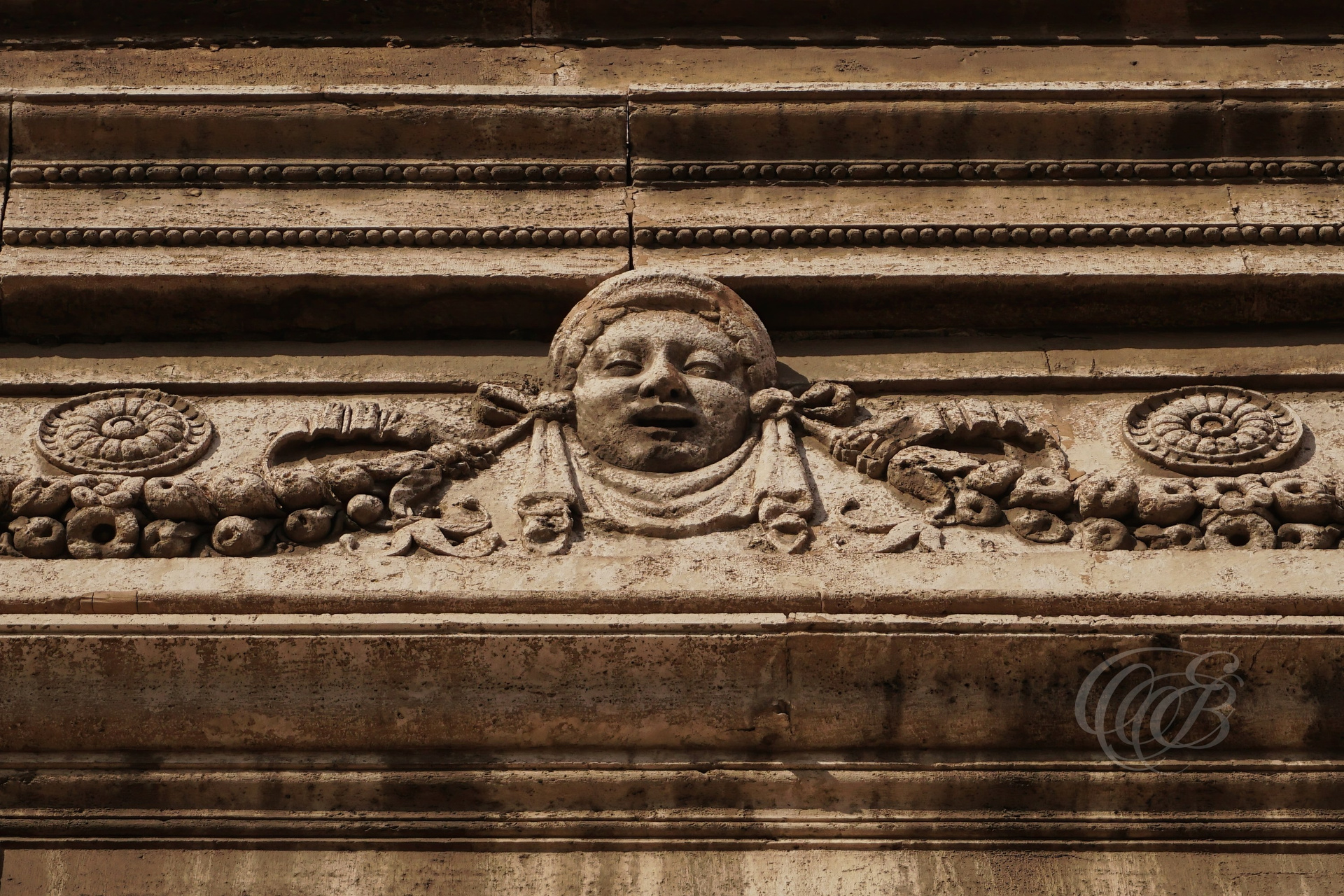
In the Trastevere district of Rome, architectural surfaces often preserve carved ornamentation and sculptural fragments that reflect the area’s long and layered urban history. This bas-relief face, integrated into a building façade, highlights the decorative traditions found throughout historic Roman architecture, where symbolic and ornamental elements are embedded into everyday structures. Eduardo Bartoli Photography.
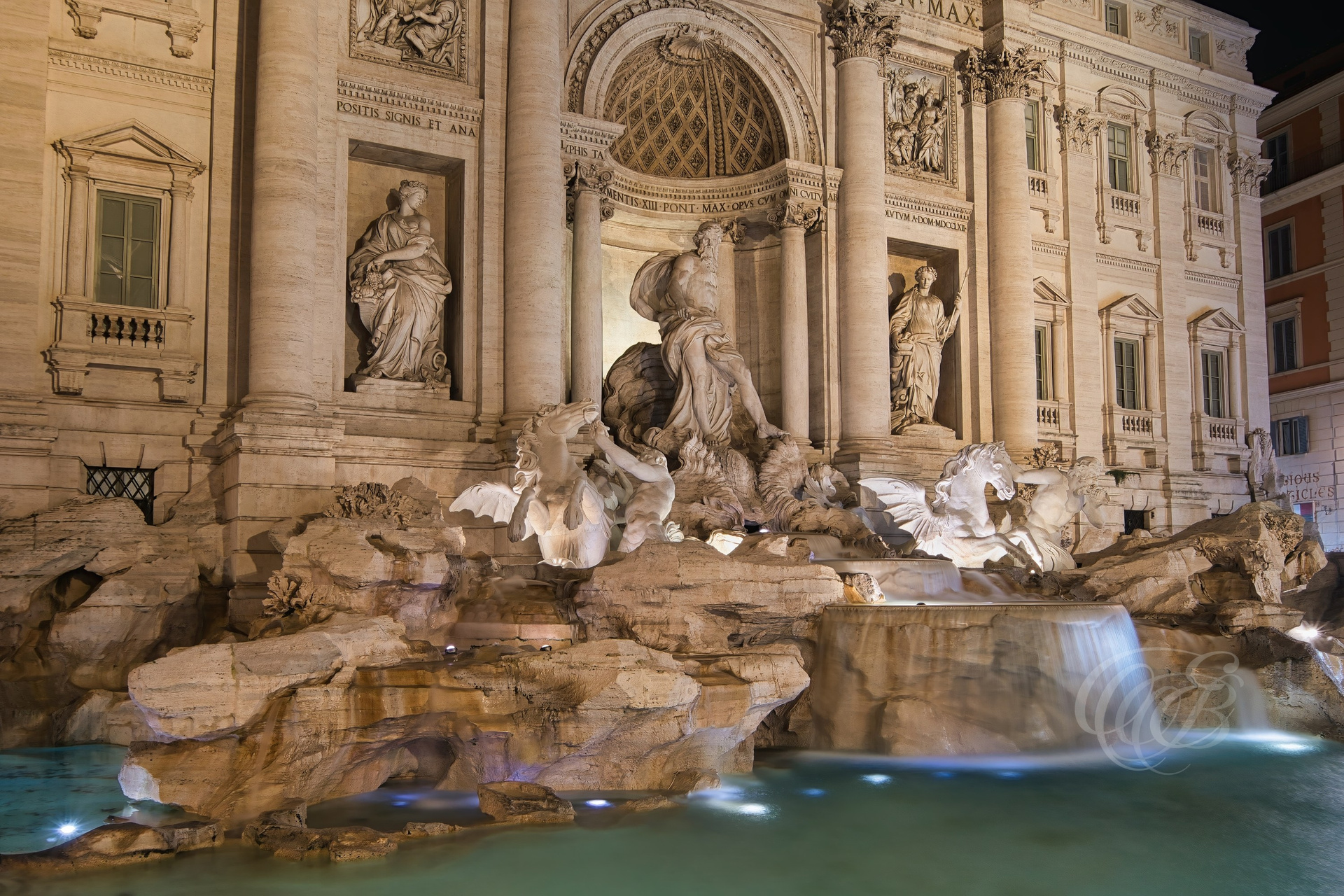
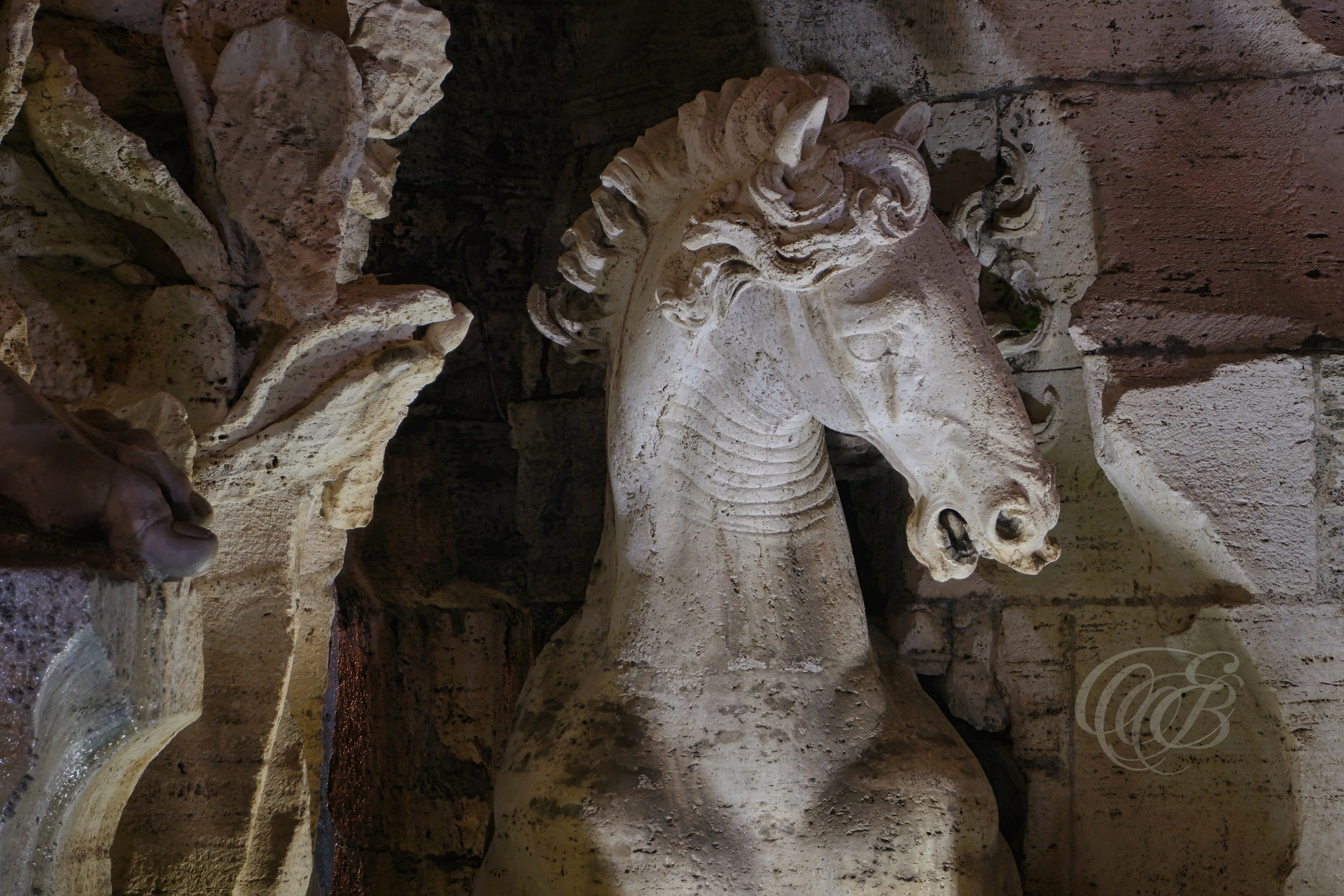
The Trevi Fountain, completed in the 18th century under Nicola Salvi and later finished by Giuseppe Pannini, is one of Rome’s most elaborate Baroque fountains. Its sculptural composition depicts Oceanus surrounded by allegorical figures and flowing water, integrated into the façade of the Palazzo Poli. Eduardo Bartoli Photography.
The Colosseum, completed in the 1st century AD under Emperors Vespasian and Titus, remains one of the most significant surviving monuments of ancient Rome. Its massive elliptical structure and tiered arches reflect the engineering and architectural scale of the Roman Empire. In late afternoon light, the monument’s textures and structural rhythm become more pronounced within the surrounding urban landscape. Eduardo Bartoli Photography.
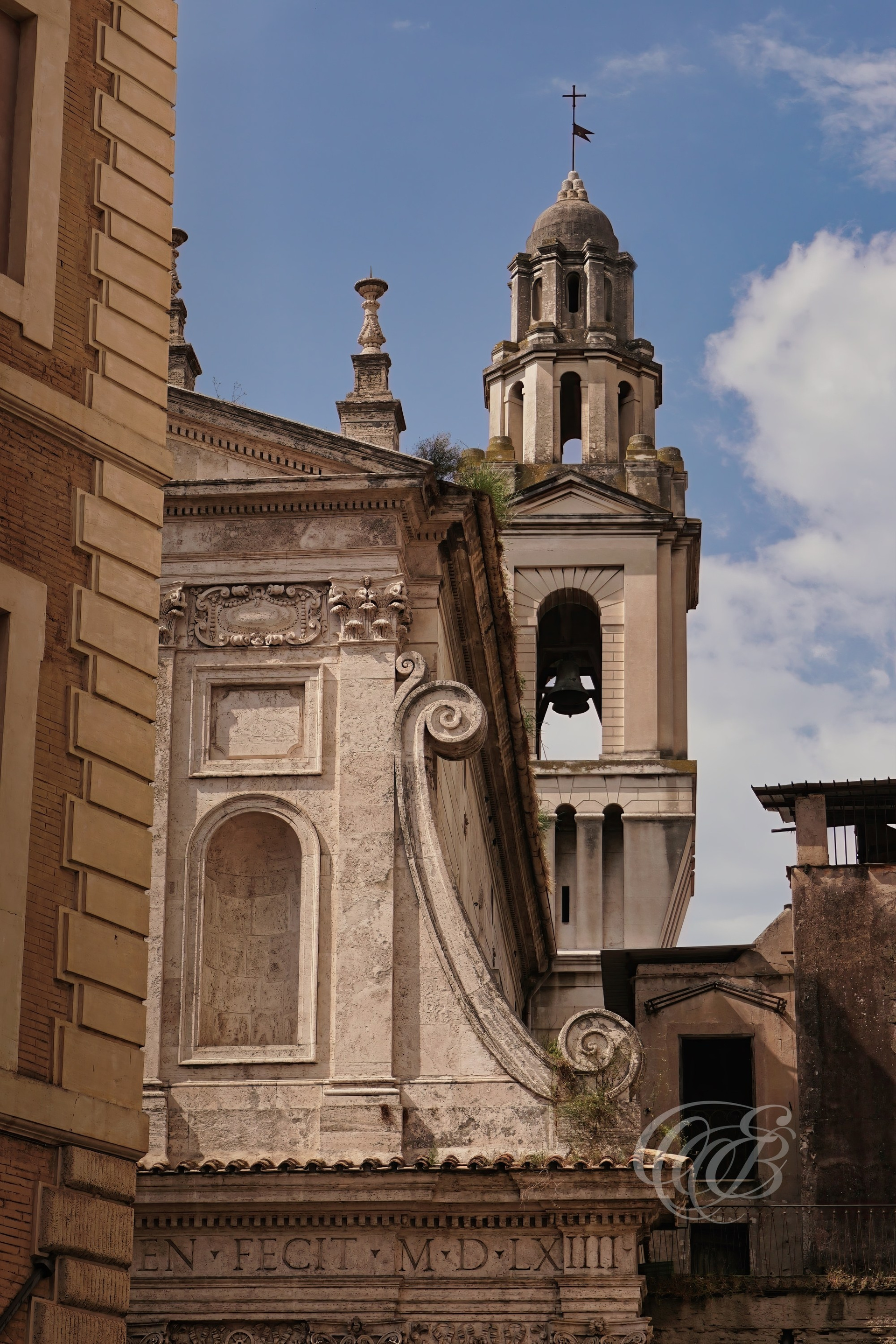
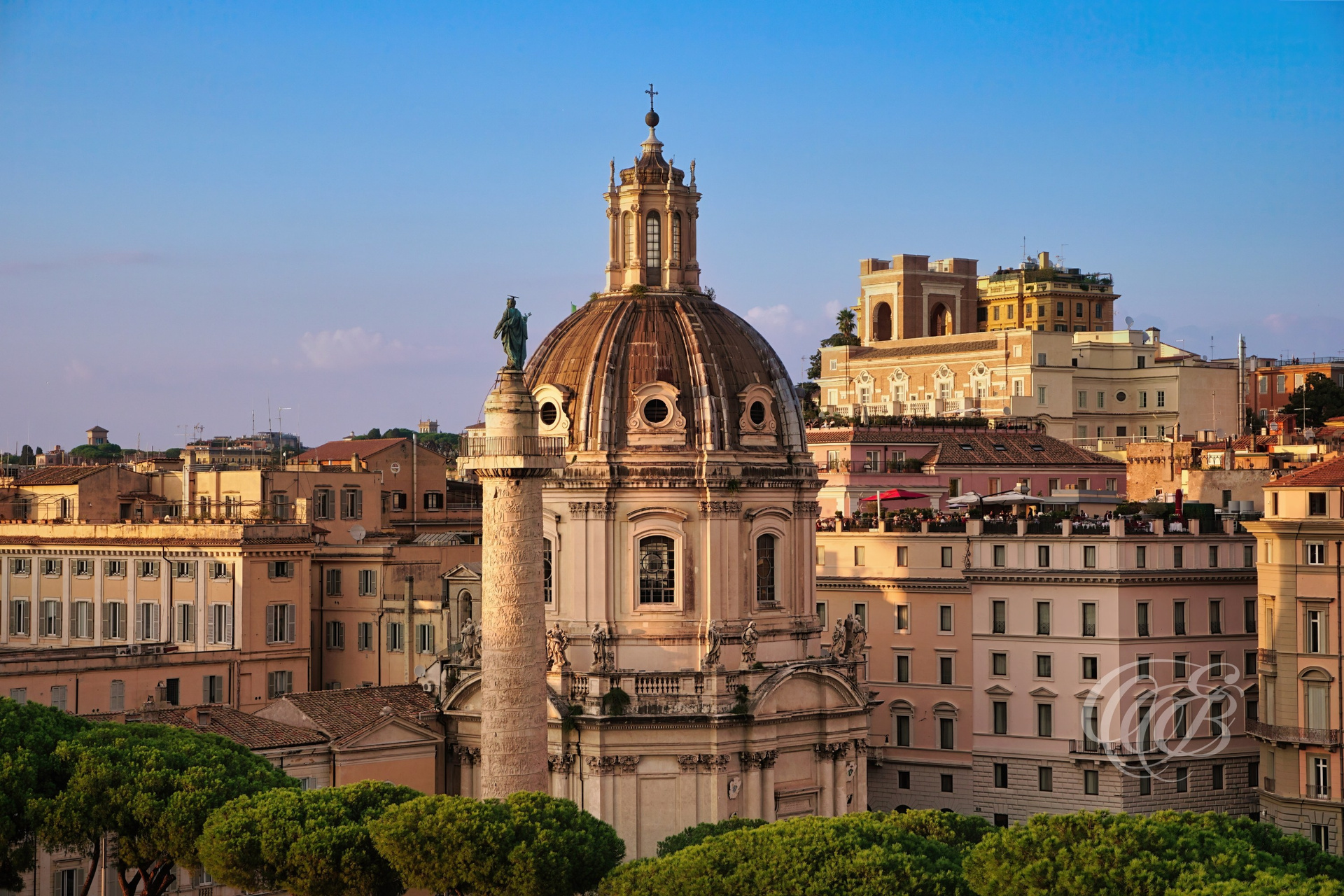
The Church of the Most Holy Name of Mary (Santissimo Nome di Maria al Foro Traiano) is located near Trajan’s Column and Piazza Venezia, forming part of the architectural dialogue between Baroque Rome and the ancient imperial forums. Built in the 18th century, its dome and façade reflect the late Baroque style that characterizes many of Rome’s ecclesiastical buildings. Eduardo Bartoli Photography.
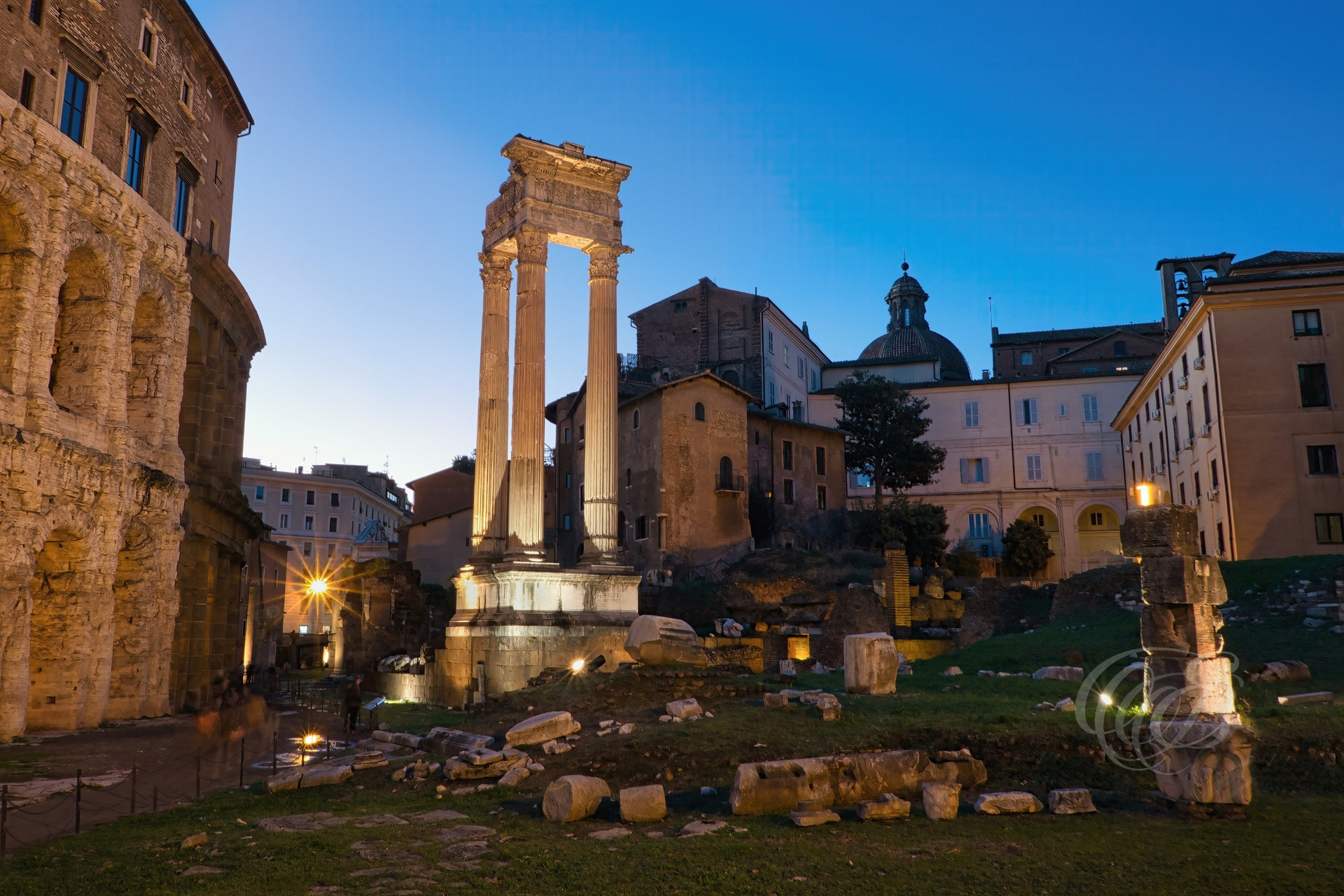
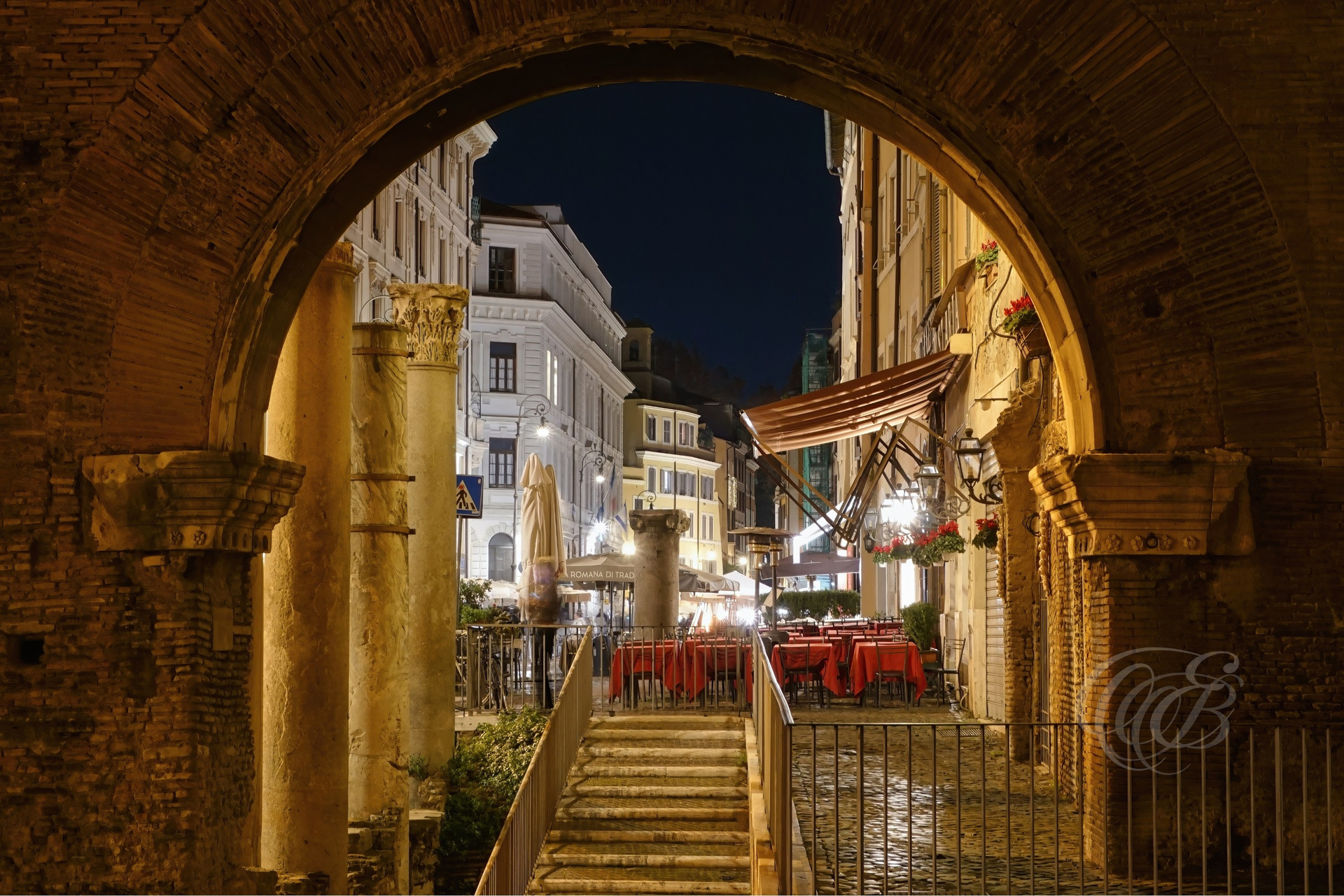
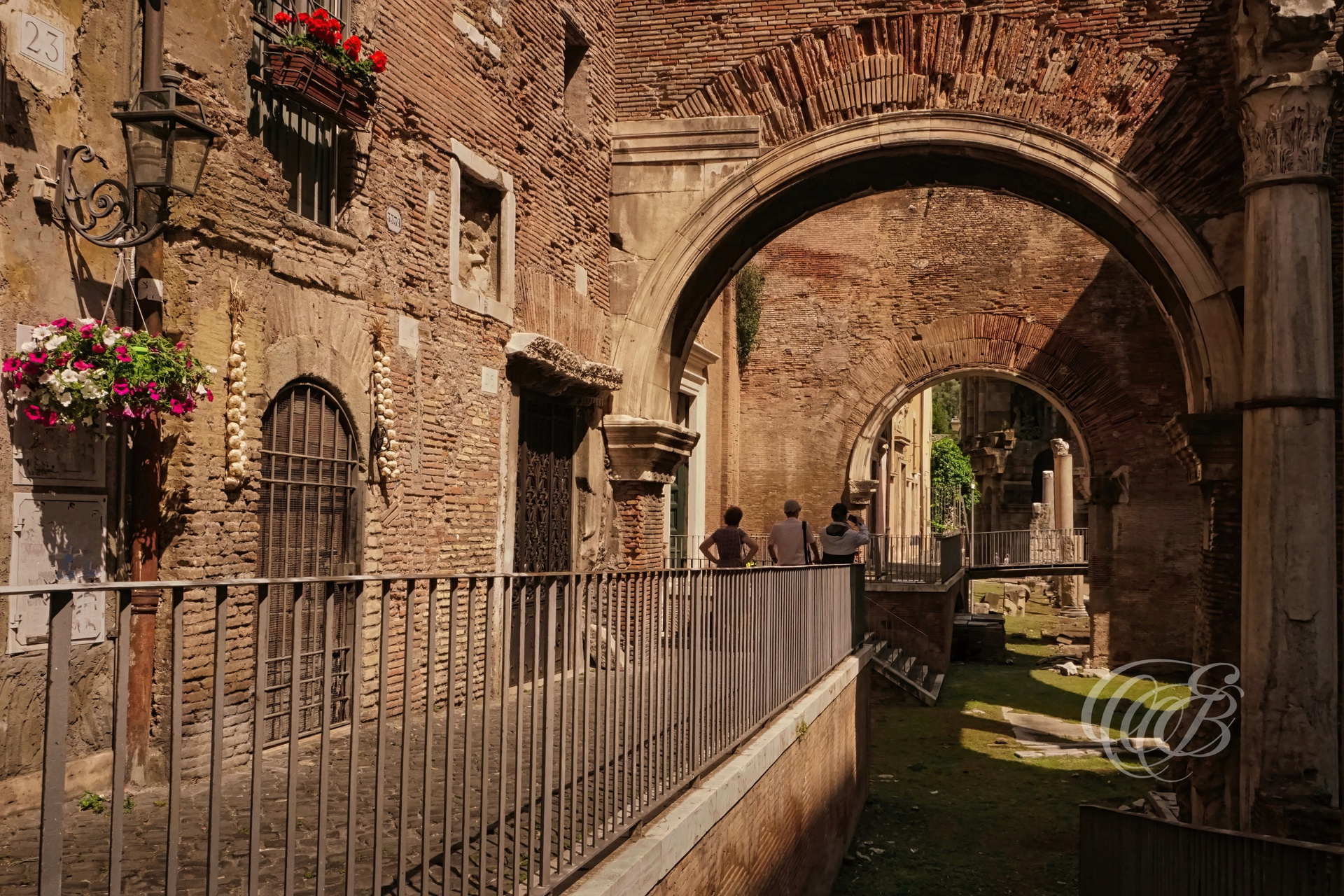
The Porticus of Octavia, originally built in the late 1st century BC by Emperor Augustus in memory of his sister Octavia, formed part of a grand complex that included temples and public spaces in ancient Rome. Today, surviving architectural fragments and archways reflect the layered history of the area near the Theatre of Marcellus, where Roman civic and religious life once converged. Eduardo Bartoli Photography.
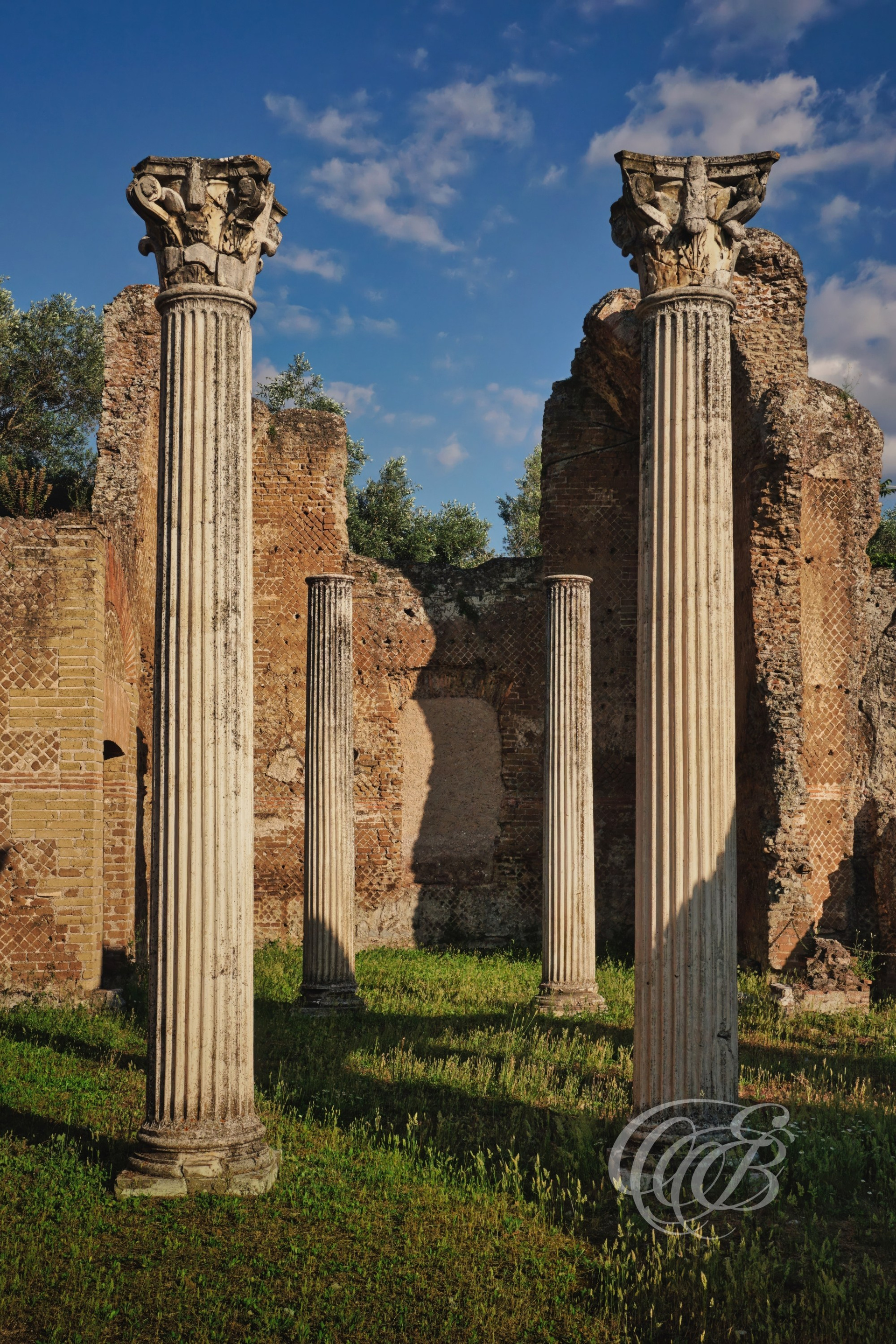
Hadrian’s Villa in Tivoli, constructed in the 2nd century AD under Emperor Hadrian, was an expansive imperial retreat that combined architectural influences from across the Roman Empire. The Golden Square, one of its central areas, features colonnades and structural remains that reflect the scale and sophistication of Roman residential design. Eduardo Bartoli Photography.
Piazza del Popolo has long served as one of Rome’s principal urban gateways, historically marking the entrance from the northern road network into the city. The square is defined by its central Egyptian obelisk, surrounding fountains, and the twin churches of Santa Maria dei Miracoli and Santa Maria in Montesanto, forming a carefully composed architectural ensemble shaped during the Renaissance and later periods. Eduardo Bartoli Photography.
Inside the Colosseum, the massive elliptical structure reveals the scale and complexity of ancient Roman engineering. Built in the 1st century AD under Emperors Vespasian and Titus, the amphitheater once held tens of thousands of spectators for public events and spectacles. The interplay of interior arches and fading light emphasizes the monument’s structural rhythm and enduring presence within Rome’s archaeological landscape. Eduardo Bartoli Photography.
Castel Sant’Angelo, originally built in the 2nd century AD as the mausoleum of Emperor Hadrian, has served throughout its history as a fortress, papal residence, and military stronghold. Positioned along the banks of the Tiber River and connected to the city by Ponte Sant’Angelo, the structure reflects the layered transformation of Rome from imperial capital to medieval and Renaissance center. Eduardo Bartoli Photography.
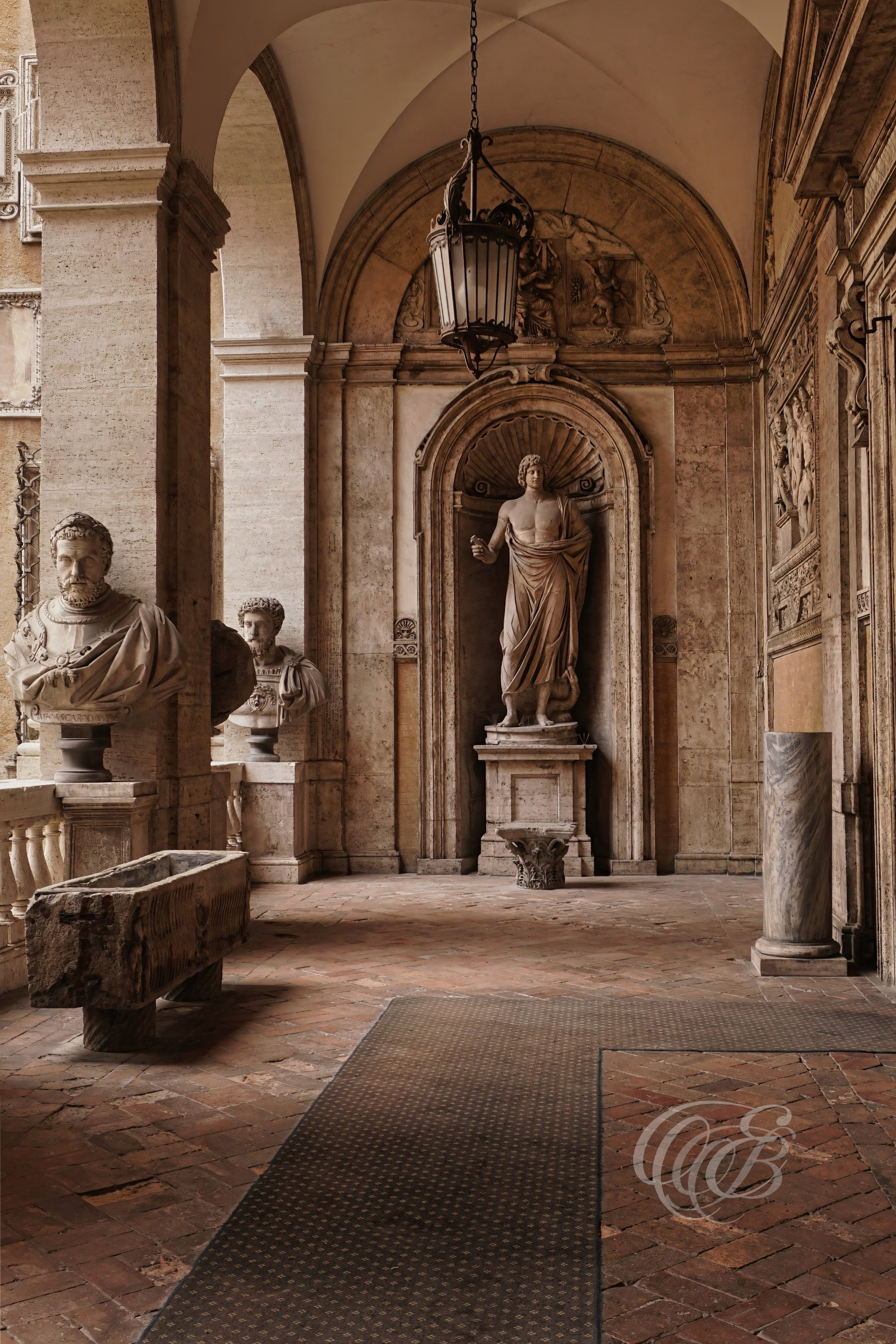
Palazzo Mattei di Giove in Rome contains richly decorated interiors that reflect the artistic and collecting traditions of aristocratic families during the Renaissance and Baroque periods. Its hallways are adorned with classical statues and busts, arranged as part of a curated display of antiquities that highlight the historical fascination with Greco-Roman art and sculpture. Eduardo Bartoli Photography.
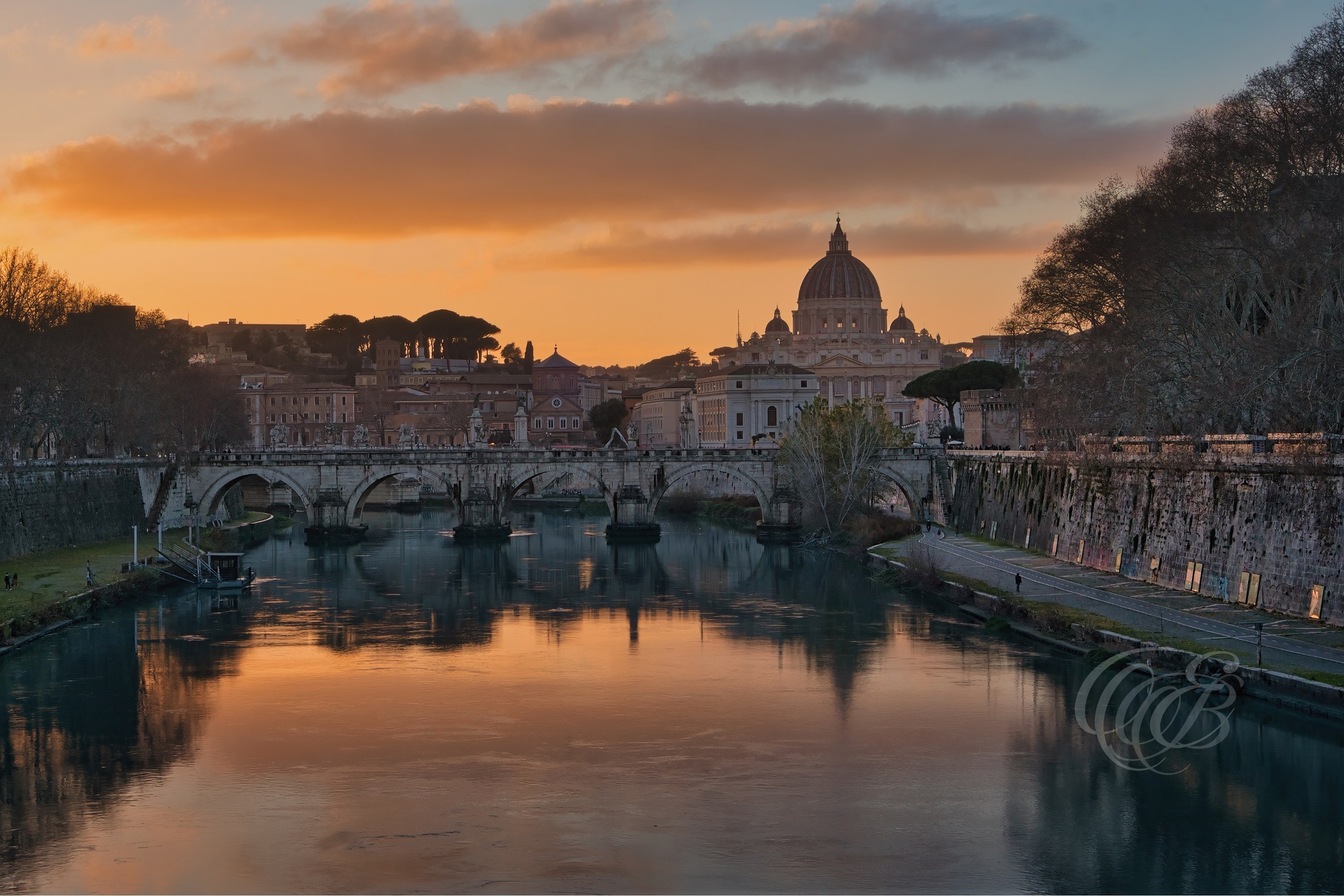
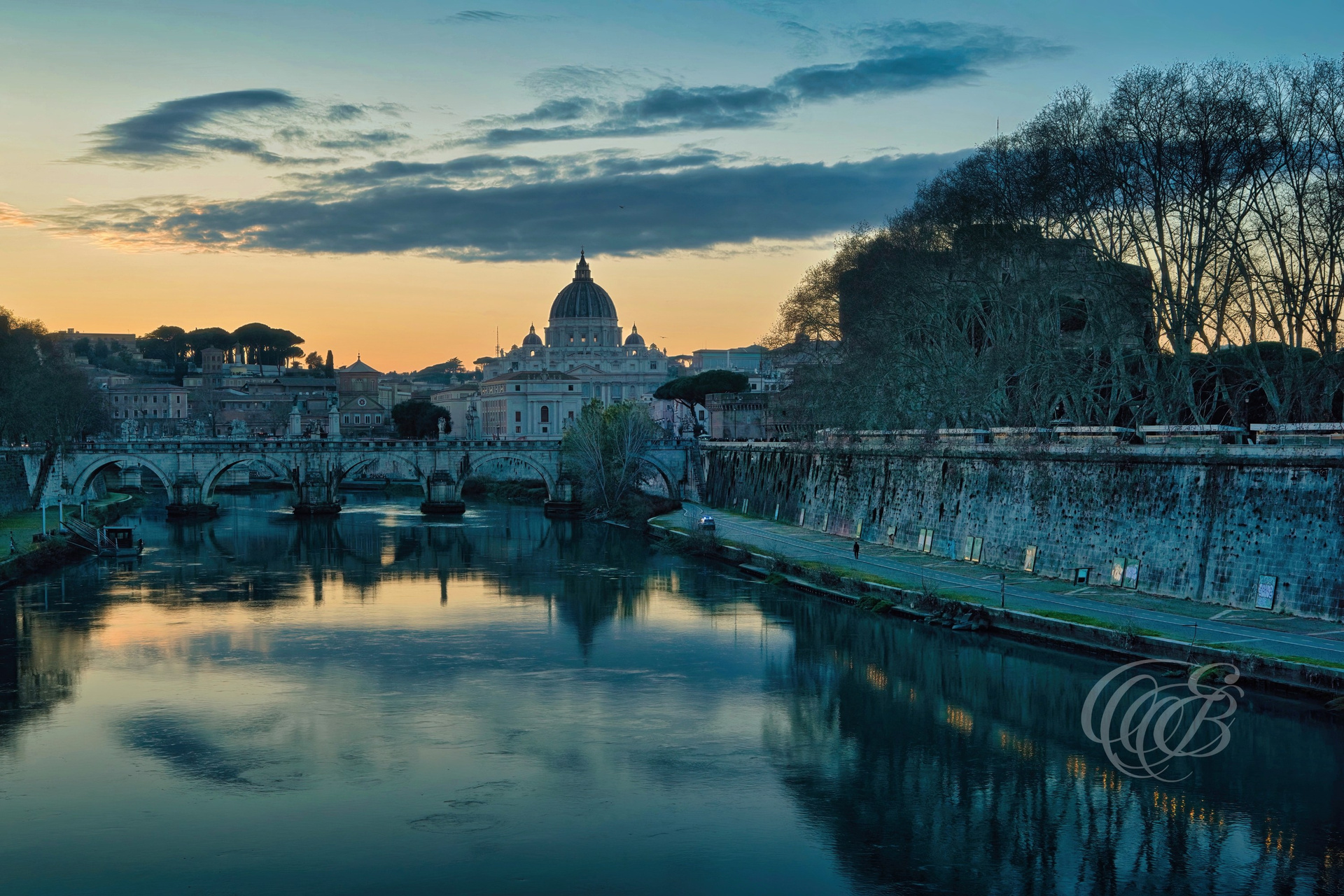
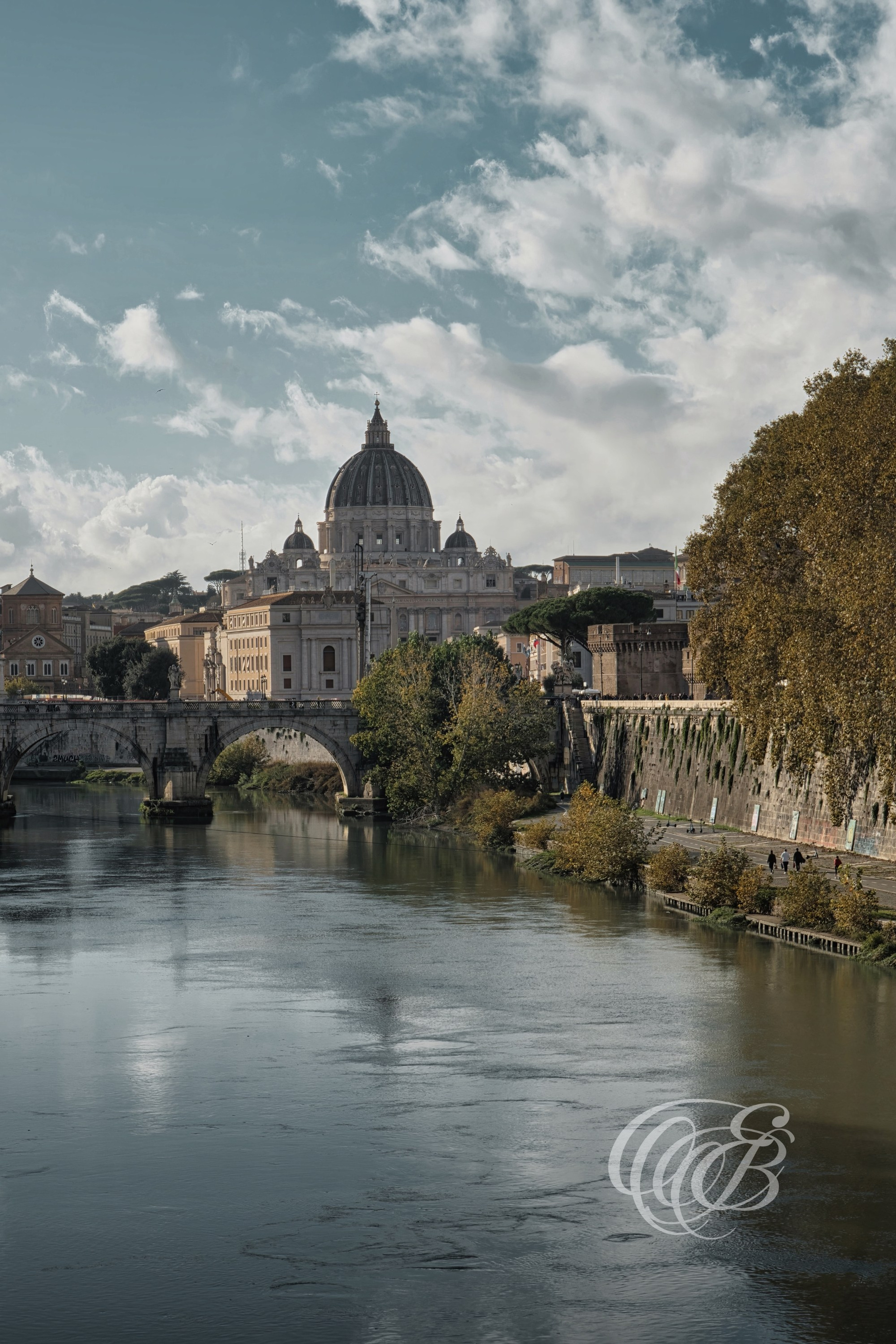
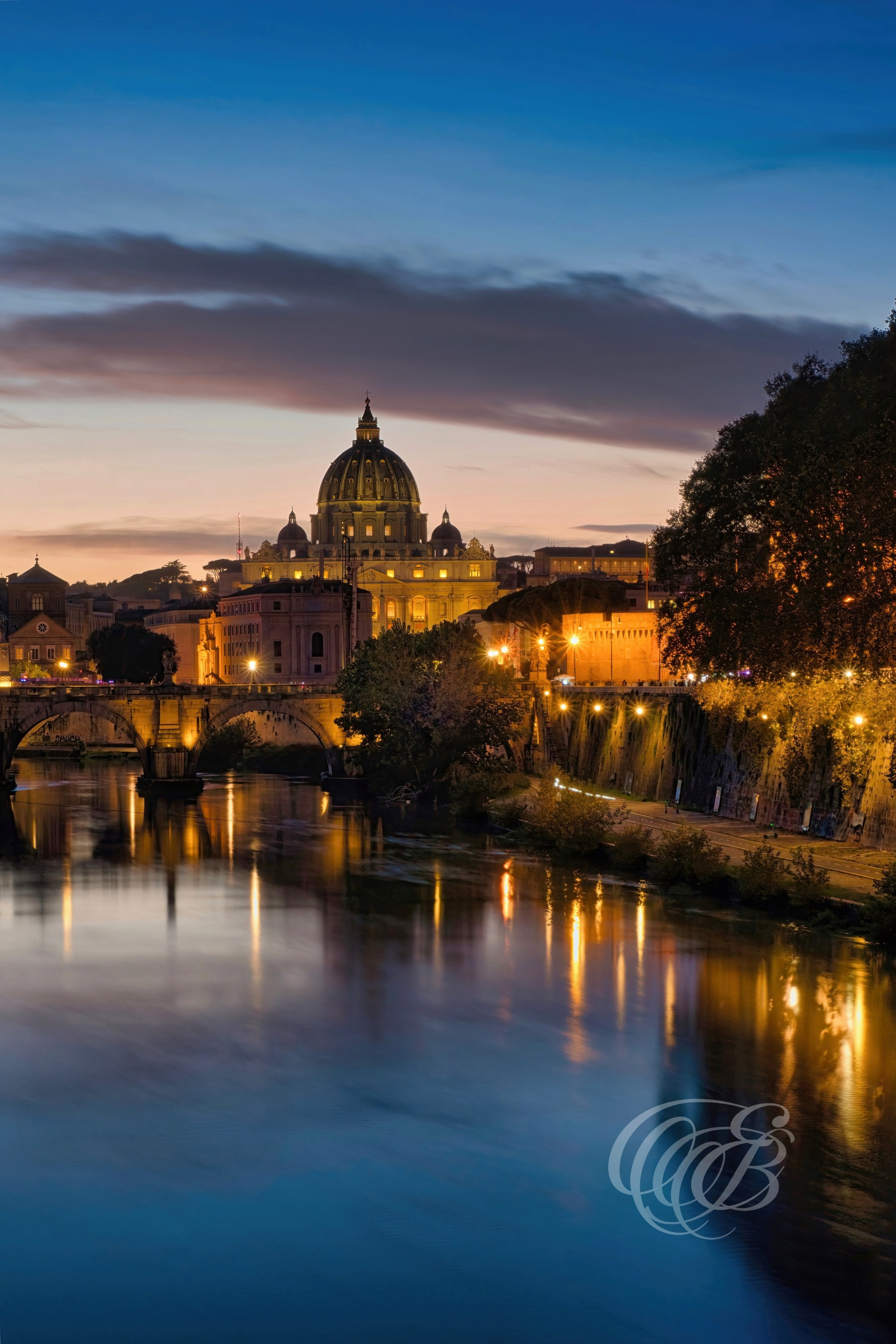
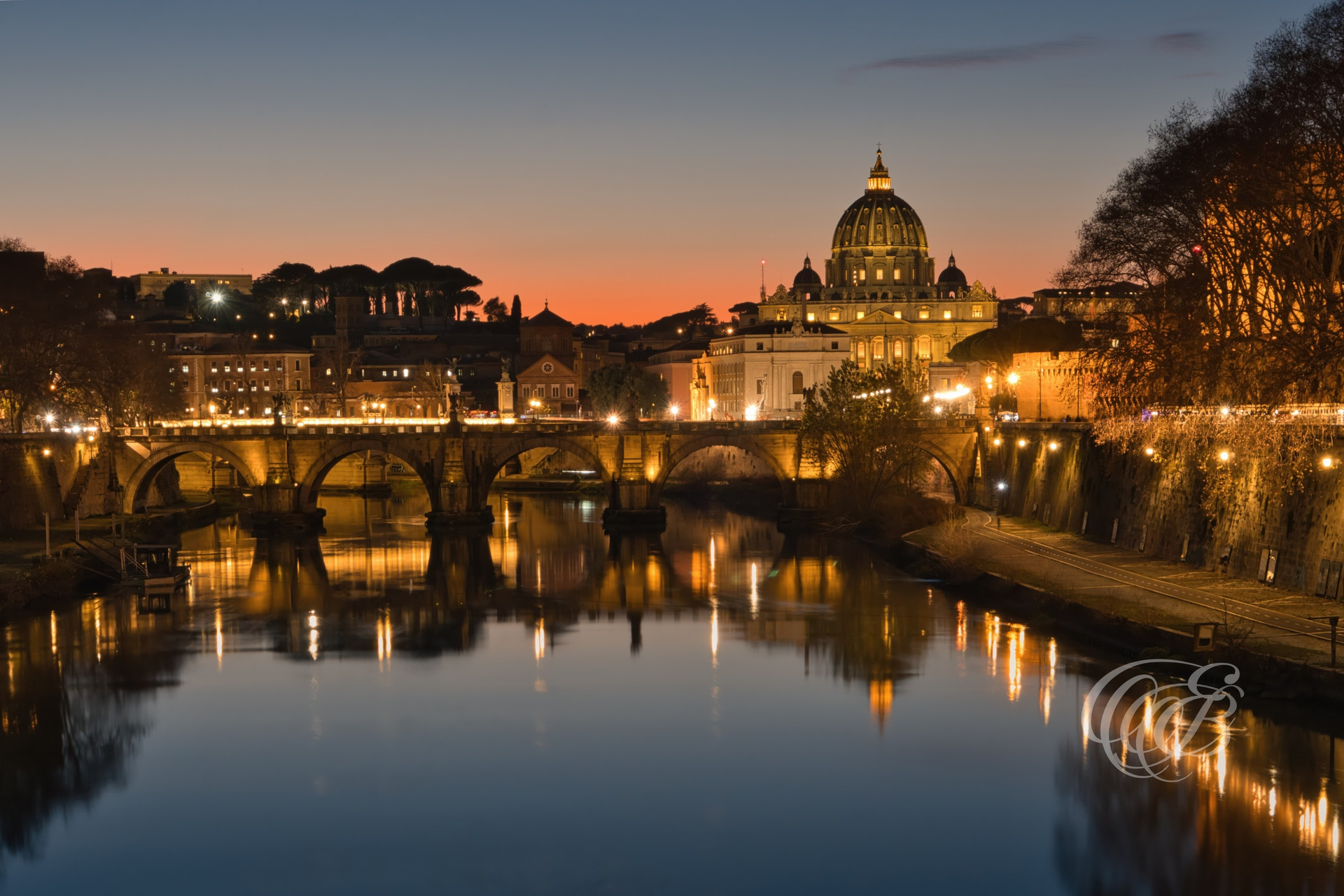
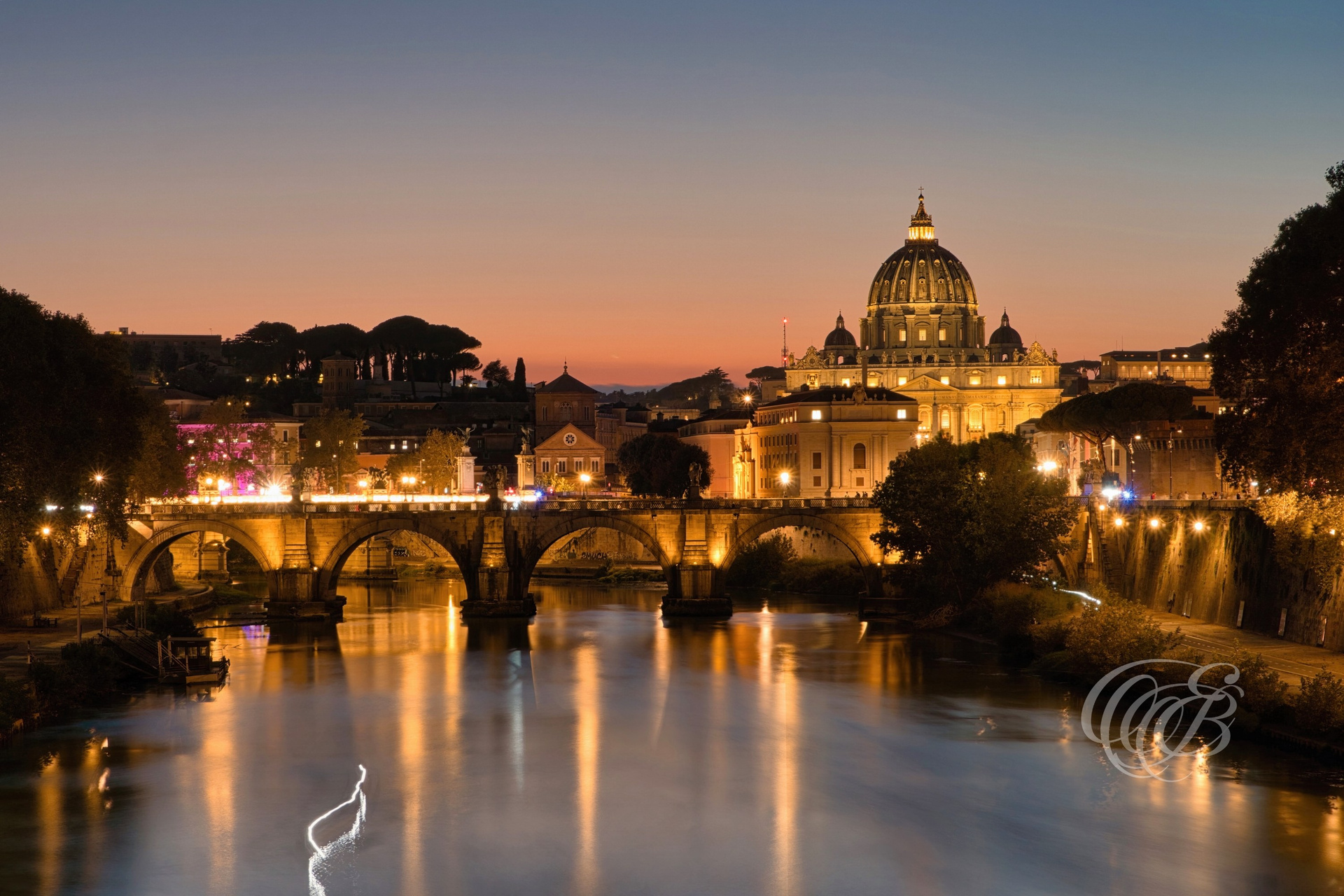
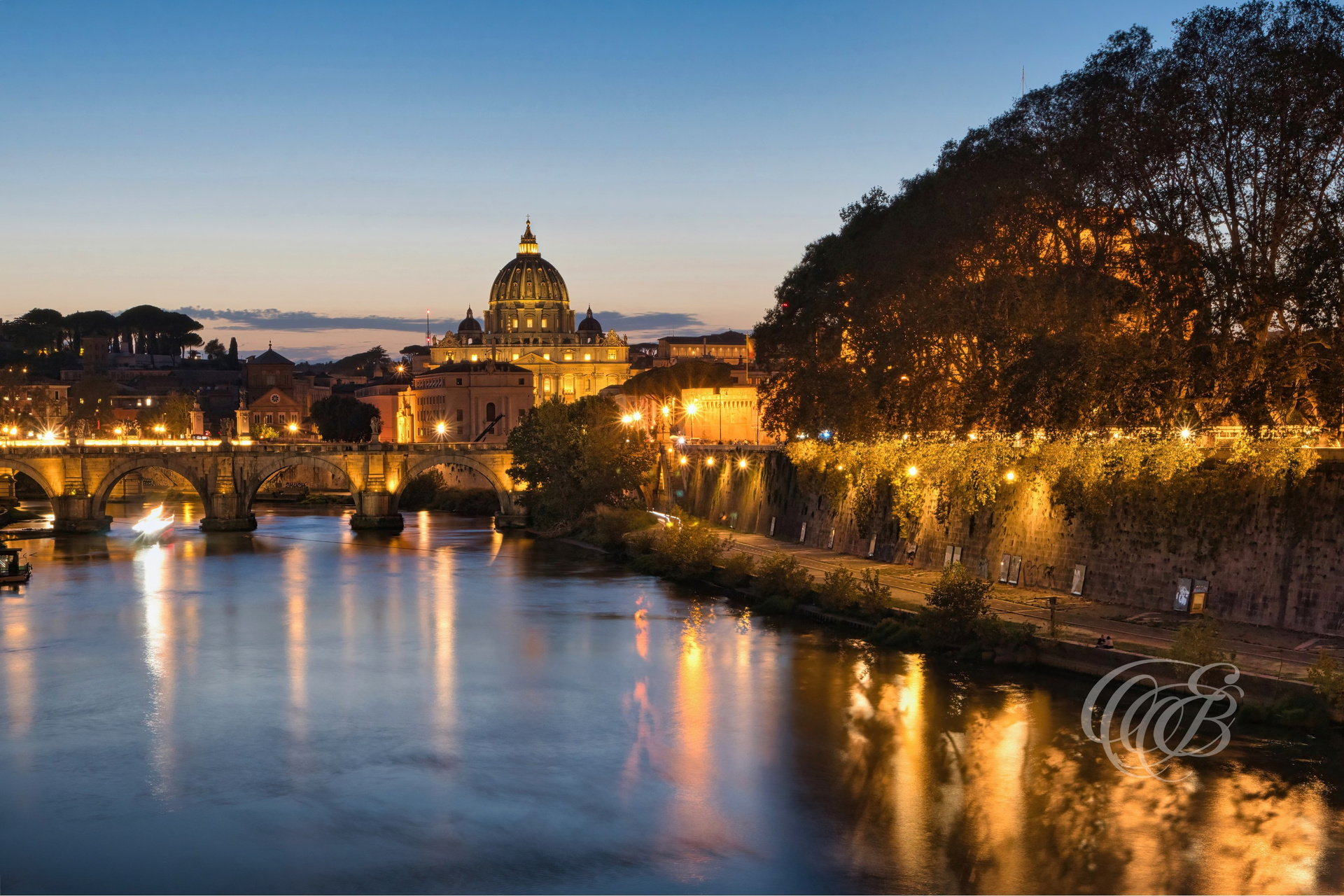
Ponte Sant’Angelo spans the Tiber River, connecting the historic center of Rome to Castel Sant’Angelo and leading visually toward St. Peter’s Basilica in Vatican City. Originally built under Emperor Hadrian in the 2nd century AD and later adorned with Baroque angel sculptures under Gian Lorenzo Bernini’s influence, the bridge forms part of one of Rome’s most historically layered urban corridors. Eduardo Bartoli Photography.
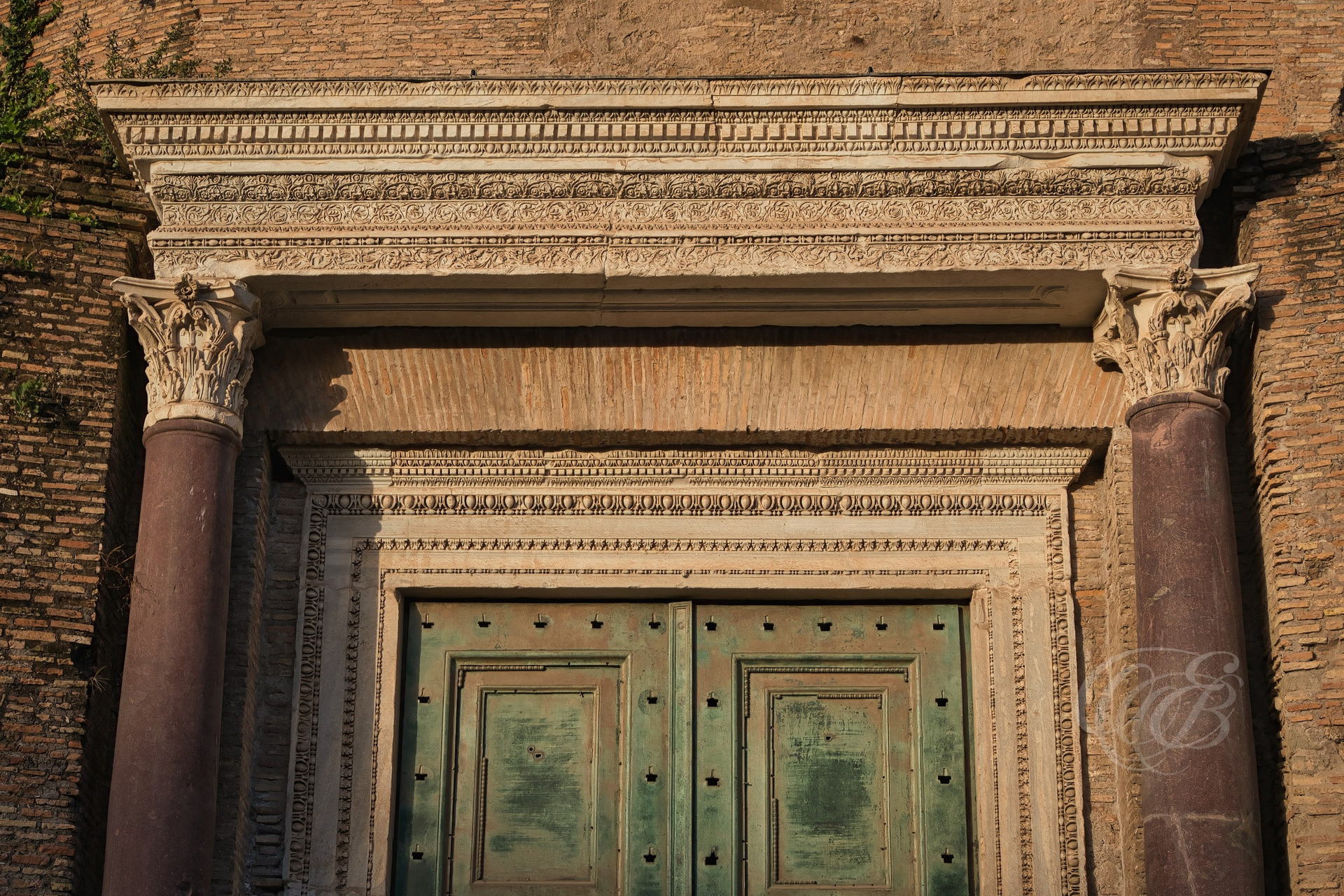
The Temple of Romulus, located within the Roman Forum, is one of the best-preserved structures of late antiquity in Rome. Built in the 4th century AD, it is believed to have been dedicated to Valerius Romulus, son of Emperor Maxentius. Its bronze doors and circular plan reflect the architectural transition between pagan Rome and the early Christian period, preserved within the layered archaeological landscape of the Forum. Eduardo Bartoli Photography.
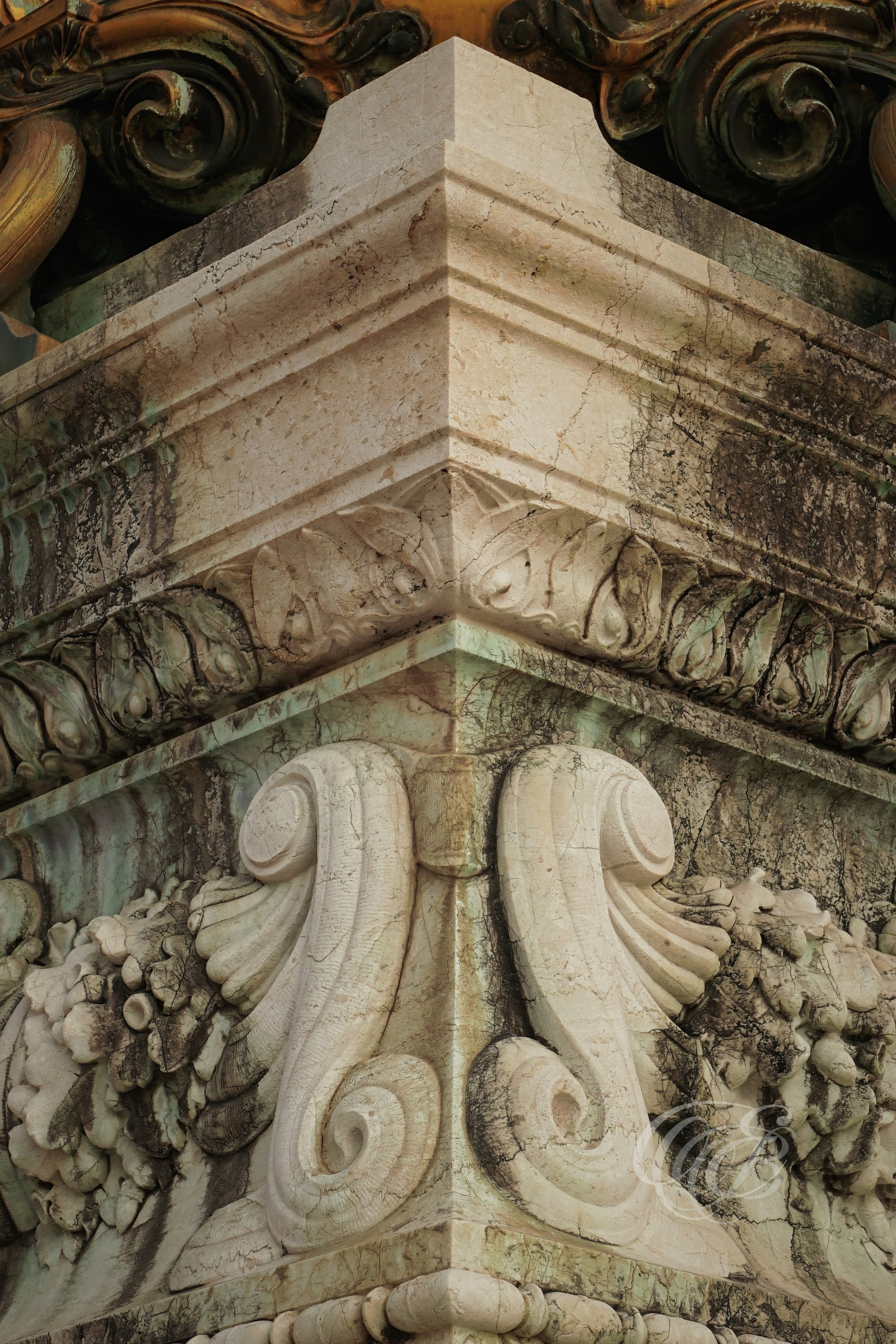
The Vittoriano, or Monument to Victor Emmanuel II, features extensive sculptural reliefs that depict allegorical figures and scenes related to the unification of Italy. Completed in the early 20th century, the monument combines white marble architecture with detailed decorative elements that reflect national history and symbolism. The reliefs highlight the artistic ambition of the post-unification period in Rome. Eduardo Bartoli Photography.
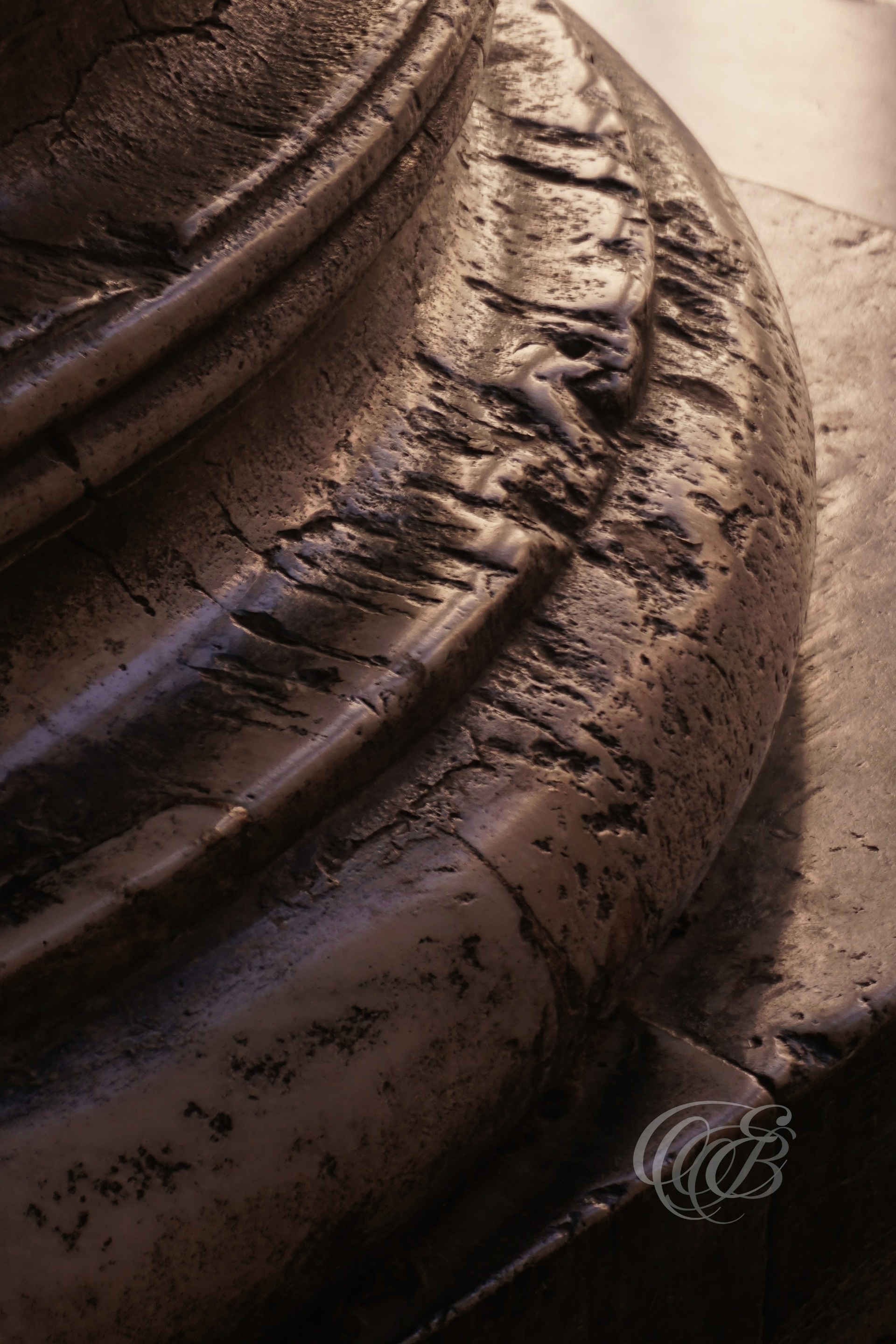
The Pantheon, completed during the reign of Emperor Hadrian in the 2nd century AD, preserves one of the most remarkable architectural spaces of ancient Rome. This detail focuses on the marble bases supporting its massive columns, revealing the precision of Roman engineering and the enduring quality of its materials. The structure remains a defining example of classical architectural harmony and construction. Eduardo Bartoli Photography.
St. Peter’s Basilica rises over Vatican City as one of the most significant works of Renaissance architecture, shaped by contributions from Bramante, Michelangelo, and Bernini between the 16th and 17th centuries. Its dome dominates the surrounding skyline, forming the focal point of St. Peter’s Square and reflecting centuries of architectural and religious history at the heart of Rome. Eduardo Bartoli Photography.
The Fontana dei Quattro Fiumi, designed by Gian Lorenzo Bernini in 1651, stands at the center of Piazza Navona as one of the most important works of Baroque sculpture in Rome. The fountain represents four major rivers—the Nile, Ganges, Danube, and Río de la Plata—symbolizing the continents known at the time and the reach of the Catholic Church. Its dynamic composition integrates sculpture, architecture, and water within a unified urban setting. Eduardo Bartoli Photography.
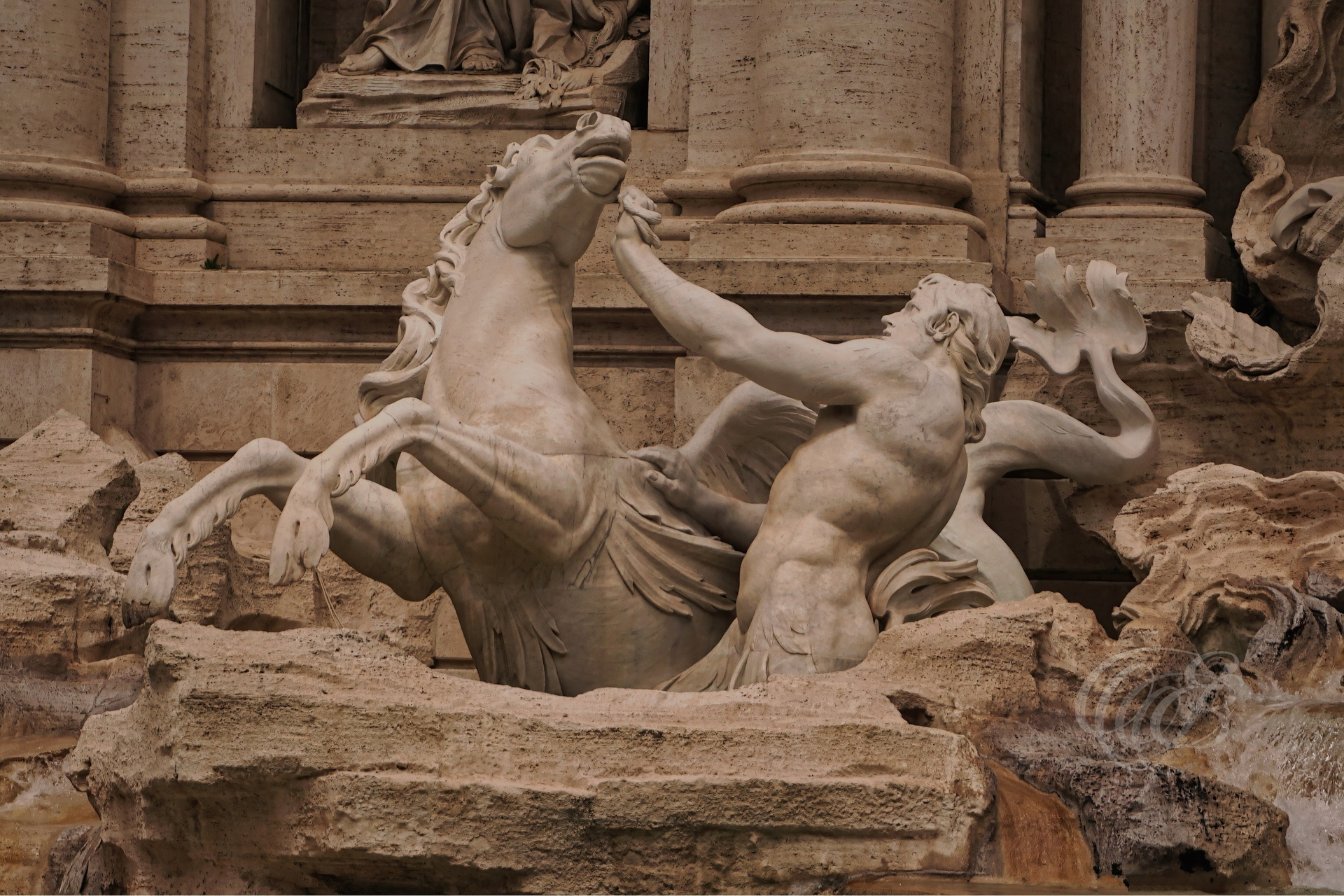
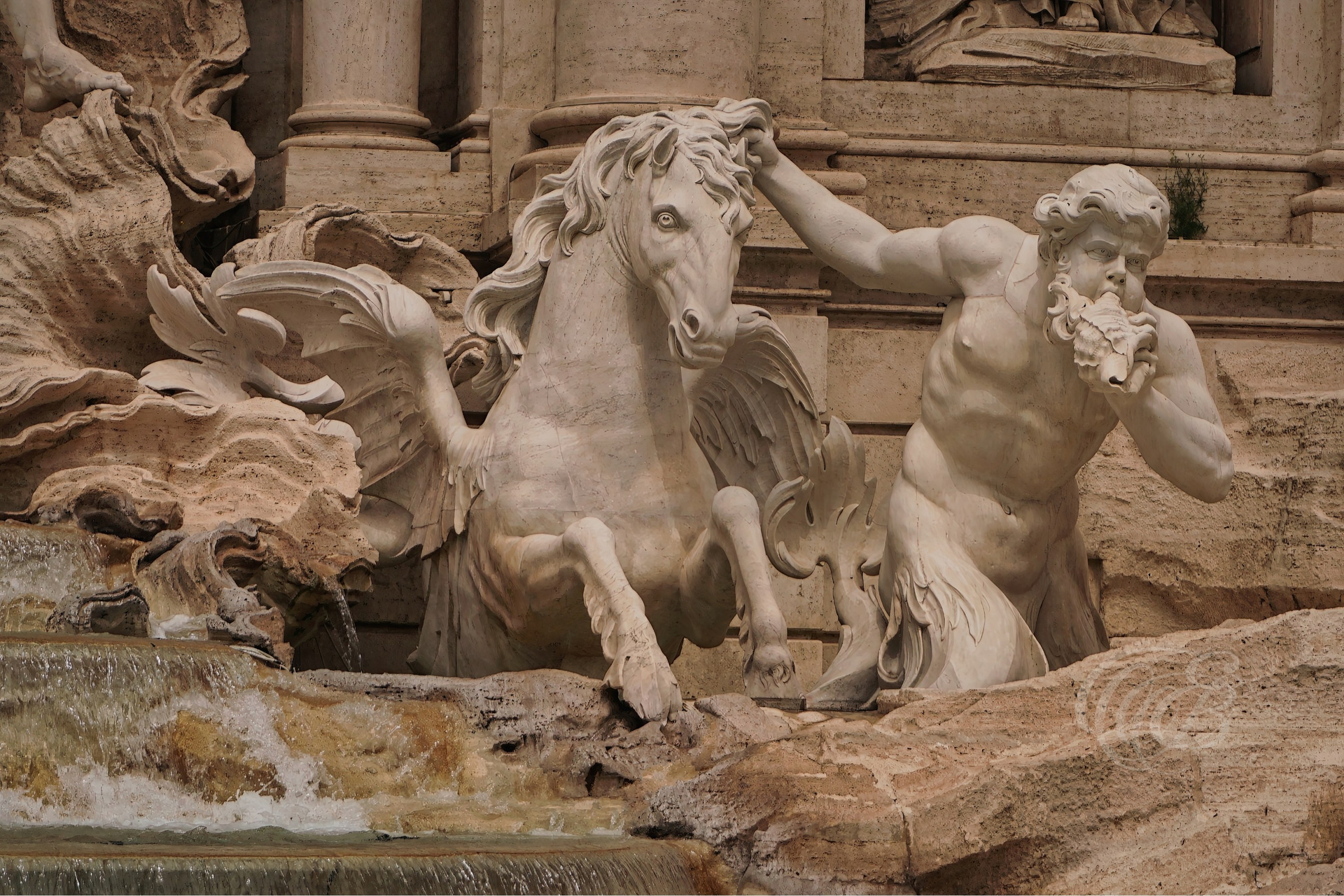
The Trevi Fountain, completed in the 18th century under Nicola Salvi and later finished by Giuseppe Pannini, is one of Rome’s most elaborate Baroque fountains. This detail highlights the sculptural figures of the hippocampus and Triton, central elements of the composition that represent the taming of the waters. Integrated into the façade of Palazzo Poli, the fountain combines architecture, sculpture, and water into a unified urban monument. Eduardo Bartoli Photography.
The Trevi Fountain, completed in the 18th century under Nicola Salvi and later finished by Giuseppe Pannini, is one of Rome’s most elaborate Baroque fountains. This detail highlights Triton and the hippocampus figures, part of the sculptural program symbolizing the power and movement of water. Set against the façade of Palazzo Poli, the composition unites sculpture, architecture, and flowing water into a single monumental design. Eduardo Bartoli Photography.
Ponte Sant’Angelo spans the Tiber River, connecting the historic center of Rome to Castel Sant’Angelo. Originally constructed in the 2nd century AD under Emperor Hadrian, the bridge was later transformed in the 17th century with angel sculptures designed under Gian Lorenzo Bernini’s direction. At sunset, the structure reflects centuries of architectural and urban evolution within the Roman landscape. Eduardo Bartoli Photography.
The Danube River figure forms part of the Fontana dei Quattro Fiumi, designed by Gian Lorenzo Bernini in 1651 for Piazza Navona. Representing one of the four great rivers of the known continents at the time, the sculpture is integrated into a dynamic composition that unites allegory, architecture, and water in the heart of Baroque Rome. Eduardo Bartoli Photography.
The Spanish Steps, completed in 1725 and designed by Francesco de Sanctis, connect Piazza di Spagna with the Trinità dei Monti church, forming one of Rome’s most recognized urban staircases. Built as a monumental civic and architectural transition between two levels of the city, the steps have long served as a gathering point within the historic center. Eduardo Bartoli Photography.
The Vittoriano, or Monument to Victor Emmanuel II, features extensive ornamental reliefs that form part of its sculptural program commemorating the unification of Italy. Completed in the early 20th century, the monument combines classical architectural language with allegorical figures and decorative stonework that reflect national themes and historical events. Eduardo Bartoli Photography.
Ponte Sant’Angelo spans the Tiber River, linking the historic center of Rome to Castel Sant’Angelo and aligning visually toward St. Peter’s Basilica in Vatican City. Originally built in the 2nd century AD under Emperor Hadrian and later enhanced with Baroque angel sculptures under Gian Lorenzo Bernini’s direction, the bridge forms part of one of the city’s most historically layered urban corridors. Eduardo Bartoli Photography.
The interior of the Colosseum reveals the monumental scale of ancient Roman engineering, with its system of arches, vaults, and tiered structures designed to accommodate tens of thousands of spectators. Built in the 1st century AD under Emperors Vespasian and Titus, the amphitheater served as the central venue for public spectacles in imperial Rome. Eduardo Bartoli Photography.
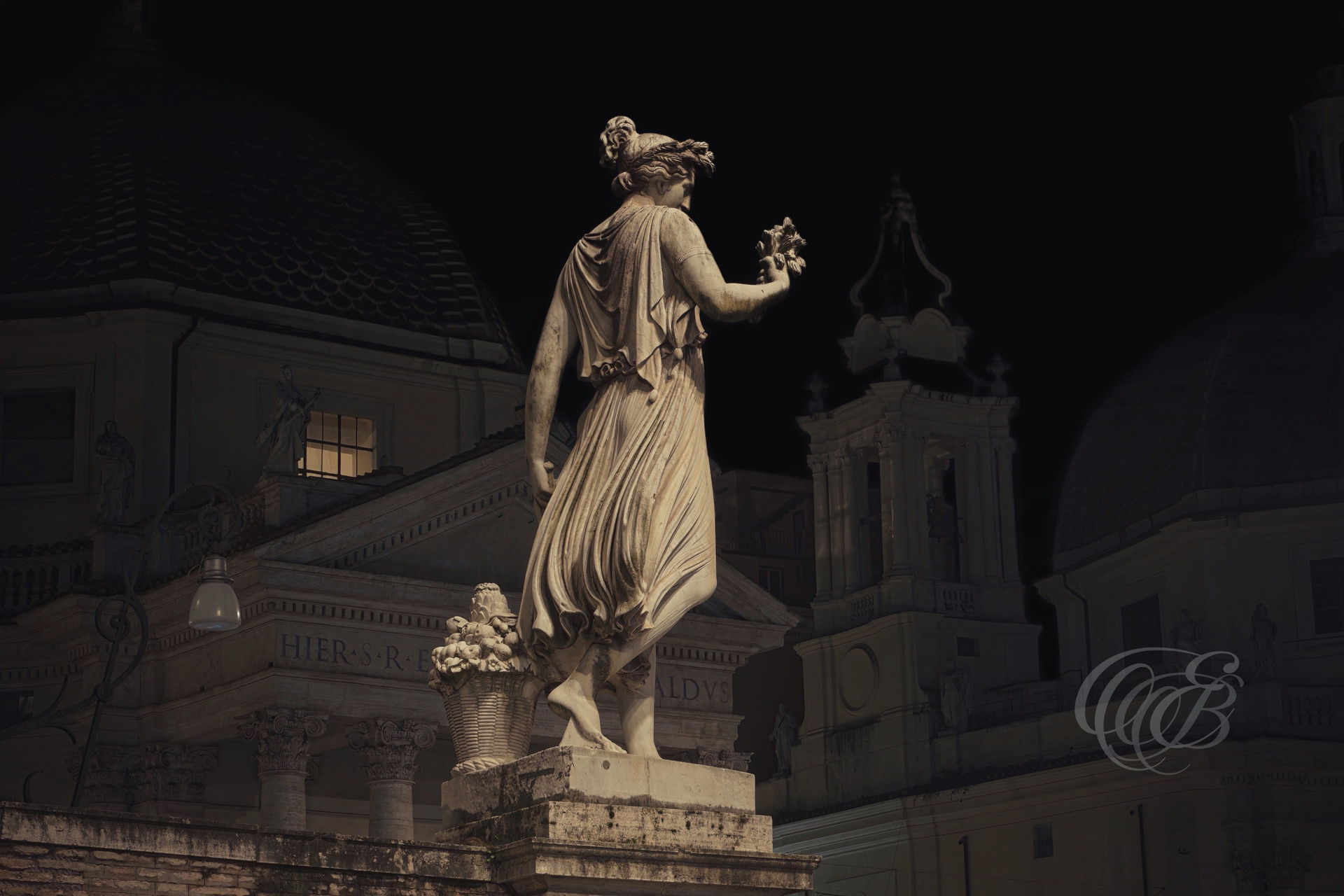
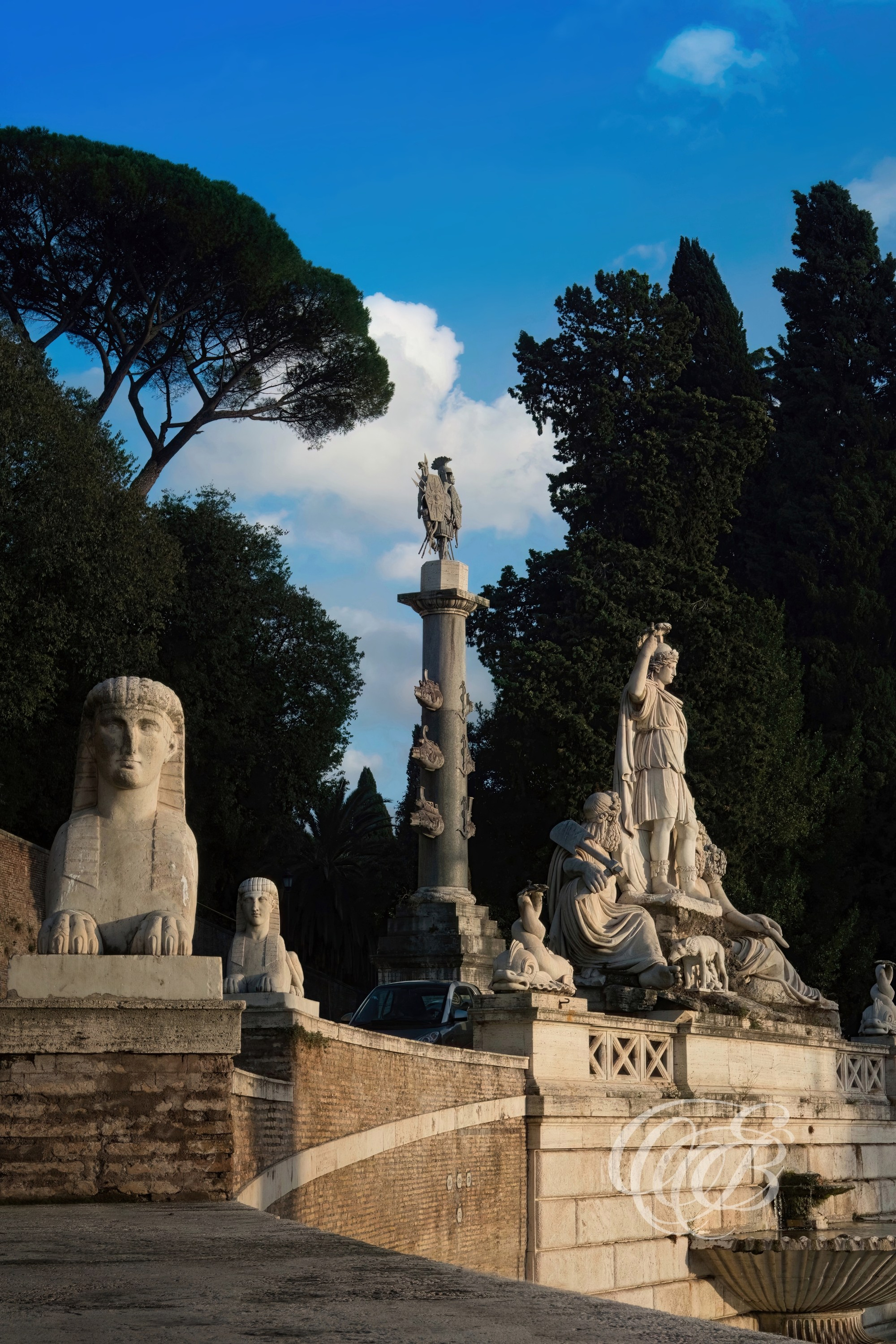
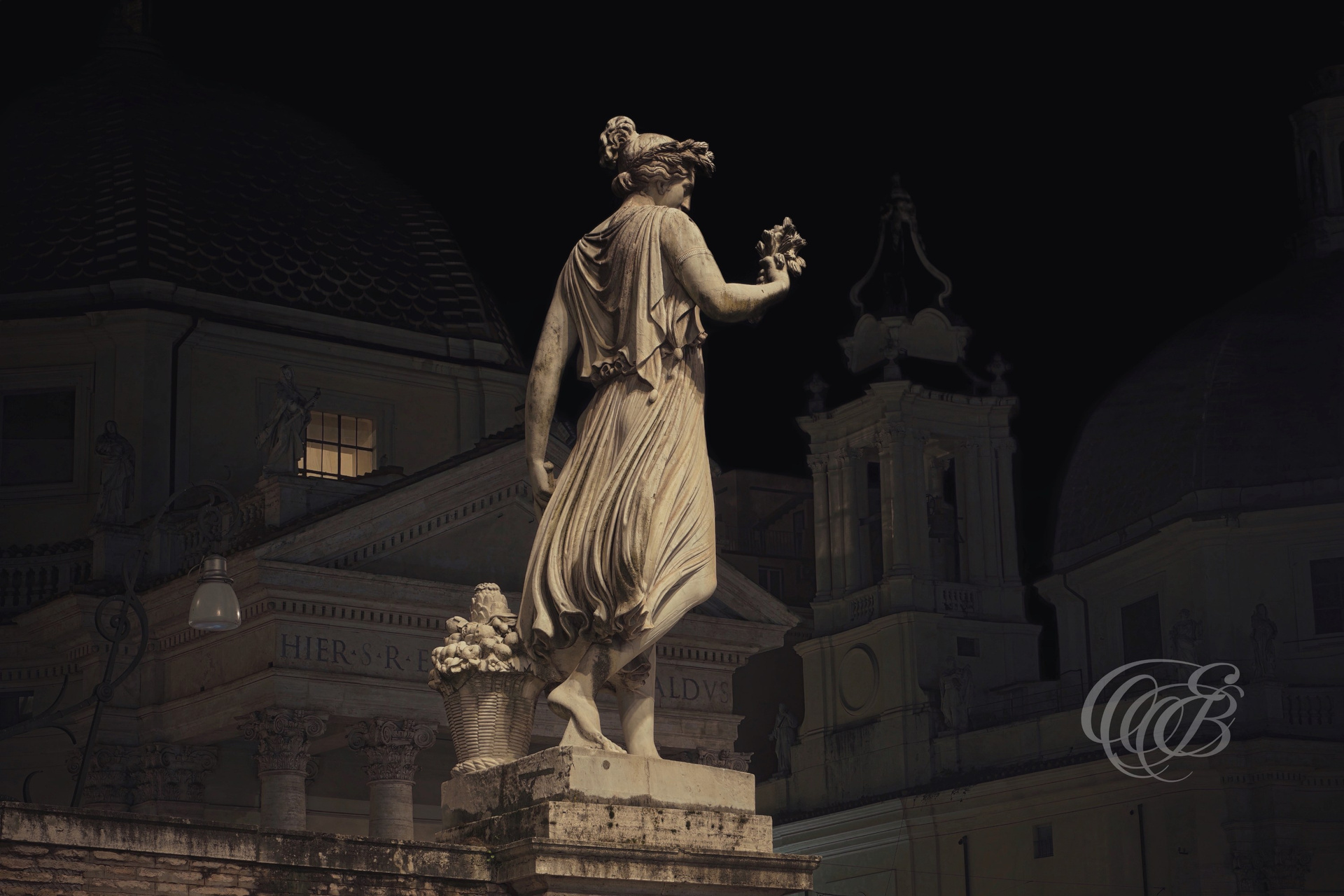
Roma Flora in Piazza del Popolo is a sculptural fountain dedicated to Flora, the Roman goddess of flowers and spring, set within one of the city’s most historic public squares. The fountain forms part of the broader urban composition that includes the Egyptian obelisk and the twin churches of Santa Maria dei Miracoli and Santa Maria in Montesanto, reflecting the layered architectural and symbolic history of the site. Eduardo Bartoli Photography.
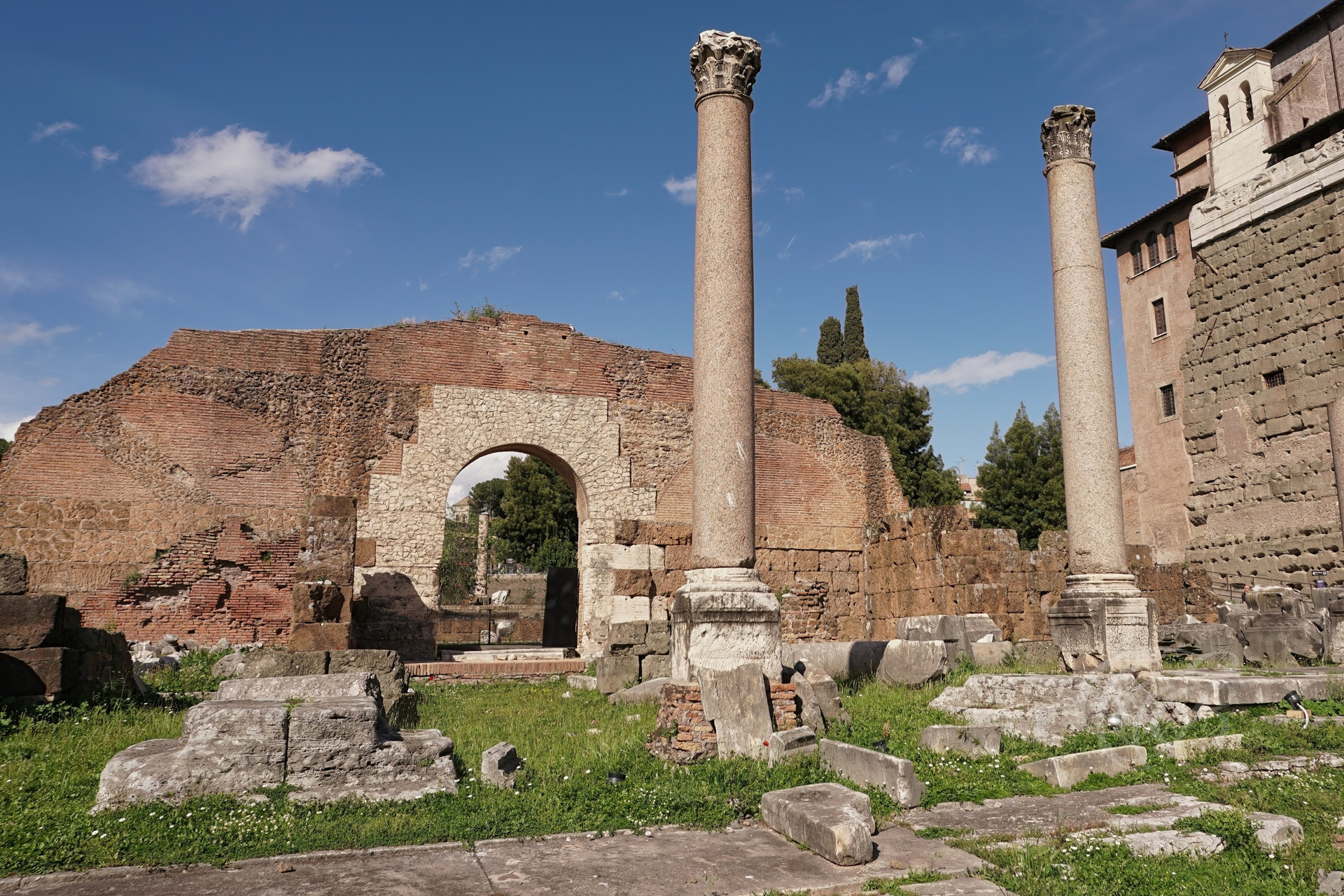
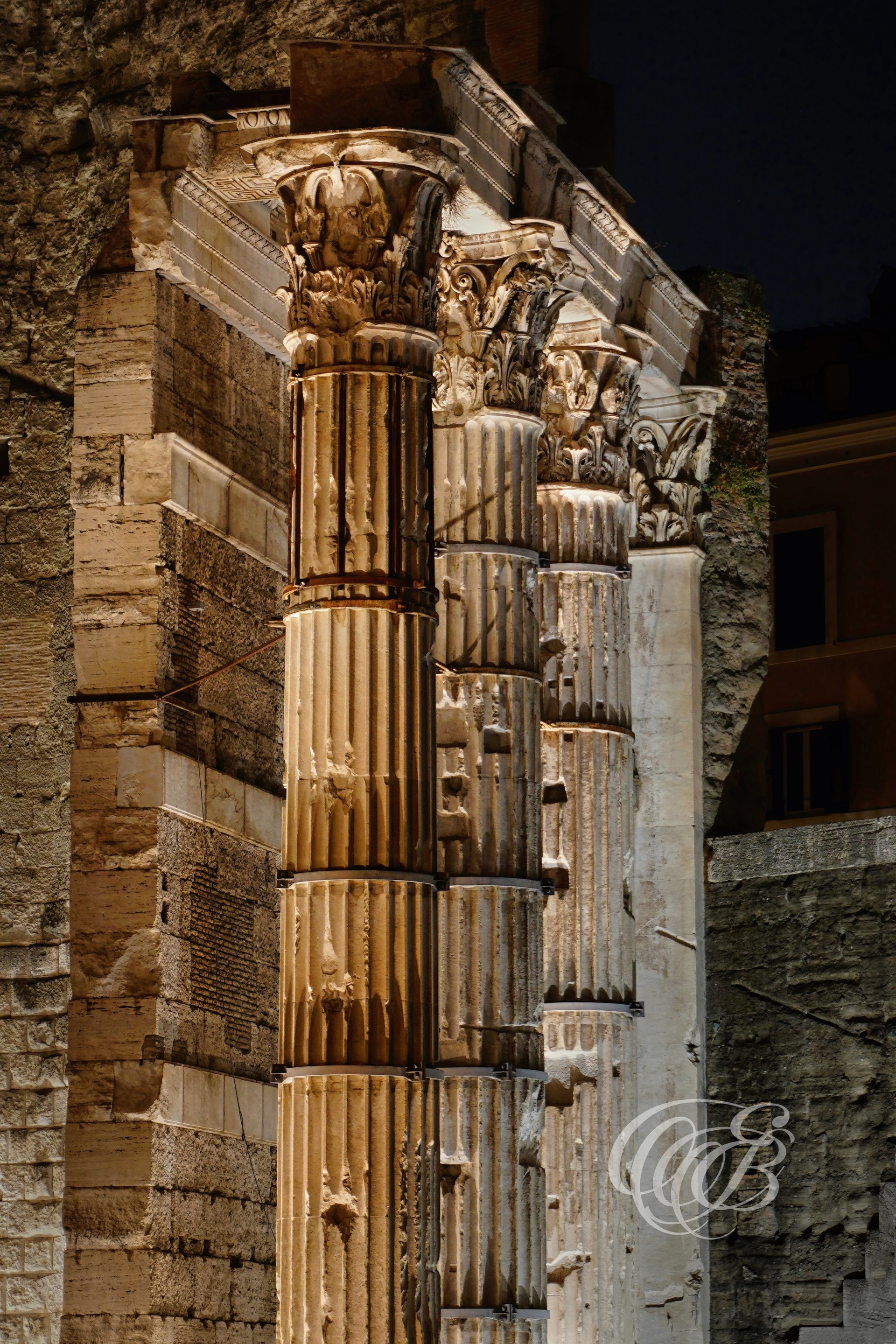
The Forum of Augustus, inaugurated in 2 BC, was built by Emperor Augustus to honor Mars Ultor and to celebrate the expansion of the Roman Empire. Its remaining columns and temple structures reflect the monumental scale and symbolic architecture of imperial Rome. The long exposure emphasizes light, shadow, and the atmospheric presence of the archaeological site within the modern city. Eduardo Bartoli Photography.
The Church of the Most Holy Name of Mary (Santissimo Nome di Maria al Foro Traiano) stands near Trajan’s Column and Piazza Venezia, forming part of Rome’s layered urban landscape where Baroque architecture meets the remains of the imperial forums. Built in the 18th century, the church reflects the late Baroque style through its dome, façade, and integration within the surrounding historic context. Eduardo Bartoli Photography.
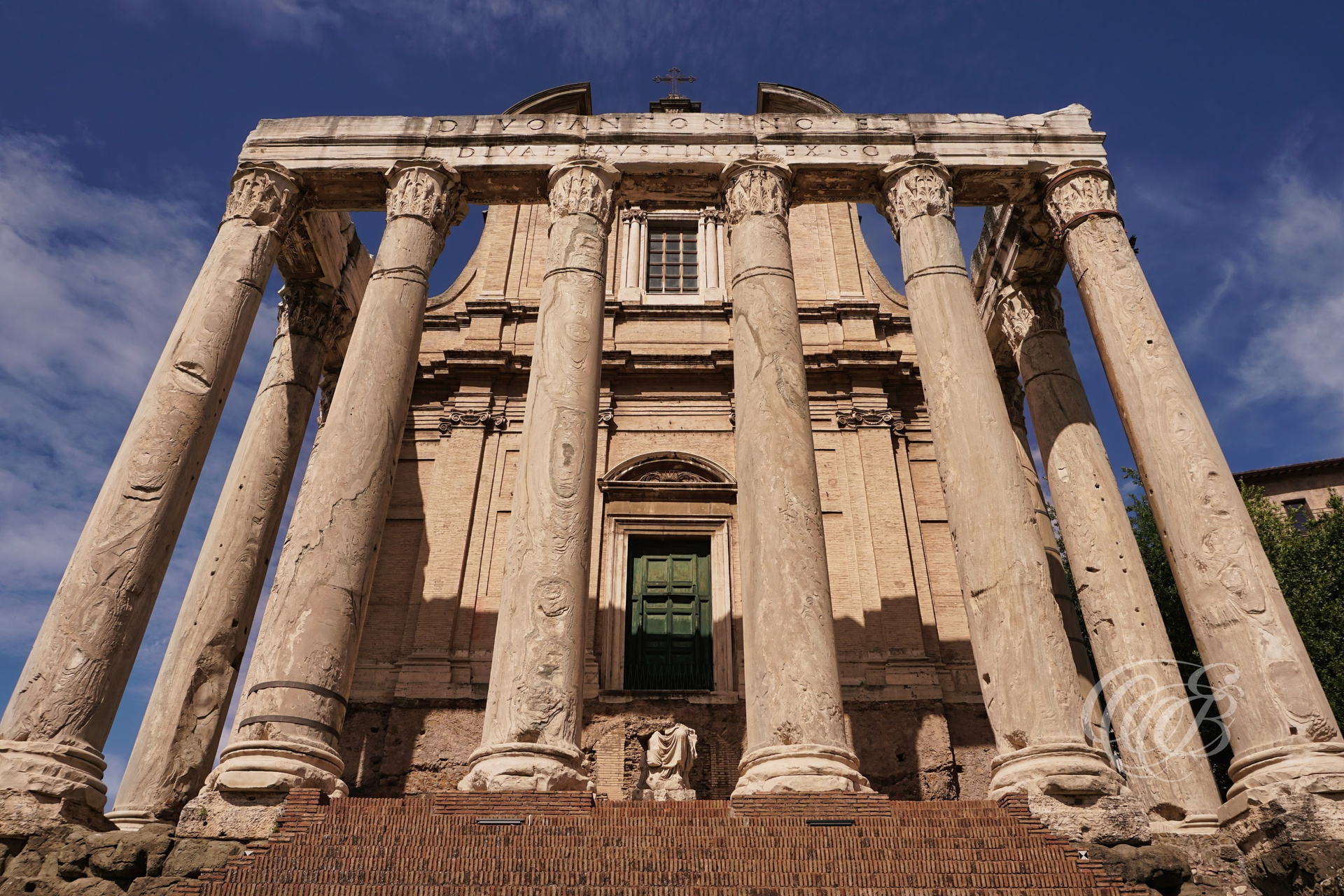
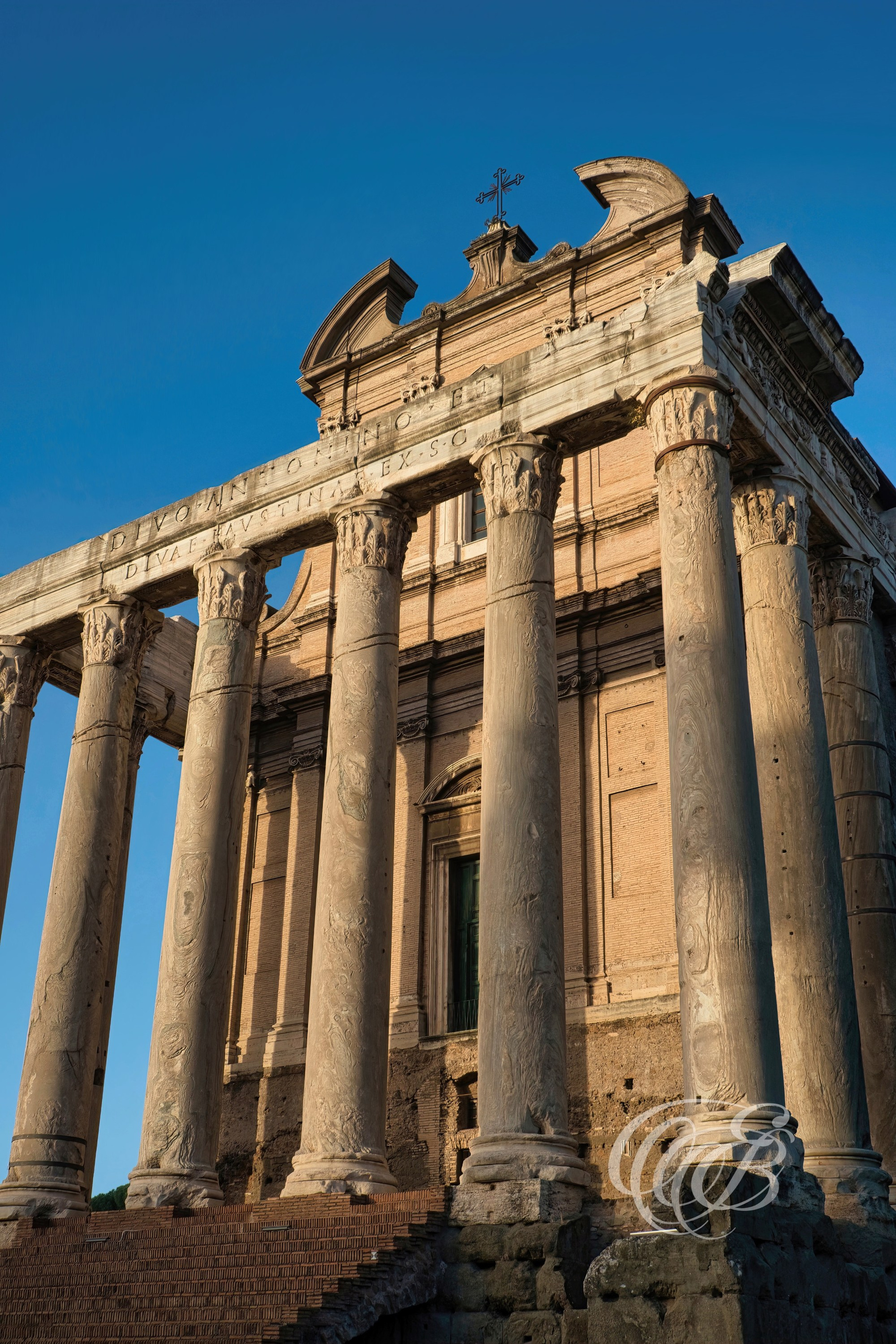
The Temple of Antoninus and Faustina, located in the Roman Forum, was originally built in 141 AD by Emperor Antoninus Pius in honor of his wife Faustina the Elder. Later converted into a Christian church, the structure preserves its original Corinthian columns and ancient Roman masonry, reflecting the architectural continuity of Rome through successive historical periods. Eduardo Bartoli Photography.
The Roman Forum preserves the remains of ancient Rome’s political, religious, and civic center, where temples, basilicas, and public spaces defined the daily life of the empire. Situated between the Palatine and Capitoline Hills, the site reflects centuries of construction, transformation, and architectural layering that shaped the development of Western urban civilization. Eduardo Bartoli Photography.
Ponte Sant’Angelo spans the Tiber River and connects the historic center of Rome with Castel Sant’Angelo. Originally built in the 2nd century AD under Emperor Hadrian, the bridge was later transformed in the 17th century with a series of angel sculptures designed under Gian Lorenzo Bernini’s direction, each bearing symbols of the Passion of Christ. Eduardo Bartoli Photography.
The Temple of Antoninus and Faustina, located in the Roman Forum, was built in 141 AD by Emperor Antoninus Pius in memory of his wife Faustina the Elder. Later incorporated into a Christian church, the structure preserves its original Corinthian columns and ancient Roman masonry, reflecting the continuous transformation of sacred and civic spaces in Rome over nearly two millennia. Eduardo Bartoli Photography.
Near the Pincian Hill overlooking Piazza del Popolo, classical statuary and decorative elements reflect Rome’s long tradition of integrating ancient forms and artistic references into its urban landscape. The combination of Roman and Egyptian-inspired motifs highlights the historical layering and eclectic visual language present in the city’s gardens and viewpoints. Eduardo Bartoli Photography.
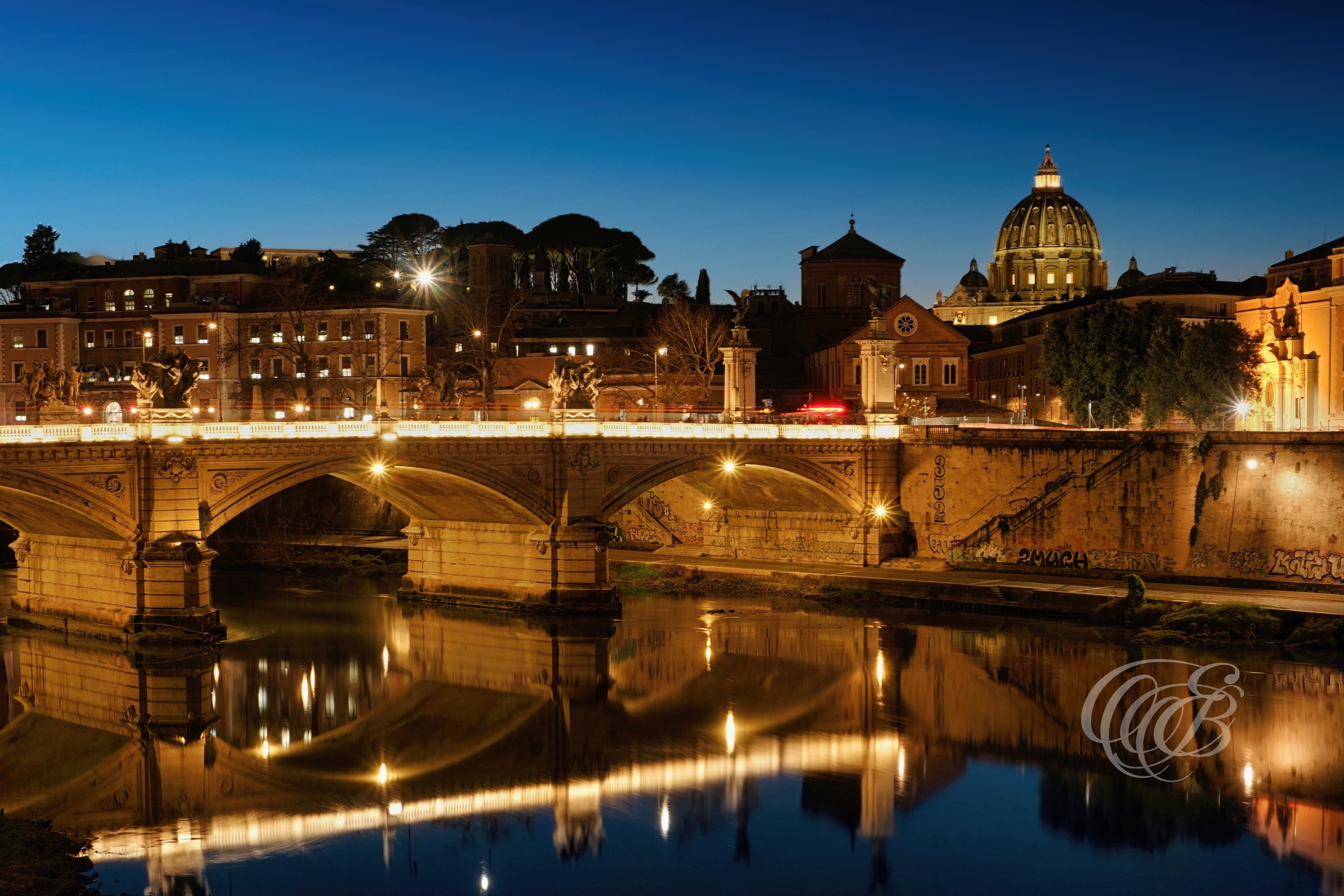
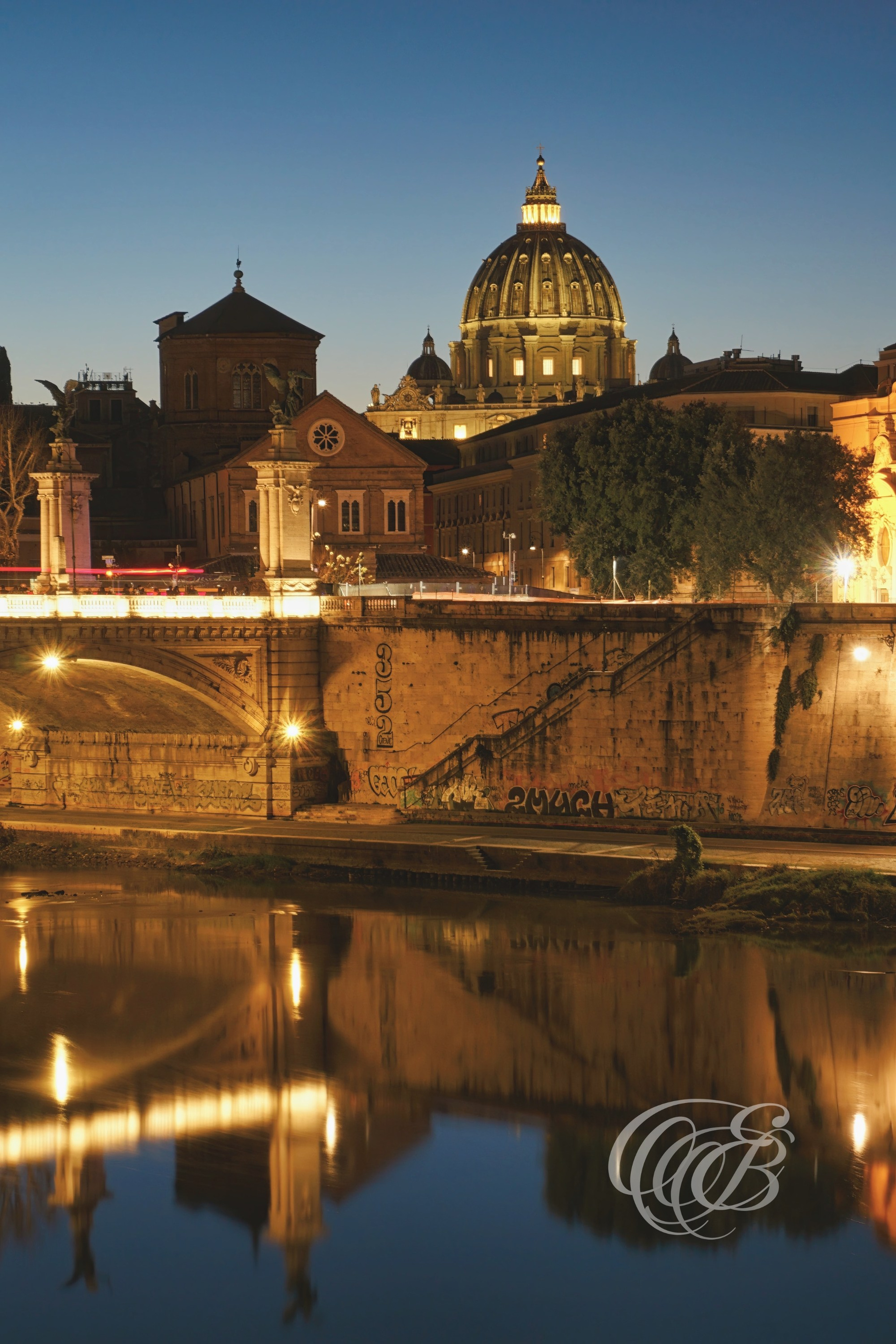
Ponte Vittorio Emanuele II spans the Tiber River, connecting the historic center of Rome with the Vatican area. Completed in the early 20th century and named after Italy’s first king, the bridge reflects the city’s modern expansion while maintaining visual dialogue with its historic surroundings, including St. Peter’s Basilica nearby. Eduardo Bartoli Photography.
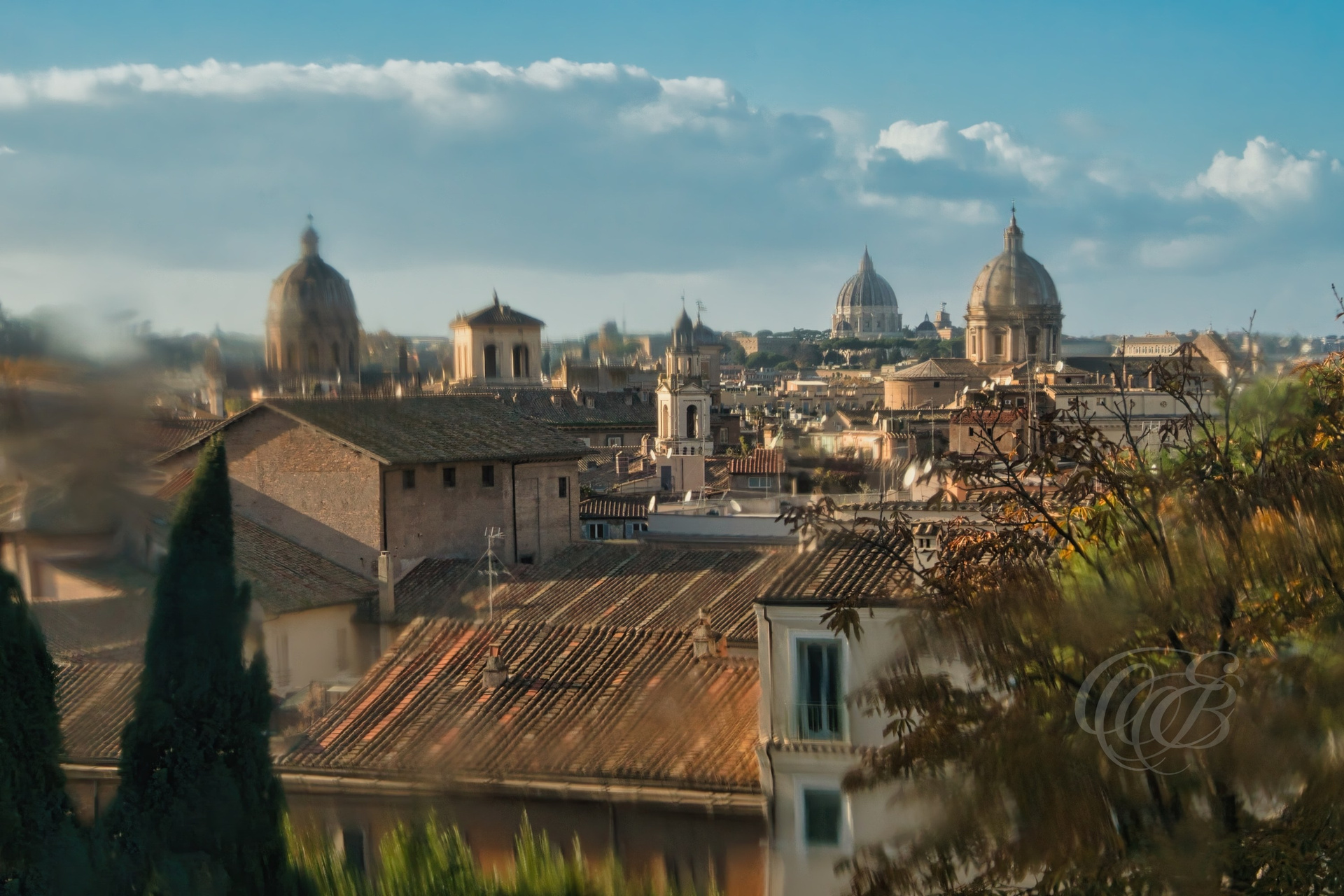
Seen from inside the Capitoline Museums, Rome unfolds beyond the frame of the window, where historic rooftops and the layered urban fabric extend across the ancient city. The composition contrasts the museum’s interior architecture with the external landscape shaped by centuries of continuous occupation and transformation. Eduardo Bartoli Photography.
Ponte Vittorio Emanuele II spans the Tiber River, linking central Rome with the Vatican area. Completed in the early 20th century and named after Italy’s first king, the bridge reflects the city’s modern urban development while maintaining a visual connection with nearby historic landmarks such as St. Peter’s Basilica. Eduardo Bartoli Photography.
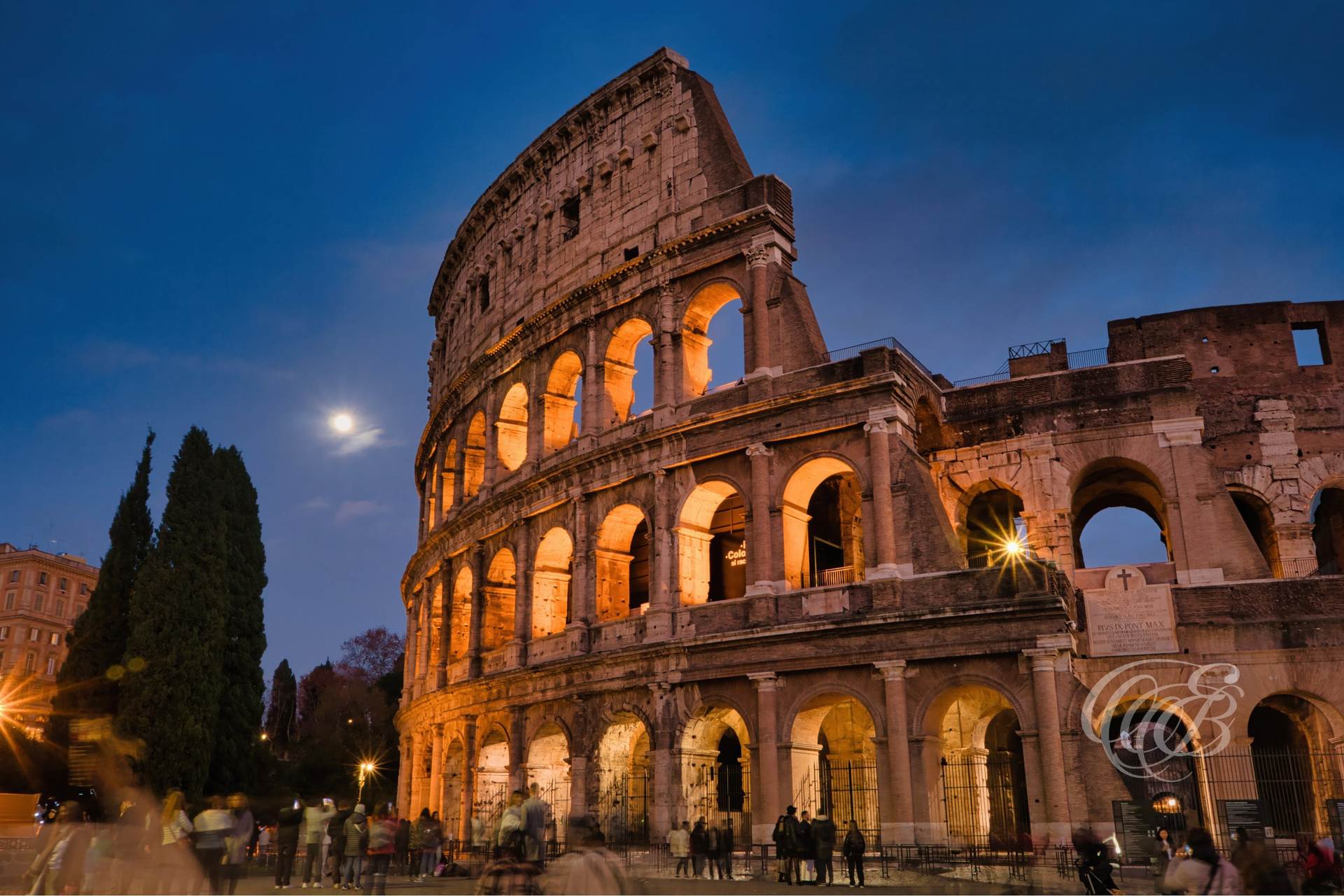
The Colosseum, completed in the 1st century AD under Emperors Vespasian and Titus, remains one of the most significant monuments of ancient Rome. Its monumental arches and elliptical structure reflect the engineering and architectural ambition of the Roman Empire. Under the light of a full moon, the ancient amphitheater reveals a quiet, enduring presence within the modern city. Eduardo Bartoli Photography.
Trajan’s Market, constructed in the early 2nd century AD under Emperor Trajan, is widely regarded as one of the earliest examples of a multi-level commercial complex in the Roman world. Adjacent to it stands the Torre delle Milizie, a medieval tower that reflects Rome’s later urban development during the Middle Ages. At sunset, the site highlights the contrast between imperial Roman architecture and medieval fortifications within the same urban landscape. Eduardo Bartoli Photography.
Sunlight brings out the warm tones of travertine and the rhythm of the Colosseum’s outer arcades, where centuries of weathering are visible in the stone’s surface. The structure’s repeating arches create a strong sense of order and scale, emphasizing the monumental geometry that defines the amphitheater’s exterior form within the modern city of Rome. Eduardo Bartoli Photography.
At sunset, the Monument to Victor Emmanuel II reflects shifting light across its travertine surfaces, revealing the depth of its sculptural reliefs and architectural layers. The structure rises above Piazza Venezia as a dense composition of colonnades, stairways, and allegorical figures, interacting with the changing tones of the evening sky. Eduardo Bartoli Photography.
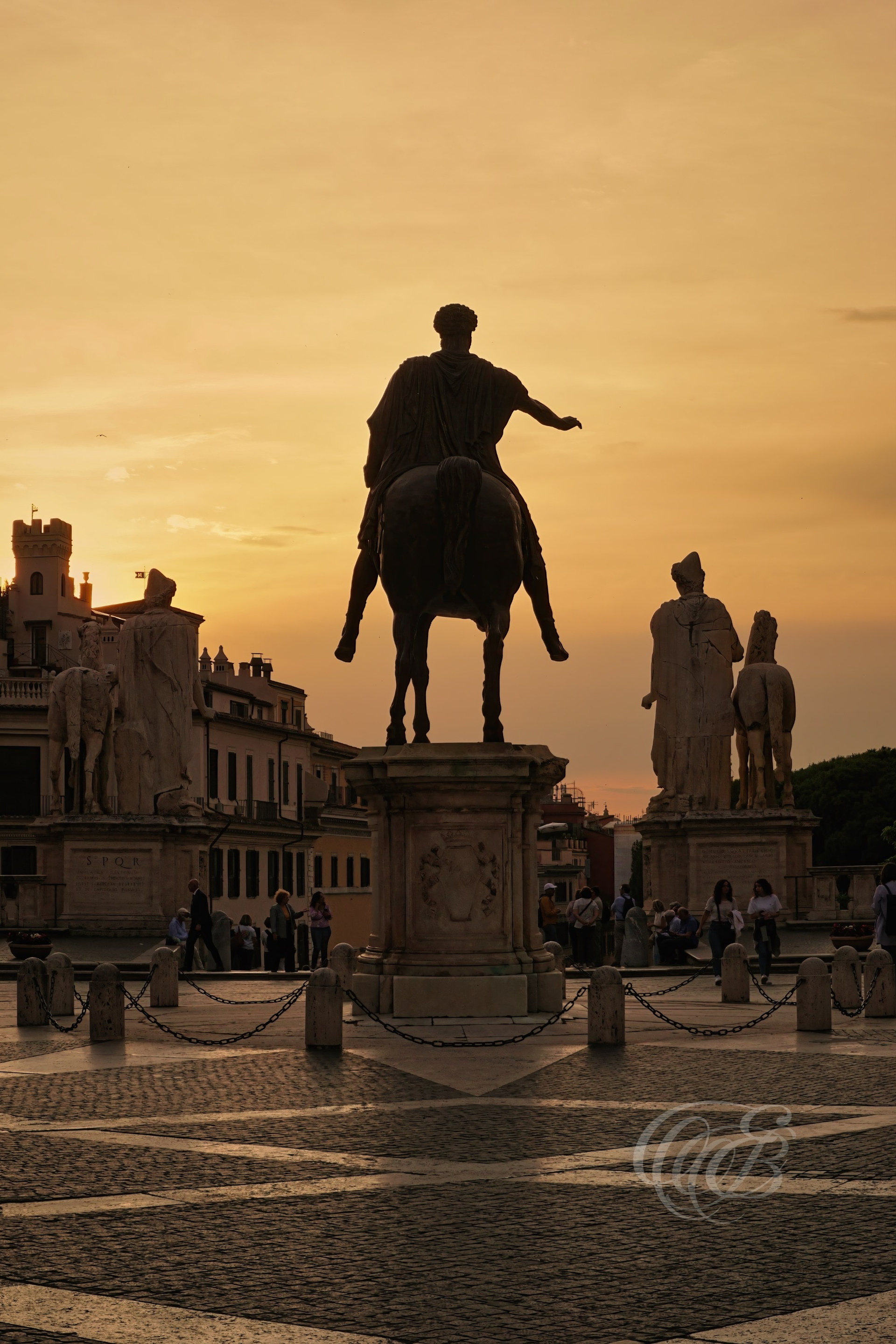
At the center of Piazza del Campidoglio stands the equestrian statue of Marcus Aurelius, a Renaissance-era replica installed to preserve the original composition in its historic urban setting. The original 2nd-century AD bronze is conserved inside the Capitoline Museums nearby, where it is protected from environmental exposure. The statue reflects classical Roman ideals of imperial authority and calm restraint, later reinterpreted during Michelangelo’s redesign of the square. Eduardo Bartoli Photography.
In the Jewish Ghetto of Rome, the remains of the Porticus Octaviae preserve layers of ancient Roman architecture integrated into the modern urban fabric. Originally constructed in the late 1st century BC by Emperor Augustus in honor of his sister Octavia, the complex included temples, libraries, and porticoes that formed part of the city’s ceremonial and civic landscape. Eduardo Bartoli Photography.
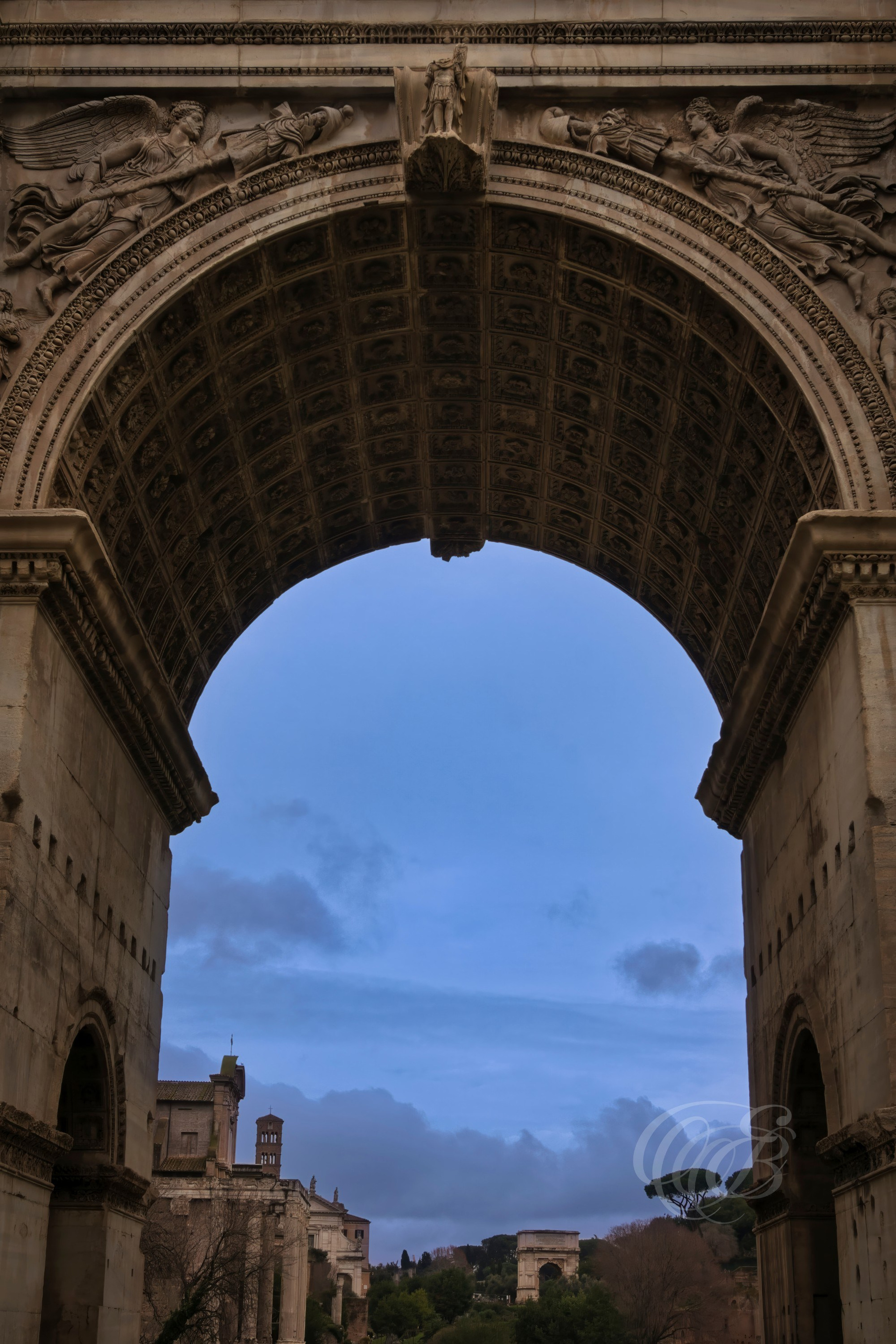
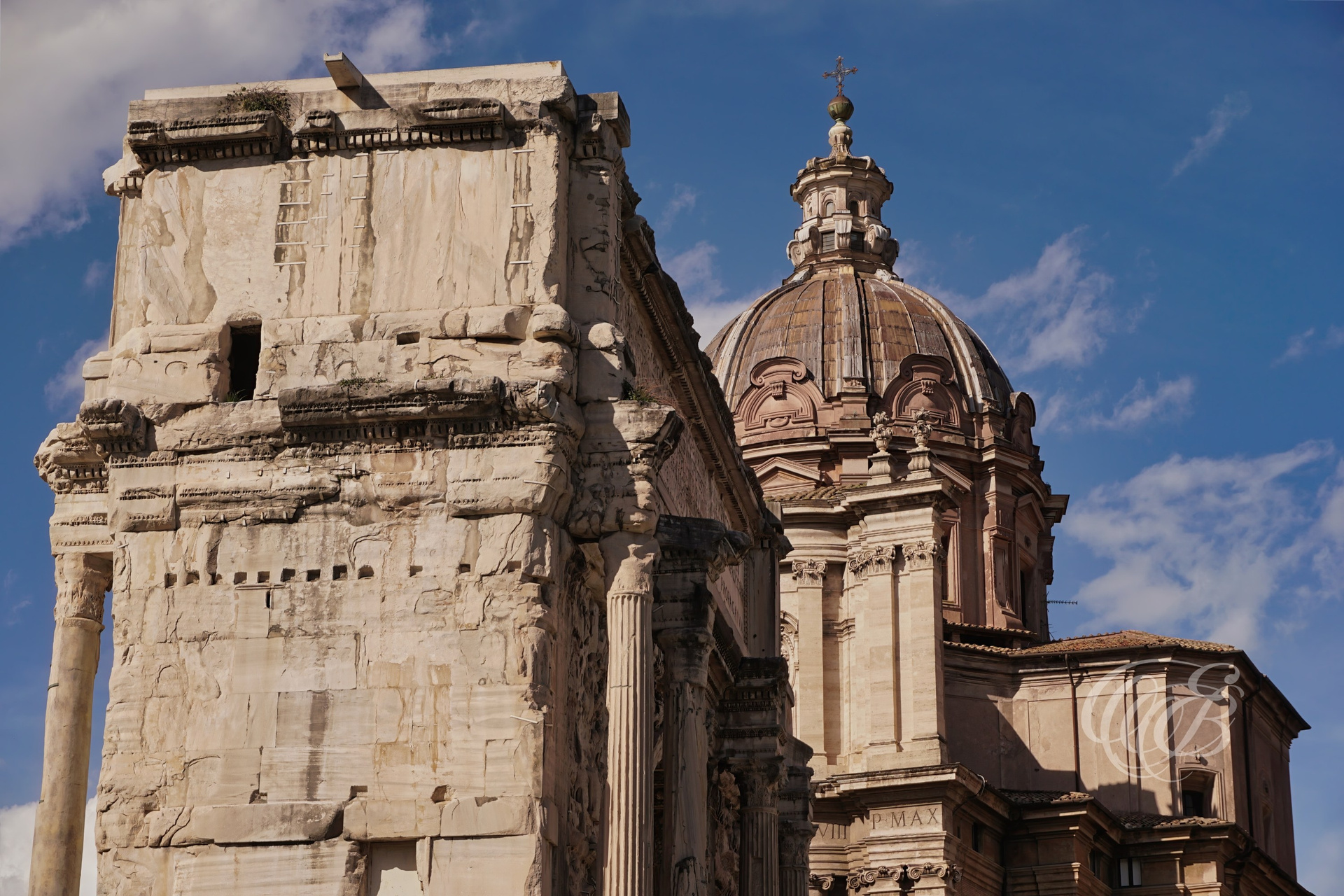
The Arch of Septimius Severus, erected in 203 AD in the Roman Forum, commemorates the military victories of Emperor Septimius Severus and his sons in Parthia. Nearby stands the Church of Santi Luca e Martina, a 17th-century Baroque structure attributed to Pietro da Cortona, built over earlier foundations within the same historic area. Together, they reflect the layered continuity of Rome’s ancient and later architectural development. Eduardo Bartoli Photography.
At dusk, Vatican City emerges in soft transitional light, where the dome of St. Peter’s Basilica and surrounding architecture form a quiet silhouette above Rome’s historic skyline. The interplay between fading daylight and illuminated structures emphasizes the Vatican’s spatial and symbolic presence within the city. Eduardo Bartoli Photography.
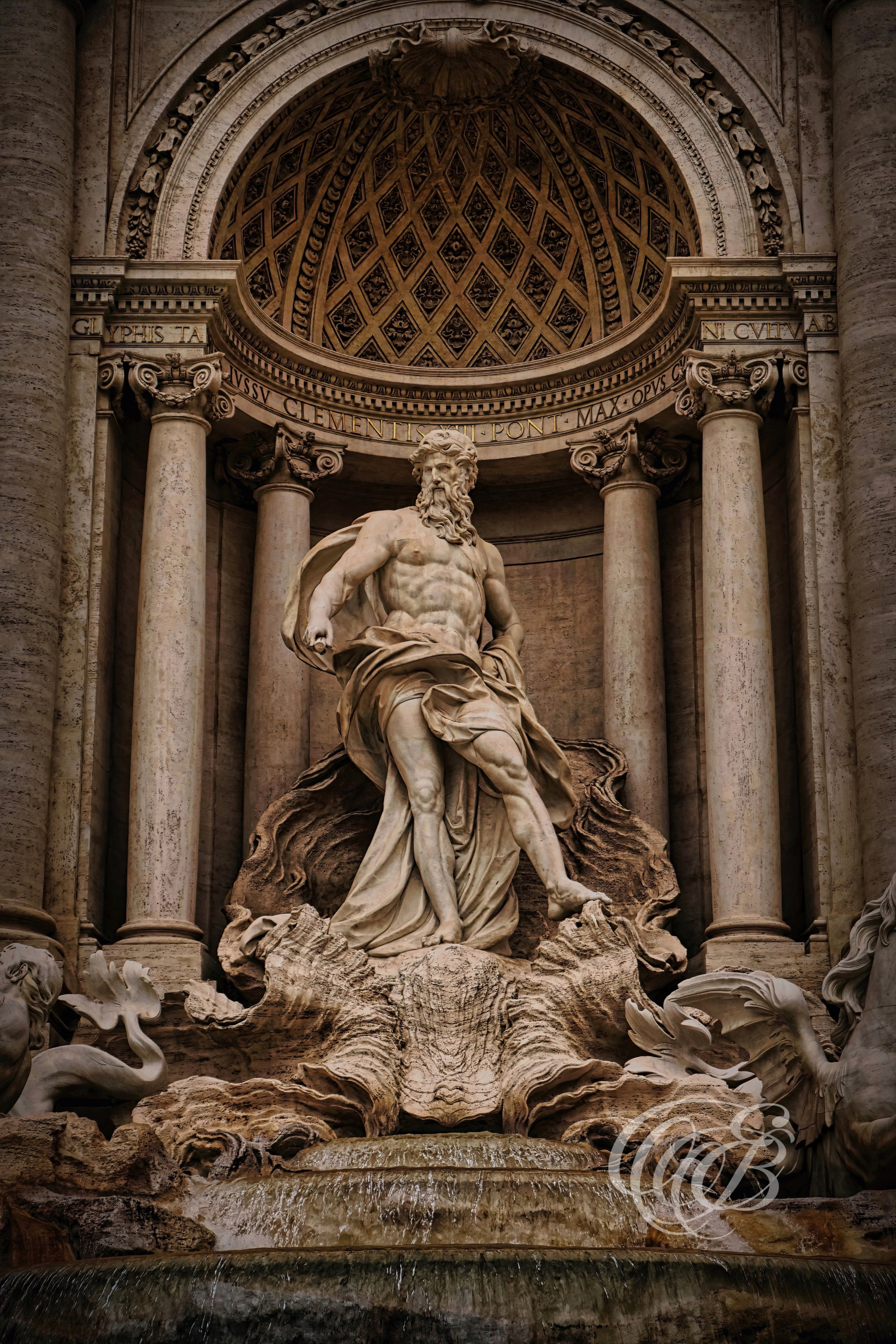
The central figure of Oceanus dominates the Trevi Fountain, designed by Nicola Salvi and completed in the mid-18th century. Set within the façade of Palazzo Poli, the sculptural composition depicts the Roman god of all waters surrounded by allegorical figures and cascading water, forming one of the most complex Baroque fountain designs in Rome. Eduardo Bartoli Photography.
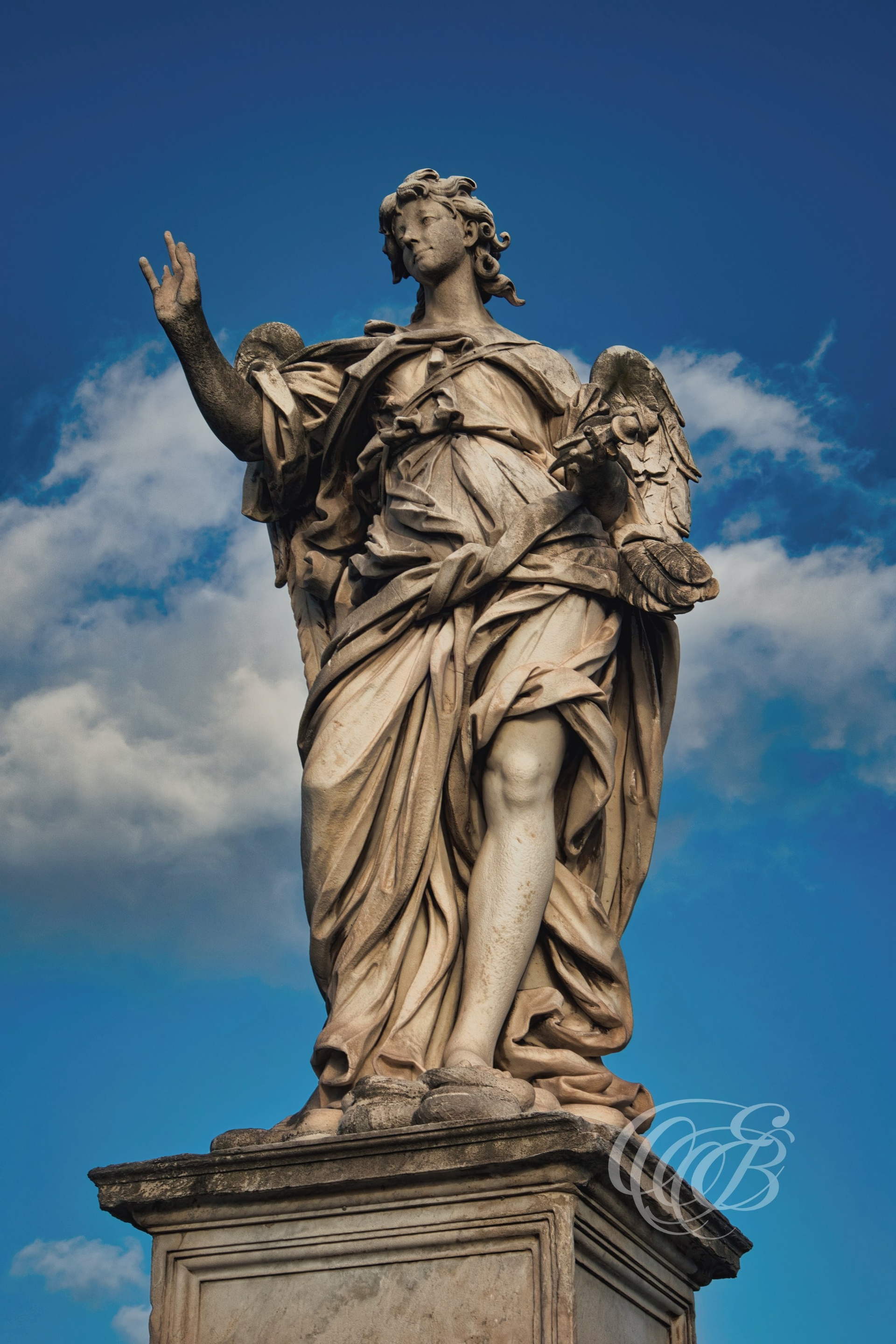
Ponte Sant’Angelo is lined with a series of angel sculptures created in the 17th century under Gian Lorenzo Bernini’s direction, each depicting instruments of the Passion of Christ. The angel carrying the nails reflects the symbolic narrative integrated into the bridge’s design, connecting the historic center of Rome with Castel Sant’Angelo across the Tiber River. Eduardo Bartoli Photography.
As the sun lowers over the Tiber River, Ponte Sant’Angelo takes on warm tonal shifts that emphasize its stone structure and the sculptural rhythm of the angel figures lining the bridge. Originally built under Emperor Hadrian in the 2nd century AD and later reimagined in the Baroque period under Gian Lorenzo Bernini’s artistic direction, the bridge connects the historic center of Rome with Castel Sant’Angelo. Eduardo Bartoli Photography.
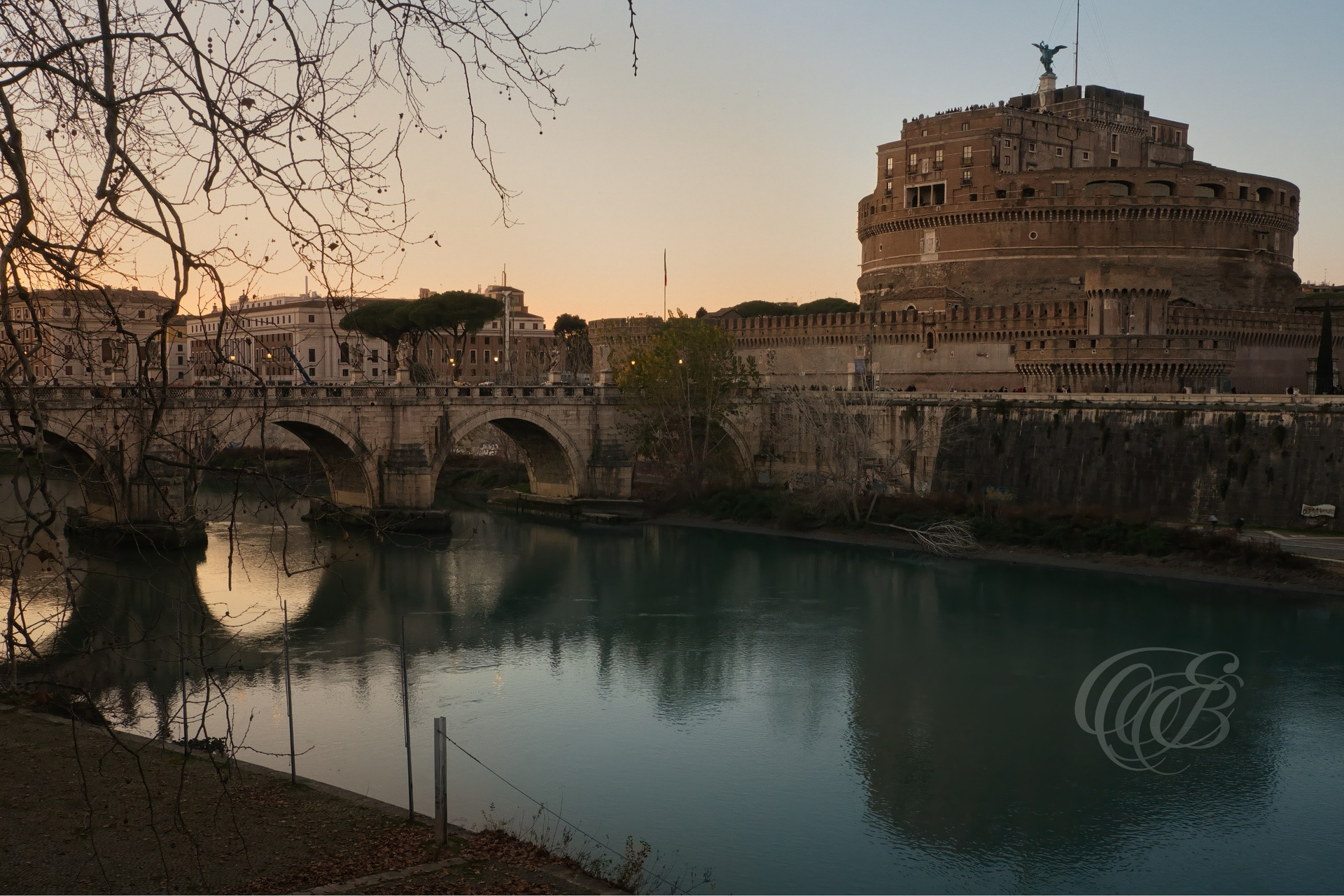
Castel Sant’Angelo rises along the banks of the Tiber River as a monumental structure whose history spans nearly two millennia. Originally built in the 2nd century AD as the mausoleum of Emperor Hadrian, it later served as a fortress, papal residence, and military stronghold. At sunset, its cylindrical form and layered architecture reveal the successive transformations that shaped its enduring presence in Rome. Eduardo Bartoli Photography.
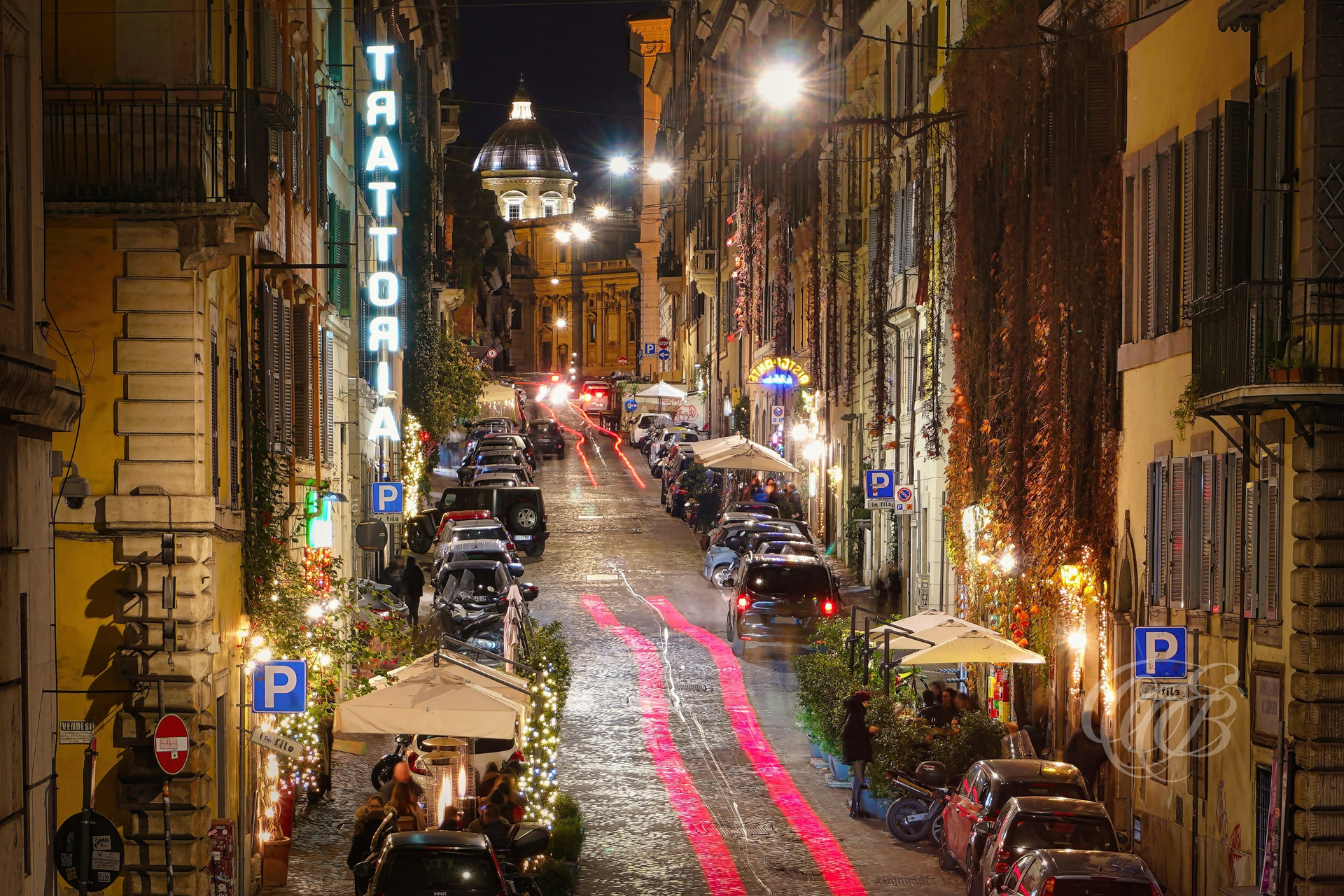
Via dei Serpenti, in the Monti district of Rome, reflects the city’s contemporary evening rhythm within a dense historic fabric. Lined with restaurants and small venues, the street comes alive at night as local life and visitors move through one of Rome’s oldest neighborhoods. Toward the upper end of the area, the skyline is marked by the presence of Santa Maria Maggiore, one of the city’s major basilicas, anchoring the district within Rome’s broader sacred and architectural geography. Eduardo Bartoli Photography.
At dusk, the Colosseum transitions into deeper shadow as the sky darkens and the first light of night begins to define its silhouette. The structure’s arched perimeter and layered stonework stand in contrast to the rising full moon, which introduces a quieter, more atmospheric reading of the ancient amphitheater within the modern city. Eduardo Bartoli Photography.
In Piazza della Rotonda, the Fontana del Pantheon sits in front of the ancient temple as part of one of Rome’s most continuous urban spaces. Designed in the late 16th century by Giacomo Della Porta and later modified with the addition of an Egyptian obelisk, the fountain integrates Renaissance urban design with remnants of ancient and later historical layers surrounding the Pantheon. Eduardo Bartoli Photography.
The Roma Flora statue in Piazza del Popolo forms part of the sculptural and symbolic landscape of one of Rome’s principal urban squares. Representing Flora, the Roman goddess associated with flowers and spring, the fountain integrates classical allegory within a Renaissance and later urban setting defined by the Egyptian obelisk and surrounding architectural ensemble. Eduardo Bartoli Photography.
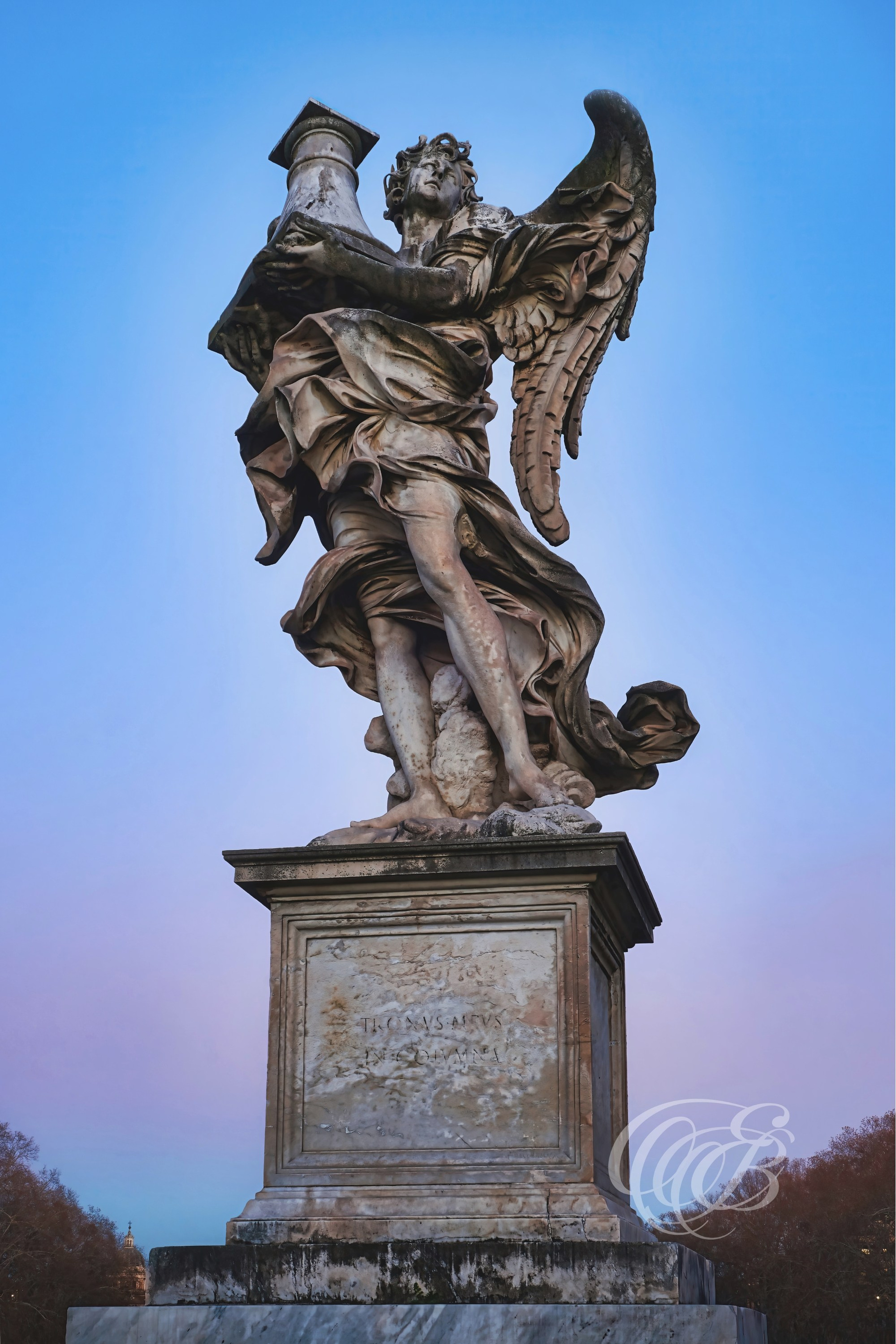
Ponte Sant’Angelo is lined with a series of Baroque angel sculptures created under Gian Lorenzo Bernini’s artistic direction in the 17th century, each depicting symbols of the Passion of Christ. The angel carrying the column represents the Column of the Flagellation, integrating theological symbolism into the bridge’s sculptural program as it spans the Tiber River toward Castel Sant’Angelo. Eduardo Bartoli Photography.
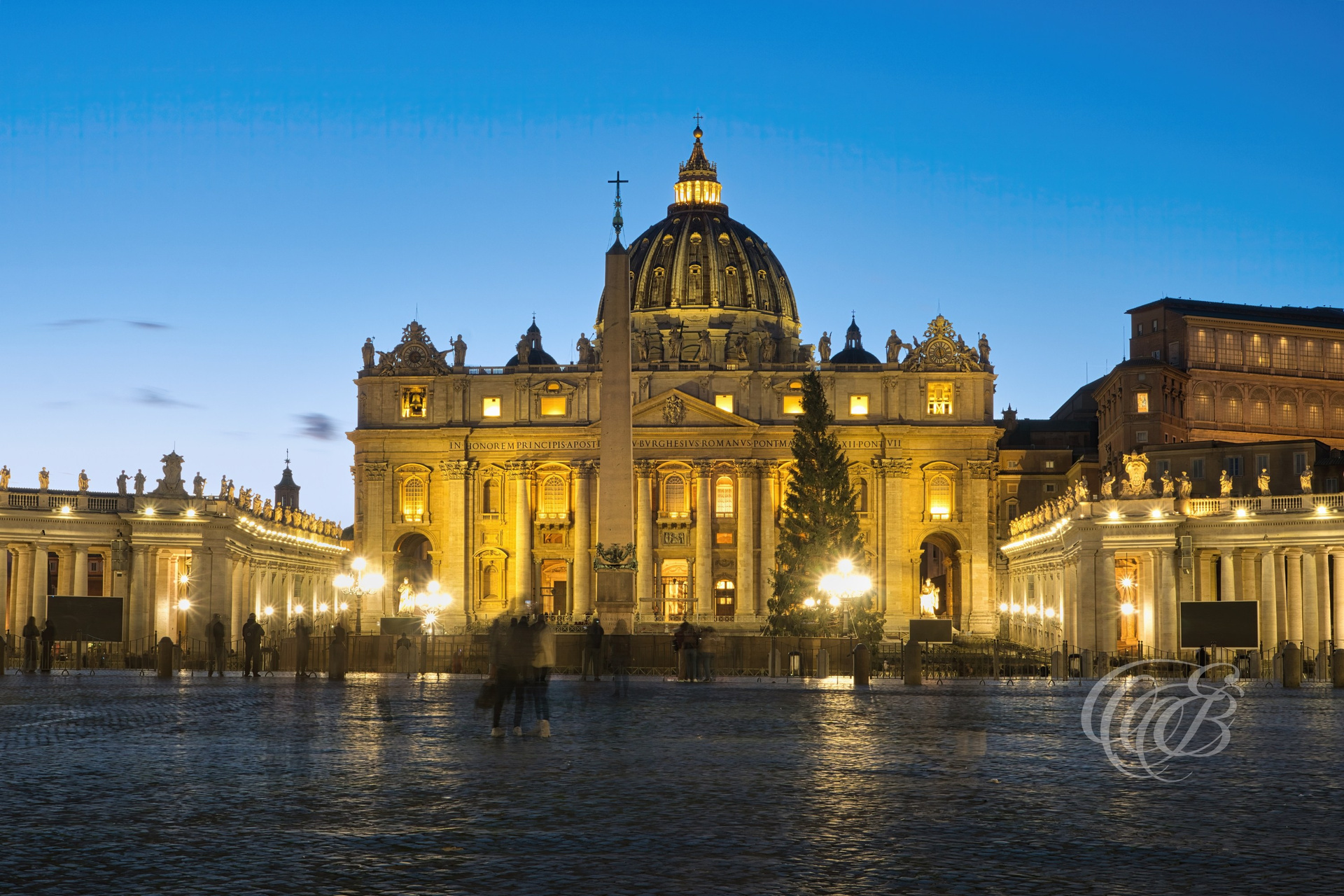
At blue hour, St. Peter’s Basilica emerges against a deepening sky as the lighting of Vatican City begins to define its architectural form. Designed primarily by Michelangelo and completed in the 17th century with contributions from Bernini and others, the basilica’s dome and façade form a central axis within the surrounding urban landscape, reflecting centuries of architectural and religious development. Eduardo Bartoli Photography.
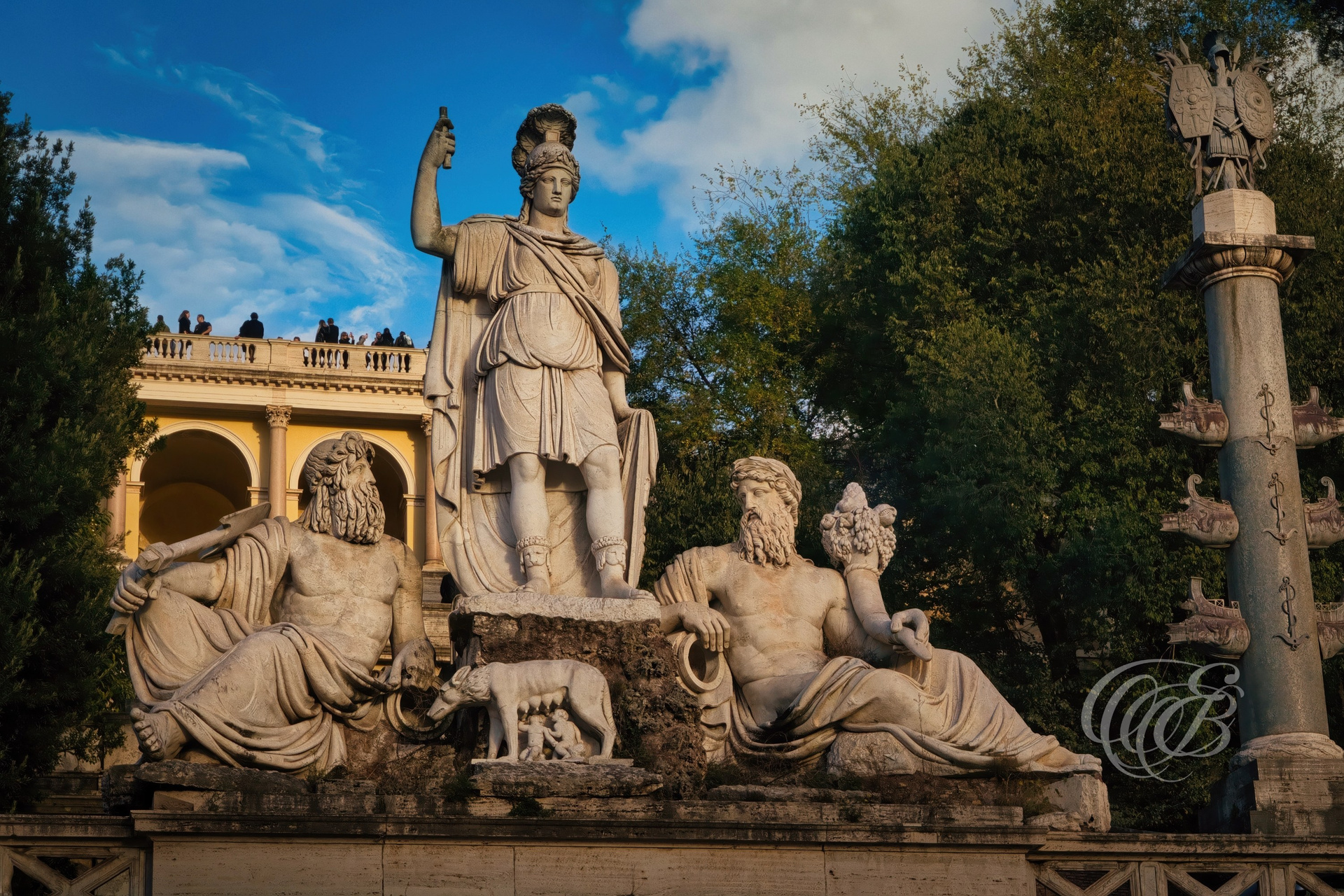
The Fountain of the Goddess Roma stands at the base of the Vittoriano in Piazza Venezia, integrating allegorical sculpture within the monumental architecture dedicated to Italian unification. The figure of Roma symbolizes the city itself, framed by classical motifs and water elements that reinforce the connection between ancient Roman heritage and modern national identity. Eduardo Bartoli Photography.
Portfolio
Mallorca
Mallorca in Black & White — Fine Art Photography Noir
Rome
Florence
Rome in Black & White — Fine Art Photography Noir
Florence in Black & White — Fine Art Photography Noir
FR
EN
ES
IT
DE
NLD
PT
中文