The Art of Atmosphere in Photography
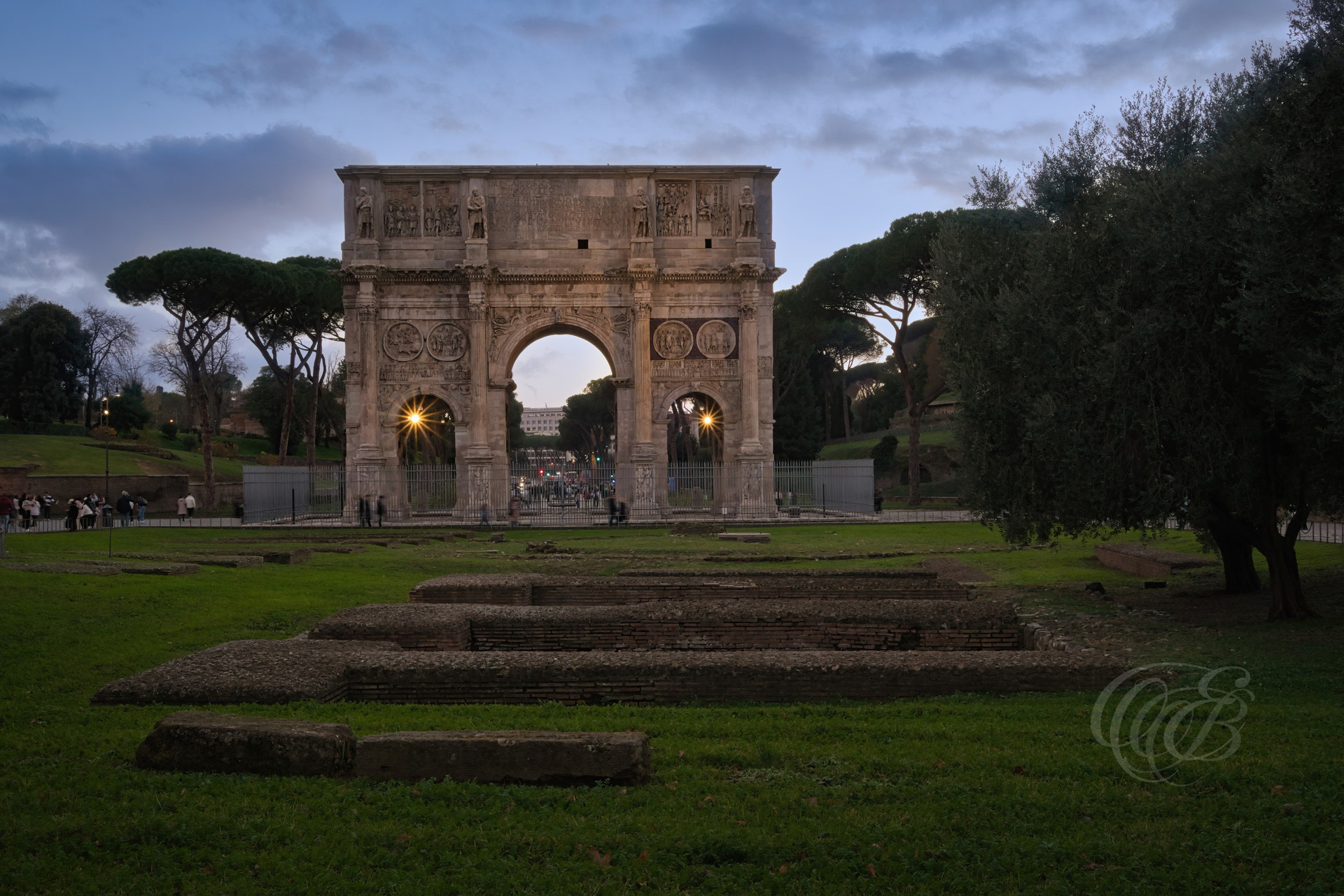
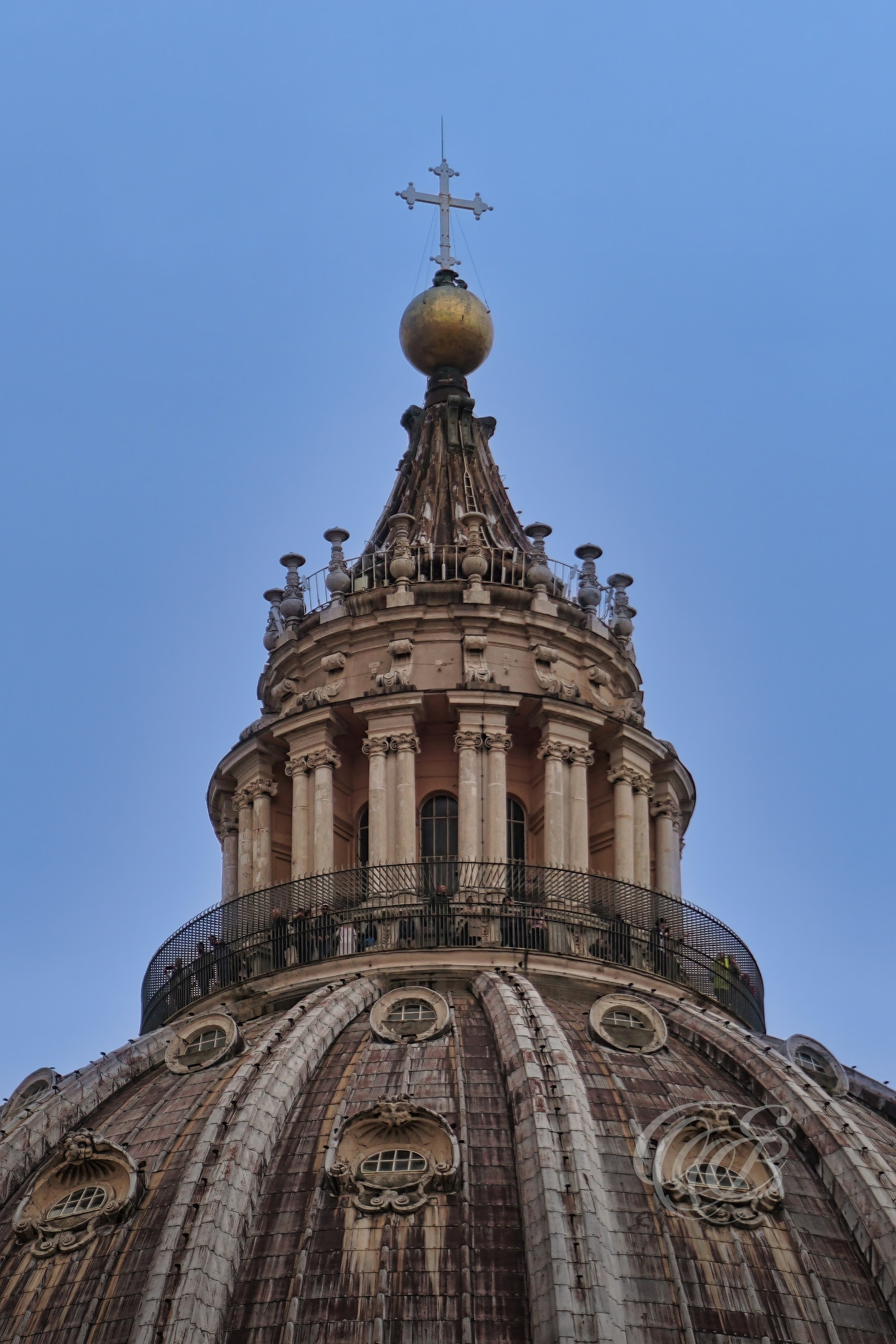
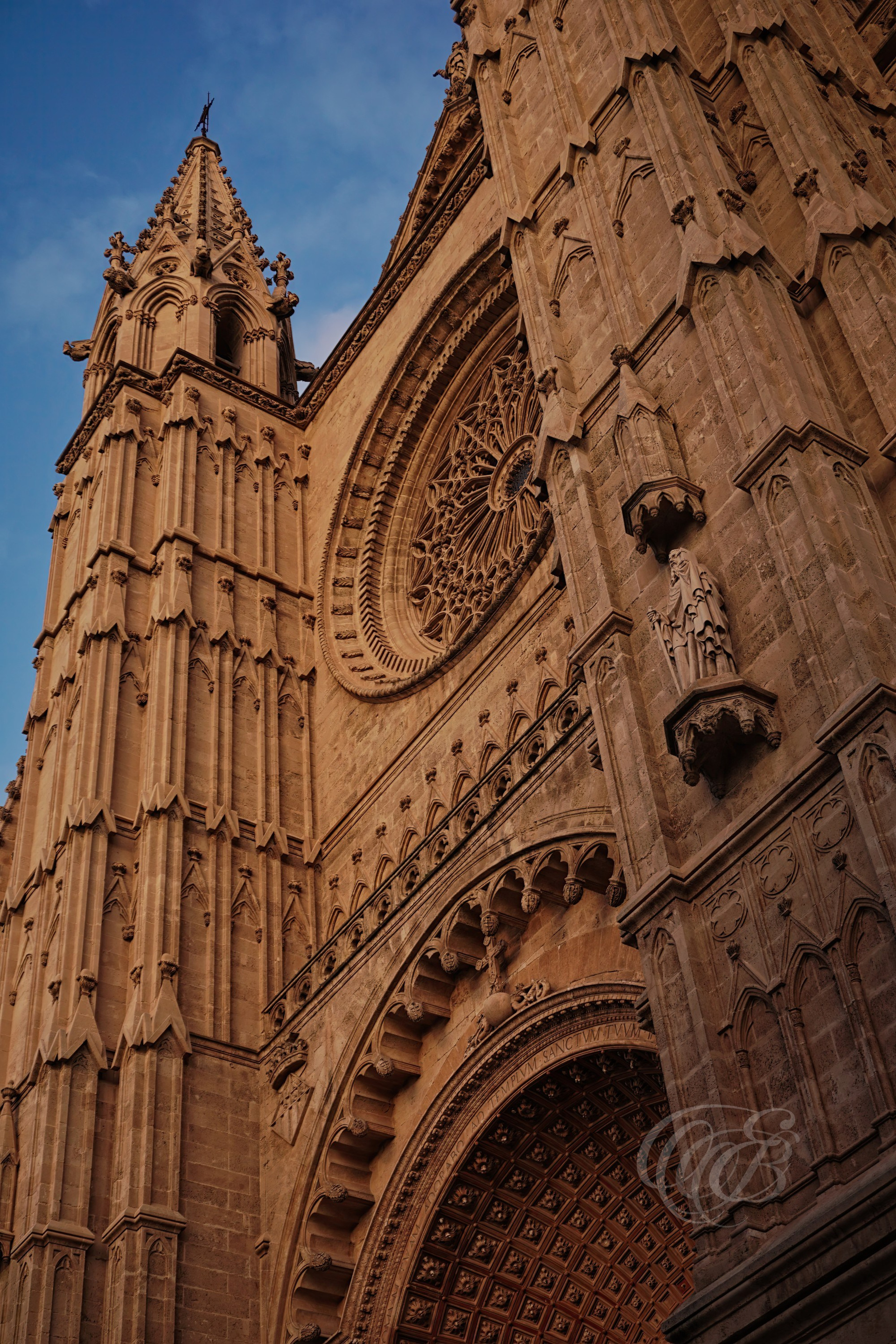
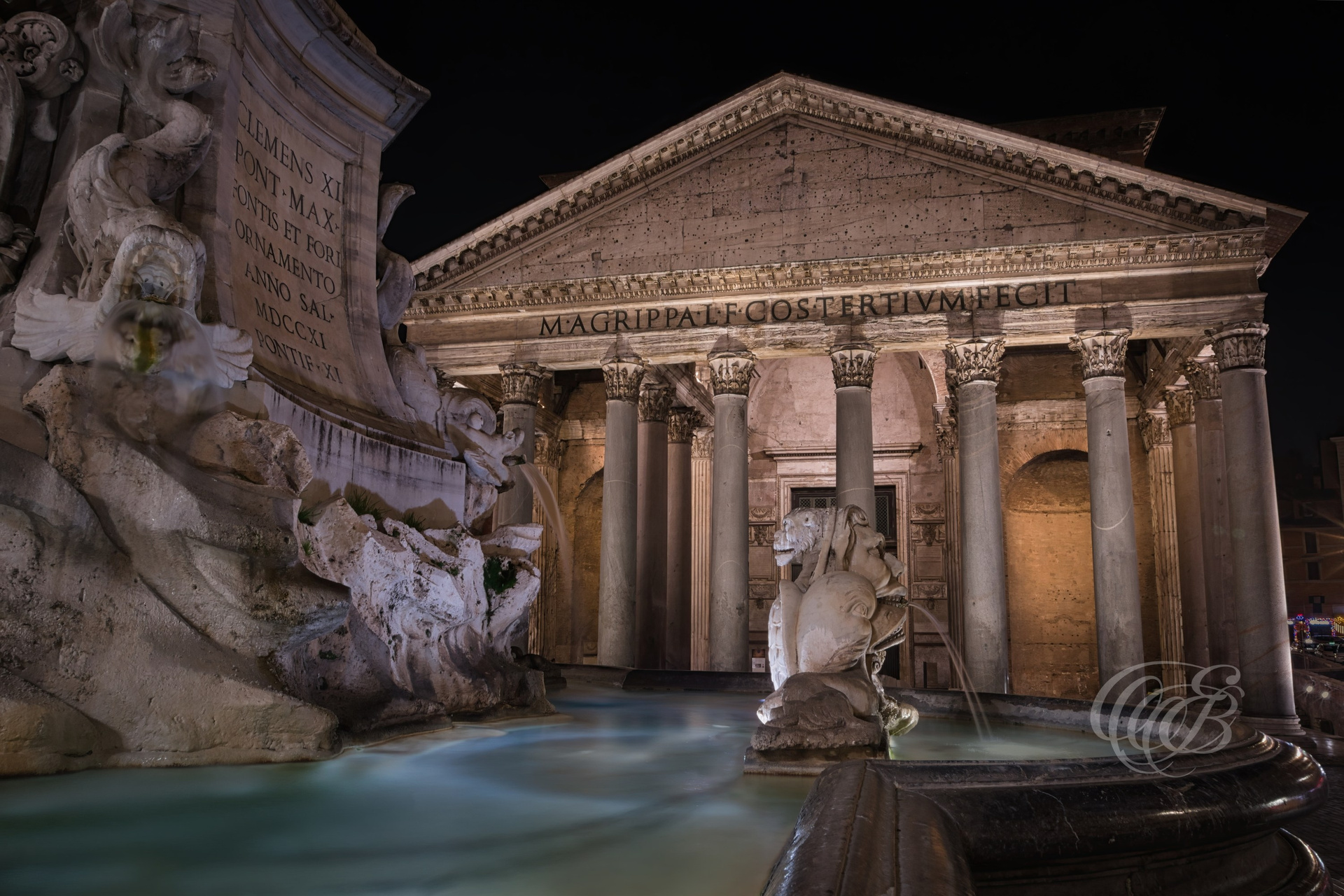
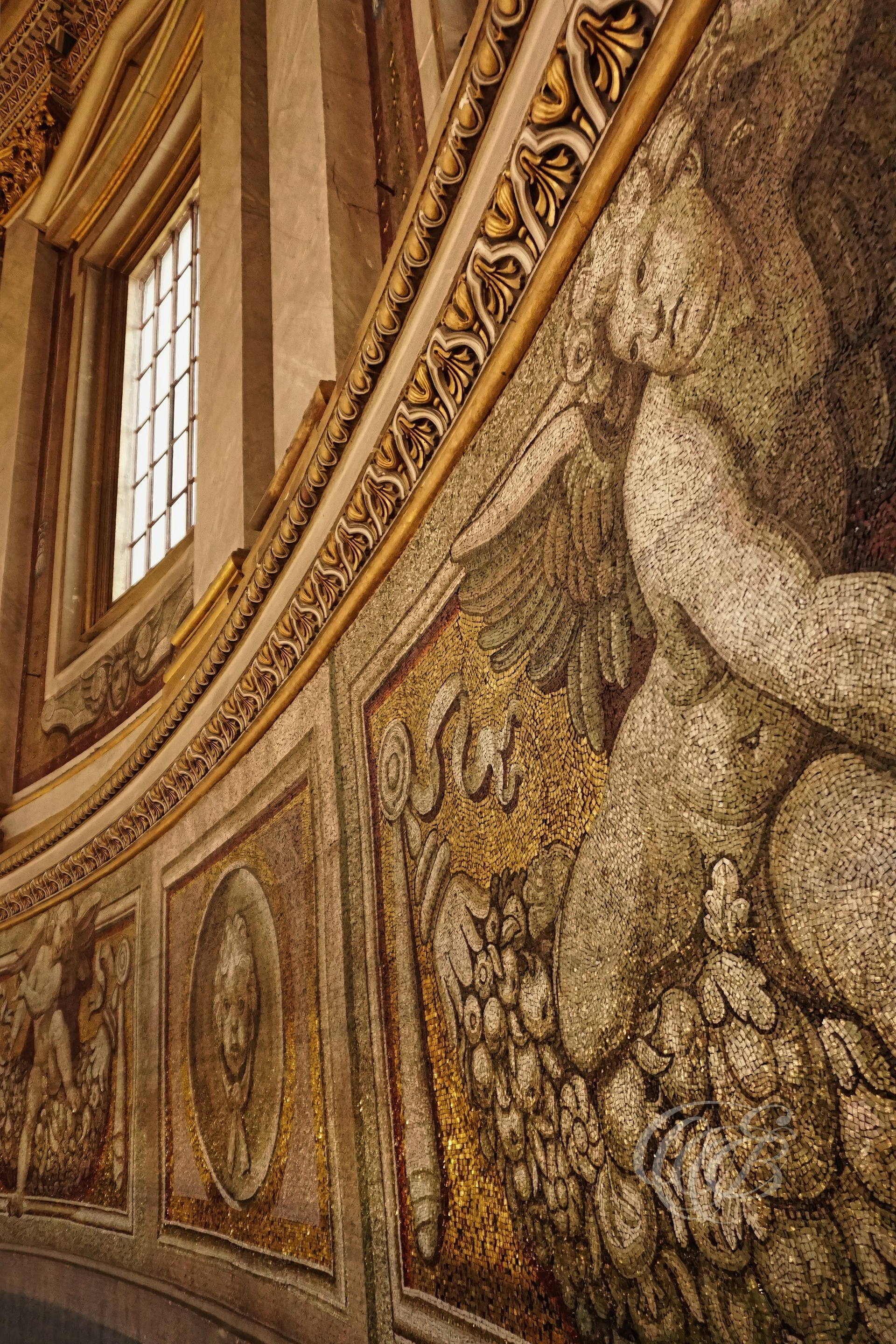
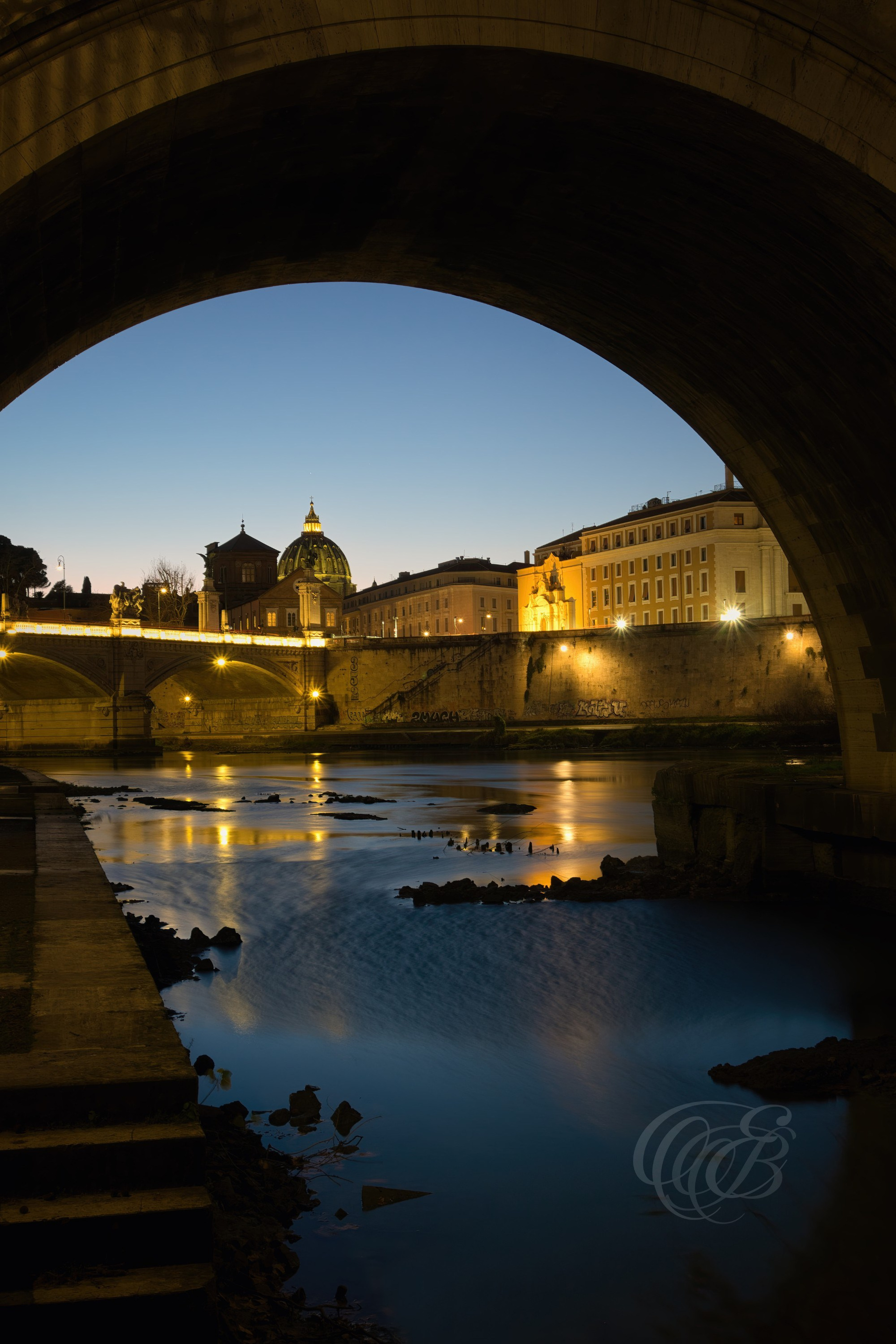
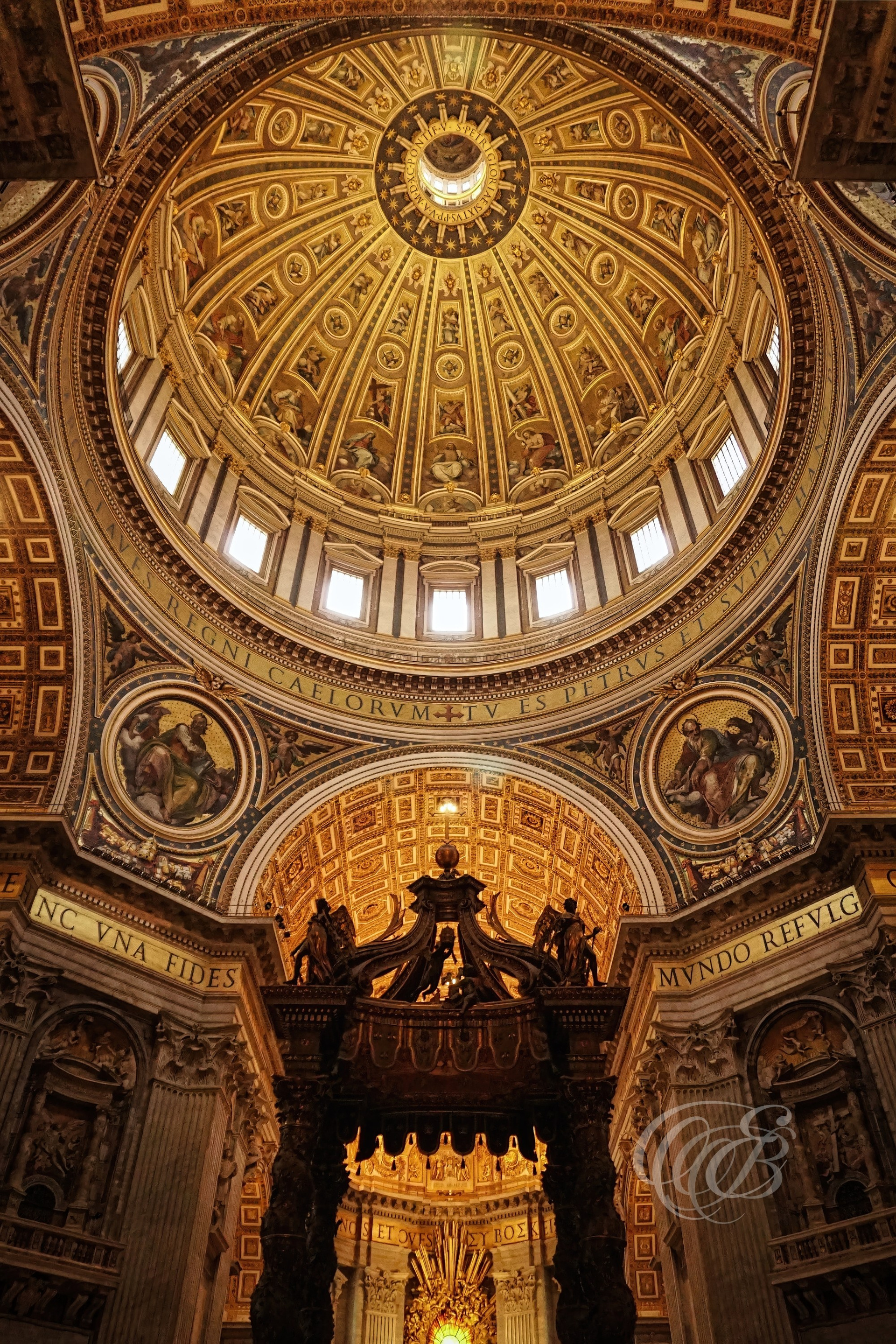
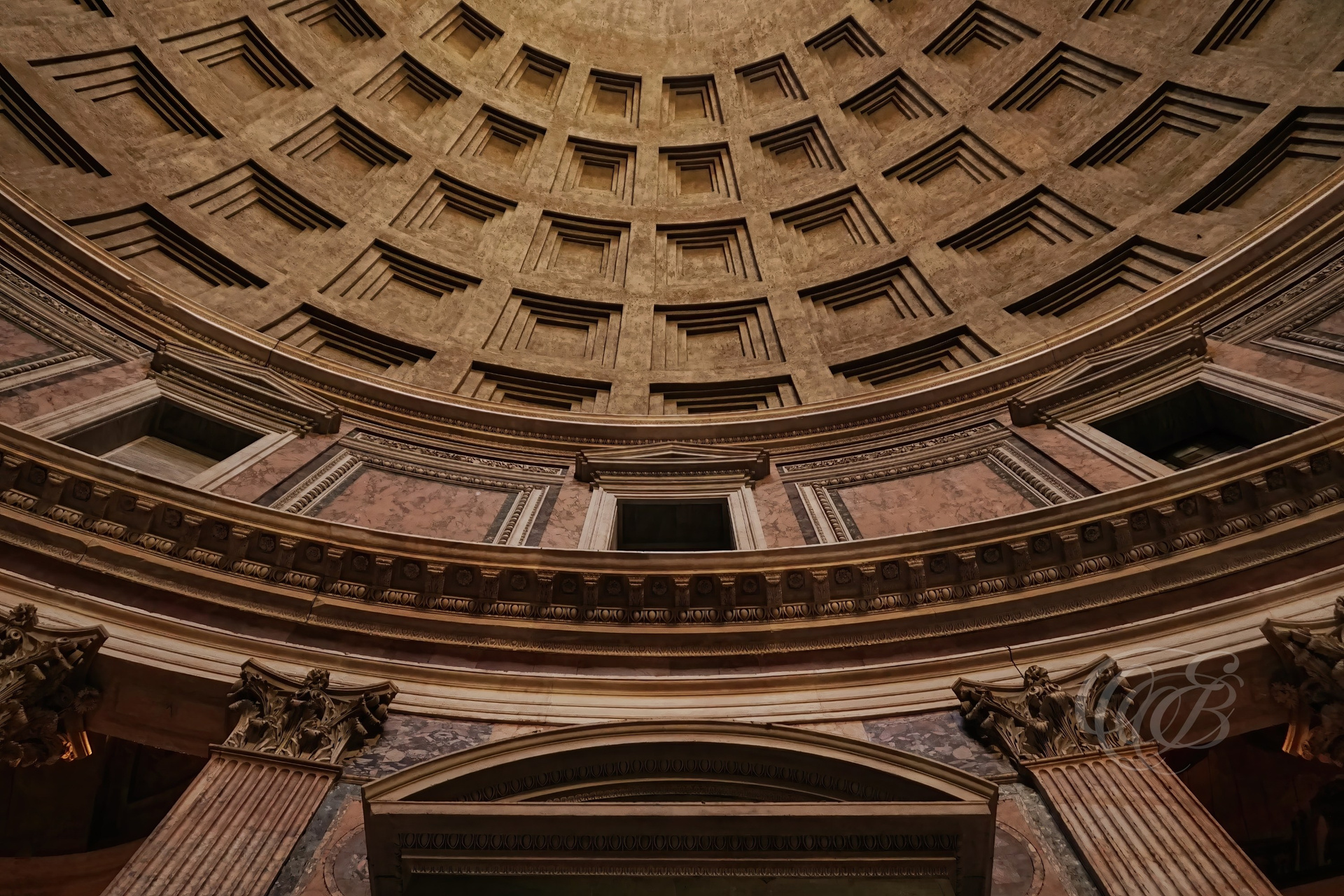
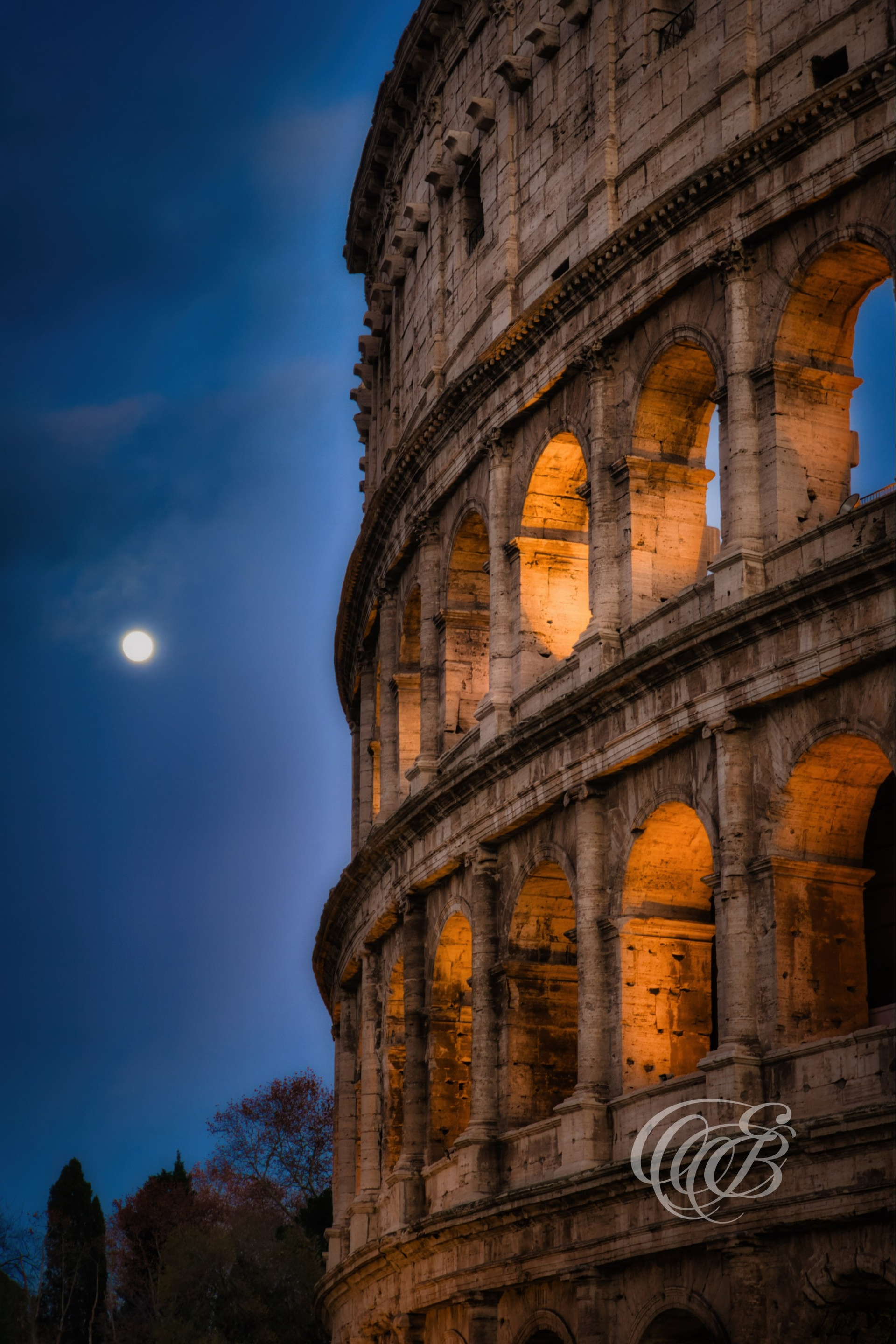
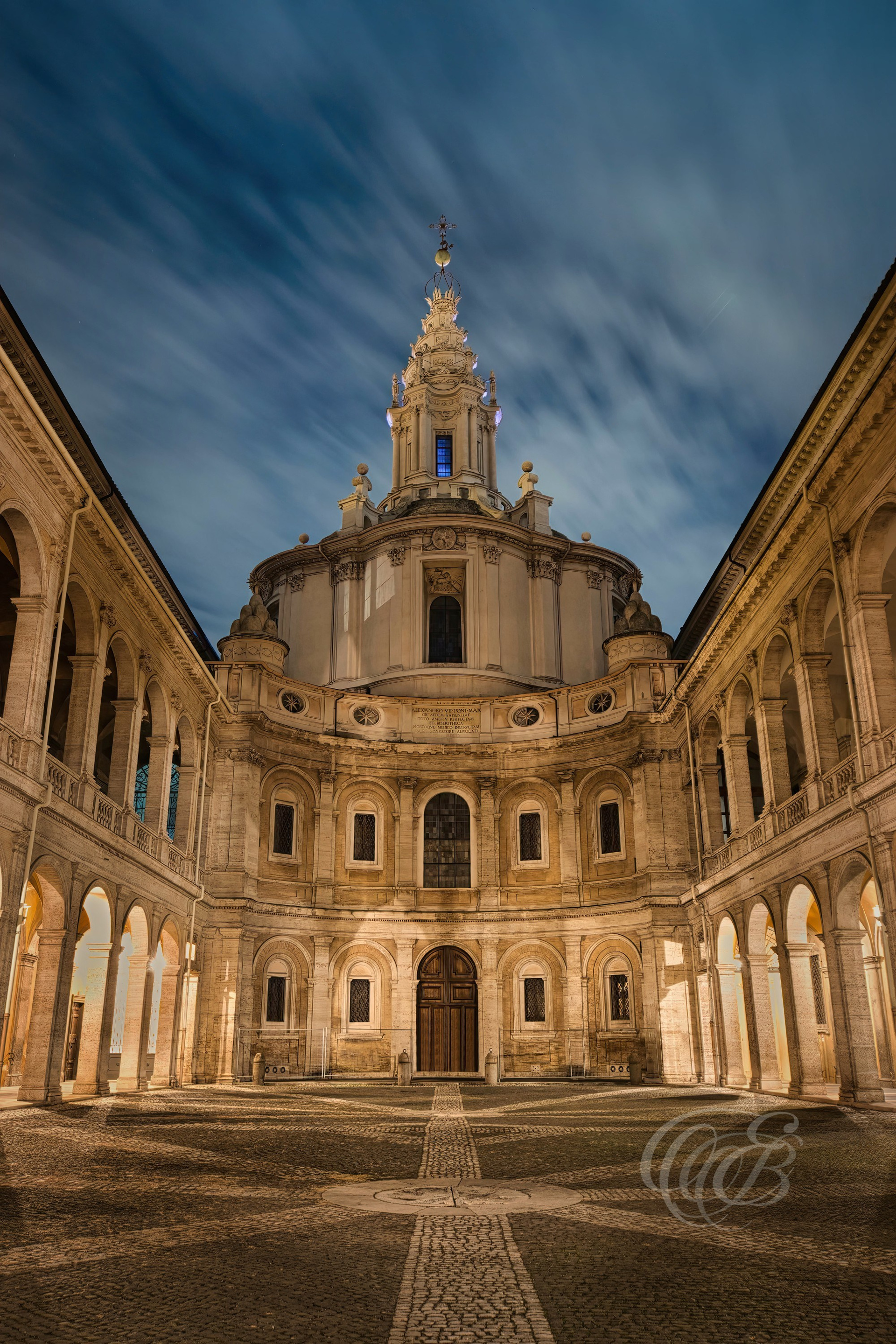
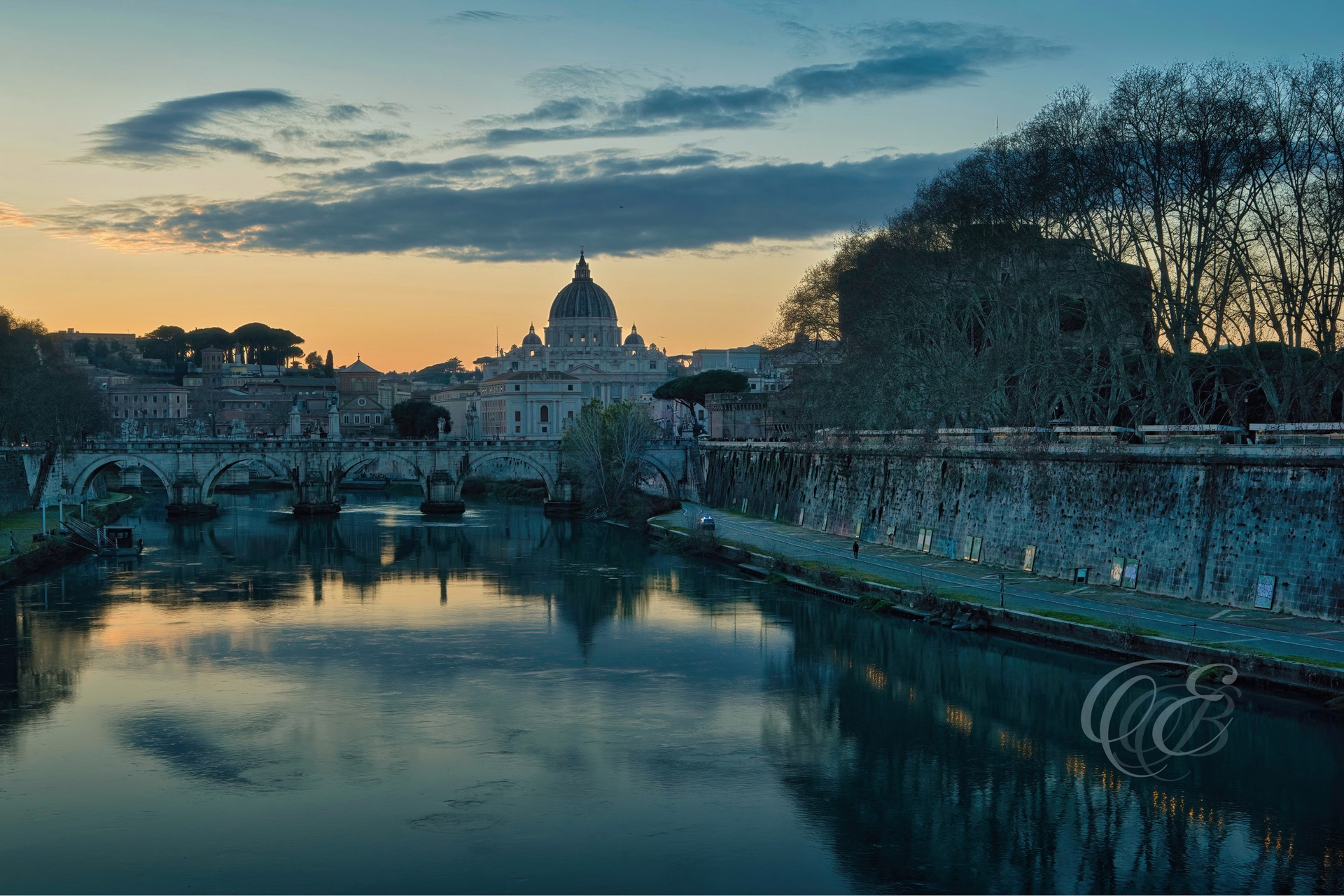
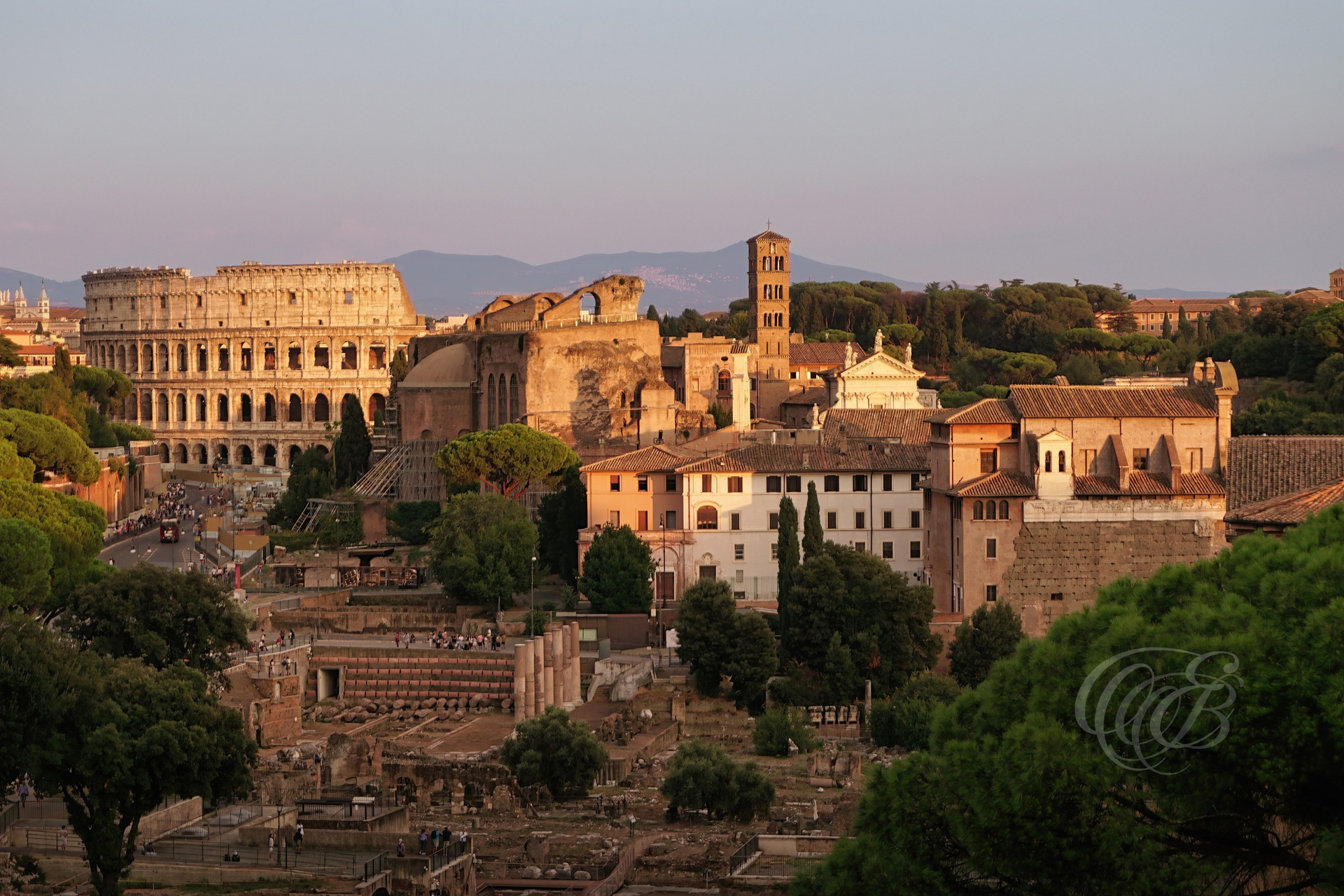
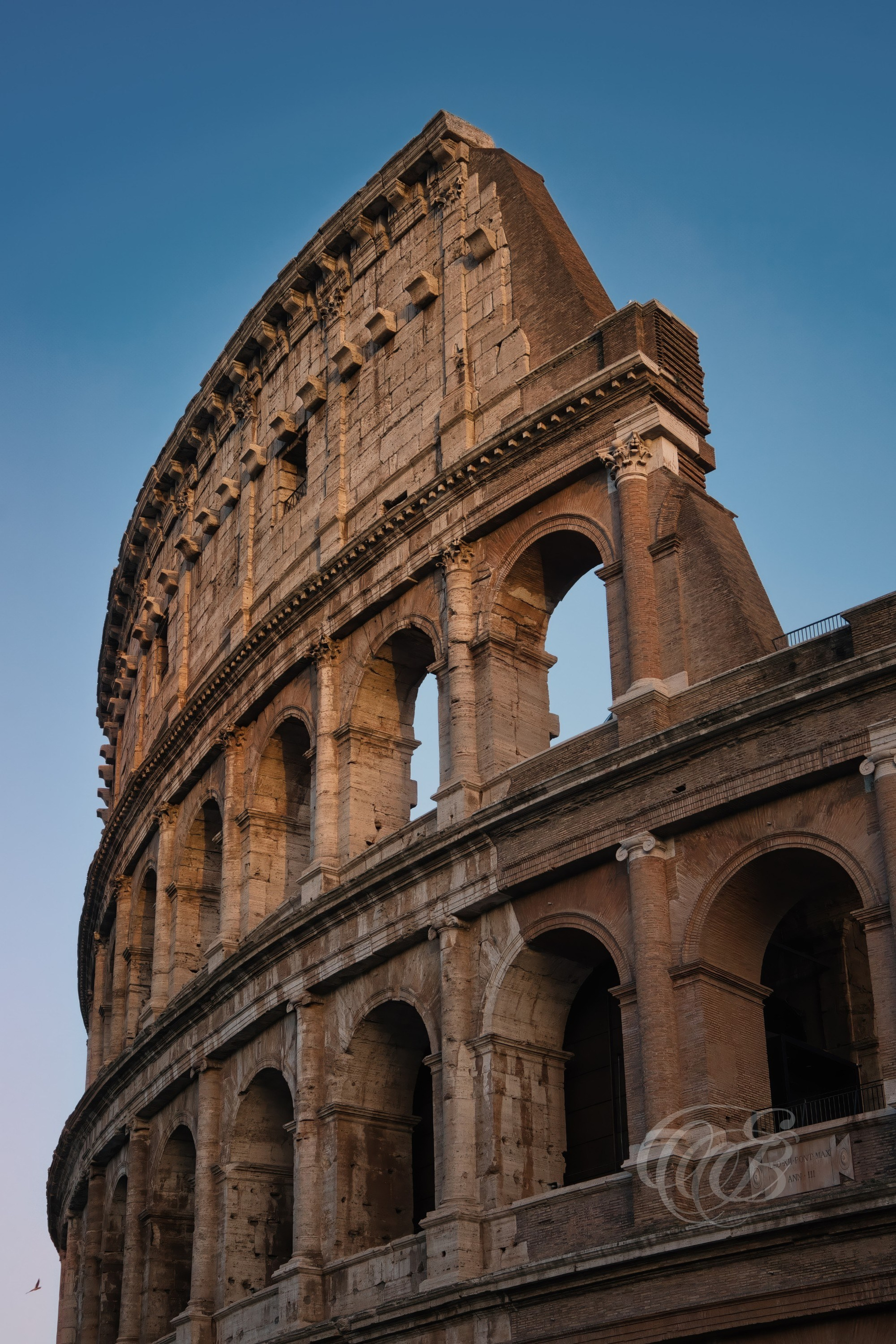
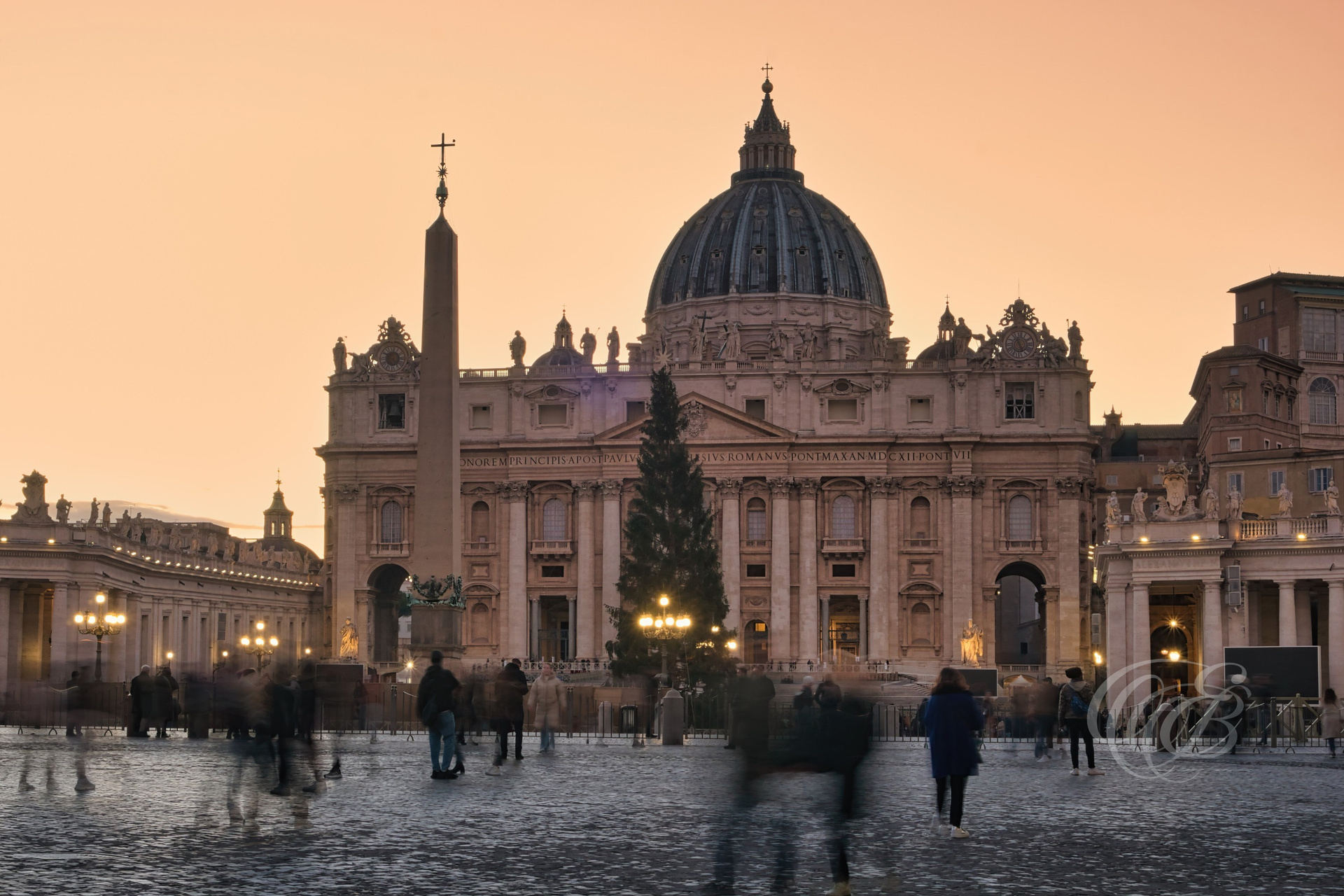
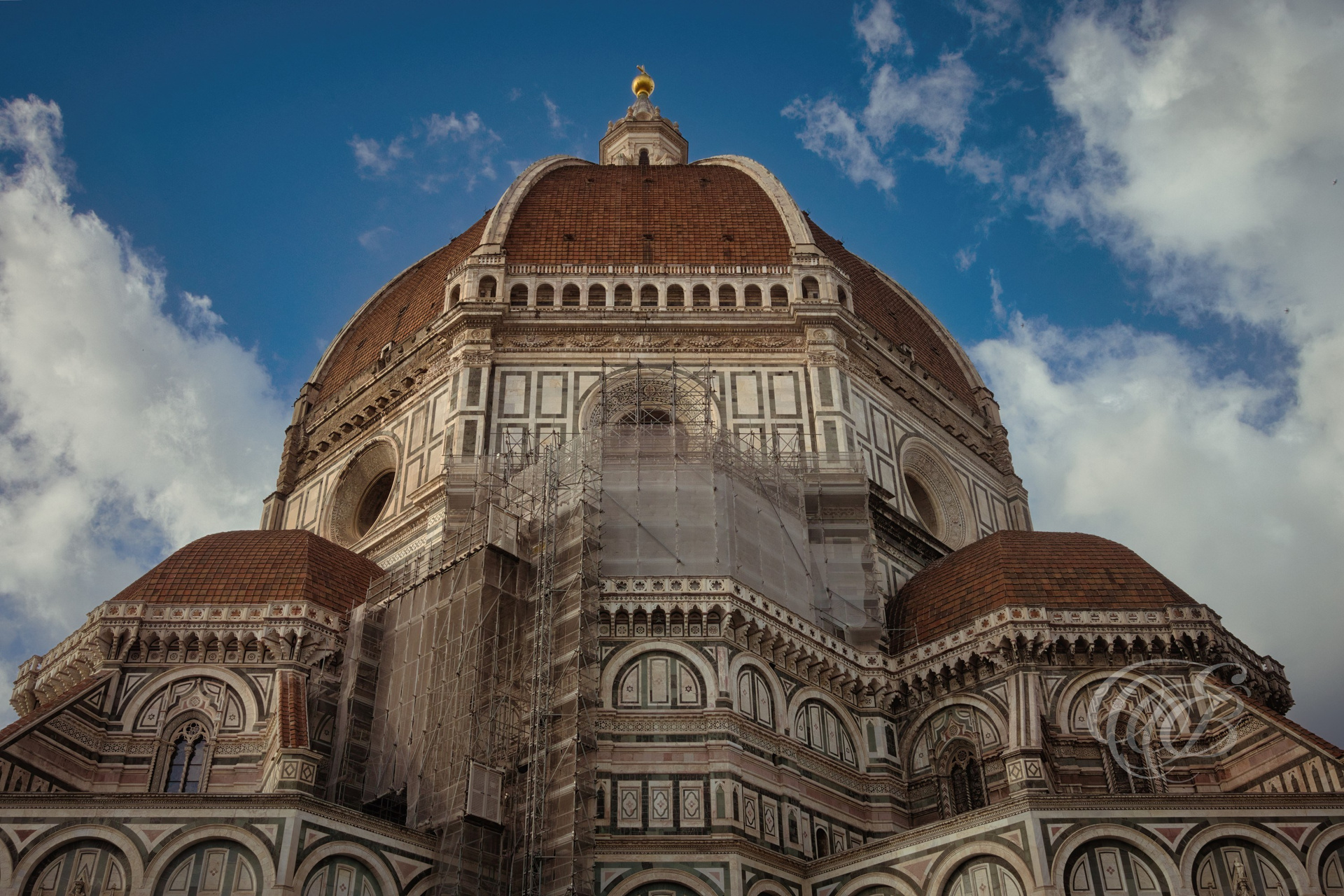
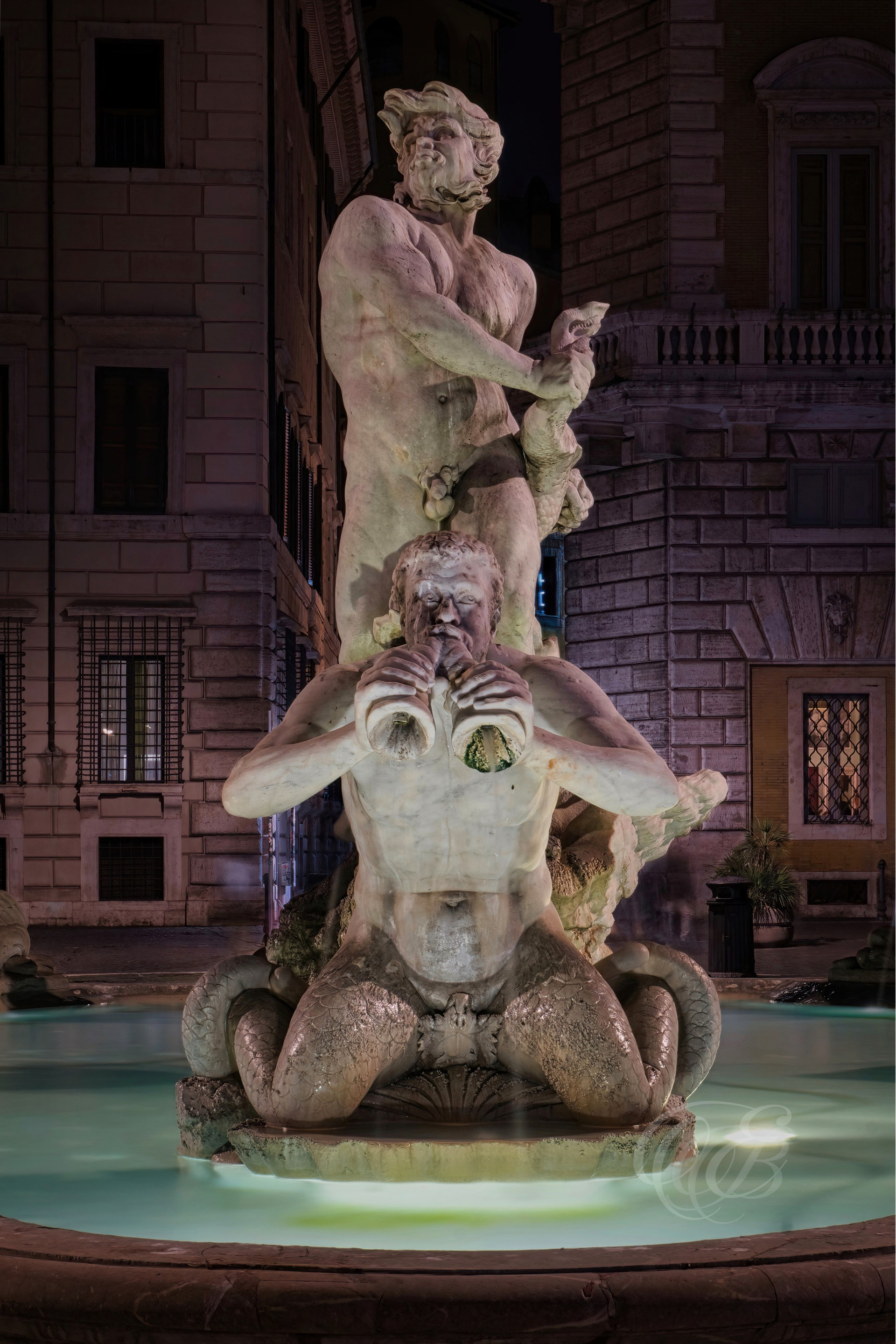
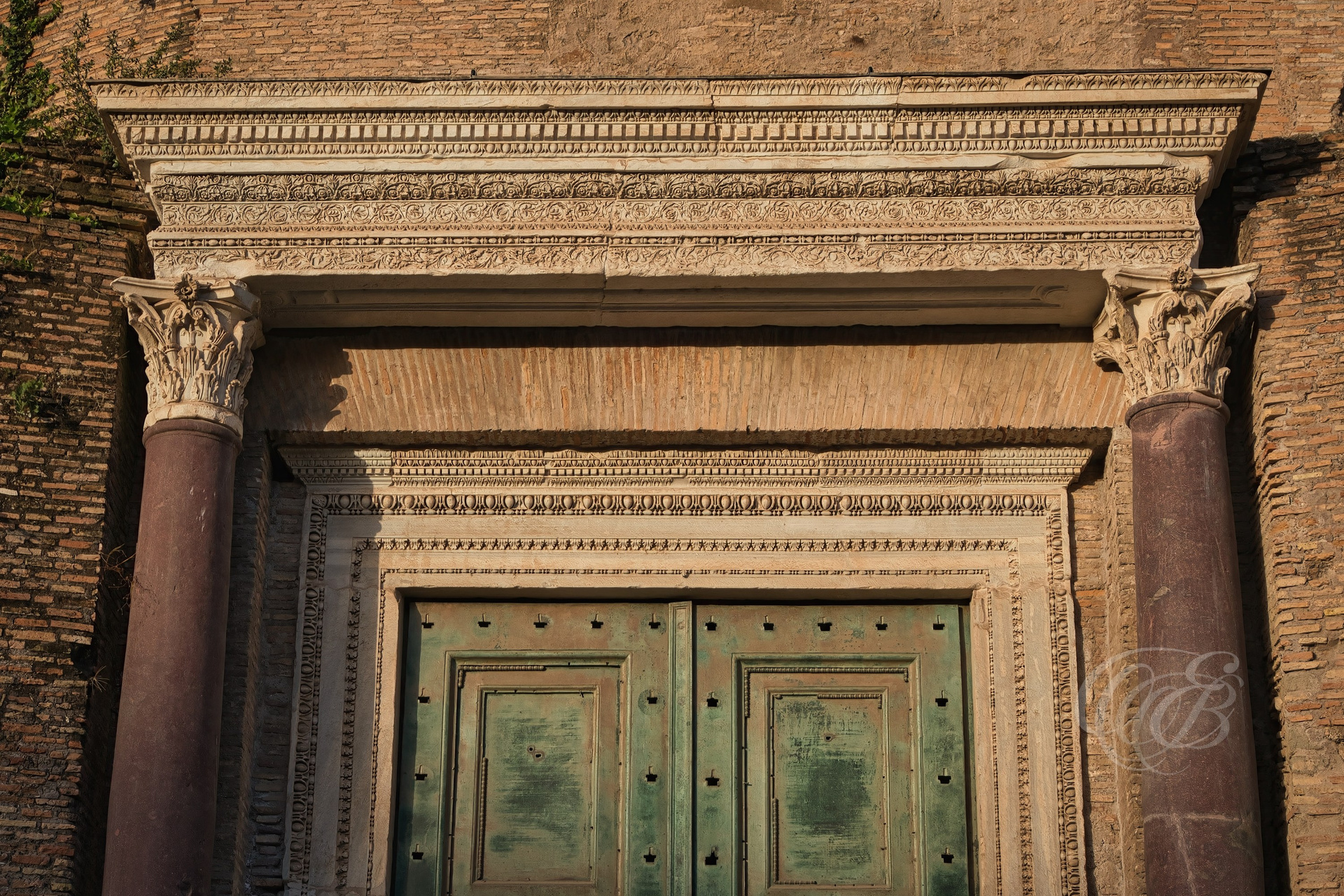
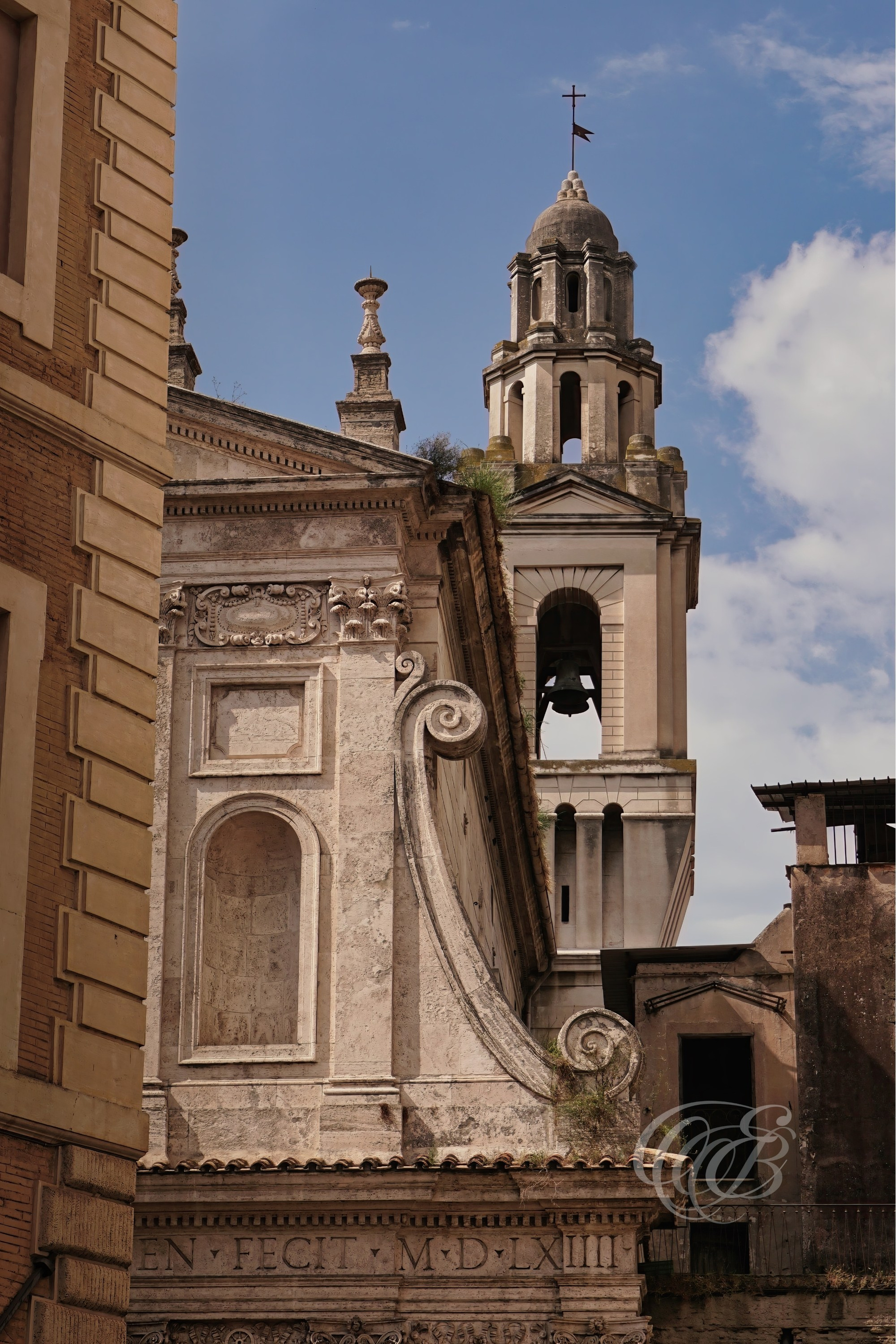
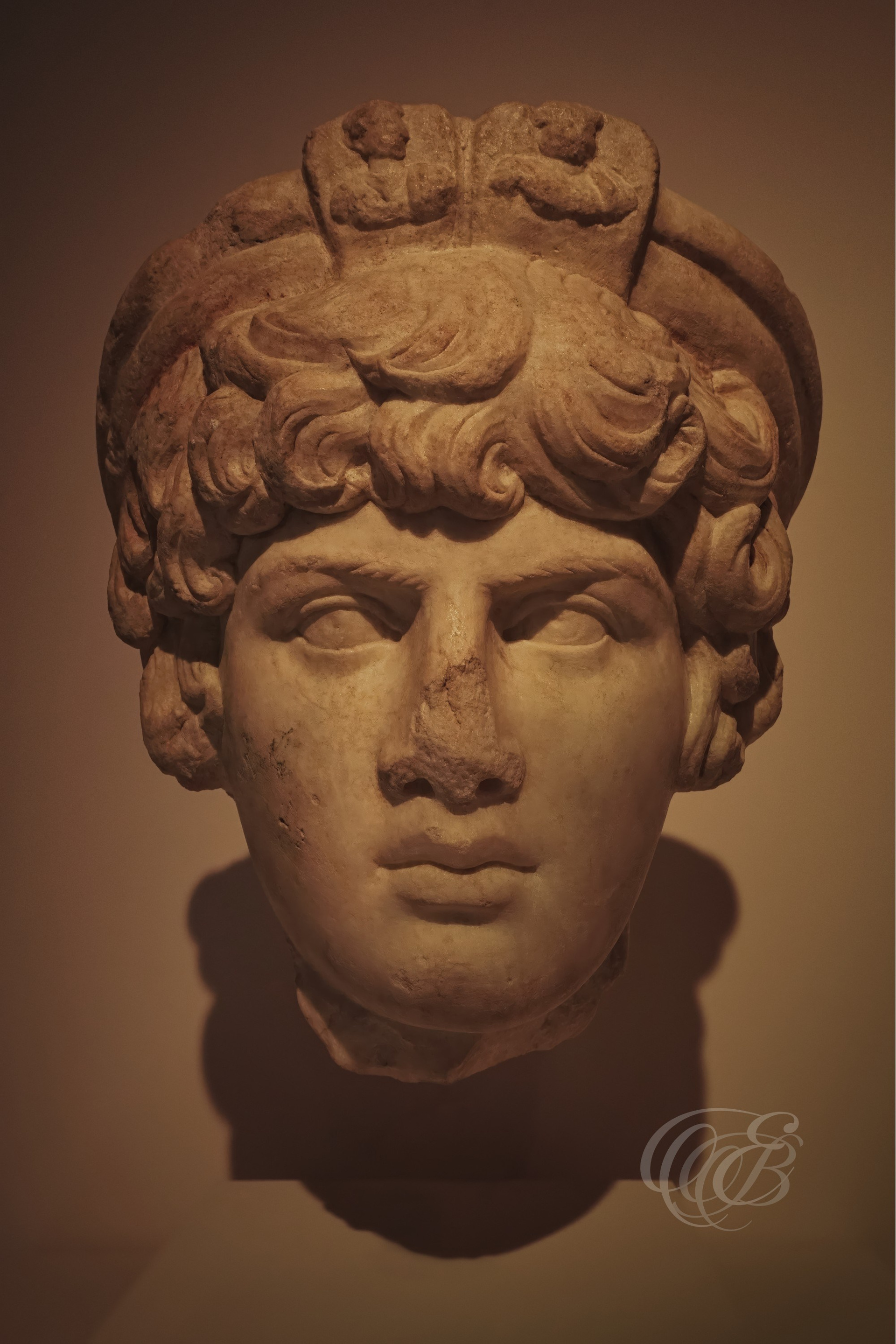
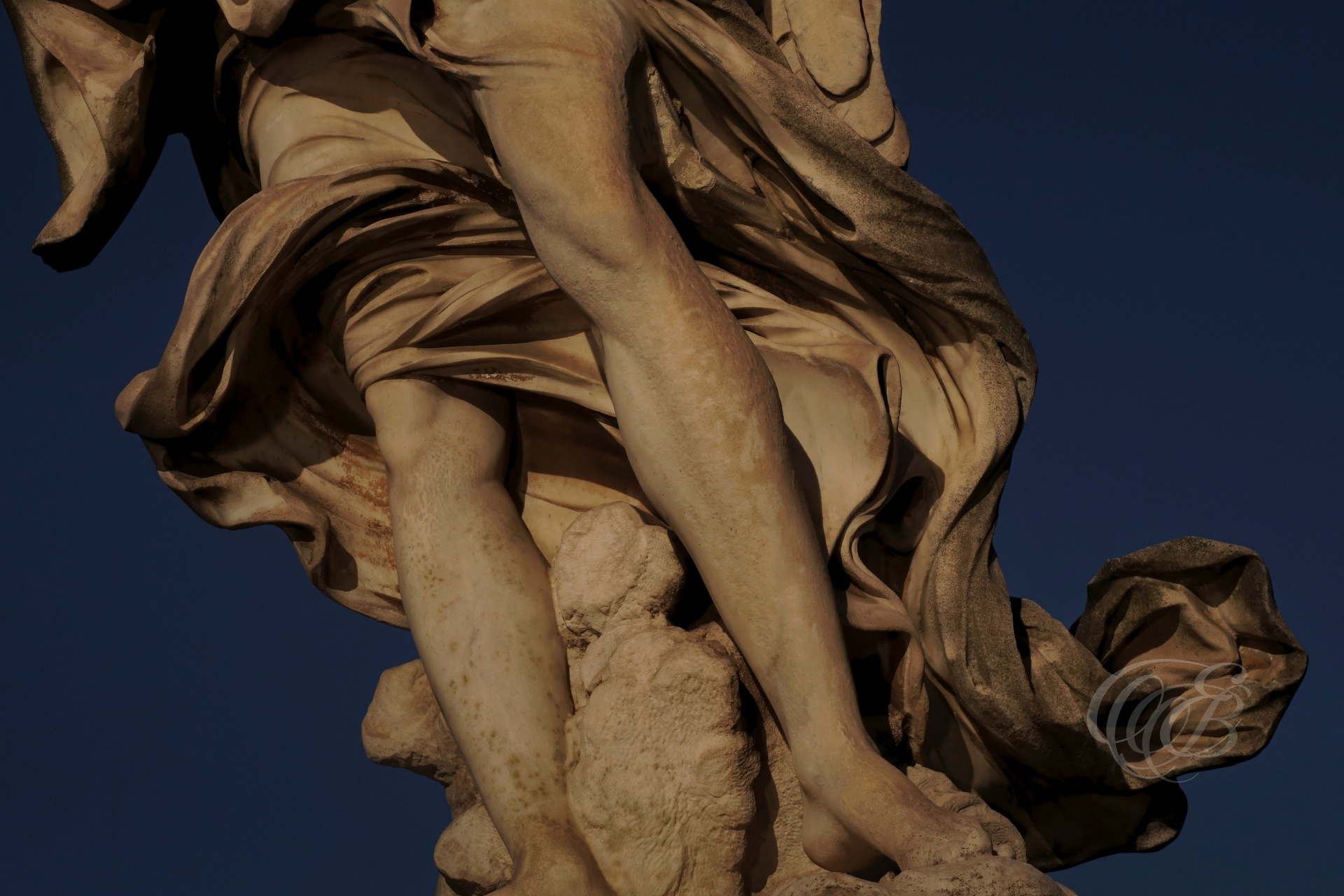
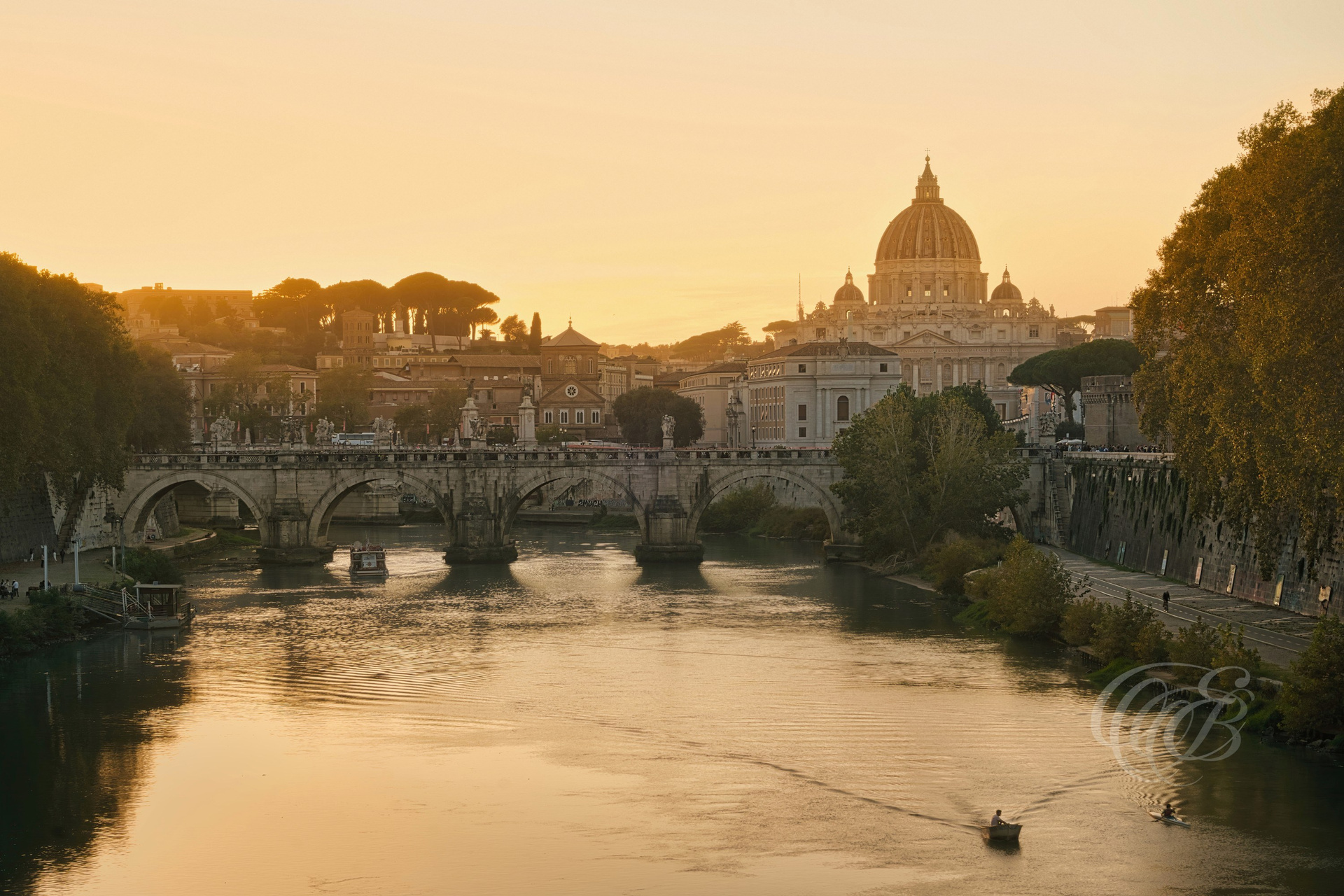
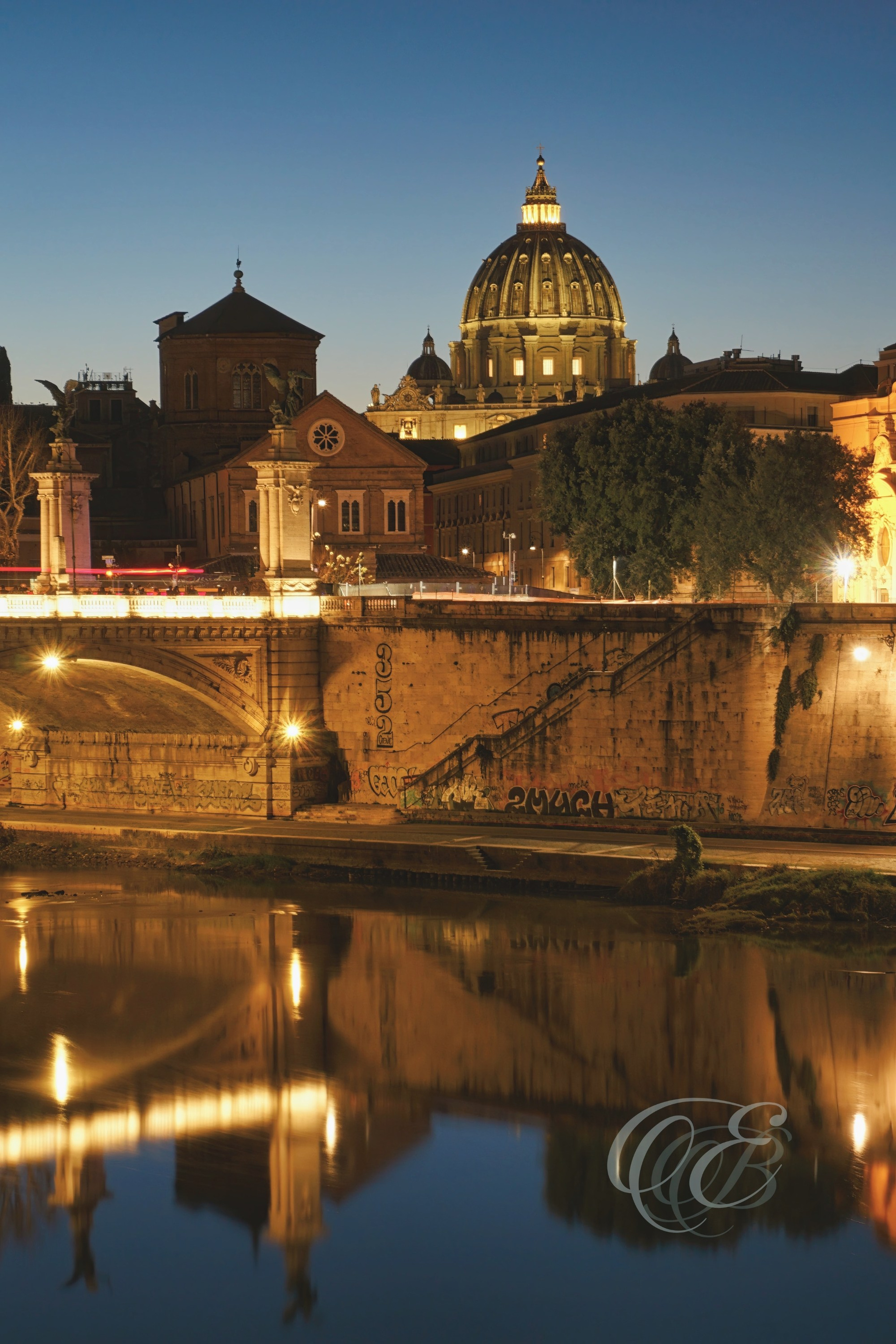
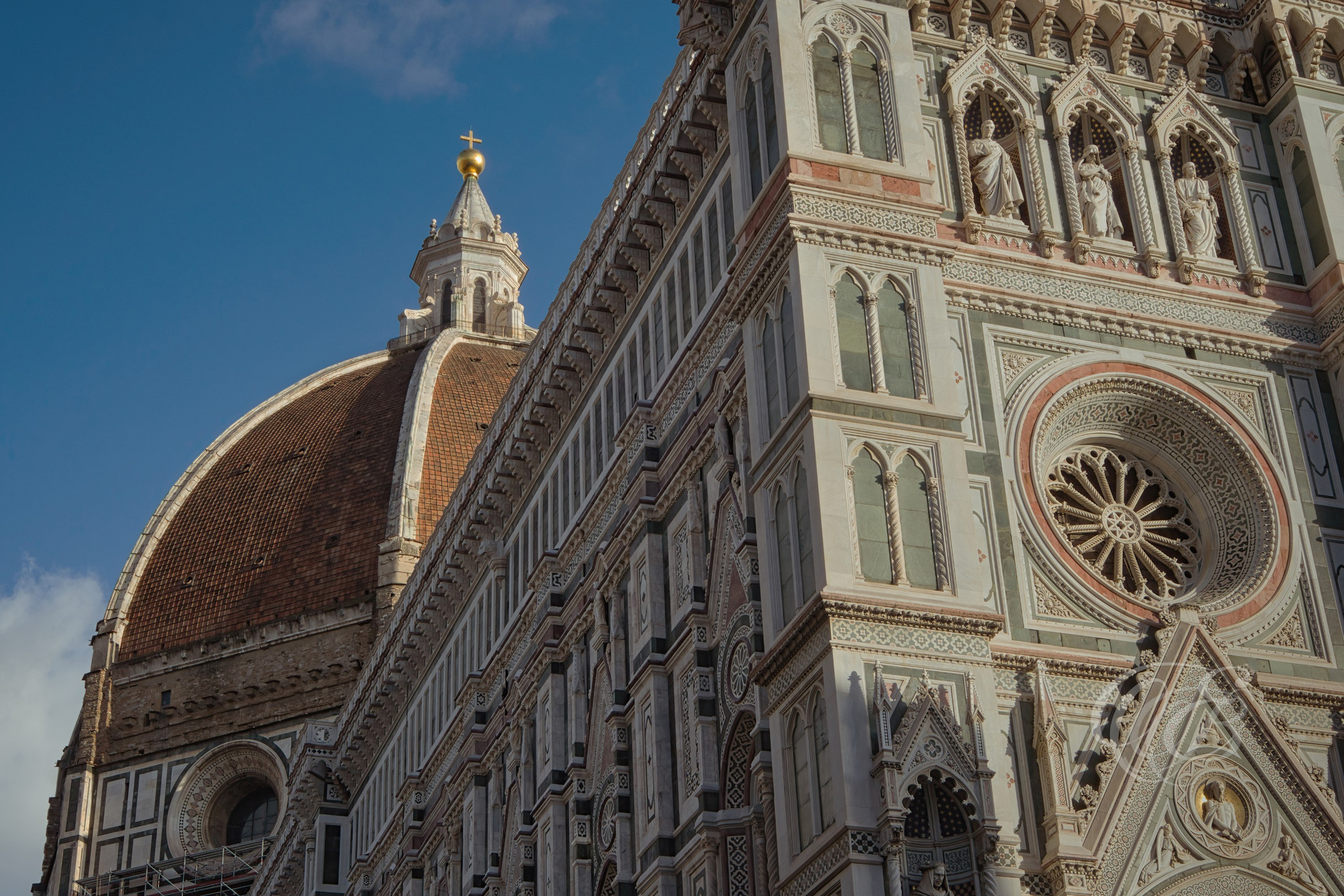
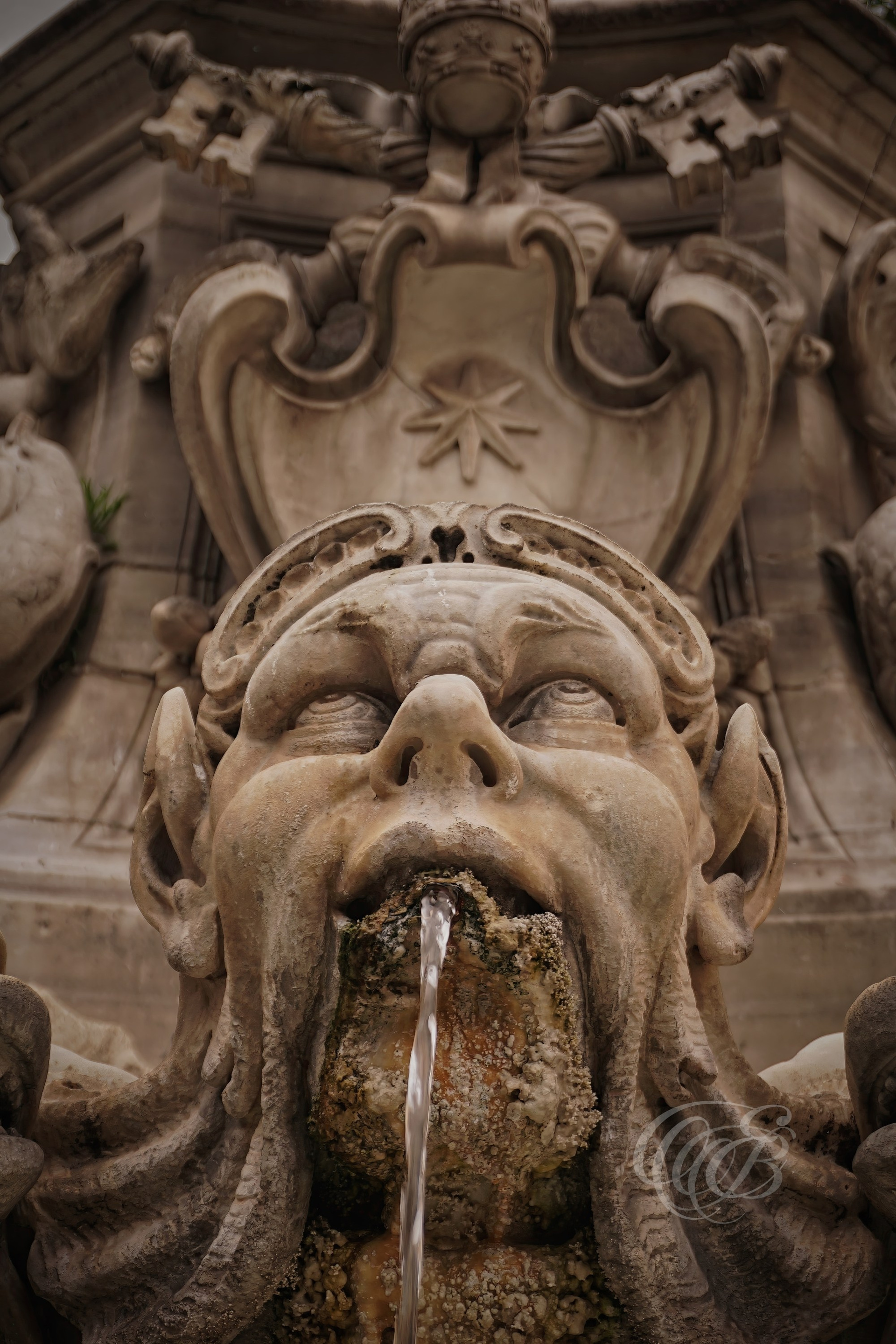
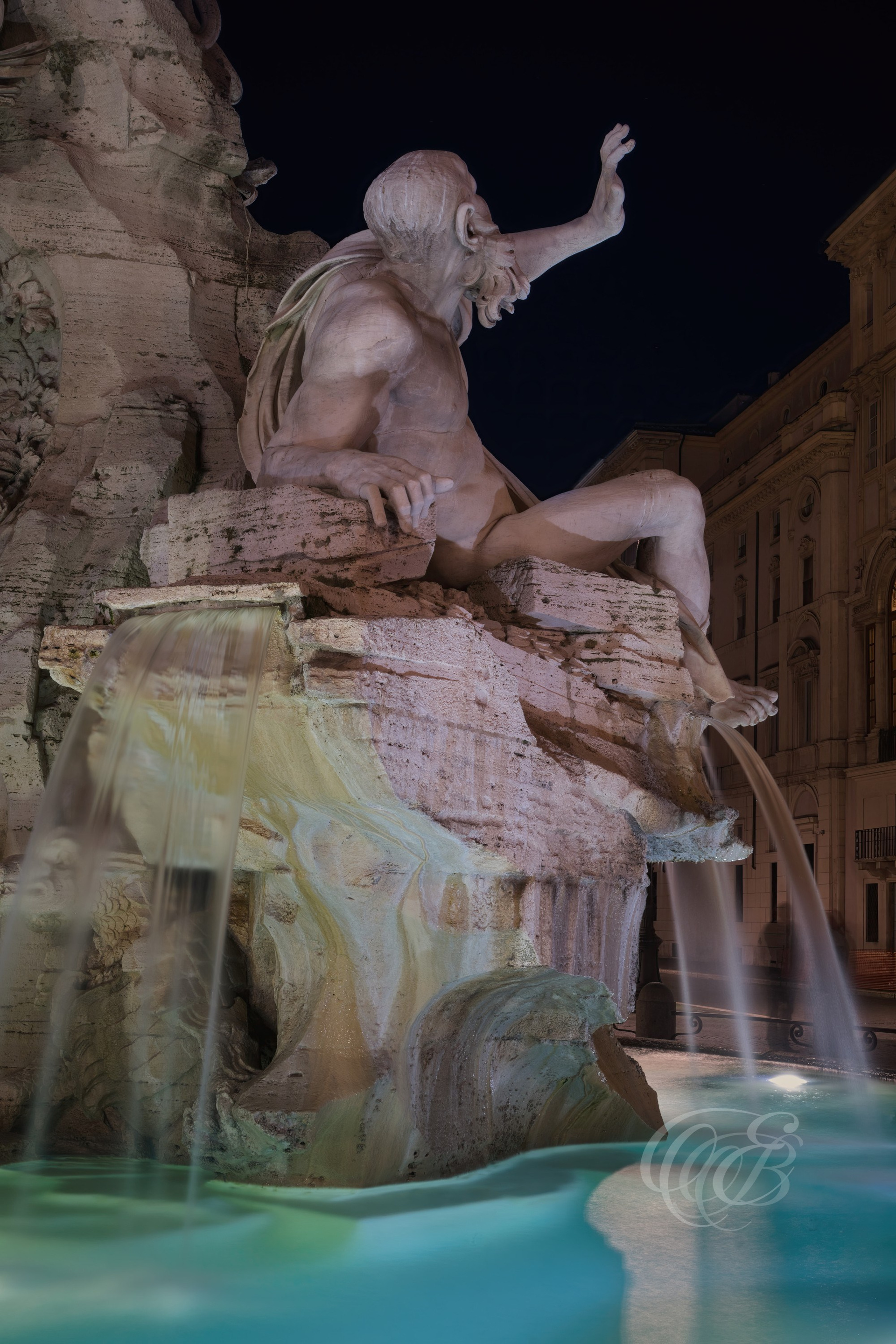
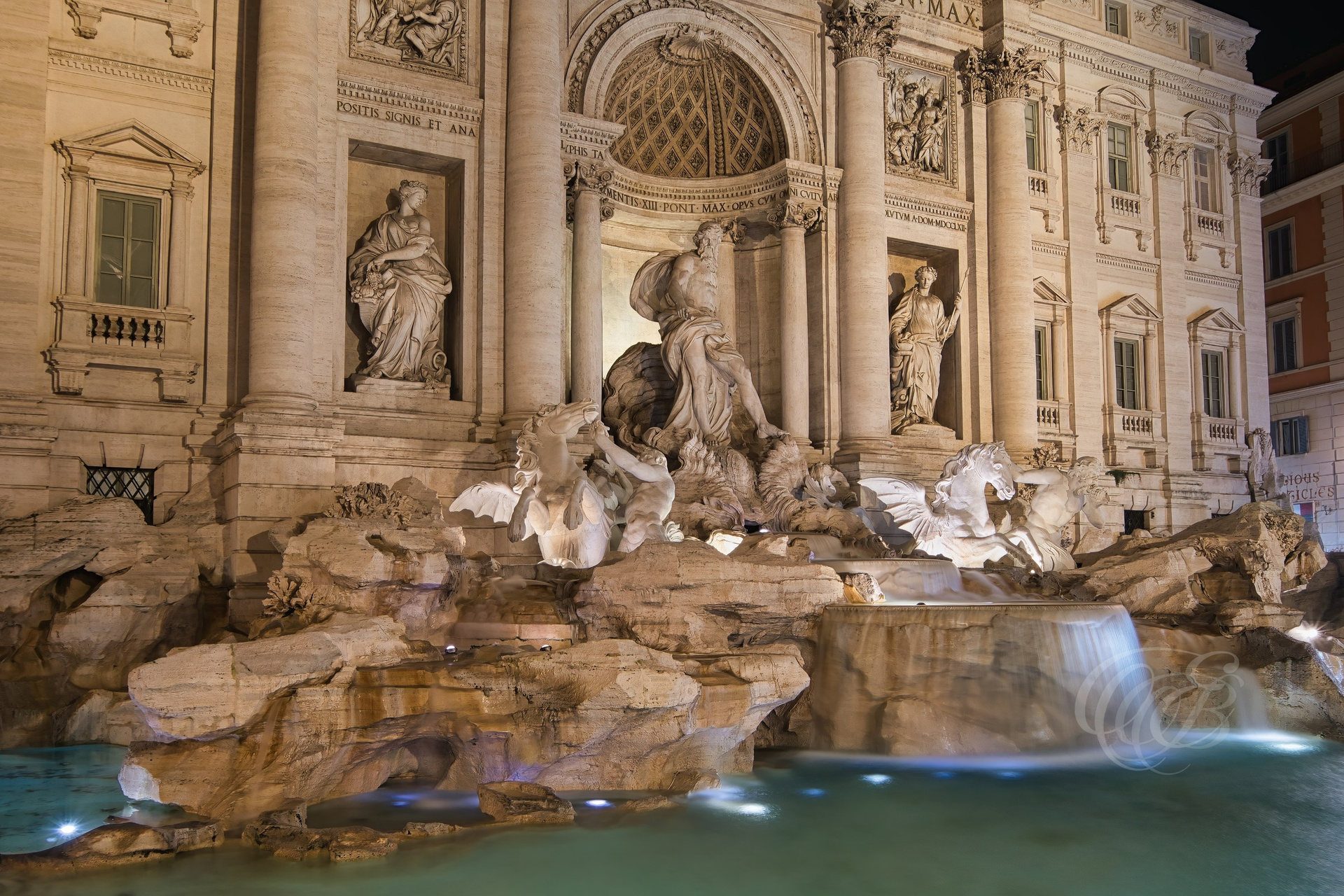
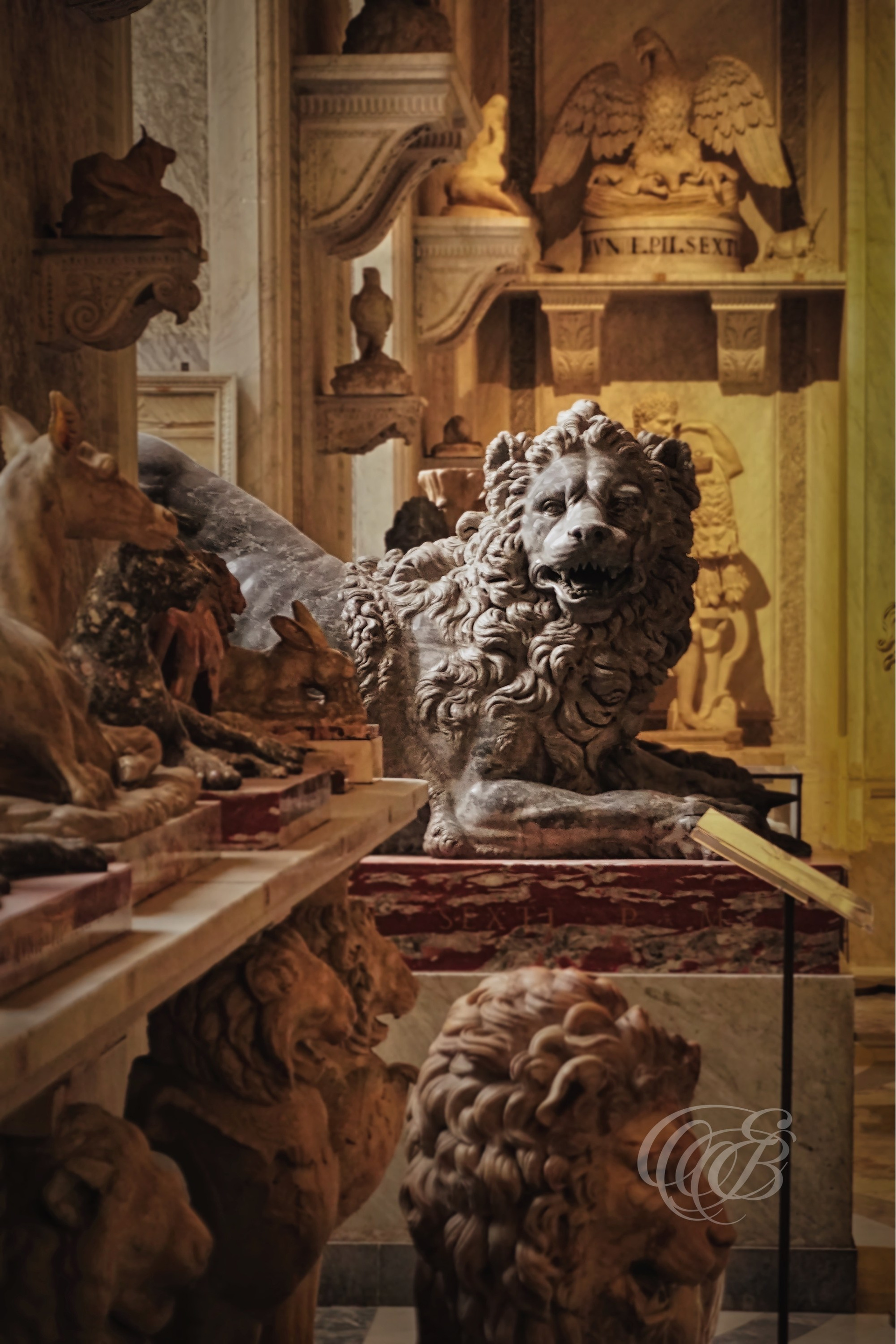
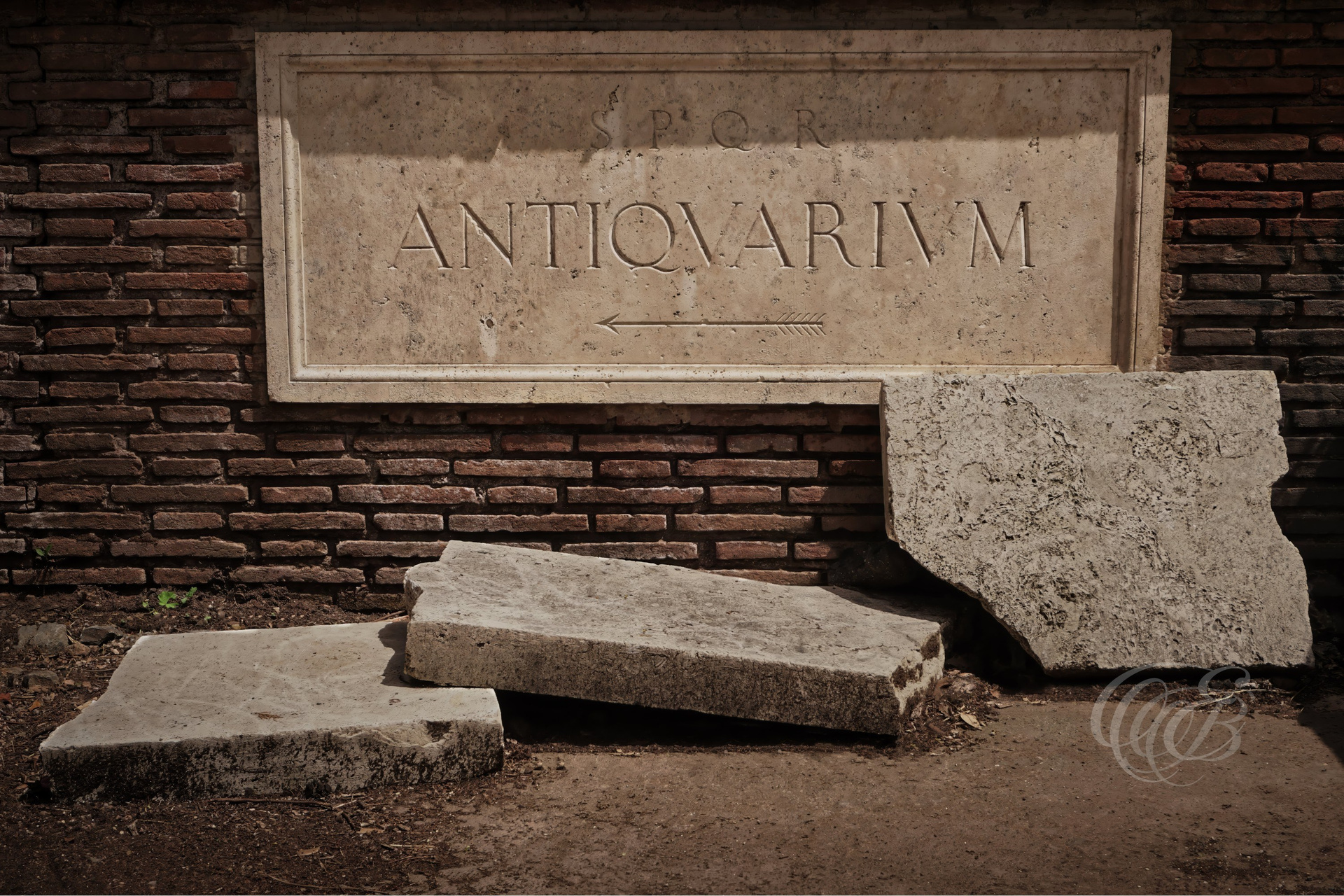
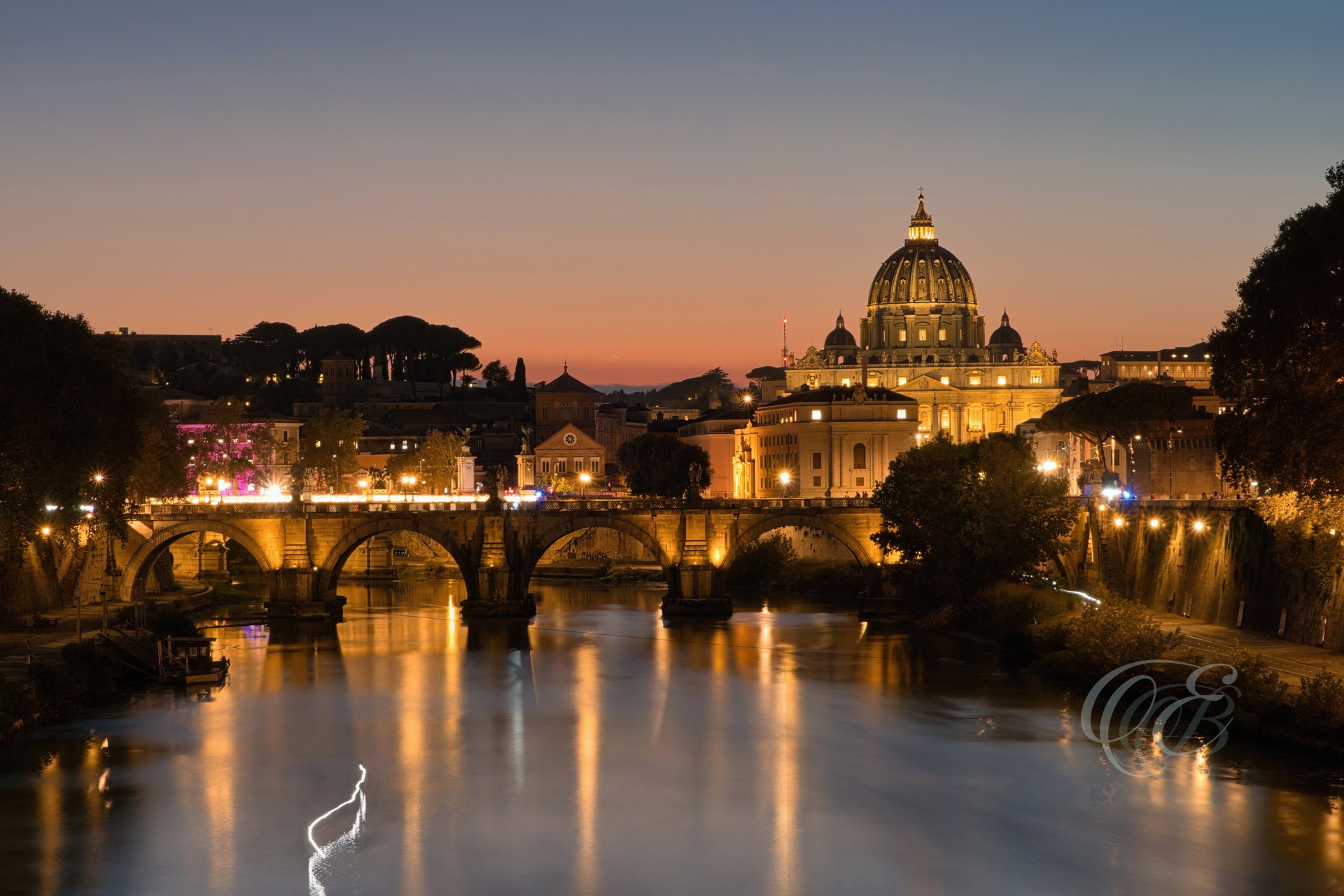
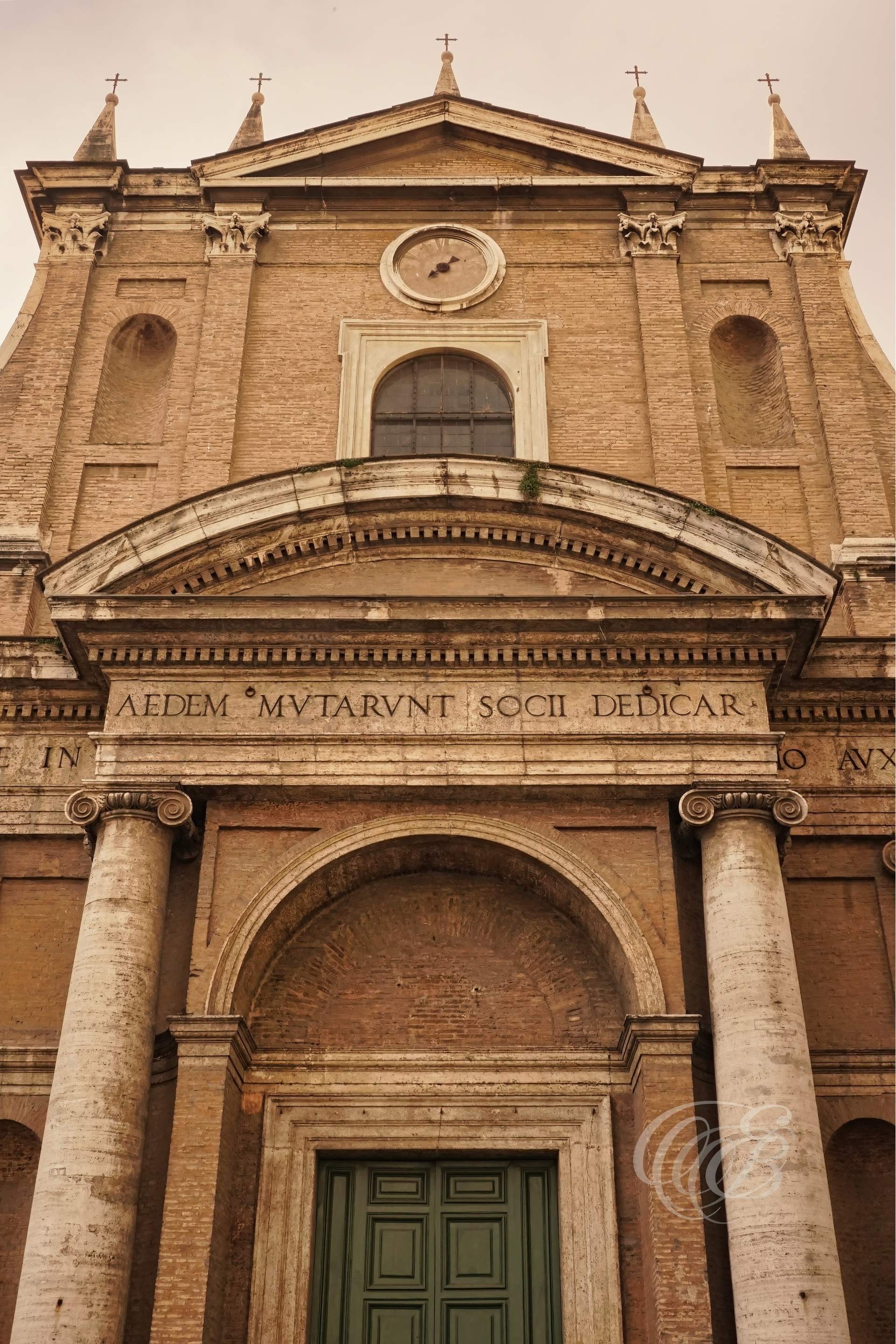
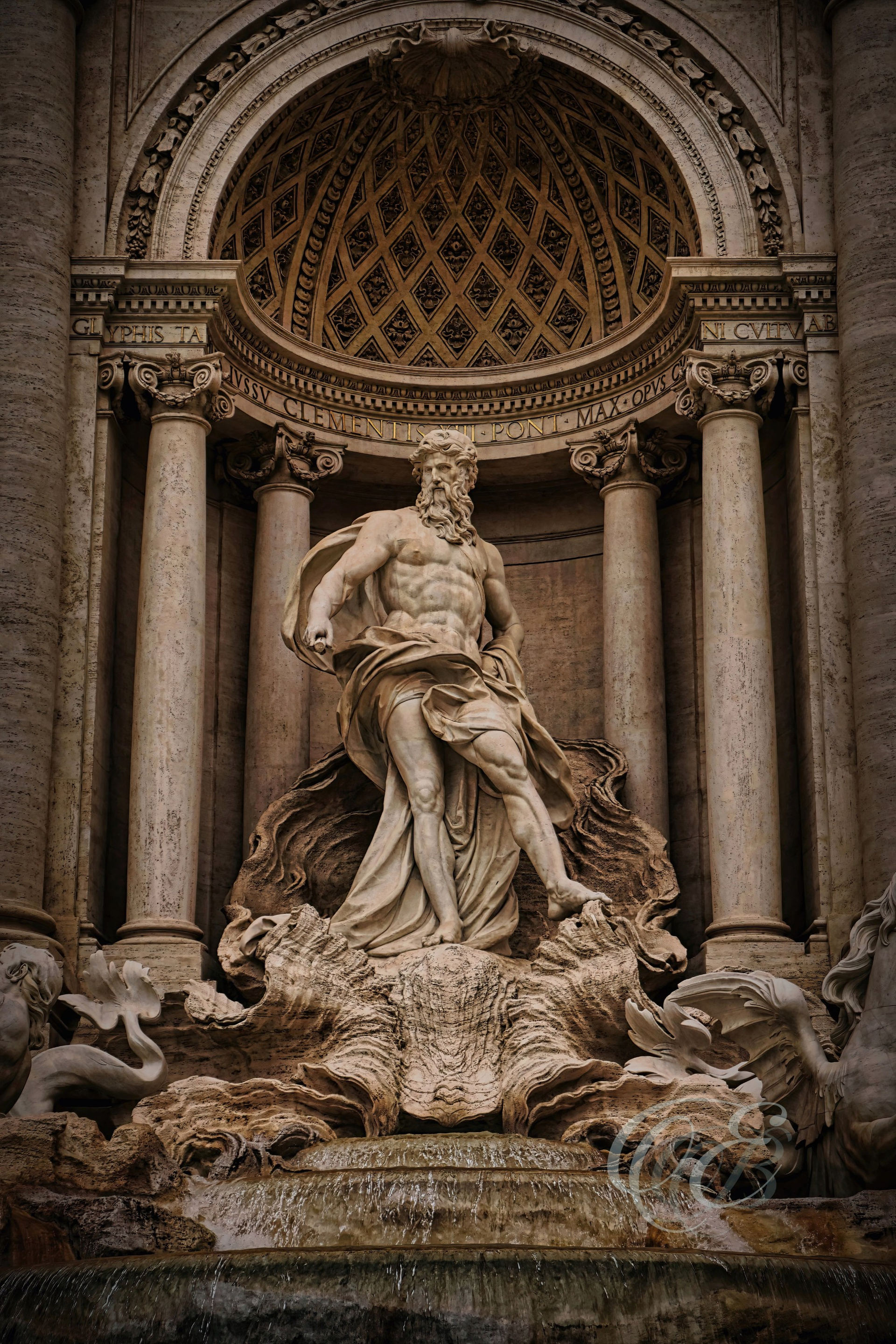
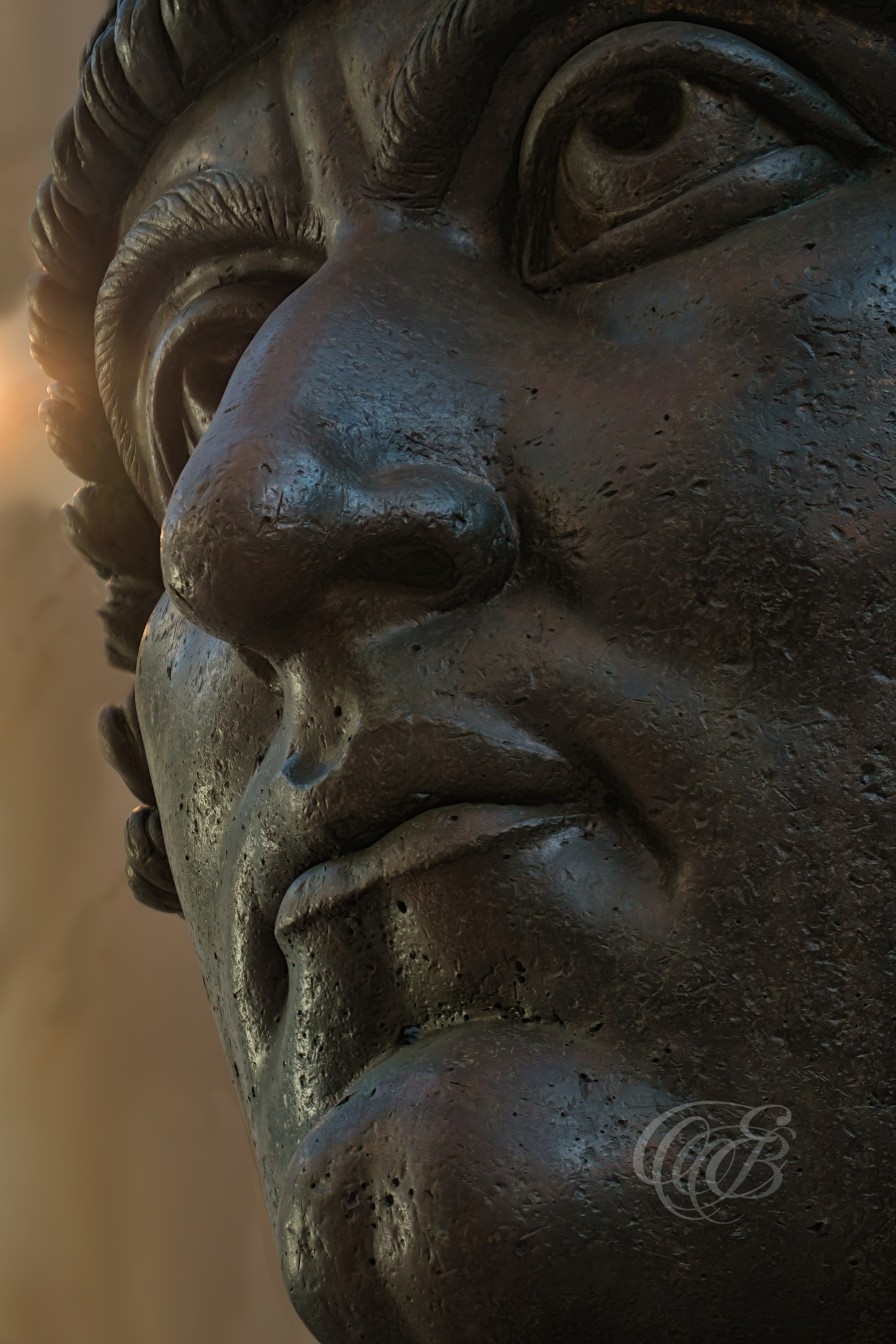
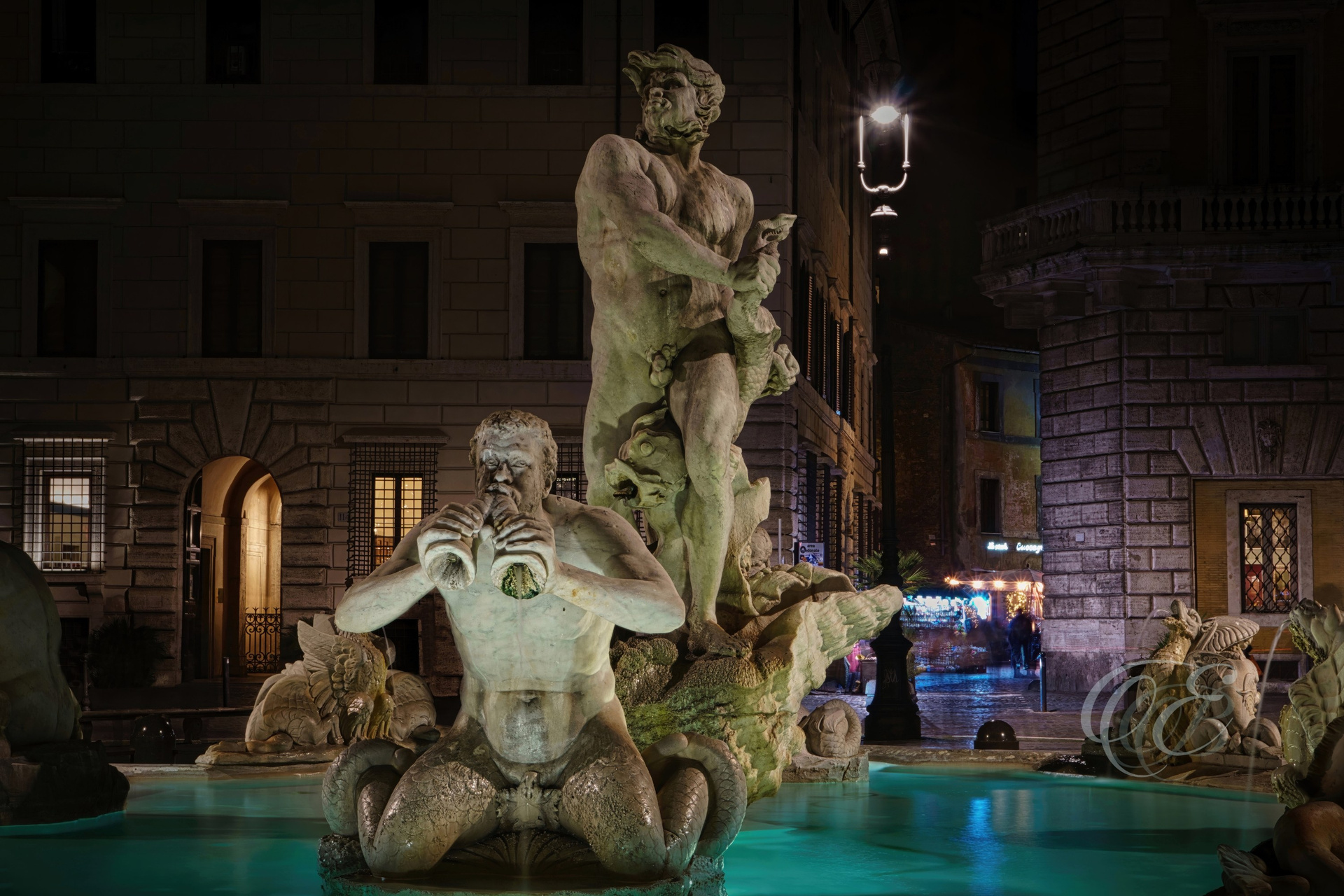
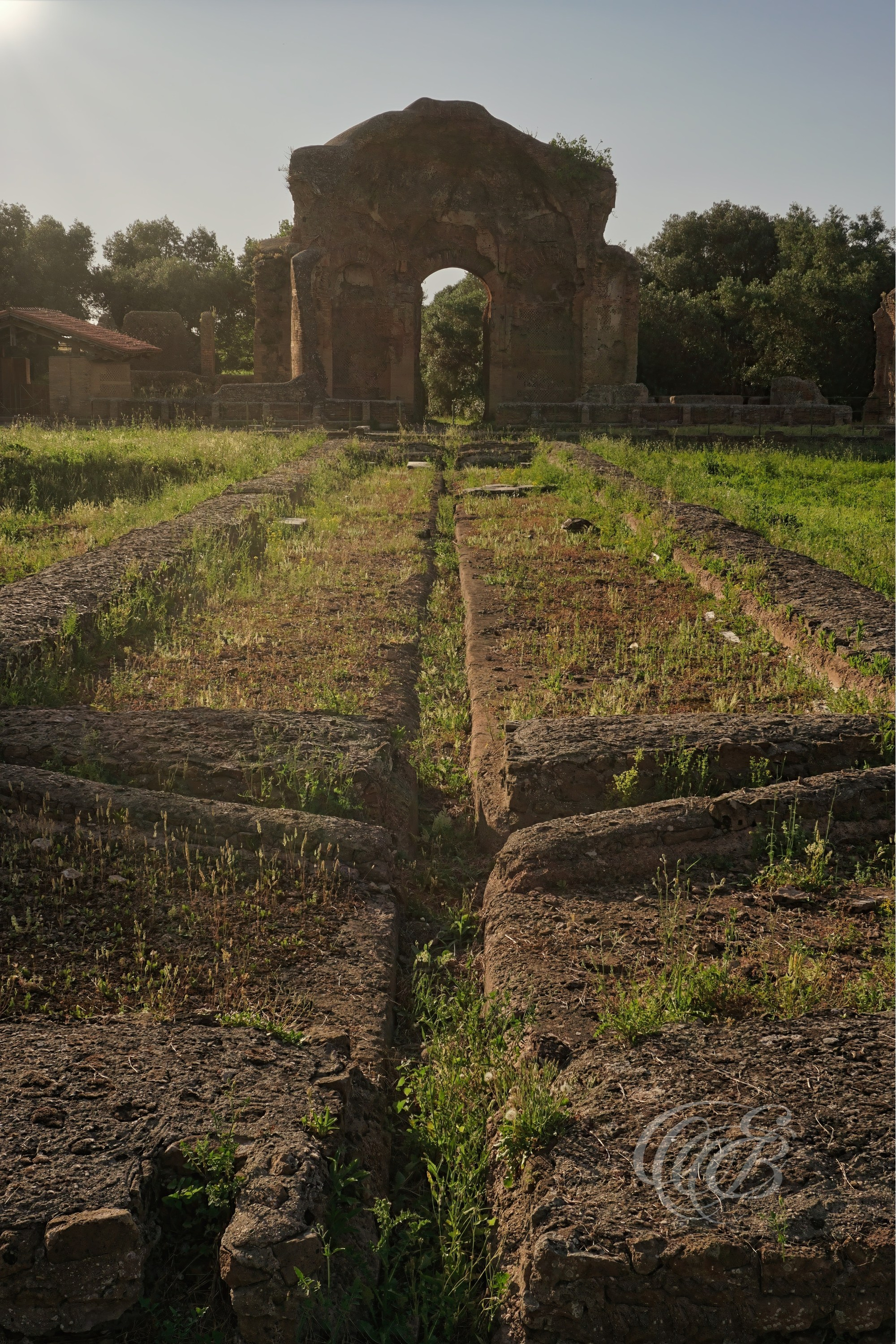
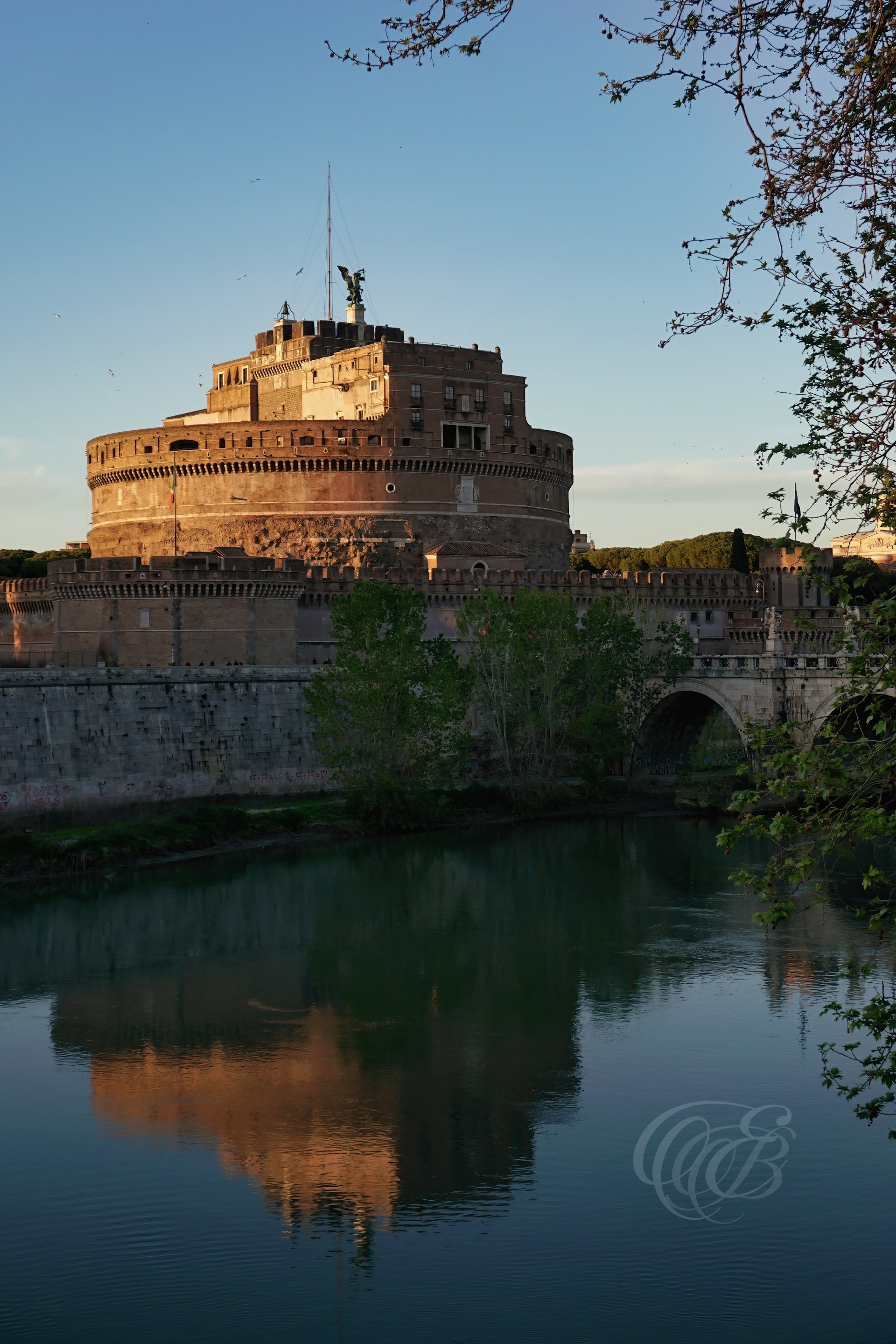
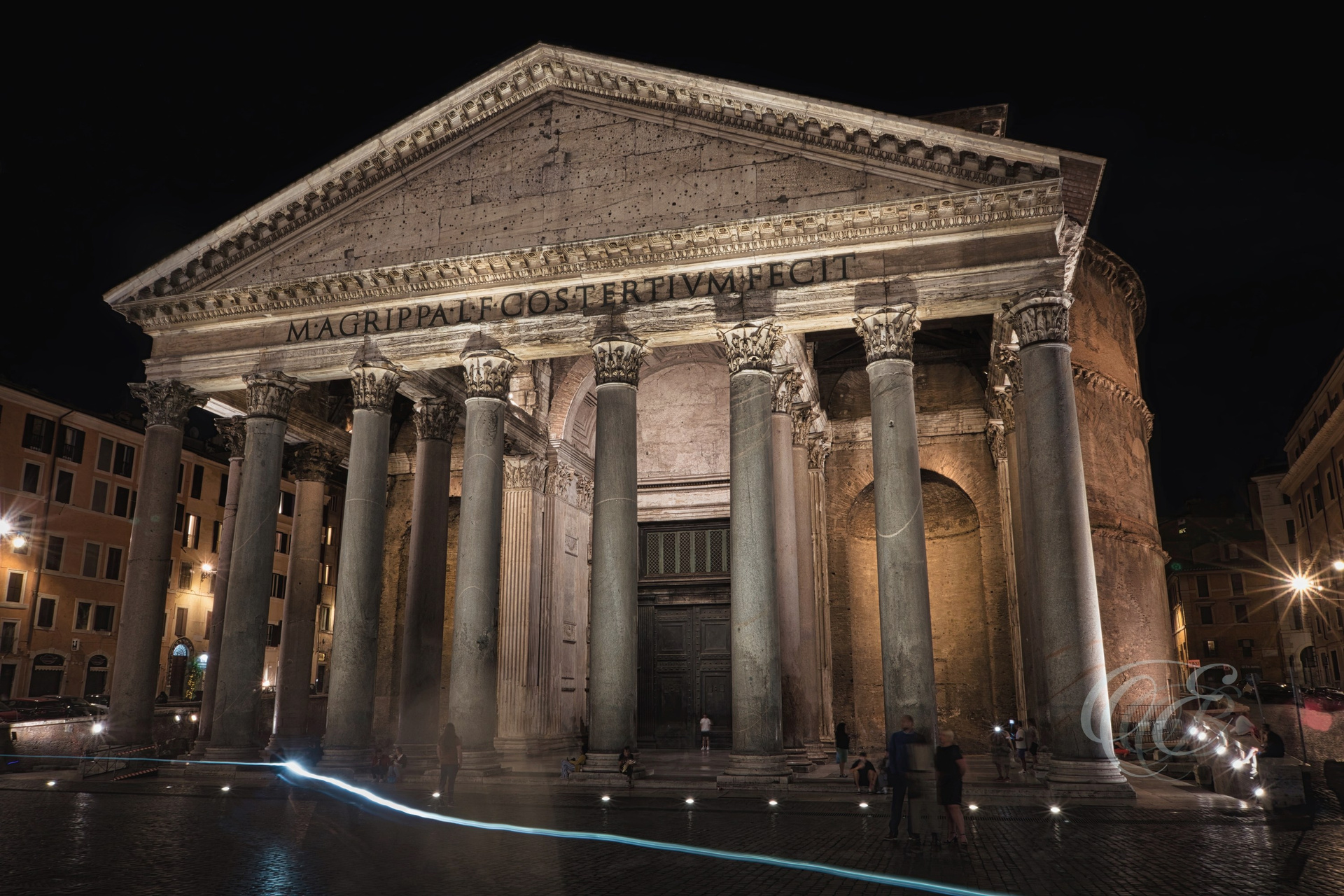
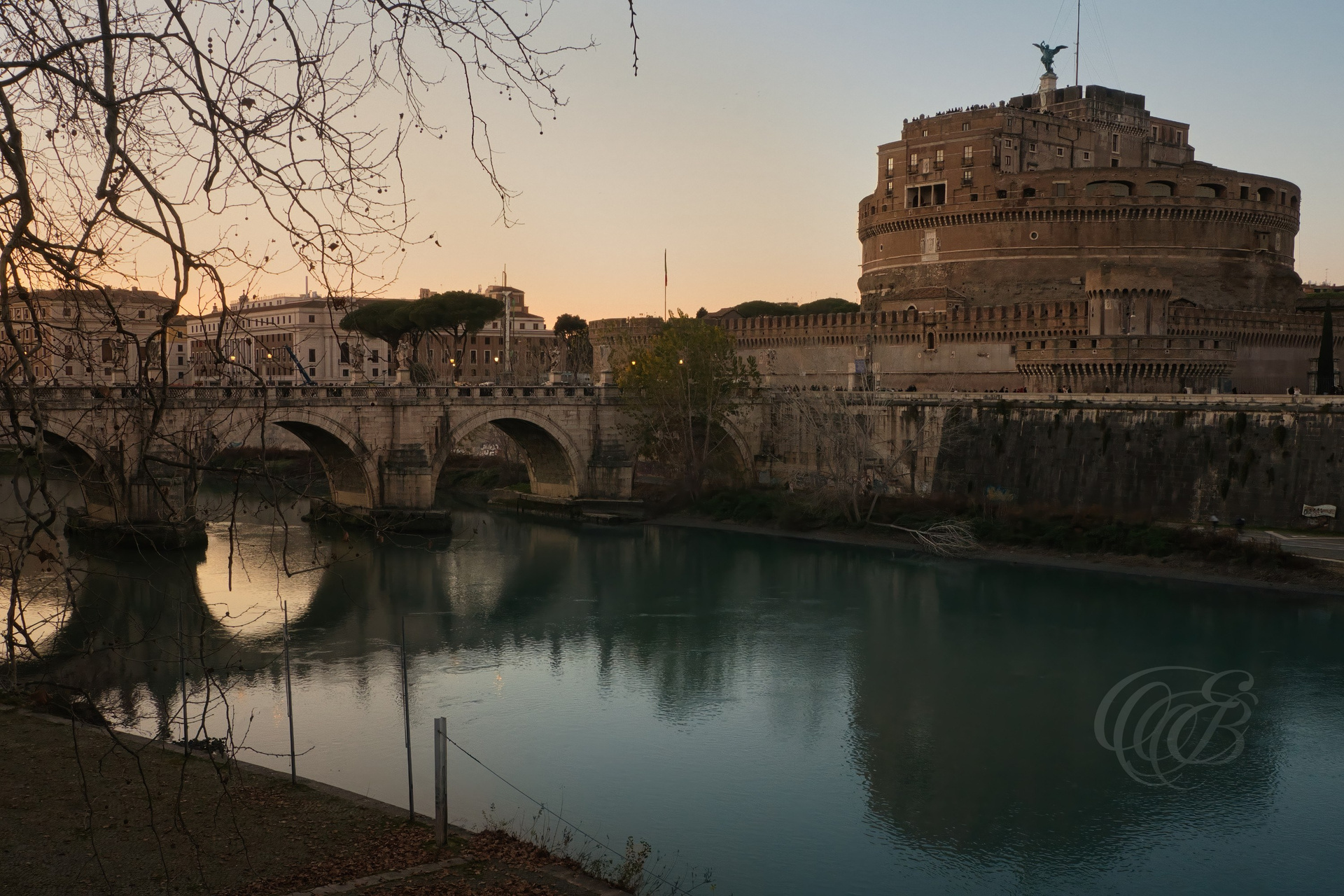
For me, atmosphere, light, balance, harmony, and composition are essential to conveying the feeling and mood of an image. Photography carries a unique gift: the ability to draw the viewer beyond the boundaries of the present moment, offering a glimpse into another place, another time, another state of mind. Through the careful arrangement of elements, guided by the emotions they evoked in me, a photograph can become more than a record of what once stood before the lens; it becomes a passage into a world that exists somewhere between memory and imagination, a world that inspires the viewer to wander within it and experience something timeless.
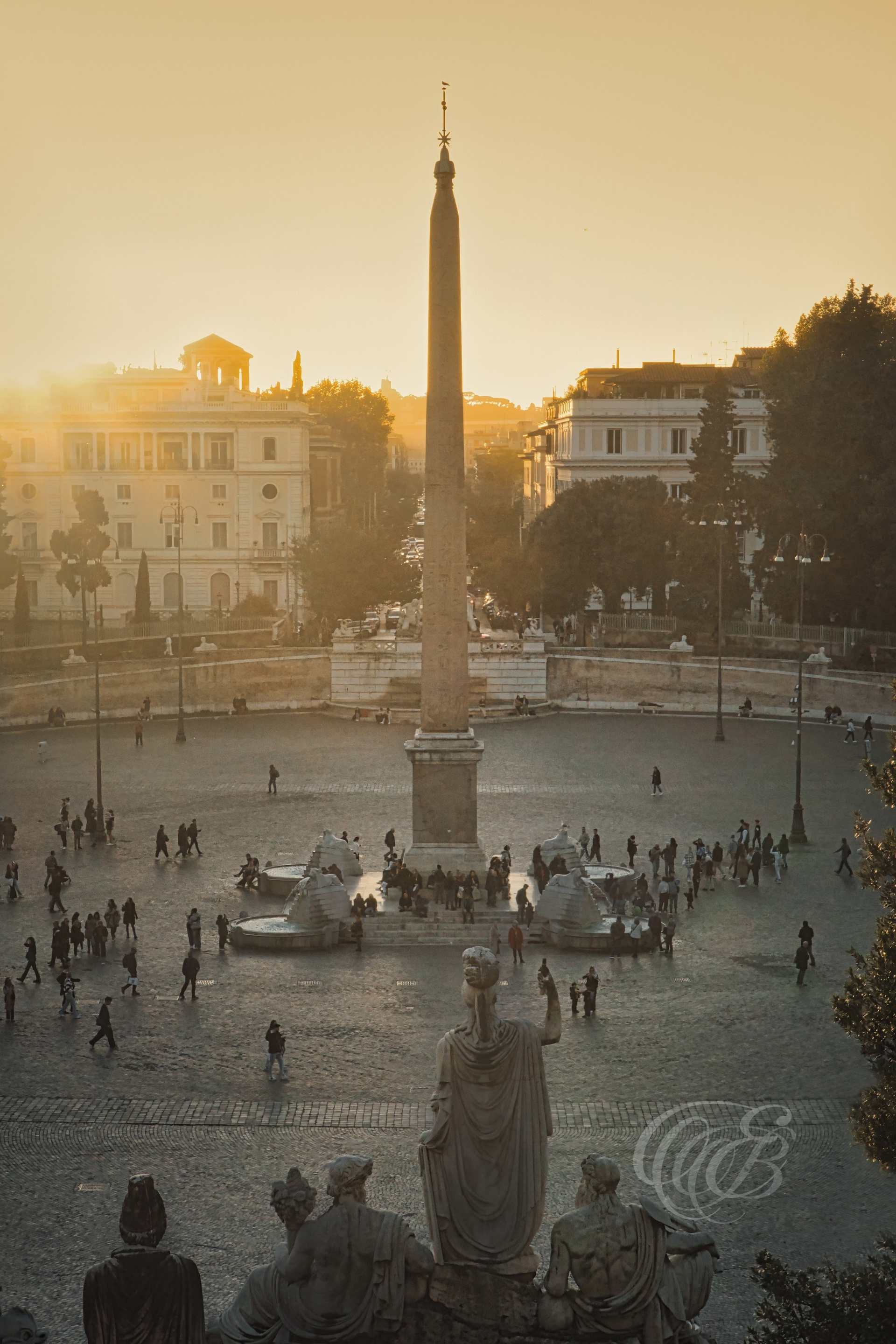
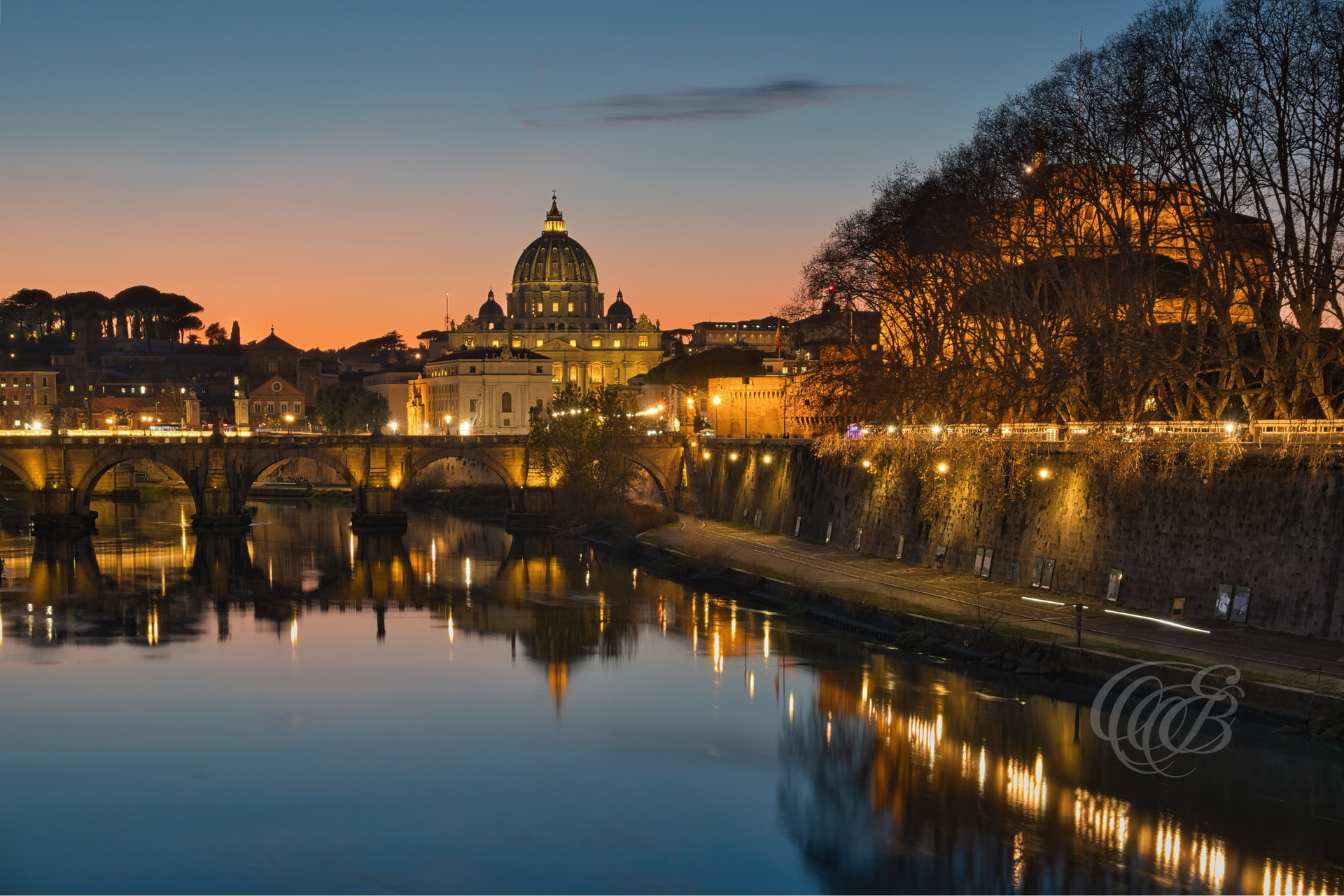
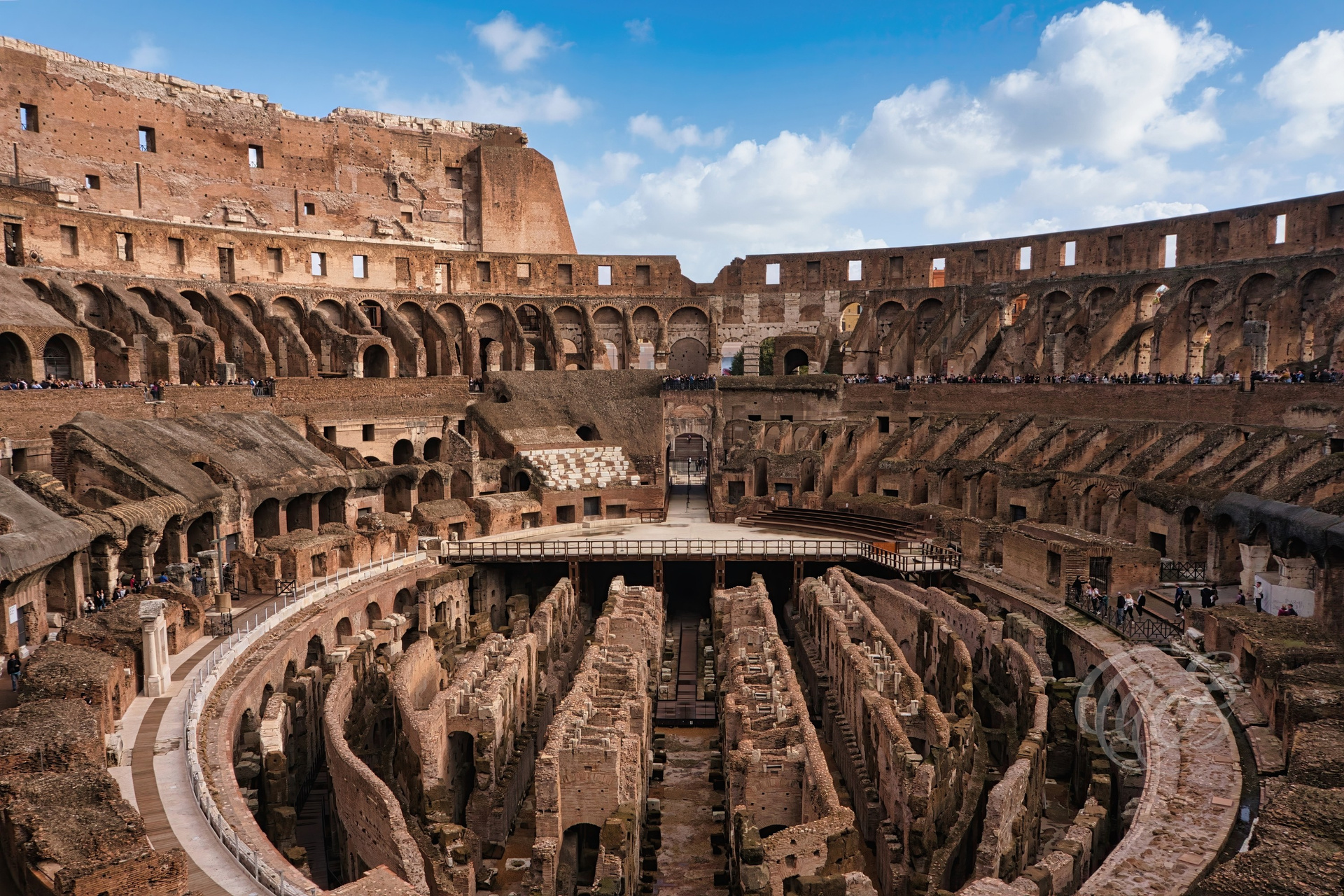
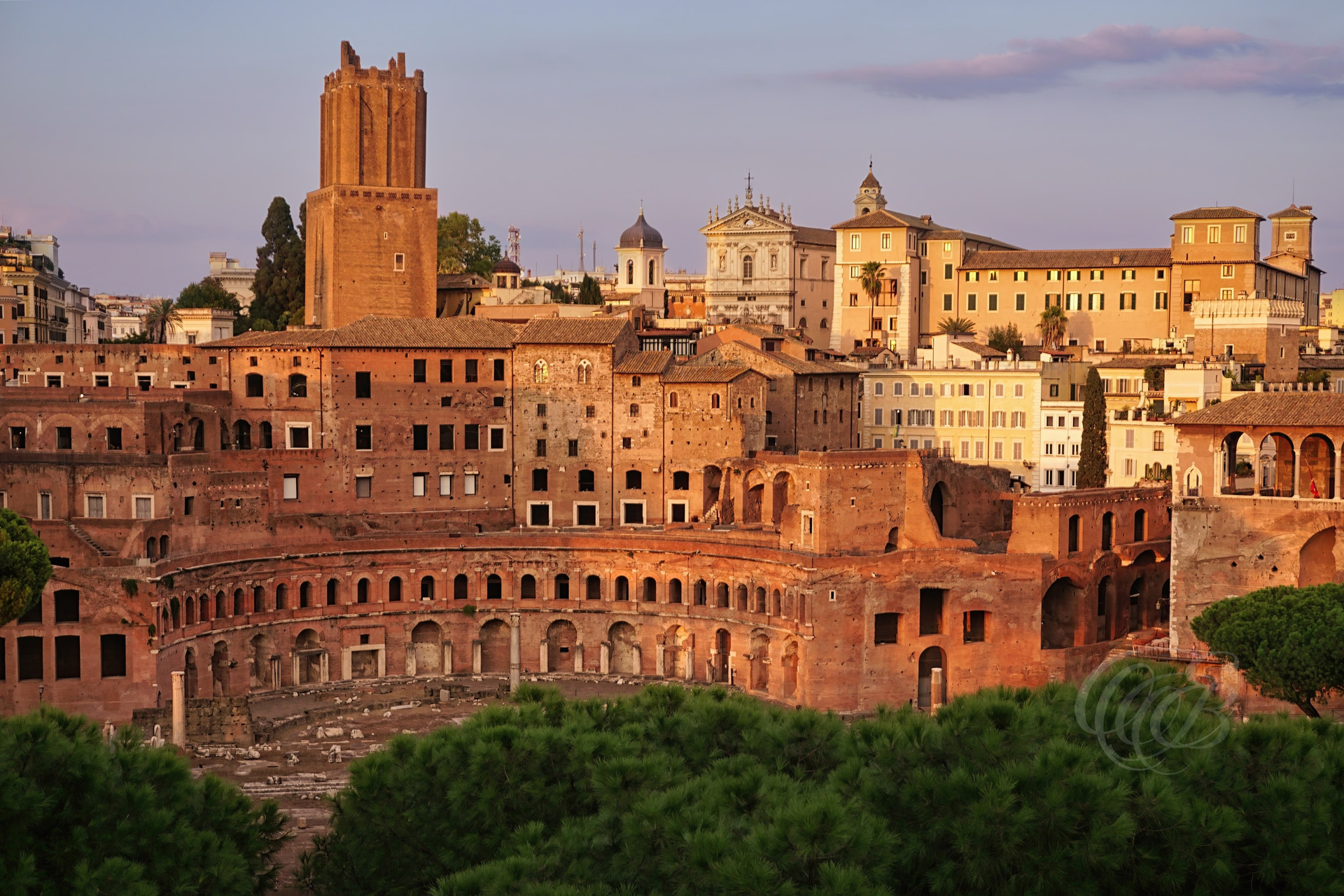
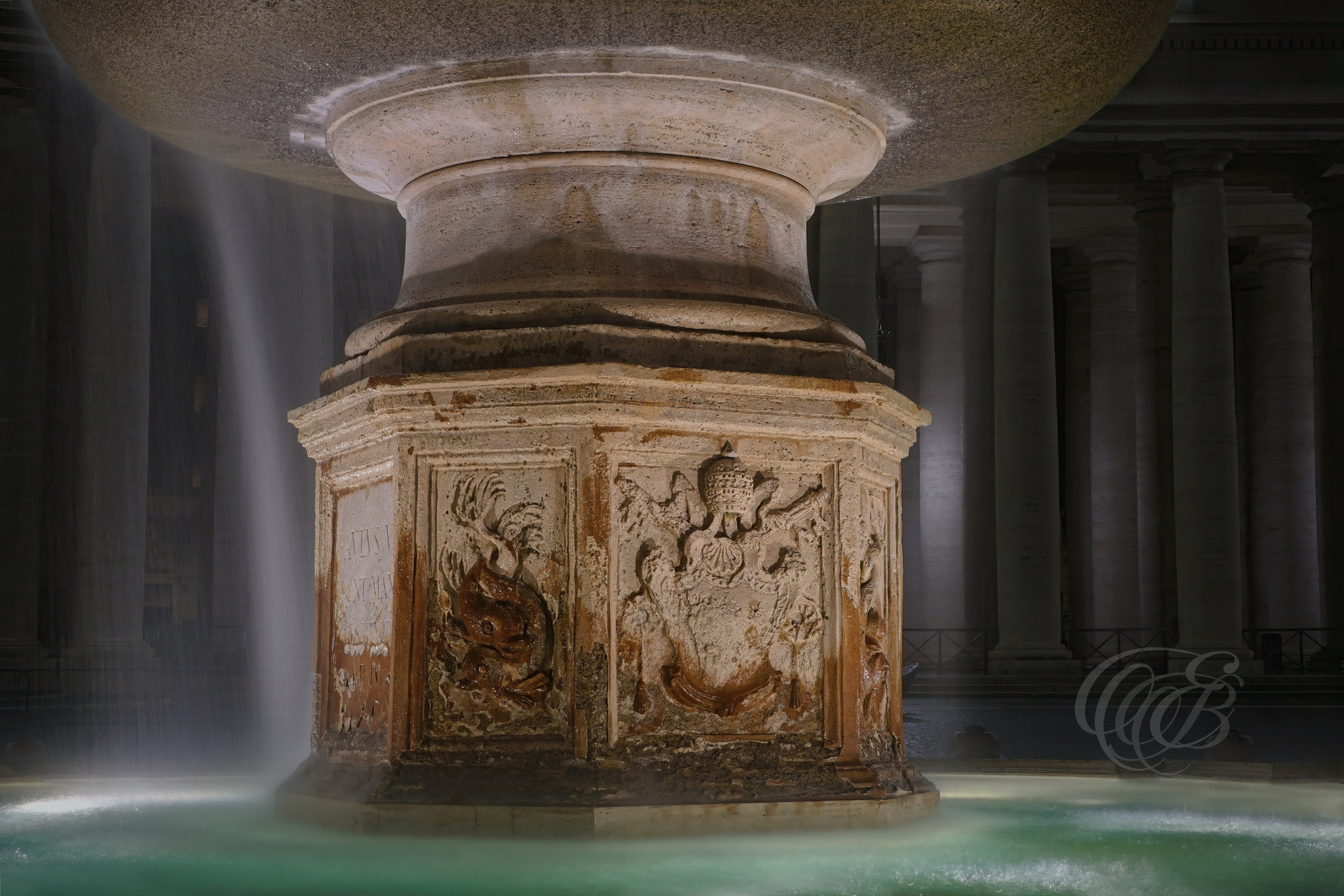
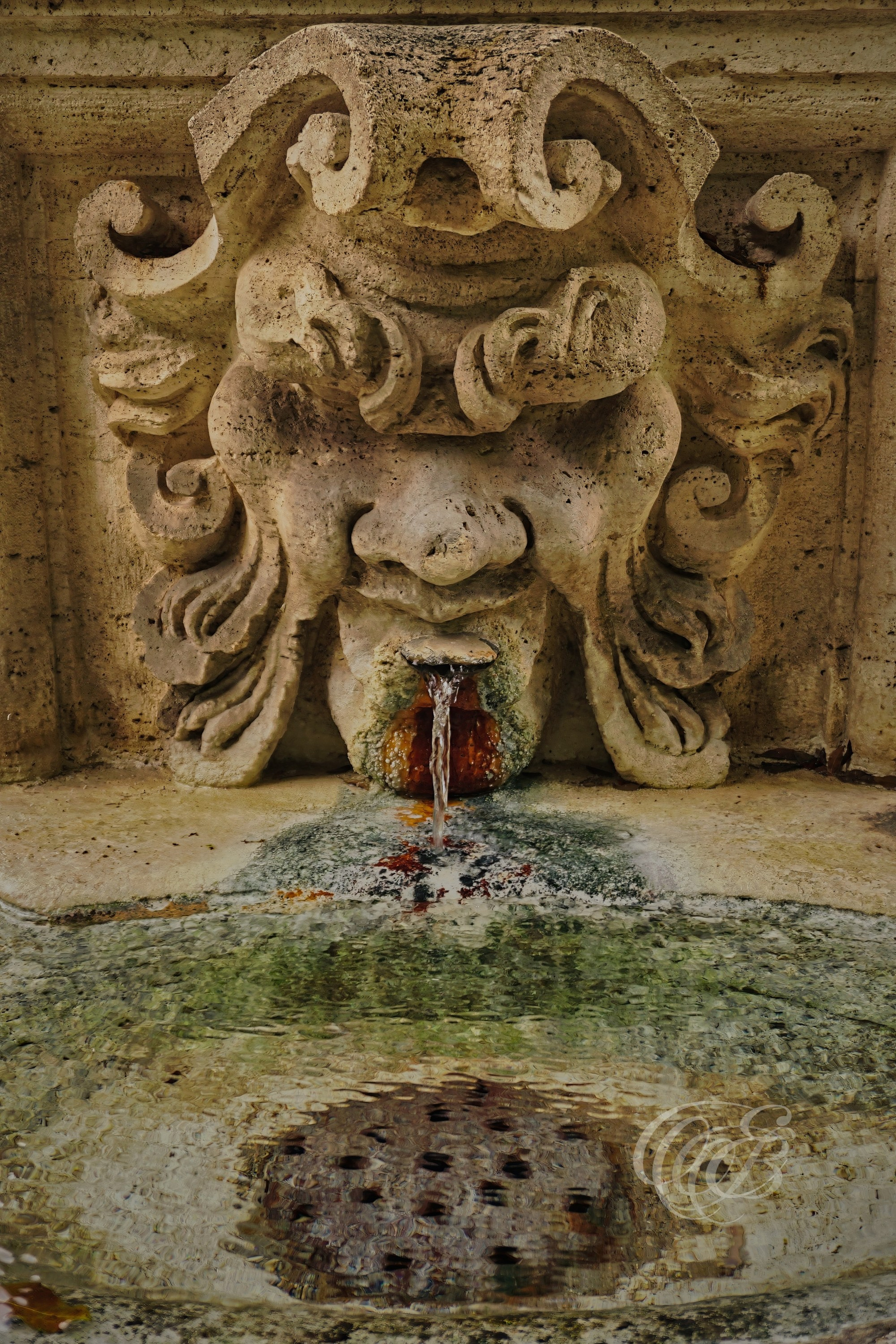
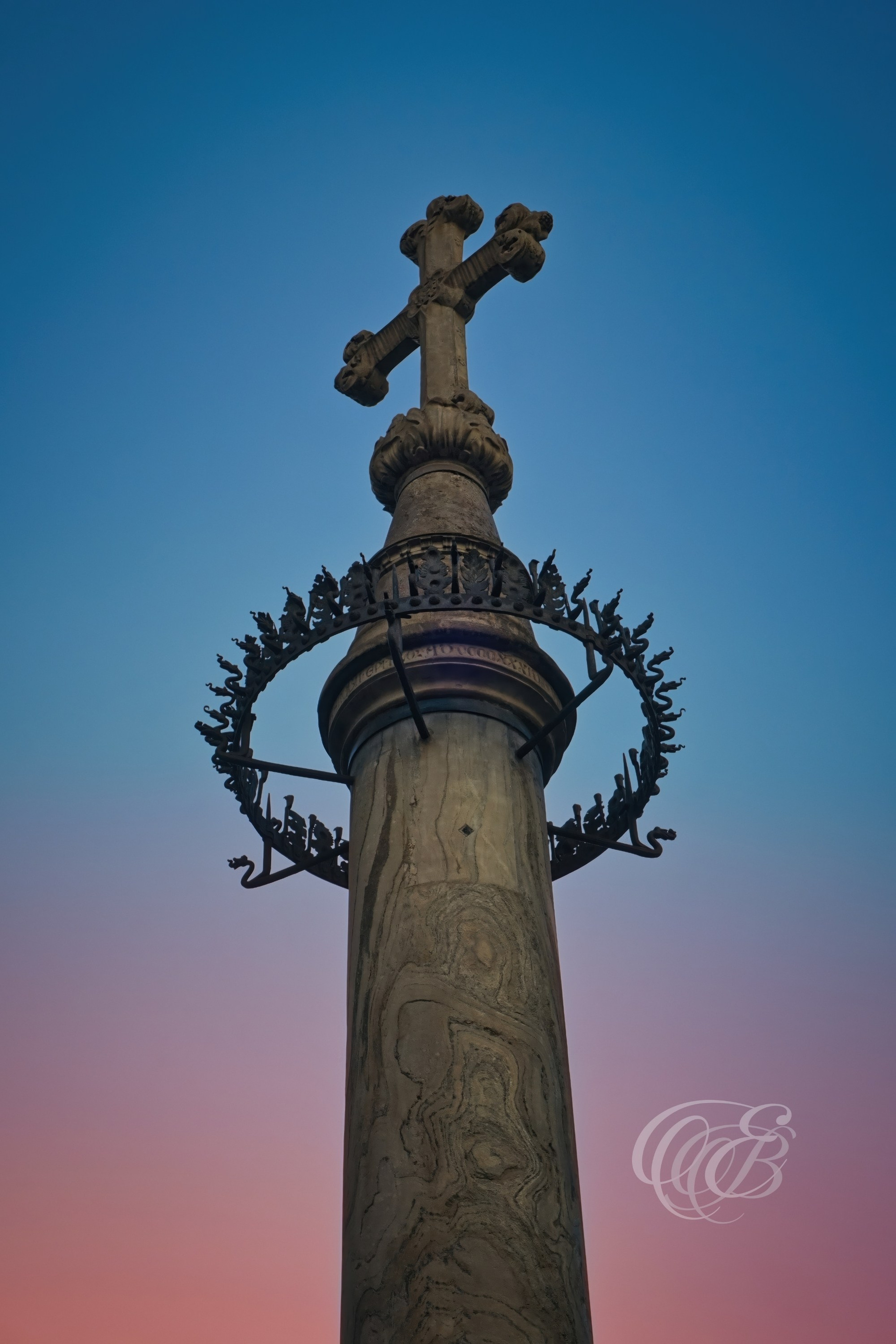
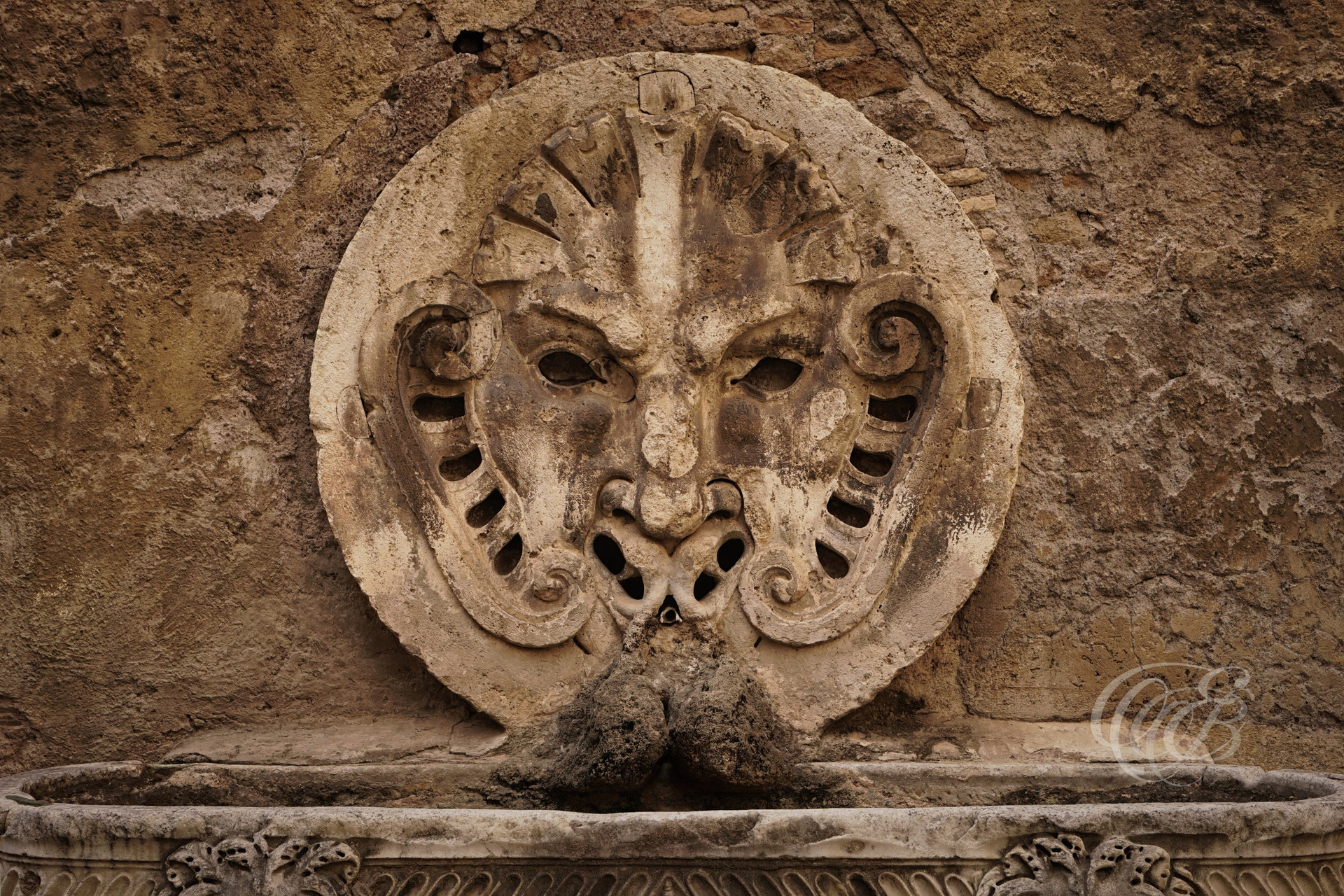
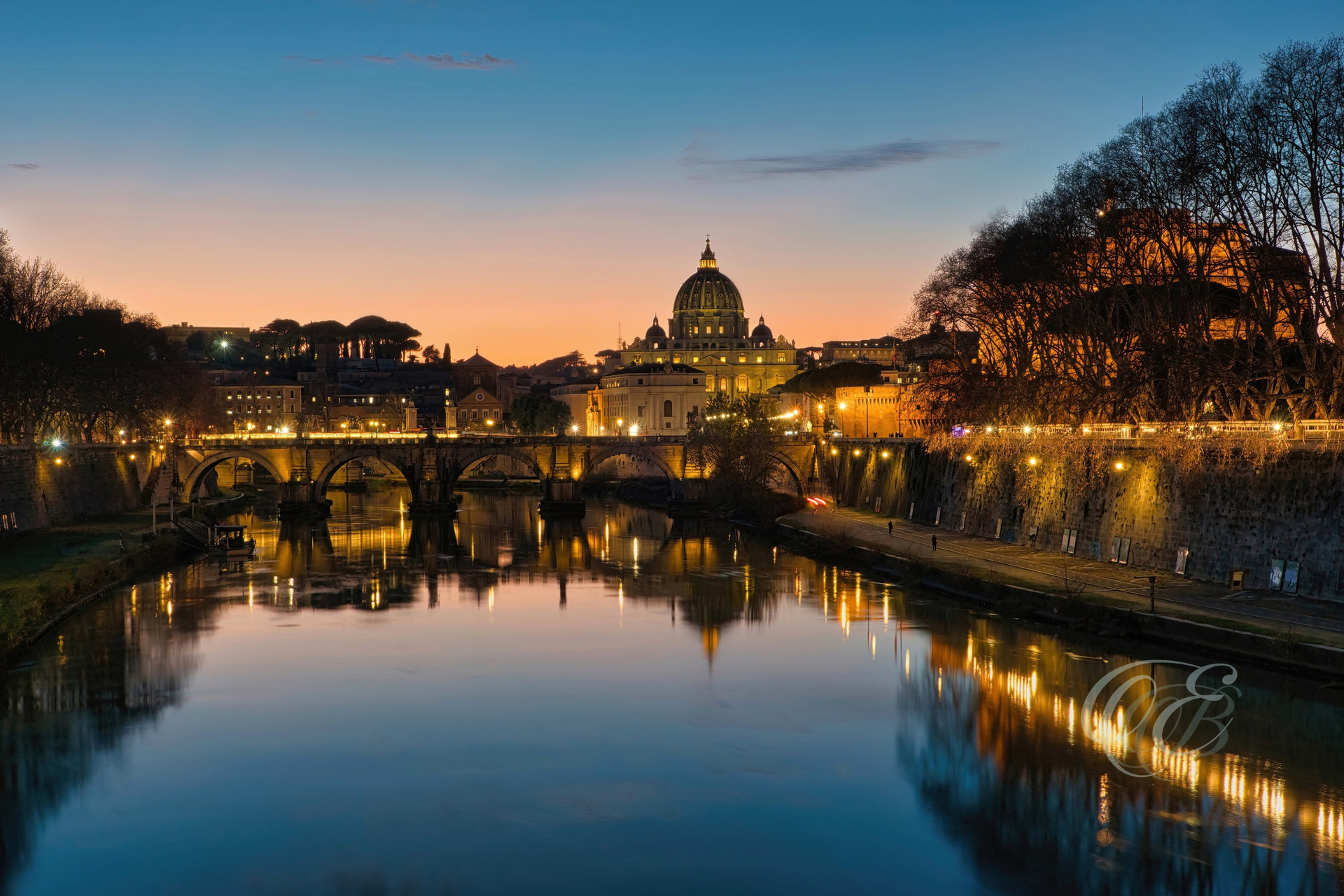
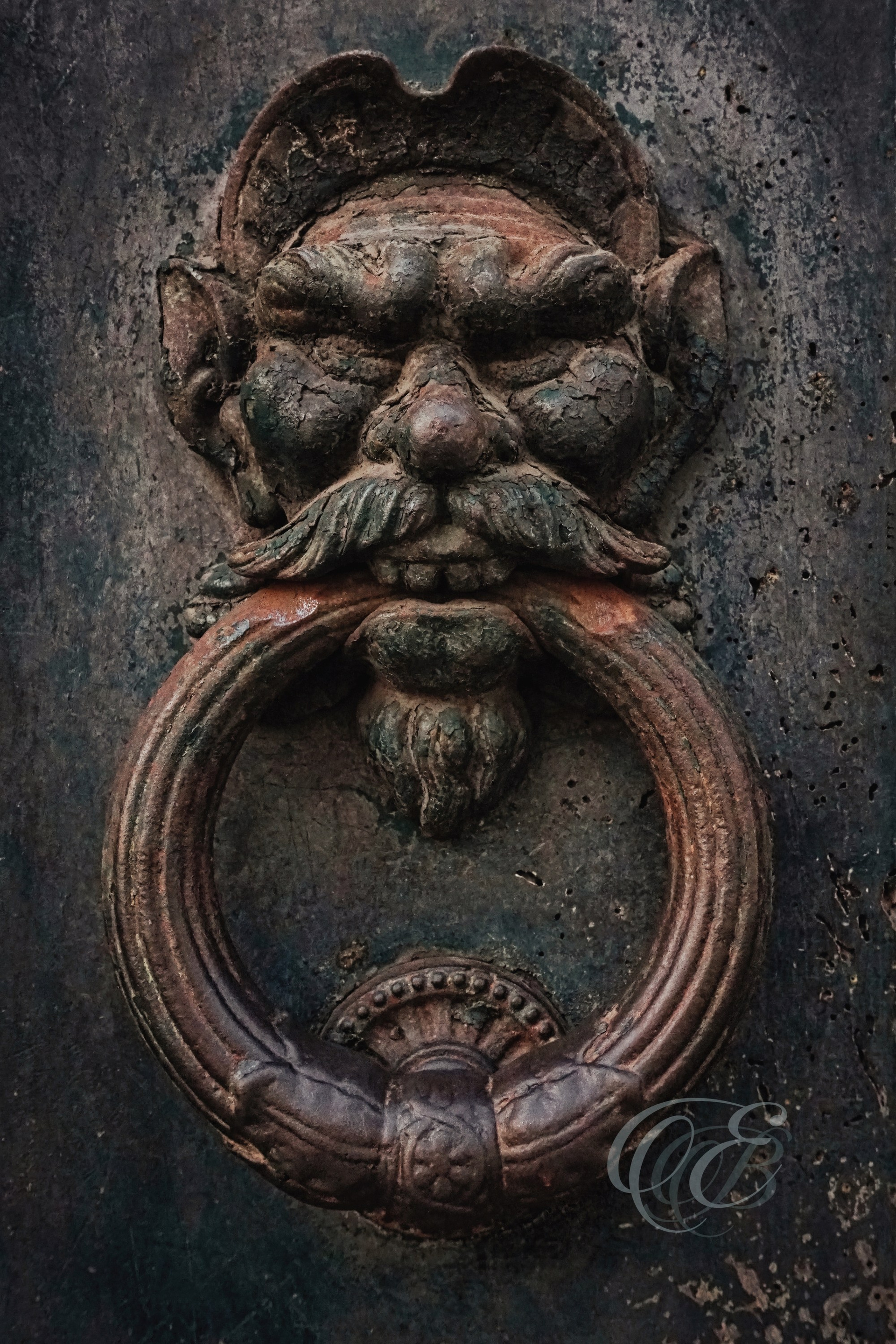
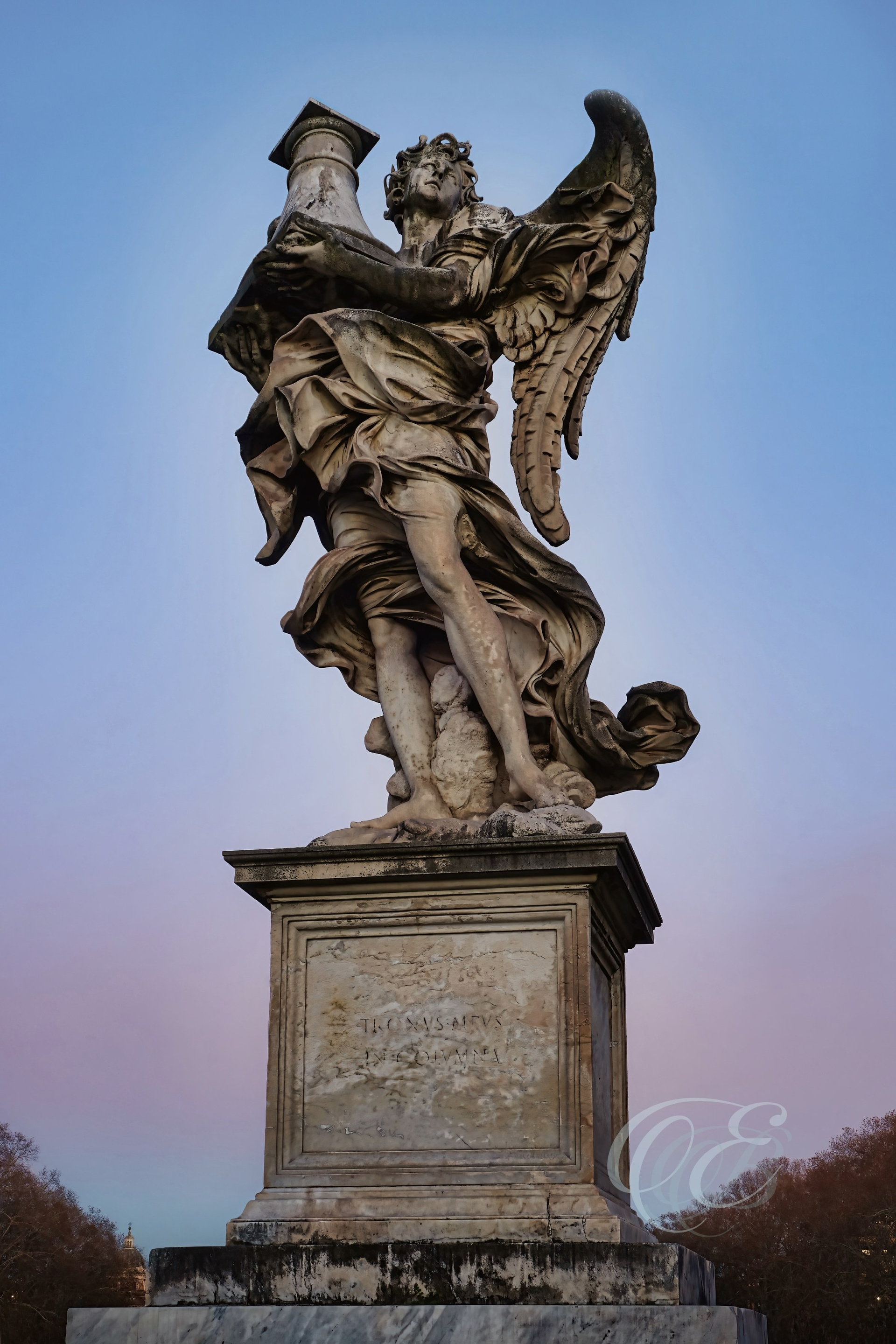
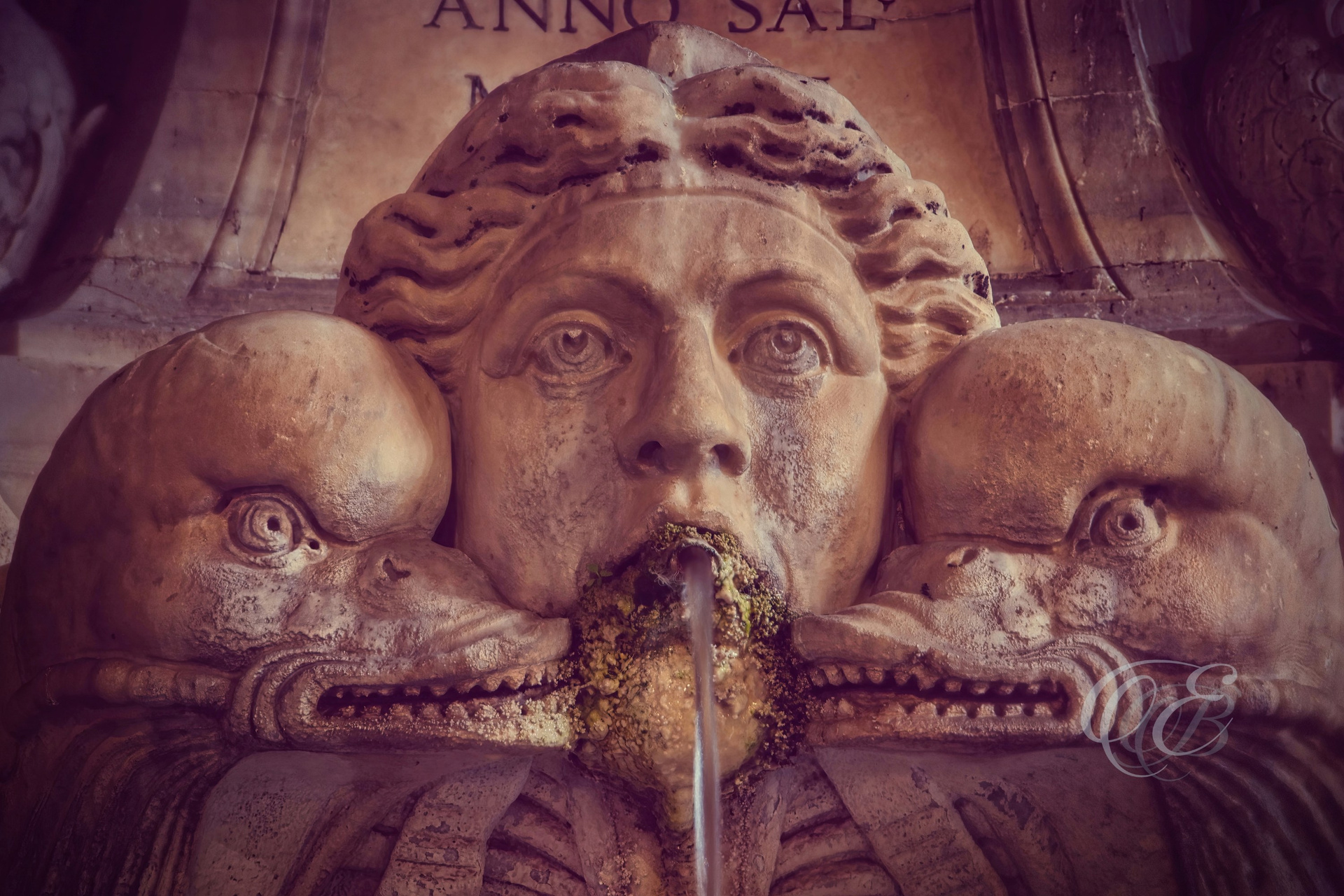
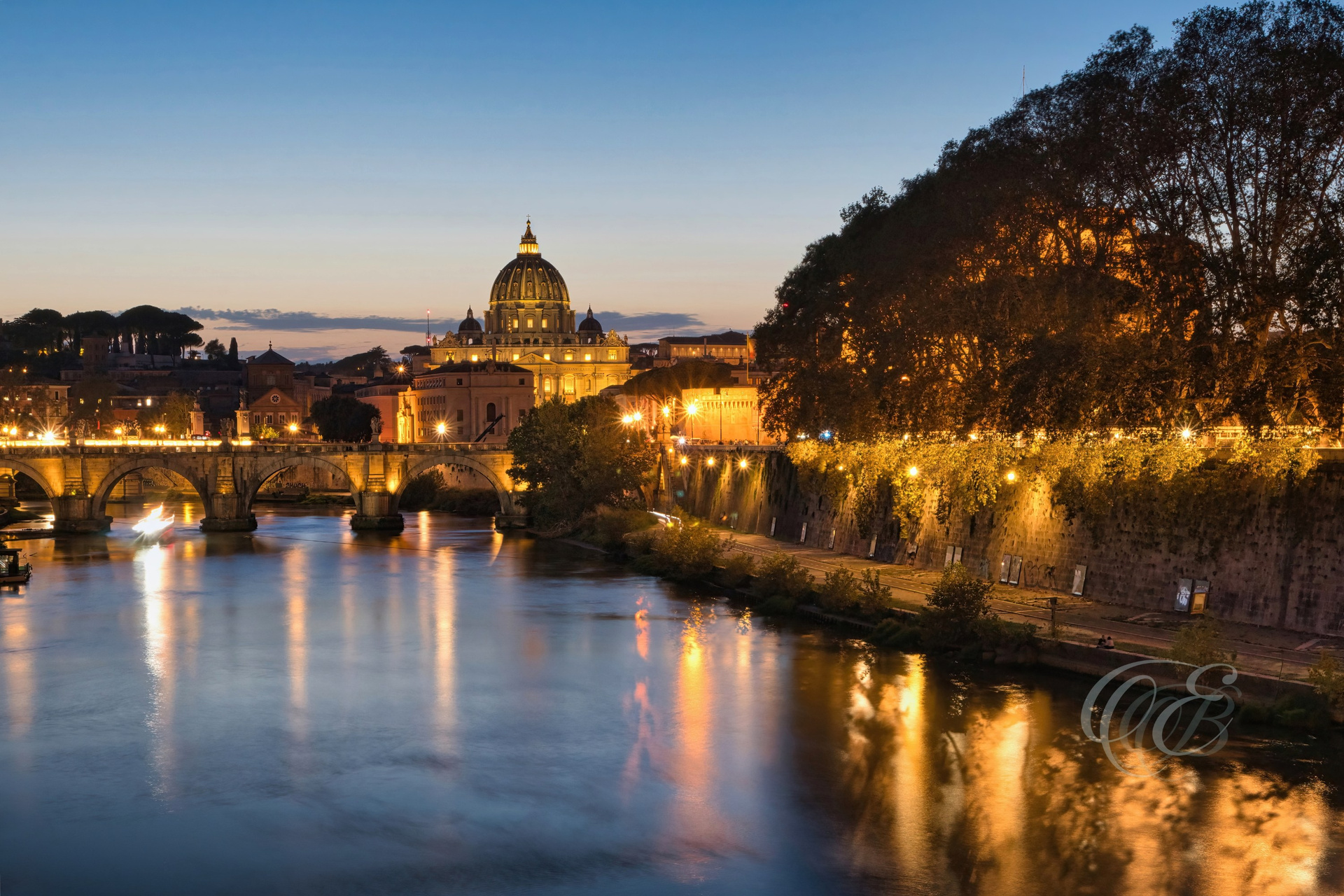
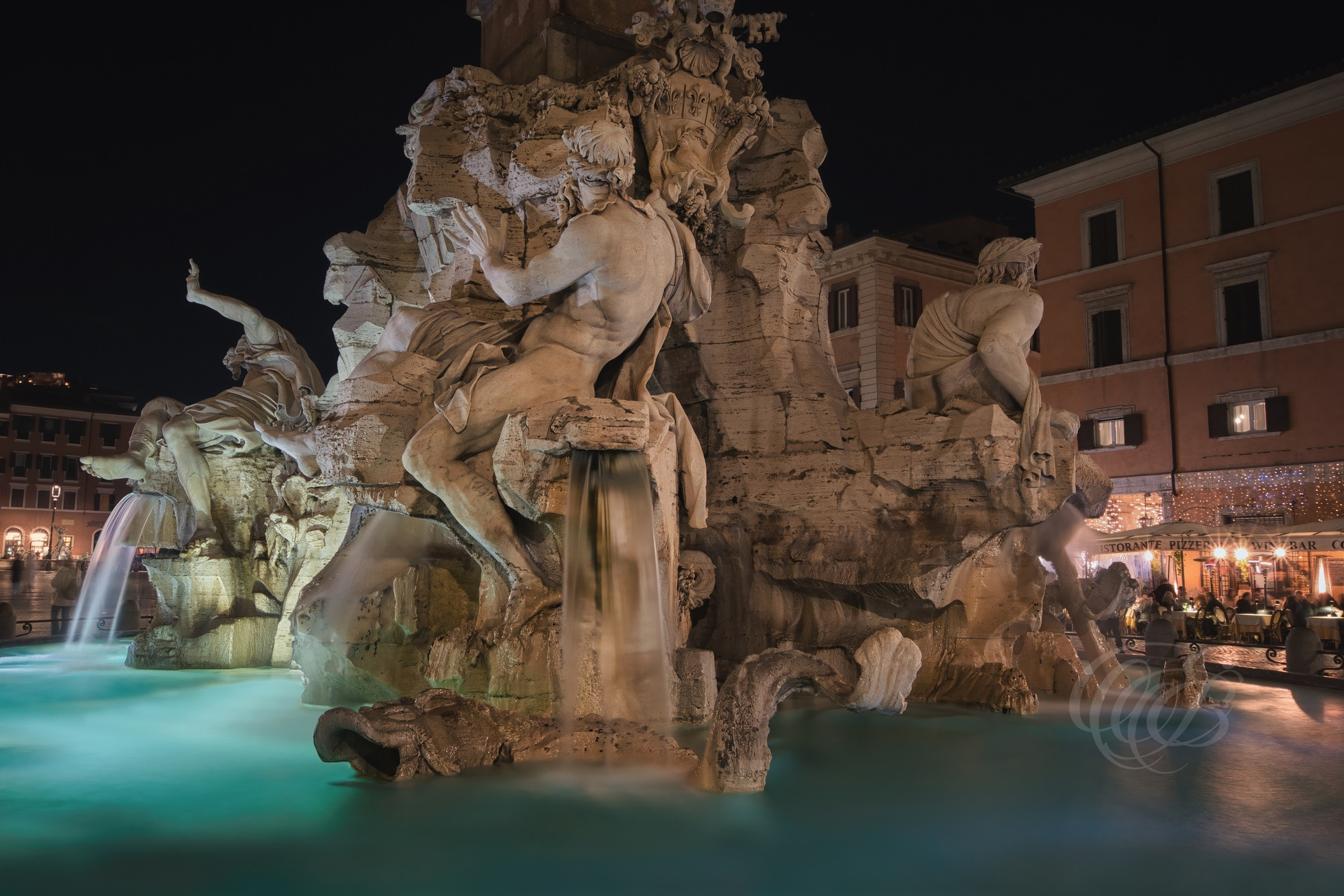
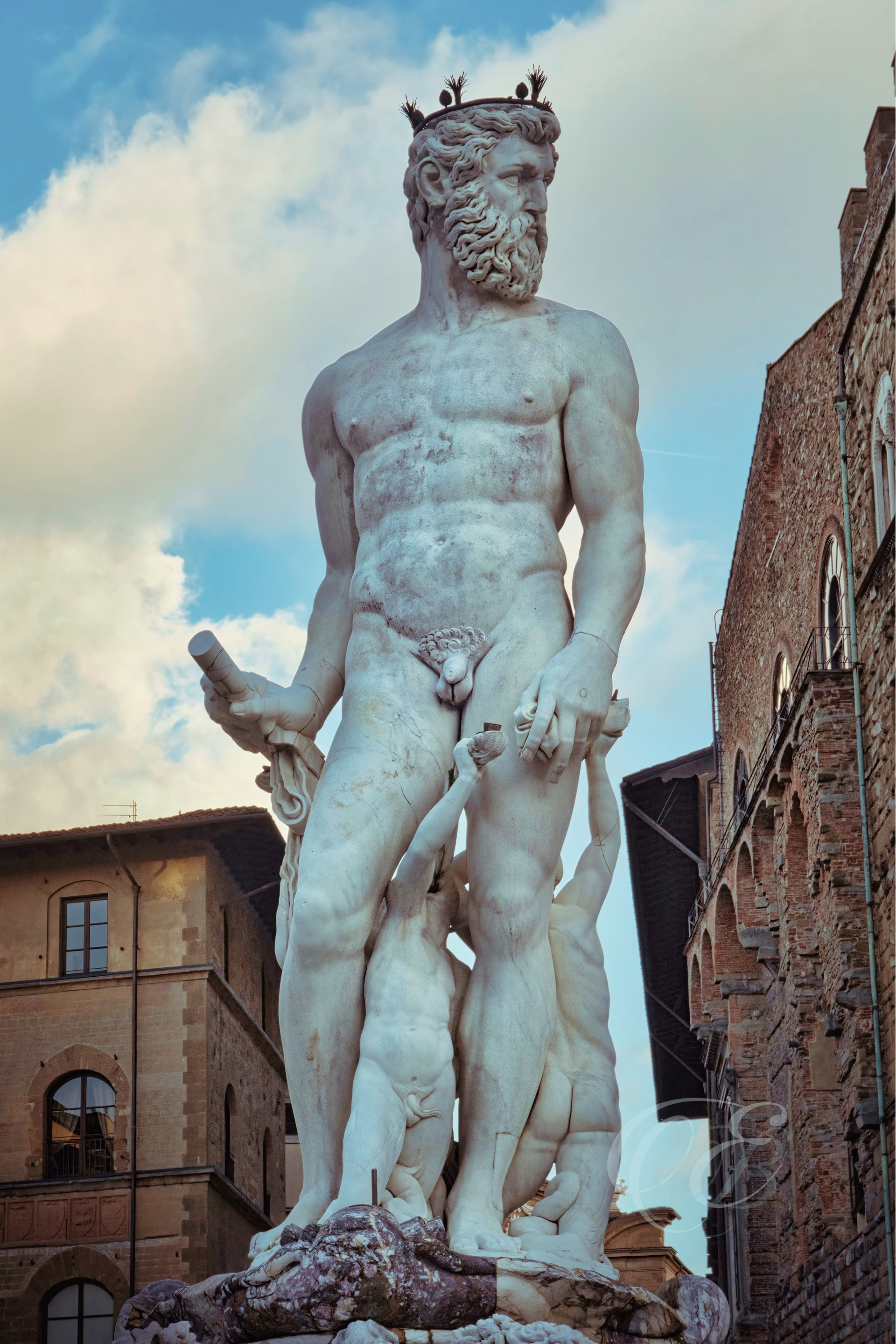
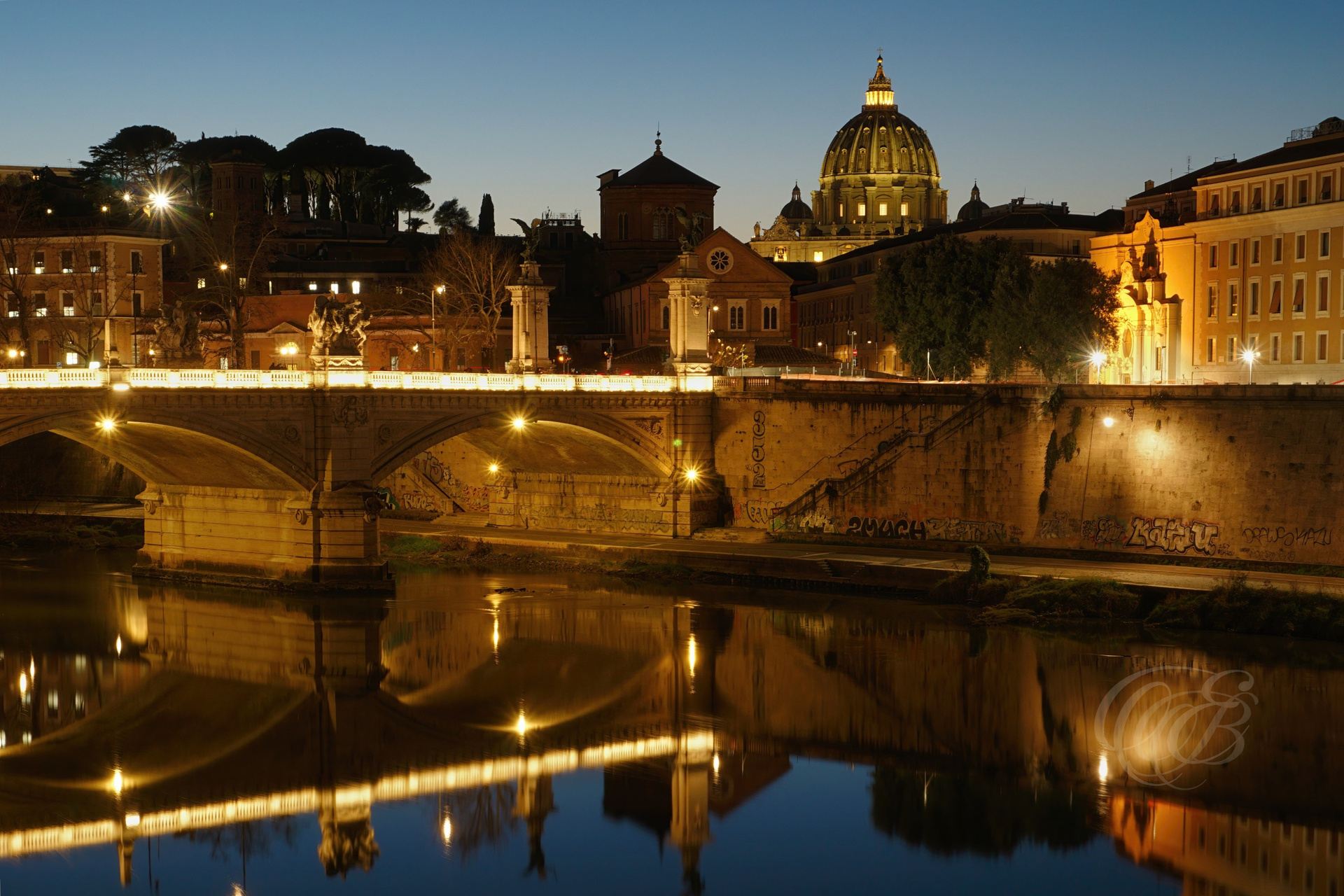
Why Is Rome Called the Eternal City?
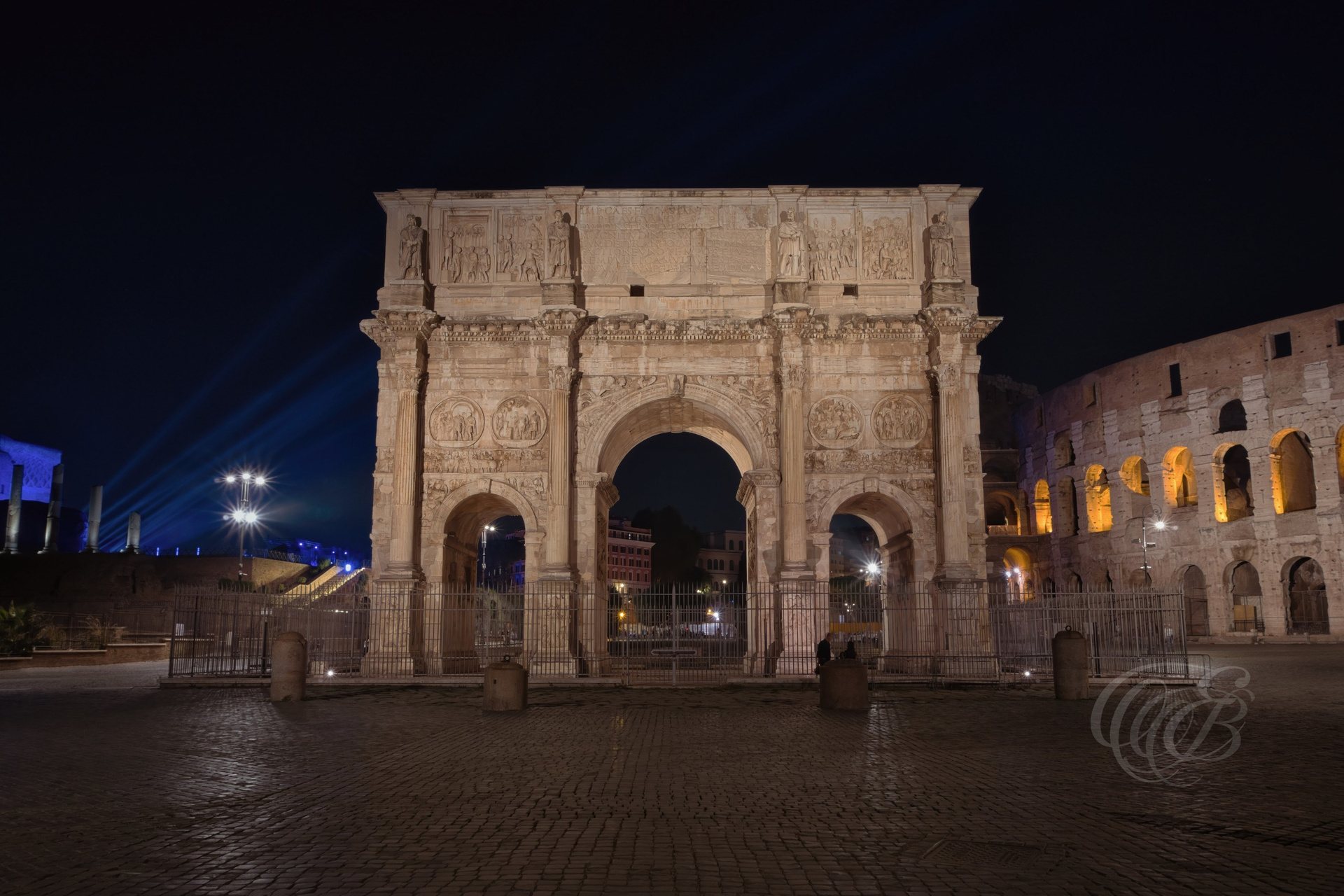
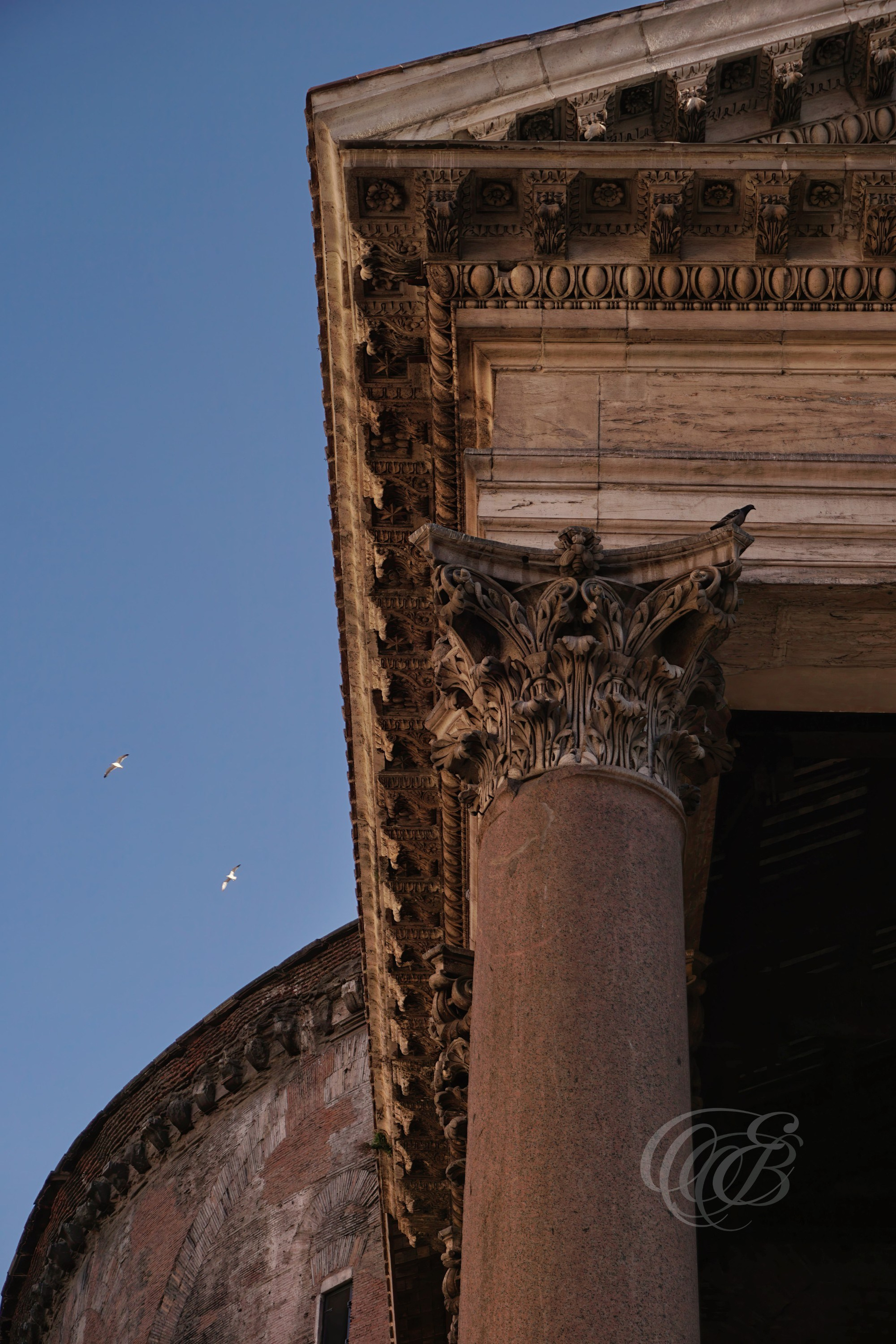
The name “Rome” is rooted in mythology, linked to the legend of Romulus and Remus, twin sons of Mars, saved by a she-wolf. This tale, dating back to the 4th century BC, aligns with Greek traditions of myth-based place names. The epithet Urbs Aeterna—the Eternal City—was first used by poet Tibullus and echoed by Virgil and Ovid. In The Aeneid, Virgil described Rome as imperium sine fine—“an empire without end, ” reflecting its enduring legacy. Even as empires fell, Rome’s spirit remained, making it a city that has stood the test of time.
A Brief History of Rome
Founded by Romulus, according to Roman tradition, Rome was initially ruled by Etruscan kings before the Roman Republic emerged in 509 BC. Over the following centuries, Rome gradually expanded through military campaigns and political alliances. Through major conflicts such as the Punic Wars (264–146 BC), it became the dominant Mediterranean power. Internal tensions eventually weakened the Republic, leading to the rise of Julius Caesar and a period of civil conflict. In 27 BC, Augustus became Rome’s first emperor, ushering in the Roman Empire.
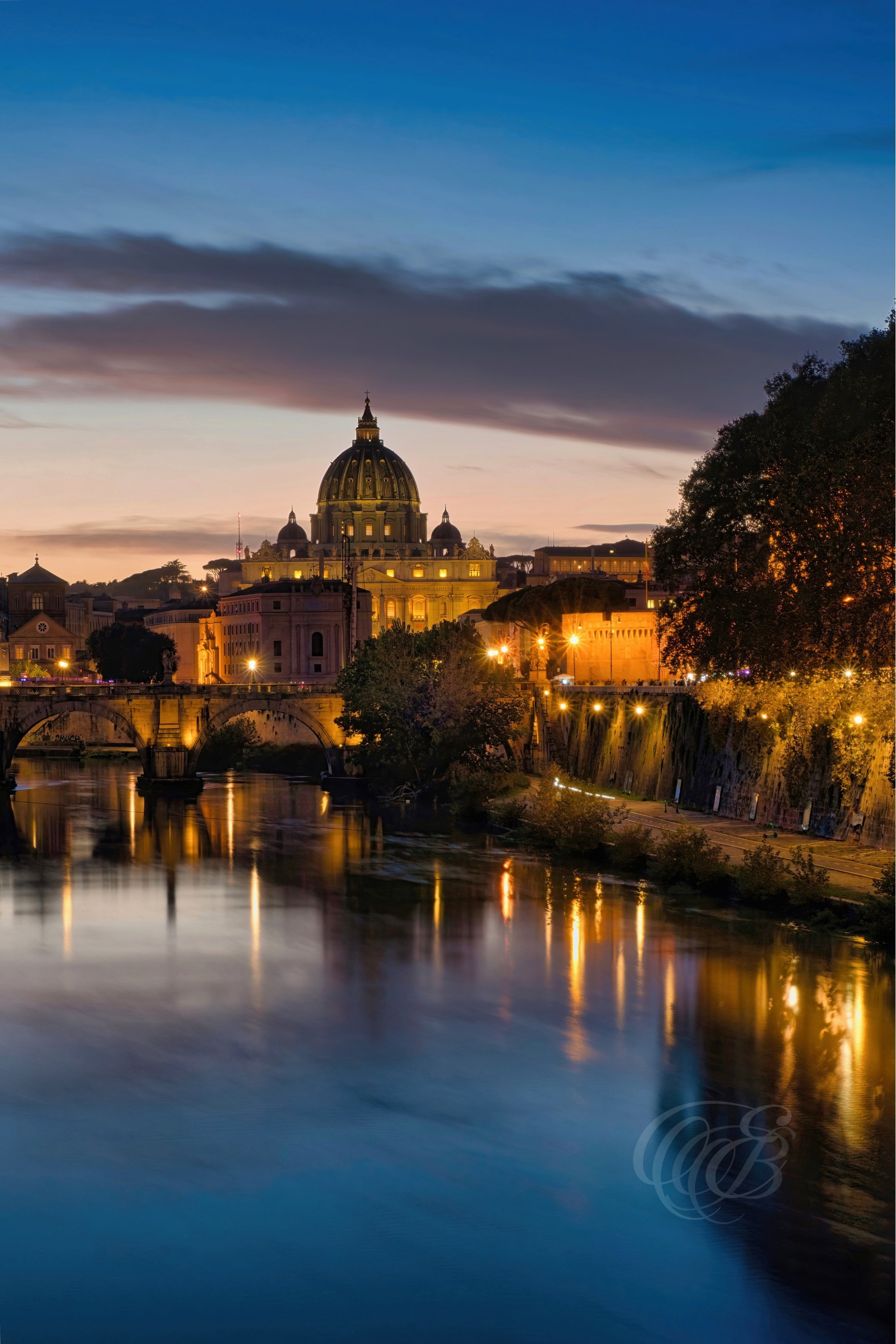
The empire entered a period of remarkable expansion and influence, becoming one of the largest civilizations in history. Over time, political instability and external pressures contributed to its decline. A major transformation came under Emperor Constantine, whose adoption of Christianity and the founding of Constantinople marked a profound shift in the Roman world. Rome gradually evolved from the center of the old pagan empire into the spiritual heart of Christian Europe. Following the fall of the Western Roman Empire in 476 AD, Rome remained influential through the growing authority of the Catholic Church and later as the center of the Papal States, transforming from the heart of an ancient empire into the new spiritual center of Western Christianity and a religious center whose influence would eventually extend throughout much of the world.
The Renaissance later revitalized Rome as a major artistic center, though setbacks such as the 1527 Sack of Rome interrupted its growth. In modern times, Rome experienced further political changes, including annexation under Napoleon before becoming part of unified Italy in 1871 and later the capital of modern Italy in 1946. Today, Rome remains a global cultural center where ancient, imperial, and Christian histories continue to coexist.
Explore the Portfolios
Every frame is carefully composed to reflect beauty, atmosphere, and intent. Discover a broader selection of my work.