

An Imperial Retreat
Every year, millions of people travel to Rome to admire the Colosseum, the Pantheon, St. Peter’s Basilica, and countless other monuments. Yet beyond the city’s most famous sites lies one of the most significant archaeological complexes near Rome, a place that many visitors never realise even exists.
Just outside the city, in the hills of Tivoli, the remains of Hadrian’s Villa preserve the legacy of an emperor whose travels and personal ambitions shaped one of antiquity’s most ambitious imperial residences.
My interest in Hadrian’s Villa grew long before I had the opportunity to visit. The more I learned about its history and extraordinary scale, the more I realised it was far more than an archaeological site. It is a place where engineering, planning, artistic vision, and the surrounding landscape come together to create one of the clearest surviving expressions of Roman civilisation.
Unlike many Roman emperors, Hadrian spent much of his reign travelling throughout the empire rather than remaining in Rome. His journeys took him across Britain, Gaul, Hispania, North Africa, Greece, Asia Minor, Syria, Judea, and Egypt, exposing him to an extraordinary diversity of cultures, religions, landscapes, and architectural traditions that would later leave a lasting mark on the design of his villa.
Rather than building a conventional country residence, Hadrian envisioned an imperial retreat shaped by those experiences. Instead of reproducing what he encountered during his travels, he transformed those ideas into an original composition where buildings, gardens, water, sculpture, and open spaces formed a unified whole. The result was an estate designed not only for imperial life, but also as a physical expression of ideas gathered from across the Roman world.
To understand Hadrian’s Villa is to understand the historical setting in which it was created. It reflects the confidence, technical ability, and cultural breadth of Rome at the height of its power, while continuing to offer a unique insight into Roman architecture, planning, and engineering nearly two thousand years later.
The Height of the Roman Empire
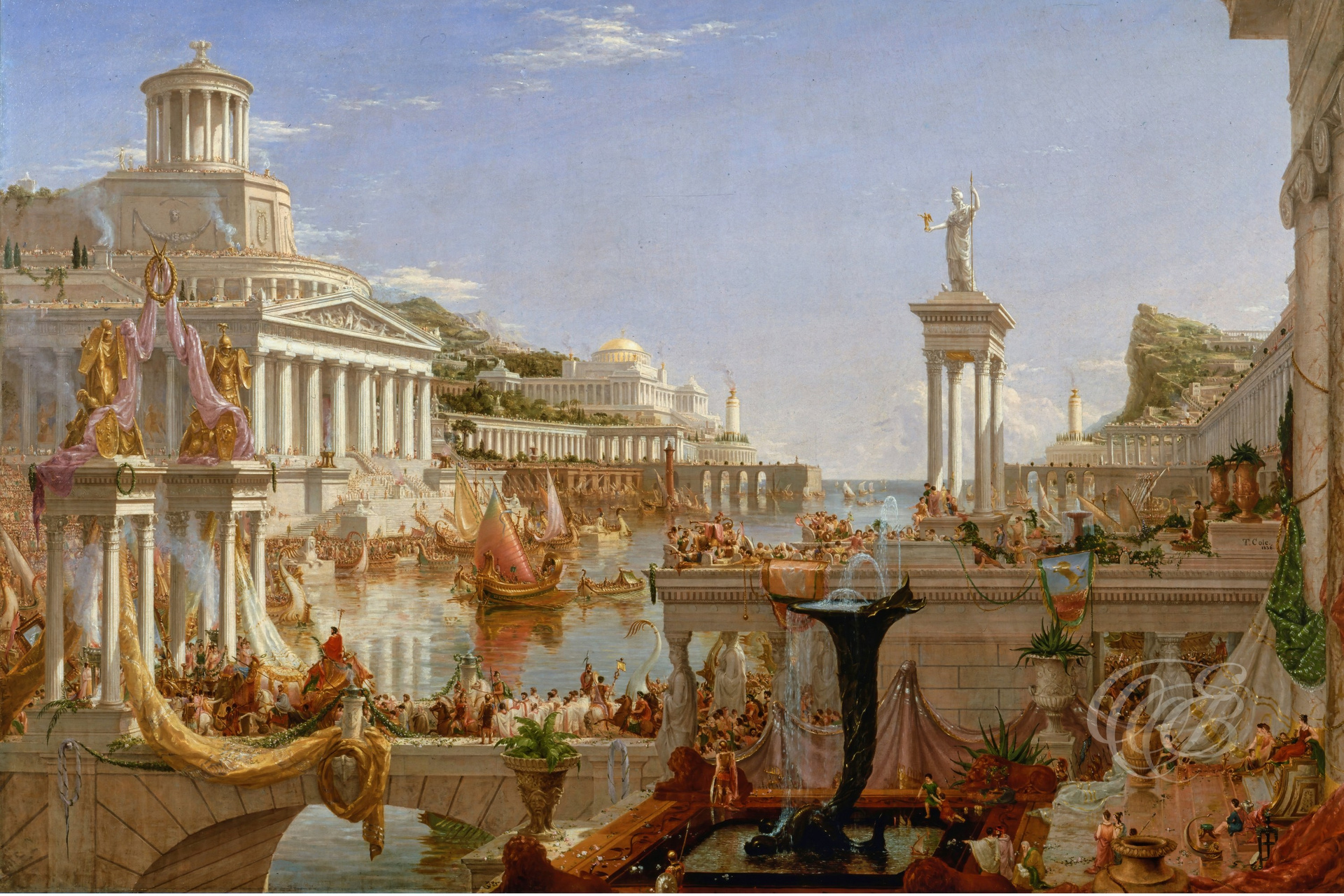
By the beginning of the second century AD, the Roman Empire stood at the height of its power. Stretching from the Atlantic coast to the Near East, it united a vast territory under a single administration, making possible a prolonged period of prosperity and stability.
This prosperity transformed the empire on an unprecedented scale. Cities expanded, monumental public buildings reshaped the urban landscape in Rome and throughout the provinces, while extensive networks of roads, bridges, aqueducts, and ports strengthened communication and commerce across the empire. The wealth, organisation, and technical expertise of the Roman state made increasingly ambitious and elaborate architectural projects possible.
It was within this environment that Roman engineering, urban planning, and construction reached a level of sophistication that allowed projects on a scale previously unimaginable to be realised, laying the foundations for many of the monuments that continue to define Rome today.
The Travelling Emperor
Throughout his reign, Hadrian believed that an emperor should maintain a visible presence across the empire rather than govern solely from Rome. His journeys were not merely ceremonial. They allowed him to inspect military frontiers, oversee major building projects, meet provincial officials, and gain a firsthand understanding of the territories under Roman rule. By visiting the provinces himself, he could assess local conditions, evaluate regional needs, and strengthen the connection between the imperial administration and its distant communities.
These journeys also exposed him to the diverse cultures, customs, and beliefs that existed throughout the empire. Rather than relying solely on reports and advisers, Hadrian chose to experience these regions personally. Exposure to so many different architectural styles and forms of artistic expression broadened his perspective beyond the conventions of Rome, encouraging a more eclectic approach that would later find expression in the design of his villa.
The Birth of an Imperial Masterpiece
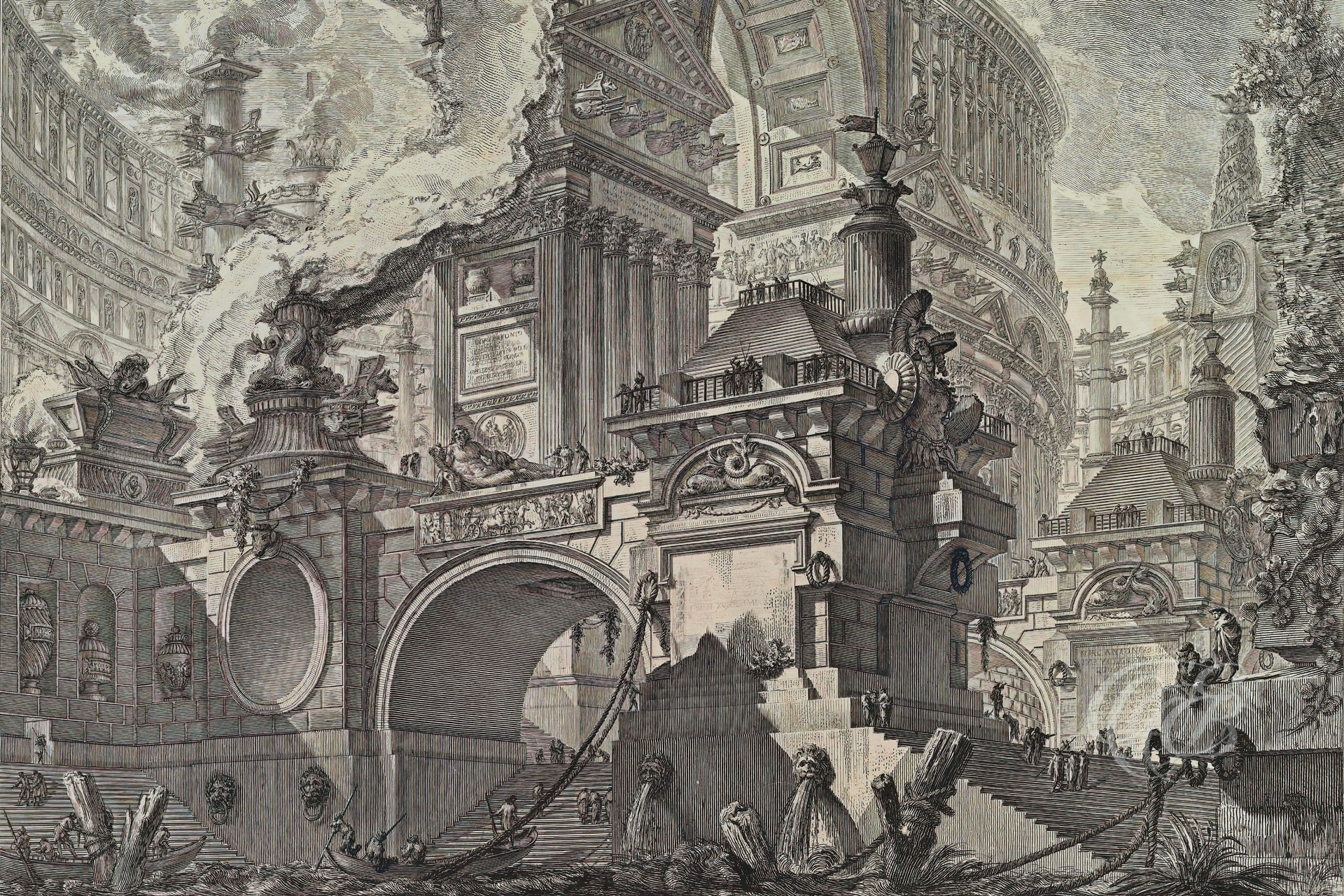
Construction of Hadrian’s Villa began around AD 118, shortly after Hadrian became emperor. Built on the hills outside the ancient town of Tibur, now Tivoli, the site occupied a landscape where earlier Roman villas already stood. Rather than simply enlarging an earlier villa, Hadrian conceived an entirely new imperial retreat unlike anything previously attempted. Over the following years, the project developed into one of the most ambitious building enterprises of antiquity.
More than a luxurious country residence, the villa served as a seat of government where Hadrian could administer affairs of state, receive ambassadors, entertain distinguished guests, and withdraw from the formal life of Rome. It combined the functions of a palace, an administrative centre, and a private home within a single estate, reflecting the practical needs of an emperor whose responsibilities extended across a vast empire.
As construction continued over the following years, new buildings and open spaces were added, each serving a distinct purpose within the daily life of the court. Together, they formed a carefully organised complex that brought administration, ceremony, leisure, and private life into a coherent whole.
At Long Last: Hadrian’s Villa
When I visited Hadrian’s Villa in the spring of 2023, it was a dream come true. Ever since I watched Monty Don’s Italian Gardens and saw the villa featured in the series, I had hoped that one day I would be able to experience it for myself. Finally standing among its ruins was something I had looked forward to for a long time. Thank God that day finally came, and that I had an entire day ahead of me to explore it.
It is a wonderful feeling when you finally stand in a place you have dreamed of visiting for so many years, especially when it surpasses your expectations as much as Hadrian’s Villa surpassed mine.
One of the first things that caught my attention, only a few minutes after entering the complex, was the Visitor Centre. Located about a five-minute walk from the ticket office, just outside the walls of the ancient villa, it contains a reconstructed scale model of the entire complex, offering a fascinating impression of how Hadrian’s Villa is believed to have appeared when it was completed in antiquity. Seeing the estate laid out in this way also helps you appreciate its immense scale within the surrounding landscape before you begin exploring it on foot.
From there, you can choose different routes through the estate. To me, Hadrian’s Villa belongs in the same category as the Roman Forum, the Palatine Hill, and the Via Appia—places that are best experienced on a beautiful sunny day. These open landscapes, with their trees, changing light, and sweeping views, invite you to slow down and explore without rushing. If your schedule allows, I highly recommend choosing a beautiful sunny day for your visit. The warmth of the sunlight, the colours of the landscape, and the atmosphere of the villa become part of how you remember the place long after your visit.
Walking Through an Imperial Dream
Whenever I visit a place like this, or even a museum, I never plan a fixed route. I prefer to explore freely, allowing each space to reveal itself in its own time. Every turn brings something unexpected, and that sense of discovery stays with me throughout the day.
That day was unforgettable for me. Not only was I seeing these stunning ruins for the first time, but I was also photographing them. Experiencing the villa through the lens of both a visitor and a photographer made the occasion even more meaningful and interesting.
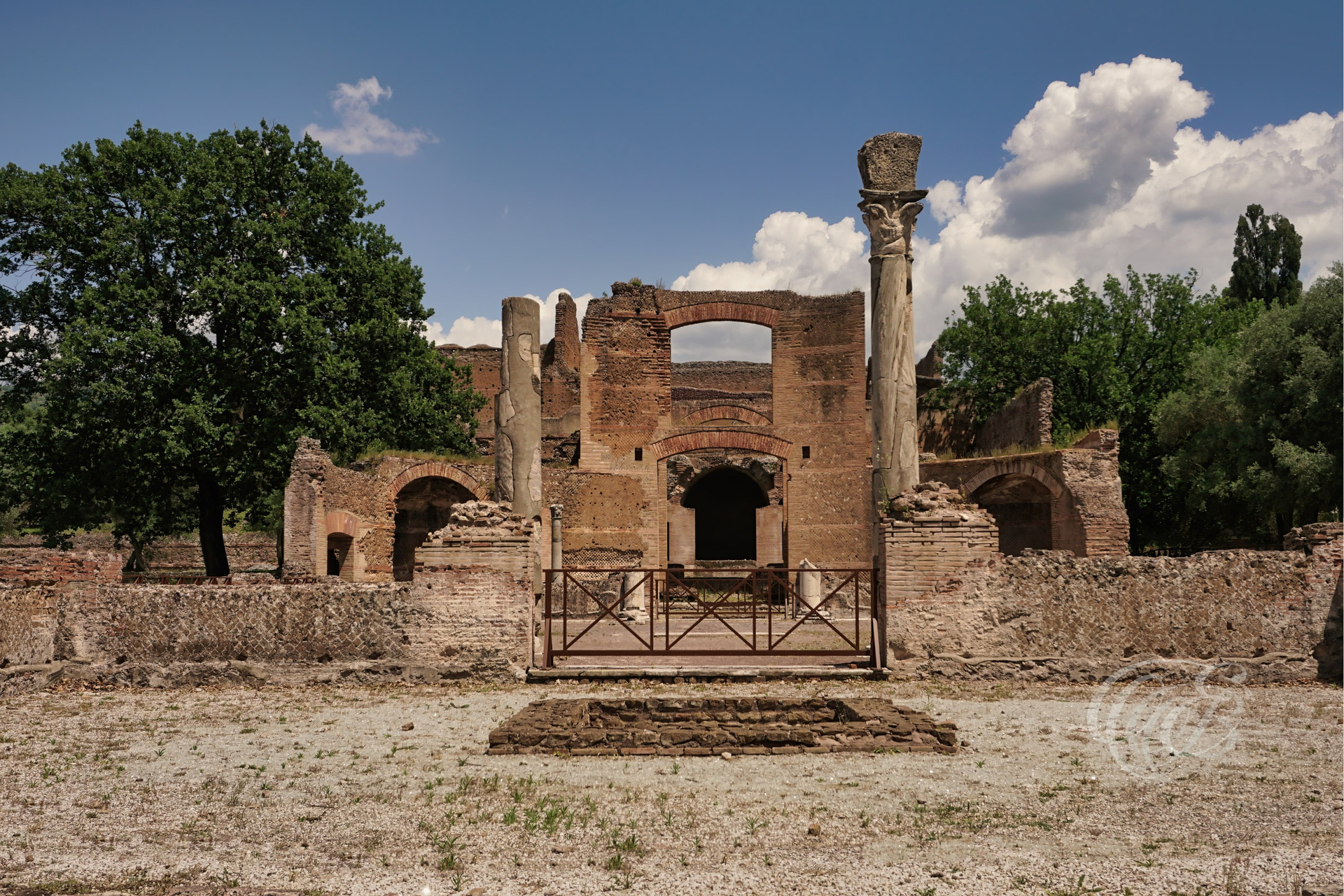
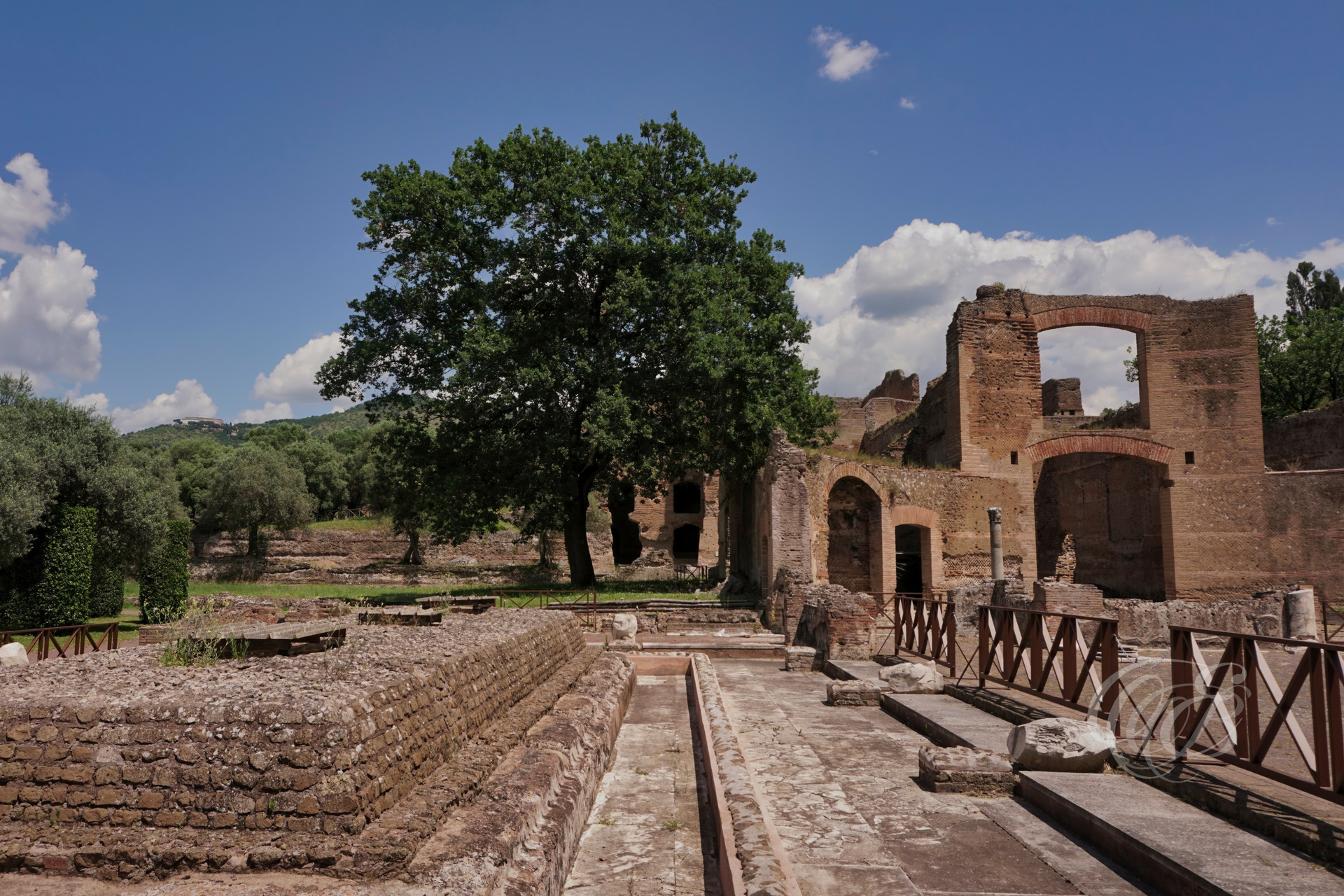
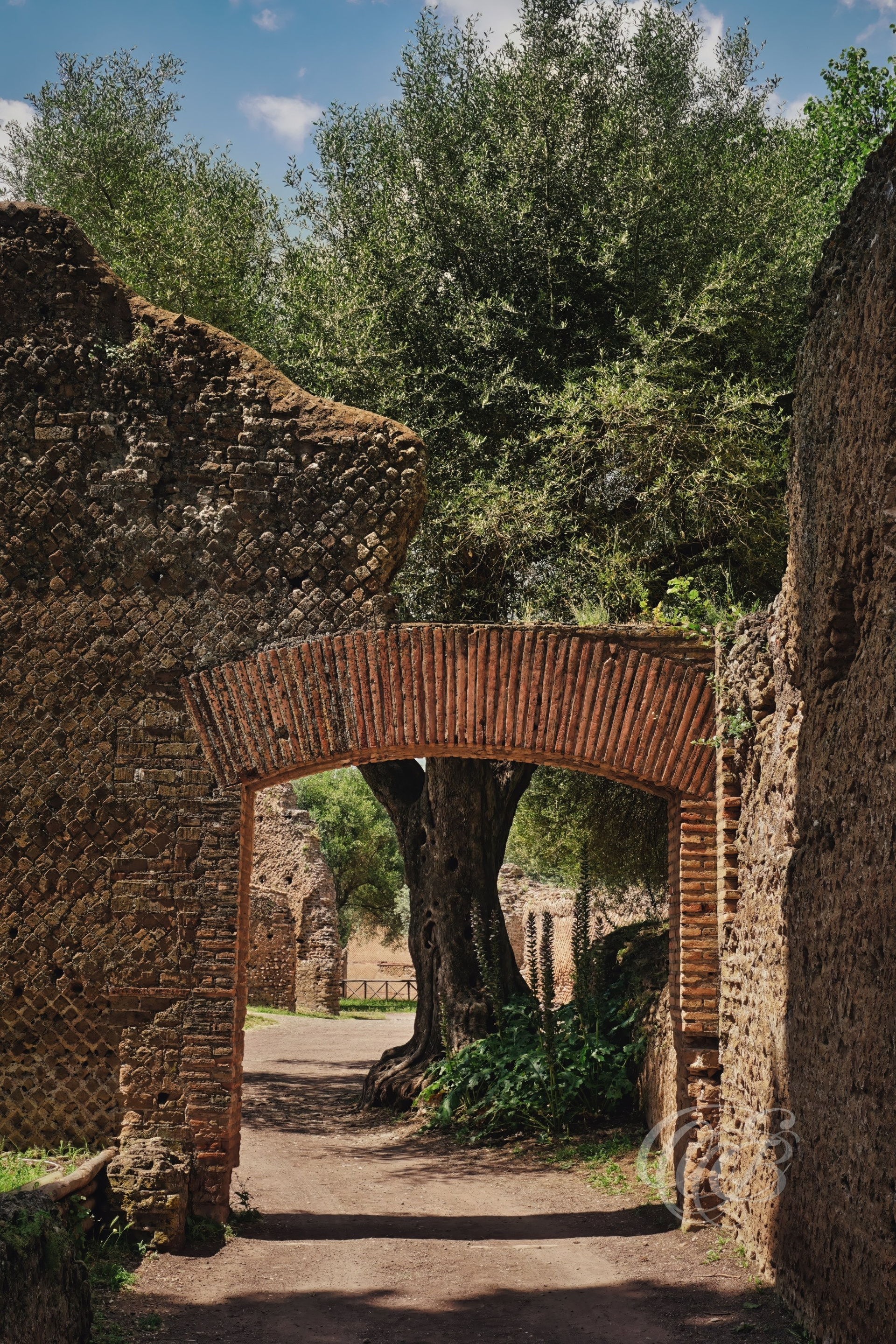
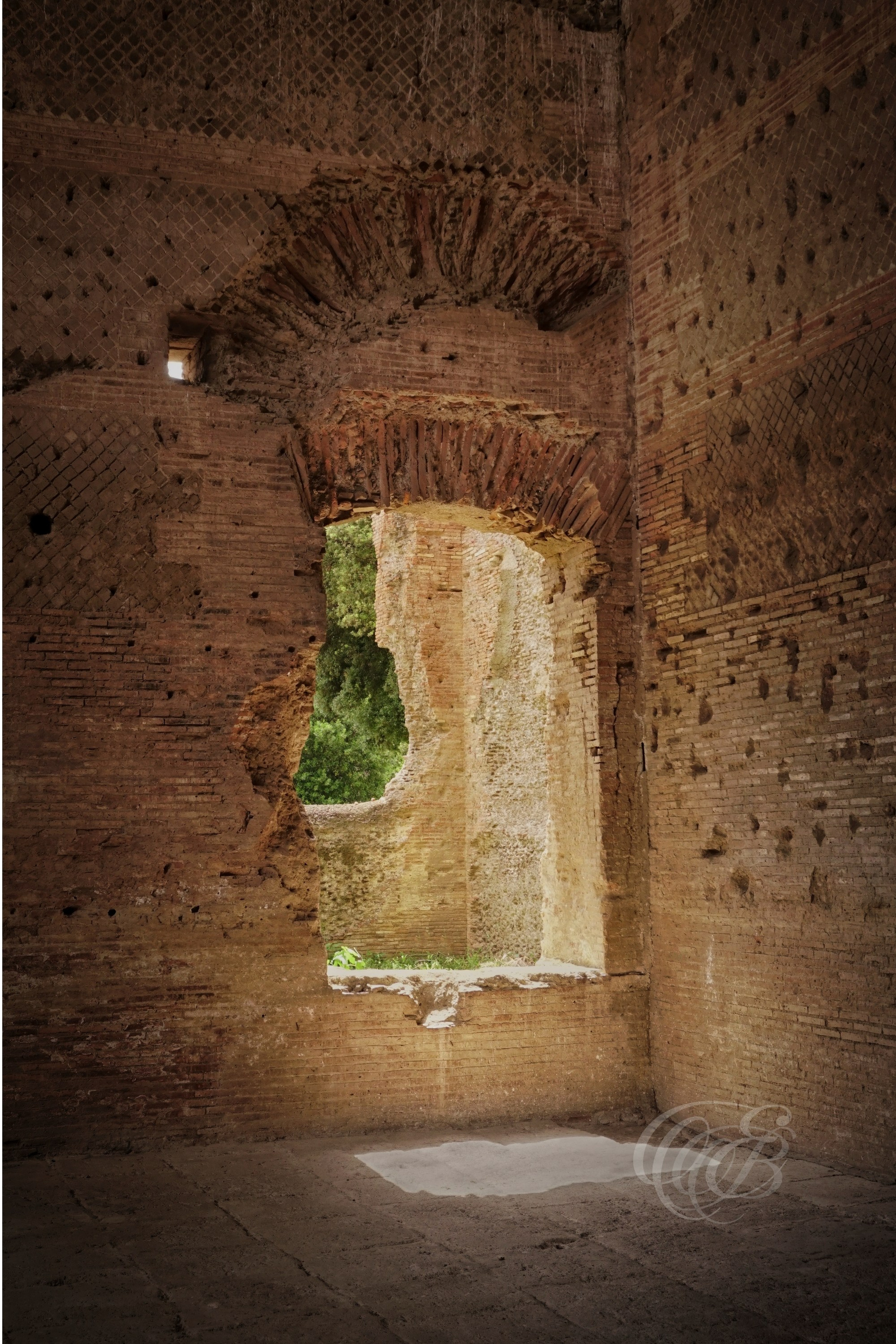
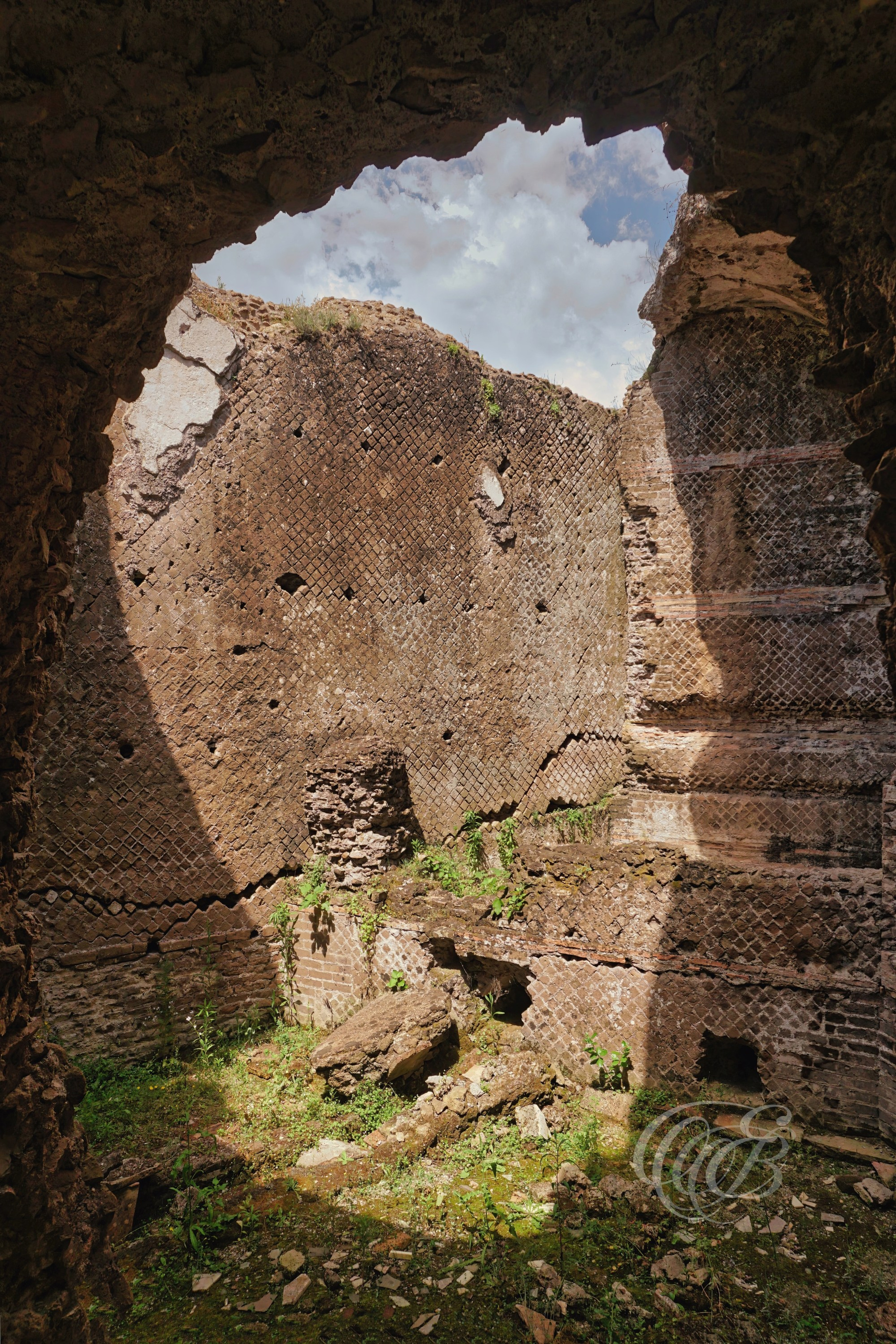
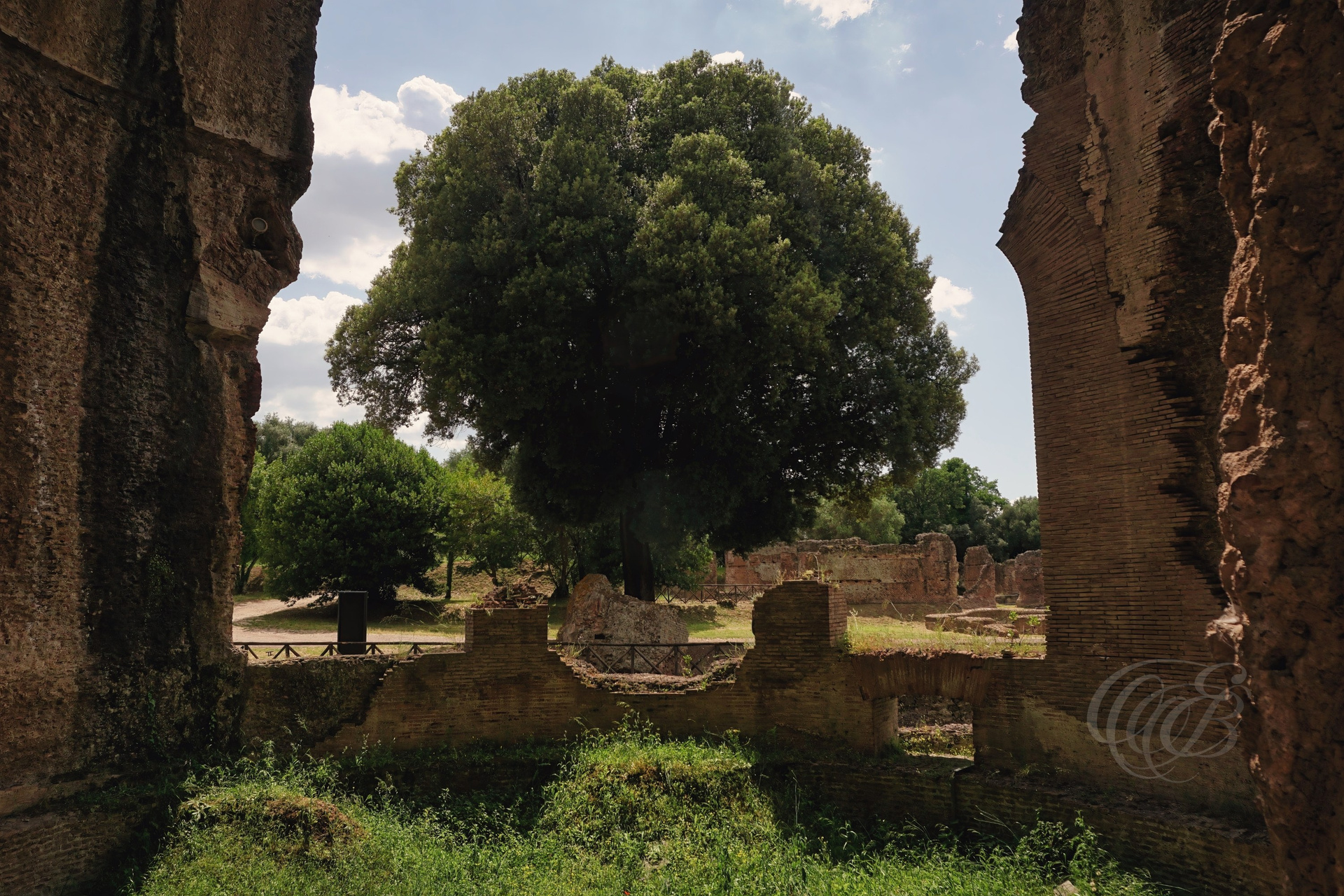
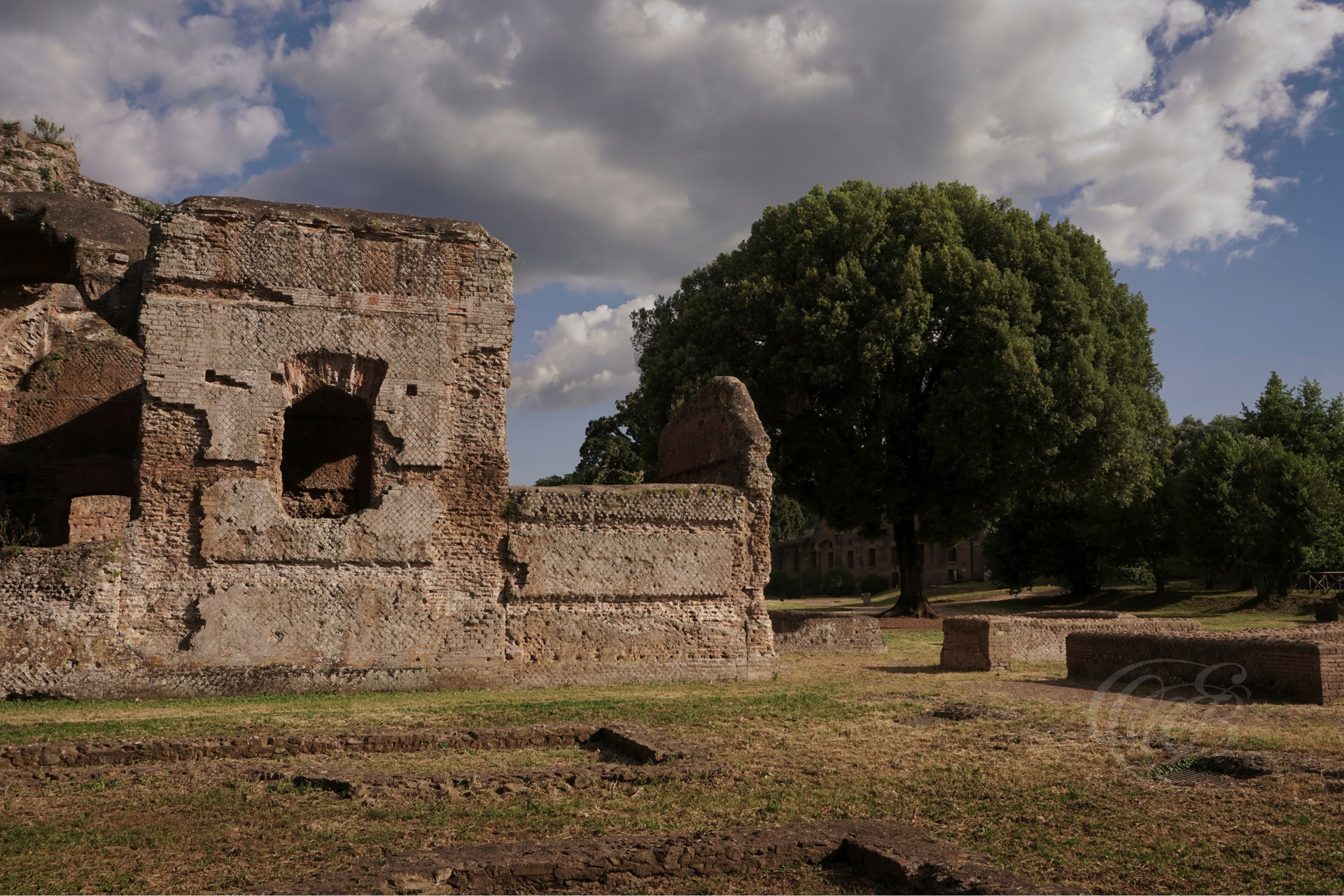
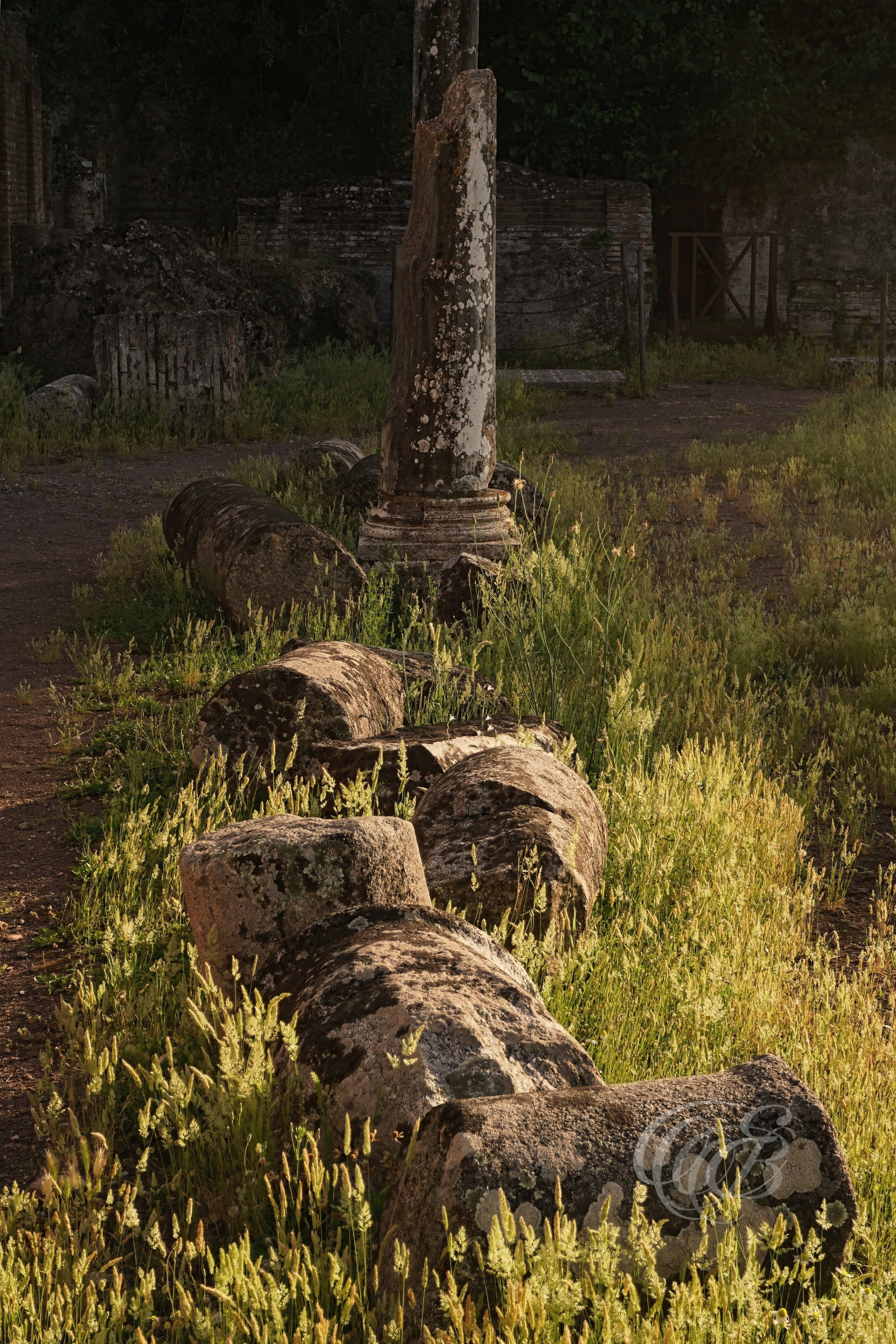
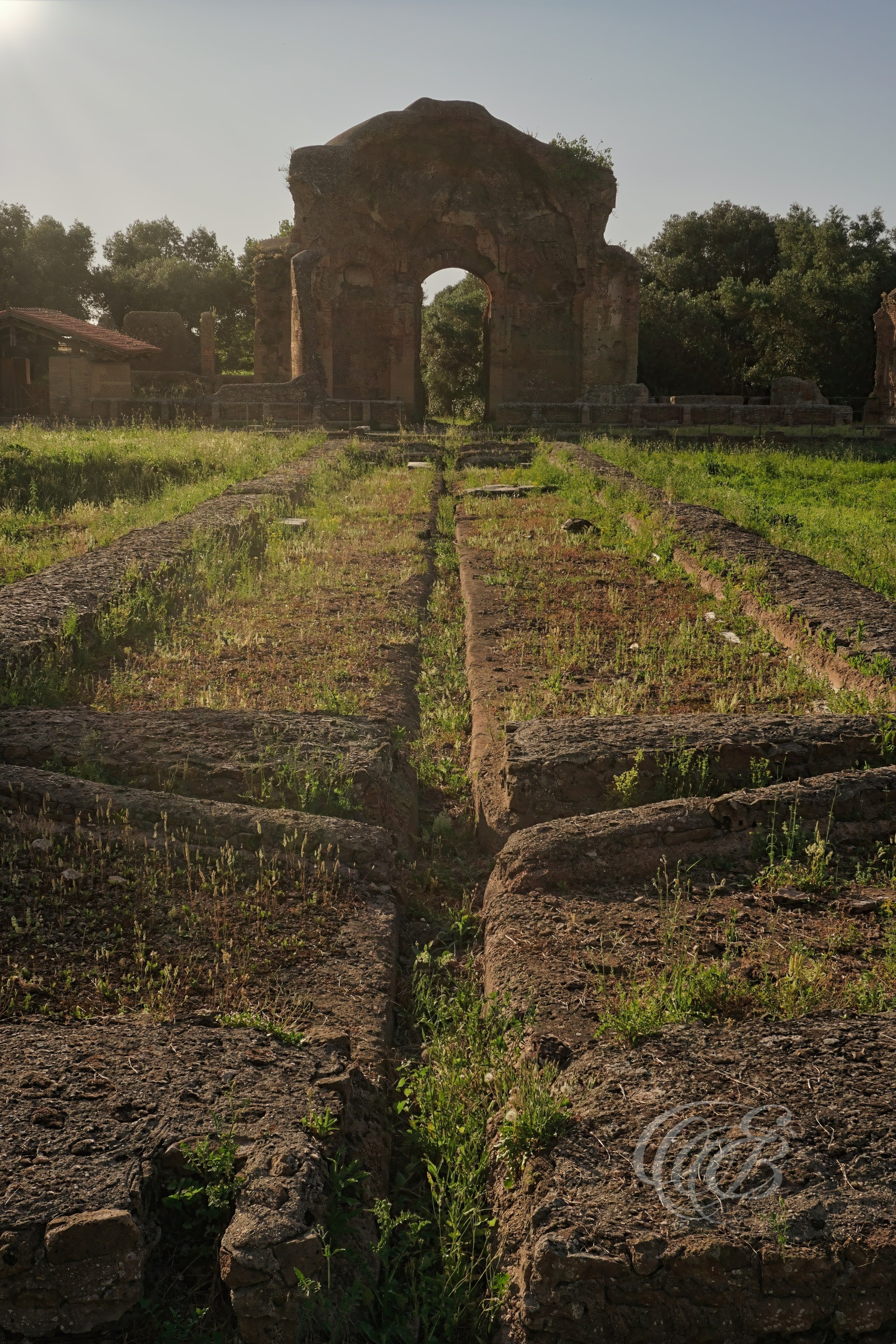
What impressed me most was the sheer scale of the estate. No matter where I walked, another monumental structure appeared. One vast complex gave way to the next, making it difficult to grasp the true extent of the villa. Before visiting, I had never imagined that a Roman villa could be so immense. It felt less like a villa and more like an entire imperial city condensed into a single estate.
The further I explored, the more I realised that Hadrian’s Villa cannot be understood from a single viewpoint. Each path reveals a different perspective, encouraging you to pause, look closely, and appreciate how the estate gradually unfolds as a complete architectural landscape.
Beauty, Power, and the Paradox of Great Civilizations
Yet, while one part of me stood in awe of what had been accomplished, another part could not ignore what it represented. Hadrian’s Villa was built as the private retreat of one man. It was not created for the public, nor for the empire as a whole, but as an expression of imperial power, wealth, and personal ambition.
In many ways, it reminded me of kings throughout history who raised taxes to finance lavish palaces or residences for their mistresses and personal lives. It raised a broader question about the use of public wealth to satisfy the ambitions of those in power. As magnificent as the villa is, I found myself thinking about the enormous resources, labour, and human effort such a project must have required.
Among its many achievements, Hadrian’s accomplishments as a builder should not obscure the realities of his reign. He exercised absolute power within an empire sustained by conquest, military force, coercion, and the subjugation of conquered peoples. I do not believe it is possible to admire places like Hadrian’s Villa without also recognising the human cost that made them possible.
What I find most unsettling is that this pattern is not unique to Hadrian or to the Roman Empire. It appears again and again throughout history. Whenever power becomes the highest goal of human life, conquest, exploitation, and violence are too often accepted as the means of achieving it—the familiar belief that the end justifies the means. To me, this is one of humanity’s greatest failures, a lesson repeated across civilisations and centuries, yet one we continue to struggle to learn.
As a Christian, I cannot help but see this as a reflection of our fallen nature. Throughout history, whenever power has become an end in itself, humanity has so often turned away from grace and toward domination, pride, and violence. It seems to me that pride and the pursuit of personal success so often become inseparable. To me, this is one of the clearest reminders that our greatest enemy is not simply the pursuit of power, but the condition of the human heart itself. Unless our lives are directed by something greater than ourselves, we repeatedly drift toward the same destructive patterns, regardless of the century, culture, or civilisation.
For me, photographing Hadrian’s Villa meant embracing both realities at once. I wanted to appreciate its astonishing architecture without forgetting the history that made it possible. Those mixed emotions became part of my own experience, and I believe they deepened my appreciation of the place rather than diminished it.
That, perhaps, is what makes Hadrian’s Villa so compelling. It is not simply an extraordinary work of Roman architecture, but also a reminder that beauty, ingenuity, and human achievement have often existed alongside some of humanity’s darkest chapters. Holding those two ideas together does not diminish the villa’s significance. If anything, it allows us to appreciate it with greater honesty and a deeper understanding of the Roman world that created it.
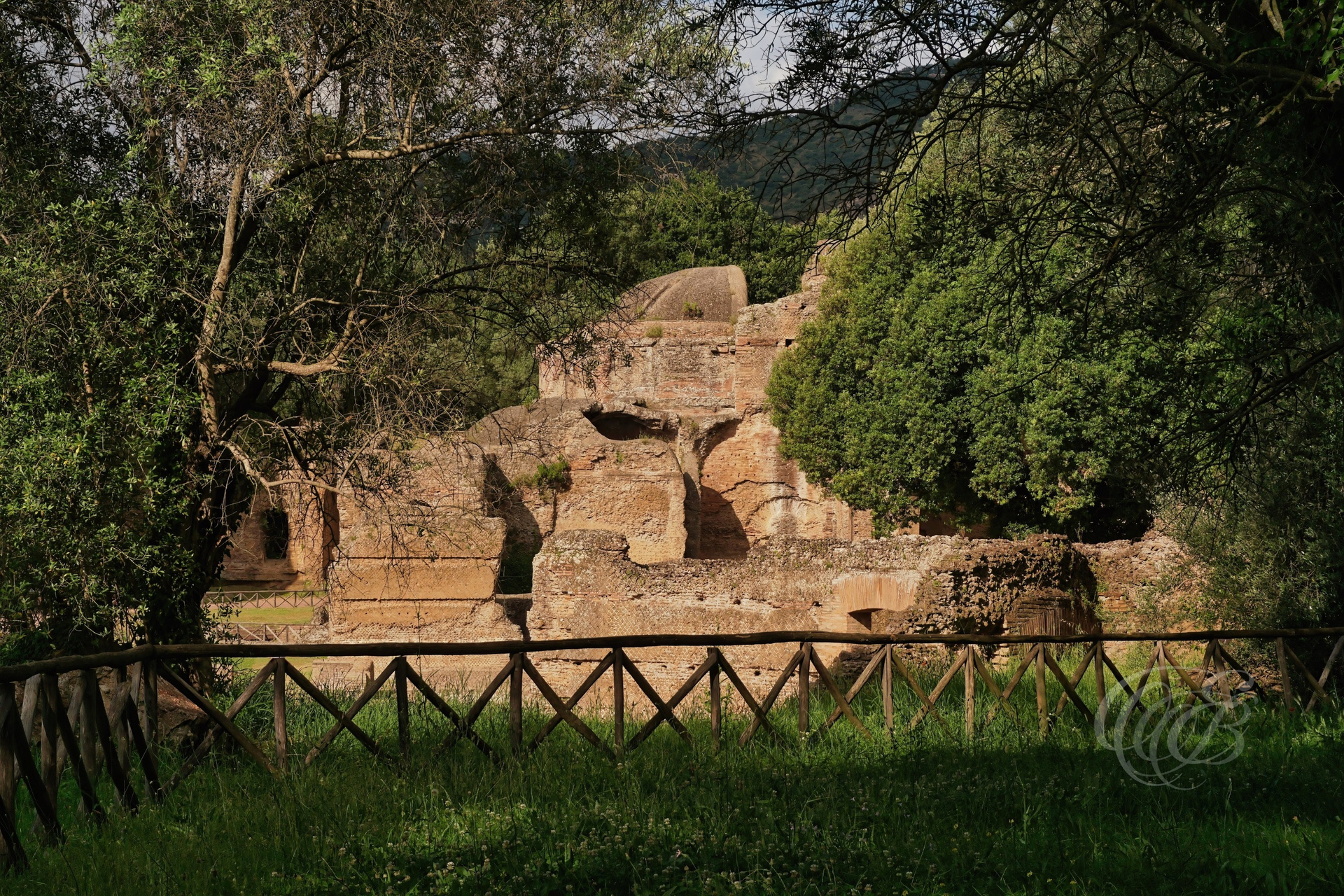
The Layout of Hadrian’s Villa
To understand Hadrian’s Villa, it is important to think of it not as a single building, but as an entire and vast architectural complex. Covering more than 120 hectares (300 acres), it remains one of the most sophisticated surviving estates from antiquity. Rather than functioning as a traditional country residence, the villa was conceived as an interconnected ensemble of buildings, courtyards, gardens, and open spaces that worked together as a single project.
The total estimated cost of a project on the scale of Hadrian’s Villa, translated into modern terms, has been estimated at between US$300 million and well over US$1 billion, without taking into account the modern value of its curated collection of classical art, sculptures, and decoration.
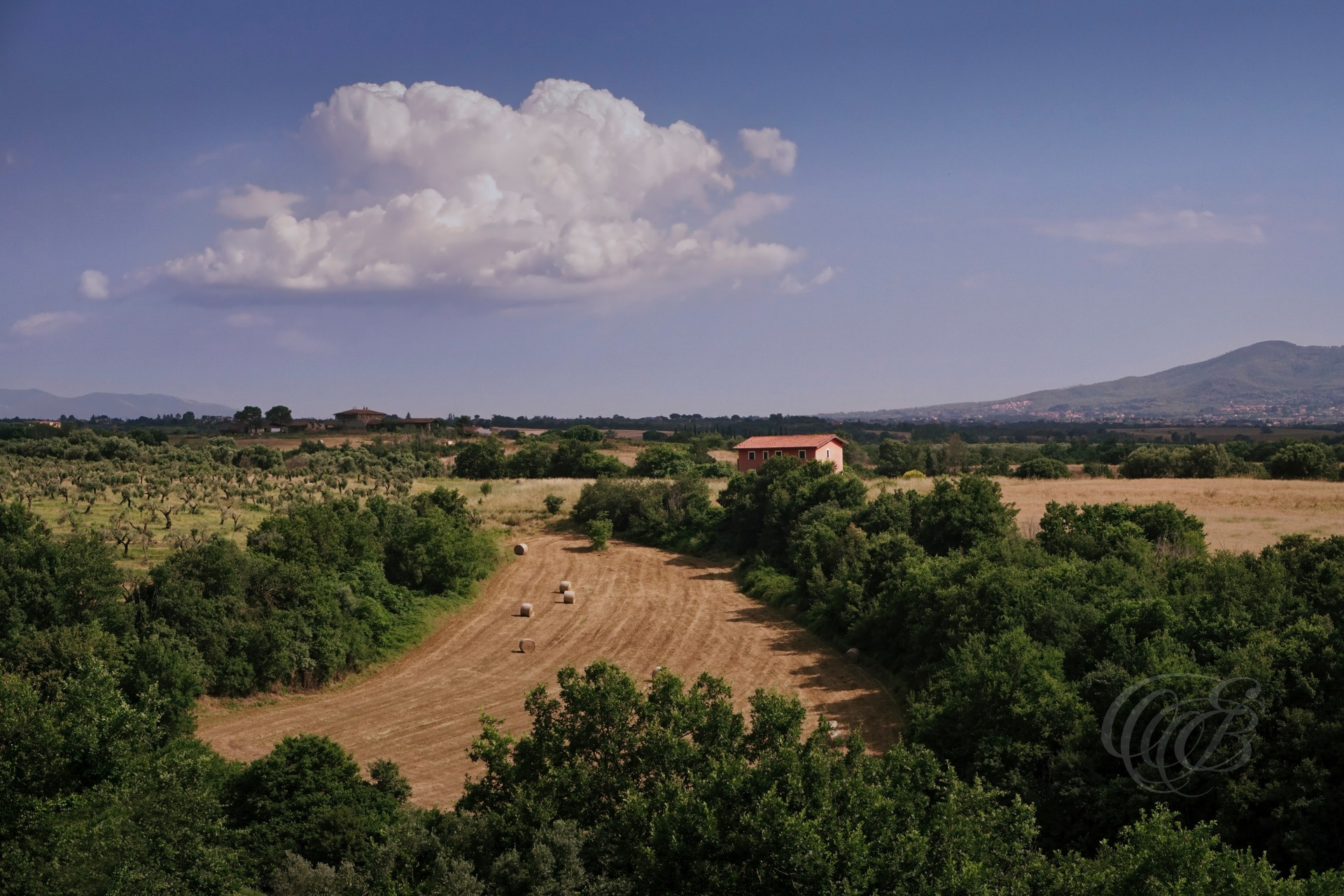
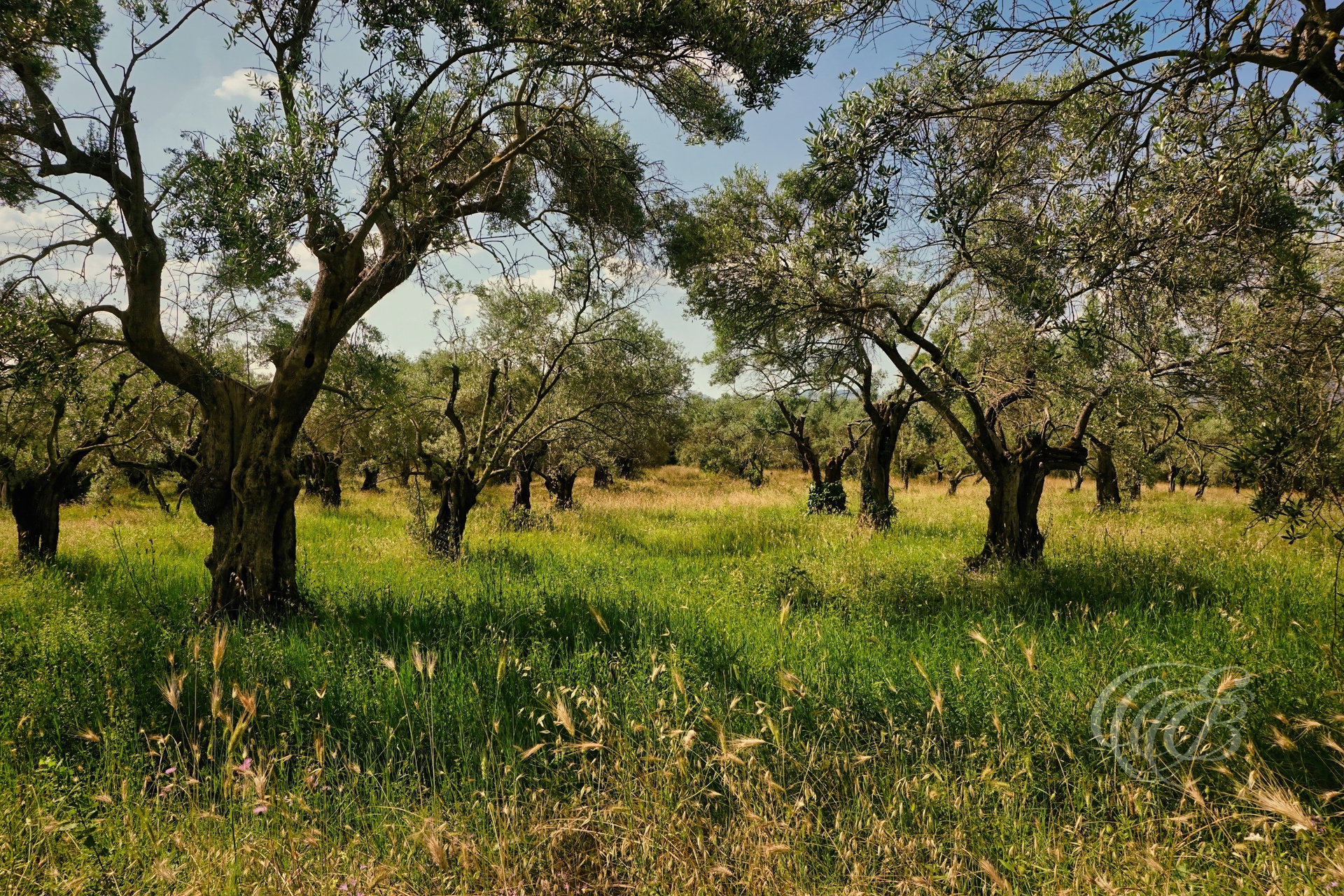
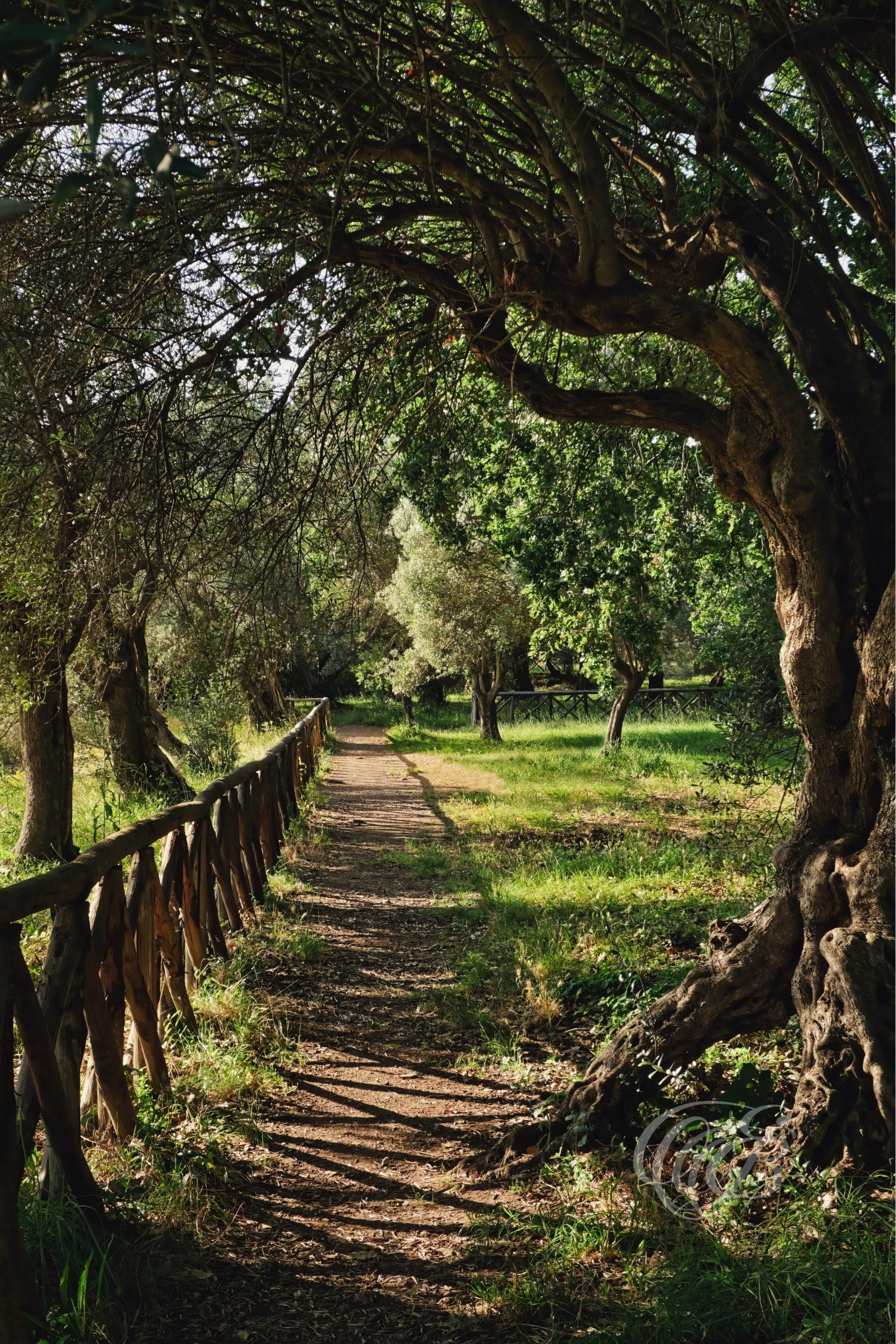
Unlike many monuments designed around strict symmetry, Hadrian’s Villa follows the natural topography of the hills of Tivoli. Instead of imposing a rigid geometric plan upon the landscape, its terraces, staircases, porticoes, courtyards, and tree-lined walkways adapt naturally to the terrain. This creates a constantly changing sequence of spaces, where the character of the site unfolds gradually as visitors move from one area to the next.
Rather than being arranged around a single central building, the villa developed as a network of spaces with different purposes. At its heart stood the Imperial Palace, where Hadrian lived and governed. Around it were reception halls for official audiences, elegant dining rooms for imperial banquets, libraries, temples, theatres, baths, guest quarters, administrative buildings, and extensive gardens. Together, these areas formed a residence capable of accommodating every aspect of life at the imperial court.
One of the lesser-known aspects of the villa is its sophisticated infrastructure, much of which remains hidden beneath the surface. An extensive network of underground roads and service tunnels allowed servants, guards, carts, supplies, and maintenance workers to move freely throughout the site without disturbing the daily life of the emperor and his guests. These subterranean passages connected many of the principal buildings, demonstrating the remarkable logistical organisation required to support such an extensive residence.
Water was another essential element of the villa’s design. Supplied by aqueducts serving the surrounding region, it flowed through baths, fountains, canals, ornamental pools, and nymphaea, becoming an integral part of the overall design rather than simply a decorative feature. Reflections, moving water, and carefully positioned fountains enhanced the surrounding spaces while helping to cool courtyards and gardens during the hot Italian summers. Throughout the complex, water shaped not only the appearance of the buildings but also the experience of moving through them.
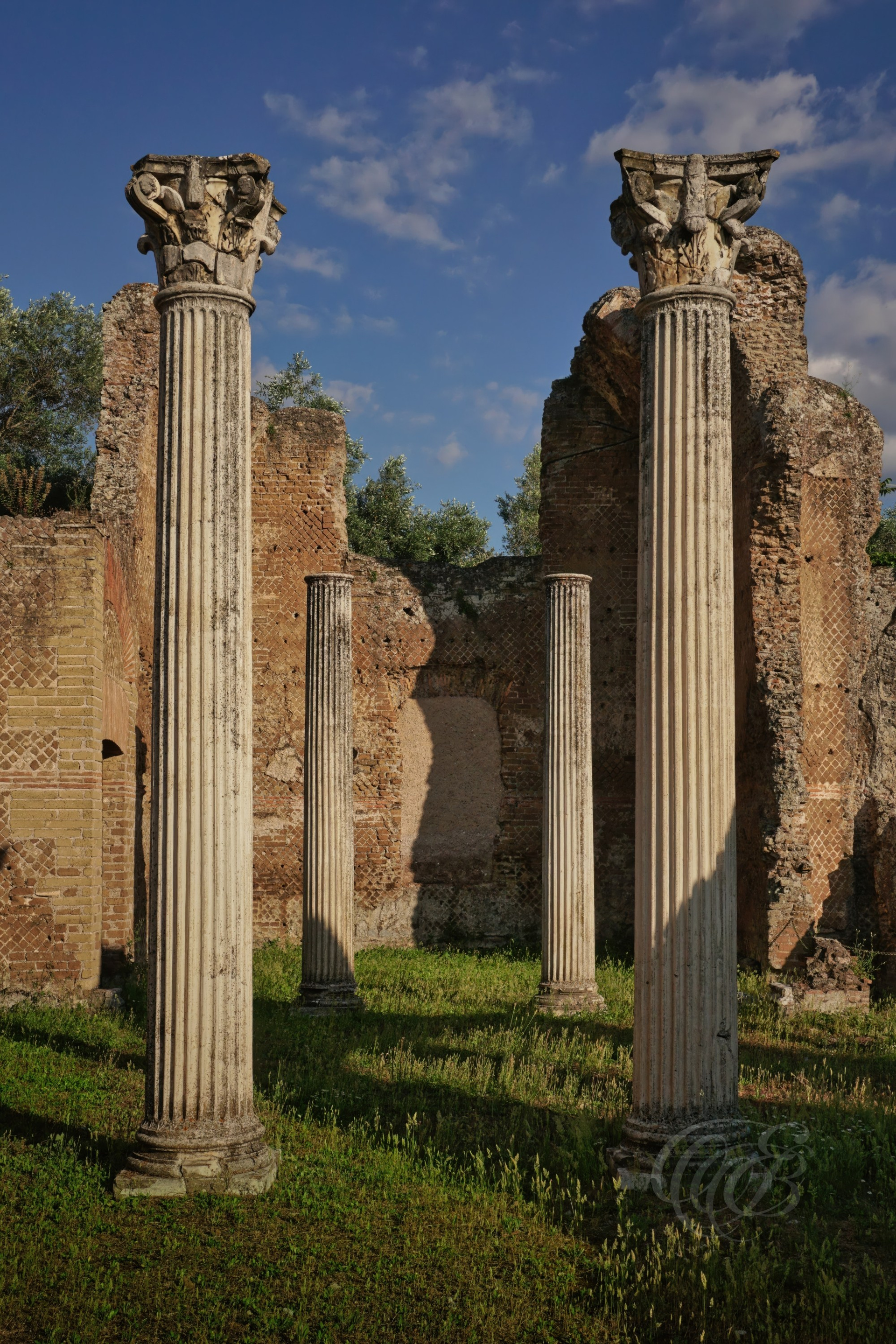
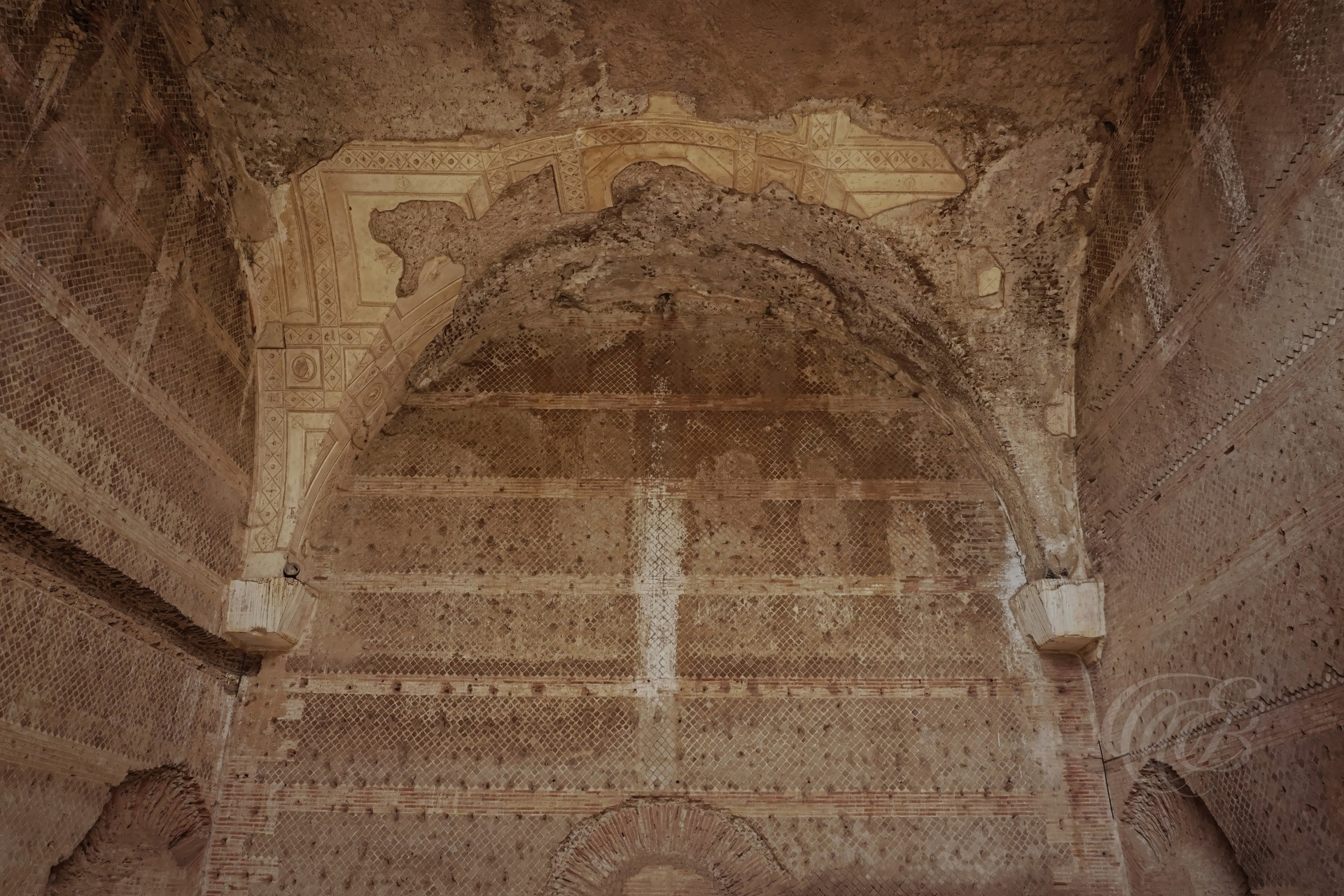
The construction of the villa also demonstrates the technical skill achieved during the second century AD. It was built primarily from brick-faced concrete, travertine, tufa, lime mortar, and marble. Many of its buildings incorporated daring vaults, domes, curved walls, and complex geometric plans that pushed the structural possibilities of their time. These innovations later inspired generations of architects, including Michelangelo, Francesco Borromini, and many others, who studied the surviving ruins to better understand their proportions, engineering, and structural solutions. For countless architects and artists, Hadrian’s Villa became an invaluable source of inspiration and an essential reference for the development of Renaissance and Baroque architecture.
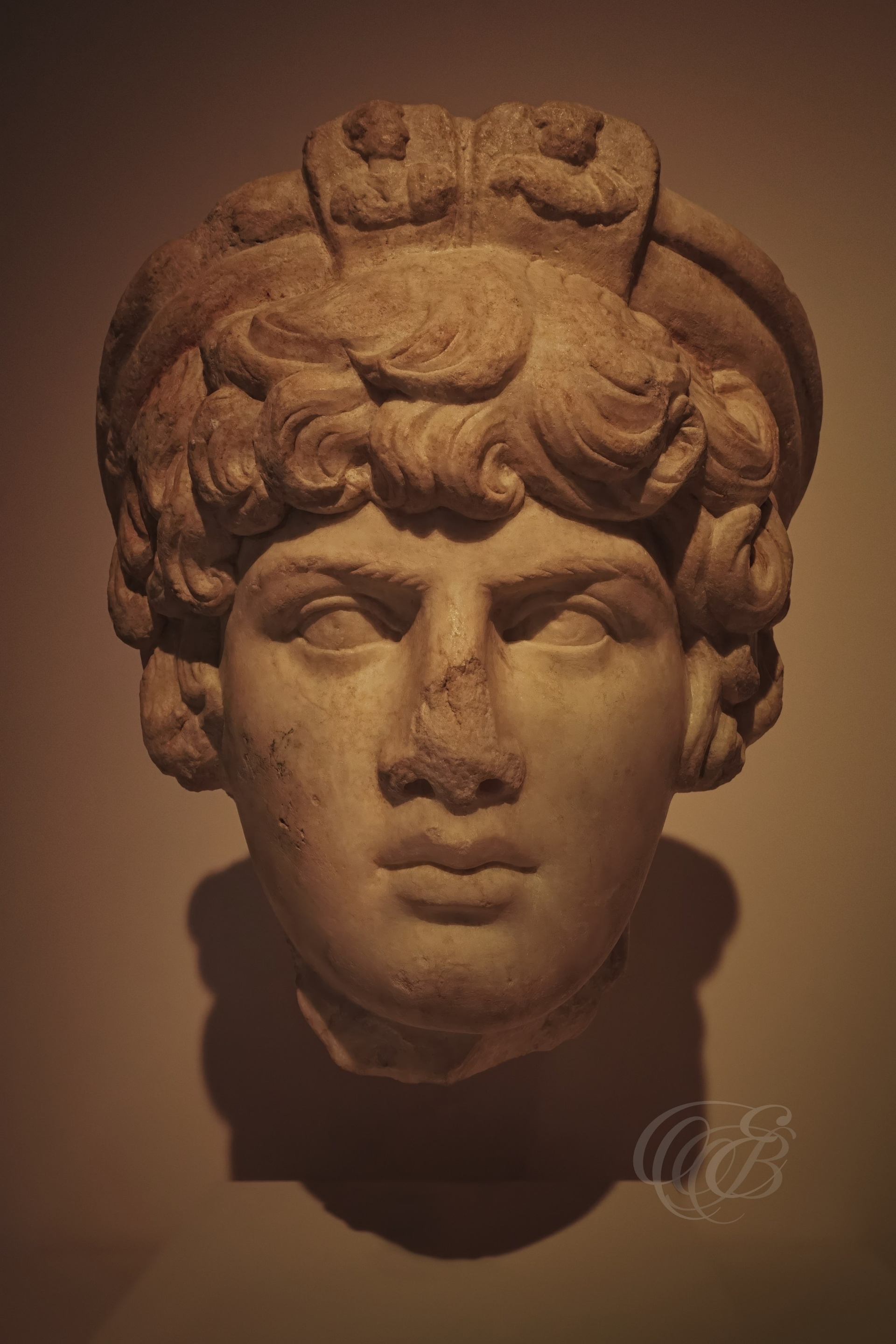
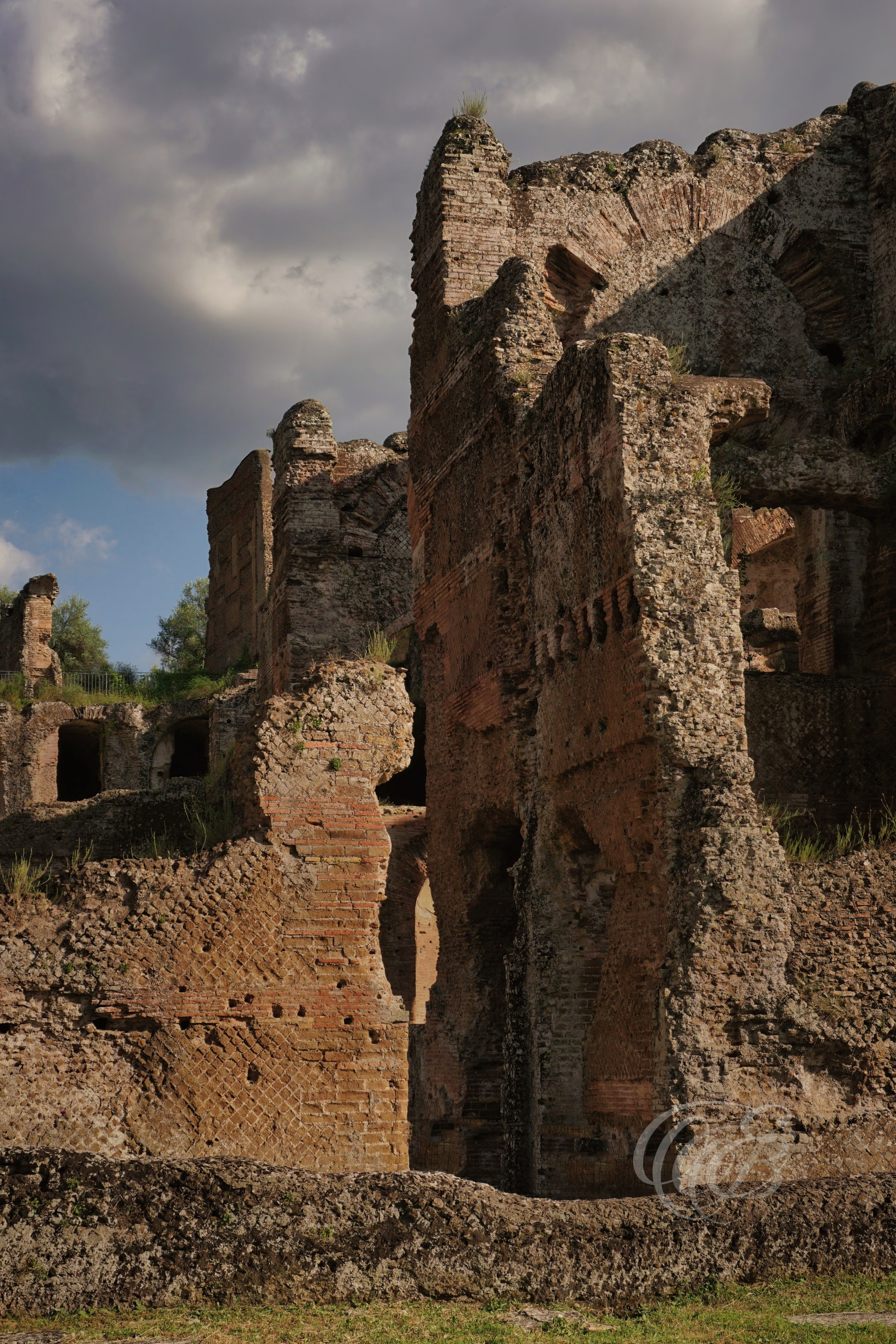
Although much of the original marble decoration, sculptures, mosaics, and painted surfaces has disappeared over the centuries, the surviving ruins continue to reveal the sophistication of the estate’s design. Massive vaulted halls, soaring arches, elegant ornamentation, and carefully proportioned spaces still demonstrate the ingenuity of the craftsmen who created them. Even in its fragmented state, the villa offers a clear understanding of how engineering, architecture, and landscape were brought together within a single, carefully conceived environment.
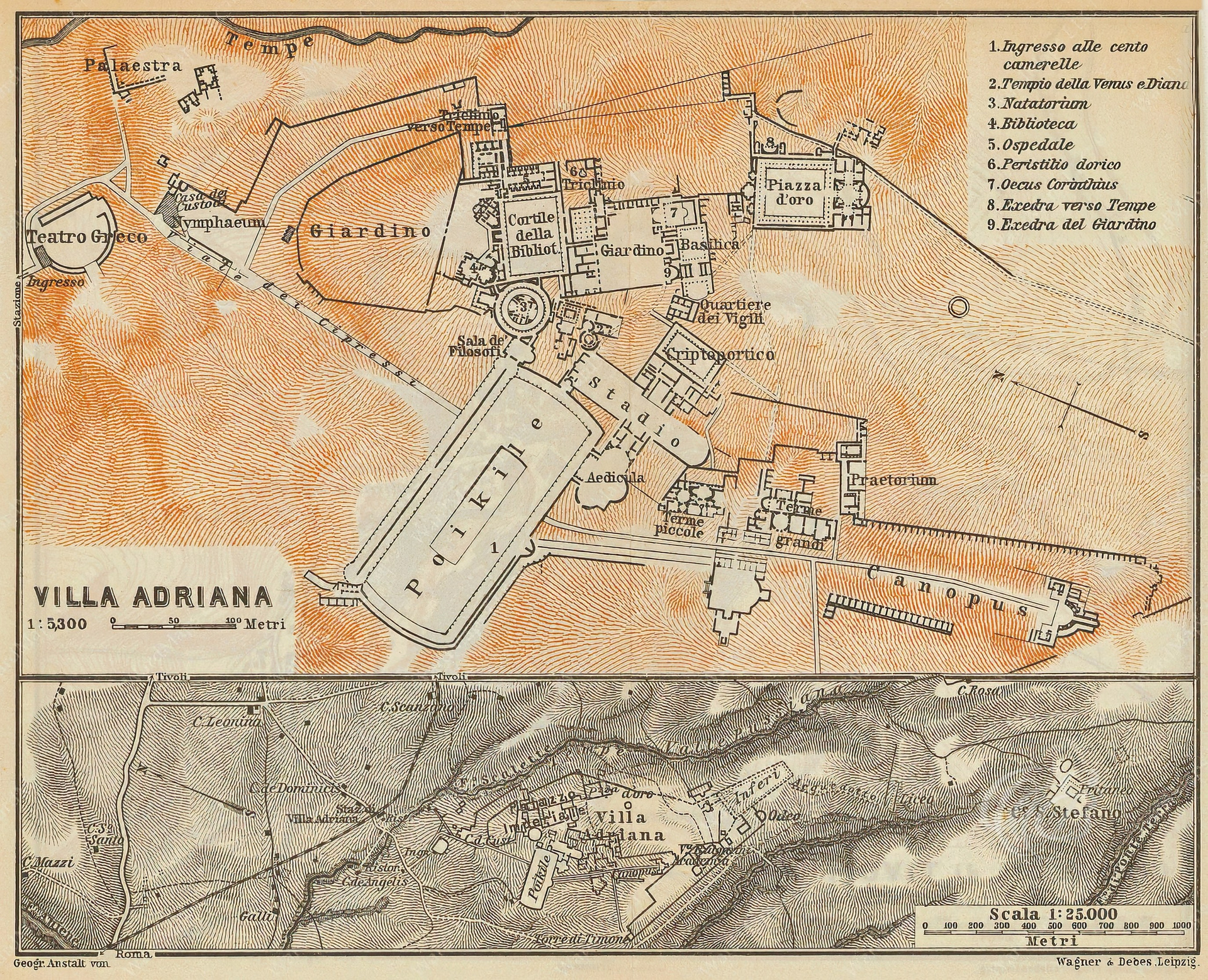
The Principal Monuments
Today, visitors can explore many of the villa’s principal monuments, each revealing a different function within the estate and offering further insight into the scale and organisation of the complex.
The numbered locations shown on the historic map identify the following structures: 1. Entrance to the Hundred Chambers, 2. Temple of Venus and Diana, 3. Natatorium, 4. Library, 5. Hospital, 6. Doric Peristyle, 7. Corinthian Hall (Oecus Corinthius), 8. Exedra toward Tempe, and 9. Garden Exedra.
Together, these buildings illustrate the wide variety of spaces that once formed Hadrian’s Villa, including religious buildings, libraries, bathing facilities, gardens, reception areas, and residential quarters.
The map also helps place these monuments within the broader layout of the estate, making it easier to understand how the different sections related to one another.
Visiting Hadrian’s Villa
Hadrian’s Villa is one of those places that rewards visitors who arrive well prepared.
The following practical information combines official visitor details with my personal experience exploring the site, together with what I have learned through years of visiting archaeological sites, museums, historic cities, and cultural landmarks across different countries. It also reflects valuable advice shared by fellow travellers over the years.
My hope is that this guide helps you spend less time worrying about the practical details and more time enjoying one of Italy’s most fascinating archaeological sites.
Planning Your Visit
If this journey through Hadrian’s Villa has inspired you to visit, I can only encourage you to do so. No photograph or description can truly prepare you for the experience of walking through its vast ruins and discovering the extraordinary scale of the estate. Although it lies only about 30 kilometres (19 miles) east of Rome, surprisingly few visitors make the journey, making it one of the most rewarding day trips from the Eternal City.
Whether your interests lie in history, archaeology, architecture, photography, or simply exploring beyond the usual tourist routes, Hadrian’s Villa offers an exceptional experience that rewards those willing to venture beyond Rome’s best-known attractions.
Location
Located in Tivoli, Hadrian’s Villa (Villa Adriana) forms part of the UNESCO World Heritage Site of Tivoli, together with the nearby Villa d’Este, in recognition of its exceptional historical, architectural, and cultural significance.
Many visitors choose to combine both villas in a single day. While this is certainly possible, those with the time may find it more enjoyable to explore Hadrian’s Villa at a slower pace before continuing to Villa d’Este or returning to Rome.
Getting There
By Public Transport
The easiest way to reach Hadrian’s Villa from Rome is by taking Metro Line B to Ponte Mammolo Metro Station, where regular COTRAL buses depart for Tivoli and Villa Adriana. Depending on the route, some buses stop only a short walk from the entrance, while others require an uphill walk of approximately one kilometre, which can feel surprisingly long during the warmer months.
If you are unfamiliar with the route, it is worth following your journey on Google Maps, as the villa lies on the outskirts of Tivoli rather than in the historic town centre. Although bus drivers are generally very helpful, they may not always speak English, so it is easy to miss your stop if you are not paying attention.
An alternative is to take a regional train from Roma Tiburtina Railway Station (Piazzale della Stazione Tiburtina, Rome) to Tivoli Railway Station, followed by a local bus or taxi to the archaeological site.
Whichever option you choose, I recommend checking the latest public transport schedules before travelling, as routes and timetables may change.
By Car
Travelling by car from Rome takes approximately 45 minutes to one hour, depending on traffic. Hadrian’s Villa has a large public car park located directly beside the main entrance, with ample parking available for visitors, making it one of the most convenient ways to reach the archaeological park.
Tickets and Opening Hours
As ticket prices, opening hours, and special exhibitions may change throughout the year, I recommend consulting the official Villa Adriana website before your visit. The official website address is included at the end of this section under Useful Resources.
If you are also planning to visit Villa d’Este or the Sanctuary of Hercules Victor, combined tickets are often available and may offer good value.
The archaeological park is generally open every day except 1 January and 25 December, while free admission is offered on selected national holidays and on the first Sunday of each month. The latest information is always available on the official website.
Allow Plenty of Time
If your schedule allows, dedicate an entire day to Hadrian’s Villa.
Although it is certainly possible to visit many of the principal monuments in three or four hours, that barely scratches the surface. I arrived at the villa around midday and spent the remainder of the day exploring, yet I still had not seen the entire complex before closing time. That alone gives an idea of its impressive size.
My Recommendation
Have breakfast before you enter, arrive early in the morning, and bring a few snacks and plenty of water in your backpack. That way, you can spend the entire day exploring the ruins without interrupting your visit in search of somewhere to eat, stopping whenever you find a beautiful viewpoint or a quiet corner to rest.
Personally, I usually start the day with a breakfast of eggs, chicken, and whole-grain bread, which keeps me satisfied for hours and gives me plenty of energy for a full day on my feet. I then carry a few good-quality whole-grain or mixed-grain biscuits and plenty of water in my backpack. This simple routine has served me well on countless photography and sightseeing trips across many countries, allowing me to remain immersed in the experience rather than interrupting it to look for somewhere to eat.
Fortunately, drinking water fountains are scattered throughout the archaeological park, making it easy to refill your bottle as you explore. There is also a small refreshment facility where you can purchase water, drinks, or a light meal if needed. Because of the sheer size of the site, I still recommend carrying a bottle with you so you can stay hydrated while walking between the many monuments and ruins.
Remember That Your Visit May Never Be Repeated
It has every chance of becoming one of your most treasured memories.
If you try to see the entire villa in half a day, you will spend much of your visit rushing from one monument to the next, constantly watching the clock and worrying about getting back to Rome. In doing so, you risk missing not only parts of the site but also the unique atmosphere that makes Hadrian’s Villa so special.
Comfortable walking shoes are highly recommended, as the archaeological park covers a vast area with uneven paths, gentle slopes, and very little shade in some sections.
Photography Tips
For photographers, Hadrian’s Villa is one of the finest archaeological sites in Italy to photograph. Few places combine monumental Roman architecture, varied landscapes, ever-changing light, and such an extraordinary variety of photographic opportunities within a single location.
Spring and autumn are widely regarded as the best seasons to visit with a camera, offering some of the finest light of the year. During autumn in particular, the sunlight is generally less harsh, creating softer edges, lower contrast, and a warmer quality that perfectly complements the ancient architecture. Both seasons also bring more frequent rainfall, increasing the chances of capturing the villa beneath majestic cloud formations or dramatic skies. While many visitors hope for clear blue skies, photographers often know that the right clouds can transform a beautiful scene into something truly stunning.
The milder temperatures during these seasons are another significant advantage, making it far easier to spend an entire day exploring the archaeological park.
Spring brings an added bonus, with colourful wildflowers appearing throughout the site and across many of Rome’s monuments. Poppies, in particular, create striking foregrounds, their brilliant red petals contrasting beautifully with the warm tones of the ancient brickwork, the fresh greens of the surrounding landscape, and the deep blue Italian sky to create scenes that are unmistakably Italian.
Autumn brings its own character, as the changing colours of the surrounding trees add warmth and atmosphere to the landscape, creating equally rewarding photographic opportunities.
On clear sunny days, the warm colours of the ancient brickwork contrast strikingly with the surrounding vegetation and the deep blue sky. Early morning and late afternoon are especially rewarding, when the lower angle of the sun emphasises the textures, arches, and monumental scale of the architecture while producing softer, more diffused light.
Because of the size of the site, I highly recommend ensuring that your camera batteries are fully charged before you begin exploring. If you plan to spend the day photographing the villa, it is also a good idea to carry a power bank in your backpack so you can recharge your phone whenever you are not using it. If your camera supports USB charging, it can also be invaluable for recharging spare batteries throughout the day. With so many photographic opportunities across the archaeological park, running out of power is the last thing you want.
Useful Resources
For the latest visitor information, maps, accessibility details, guided tours, temporary exhibitions, and ticket reservations, please consult the official resources below.
Official Website
https://villae.cultura.gov.it/en/
Hadrian’s Villa Tickets (Villa Adriana)
Wikipedia
https://en.wikipedia.org/wiki/Hadrian%27s_Villa
Final Thoughts
Looking back, Hadrian’s Villa remains one of the most memorable places I have ever visited. Its extraordinary scale, magnificent architecture, peaceful atmosphere, beautiful landscapes, and fascinating history combine to create an experience unlike any other. It is a place that rewards those willing to slow down, where every path seems to reveal another chapter of the ancient Roman world.
Give yourself the gift of time. Wander without a destination, stop whenever something captures your attention, and simply enjoy being there. In my opinion, that is the best way to appreciate not only the scale and beauty of Hadrian’s Villa, but of any place you visit. Trying to see too much in a short space of time often means missing the small details that make a place truly memorable. It also creates unnecessary anxiety, and that is rarely the best way to enjoy the day—or any day. To fully appreciate a place, you need to be relaxed. Otherwise, you risk missing not only its atmosphere, but also the simple pleasure of being present and taking in everything around you.
I hope this article, together with my photographs, has offered not only an introduction to one of antiquity’s greatest masterpieces but also inspired you to discover it for yourself, should the opportunity ever arise. If you do decide to visit, take your time, look beyond the obvious, and allow the villa to unfold at its own pace. Like all great works of architecture, it reveals its greatest treasures slowly.
Perhaps, years from now, when you think back on your travels through Italy, Hadrian’s Villa will still be one of the places you remember most—not only for its ancient ruins, but for the sense of history, beauty, and quiet reflection found among them.