Eduardo Bartoli Photography
Portfolios
Projects
The Book
Rome — When Light Shapes Form
Journal
Rome’s Hidden Gem: Hadrian’s Villa, the Largest Villa Ever Built
Prints
About
Contact
Mallorca in Black & White — Fine Art Photography Noir
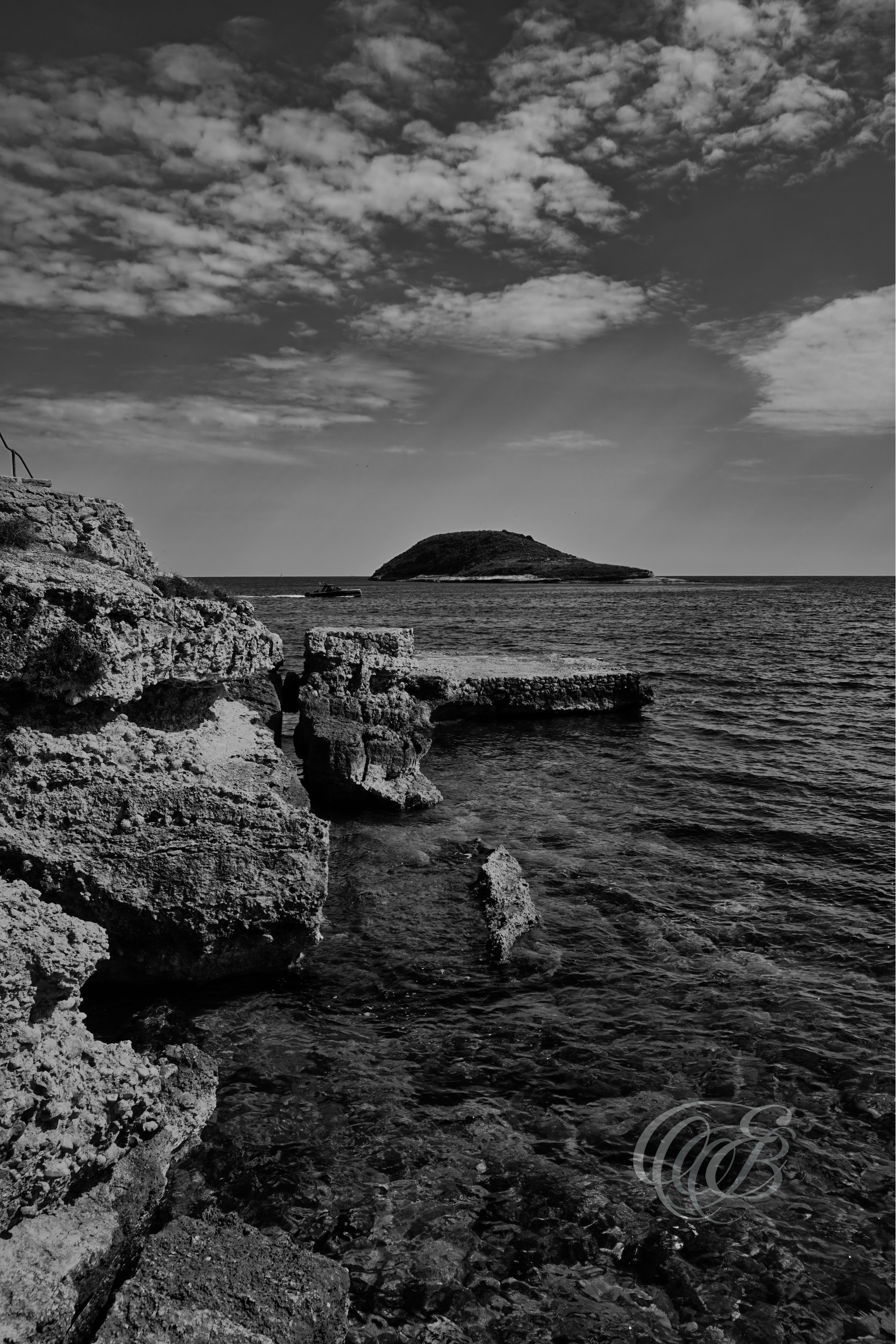
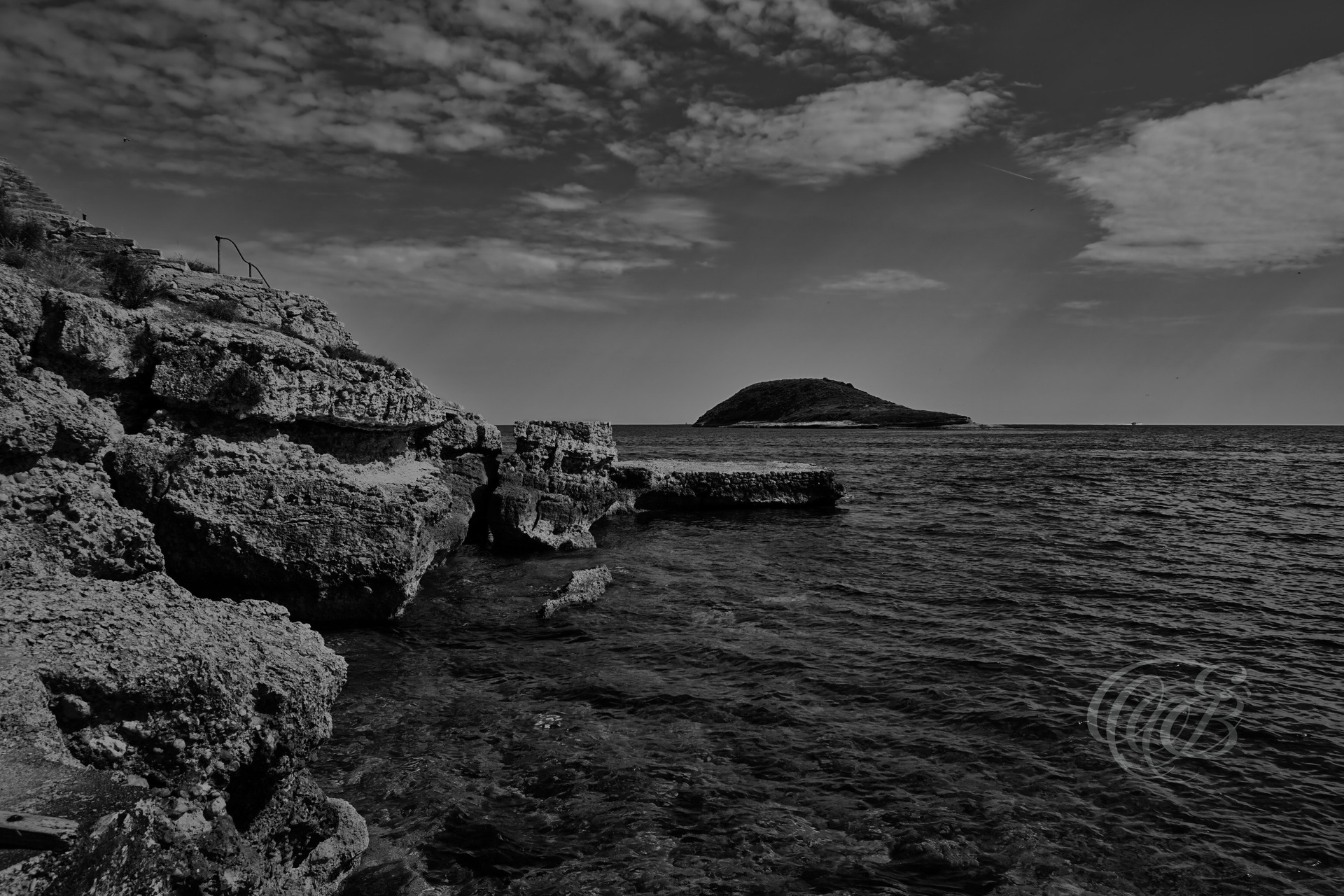
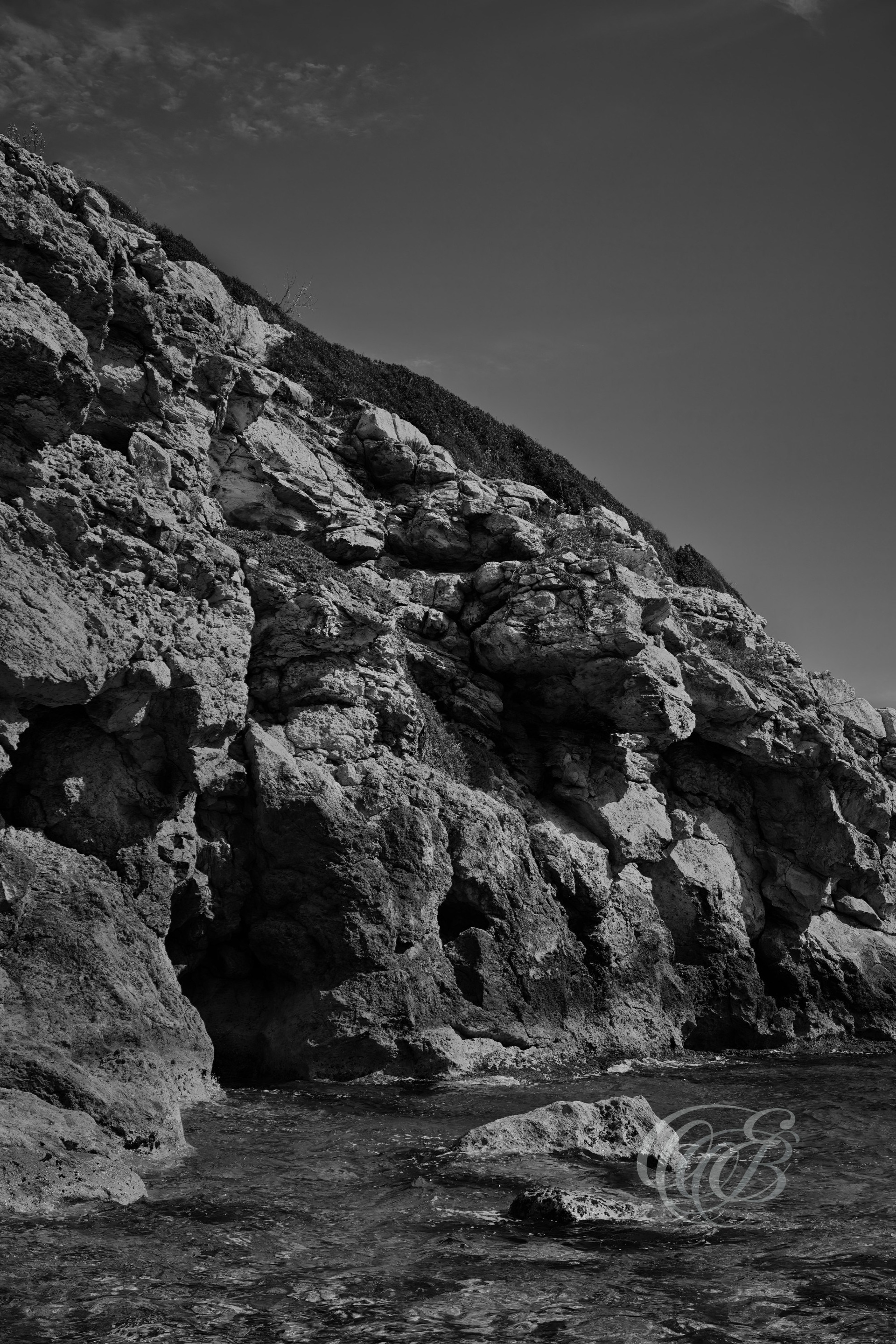
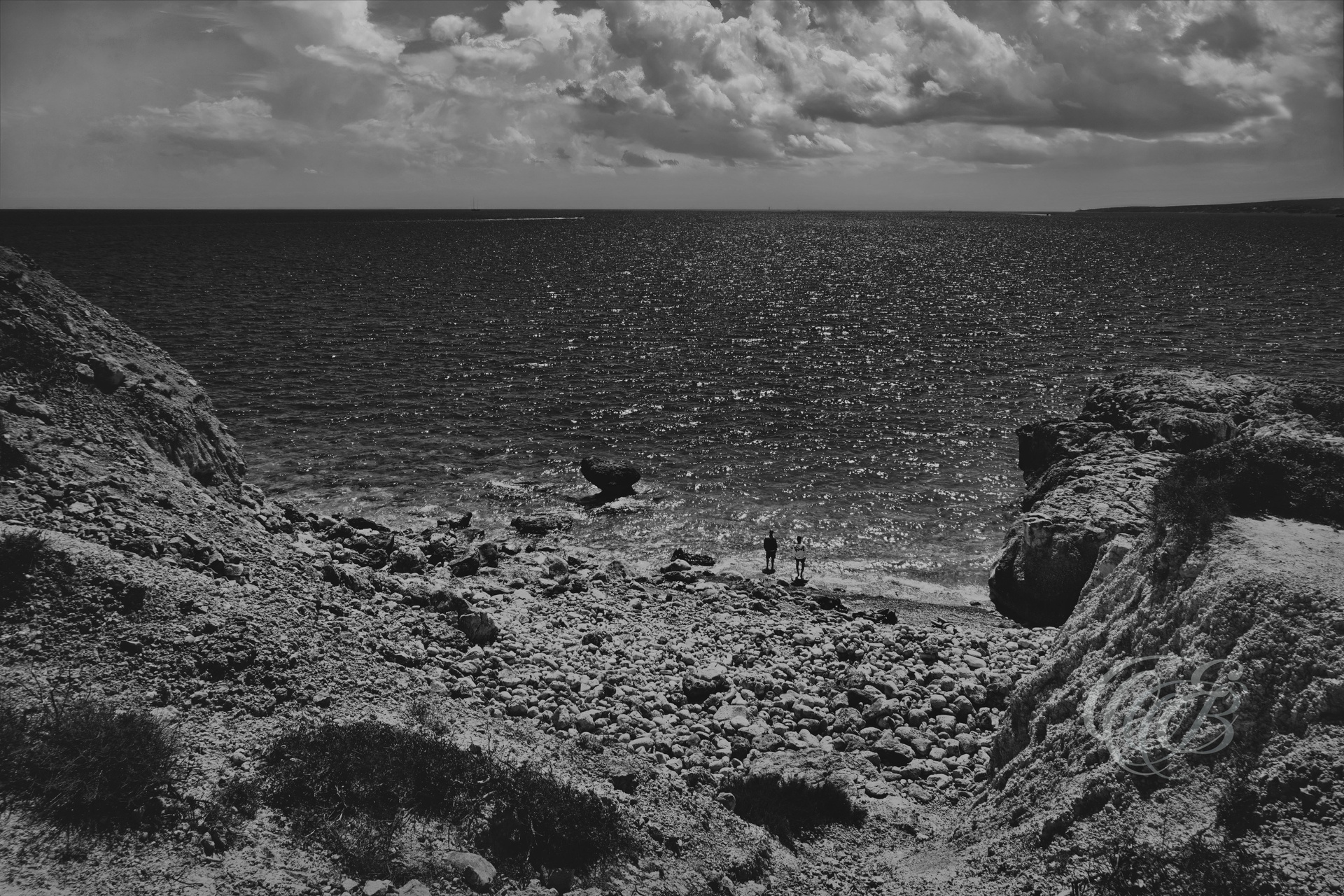
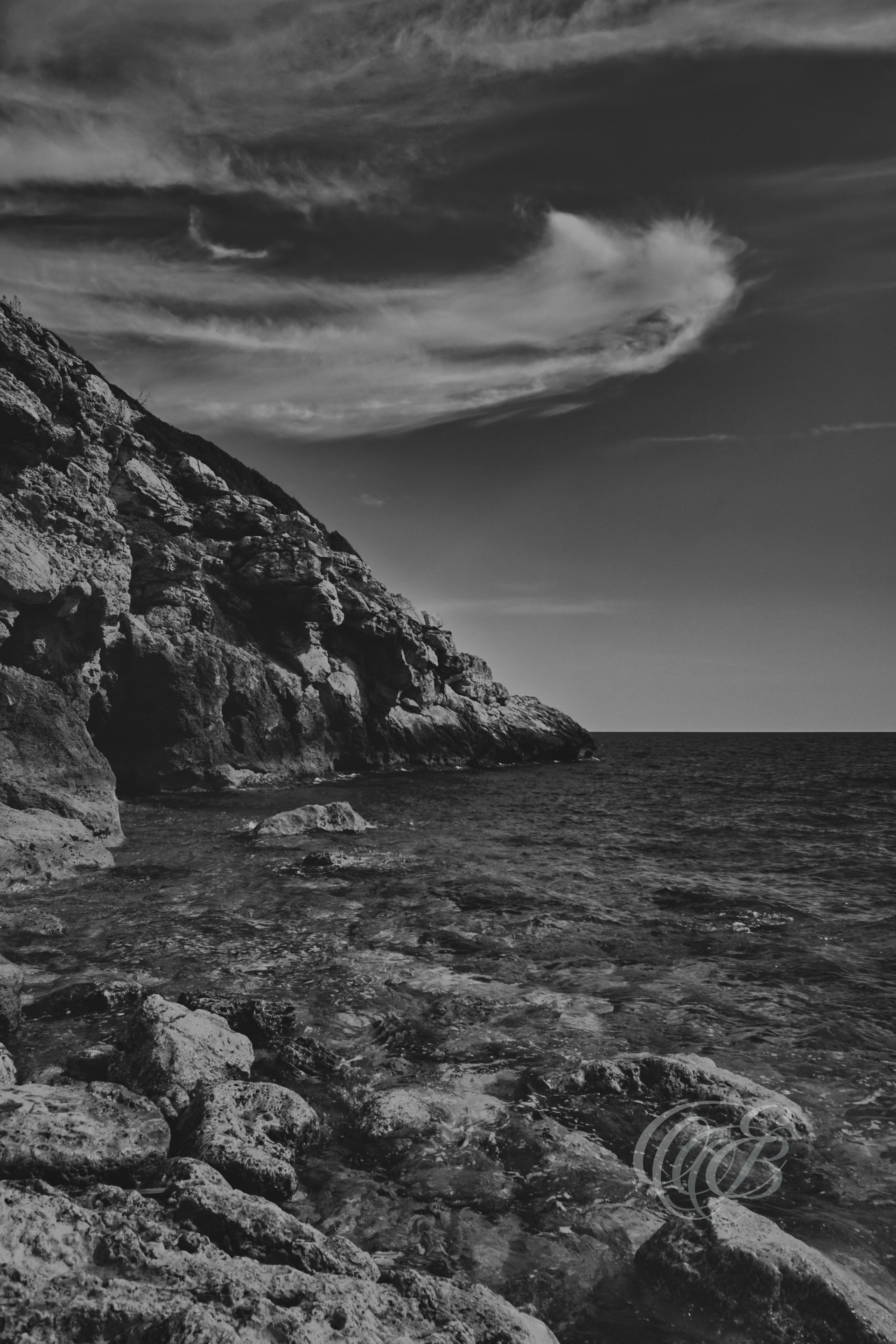
The Torrenova cliffs near Magaluf form part of Mallorca’s rugged southwestern coastline, where elevated limestone formations overlook the Mediterranean Sea. This black and white fine art interpretation emphasizes the natural textures, contrast, and geological character of the coastal landscape, revealing a more timeless perspective of the island’s shoreline. The monochrome tones enhance the balance between light, sea, and stone along this historic Mediterranean coast. Eduardo Bartoli Photography.
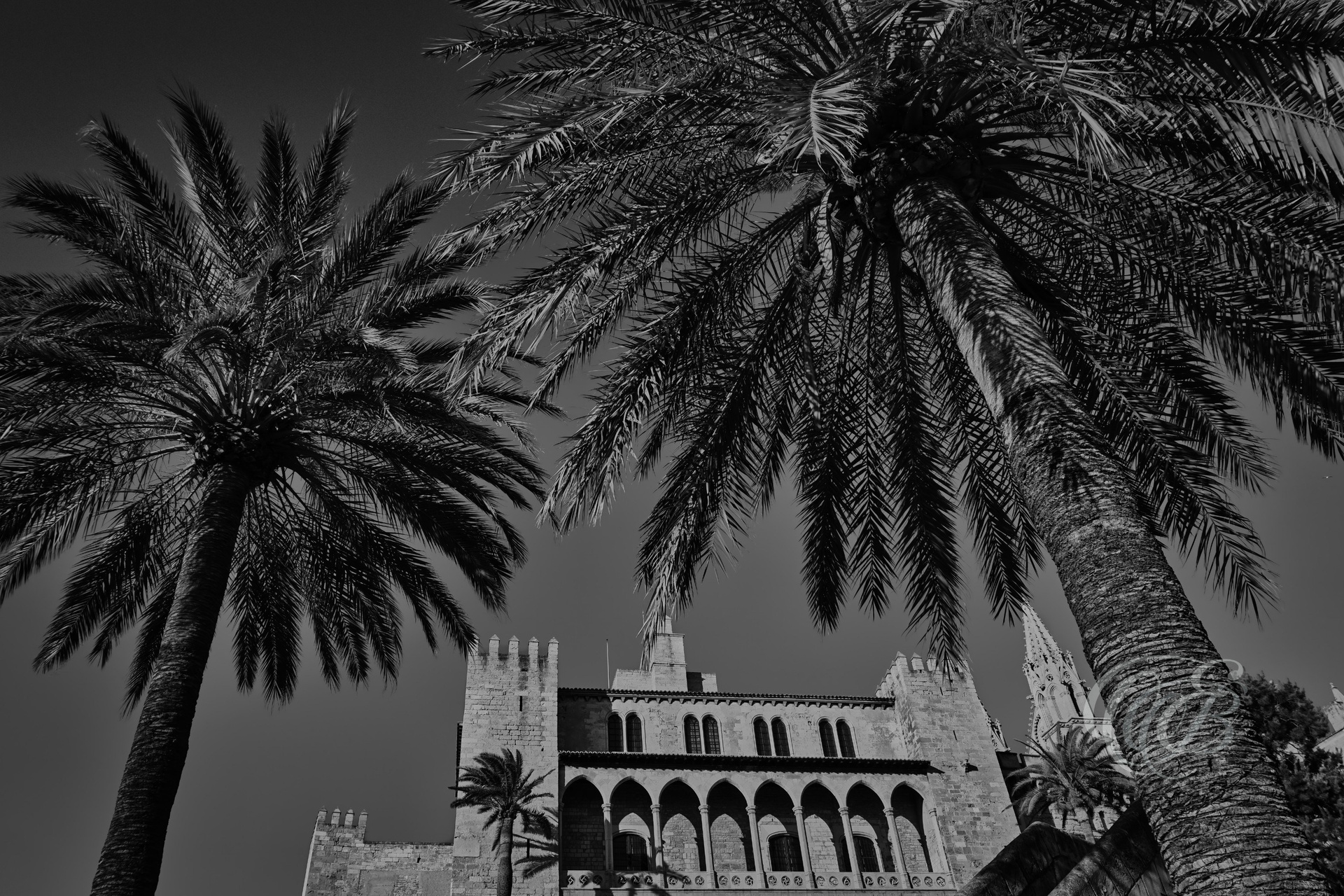
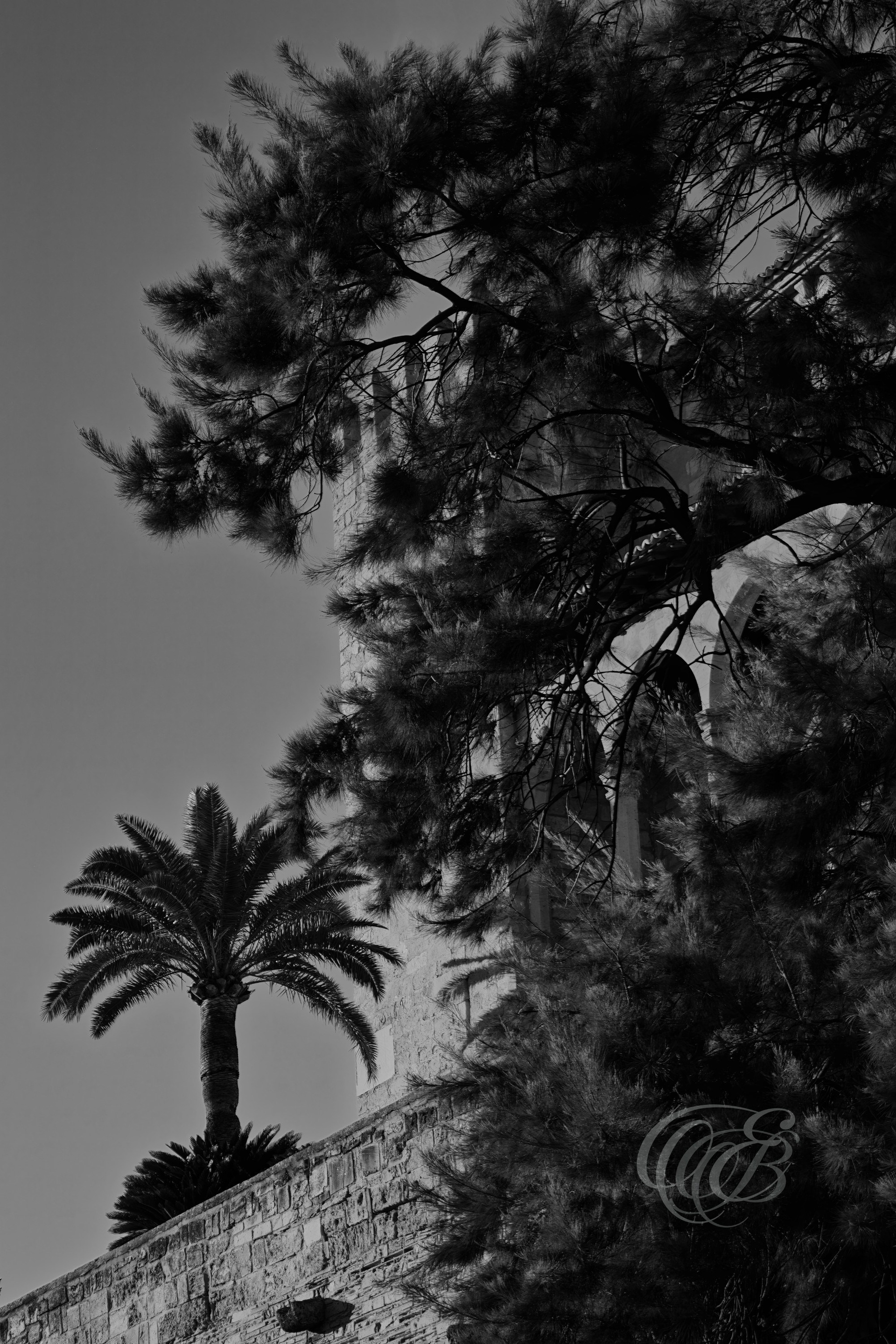
The Royal Palace of La Almudaina rises above the historic waterfront of Palma, reflecting centuries of Mediterranean and Spanish royal history through its Gothic and Moorish architectural influences. This black and white fine art photograph highlights the structure’s historic presence, stone textures, and commanding silhouette overlooking the Bay of Palma. The monochrome presentation reinforces the timeless atmosphere of one of Mallorca’s most recognizable cultural landmarks. Eduardo Bartoli Photography.
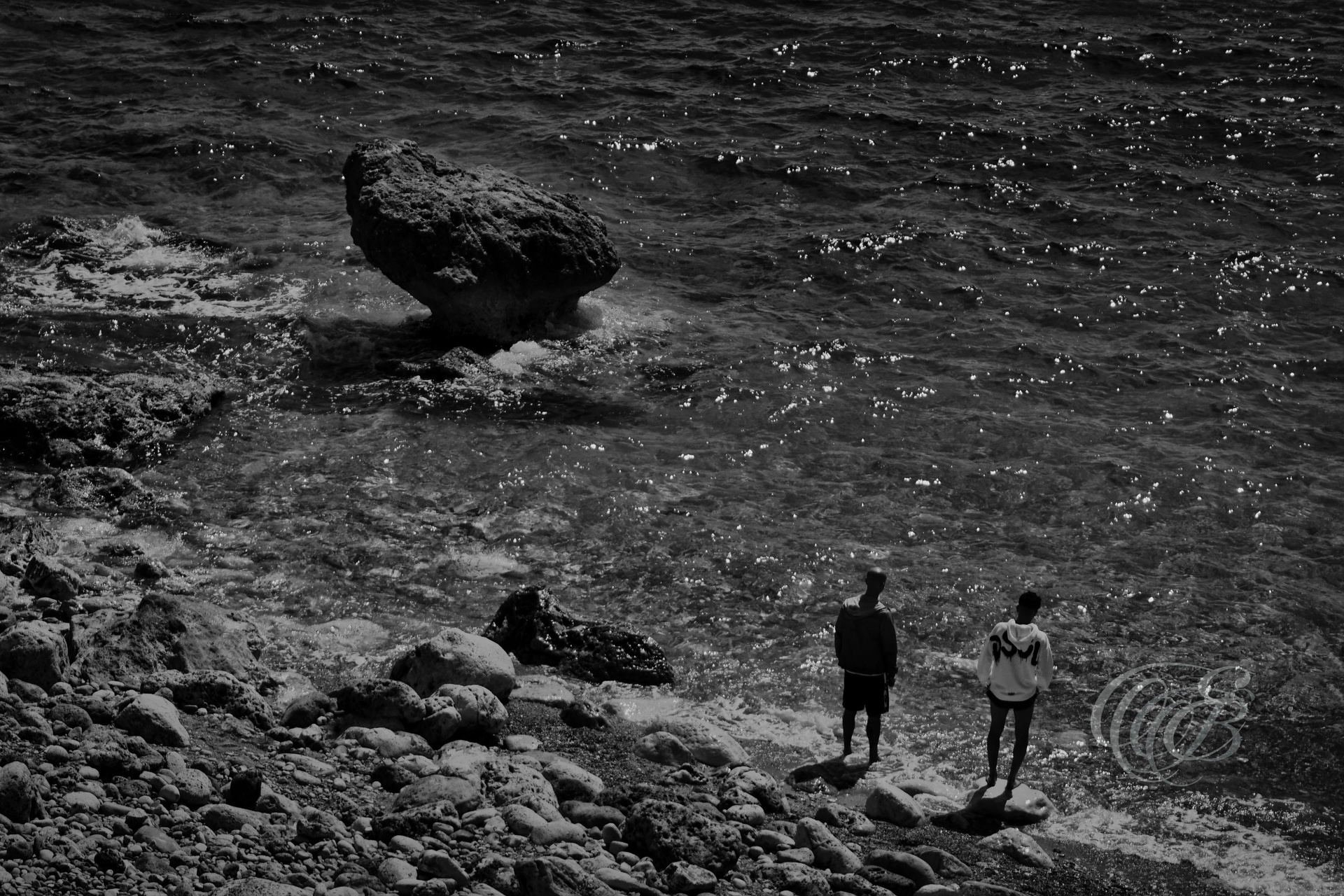
Punta des Grells is a coastal area on the western edge of Palma de Mallorca, known for its distinctive shoreline and Mediterranean setting. By removing the distraction of color, this black and white interpretation brings greater attention to the interplay of light, form, and natural structure within the landscape. The monochrome palette creates a refined visual atmosphere, revealing details and relationships that might otherwise go unnoticed. Eduardo Bartoli Photography.
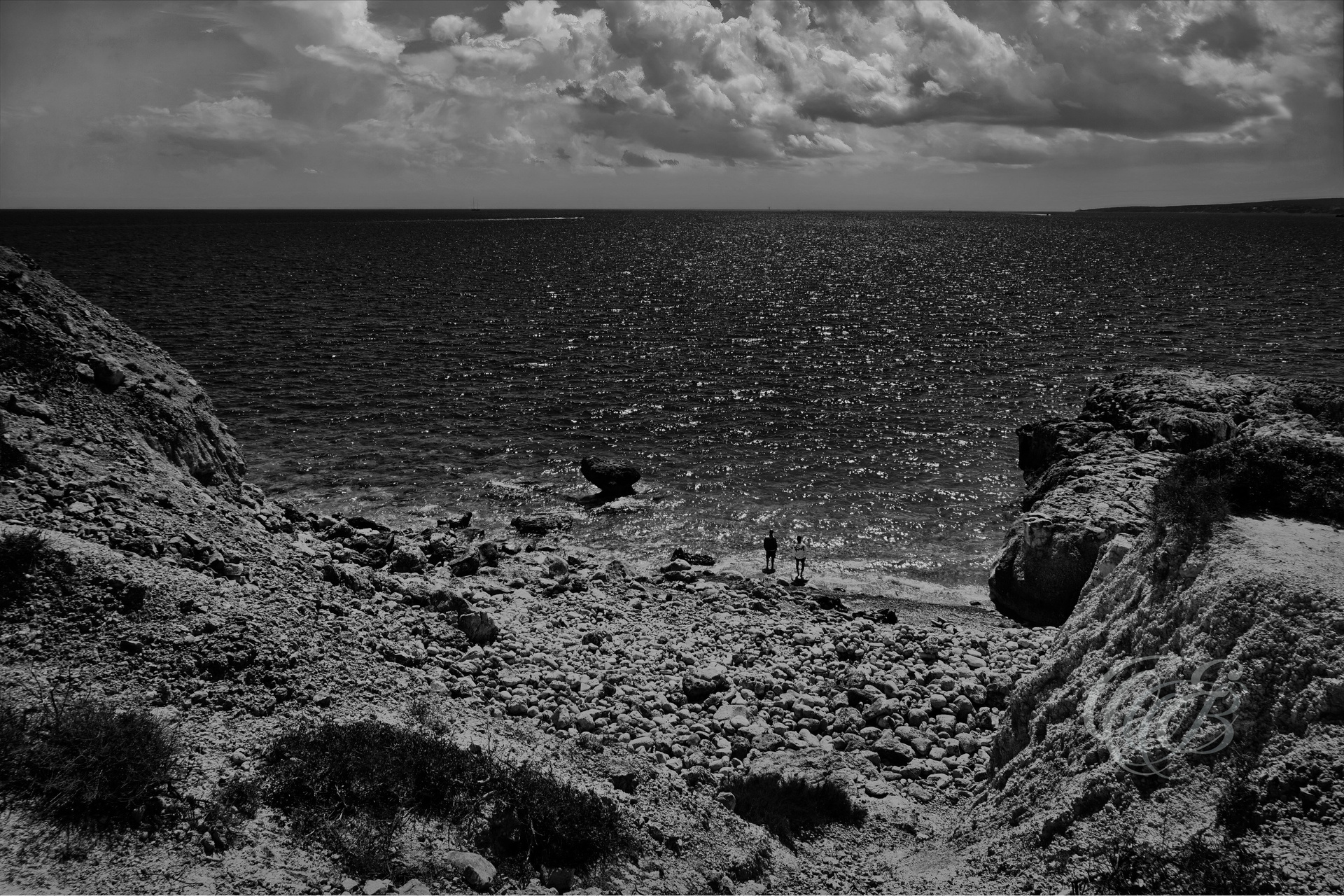
The Torrenova cliffs near Magaluf overlook one of Mallorca’s most recognizable coastal regions, where limestone formations have long shaped the appearance of the shoreline. In this black and white matte presentation, attention shifts toward the natural patterns, tonal variations, and visual structure of the landscape. The restrained palette enhances the relationship between land and sea, offering a contemplative view of Mallorca’s coastal environment. Eduardo Bartoli Photography.
The Royal Palace of La Almudaina, located beside Palma Cathedral along the historic waterfront of Palma de Mallorca, reflects the island’s layered history through its blend of Islamic foundations and Gothic royal architecture. This black and white fine art photograph draws attention to the palace’s architectural form, historic stonework, and enduring presence overlooking the Mediterranean coast. The monochrome treatment enhances the timeless atmosphere surrounding one of Mallorca’s most significant cultural and historical landmarks. Eduardo Bartoli Photography.
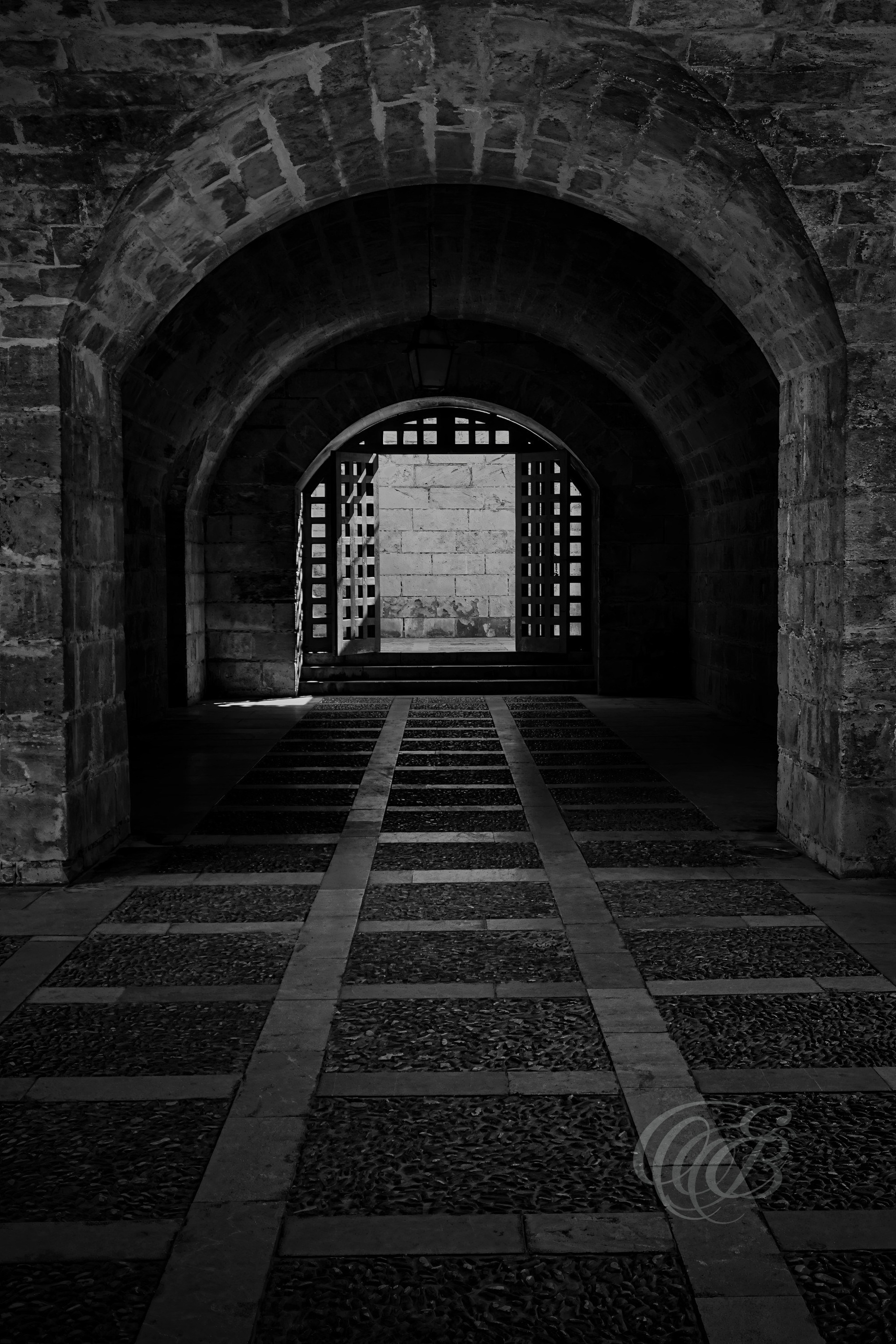
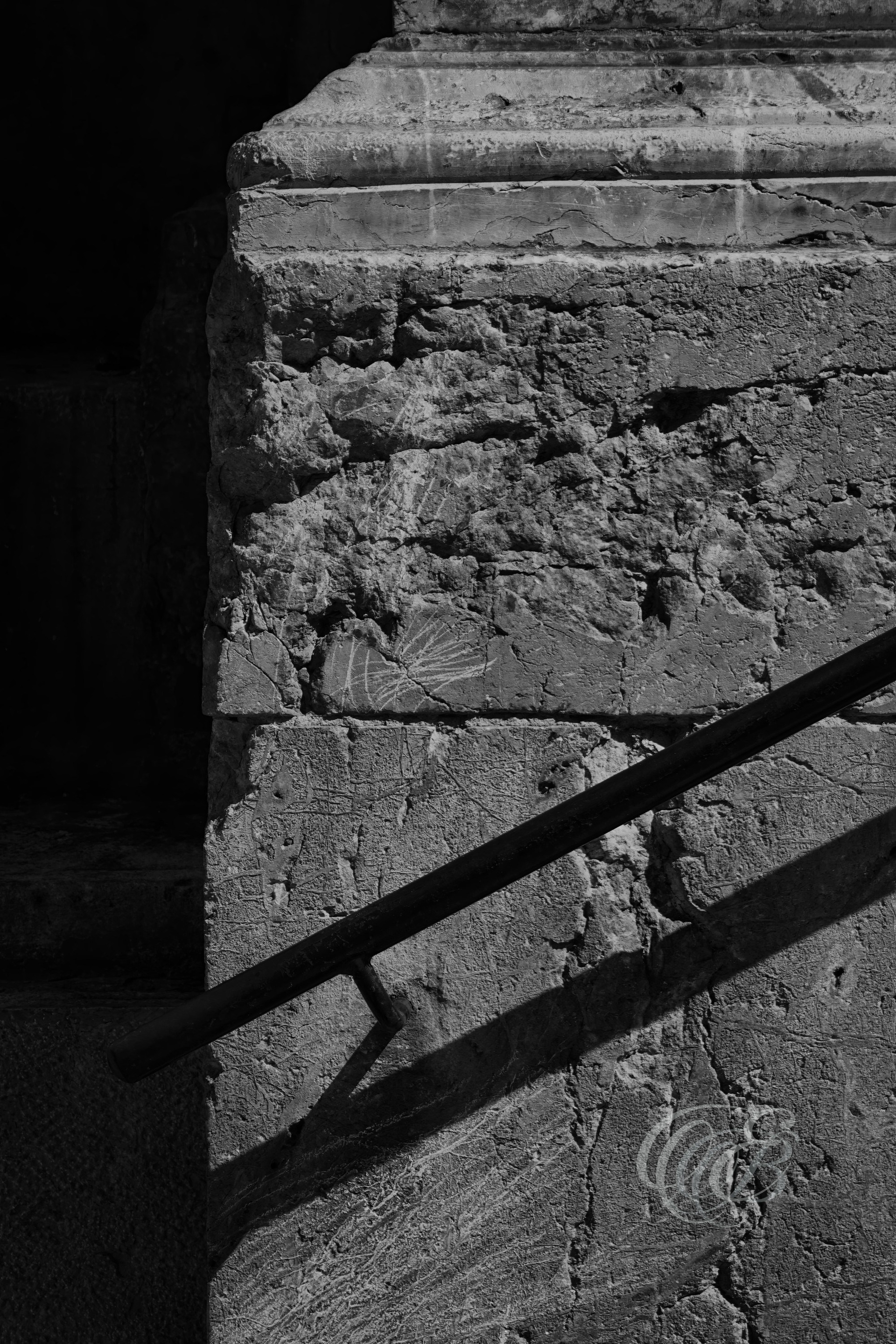
The Royal Palace of La Almudaina stands among the most important historic sites in Palma de Mallorca, reflecting centuries of cultural and architectural history on the island. Captured within the lower passageways of the palace, this black and white photograph emphasizes atmosphere, stone textures, and the interplay of light and shadow. The monochrome presentation enhances the sense of depth and permanence often associated with the oldest sections of historic structures. Eduardo Bartoli Photography.
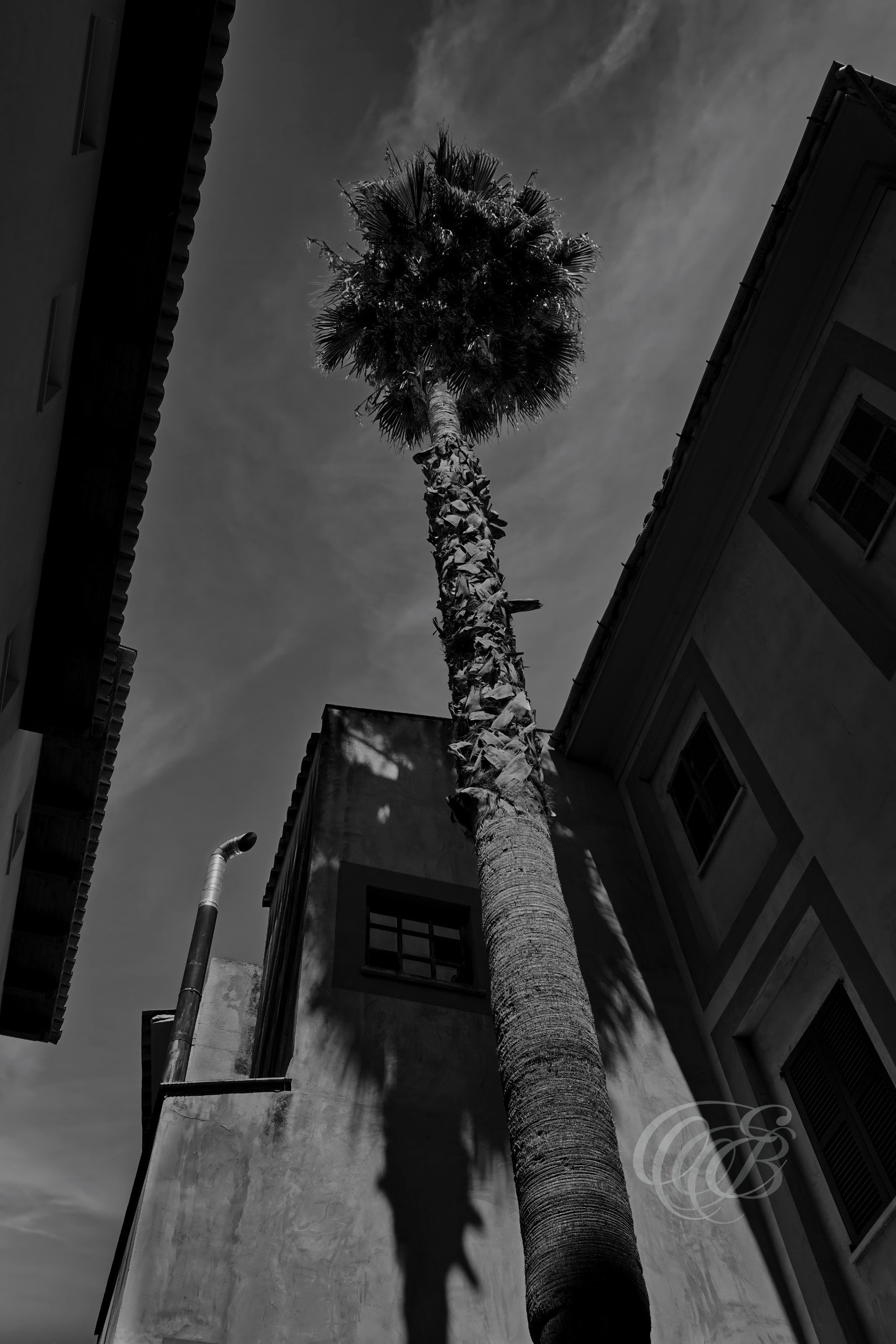
Carrer de la Mestra reflects the architectural character and everyday urban atmosphere found throughout many Mallorcan communities. This black and white fine art interpretation emphasizes the interplay of form, texture, and contrast within the streetscape, drawing attention to the visual relationships that shape the scene. The monochrome presentation creates a timeless perspective, highlighting elements of Mallorca’s built environment beyond the influence of color. Eduardo Bartoli Photography.
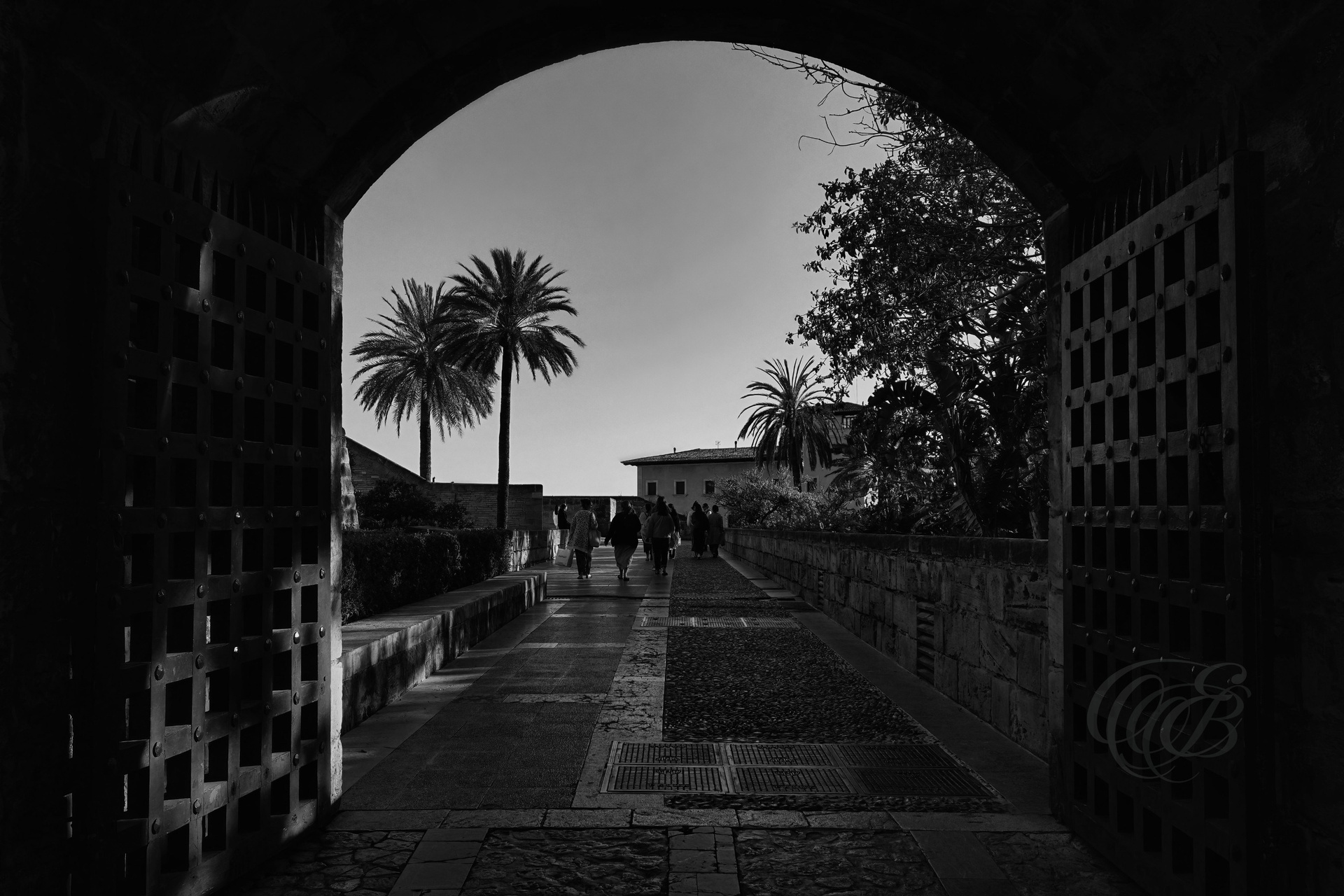
The Royal Palace of La Almudaina remains one of Palma’s most significant historic landmarks, with origins that trace back to the island’s Islamic period before later becoming a royal residence after the conquest of Mallorca in 1229. The Black and White presentation emphasizes the architectural lines, textures, and historic character of the structure, offering a more timeless interpretation of one of the Balearic Islands’ most recognized monuments. Eduardo Bartoli Photography.
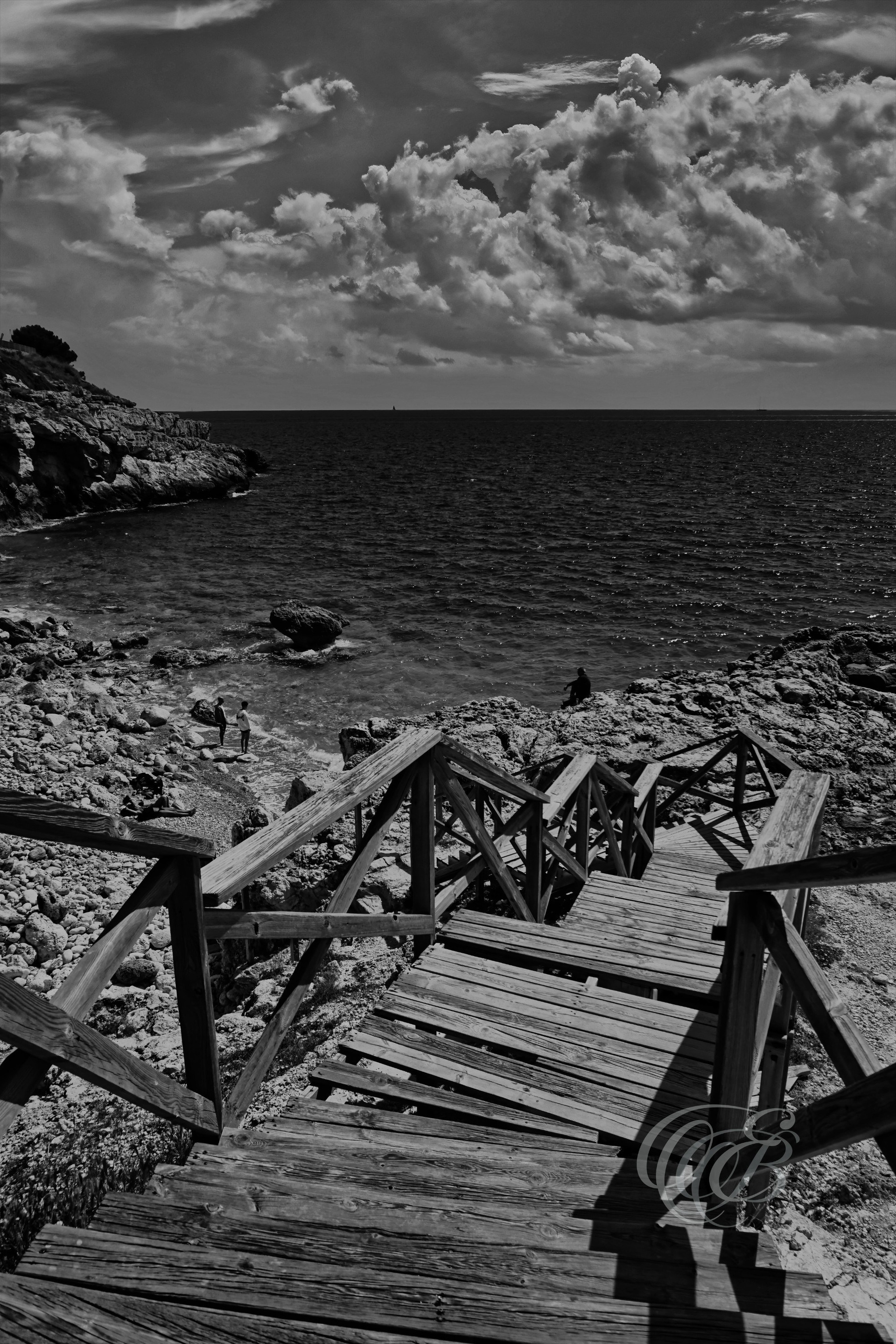
Punta des Grells is a coastal area along the western edge of Palma known for its rocky Mediterranean shoreline, limestone formations, and open sea views characteristic of Mallorca’s natural landscape. Shaped by coastal erosion and the movement of the sea over centuries, the area reflects the rugged geography found throughout the Balearic coastline. Captured in black and white, the image emphasizes the contrast between stone, water, and light while preserving the timeless atmosphere of Mallorca’s coastal environment. Eduardo Bartoli Photography.
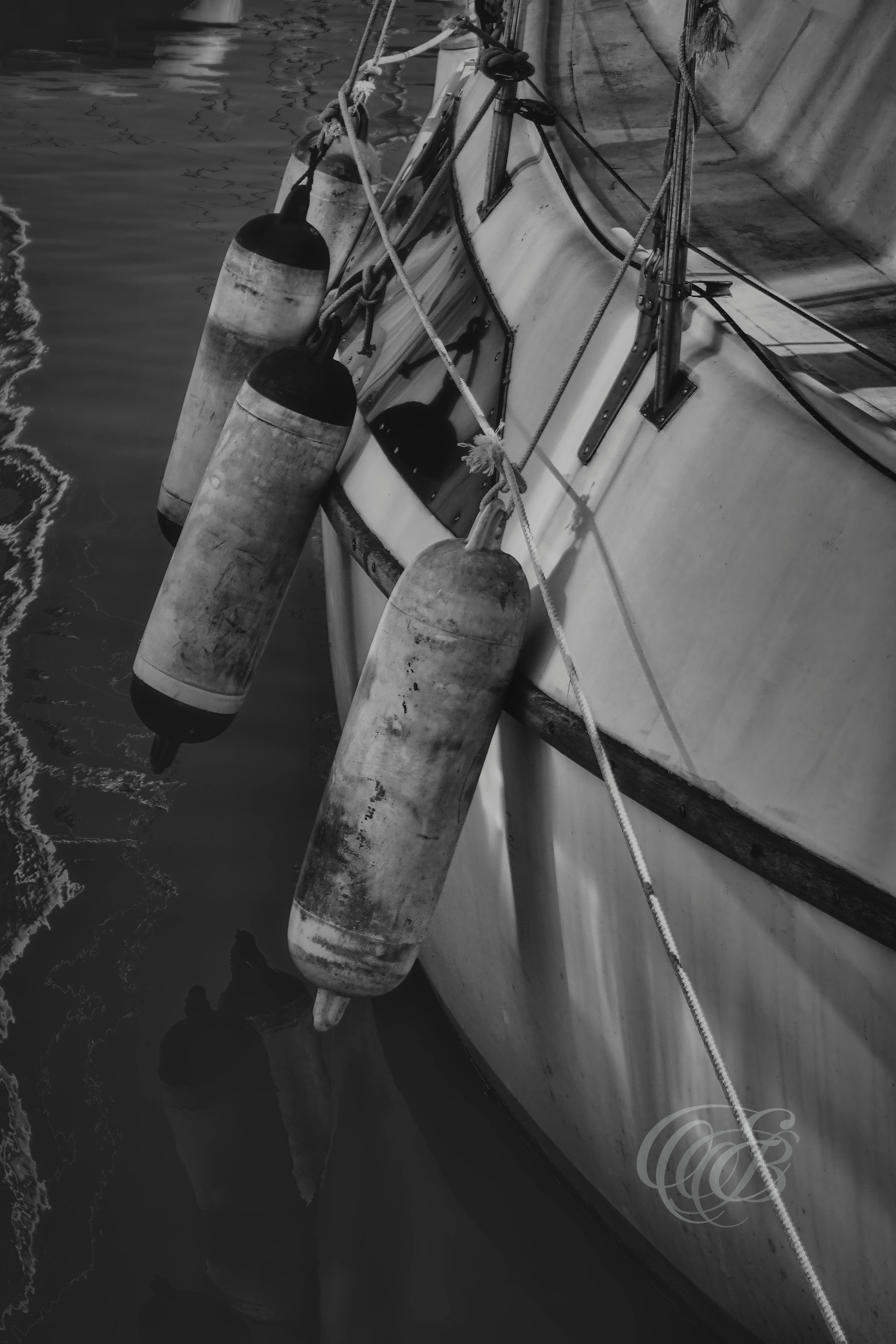
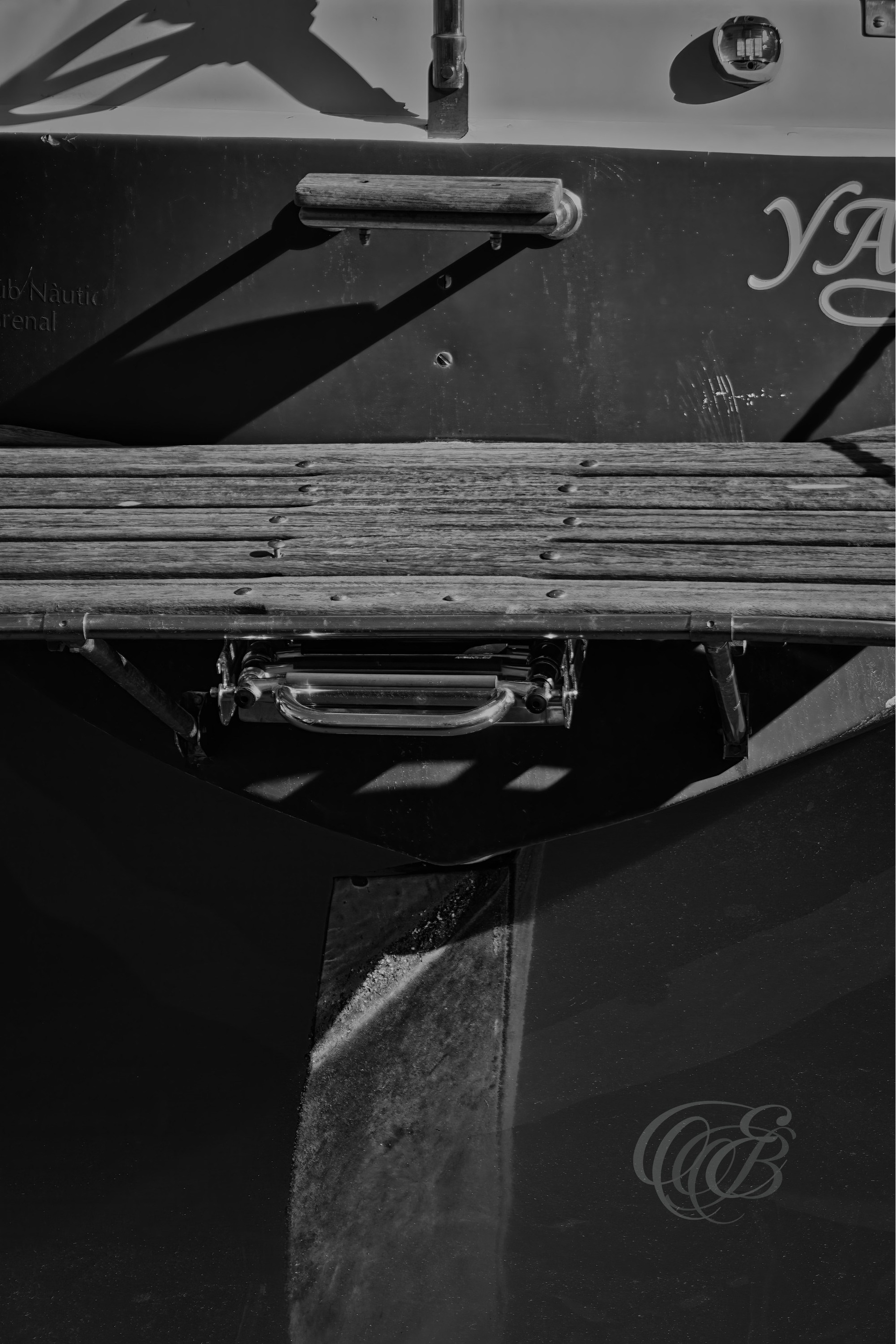
Mallorca’s harbors have long been shaped by the steady presence of vessels that connect the island to its maritime surroundings. Presented in a black and white matte style, this photograph shifts the focus toward form, surface detail, and tonal contrast, creating a quieter interpretation of the waterfront scene. The restrained palette evokes a sense of continuity between past and present, reflecting the enduring relationship between Mallorca and the Mediterranean. Eduardo Bartoli Photography.
Small boats and marinas have long been part of Mallorca’s coastal identity, reflecting the island’s enduring relationship with Mediterranean travel, fishing, and maritime culture. Traditional and vintage-style vessels remain common sights along the Balearic waterfront, where harbors connect historic towns with the surrounding sea. Presented in a black and white matte interpretation, the image emphasizes the quiet character, reflective surfaces, and timeless atmosphere of Mallorca’s marina environment. Eduardo Bartoli Photography.
The waterfronts of Mallorca combine everyday maritime activity with the island’s long-standing connection to the Mediterranean. Rendered in a black and white matte finish, this photograph emphasizes simplicity, tonal balance, and the quiet atmosphere often found along the docks. The monochrome treatment encourages attention to shape, reflection, and composition, offering a more contemplative view of the harbor environment. Eduardo Bartoli Photography.
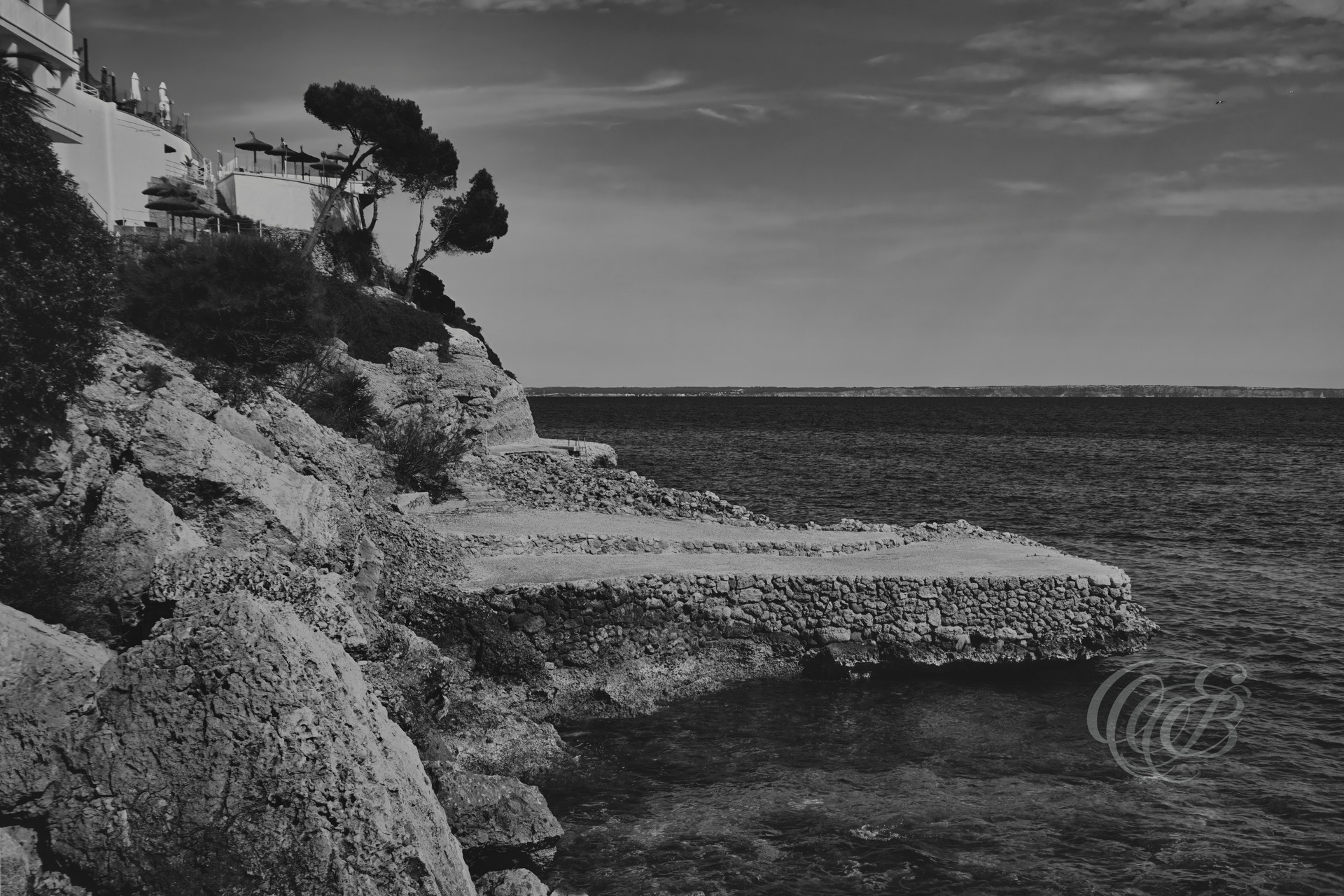
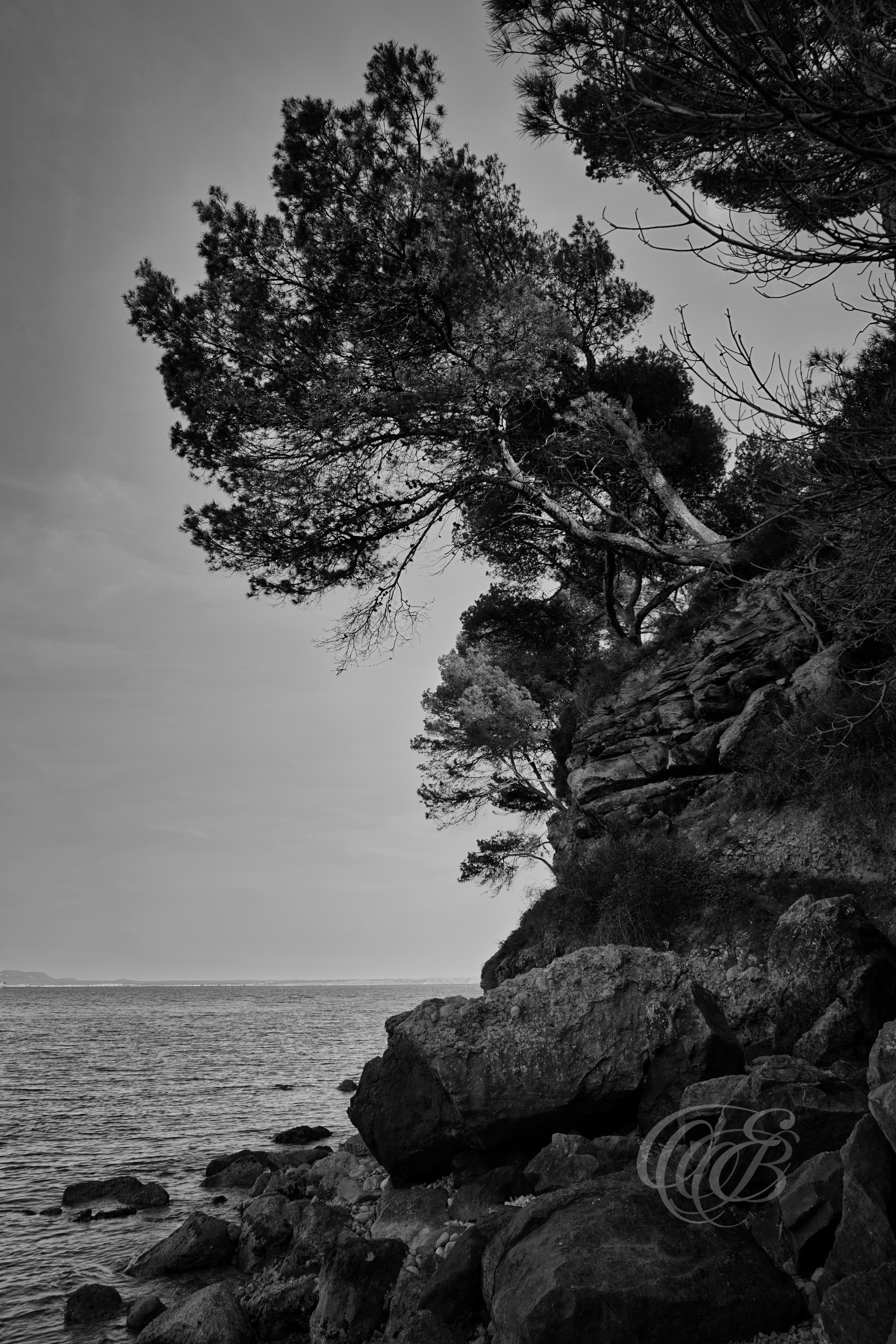
The coastline near Magaluf combines Mediterranean beaches, rocky shoreline formations, and native vegetation characteristic of the southwestern region of the island. Pine trees, including the Mediterranean pi blanc, are commonly found along Mallorca’s coastal landscapes, shaped by sea winds and the island’s warm climate. Rendered in black and white, the image highlights the contrast between natural forms, shoreline textures, and the open atmosphere of the Balearic coast. Eduardo Bartoli Photography.
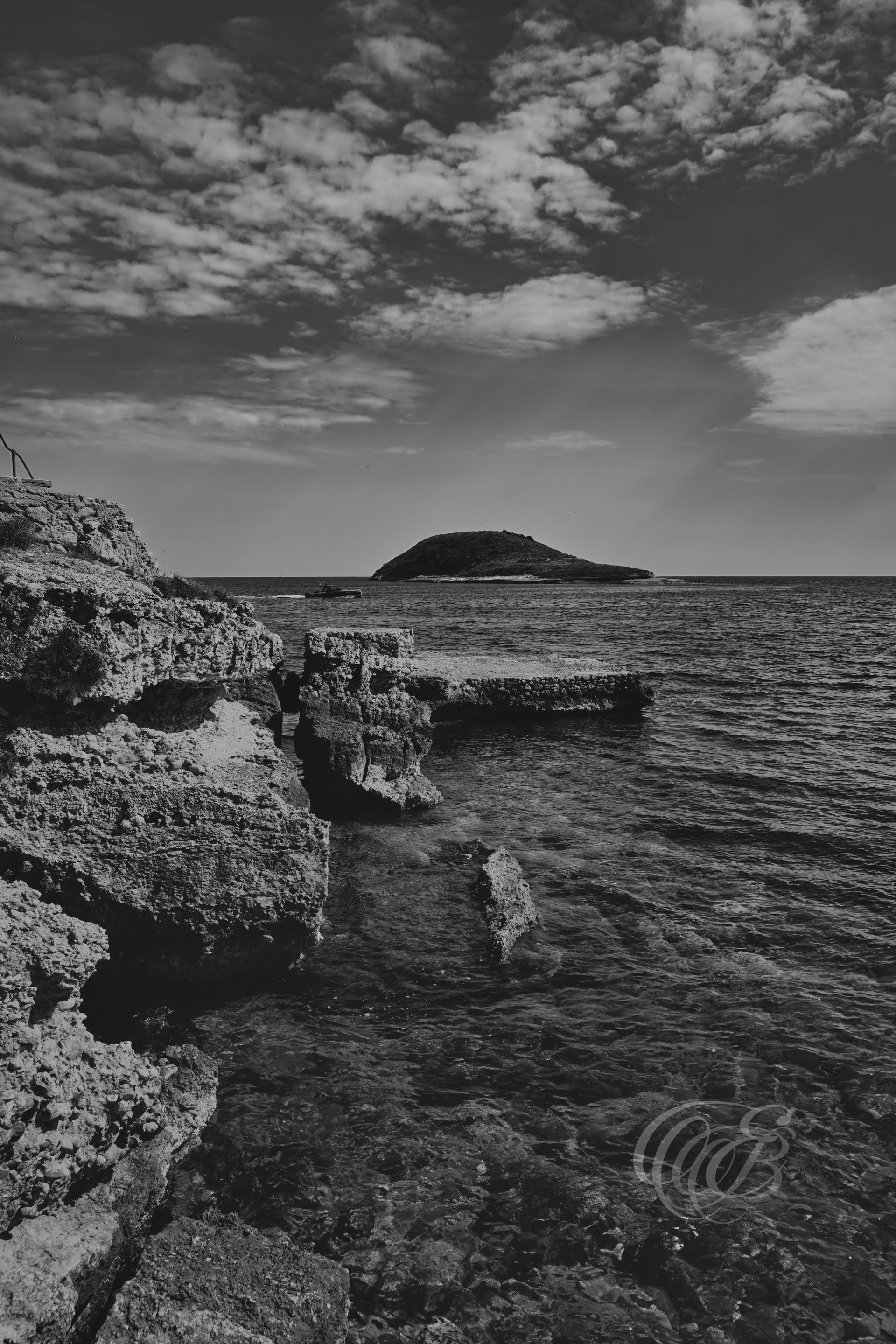
The Torrenova coastline near Magaluf is characterized by elevated limestone cliffs and open Mediterranean views along the southwestern shores of the island. Rendered in black and white, the scene draws attention to the contrast between the textured rock formations and the surrounding sea, revealing the rugged geological character of this coastal landscape. The grayscale tones give the shoreline a more timeless presence shaped by light, wind, and centuries of Mediterranean erosion. Eduardo Bartoli Photography.
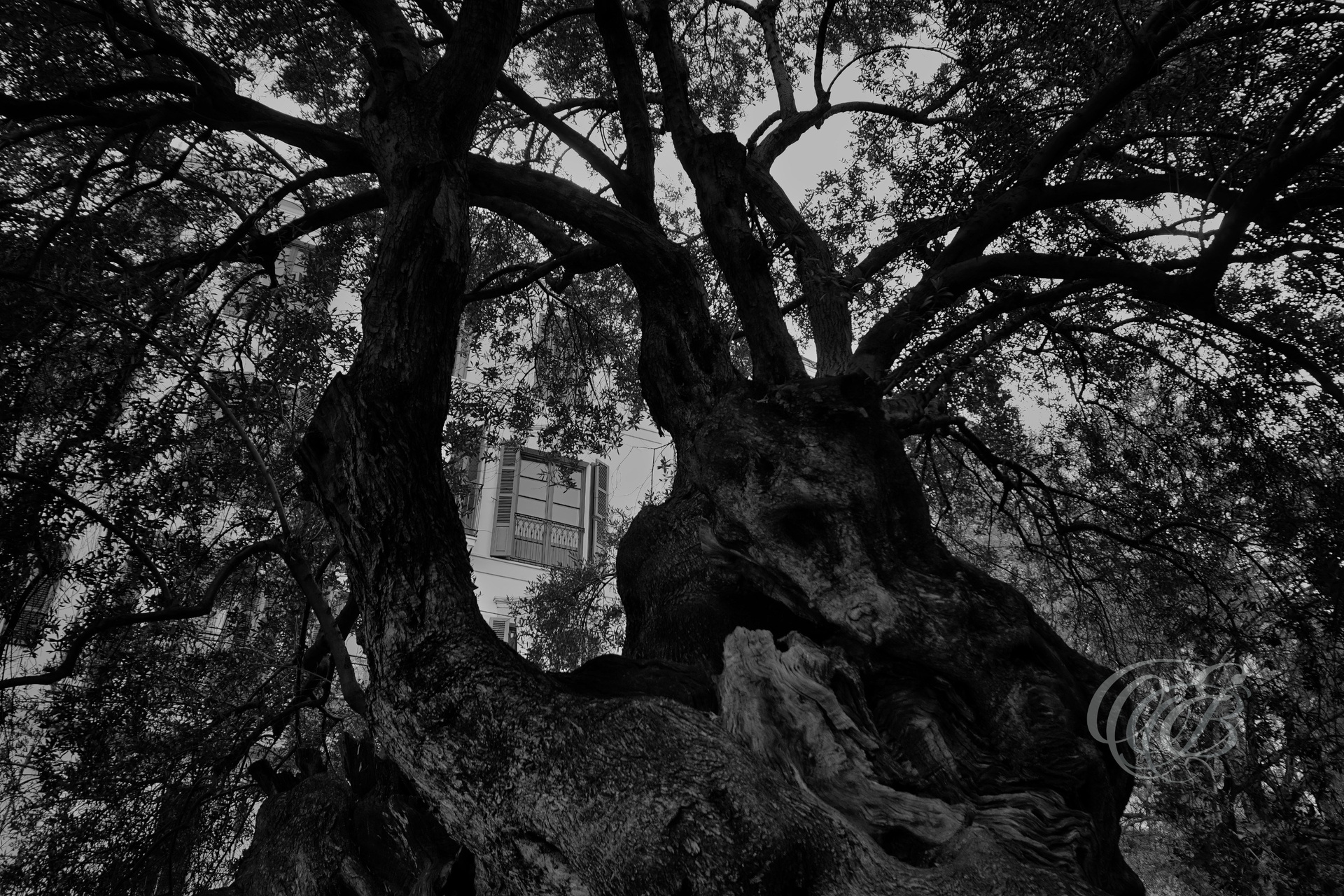
The Olivera de Cort, located in Palma’s historic center, is one of the island’s most recognized living symbols and is believed to be centuries old. Positioned beside the city hall in Plaça de Cort, the ancient olive tree reflects Mallorca’s long agricultural and Mediterranean heritage tied to olive cultivation across the Balearic Islands. Captured in black and white, the image emphasizes the intricate texture of the twisted trunk and the enduring presence of this historic tree within the urban landscape of Palma. Eduardo Bartoli Photography.
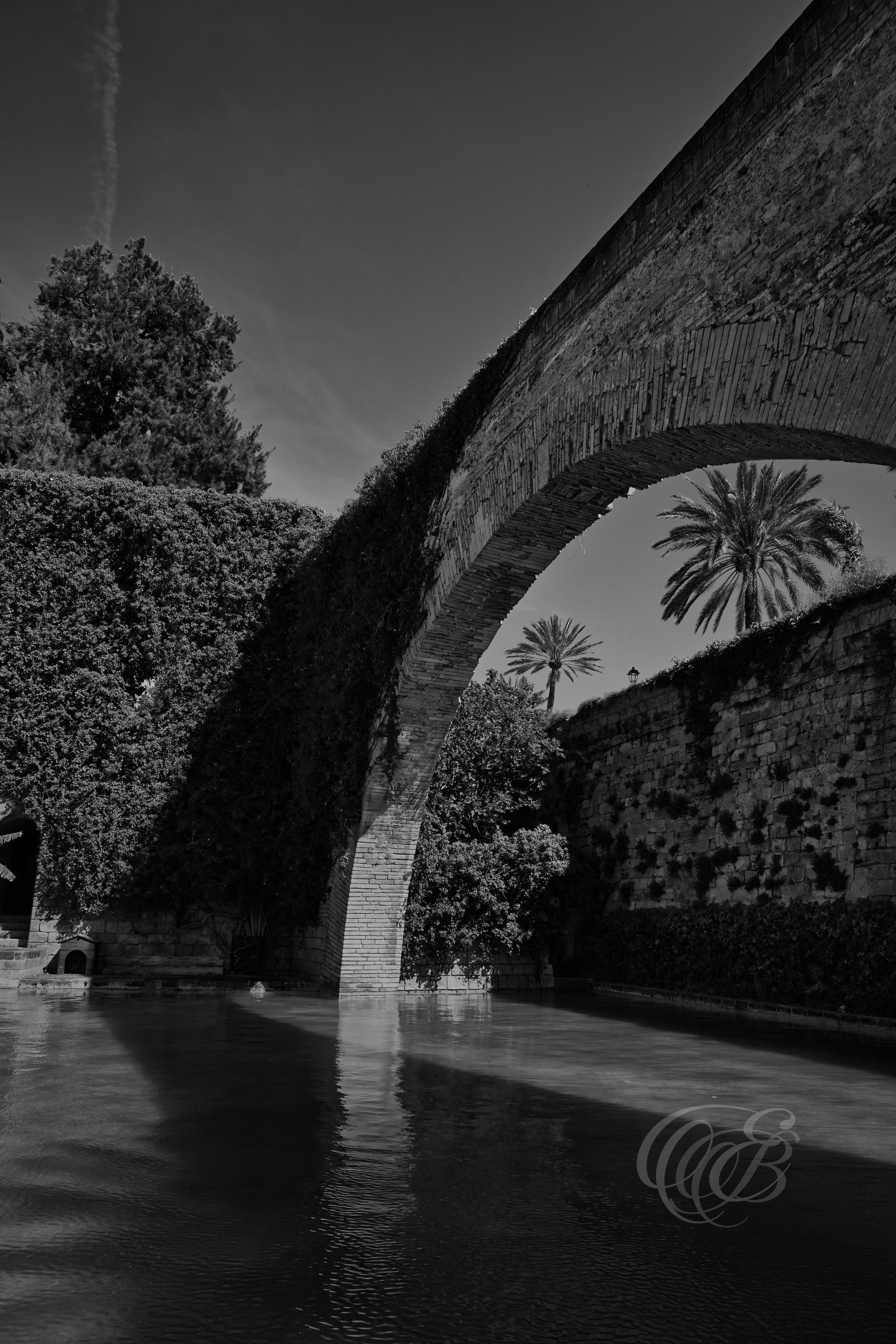
The Arc de sa Drassana, located within Palma’s historic old quarter near the former medieval shipyards, reflects the island’s long maritime history tied to Mediterranean trade and naval activity. Dating back to the medieval period, the stone arch stands as part of the architectural legacy surrounding the ancient docks that once supported the Crown of Aragon’s maritime presence in Mallorca. Presented in black and white, the image highlights the weathered textures, shadow, and historic character of the archway within the layered urban landscape of Palma. Eduardo Bartoli Photography.
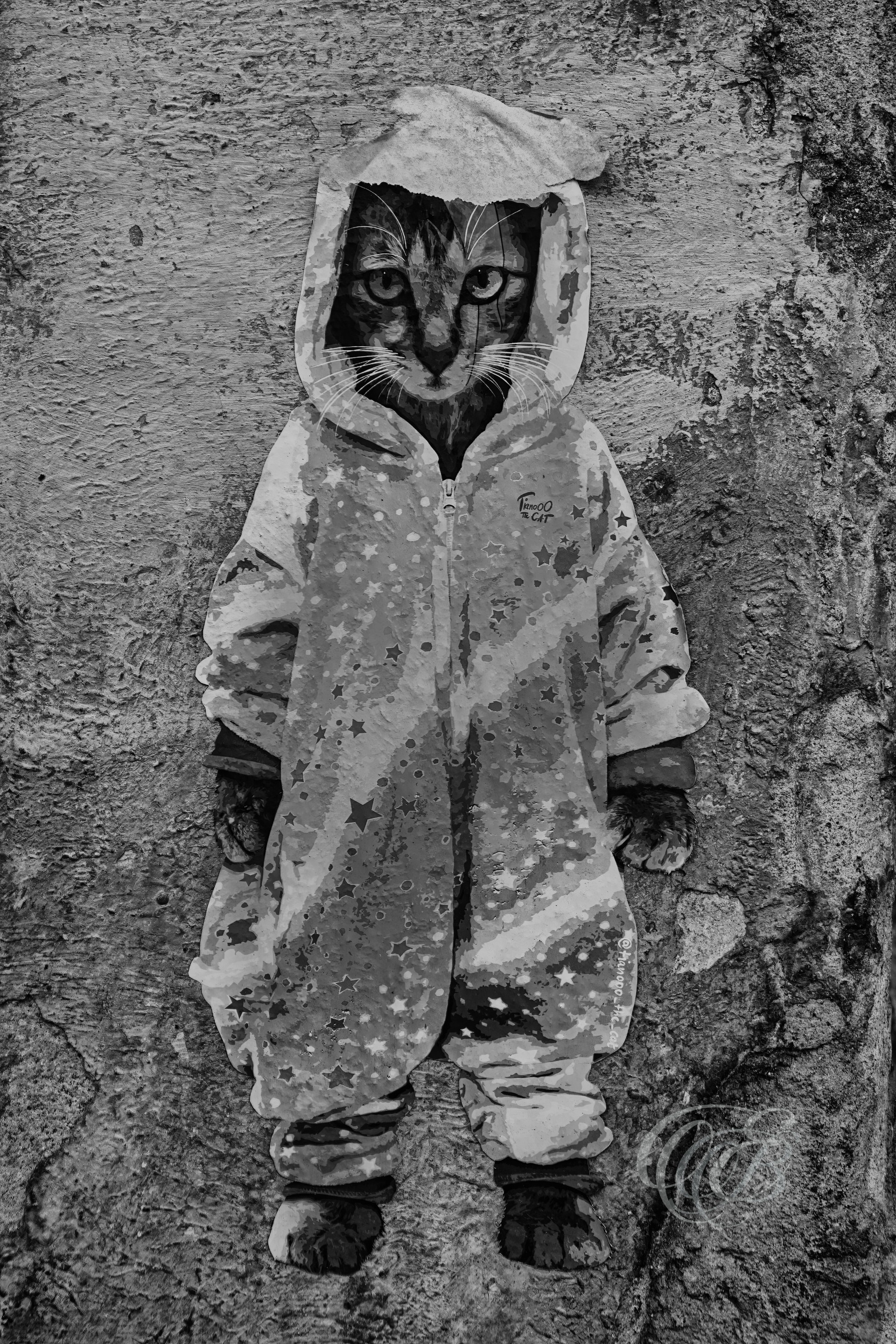
Street art and graffiti have become part of the evolving visual culture found throughout Palma and other urban areas of the island, where contemporary artistic expression appears alongside historic Mediterranean architecture. Captured in black and white, this image of the “Tiano the Cat” graffiti highlights the contrast between urban textures, shadow, and public art within Mallorca’s city environment. The monochrome tones emphasize the graphic character and atmosphere of the street scene while preserving its modern artistic presence. Eduardo Bartoli Photography.
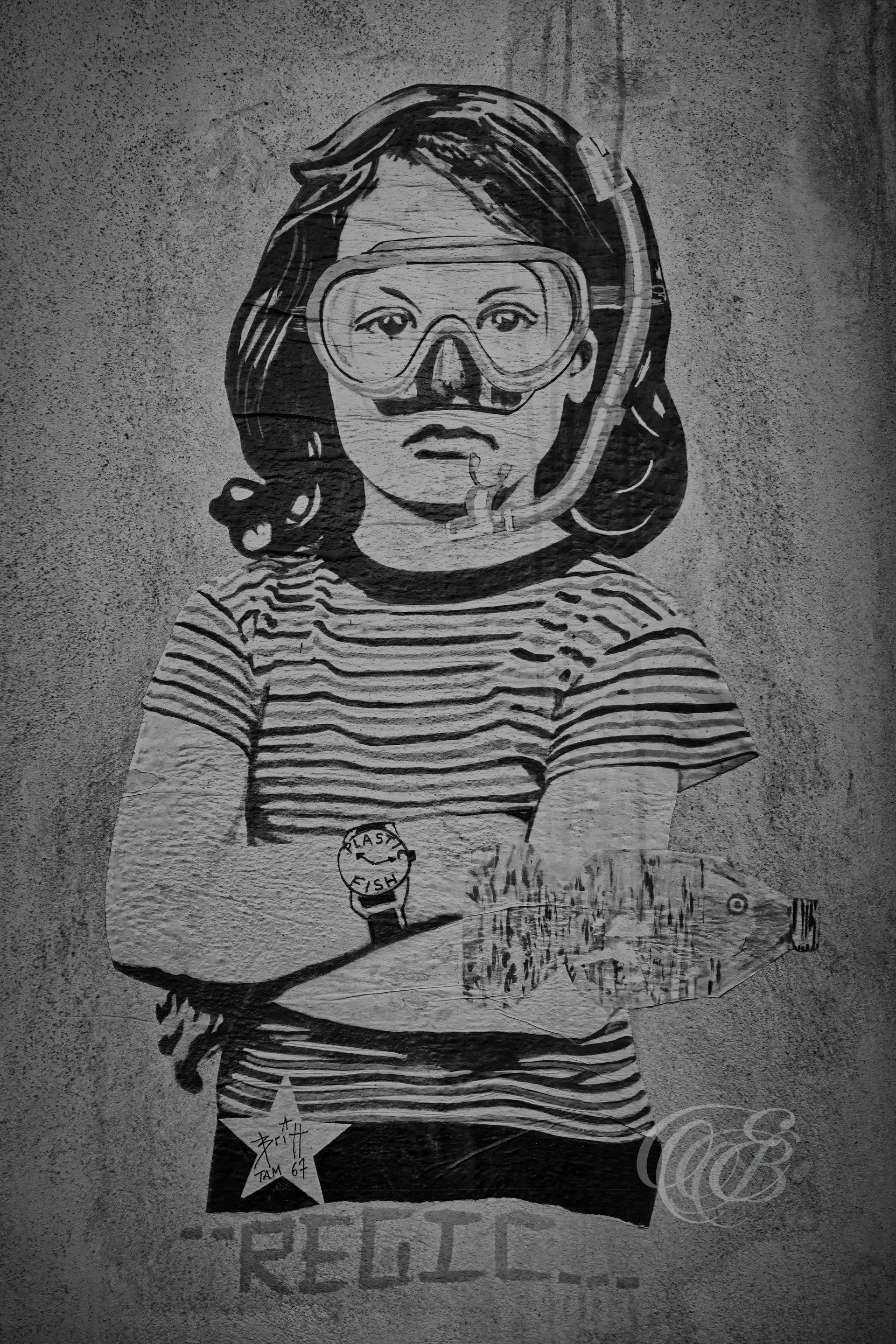
Contemporary street art forms part of the modern urban landscape of Palma, where public walls and city spaces become surfaces for artistic expression within the historic Mediterranean environment. Rendered in black and white, this graffiti scene titled “Plastic Fish” emphasizes contrast, texture, and the layered character of Mallorca’s evolving street culture. The monochrome presentation draws attention to the interaction between urban surfaces, light, and contemporary visual art within the island’s city streets. Eduardo Bartoli Photography.
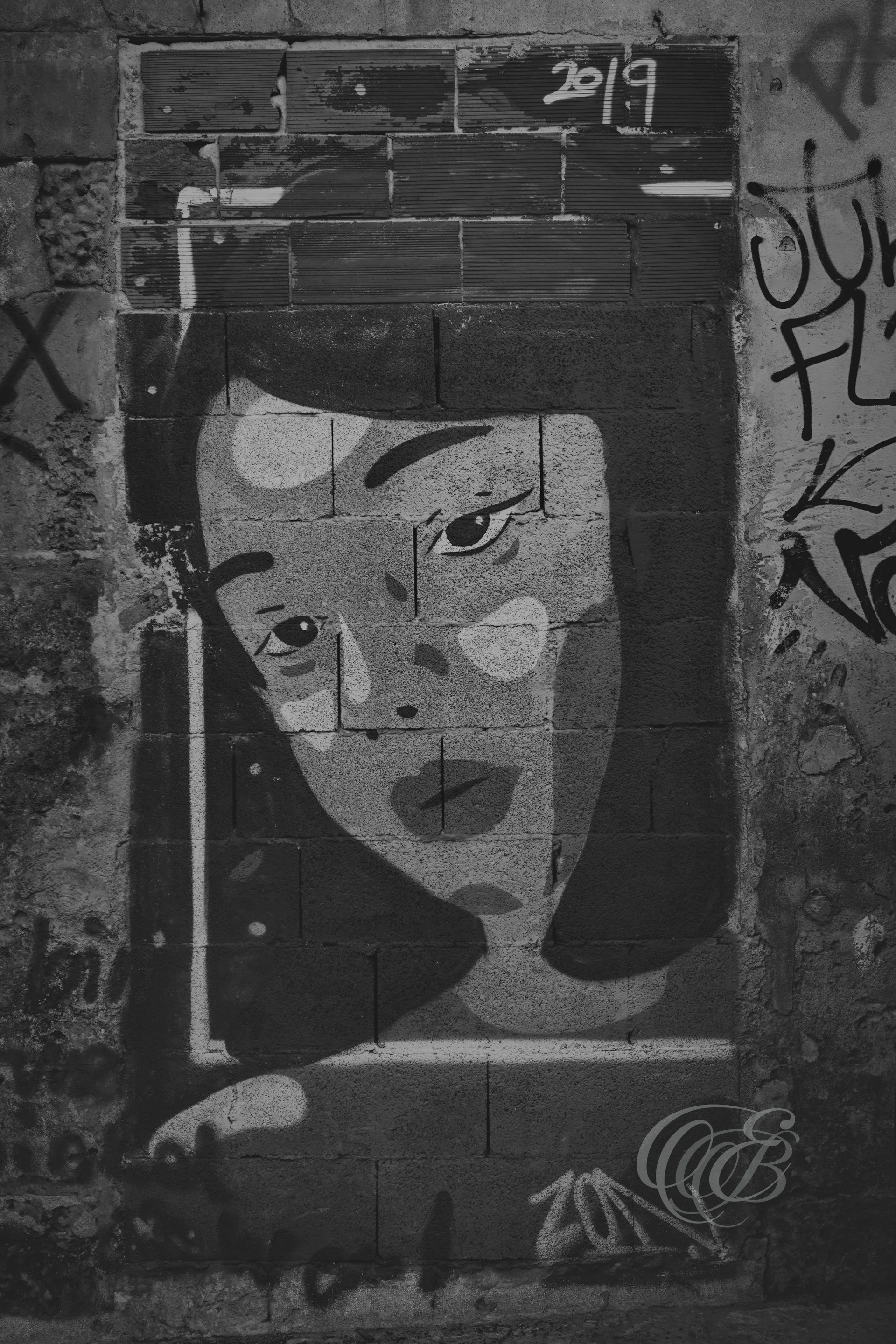
Urban graffiti and street art have become an established part of Palma’s contemporary visual landscape, adding modern artistic expression to the historic character of the city’s streets and walls. Presented in a black and white matte style, this image titled “Mysterious Girl” emphasizes tonal depth, surface texture, and the atmospheric quality of the urban environment. The softened monochrome finish enhances the balance between shadow, contrast, and contemporary street culture within Mallorca’s Mediterranean setting. Eduardo Bartoli Photography.
Punta des Grells Beach lies along the rocky western coastline near Palma, an area known for its Mediterranean waters, natural stone formations, and coastal scenery shaped by centuries of erosion and sea winds. Presented in black and white matte tones, the image highlights the interplay between light, shoreline textures, and the rugged character of Mallorca’s coastal landscape. The softened monochrome finish gives the scene a quiet and timeless atmosphere reflective of the island’s natural beauty. Eduardo Bartoli Photography.
The cliffside formations of Punta des Grells reflect the dramatic coastal geography found along the western shoreline near Palma, where limestone rock faces meet the Mediterranean Sea. Shaped over centuries by erosion, sea winds, and changing tides, the area forms part of Mallorca’s distinctive Balearic landscape. Captured in black and white, the image emphasizes the natural contours, rocky textures, and atmospheric contrast that define this section of the island’s coastline. Eduardo Bartoli Photography.
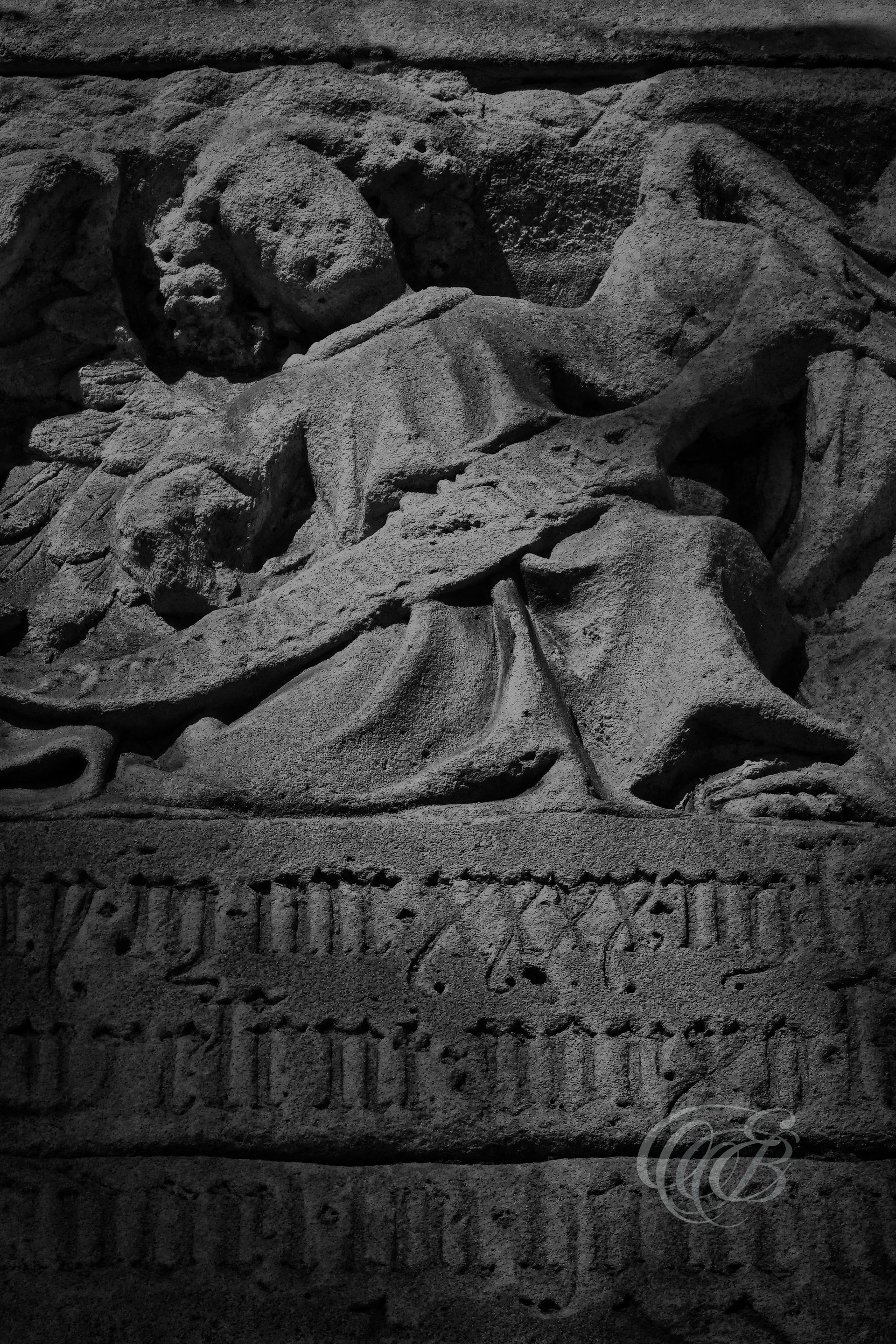
Sa Llotja, one of Palma’s most important examples of late Gothic civil architecture, has stood near the historic harbor since the 15th century as a symbol of Mallorca’s maritime and commercial past. This black and white fine art photograph focuses on the architectural bas relief details carved into the historic stone façade, emphasizing texture, craftsmanship, and the enduring character of the structure. The monochrome presentation reinforces the timeless atmosphere of Palma’s historic quarter and its Mediterranean heritage. Eduardo Bartoli Photography.
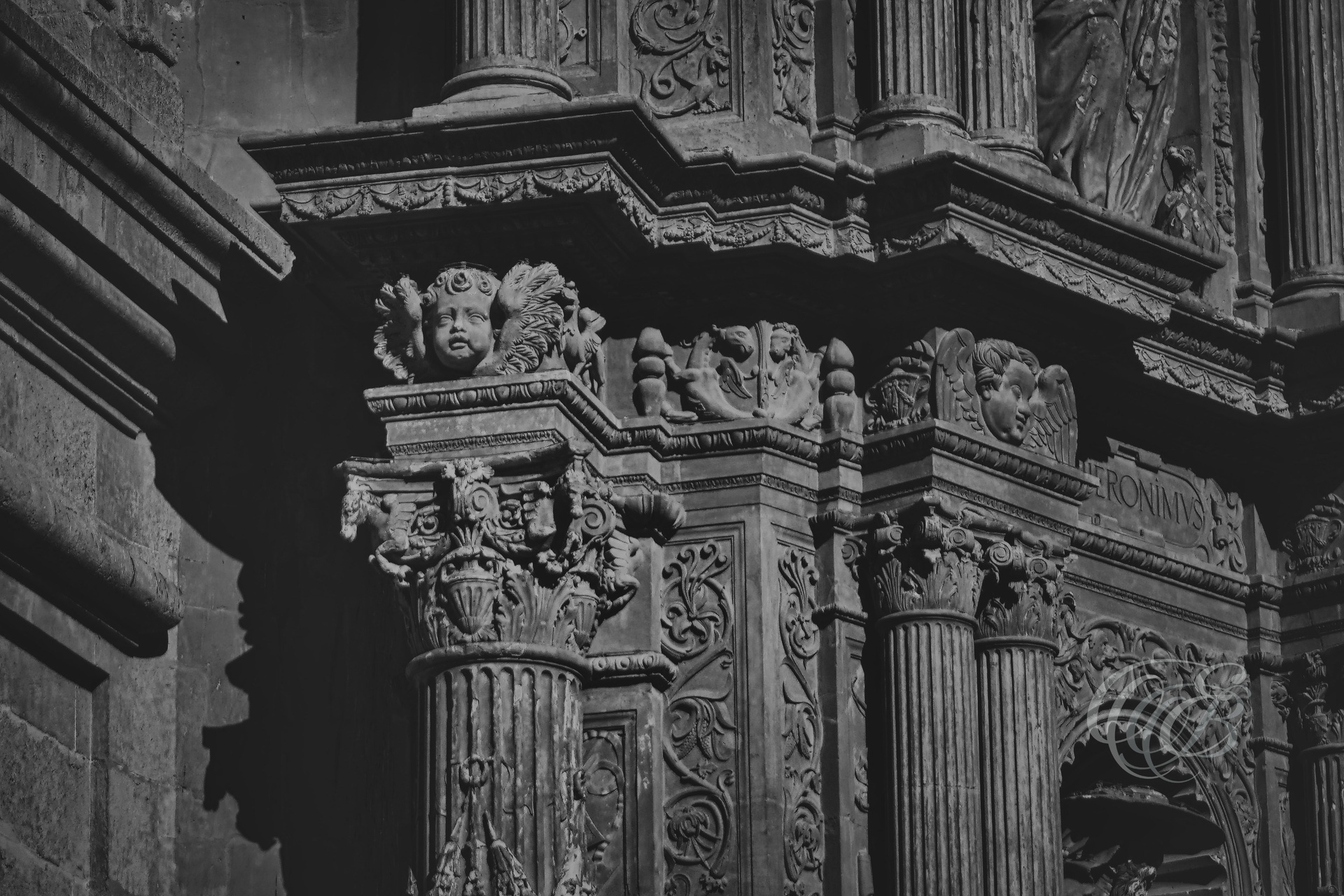
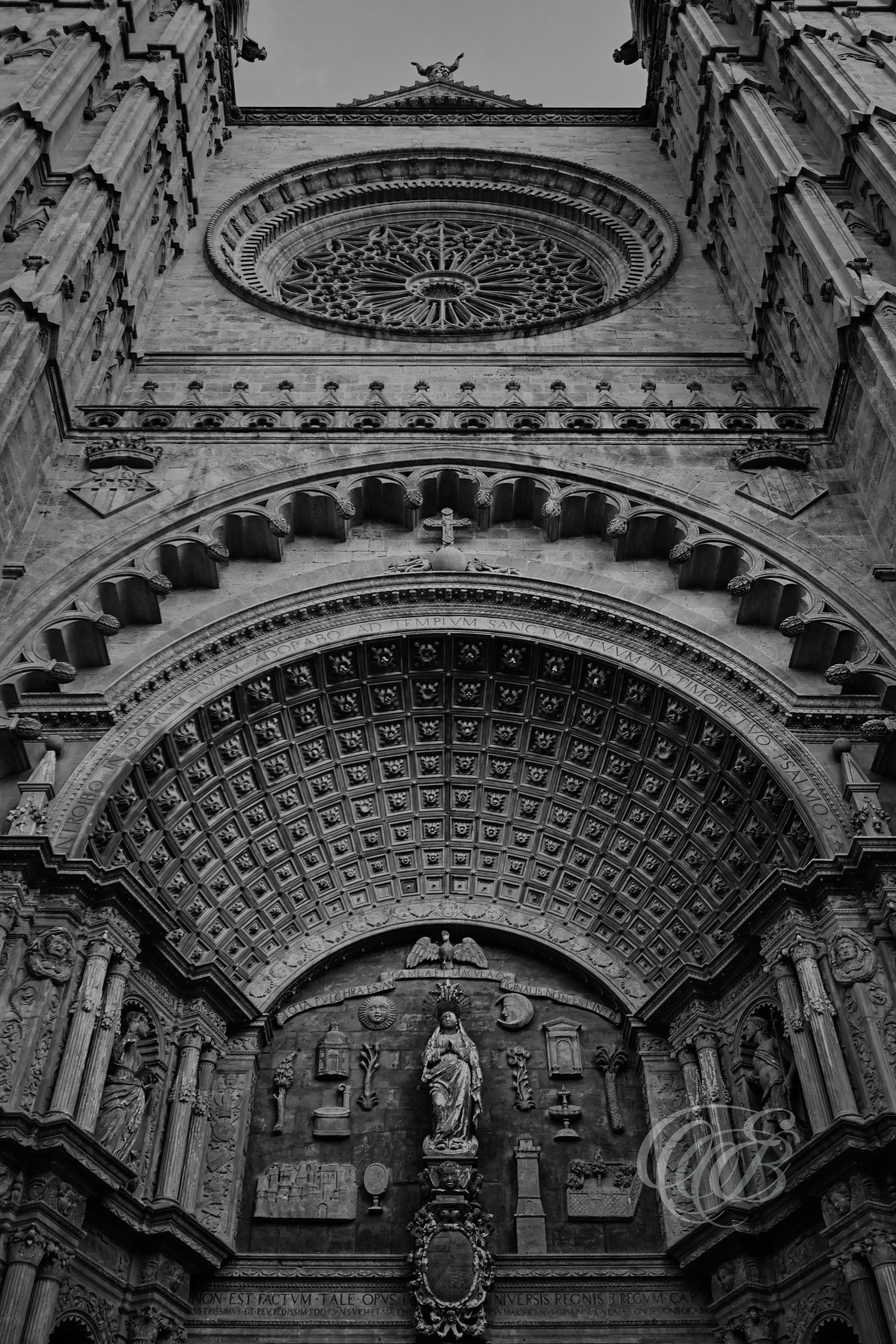
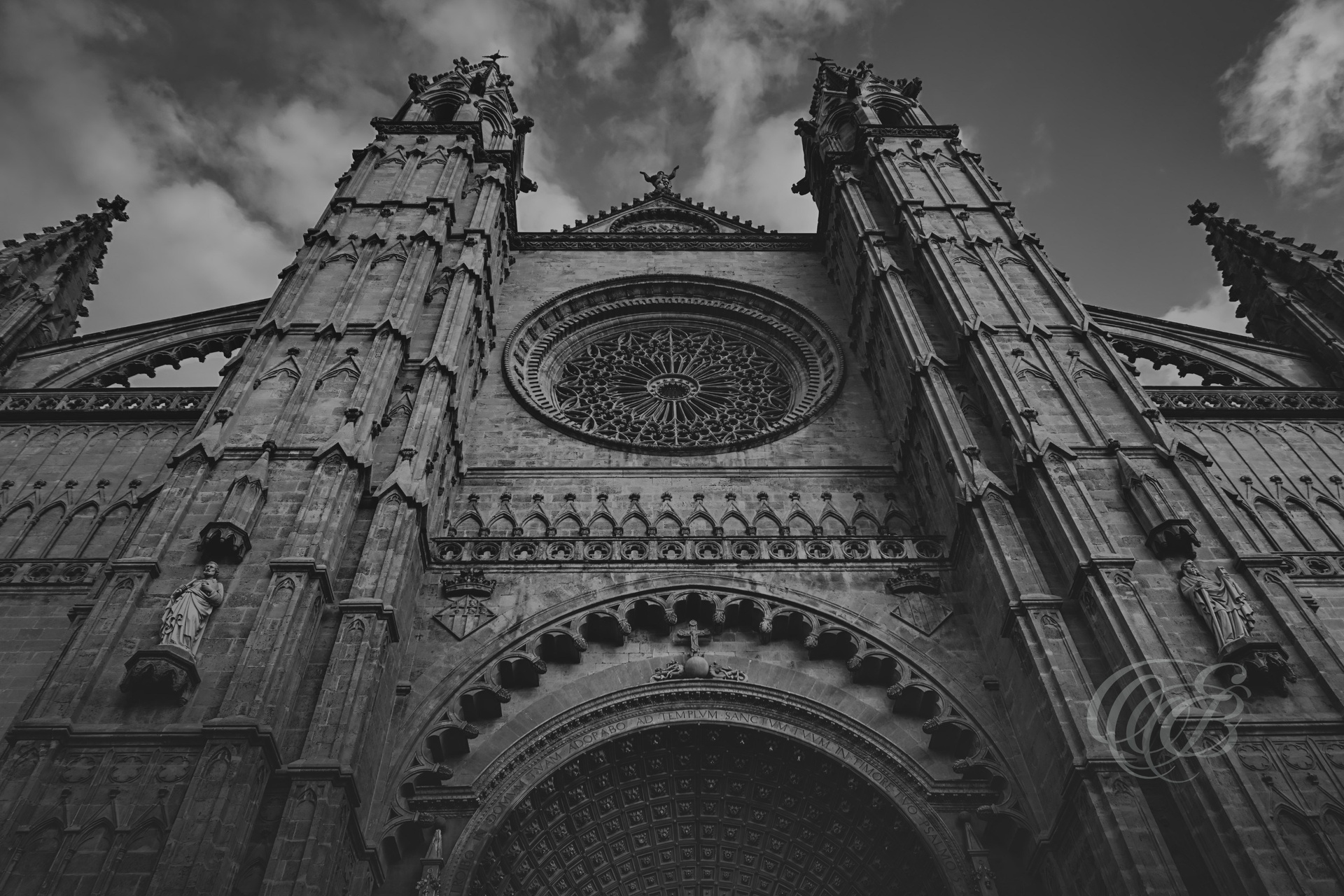
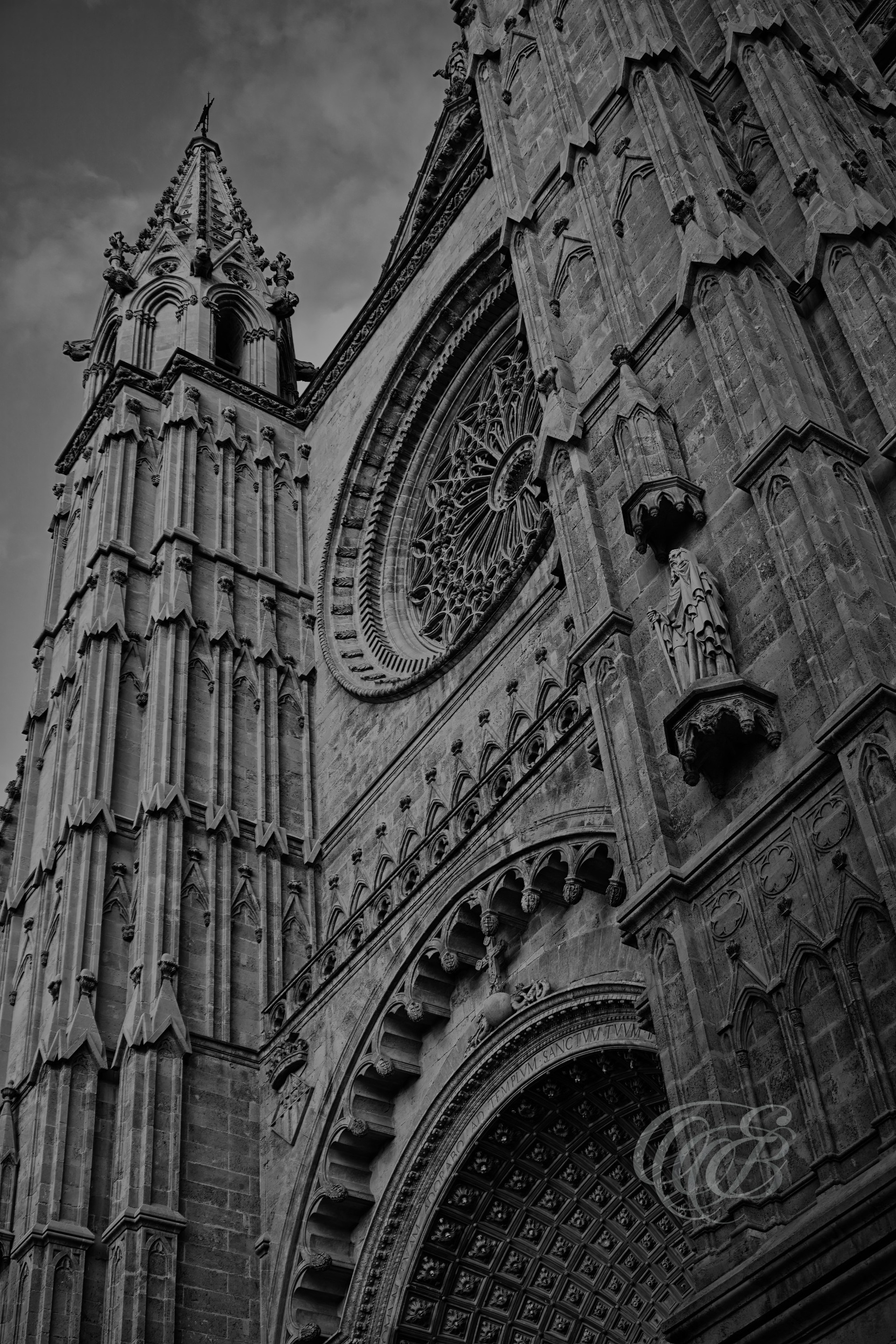
The façade of Santa María de Mallorca, widely known as Palma Cathedral or La Seu, stands as one of the most significant Gothic landmarks in the Mediterranean. Construction of the cathedral began in 1229 following the conquest of Mallorca by King James I of Aragon, and its architecture reflects centuries of artistic and religious history overlooking the Bay of Palma. Rendered in black and white, the image emphasizes the cathedral’s sculptural stonework, vertical lines, and monumental presence within the historic skyline of the city. Eduardo Bartoli Photography.
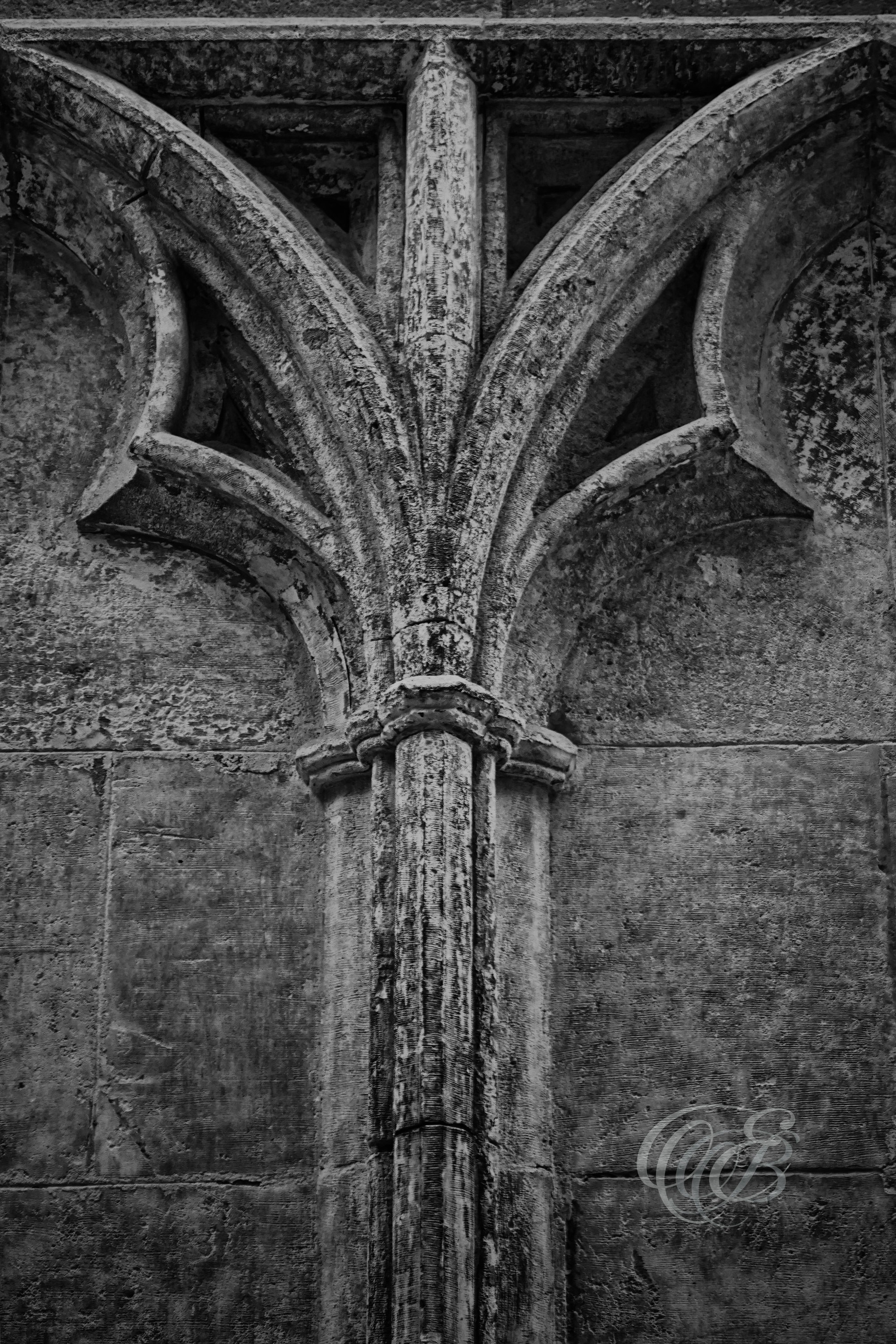
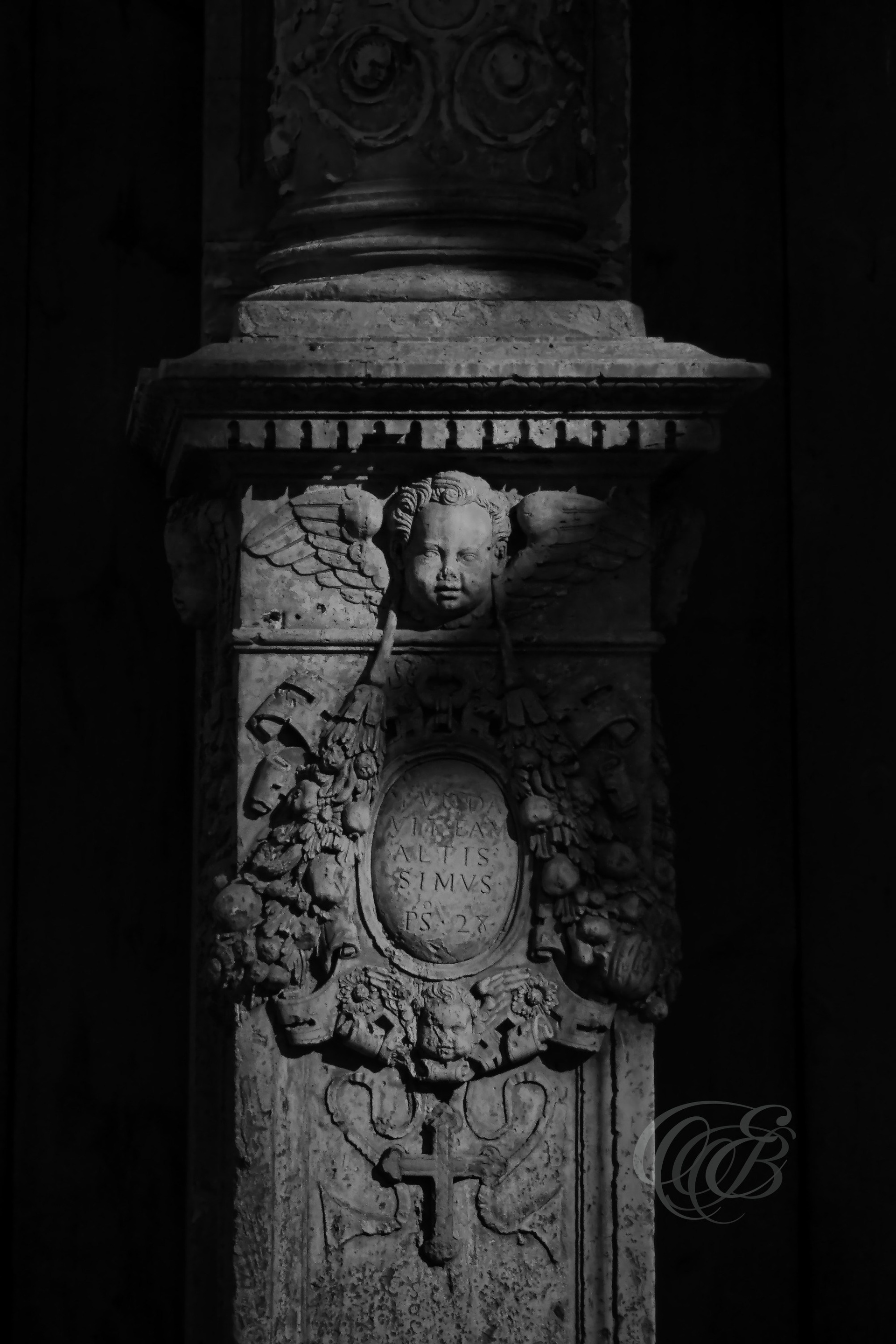
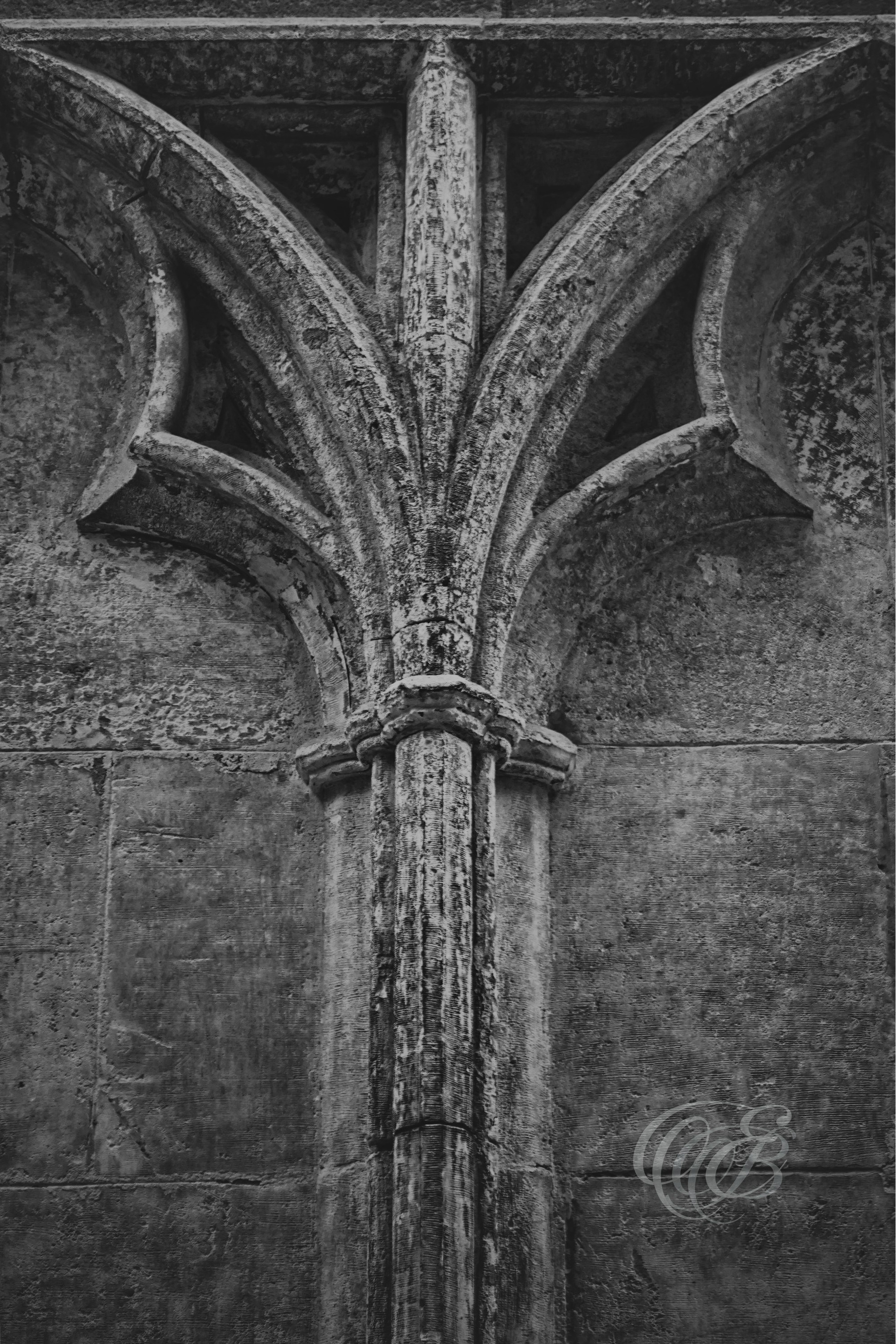
The Gothic architecture of the Basílica de Santa María de Mallorca preserves centuries of religious and artistic craftsmanship developed throughout the cathedral’s long construction from the 13th century onward. Carved stone details found across the structure reflect the architectural traditions that shaped Palma during the medieval period under the Crown of Aragon. Captured in black and white, this architectural study emphasizes the historic limestone textures, aged surfaces, and timeless character embedded within one of Mallorca’s most important landmarks. Eduardo Bartoli Photography.
The historic buildings associated with the Govern de les Illes Balears preserve architectural elements that reflect the island’s medieval and Gothic heritage within the old quarter of Palma. Many of these structures contain carved stone details and decorative features shaped by centuries of political, religious, and civic history tied to the Balearic Islands. Rendered in black and white, this architectural study emphasizes the aged limestone textures, historic craftsmanship, and enduring atmosphere found throughout Mallorca’s Gothic urban landscape. Eduardo Bartoli Photography.
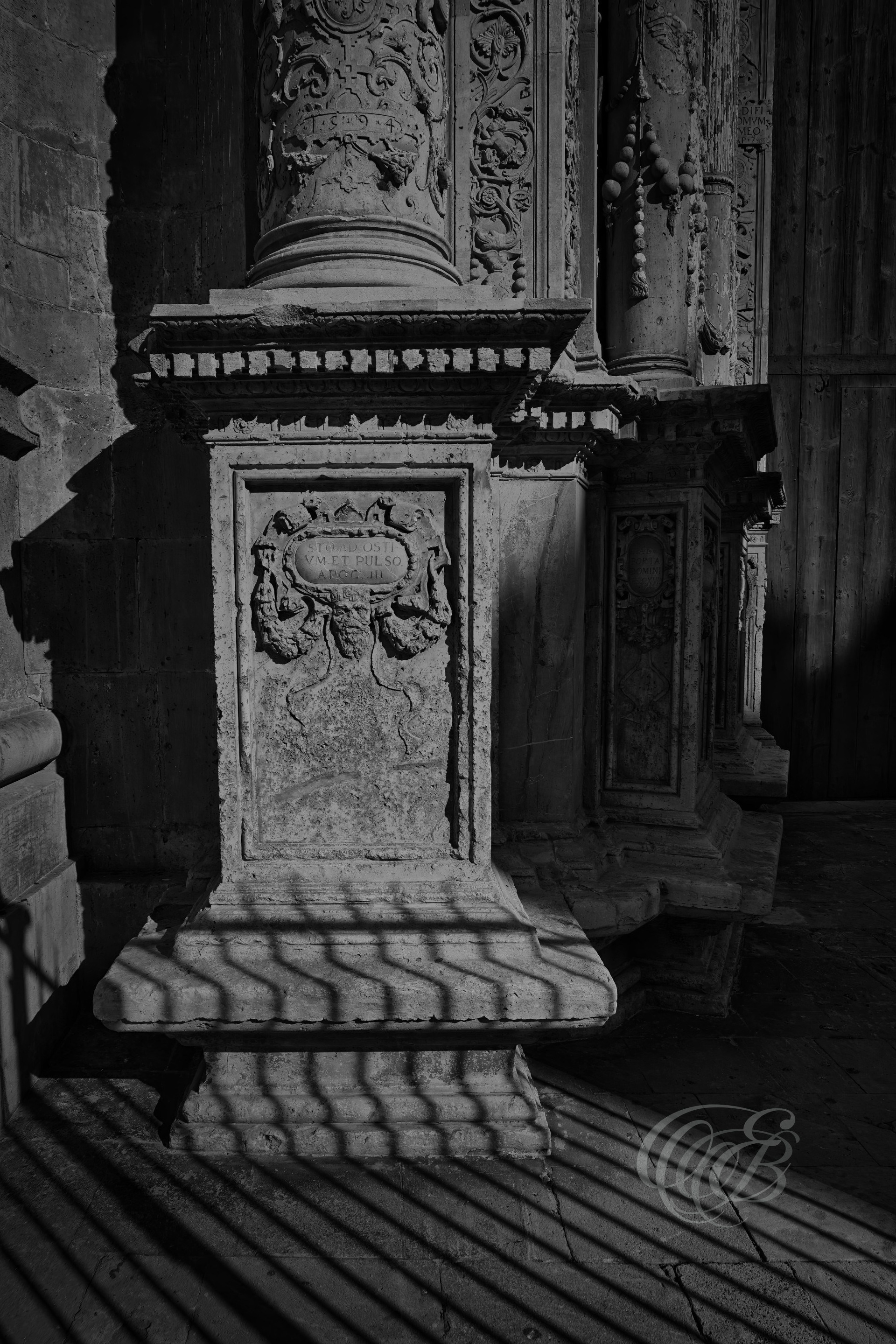
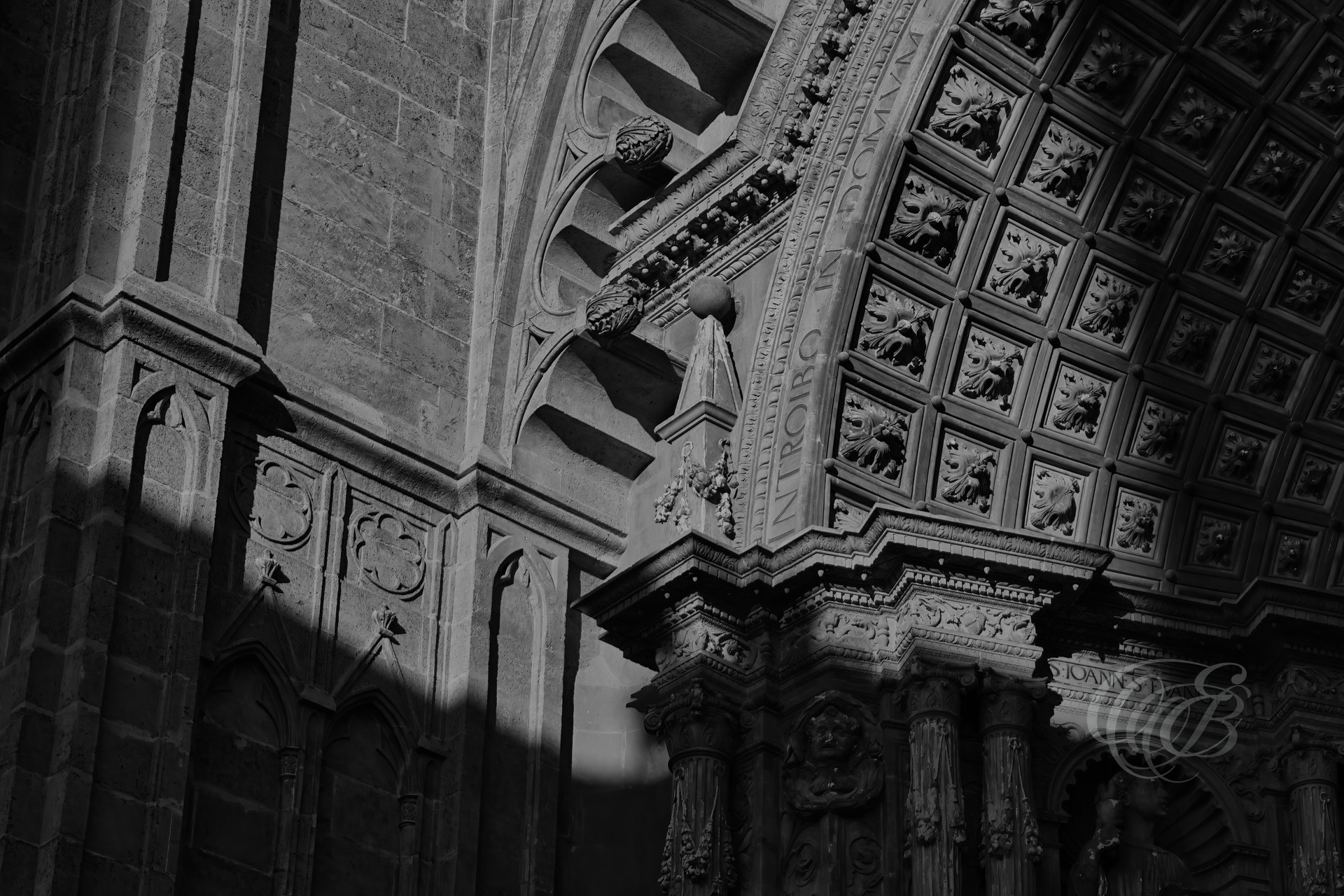
The entrances of Santa María de Mallorca reflect the grandeur of Gothic architecture that has defined Palma’s historic waterfront since the cathedral’s construction began in 1229 under the Crown of Aragon. Built primarily from local sandstone and shaped over centuries by artisans and restorations, the cathedral remains one of the most important religious and architectural landmarks in the Balearic Islands. Captured in black and white, the image highlights the balance of light, stone, and architectural form that characterizes the timeless presence of La Seu within Mallorca’s historic center. Eduardo Bartoli Photography.
The Basílica de Santa María de Mallorca contains numerous Gothic architectural details that reflect the artistic and religious craftsmanship developed throughout the cathedral’s long construction period between the 13th and 17th centuries. Situated above the Bay of Palma, the cathedral remains one of the defining landmarks of Mallorca’s historic and cultural identity. Presented in black and white, this architectural study emphasizes the aged stone surfaces, carved forms, and enduring atmosphere preserved within the cathedral’s historic façade. Eduardo Bartoli Photography.
The Basílica de Santa María de Mallorca, commonly known as La Seu Cathedral, has dominated the skyline of Palma since construction began in the 13th century after the Christian reconquest of the island. Overlooking the Mediterranean waterfront, the cathedral is regarded as one of the finest examples of Gothic architecture in Spain, shaped across centuries of religious, artistic, and cultural history. Presented in a black and white matte interpretation, the image emphasizes the monumental forms, historic stone textures, and enduring presence of this landmark within Mallorca’s architectural heritage. Eduardo Bartoli Photography.
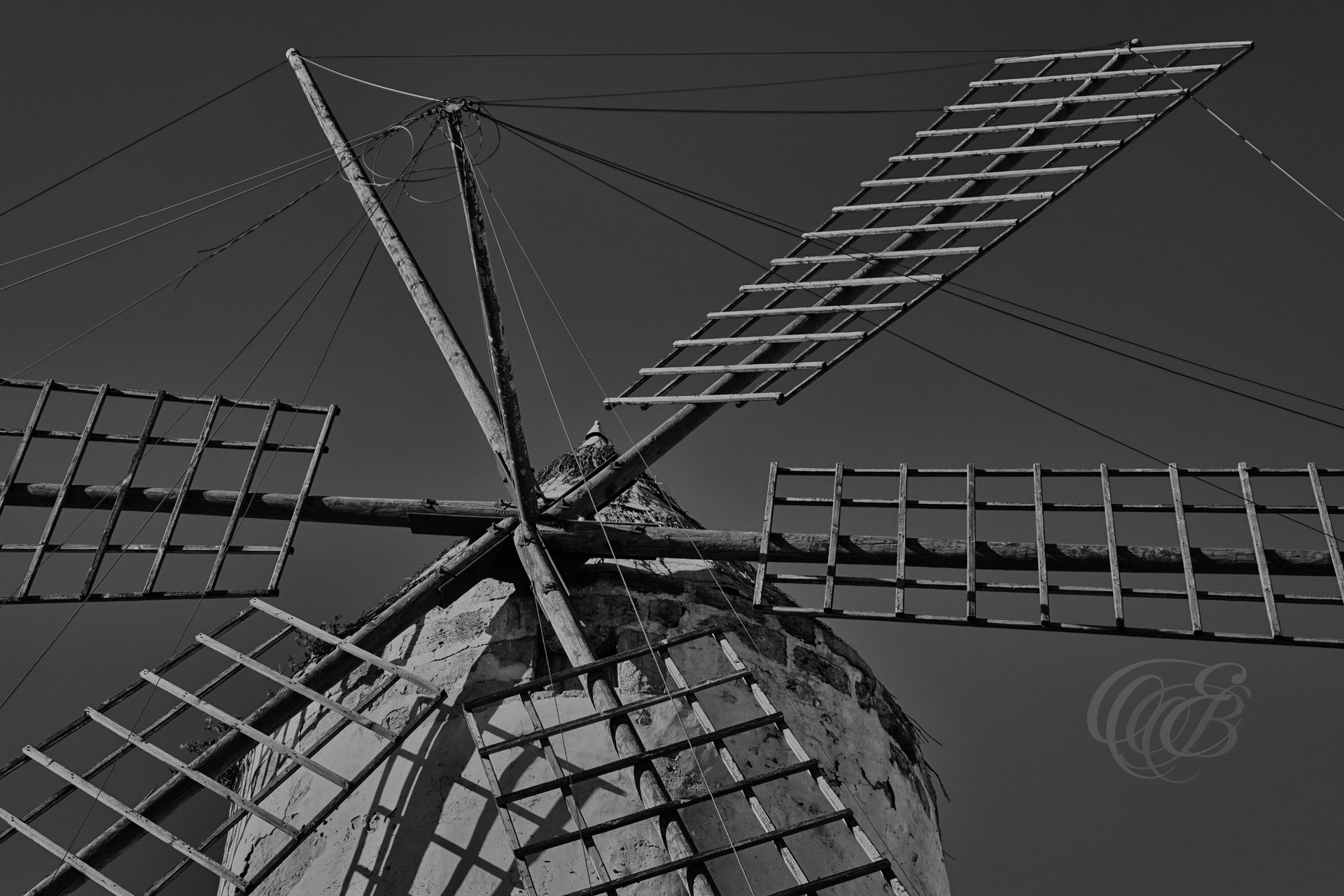
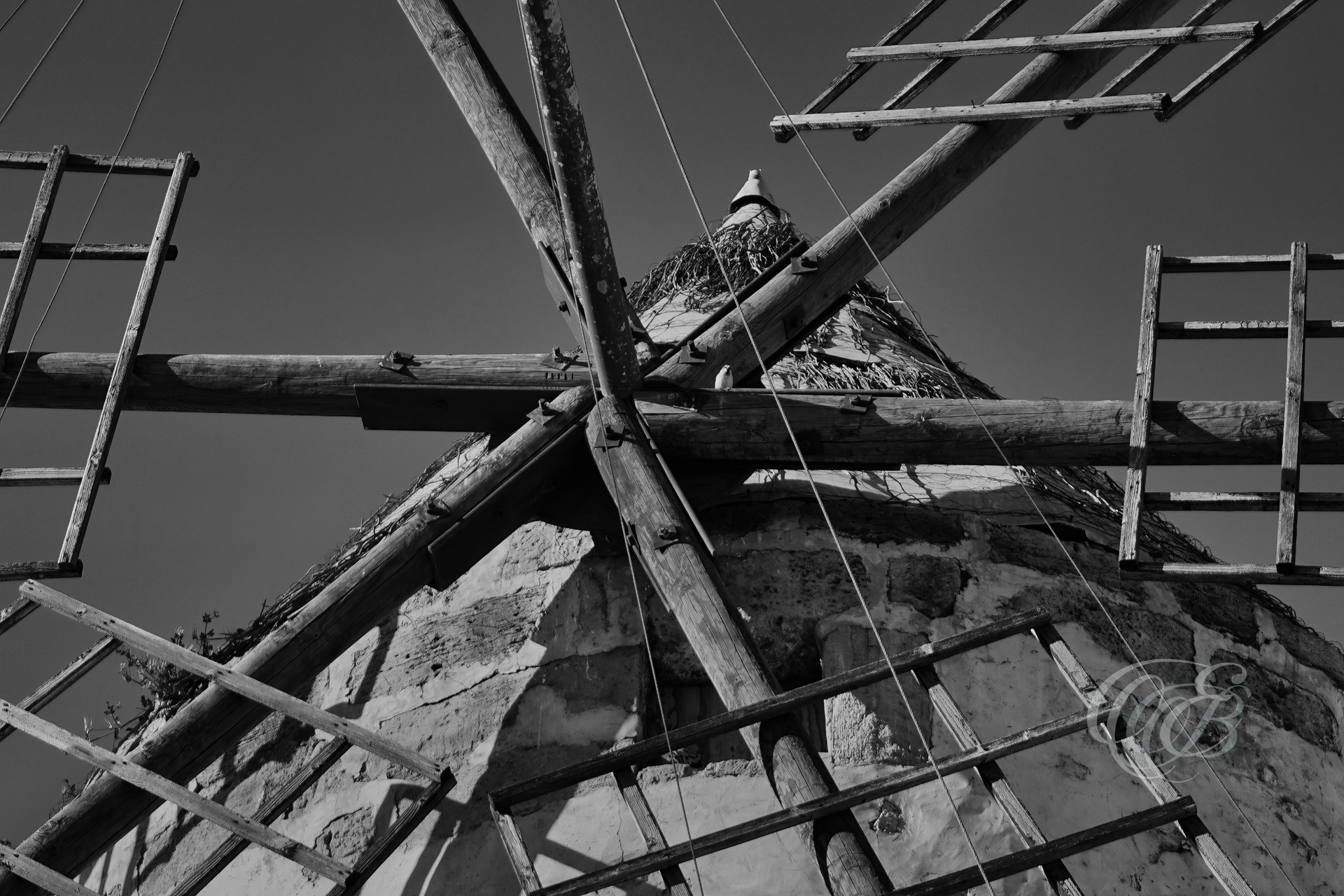
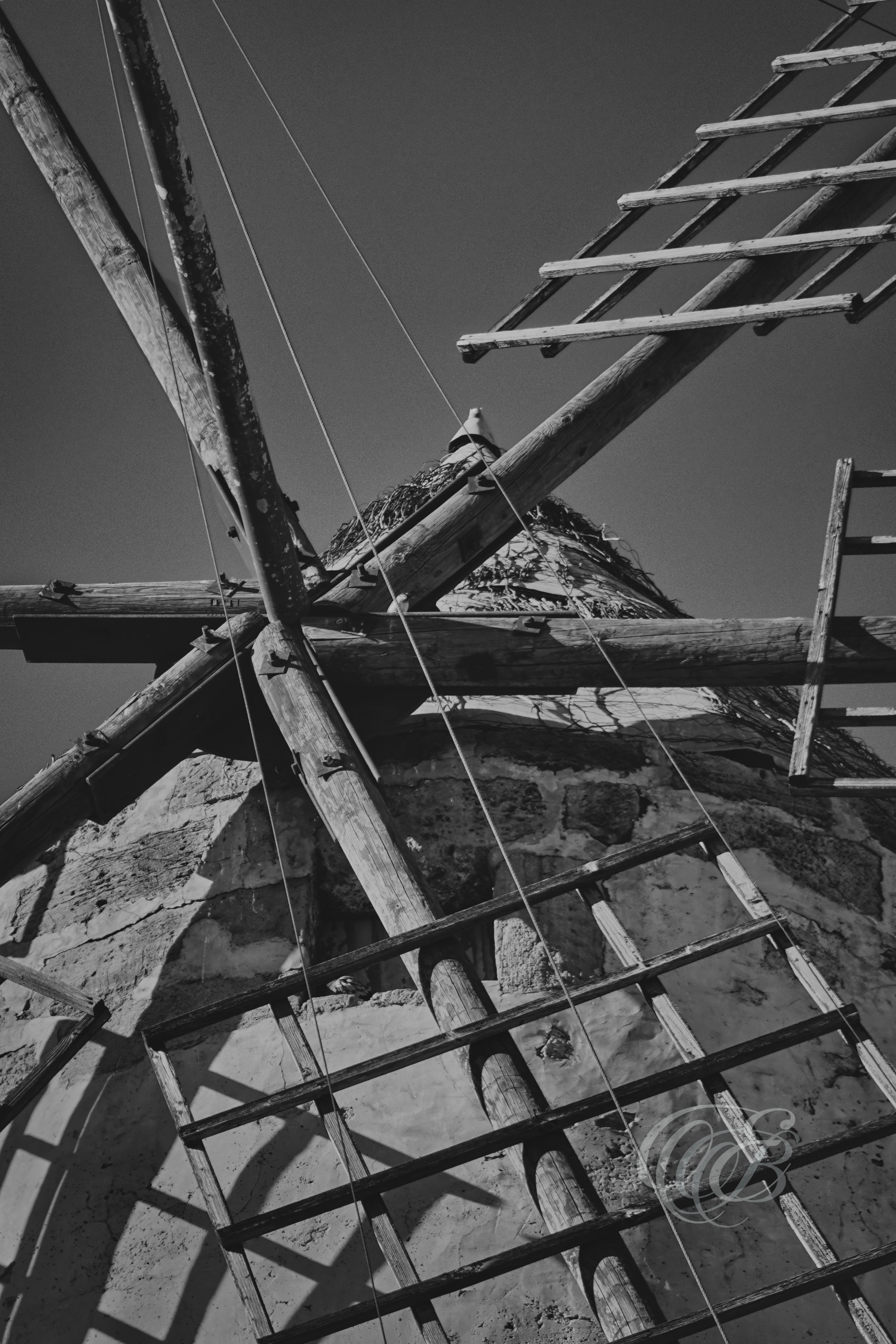
El Molí d'en Garleta is part of the traditional windmill heritage that once played an important role in Mallorca’s agricultural landscape, particularly between the 17th and 19th centuries when wind-powered milling and water extraction were essential across the island. These historic structures remain enduring symbols of Mallorca’s rural and Mediterranean identity. Captured in black and white, the image emphasizes the historic form, weathered textures, and quiet presence of the windmill within the Balearic landscape. Eduardo Bartoli Photography.
The Torrenova cliffs near Magaluf form part of the rugged southwestern coastline of Mallorca, where limestone formations rise above the Mediterranean Sea and shape the island’s coastal geography. Exposed to sea winds and centuries of erosion, these elevated shorelines reflect the natural character of the Balearic landscape. Presented in a black and white matte style, the image emphasizes the tonal depth, rocky textures, and timeless atmosphere of Mallorca’s coastal scenery. Eduardo Bartoli Photography.
The Basílica de Santa María de Mallorca, known locally as La Seu, has overlooked the Bay of Palma since the early 13th century and remains one of the most significant Gothic cathedrals in the Mediterranean region. Built following the conquest of Mallorca by James I of Aragon in 1229, the cathedral reflects centuries of religious, architectural, and cultural history within the Balearic Islands. Rendered in black and white, the image highlights the cathedral’s monumental silhouette, historic stonework, and atmospheric presence as evening light settles over Palma’s historic waterfront. Eduardo Bartoli Photography.
Santa María de Mallorca, known as La Seu Cathedral, preserves centuries of Gothic architectural craftsmanship developed from the 13th century onward within the historic center of Palma. Throughout the structure, carved stone elements and ornamental details reflect the artistic traditions associated with medieval Mediterranean architecture and the religious history of the island. Rendered in black and white, this architectural study highlights the aged limestone textures, shadow, and enduring character found within the cathedral’s historic surfaces. Eduardo Bartoli Photography.
Sa Llotja, constructed during the 15th century near Palma’s historic harbor, stands as one of the finest examples of late Gothic civil architecture in the Balearic Islands. Originally built as the merchants’ exchange, the structure reflects Mallorca’s importance within Mediterranean maritime trade during the Crown of Aragon period. Presented in a black and white matte style, this architectural study emphasizes the aged stone textures, historic craftsmanship, and enduring atmosphere preserved within the building’s Gothic details. Eduardo Bartoli Photography.
The historic stone architecture of Santa María de Mallorca reflects centuries of Gothic craftsmanship and Mediterranean building traditions preserved within the city of Palma. Constructed primarily from local limestone, the cathedral’s surfaces and structural details reveal the texture and material character that define much of Mallorca’s historic architecture. Captured in black and white, this close architectural study emphasizes light, shadow, and the timeless qualities of stone shaped through history and weather. Eduardo Bartoli Photography.
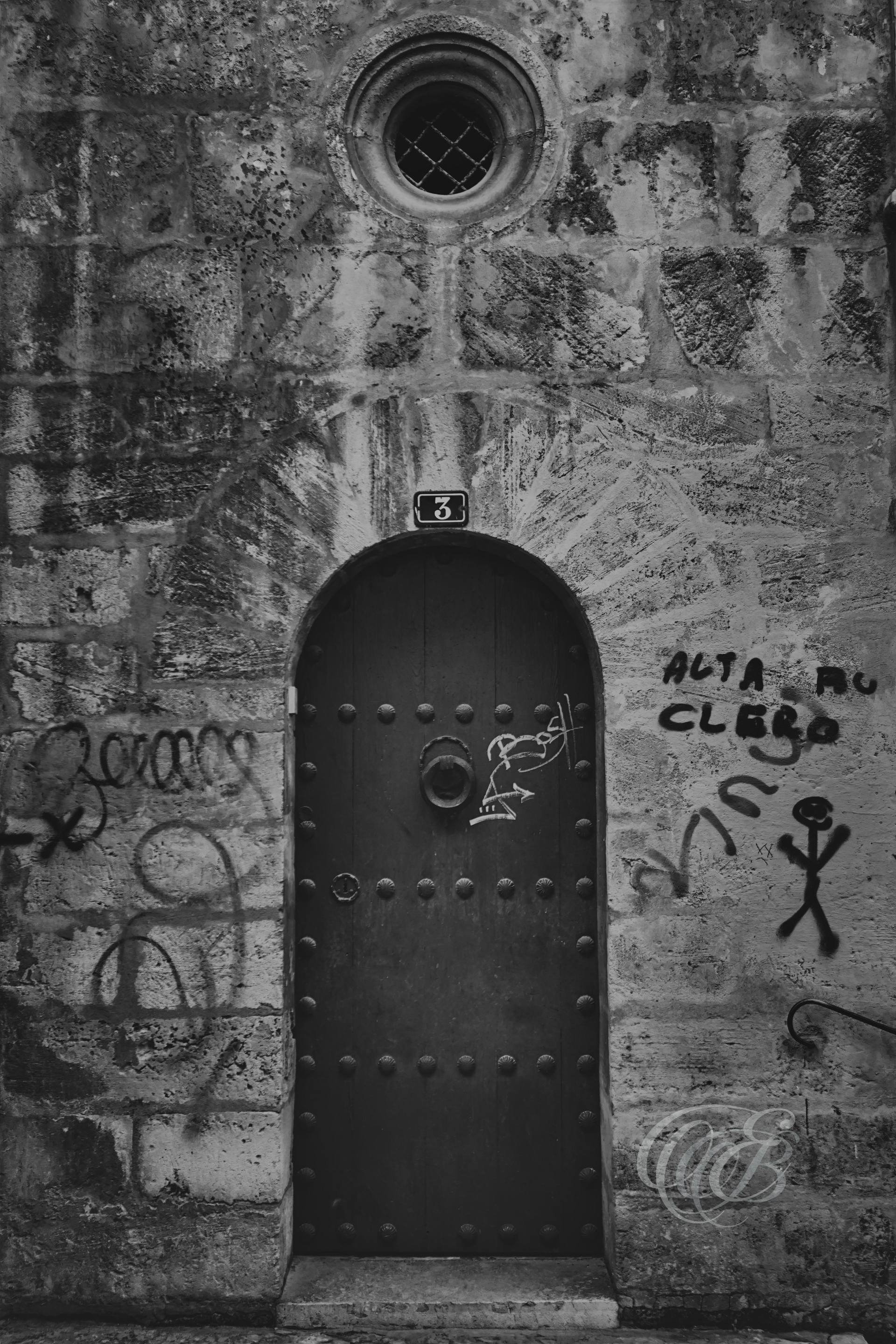
Historic doors and stone entrances are characteristic elements of Mallorca’s traditional architecture, reflecting centuries of Mediterranean craftsmanship found throughout the island’s old towns and coastal villages. Captured in a black and white matte presentation, this image of a small doorway emphasizes texture, form, and the quiet architectural details shaped by time and everyday use. The monochrome tones and matte finish reinforce the timeless atmosphere often found within Mallorca’s historic streets. Eduardo Bartoli Photography.
Traditional windmills such as the Molí d'en Garleta reflect an important part of Mallorca’s agricultural and rural history, particularly during the 18th and 19th centuries when wind-powered systems were widely used across the island. These historic structures remain closely tied to the Mediterranean landscape and the cultural heritage of the Balearic countryside. Rendered in black and white, the image highlights the historic character, textured surfaces, and quiet presence of the old windmill within Mallorca’s enduring rural scenery. Eduardo Bartoli Photography.
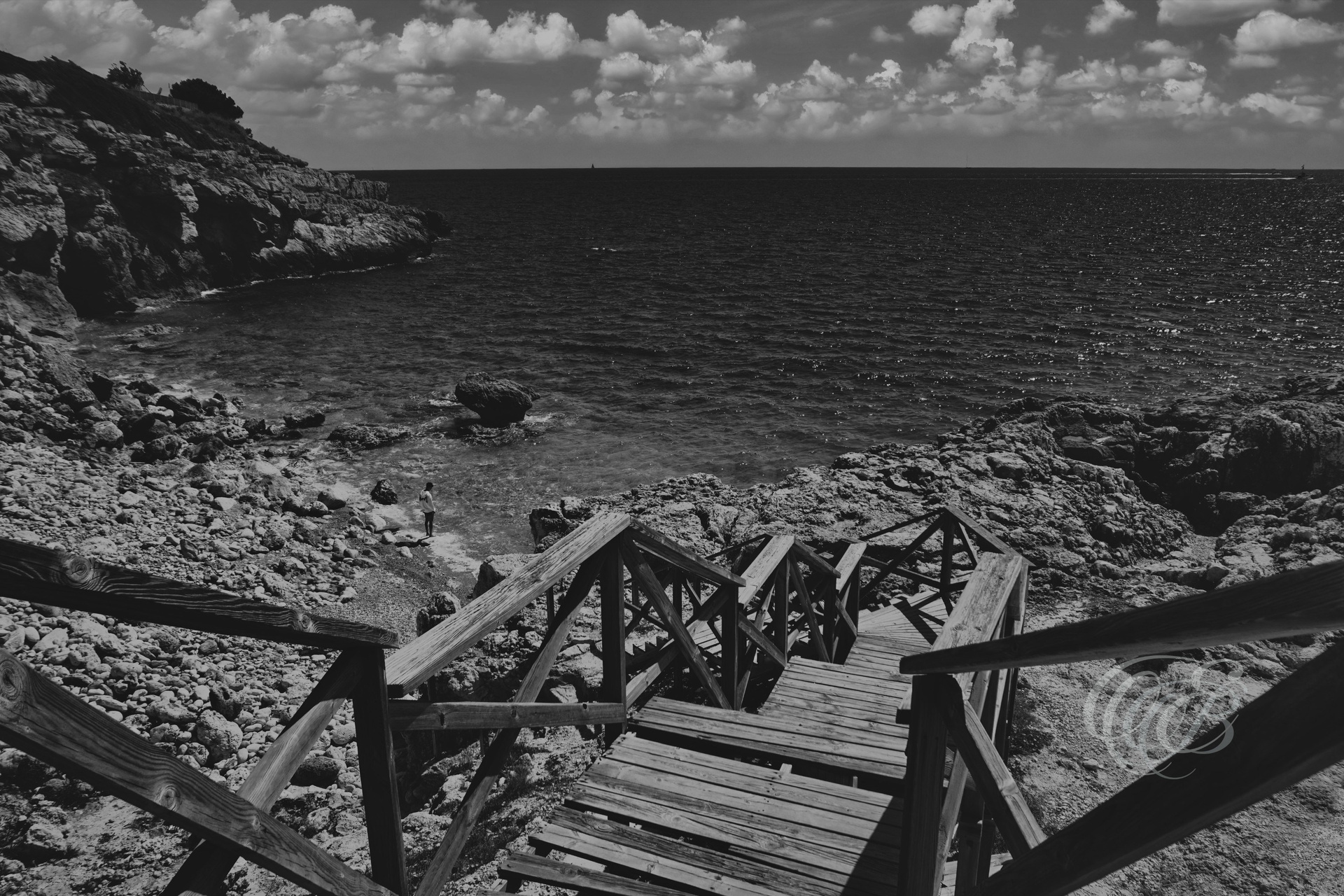
Punta des Grells is part of the rocky western coastline near Palma, an area shaped by Mediterranean erosion, limestone formations, and coastal pathways that connect the shoreline with elevated viewpoints above the sea. Captured in black and white, this coastal study emphasizes the contrast between stone surfaces, light, and the rugged geometry found along Mallorca’s natural landscape. The monochrome atmosphere reinforces the timeless character of the island’s Mediterranean coastline. Eduardo Bartoli Photography.
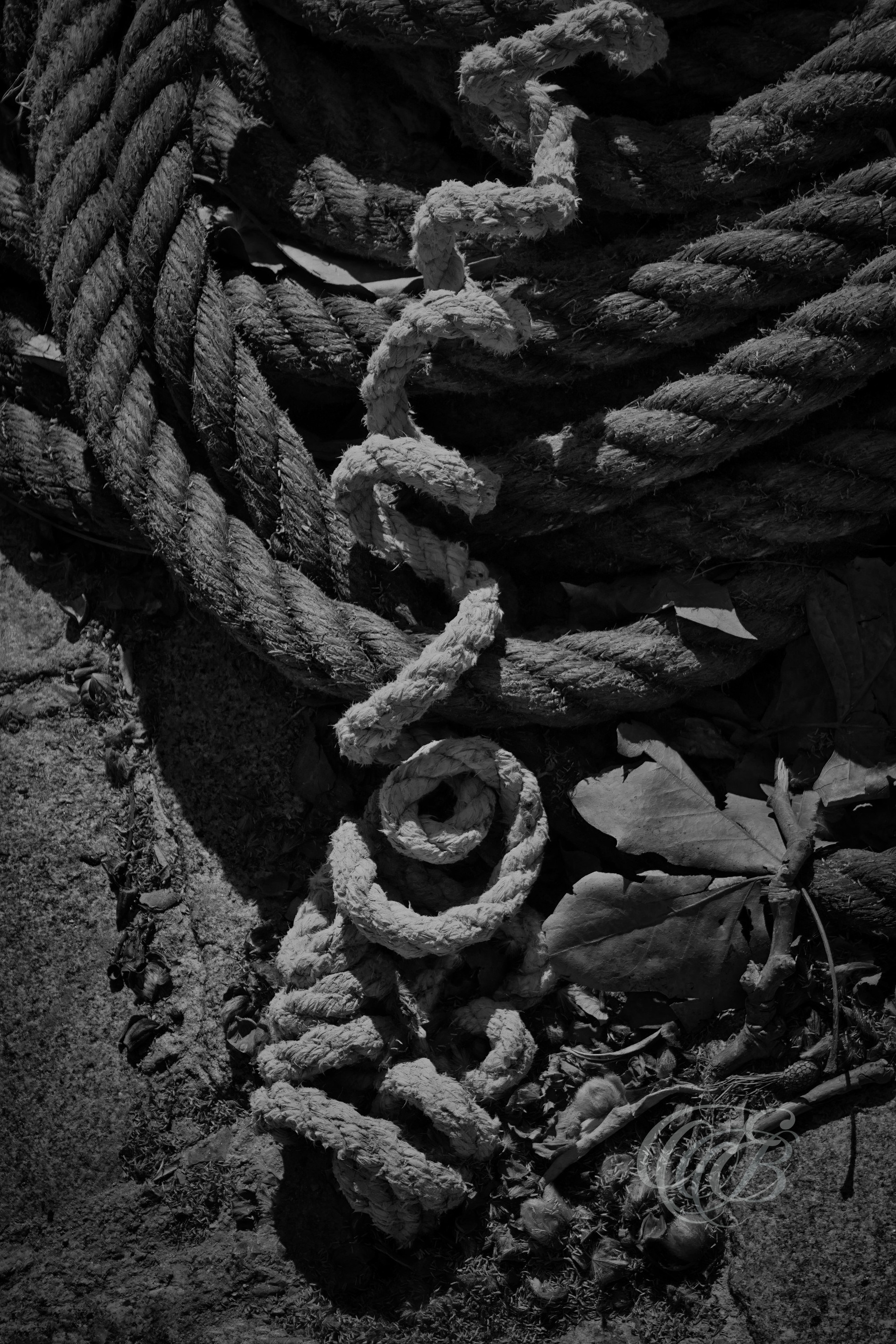
Fishing ports throughout Mallorca have long formed part of the island’s Mediterranean identity, reflecting centuries of maritime activity connected to local trade, coastal communities, and traditional fishing culture. Nets, ropes, and working harbor elements remain familiar details within these waterfront environments shaped by the rhythms of the sea. Presented in black and white, the image emphasizes texture, contrast, and the enduring atmosphere of Mallorca’s historic port life along the Balearic coastline. Eduardo Bartoli Photography.
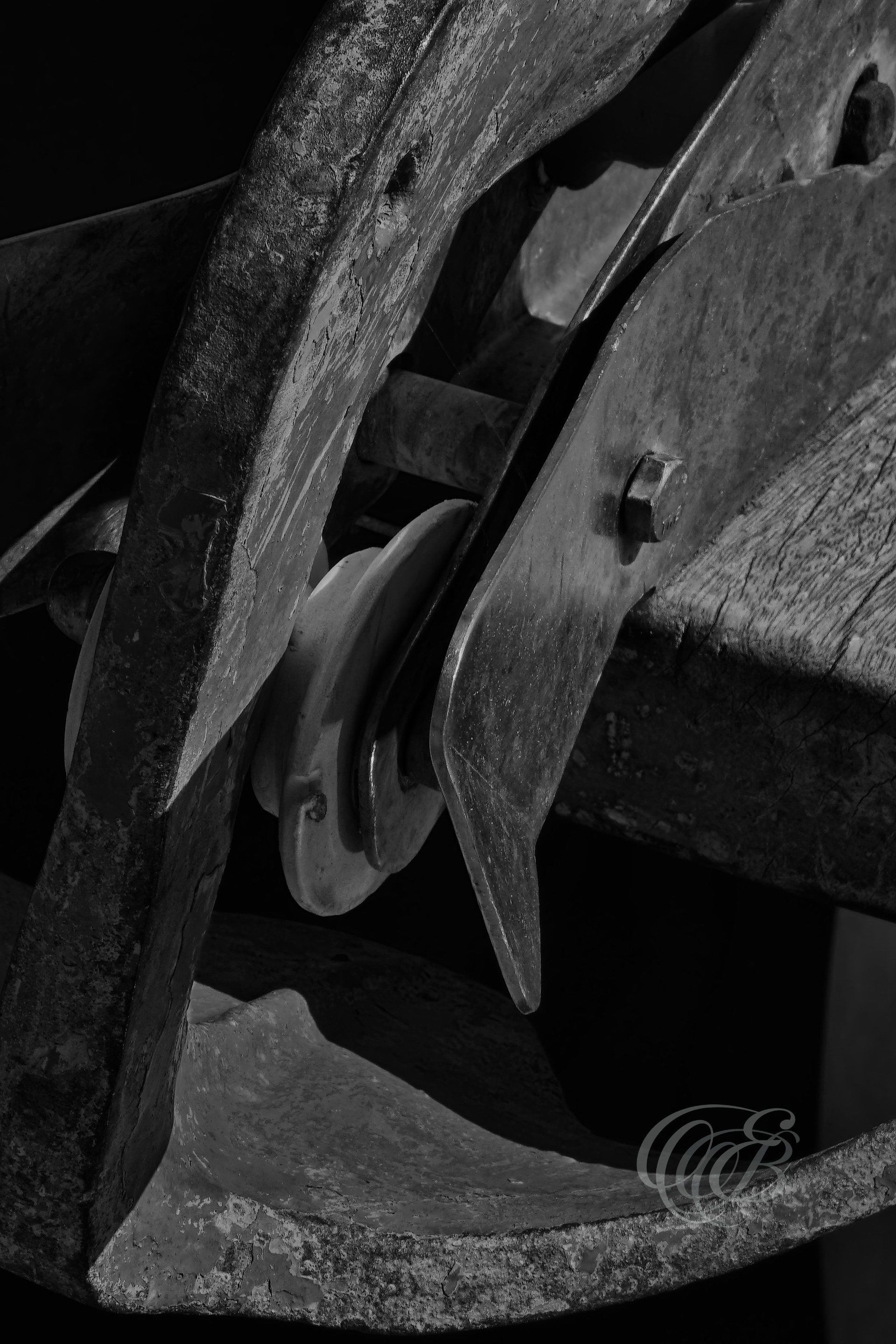
Maritime objects and harbor equipment found throughout Mallorca’s ports reflect the island’s deep historical connection to Mediterranean navigation, fishing, and coastal trade. Anchors have long served as enduring symbols of seafaring life across the Balearic Islands, where ports and waterfront communities developed around the rhythms of the sea. Captured in black and white, the image emphasizes the textured surfaces, industrial character, and timeless atmosphere of Mallorca’s historic maritime environment. Eduardo Bartoli Photography.
Coastal ports across Mallorca continue to reflect the island’s longstanding connection to Mediterranean fishing traditions and maritime life. During the spring season, the harbors along the Balearic coastline carry a quieter atmosphere shaped by changing light, sea air, and the everyday presence of working port elements. Rendered in black and white, the image highlights the textures and character of the fishing nets while preserving the timeless mood of Mallorca’s waterfront environment. Eduardo Bartoli Photography.
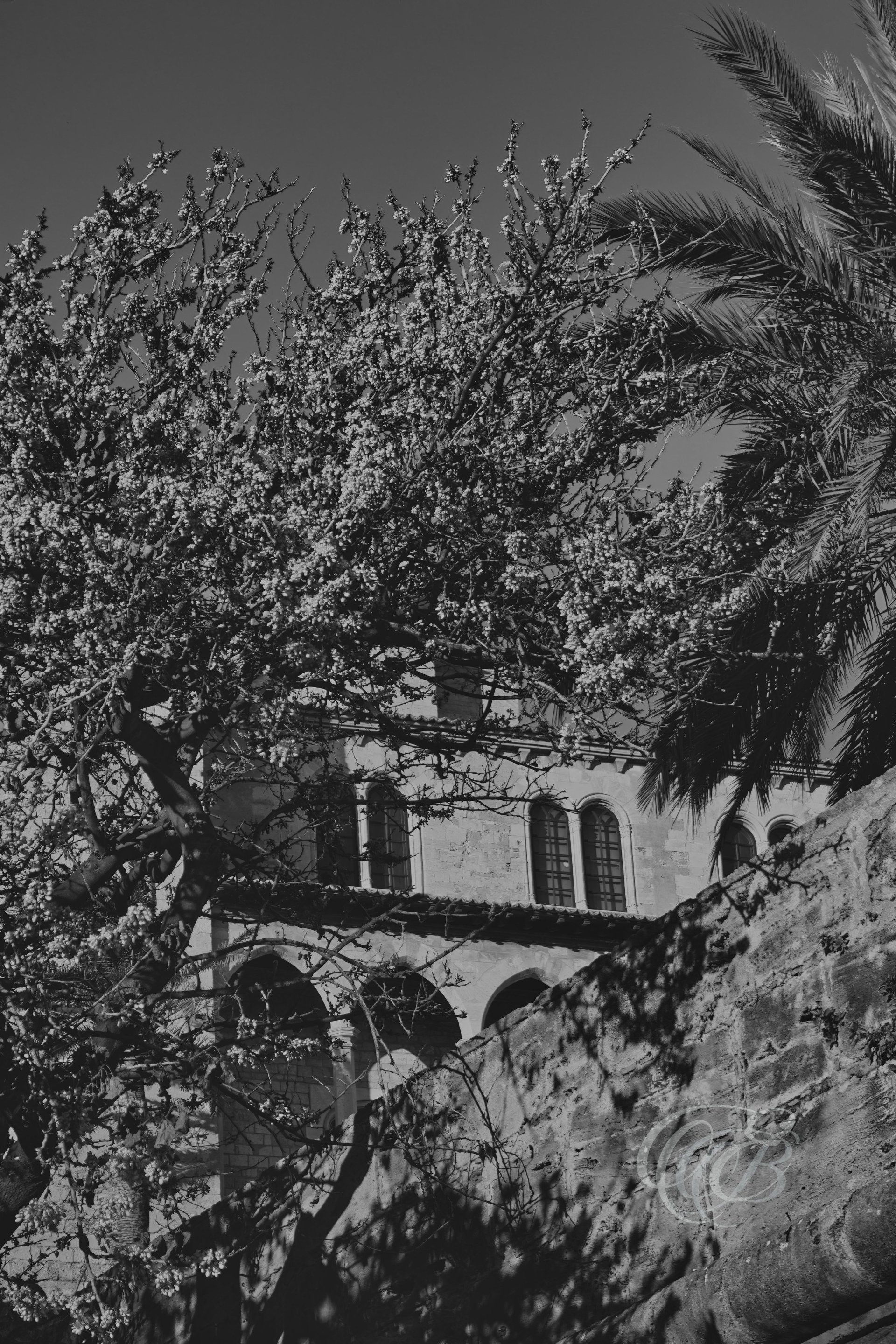
La Almudaina Palace, overlooking the Bay of Palma, originated as an Islamic fortress before being transformed into a royal residence following the Christian conquest of Mallorca in the 13th century. The historic structure reflects a blend of Gothic and Moorish architectural influences that have shaped the identity of Palma’s waterfront for centuries. Presented in a black and white matte interpretation during the spring season, the image emphasizes the historic stonework, architectural presence, and timeless atmosphere surrounding one of Mallorca’s most important landmarks. Eduardo Bartoli Photography.
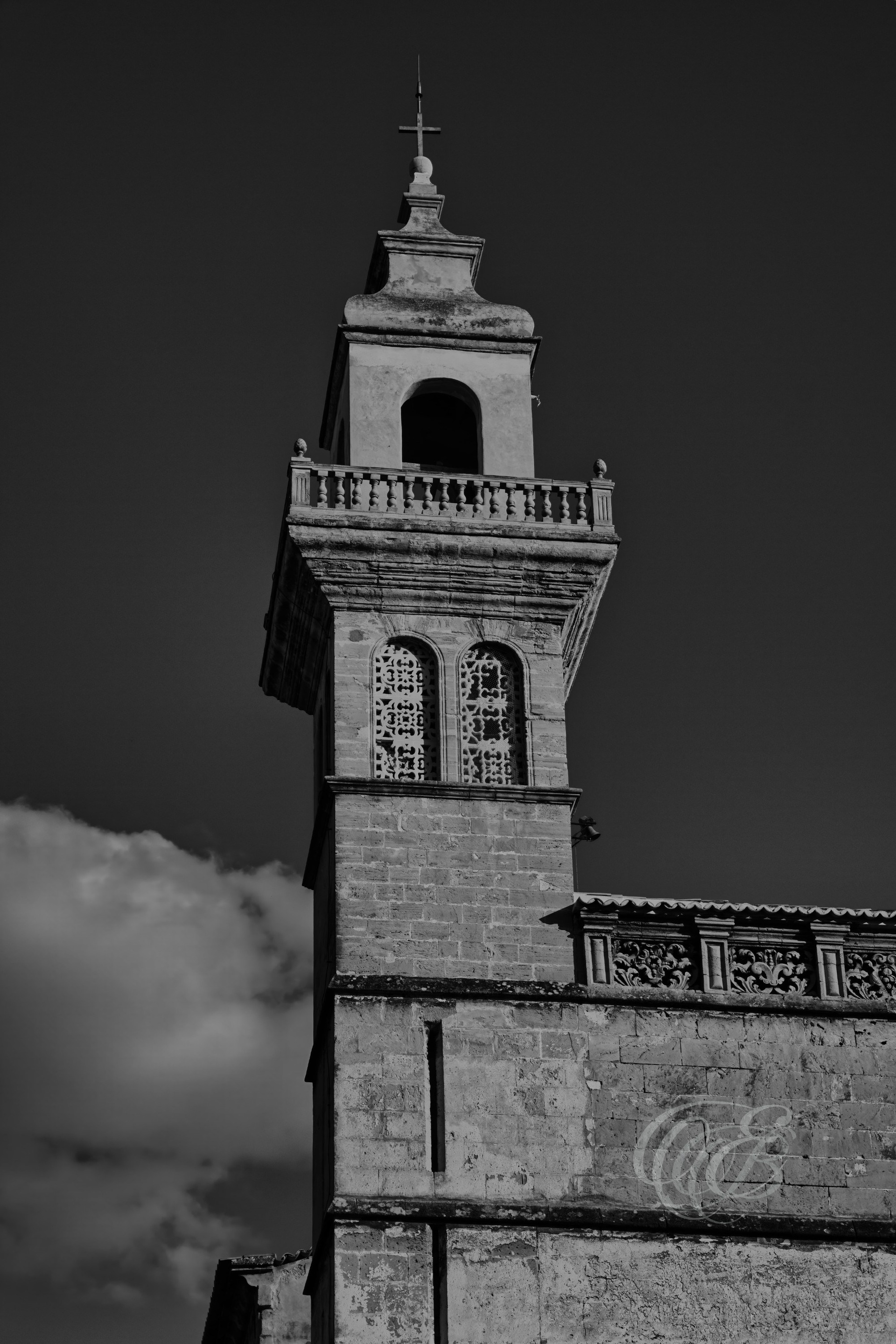
The Convent of Santa Clara has been part of Palma’s historic landscape since the 13th century, reflecting centuries of religious and architectural heritage within the old city. Founded during the medieval period, the convent remains connected to Mallorca’s cultural history and the quieter character preserved within its historic streets. The Black and White presentation emphasizes form, texture, and atmosphere, offering a timeless interpretation of this historic setting. Eduardo Bartoli Photography.
Molí d'en Garleta is one of the traditional windmills that form part of Mallorca’s agricultural and rural heritage, reflecting the island’s long history of grain production and water extraction across the Mediterranean landscape. Many of these windmills were constructed between the 17th and 19th centuries and became enduring symbols of Mallorca’s countryside and coastal plains. Presented in a black and white matte style, the image highlights the historic structure, textured surfaces, and quiet presence of the windmill against the island environment. Eduardo Bartoli Photography.
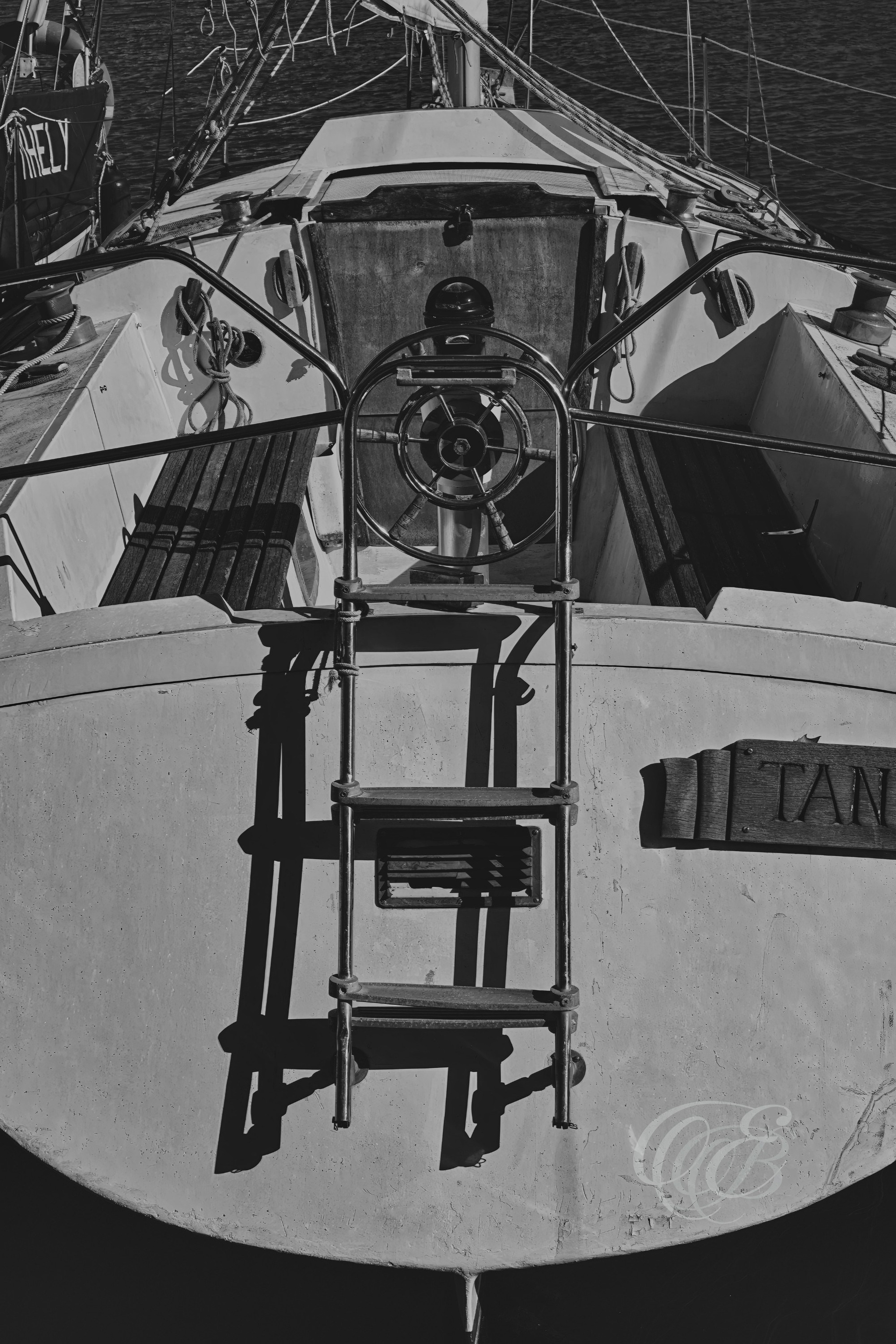
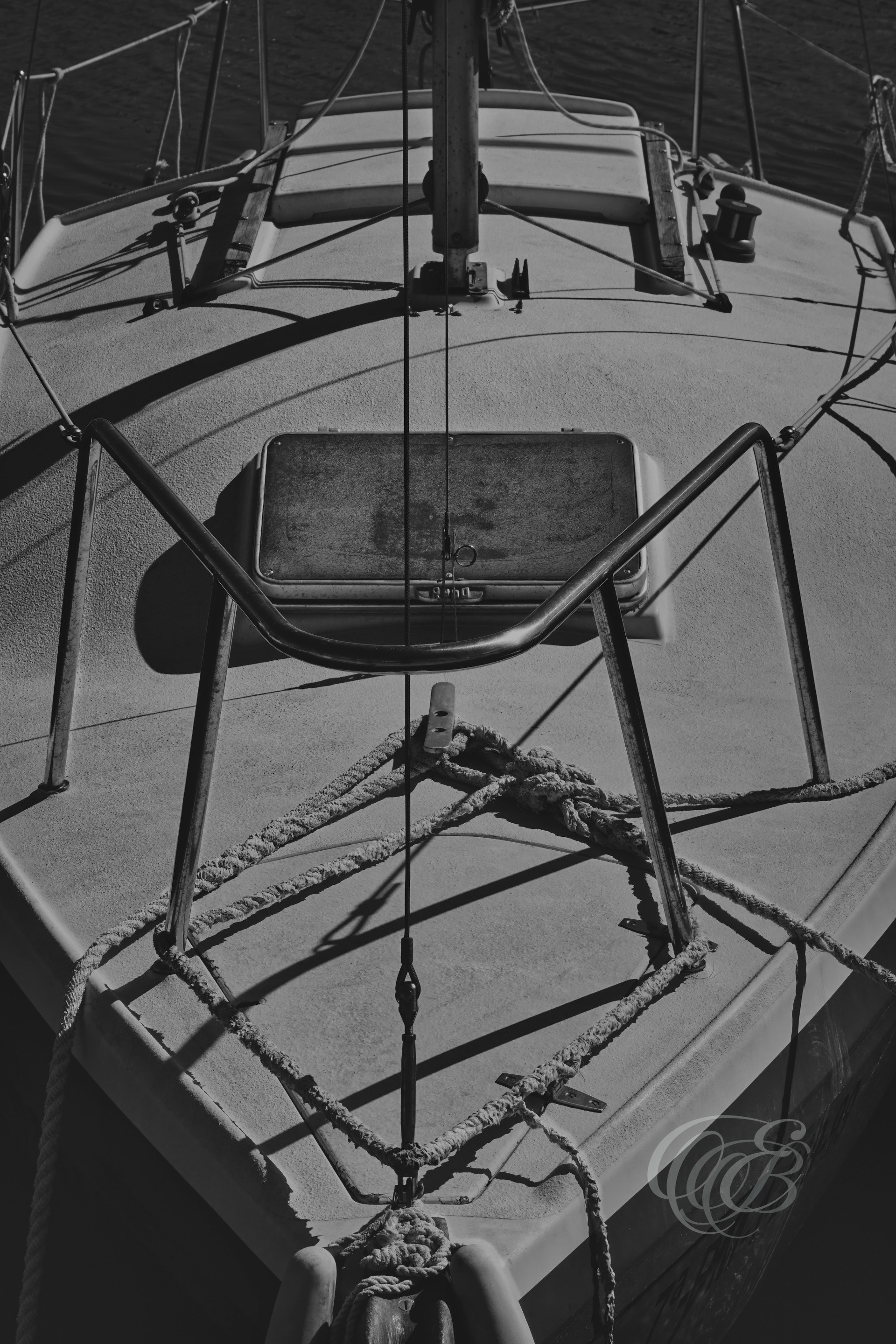
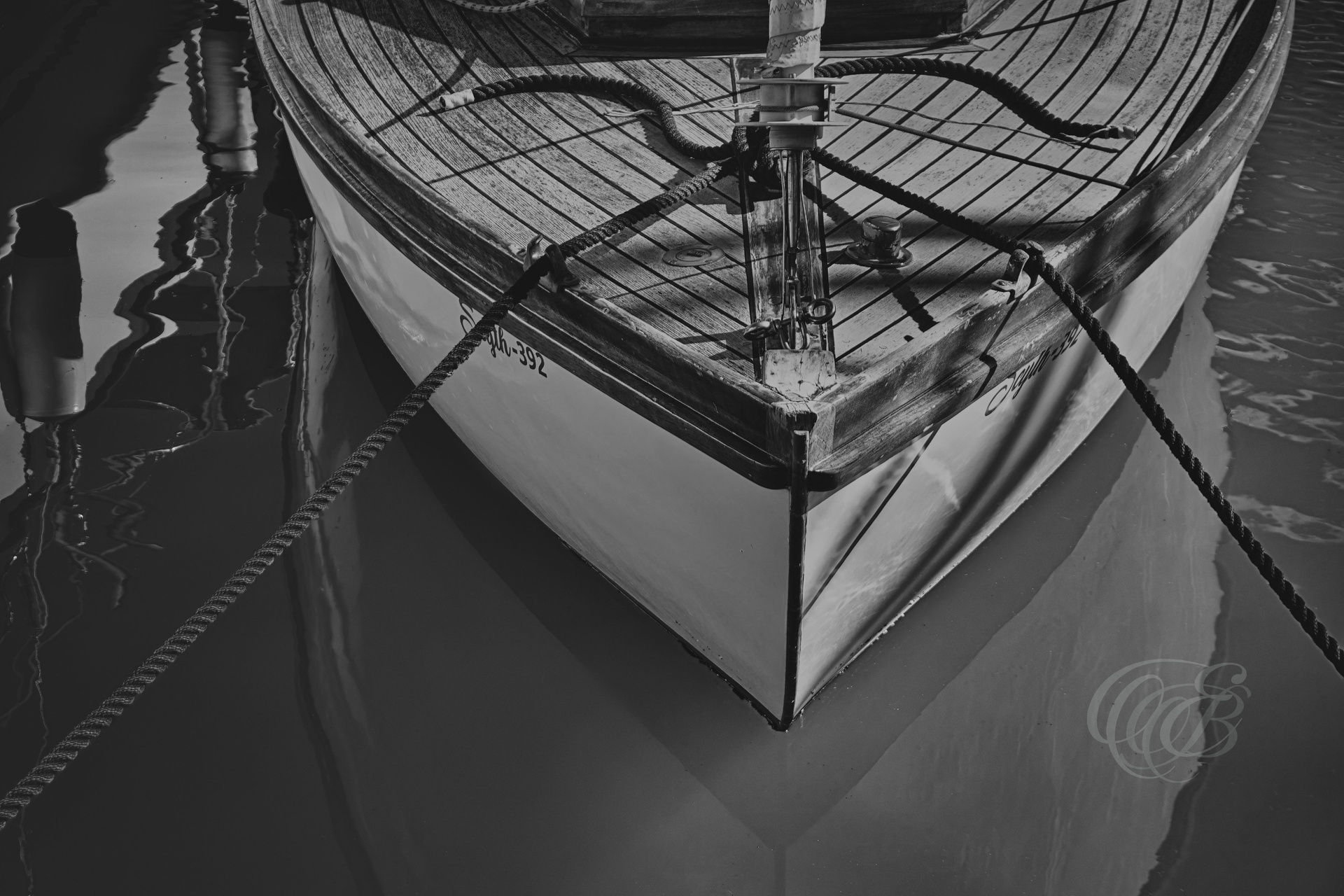
Maritime scenes have long been part of the visual identity of the Balearic Islands, where boats and harbors remain closely connected to the rhythm of coastal life. The Black and White Matte presentation enhances tonal detail and texture, creating a more classic interpretation of the scene while emphasizing the timeless character of a vintage boat resting by the docks. Eduardo Bartoli Photography.
Punta des Grells is a coastal area along the western shoreline of Palma, known for its rocky Mediterranean landscape, clear waters, and natural cliff formations shaped by the sea over time. This black and white matte fine art photograph emphasizes the tonal depth, coastal textures, and quiet atmosphere of the Balearic coastline through a softer monochrome presentation. The matte finish complements the timeless character of Mallorca’s natural scenery and Mediterranean light. Eduardo Bartoli Photography.
Punta des Grells Beach forms part of the rugged coastal landscape west of Palma, where limestone formations and Mediterranean waters shape a quiet natural environment along the island’s shoreline. During the spring season, the area reflects the softer atmosphere and changing light characteristic of Mallorca’s coastal scenery. Presented in a black and white matte interpretation, the image emphasizes the natural textures, tonal contrast, and timeless character of the Balearic coastline. Eduardo Bartoli Photography.
Vintage boats remain part of the maritime atmosphere found throughout the Balearic Islands, reflecting Mallorca’s long connection to Mediterranean sailing traditions and nautical culture. The Black and White Matte presentation brings greater focus to shape, contrast, and subtle detail, giving the scene a timeless visual character. This composition captures a more classic interpretation of Mallorca’s maritime landscape. Eduardo Bartoli Photography.
Portfolios
Mallorca
Street Photography Rome
Street Photography Rome in Black & White — Fine Art Photography Noir
Rome
Florence
Rome in Black & White — Fine Art Photography Noir
Italy Photography
Italy Travel Photography — Rome
Florence in Black & White — Fine Art Photography Noir