Eduardo Bartoli Photography
Portfolios
Projects
The Book
Rome — When Light Shapes Form
Journal
Rome’s Hidden Gem: Hadrian’s Villa, the Largest Villa Ever Built
Prints
About
Contact
Rome in Black & White — Fine Art Photography Noir
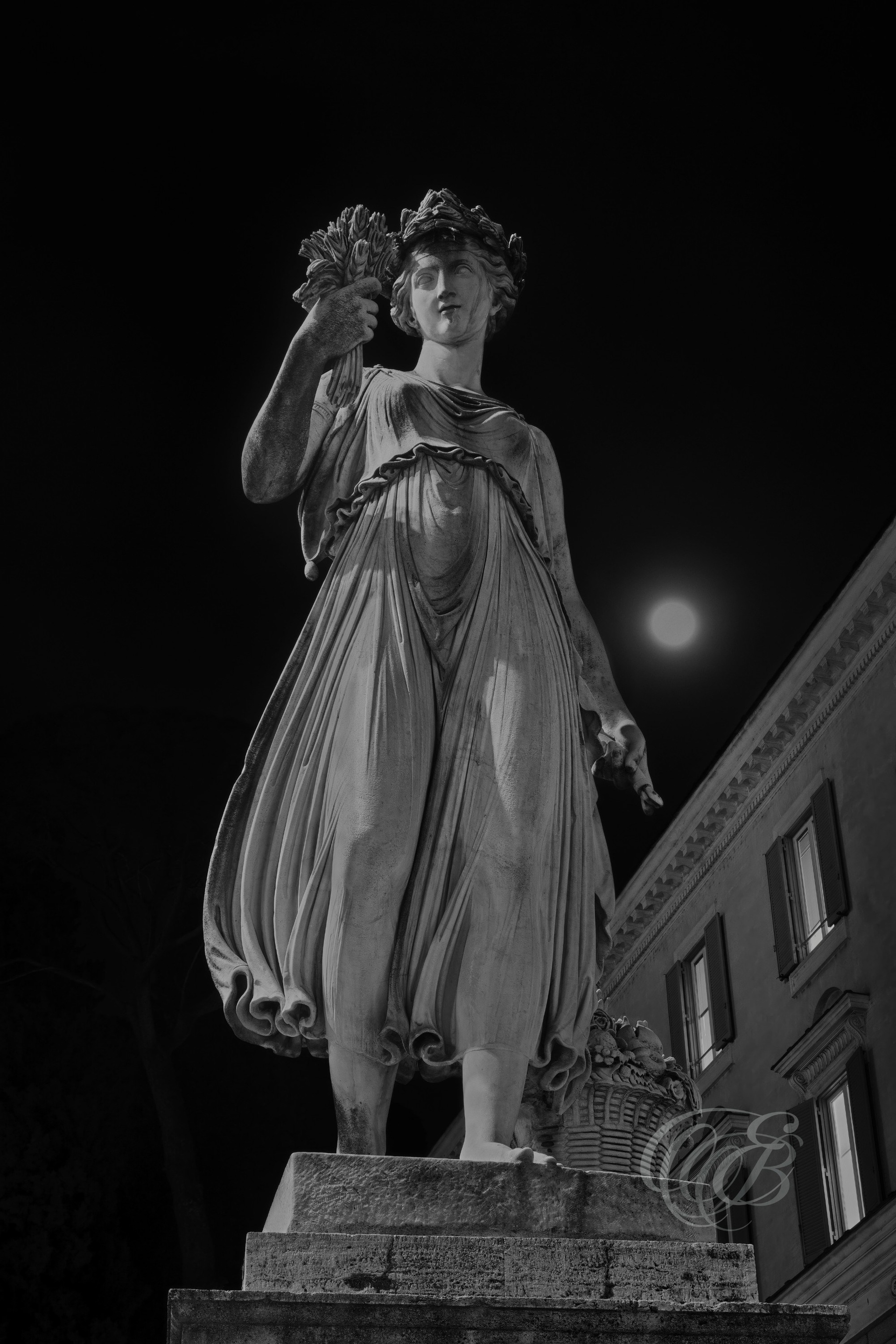
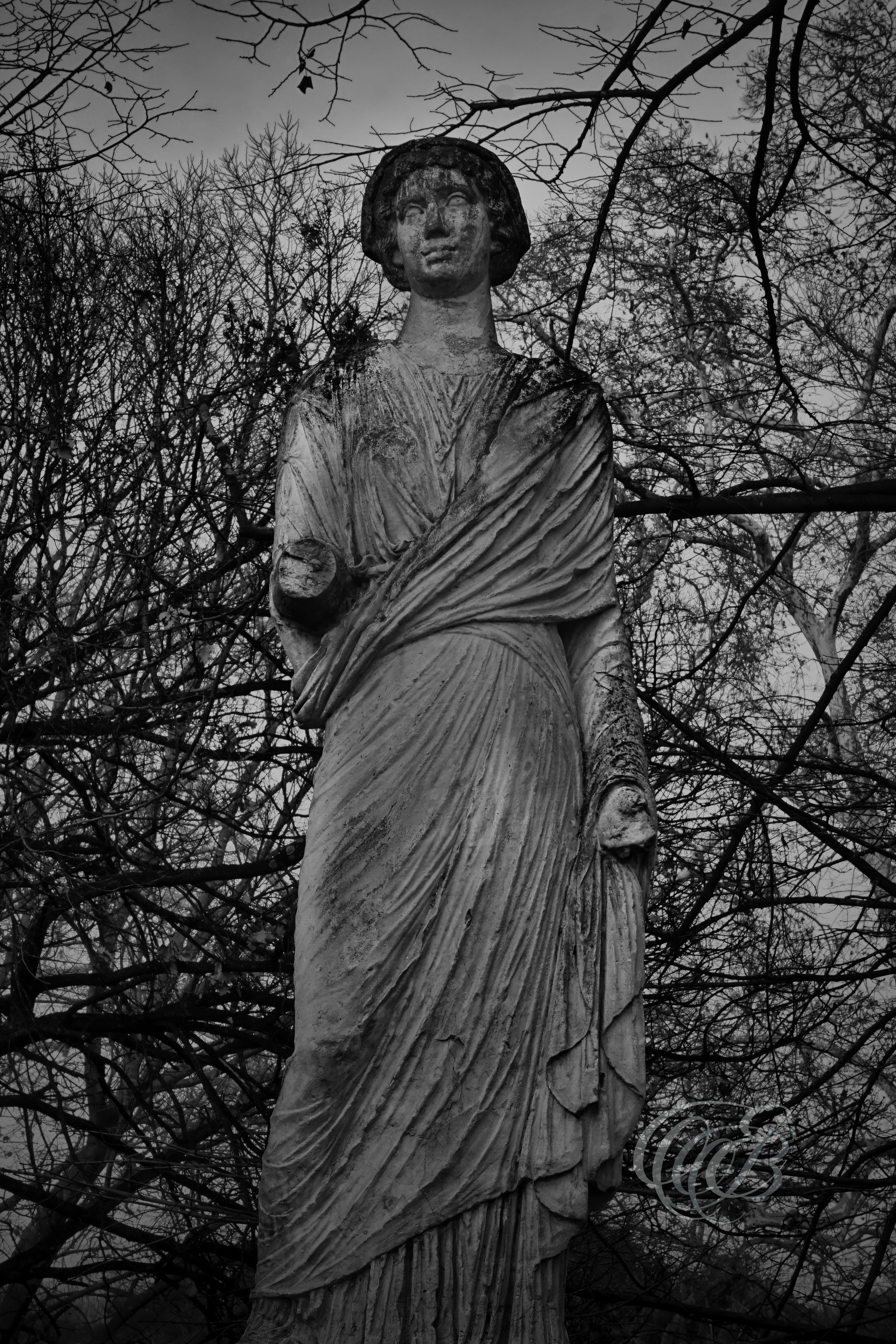
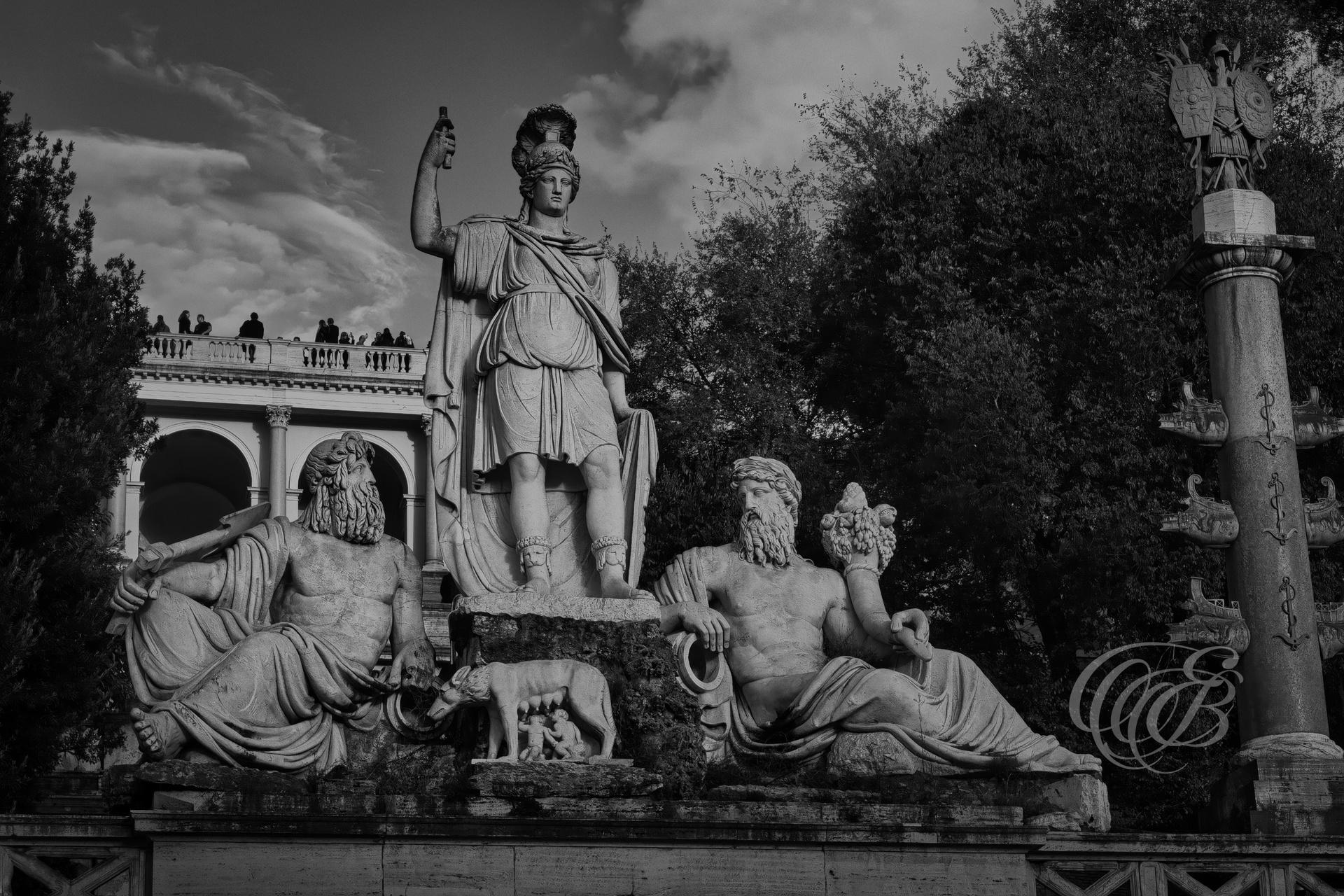
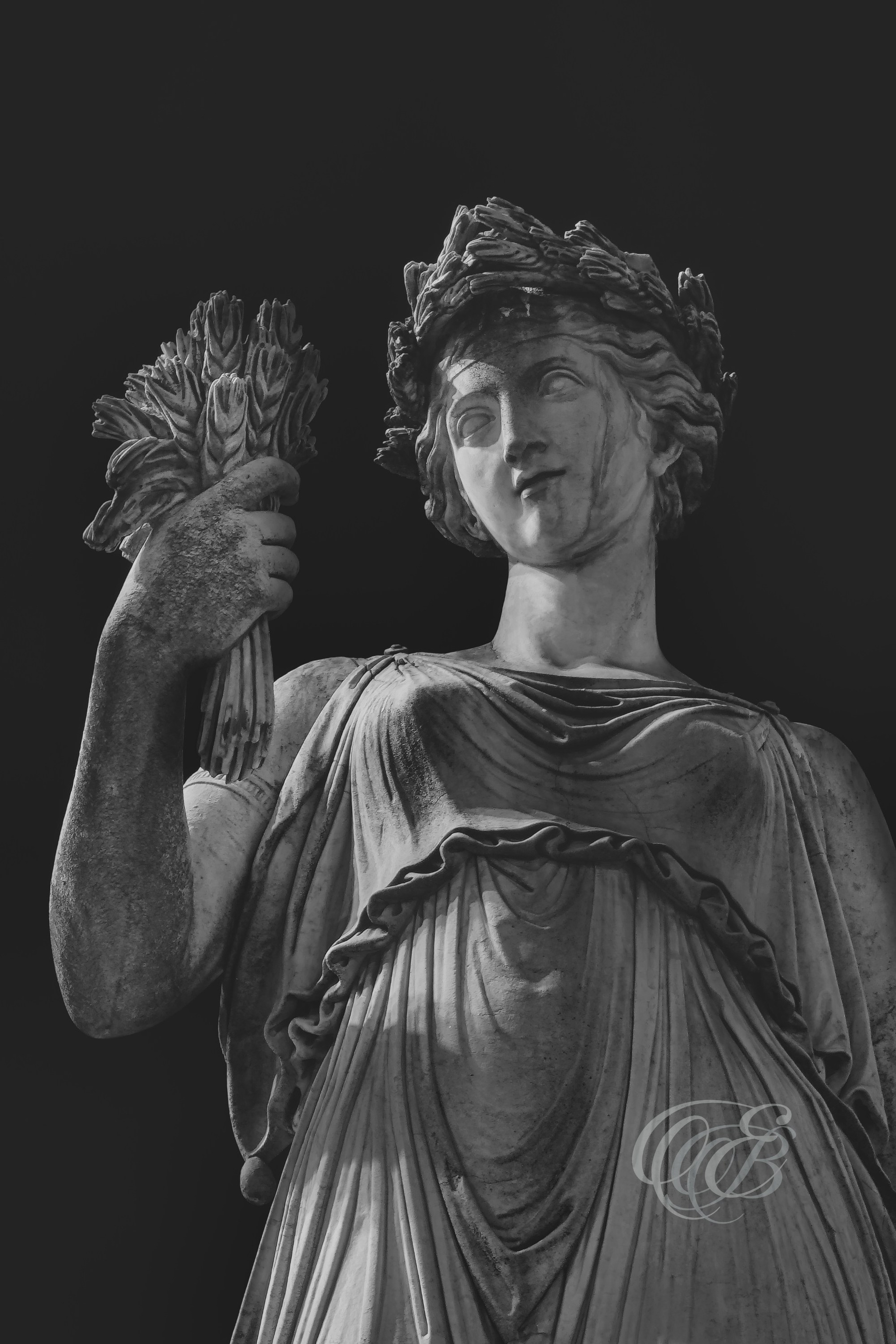
Located within the historic setting of Piazza del Popolo, the Roma Flora statue reflects the long tradition of allegorical sculpture that forms part of Rome's urban and artistic landscape. Tonal contrast emphasizes the carved details, textures, and flowing forms of the figure, while the surrounding architecture provides context for a public space that has evolved through centuries of Roman, Renaissance, and nineteenth-century development. Eduardo Bartoli Photography.
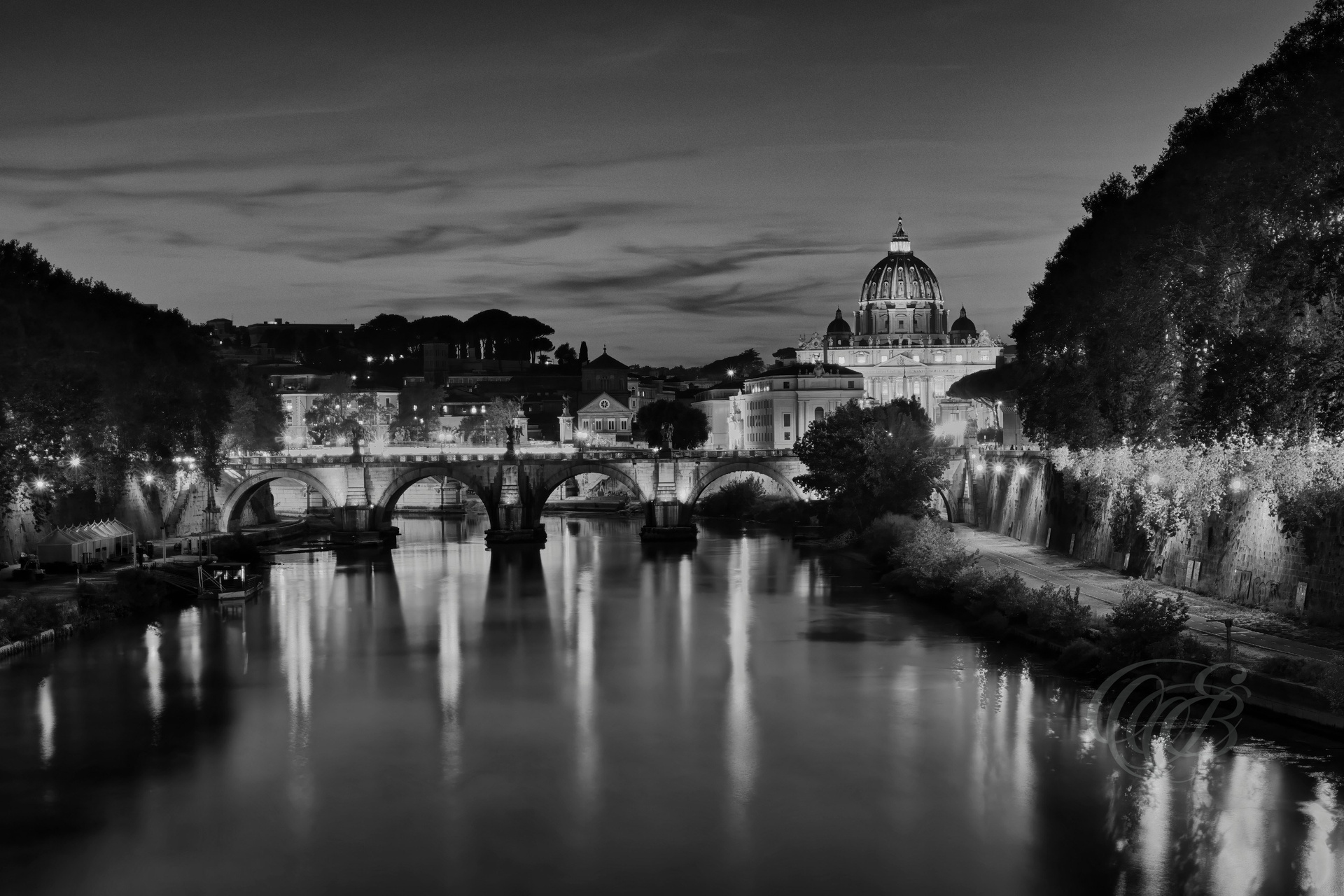
Originally commissioned by Emperor Hadrian in AD 134, Ponte Sant'Angelo has served as a historic crossing of the Tiber River for nearly two thousand years, linking the heart of Rome with Castel Sant'Angelo. The angel sculptures associated with Gian Lorenzo Bernini transformed the bridge into one of the city's most recognizable Baroque landmarks, blending architecture, symbolism, and religious history. Rendered in black and white, the scene emphasizes the textures of stone, the sculptural details, and the atmosphere created as evening light fades across the river. Eduardo Bartoli Photography.
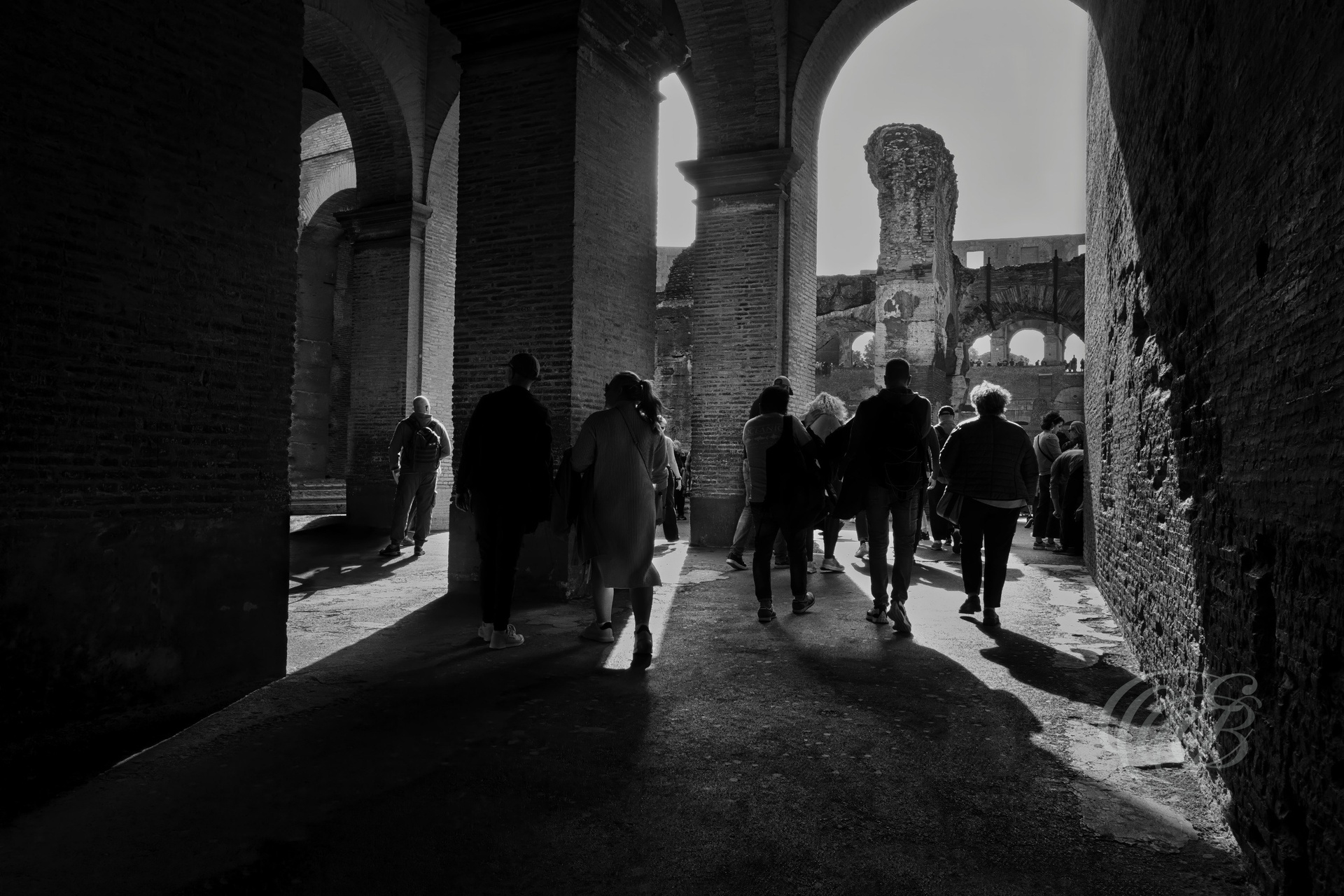
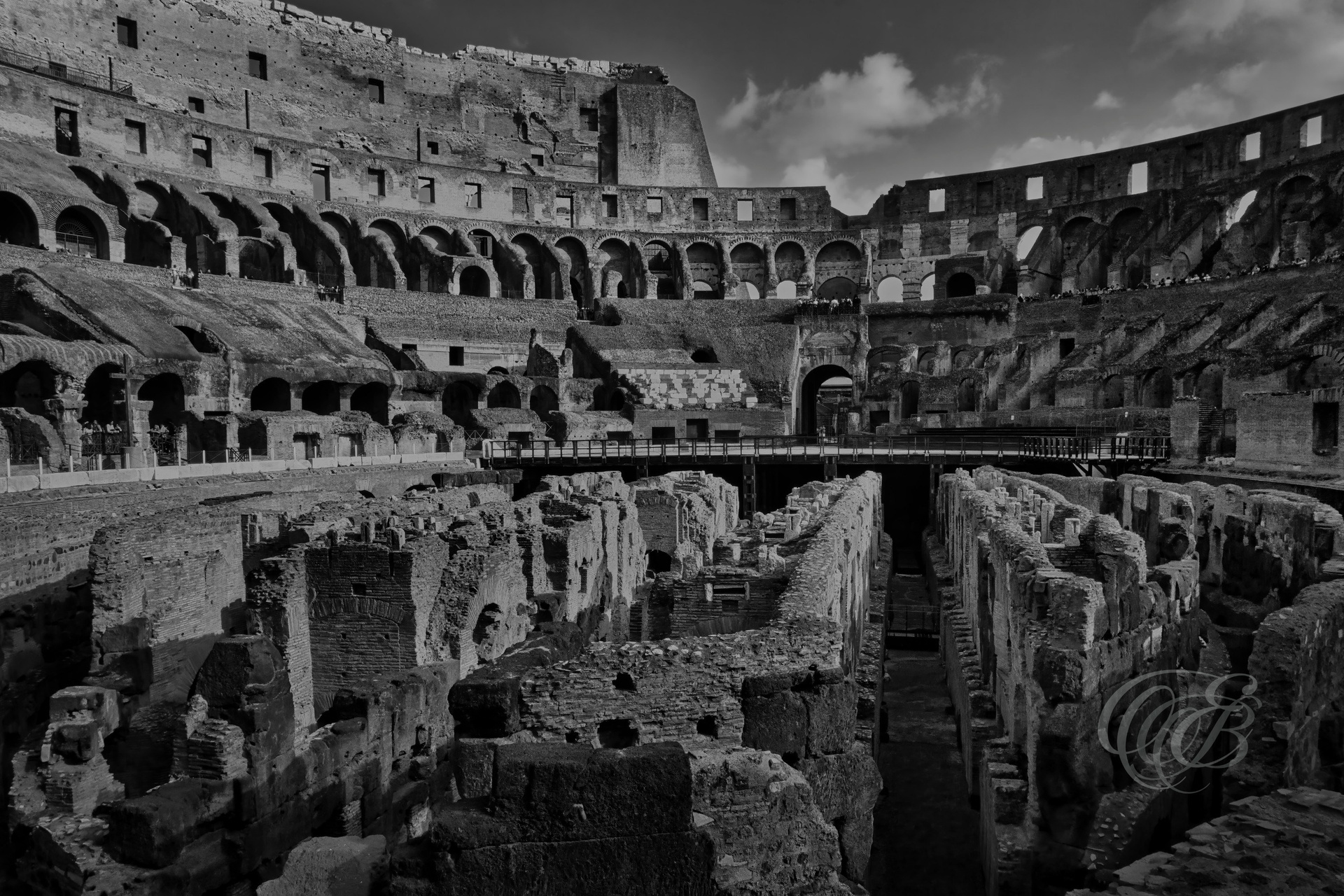
Framed by the ancient archways of the Colosseum, the view opens toward the arena where visitors appear as silhouettes against the incoming light. The contrast between illuminated openings and shadowed stone surfaces emphasizes the depth and scale of the amphitheater's interior architecture. Presented in black and white, the scene highlights the rhythm of the arches, the weathered textures of the masonry, and the enduring presence of a structure that has witnessed nearly two thousand years of Roman history. Eduardo Bartoli Photography.
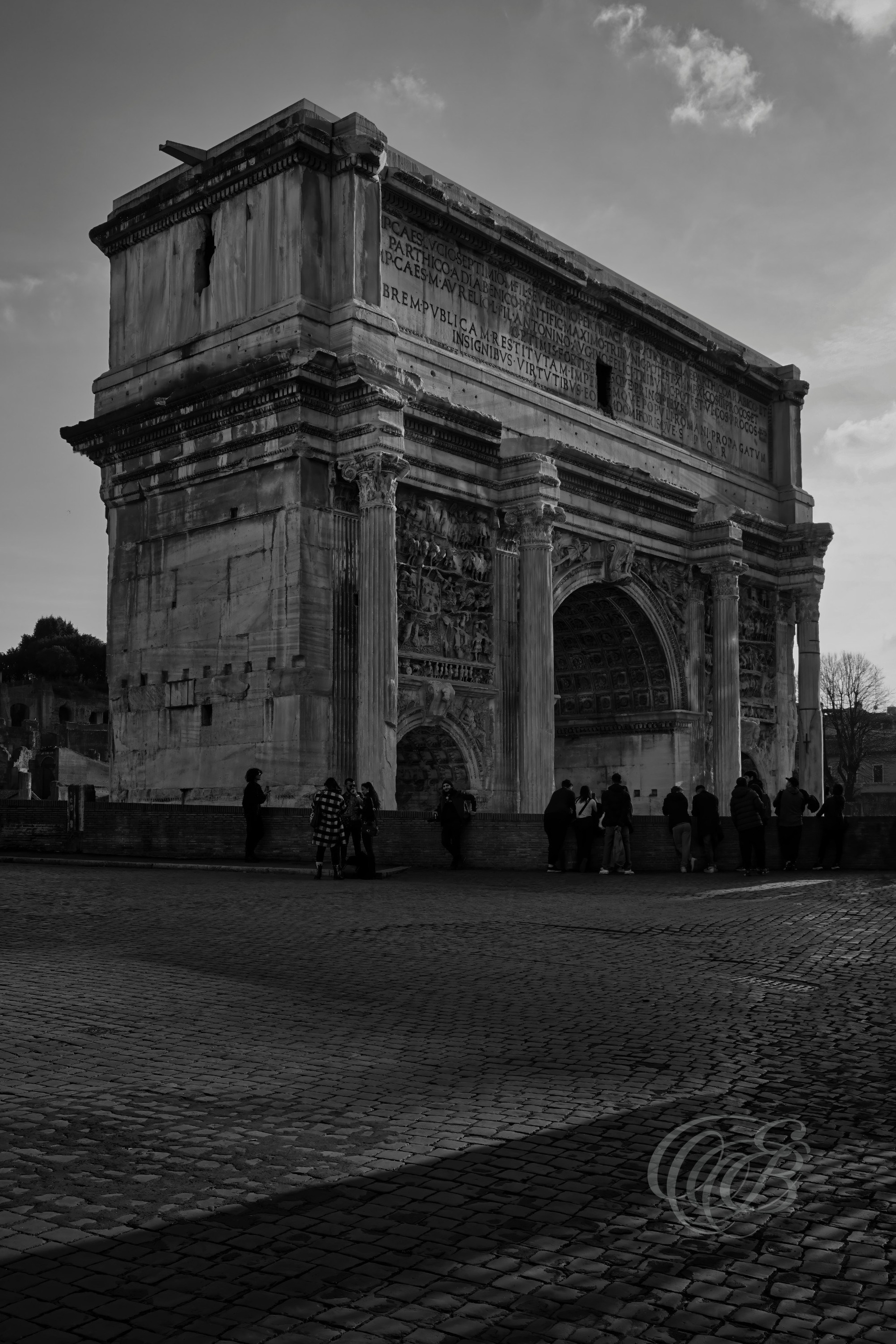
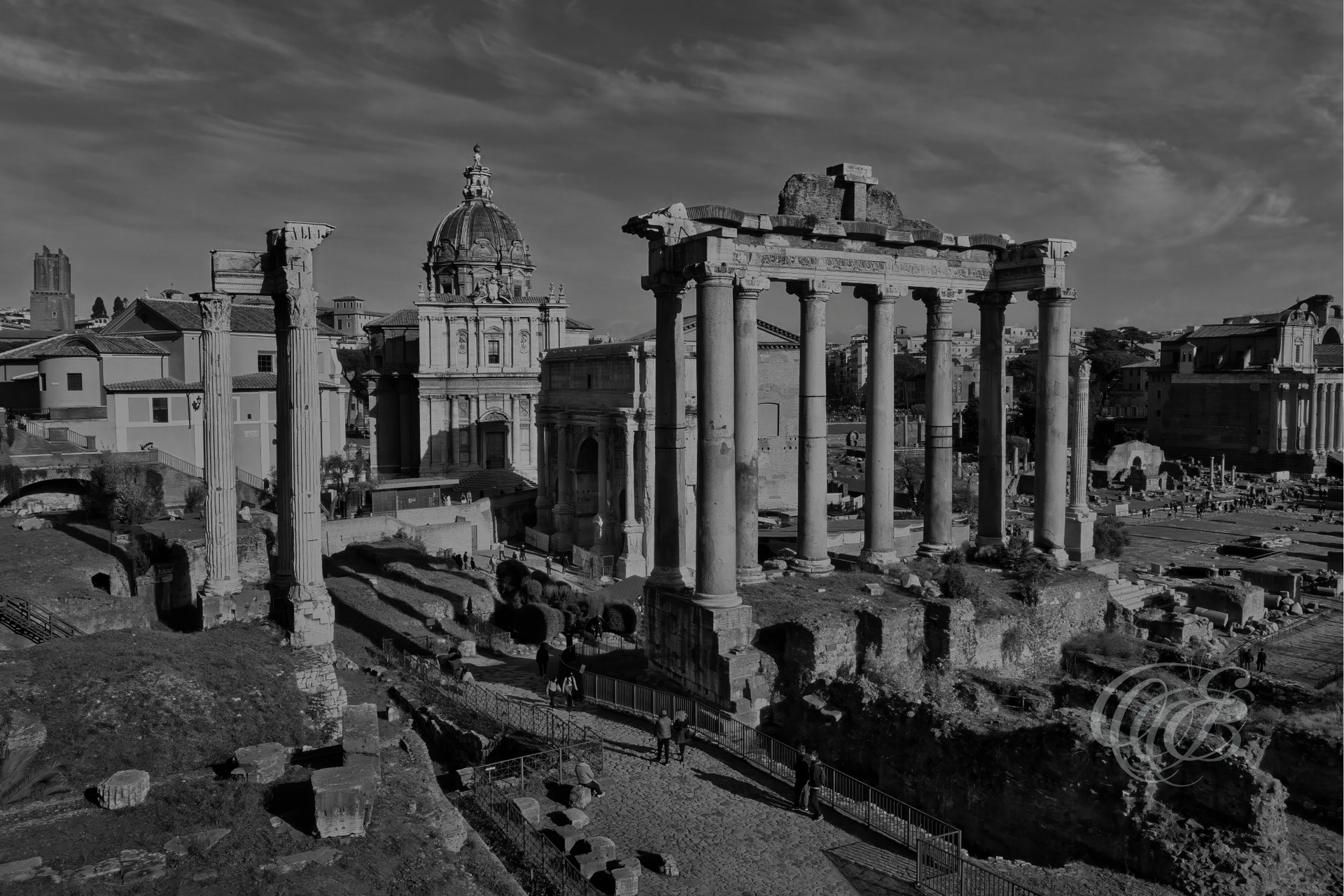
Rising above the ruins of the Roman Forum, the Arch of Septimius Severus has marked the entrance to one of ancient Rome's most important civic spaces since AD 203. Built to commemorate military victories against the Parthian Empire, its sculpted reliefs and monumental proportions continue to reflect the ambitions of imperial Rome. Rendered in black and white, the scene emphasizes the interplay of evening light and shadow across the weathered marble surfaces, drawing attention to the arch's enduring presence within the historic landscape of the Forum. Eduardo Bartoli Photography.
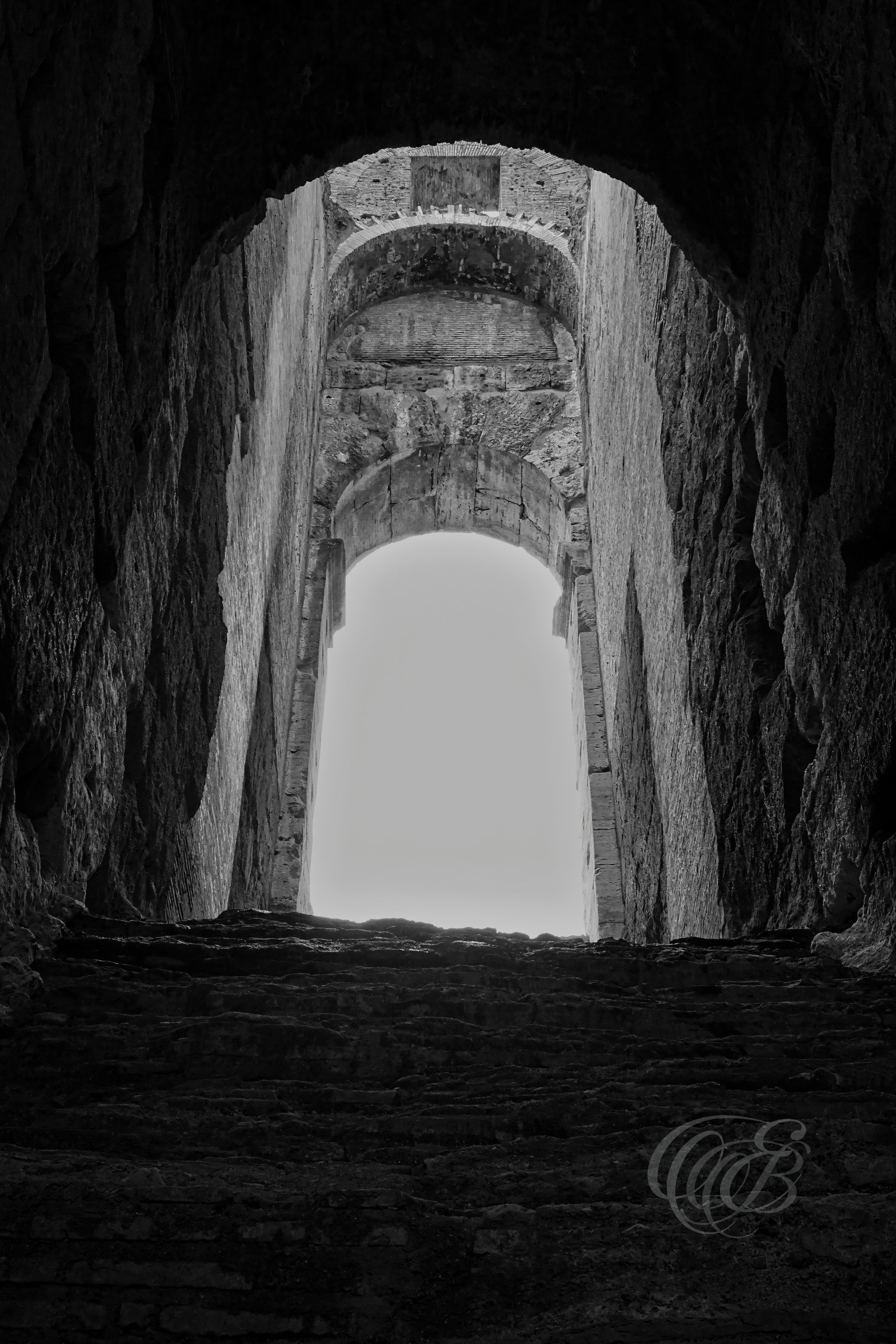
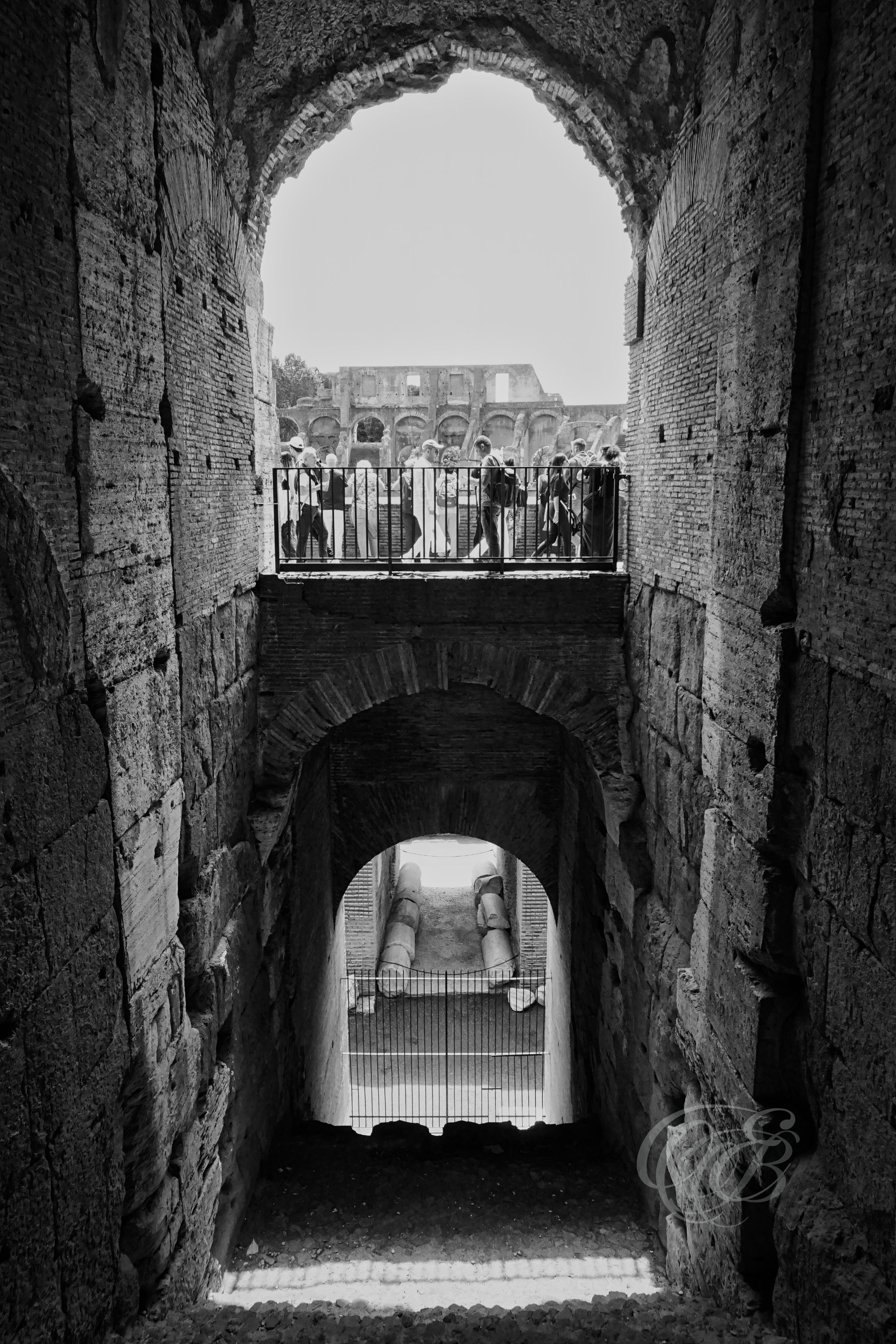
Carved into the interior framework of the Colosseum, this lower staircase reflects the functional design that connected multiple levels of the amphitheater. Receding arches guide the eye through the structure, while black-and-white tones emphasize the contrast between illuminated openings and the darker masonry surrounding them. The surviving passageway preserves a quieter perspective of the Colosseum, away from the arena and focused on the craftsmanship of Roman construction. Eduardo Bartoli Photography.
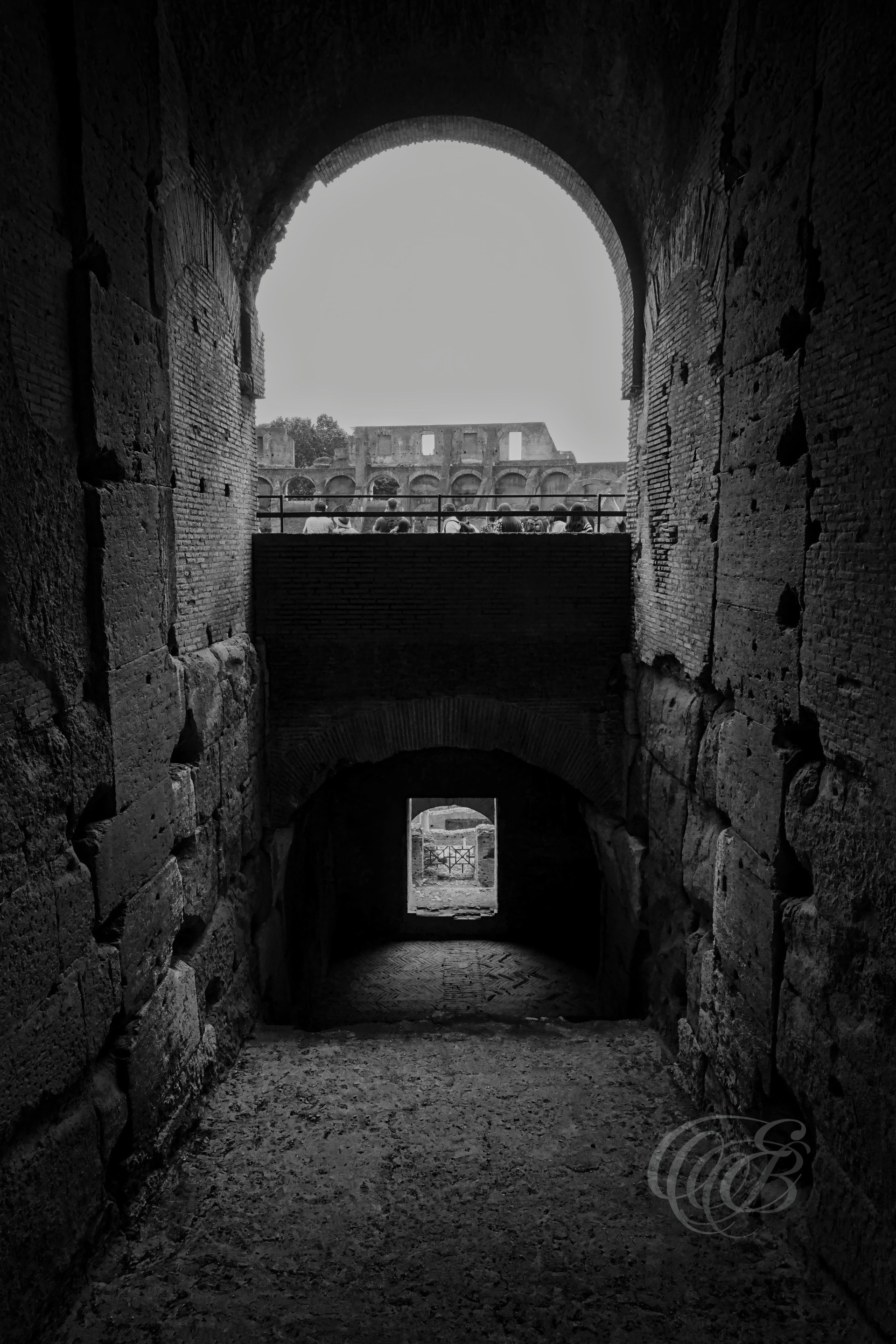
Elevated above the arena floor, this upper archway offers a view into the layered design of the Colosseum's interior, where architecture and movement were carefully integrated into a single monumental structure. Light entering through the opening creates a strong contrast against the shadowed stonework, emphasizing the scale and geometry of the amphitheater. Presented in black and white, the scene highlights the textures and architectural rhythms that continue to define one of Rome's most enduring landmarks. Eduardo Bartoli Photography.
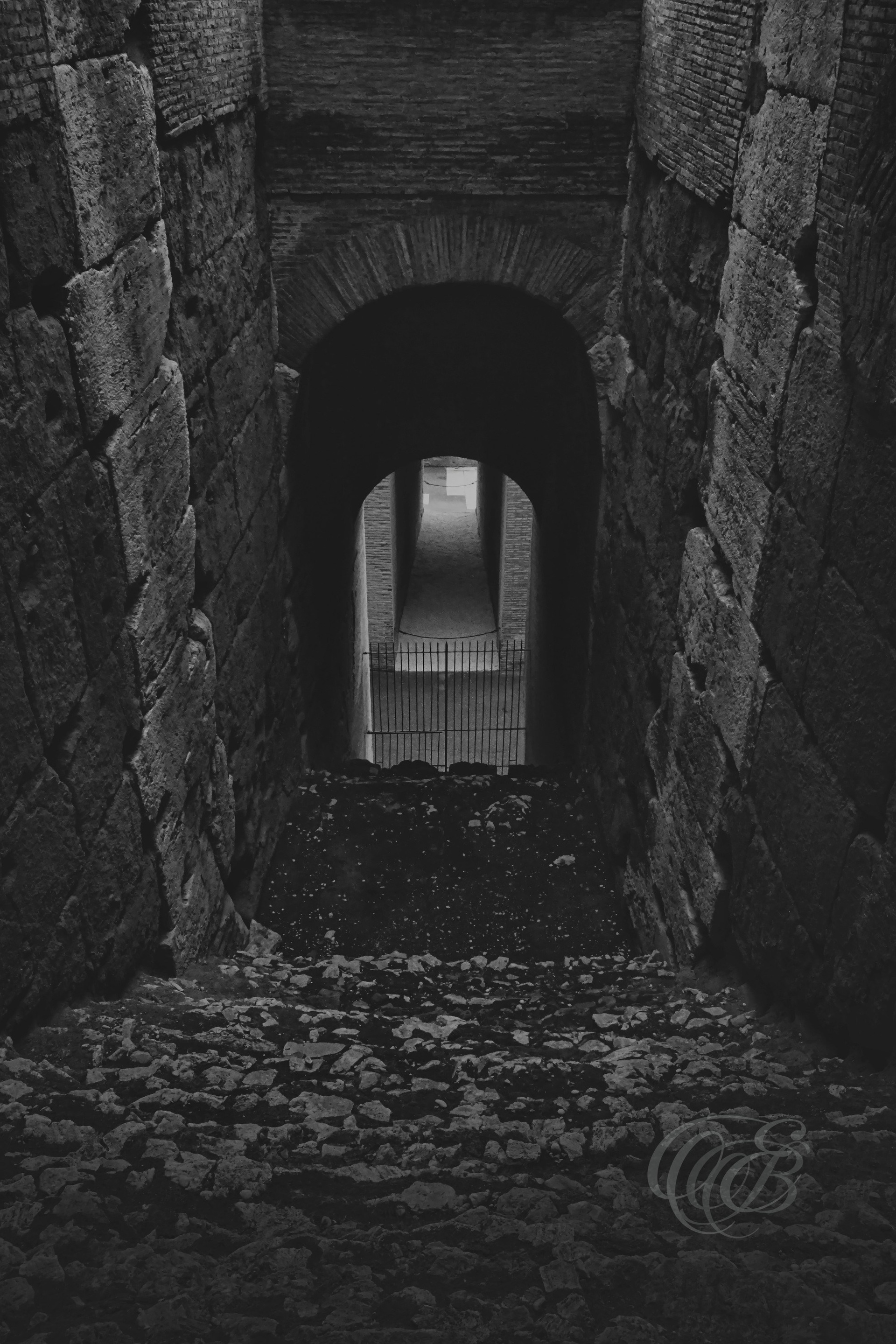
Beneath the public levels of the Colosseum, arched stairways reveal the hidden infrastructure that supported the operation of the ancient amphitheater. The descending passage creates a sense of depth and direction, while the monochrome presentation draws attention to the worn stone surfaces and the interplay of shadow within the vaulted space. These less-visible sections offer a glimpse into the practical engineering that allowed the structure to function on such an immense scale. Eduardo Bartoli Photography.
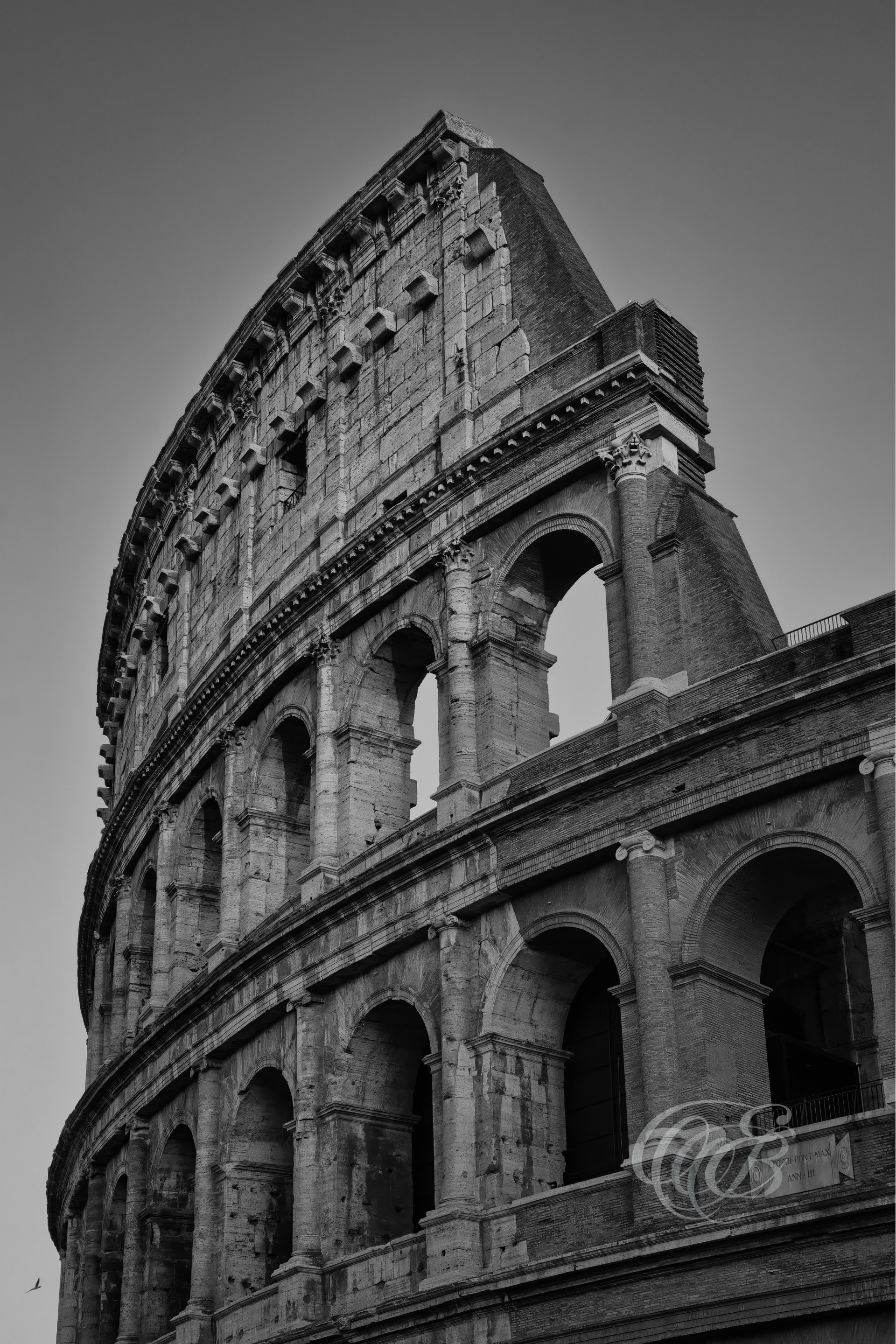
Few structures embody the legacy of ancient Rome as completely as the Colosseum, whose arches and stone walls have endured since the first century AD. As the sun descends behind the amphitheater, the changing light softens the monumental exterior while revealing the textures and imperfections shaped by centuries of history. Presented in black and white, the scene emphasizes form, contrast, and architectural scale, drawing attention to the enduring character of one of the world's most recognizable landmarks. Eduardo Bartoli Photography.
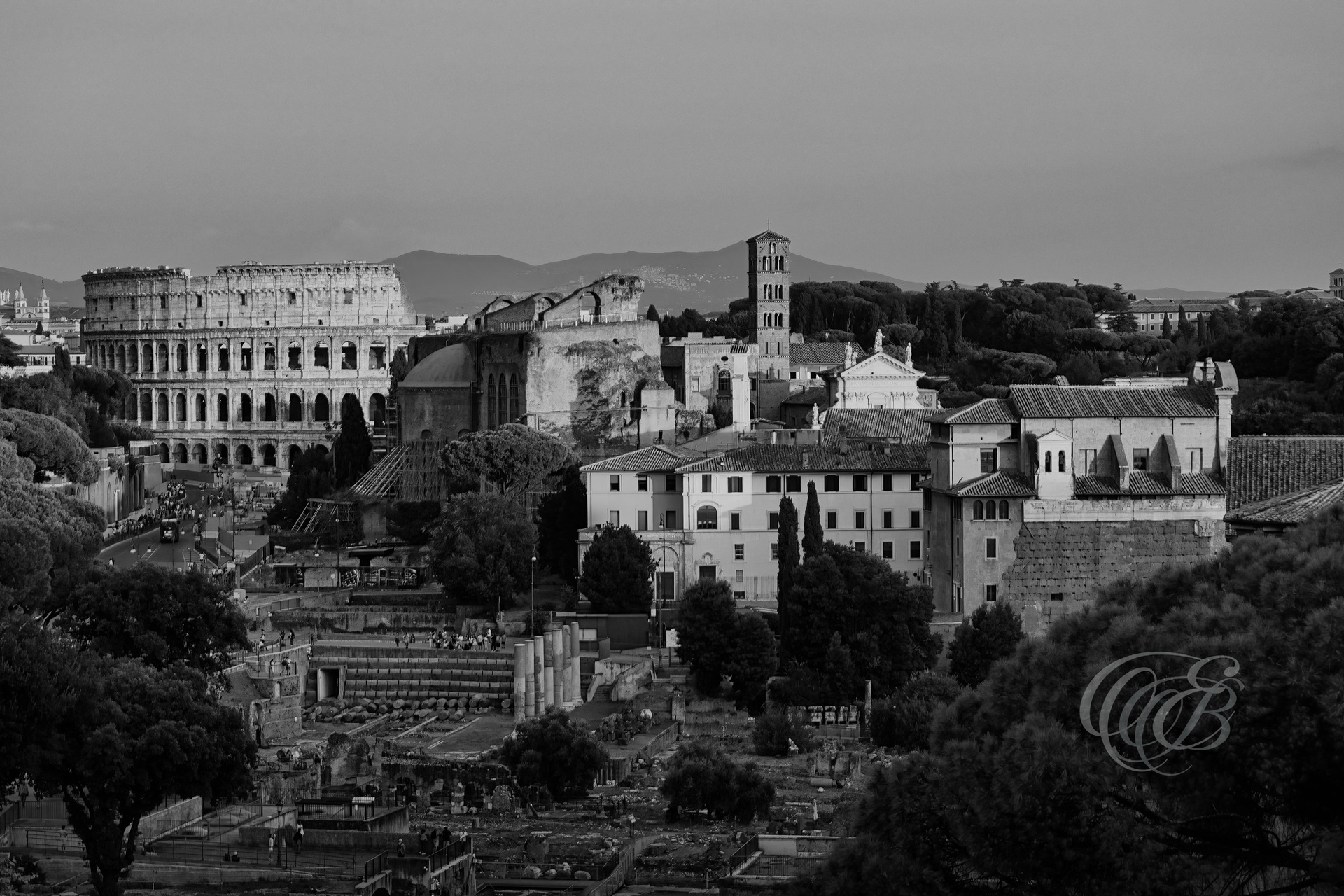
The Roman Forum at sunset in black and white, where the fading light reshapes the ancient ruins into a study of contrast, texture, and architectural form. Columns, temples, and fragmented structures emerge through shadow and tone, revealing the layered history of imperial Rome within a quiet, timeless atmosphere. Eduardo Bartoli Photography.
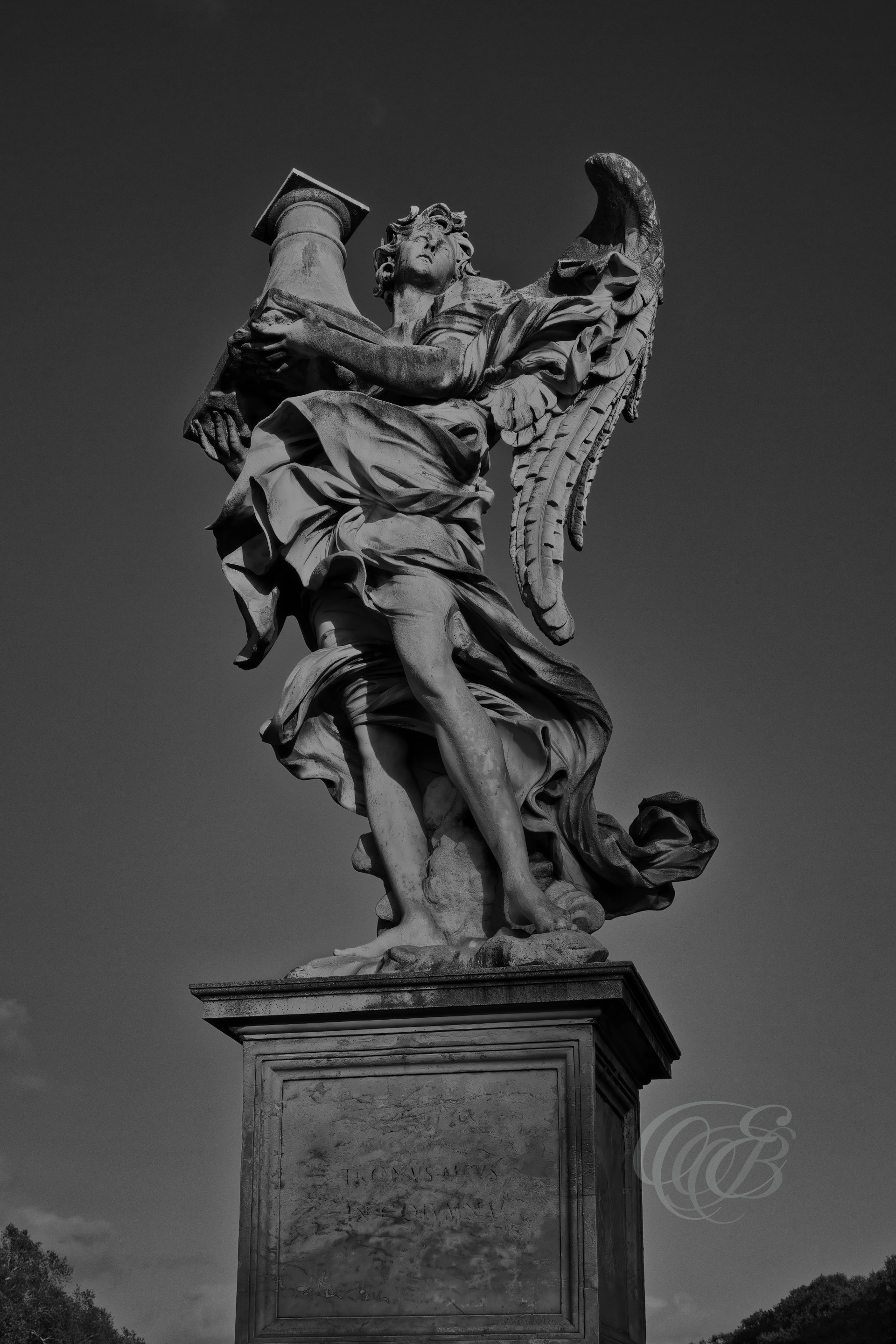
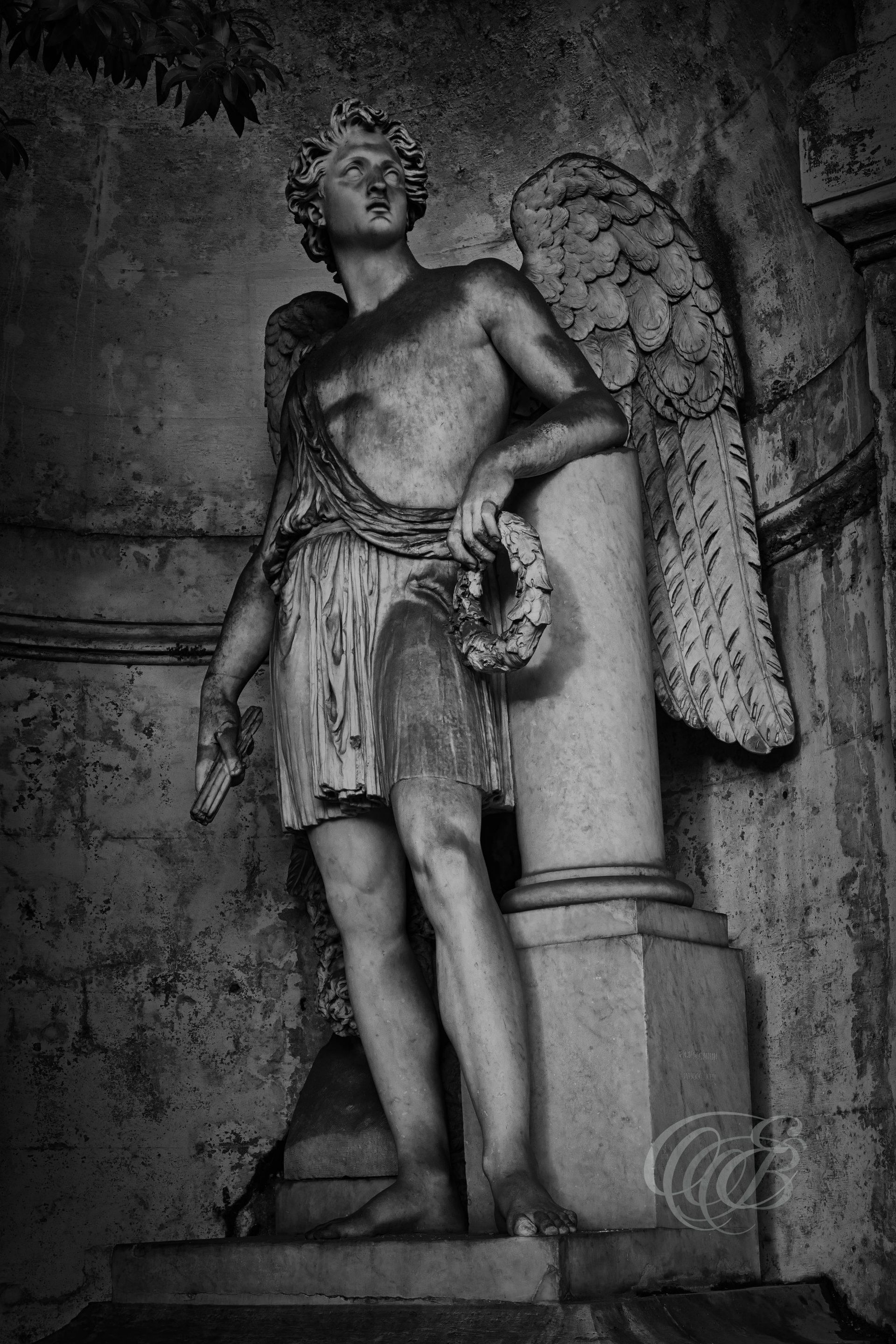
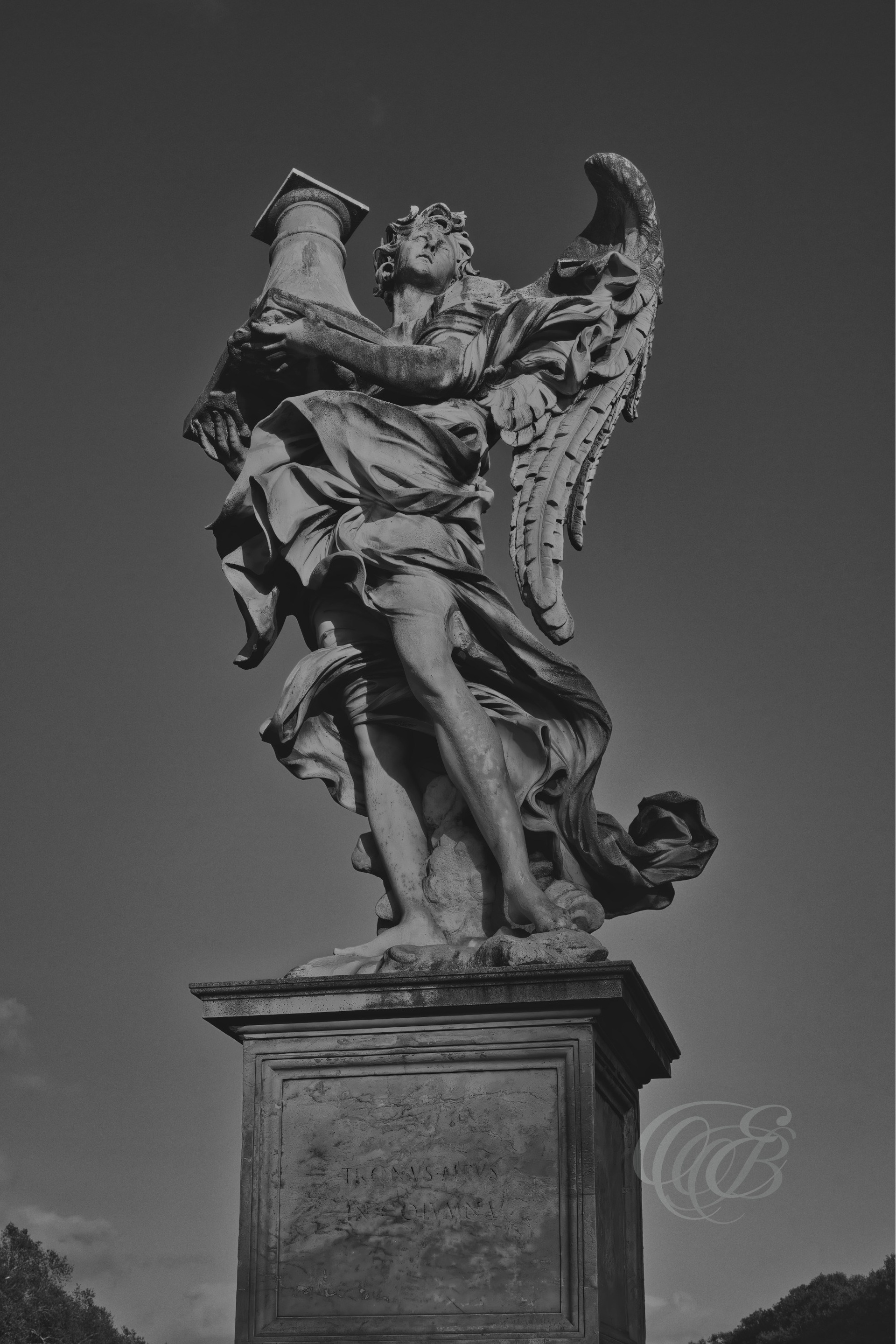
The angel carrying the column is one of the ten angel sculptures that line Ponte Sant’Angelo, a bridge closely associated with the pilgrimage route to St. Peter’s Basilica. Created during the seventeenth century under the artistic direction of Gian Lorenzo Bernini, these sculptures reflect the religious symbolism and Baroque artistry that helped shape the visual character of Rome. Eduardo Bartoli Photography.
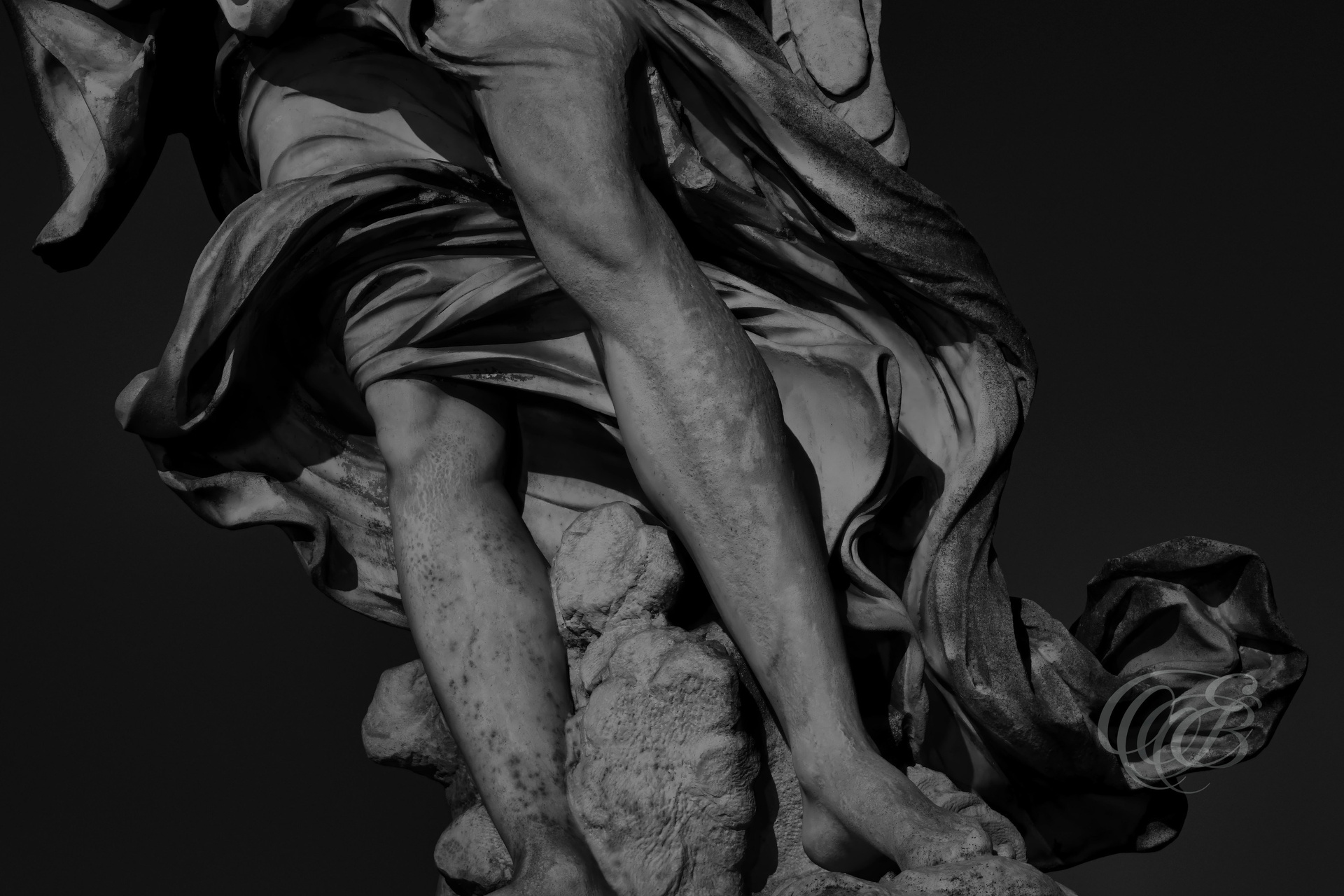
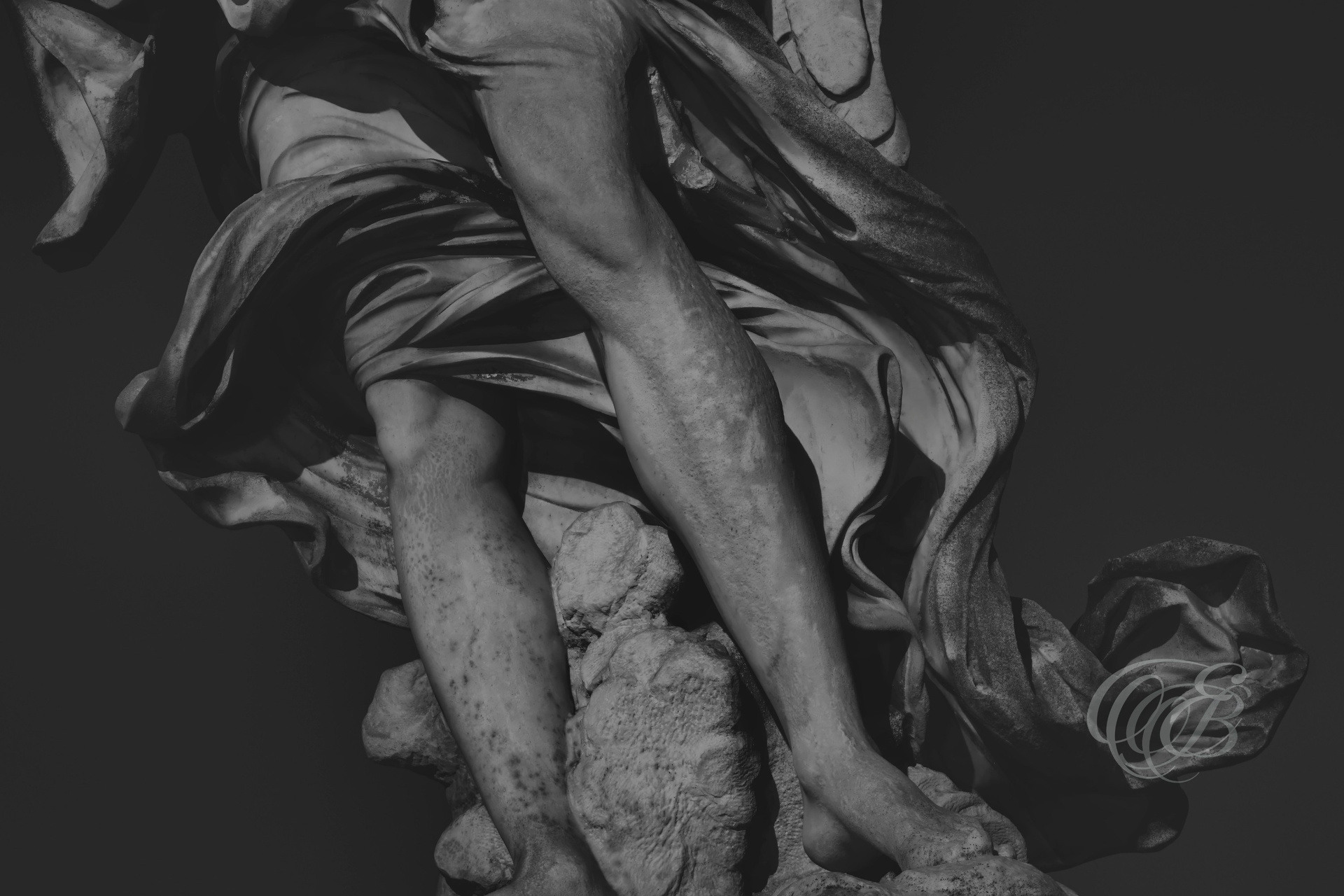
A close view of the angel sculpture at Ponte Sant’Angelo reveals the intricate craftsmanship of one of the bridge’s celebrated Baroque figures. Part of the seventeenth-century sculptural program associated with Gian Lorenzo Bernini, the angels along the bridge reflect themes from the Passion of Christ and remain a defining feature of this historic crossing over the Tiber. Eduardo Bartoli Photography.
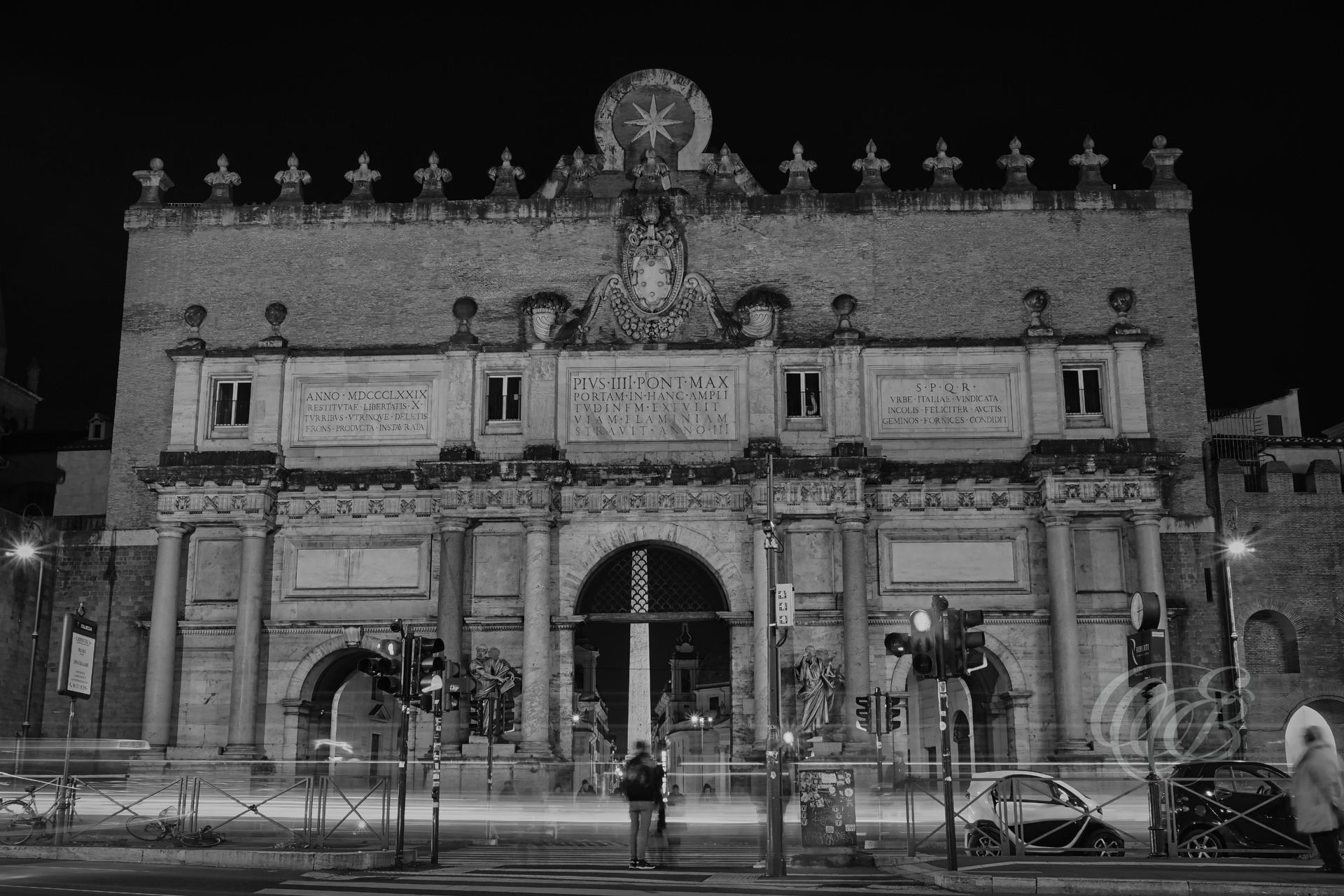
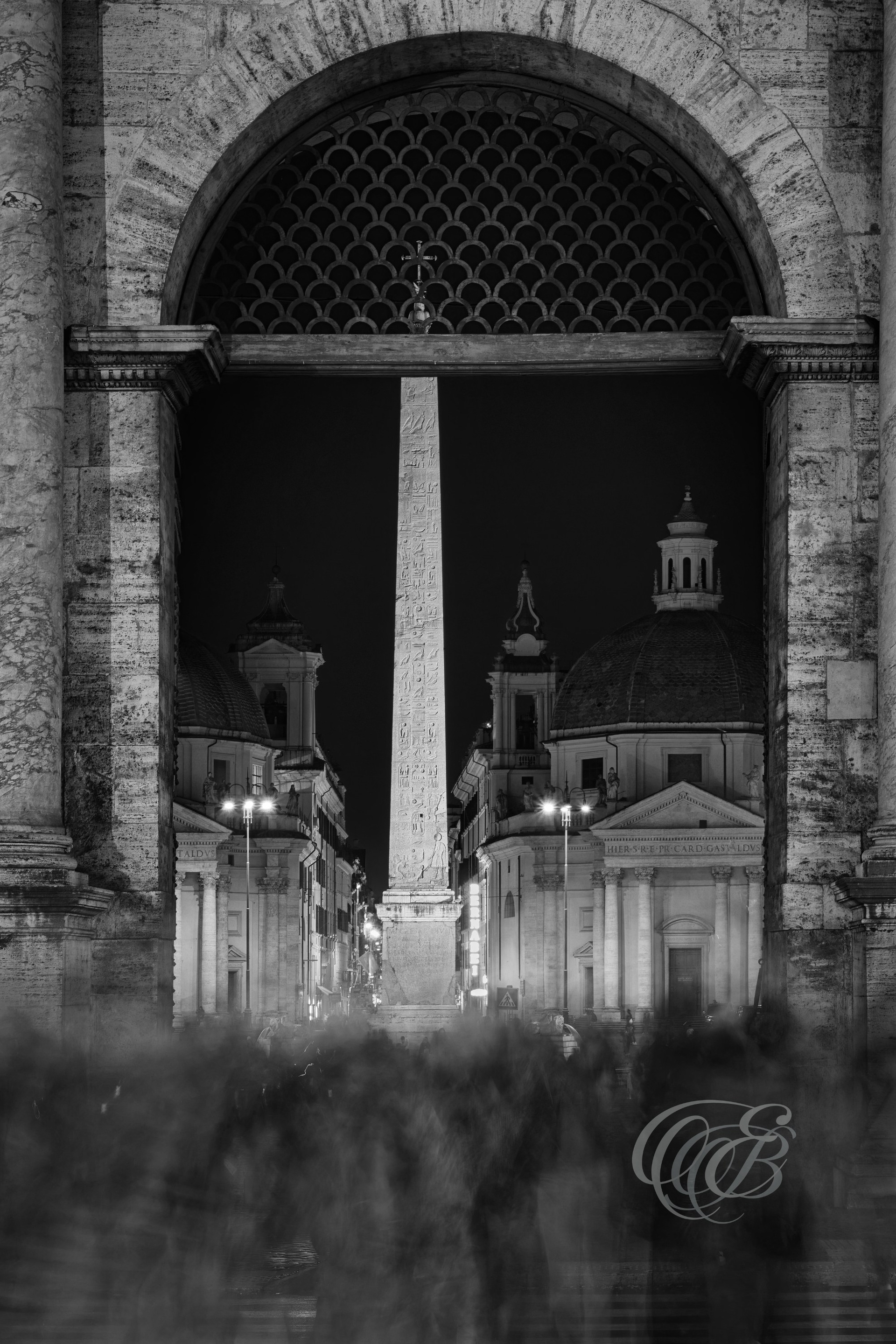
Porta del Popolo has served as one of the historic northern gateways into the city, connecting Rome with the ancient Via Flaminia. In this long-exposure black-and-white view, the movement of people contrasts with the permanence of the monumental architecture, emphasizing the passage of time within one of Rome’s most important urban entrances. Eduardo Bartoli Photography.
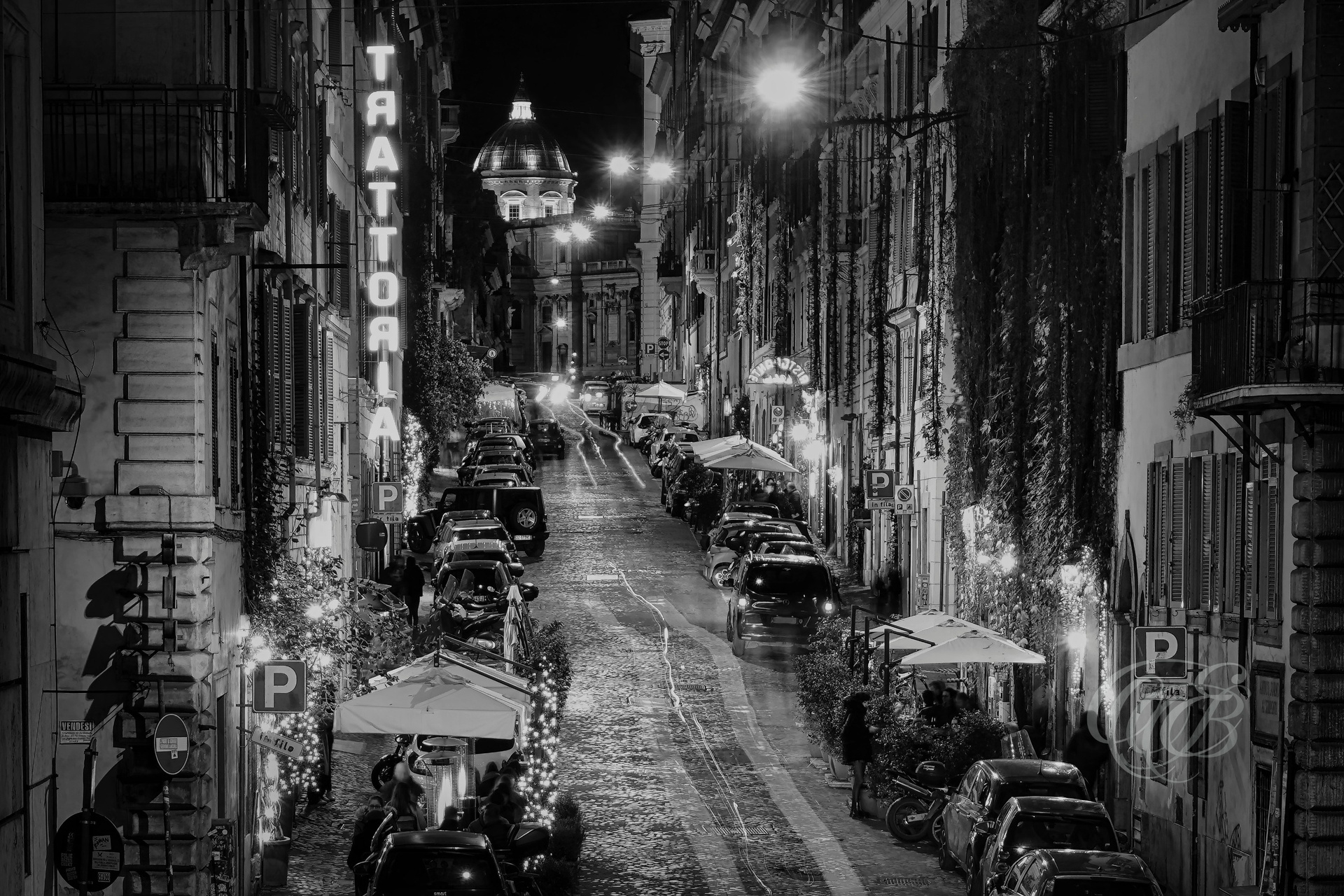
Via dei Serpenti is a historic street in the Monti district, one of the oldest neighborhoods in Rome. In this long-exposure black-and-white view, the movement of city life contrasts with the permanence of the surrounding architecture, reflecting the layered urban character of the historic center. Eduardo Bartoli Photography.
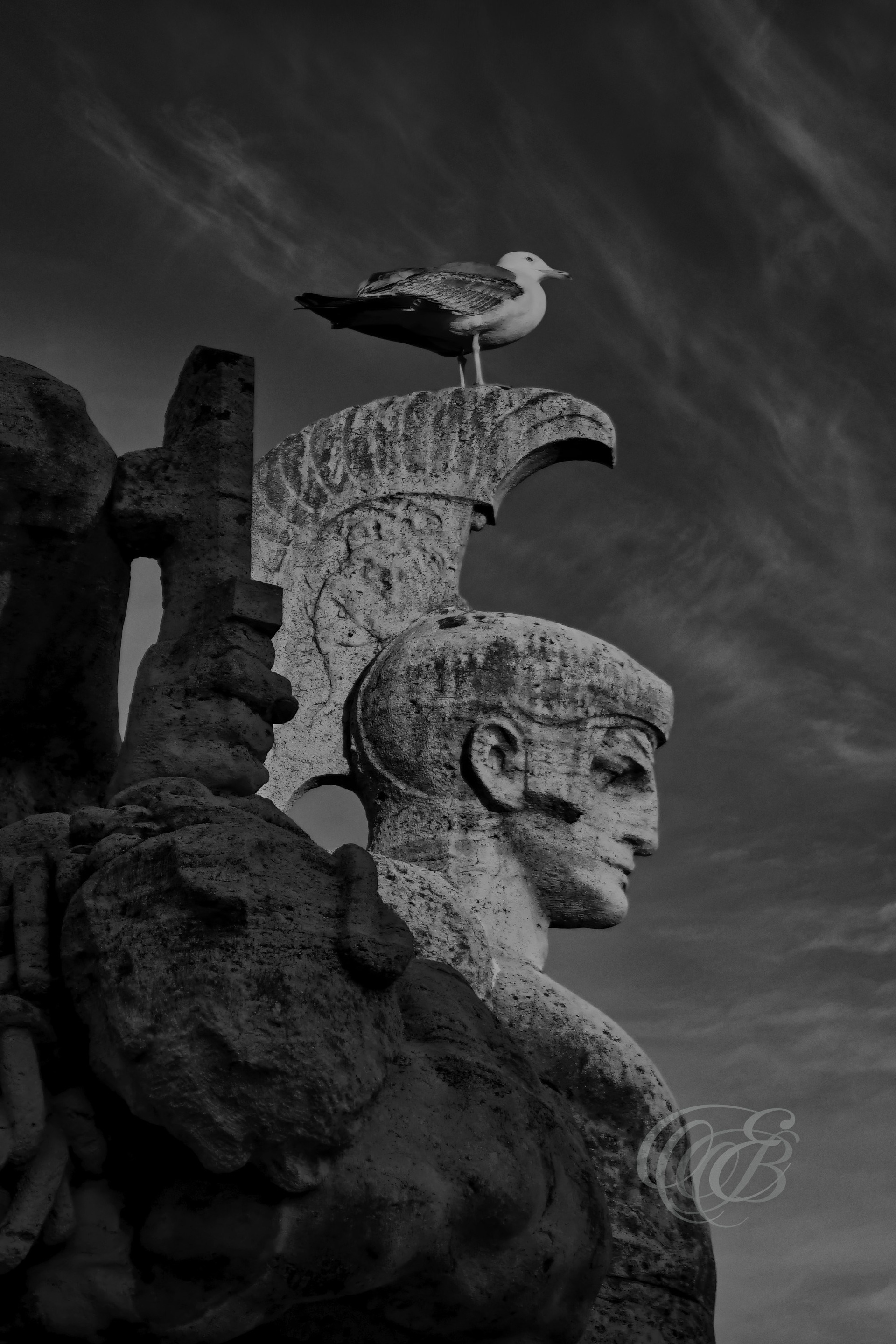
Ponte Vittorio Emanuele II spans the Tiber River, linking Rome’s historic center with the Vatican district. In this black-and-white composition, a seagull is perched on the structure, creating a quiet contrast with the architectural form of the bridge. Eduardo Bartoli Photography.
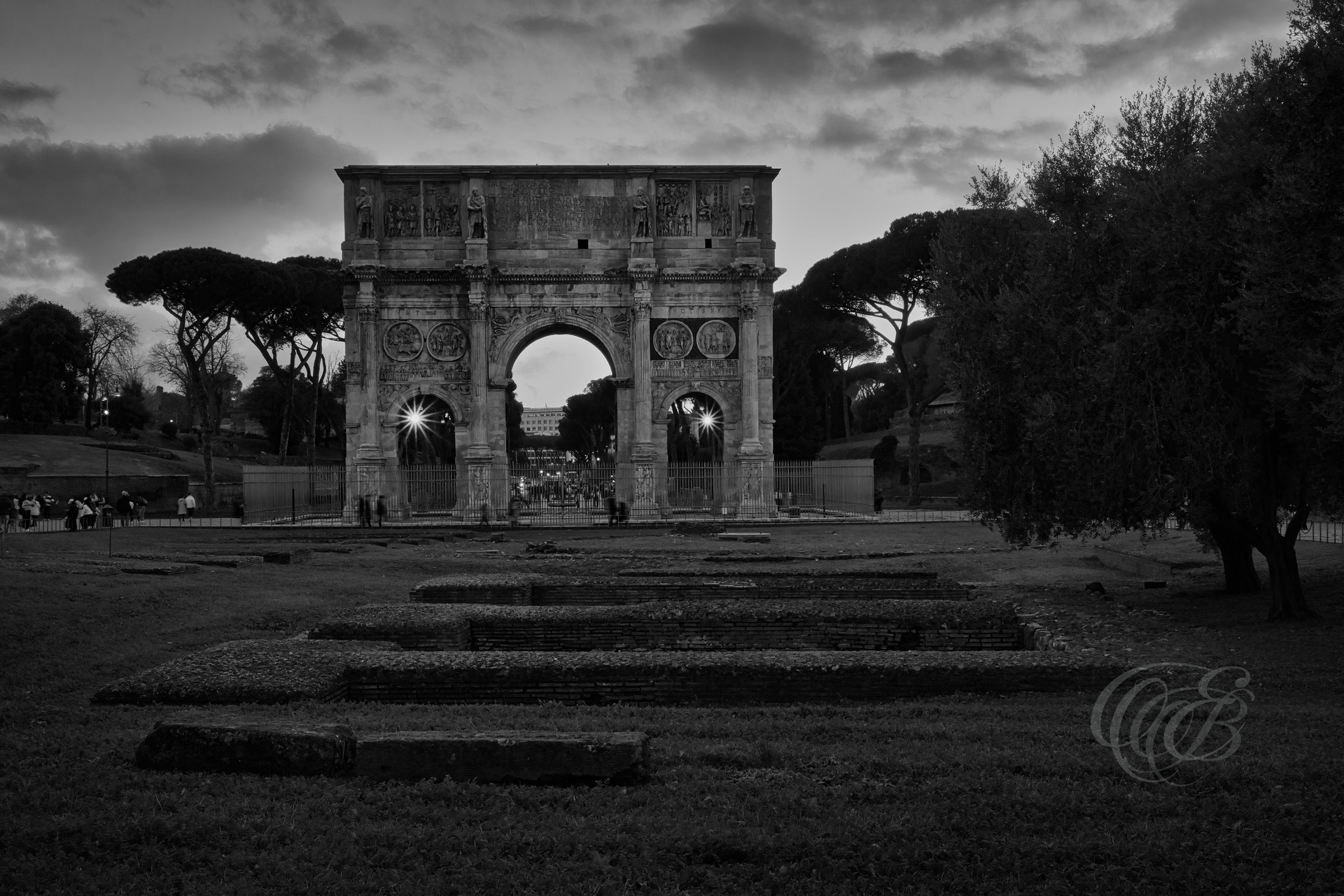
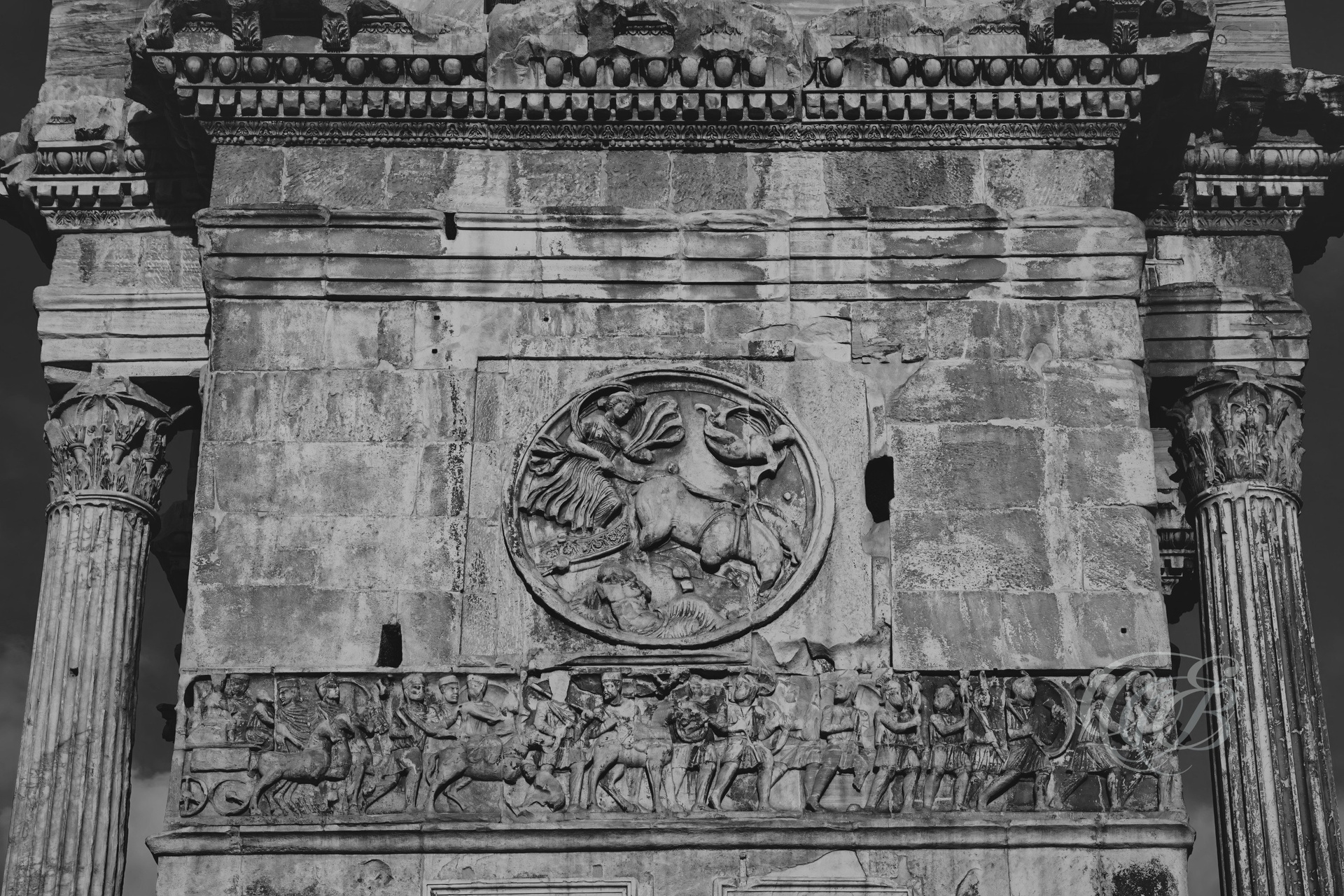
The Arch of Constantine stands beside the Colosseum as one of the most significant triumphal arches of ancient Rome. Dedicated in the fourth century AD to commemorate Emperor Constantine’s victory at the Battle of the Milvian Bridge, it incorporates sculptural elements from earlier imperial monuments, reflecting the layered history of Roman art and politics. Eduardo Bartoli Photography.
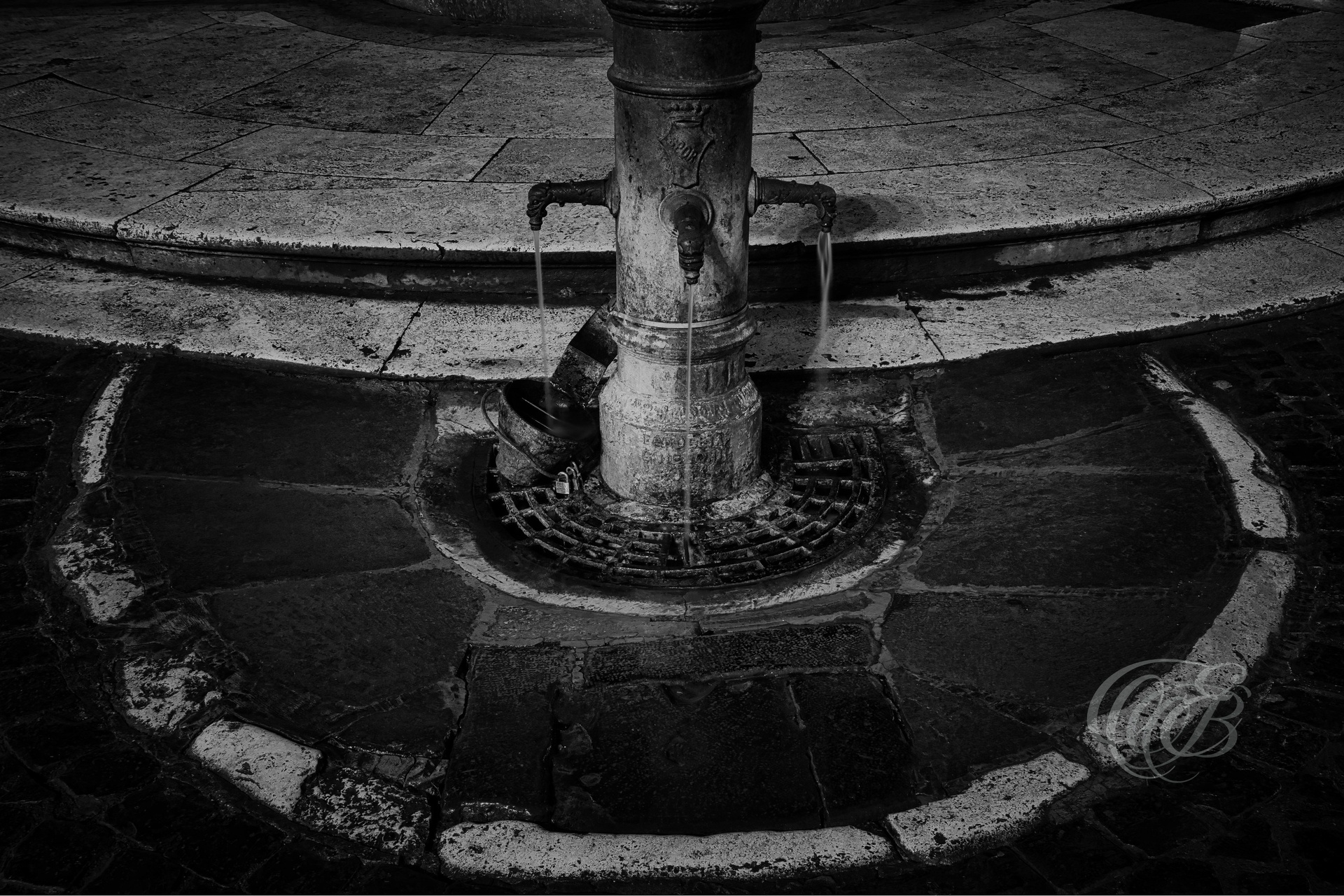
Piazza della Rotonda is the open square in front of the Pantheon, one of the best-preserved monuments of ancient Rome. The public drinking fountains known as “nasoni” are a characteristic feature of the city’s urban landscape, reflecting Rome’s long tradition of accessible public water infrastructure within its historic center. Eduardo Bartoli Photography.
The Pincian Hill overlooks Piazza del Popolo and offers one of the classic elevated viewpoints over the historic center of Rome. The Genius of Victory (Genius Victoriae) reflects the city’s tradition of allegorical sculpture within its public gardens and terraces, where art, landscape, and urban history intersect. Eduardo Bartoli Photography.
Within the gardens of Villa Borghese, a replica of the Temple of Antoninus and Faustina stands among landscaped paths and classical-inspired elements that reflect Rome’s continued dialogue with its ancient past. This reconstructed architectural feature evokes the original Roman temple in the Forum, blending historical reference with the 19th-century landscape design of the Borghese estate. Eduardo Bartoli Photography.
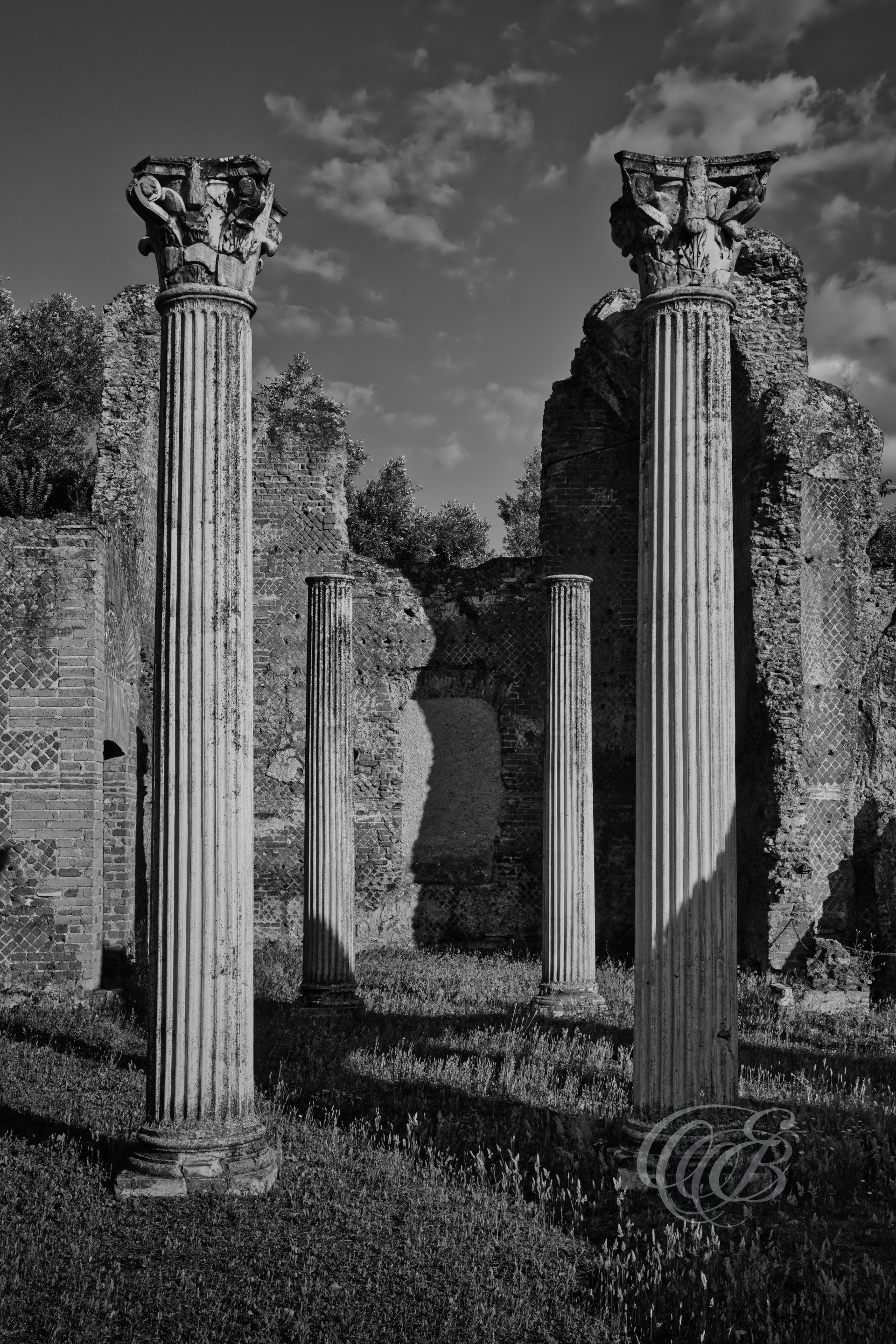
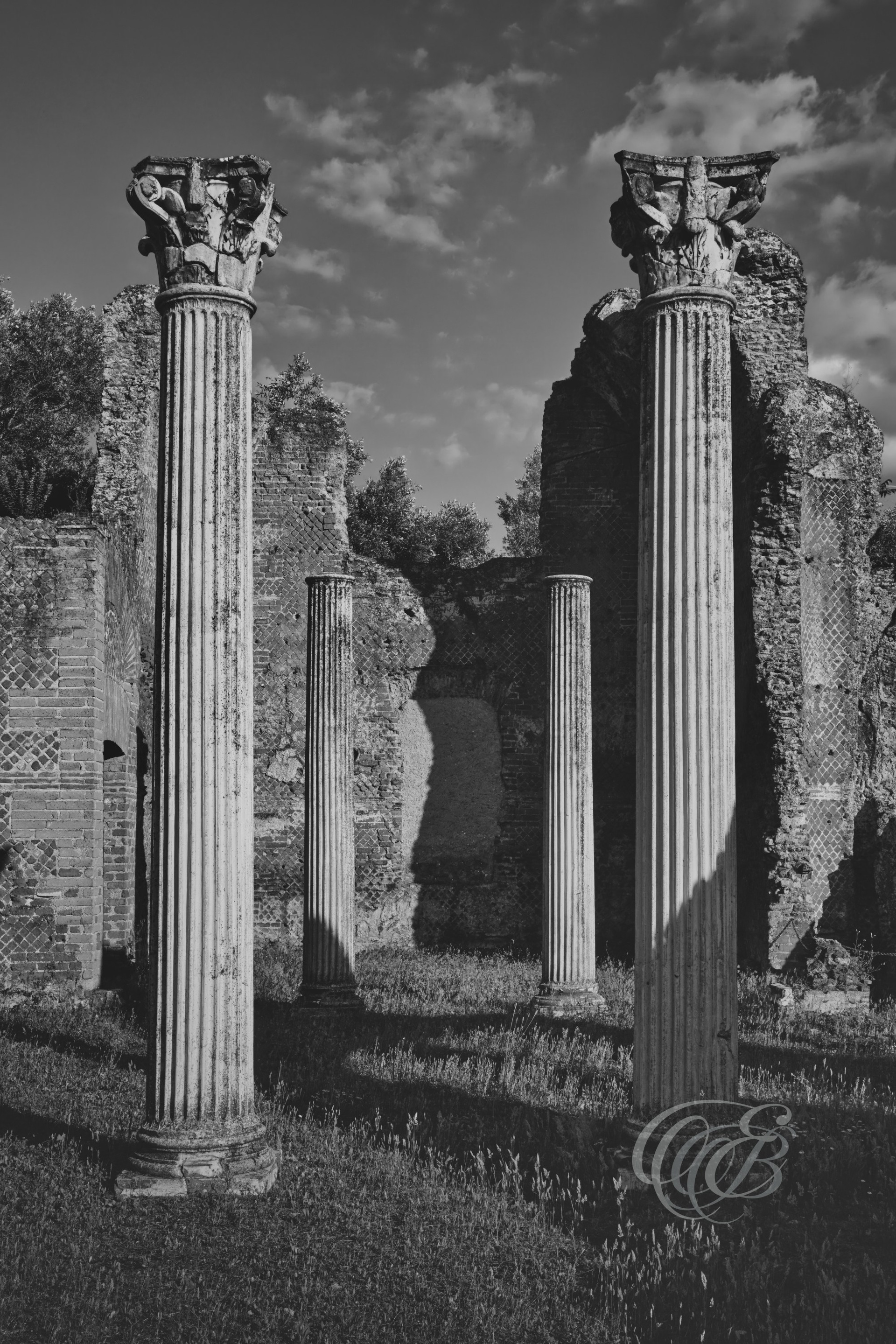
Hadrian’s Villa in Tivoli preserves one of the most ambitious imperial complexes of ancient Rome, built in the second century AD for Emperor Hadrian. The so-called Golden Square (Piazza d’Oro) is distinguished by its refined architectural layout and surviving columns, reflecting the scale, symmetry, and cultural influences that shaped Roman imperial design. Eduardo Bartoli Photography.
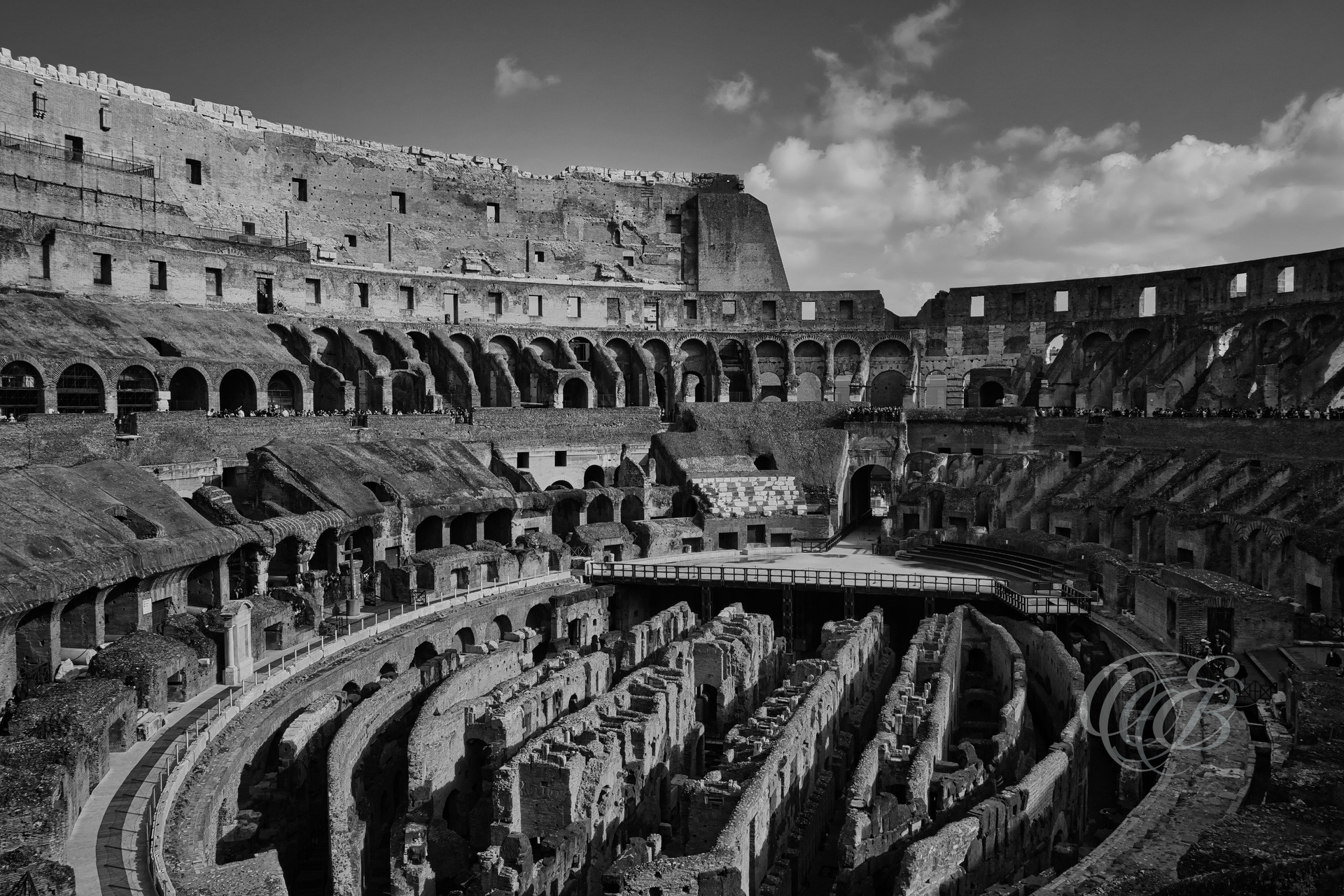
The interior arches of the Colosseum reveal the structural rhythm of the Flavian Amphitheatre, built in the first century AD under the emperors Vespasian and Titus. These surviving arcades reflect the scale and engineering precision of ancient Roman architecture, designed to support vast public spectacles in the heart of imperial Rome. Eduardo Bartoli Photography.
The Palazzo Mattei di Giove is a Renaissance-era palace located in the historic center of Rome, known for its richly decorated architecture and courtyards that reflect the artistic patronage of the Mattei family from the late sixteenth and early seventeenth centuries. Its architectural details and sculptural elements contribute to the layered urban heritage of Rome’s historic core. Eduardo Bartoli Photography.
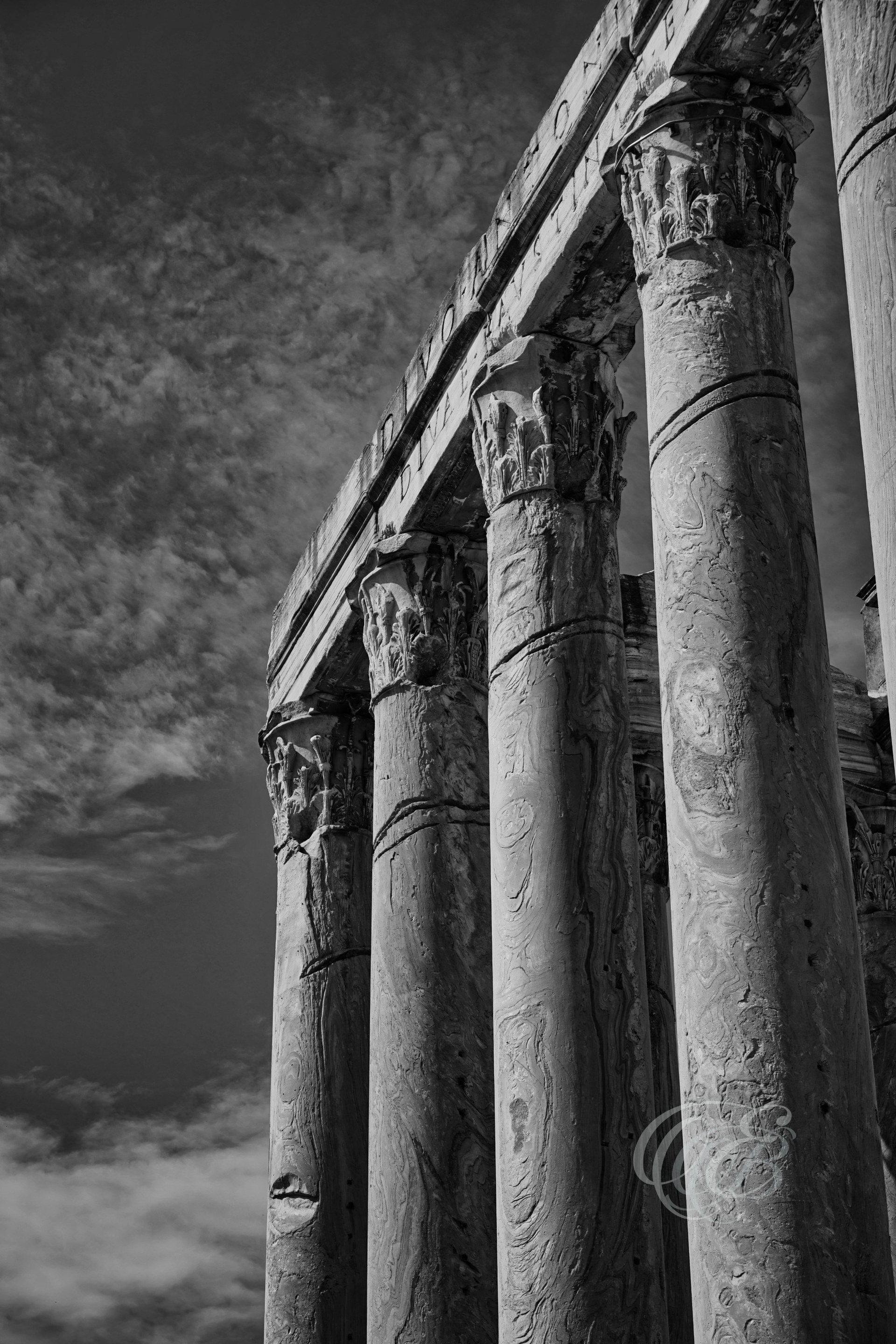
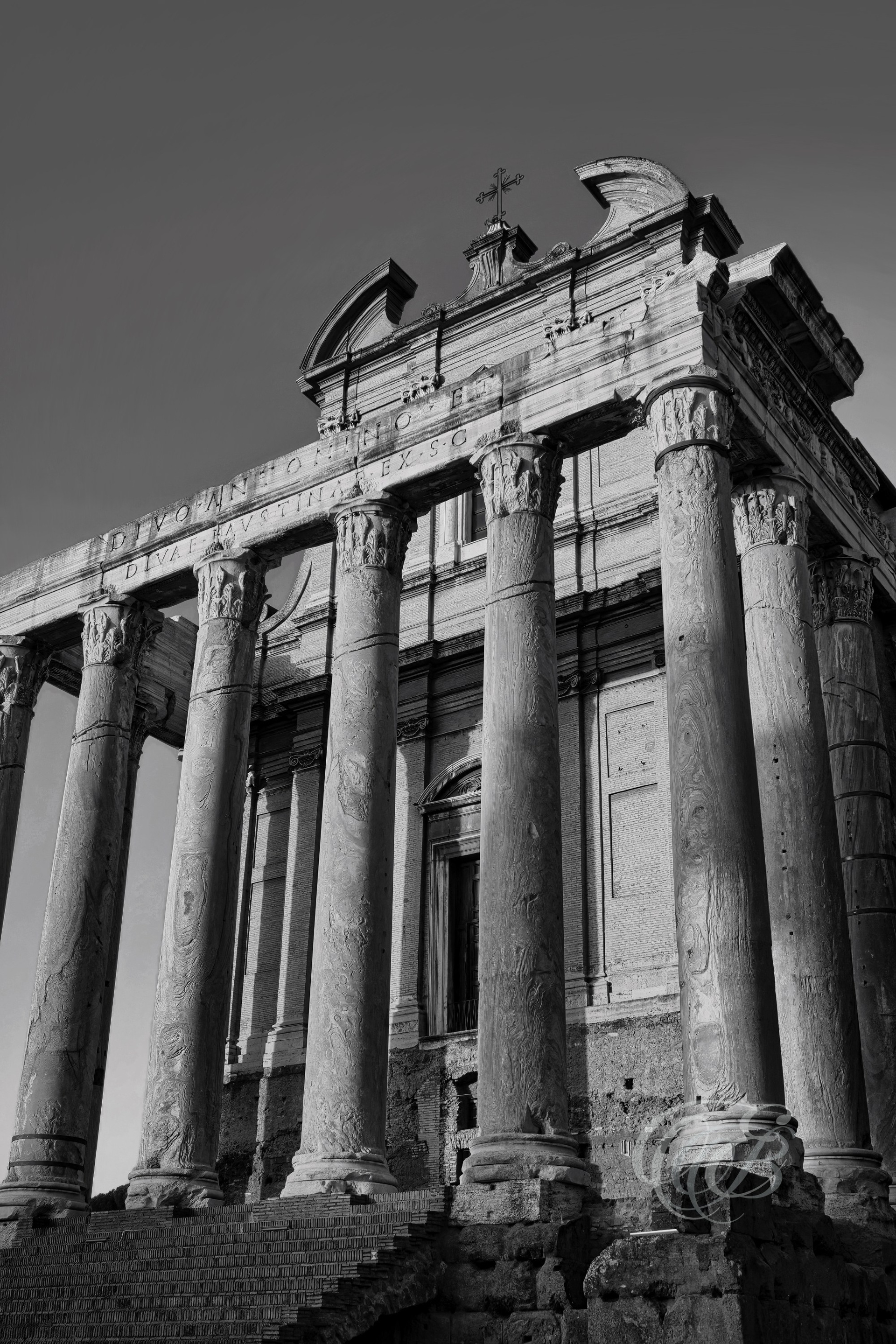
The Temple of Antoninus and Faustina stands in the Roman Forum as one of the best-preserved ancient Roman temples. Built in the second century AD and later incorporated into the Church of San Lorenzo in Miranda, it reflects the continuity of Roman architecture through successive historical periods. Eduardo Bartoli Photography.
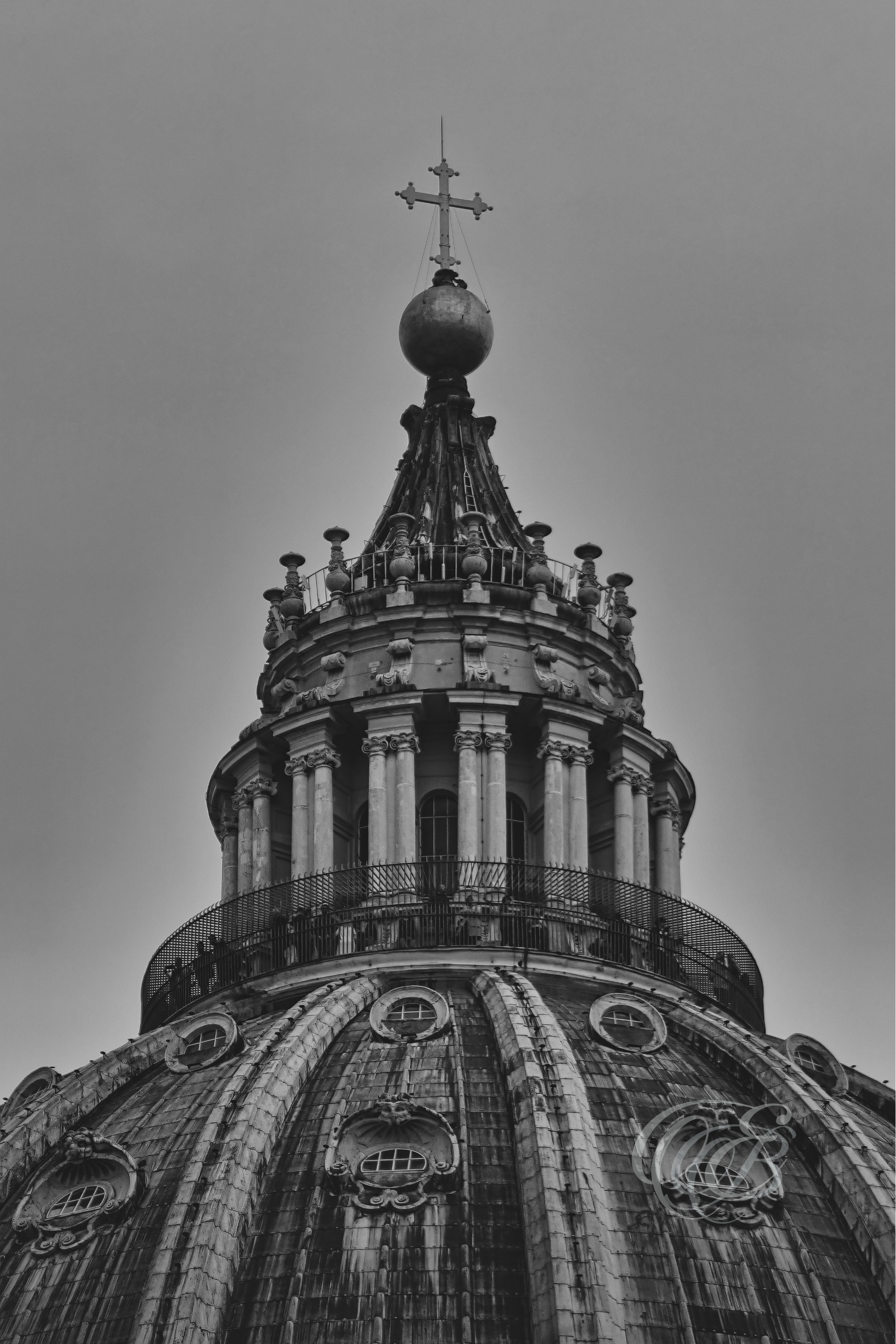
Rising above the ancient city, the dome of St. Peter’s Basilica stands as a crowning achievement of Renaissance mastery and spiritual ambition. Its commanding presence dominates the skyline, a symbol of authority, devotion, and architectural order shaped by centuries of faith and human discipline. Rendered in black and white, the image distills form and structure, allowing light and shadow to reveal the enduring gravity of this sacred monument. Eduardo Bartoli Photography.
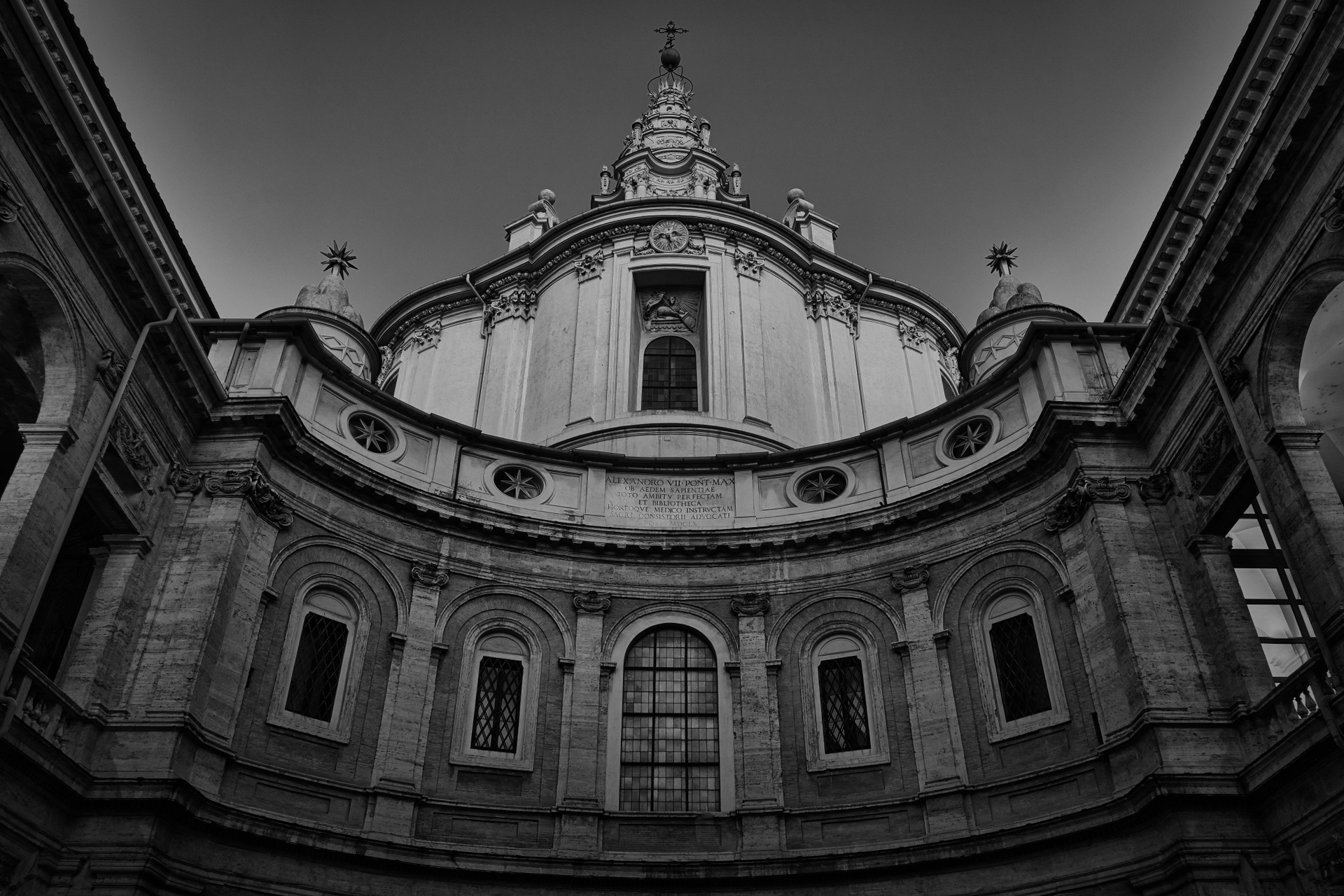
The Chiesa di Sant'Ivo alla Sapienza, designed by Francesco Borromini in the 17th century, stands as a defining work of Roman Baroque architecture. Its centralized plan and spiraling lantern reflect Borromini’s geometric experimentation within the historic courtyard of the former University of Rome. Presented in black and white, the image emphasizes curvature, structural clarity, and the disciplined tension between light and form within this architectural landmark. Eduardo Bartoli Photography.
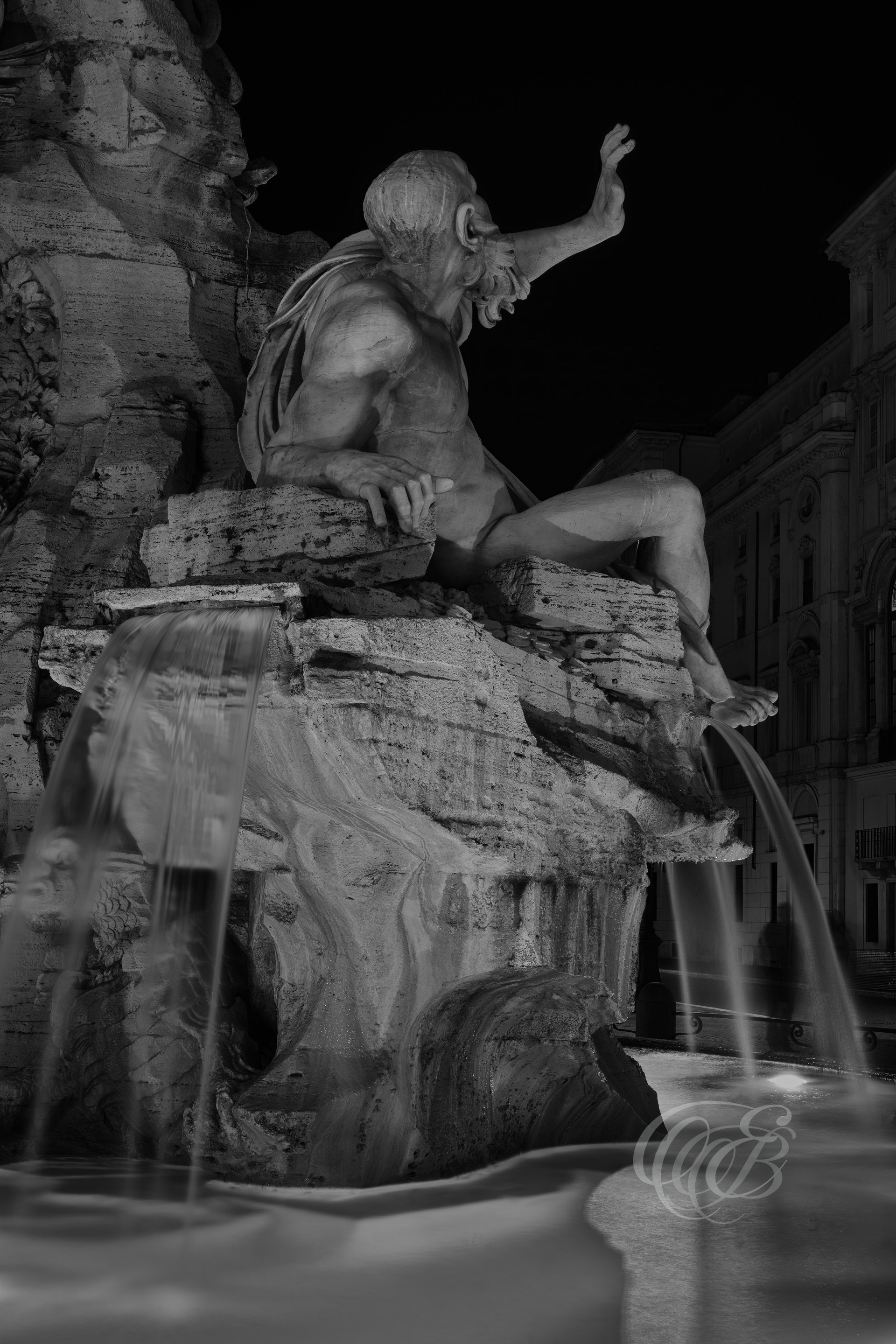
The Danube River figure forms part of Gian Lorenzo Bernini’s Fountain of the Four Rivers (1651) in Piazza Navona, commissioned under Pope Innocent X. Representing Europe, the sculpture reflects the theatrical movement and symbolic authority characteristic of the Roman Baroque. Presented in black and white, the image emphasizes carved detail, structural balance, and the enduring presence of this monument within Rome’s historic urban fabric. Eduardo Bartoli Photography.
As daylight withdraws, the Colosseum endures, its vast arches holding the memory of spectacle, discipline, and bloodbound order. The setting sun reduces the monument to mass and shadow, stripping away ornament and leaving only structure and consequence. In monochrome, time itself seems to pause, allowing the weight of Rome’s past to speak without distraction. Eduardo Bartoli Photography.
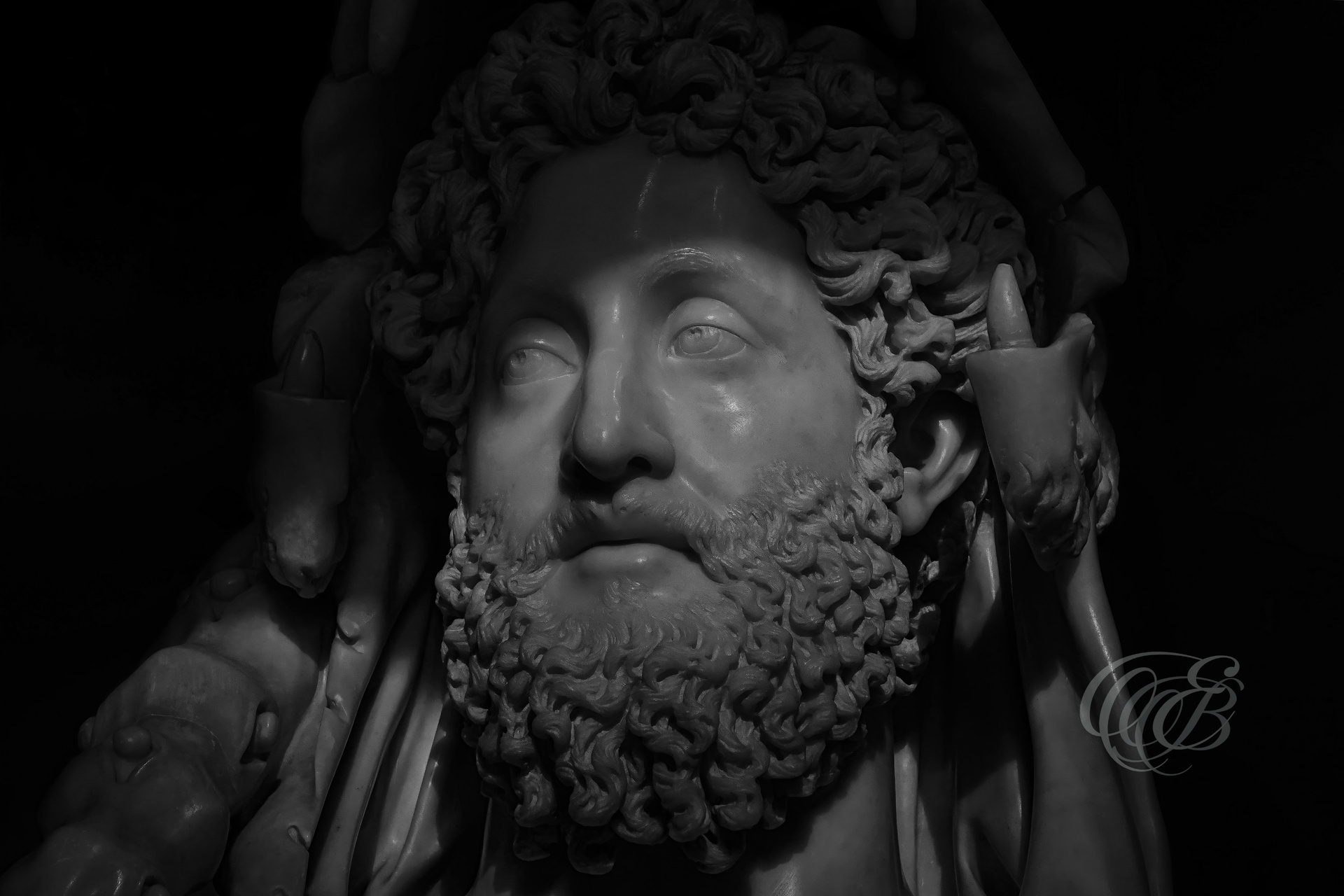
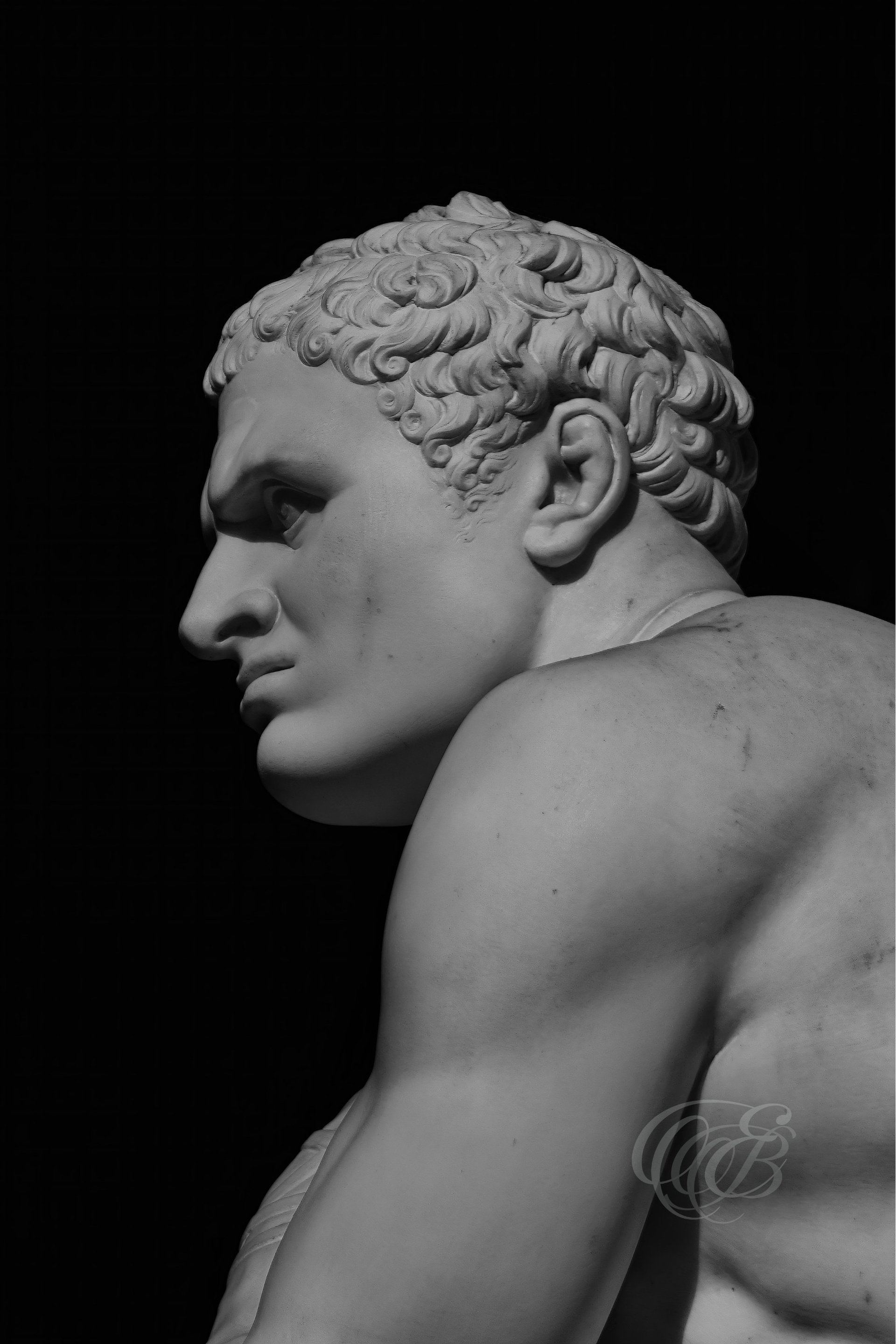
The bust of Commodus as Hercules reveals the uneasy marriage between power and myth in late imperial Rome. By adopting the guise of the divine hero, the emperor sought to anchor his rule in legend rather than virtue, leaving behind an image both commanding and unsettling. In black and white, the sculpture’s polished surfaces and stern gaze emerge with stark clarity, exposing the fragile line between authority and illusion that defined an empire nearing its decline. Eduardo Bartoli Photography.
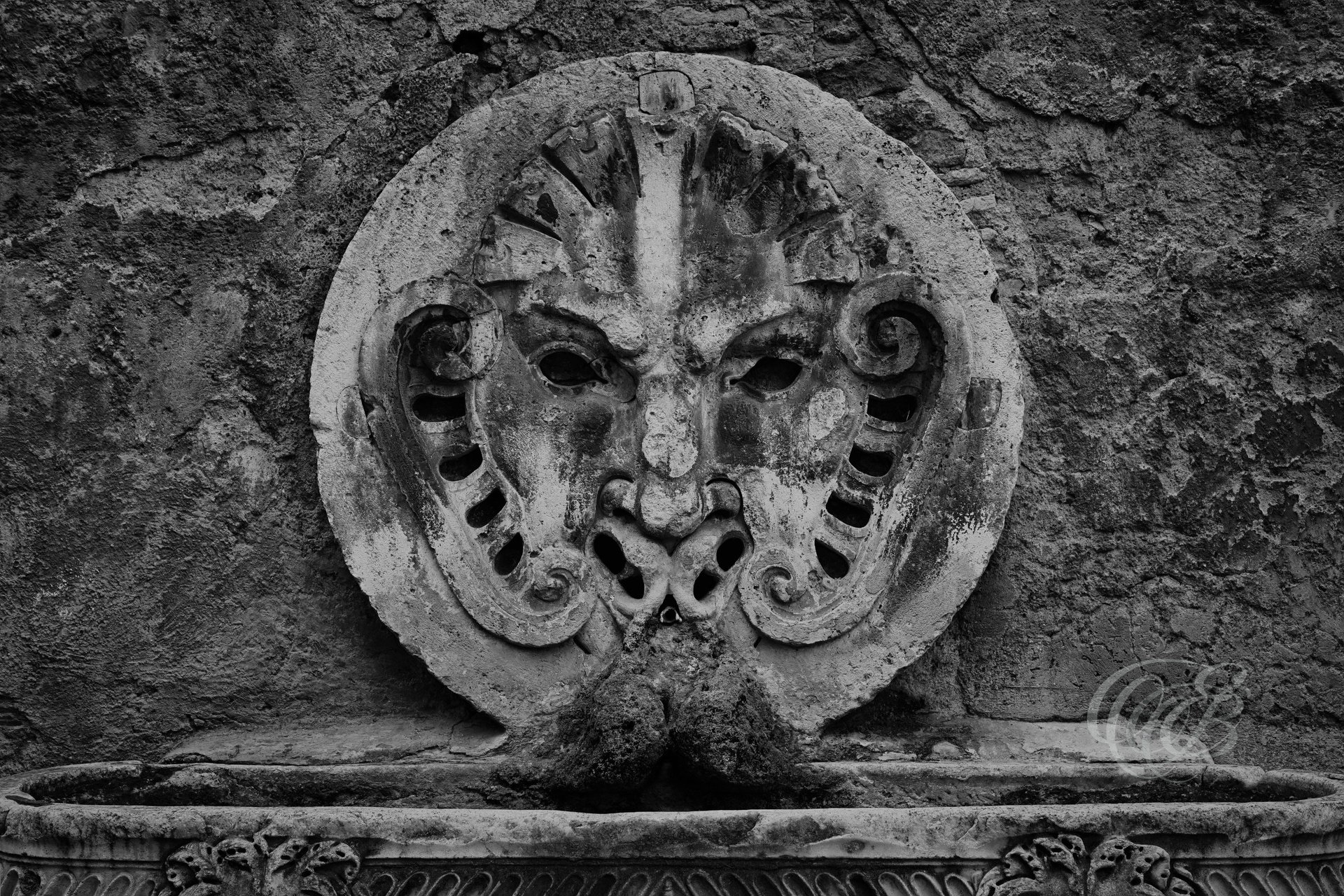
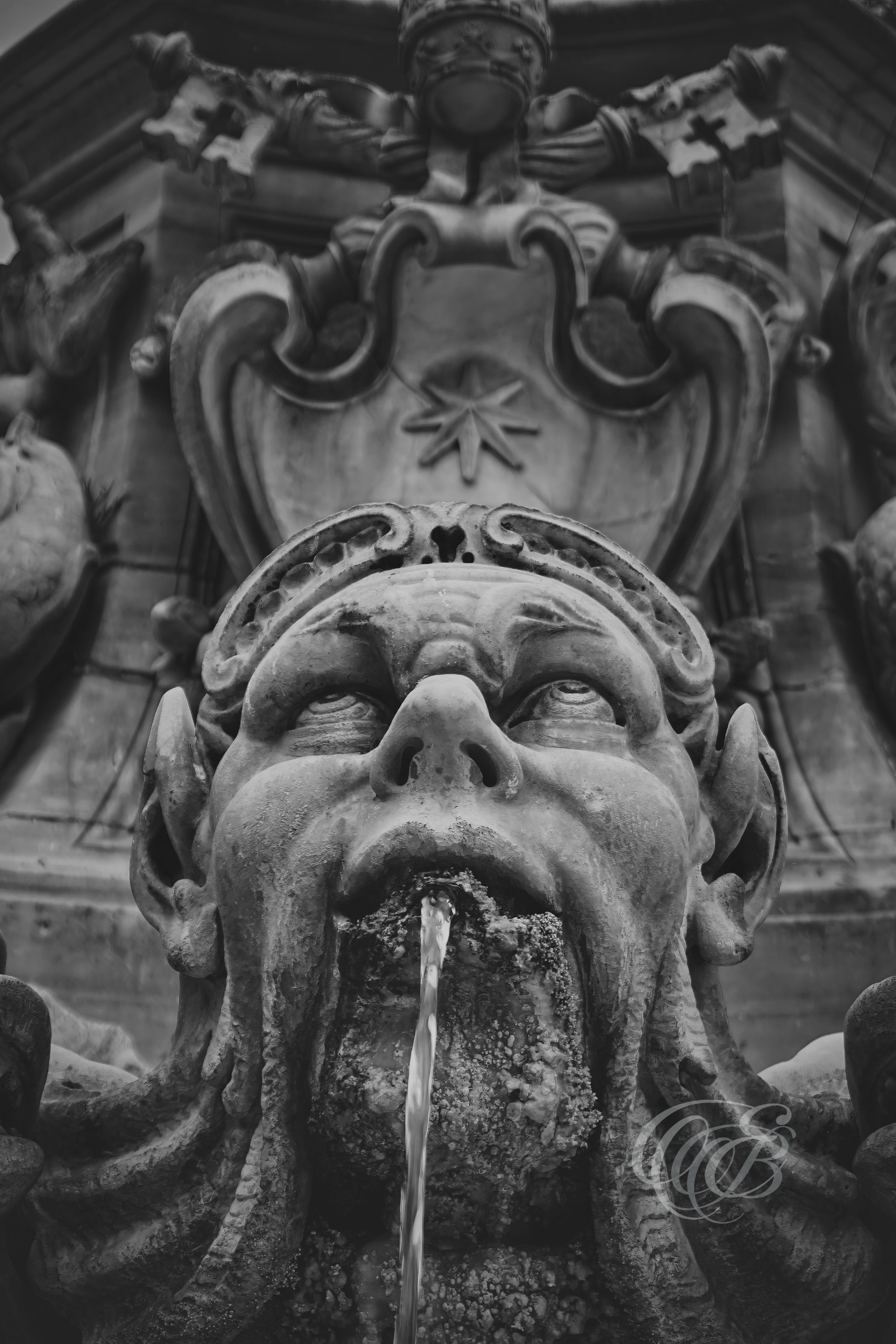
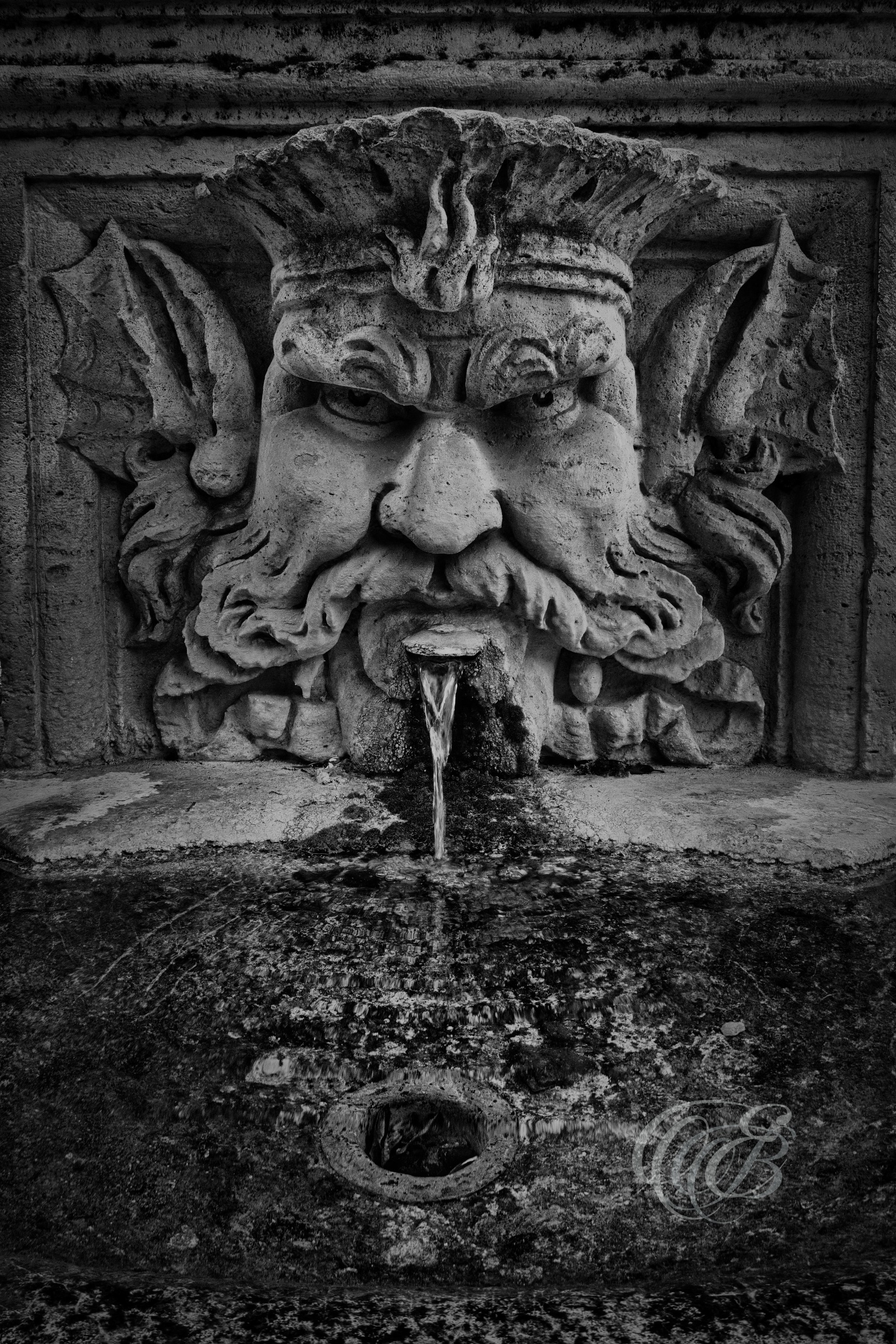
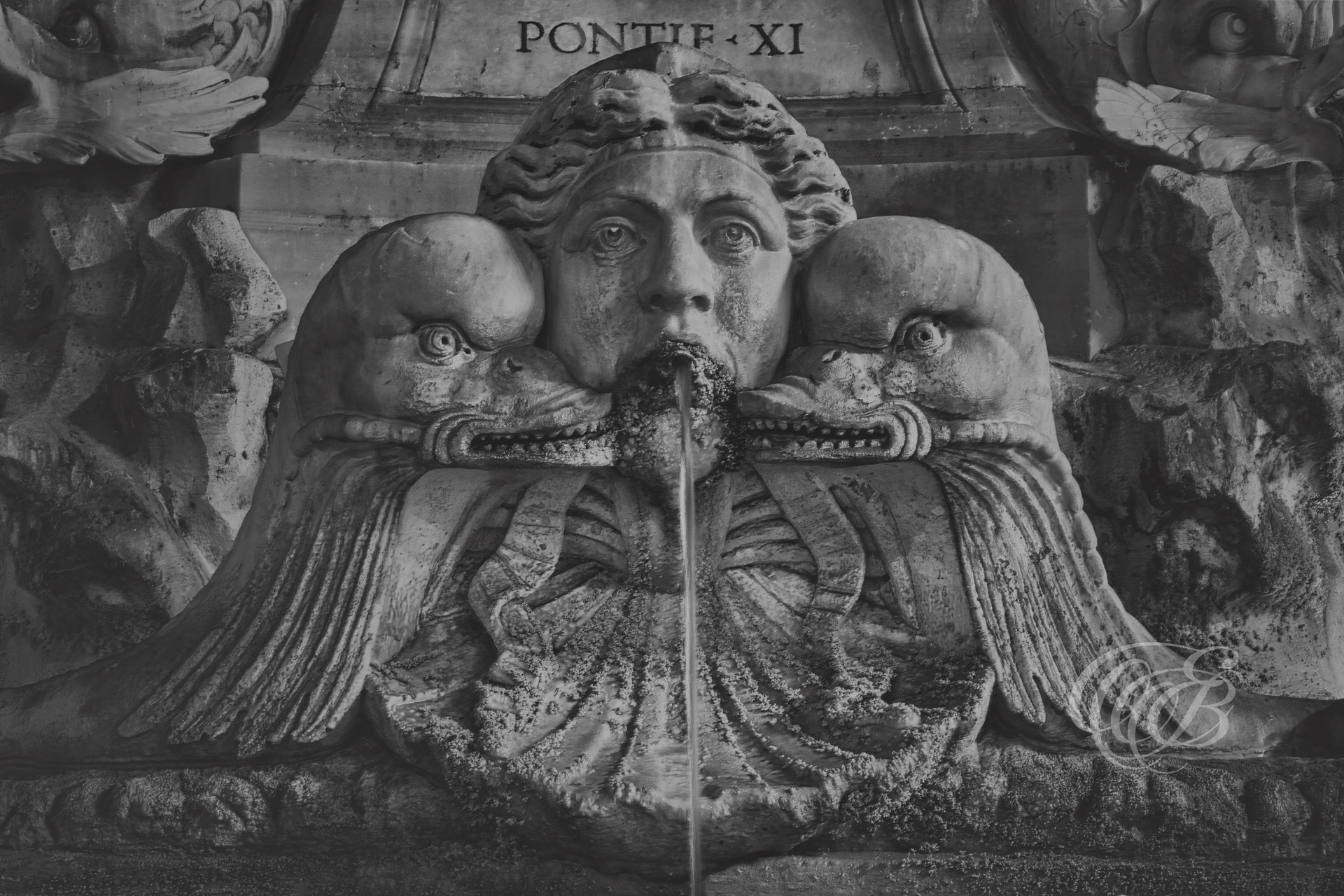
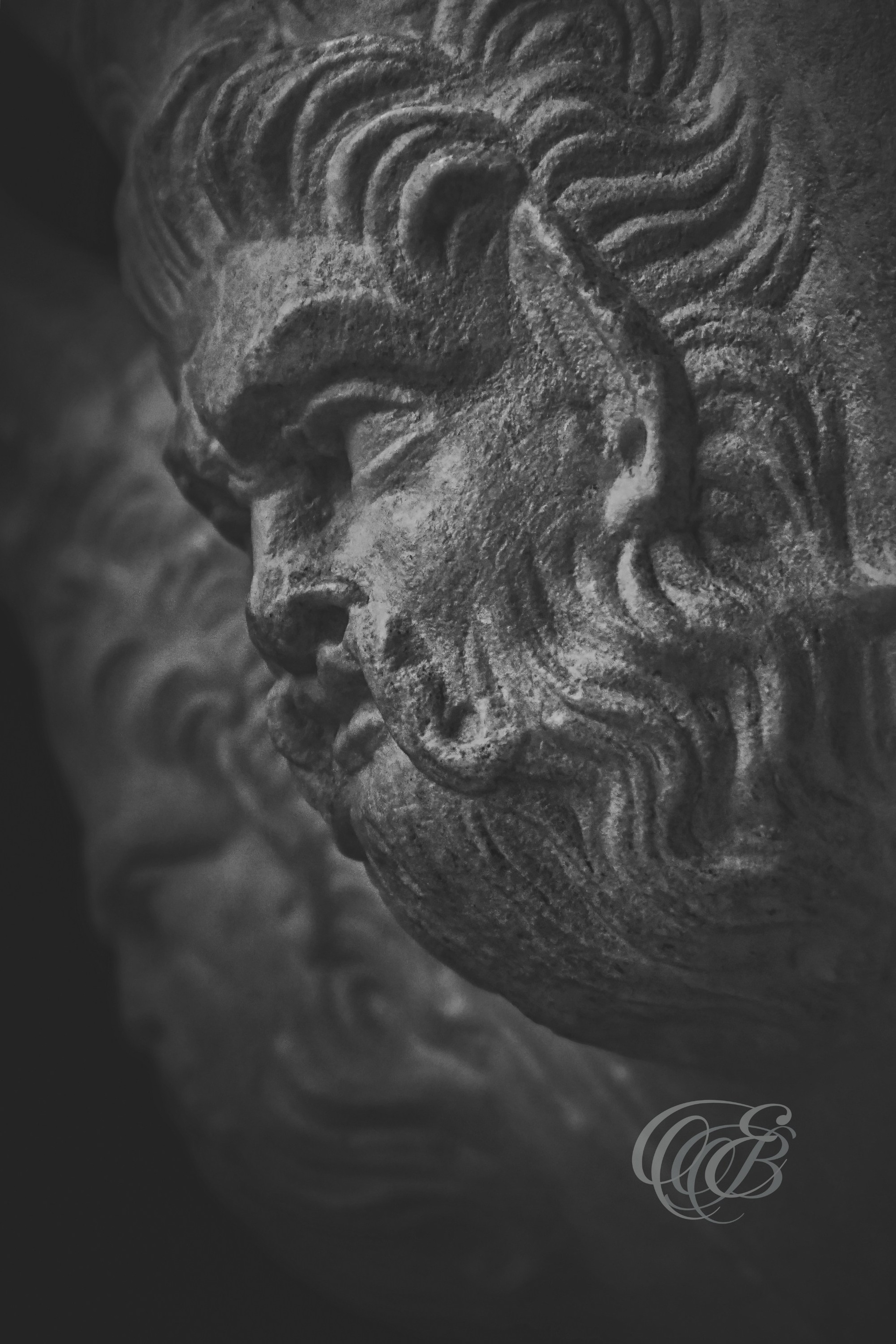
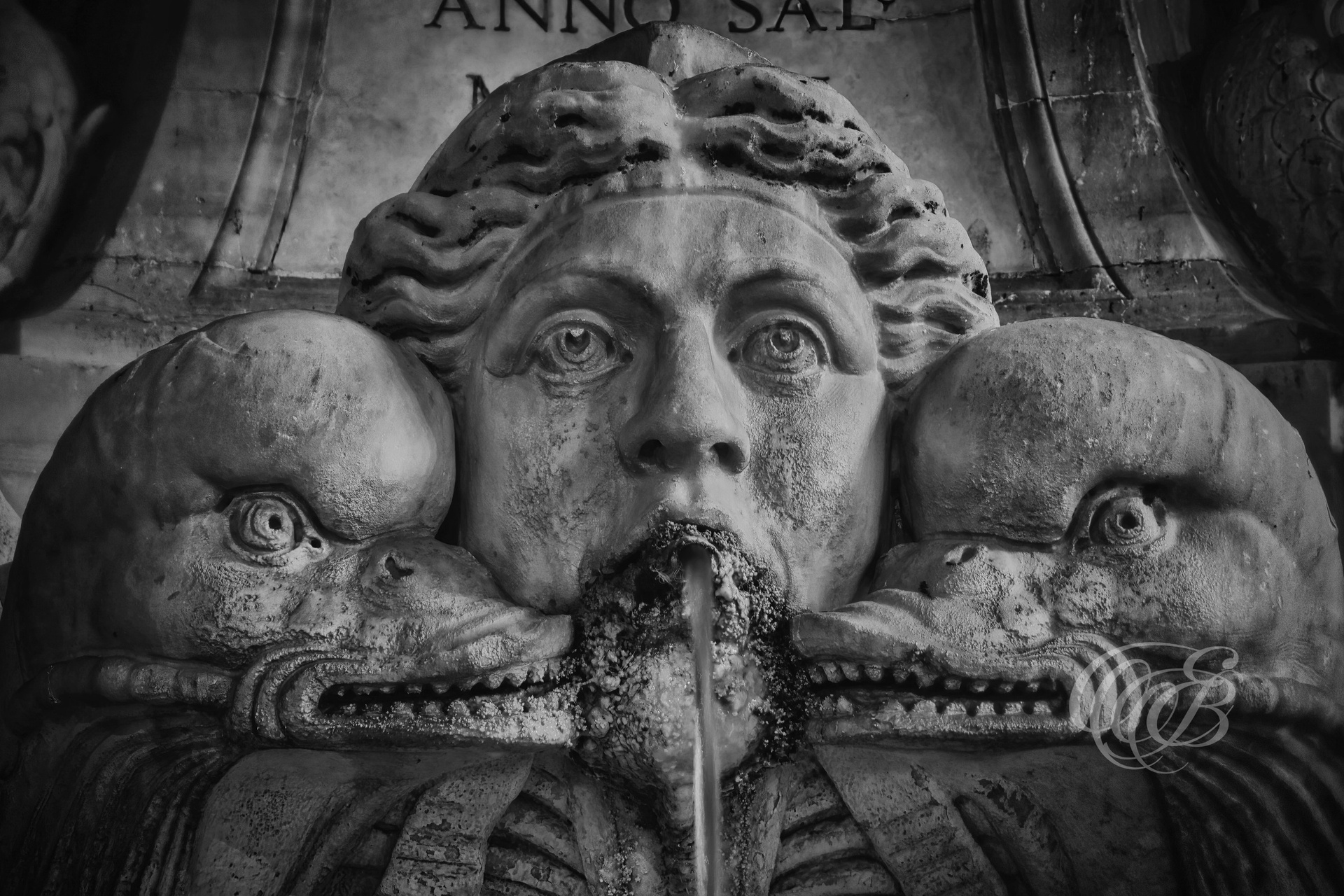
At the Fontana del Pantheon, carved stone faces emerge from the fountain’s structure, echoing a long Roman tradition of grotesque ornament drawn from ancient masks and protective imagery. Seen in close detail, the sculpture reveals the tension between function and expression, where water, stone, and symbolism converge in a public monument shaped over centuries. In black and white, surface wear and chiselled form assert the endurance of Rome’s decorative language. Eduardo Bartoli Photography.
The Octagonal Courtyard of the Vatican Museums presents a concentrated record of classical antiquity, where Roman copies of Greek masterpieces were gathered during the Renaissance to preserve the artistic legacy of the ancient world. Framed by the head and shoulders of a Roman fighter sculpture, the scene reflects the continuity between martial culture, idealized form, and scholarly preservation. In monochrome, architectural order and sculptural detail assert the enduring discipline that shaped Western art. Eduardo Bartoli Photography.
Erected in AD 315, the Arch of Constantine marks a decisive moment in Roman history, commemorating the emperor’s victory at the Battle of the Milvian Bridge. As one of the last great triumphal arches of the ancient world, it incorporates reliefs and sculptures taken from earlier imperial monuments, binding multiple eras of Rome into a single structure. Rendered in black and white, the monument’s layered history and political significance emerge with clarity and restraint. Eduardo Bartoli Photography.
In the height of summer, the Colosseum stands exposed to the full weight of light, its travertine surfaces bearing the marks of age, repair, and survival. Built in the first century AD, the amphitheater remains a central record of Roman engineering and social order. Presented in black and white, the season’s brightness sharpens form and texture, allowing history to assert itself without embellishment. Eduardo Bartoli Photography.
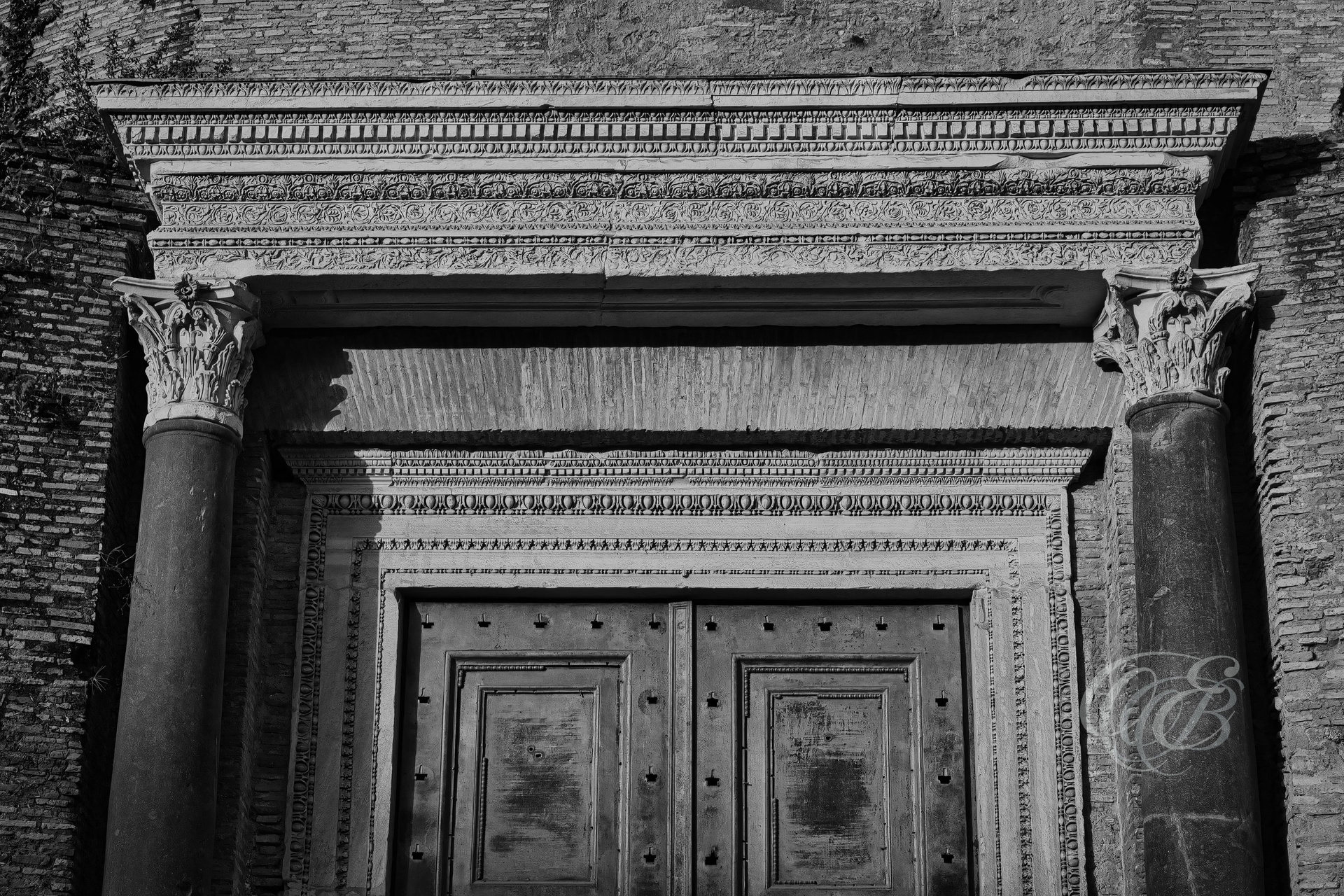
The Temple of Romulus stands at the edge of the Roman Forum as a rare survival of imperial architecture, traditionally dated to the early fourth century AD. Its circular form and original bronze doors reflect a period when Rome balanced inherited tradition with late imperial authority. Presented in black and white, the image emphasizes proportion, material permanence, and the continuity of sacred space within the heart of the ancient city. Eduardo Bartoli Photography.
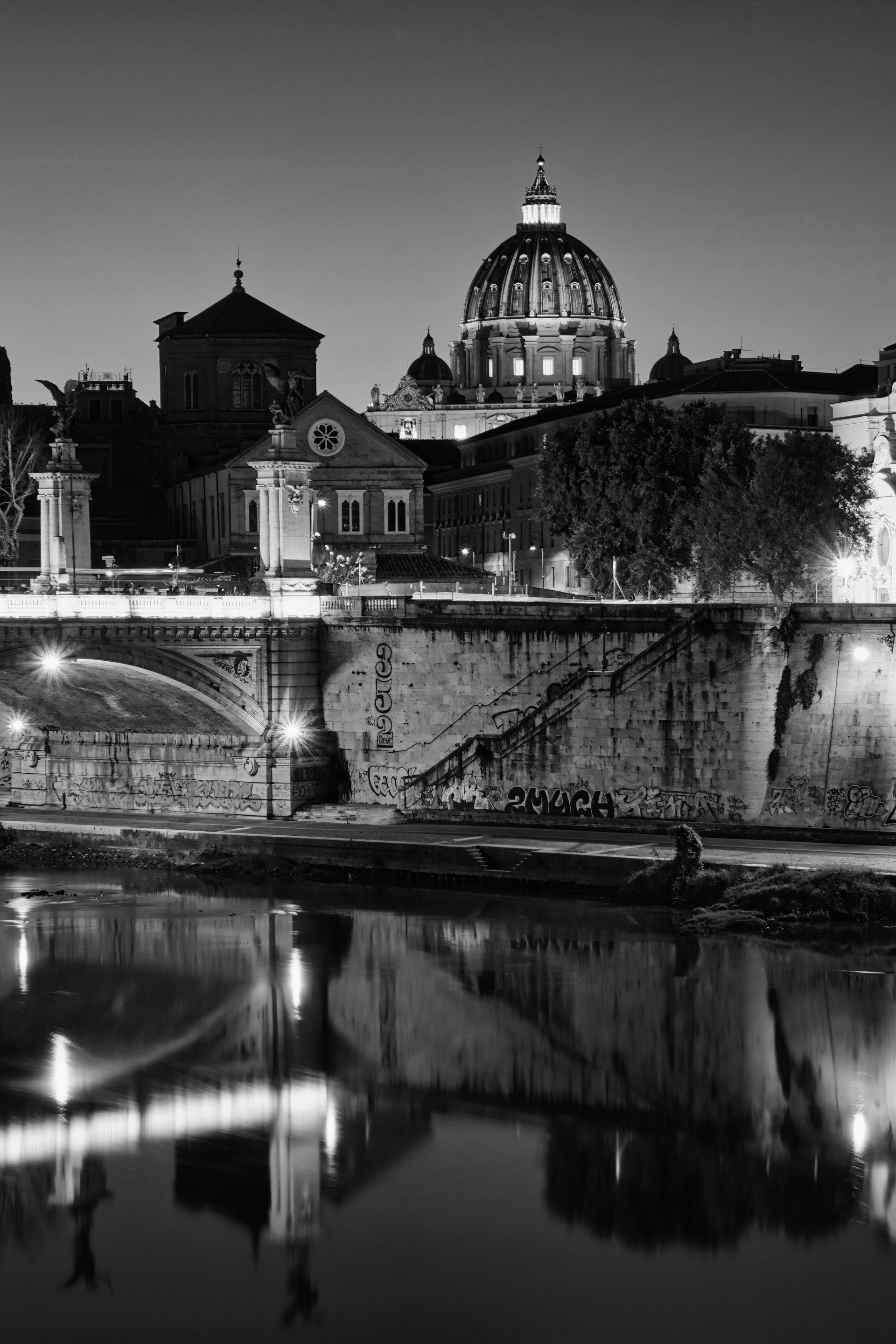
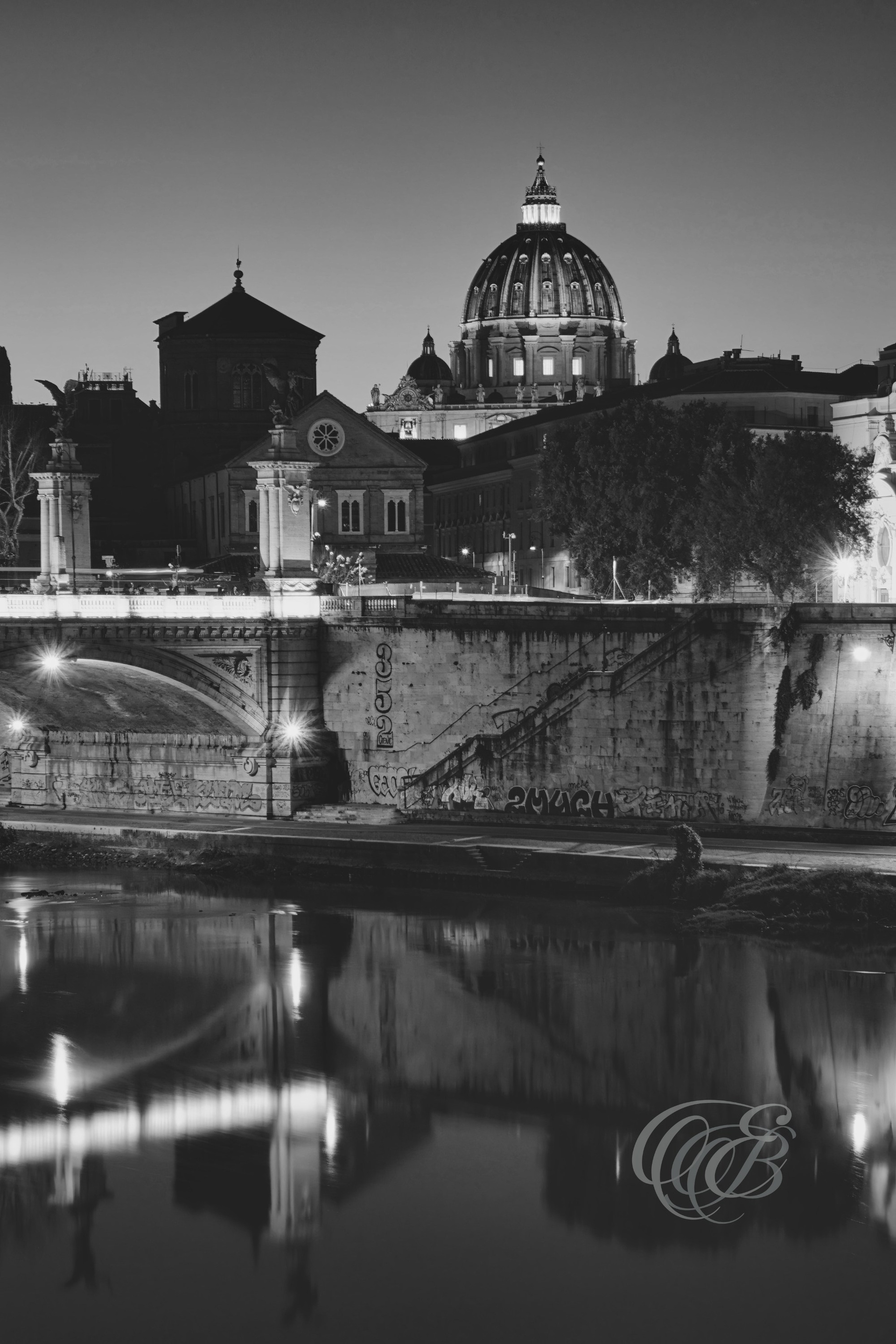
Ponte Vittorio Emanuele II crosses the Tiber near the Vatican, completed in 1911 as part of Rome’s post-unification urban development. Its monumental arches and sculptural allegories reflect early 20th-century civic ambition integrated into the historic fabric of the city. Presented in black and white, the composition emphasizes architectural symmetry, tonal contrast, and the measured stillness of the river at sunset. Eduardo Bartoli Photography.
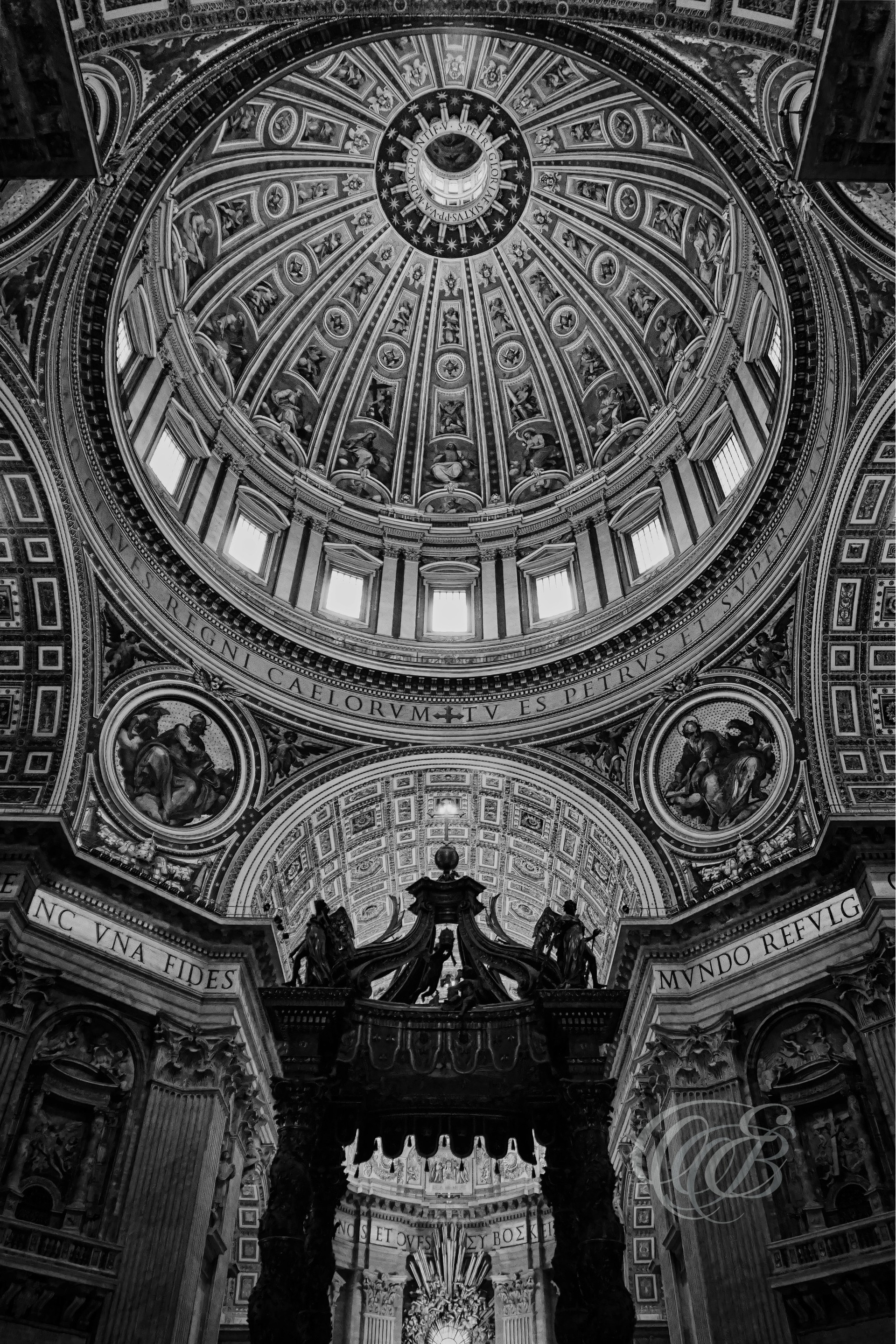
The interior beneath the dome of St. Peter’s Basilica reflects the culmination of Renaissance architectural theory, finalized in the late sixteenth century following Michelangelo’s design. The dome rises above the crossing of the basilica, establishing a central axis that organizes the structure according to classical proportion and theological hierarchy. Presented in black and white, the image emphasizes scale, geometry, and structural order, allowing the architectural intent to remain clear and undisturbed. Eduardo Bartoli Photography.
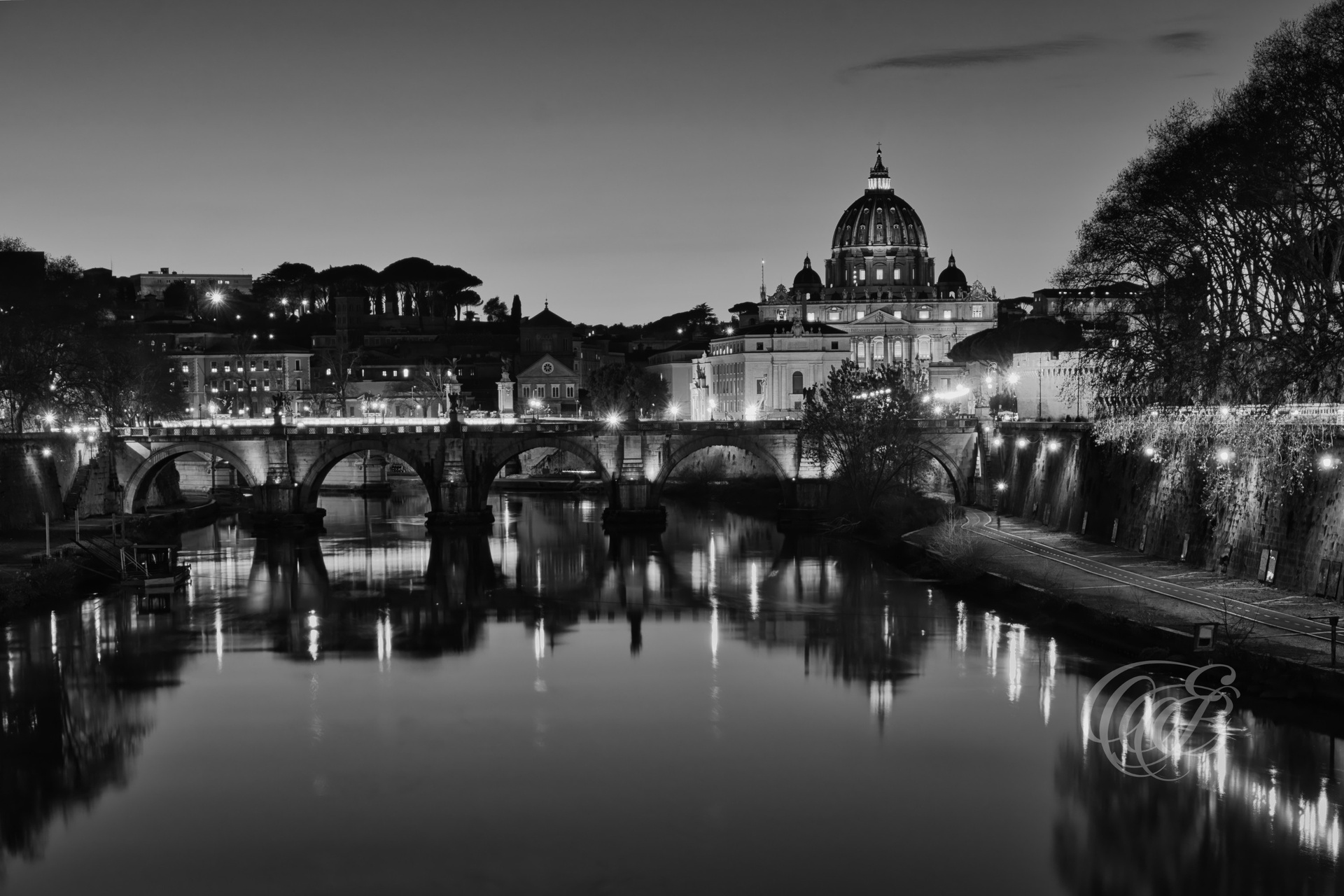
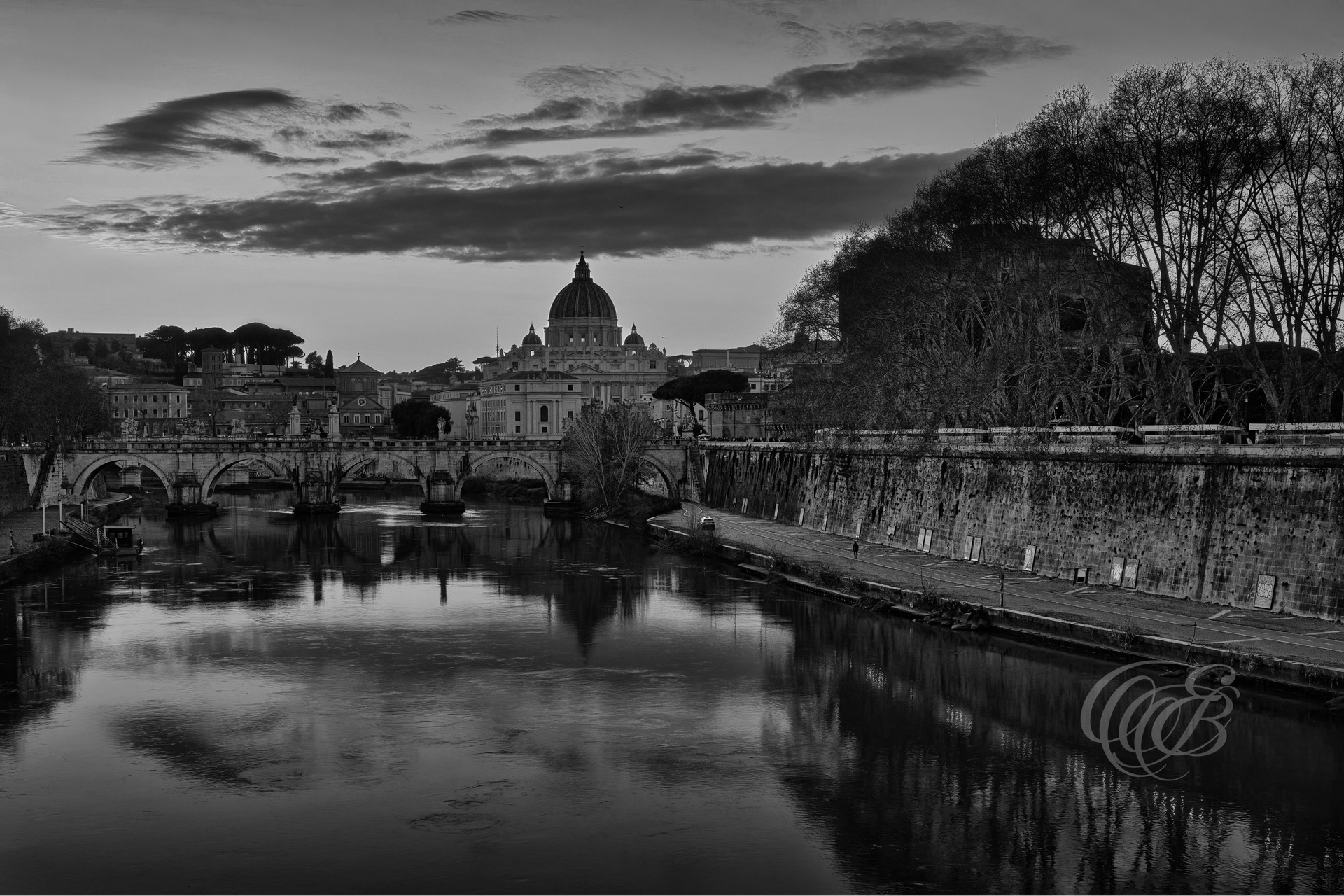
Ponte Sant’Angelo and St. Peter’s Basilica are among the city's most recognizable landmarks, linking the legacy of the Roman Empire with the history of the Vatican. For centuries, the bridge served as a principal route for pilgrims approaching St. Peter’s, while the basilica became one of the most influential works of Renaissance and Baroque architecture. Eduardo Bartoli Photography.
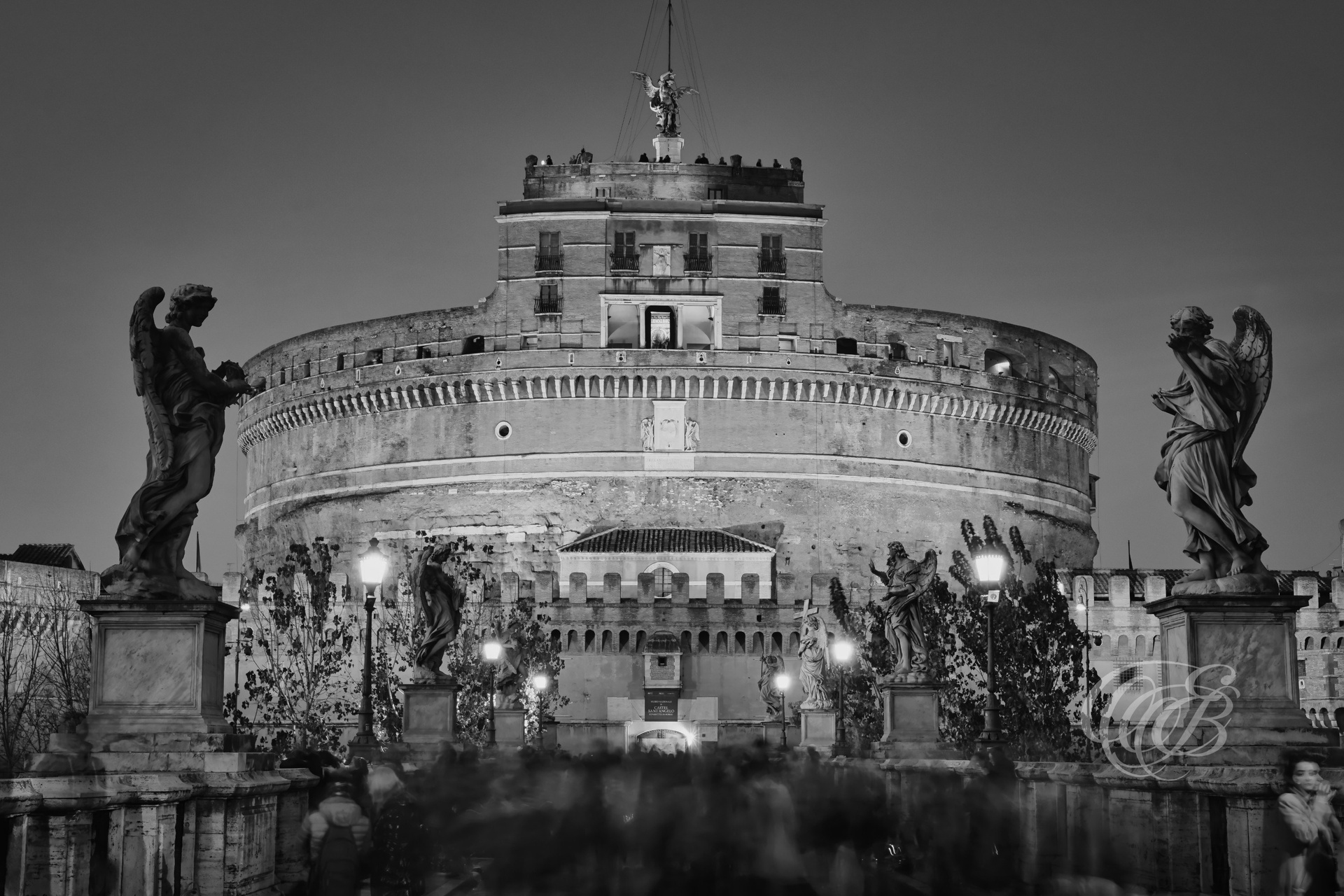
Castel Sant’Angelo has served many roles throughout its history, including imperial mausoleum, papal fortress, military stronghold, and museum. Originally commissioned by Emperor Hadrian in the second century, it remains one of Rome’s most enduring landmarks and a monument that reflects the city's transformation across nearly two millennia. Eduardo Bartoli Photography.
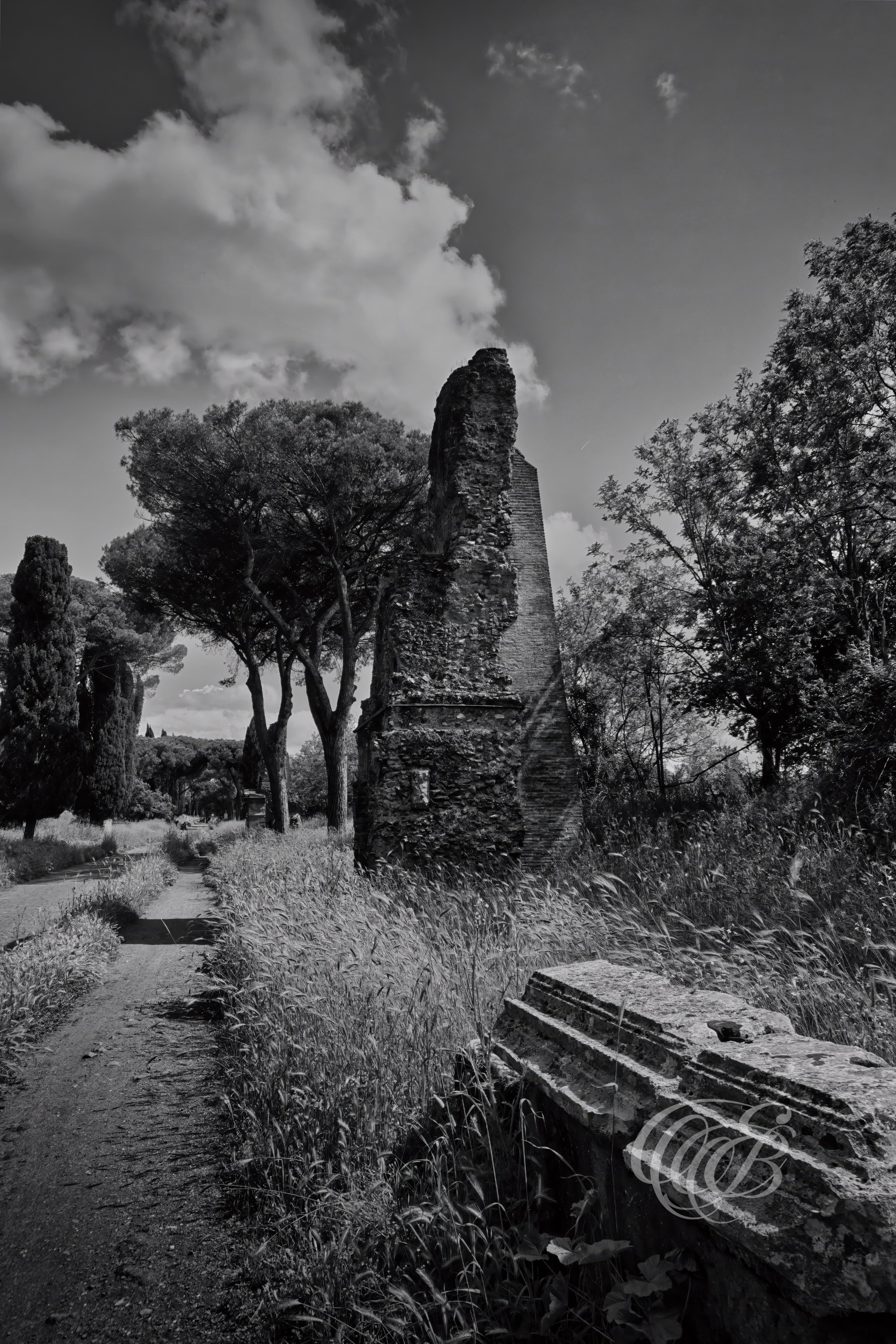
The Via Appia Antica, often called the "Queen of Roads," was one of the most important routes of the Roman Republic and Empire, connecting Rome with southern Italy. Renowned for its ancient paving stones, tombs, monuments, and archaeological sites, it remains a remarkable testament to Roman engineering and the expansion of the ancient world. Eduardo Bartoli Photography.
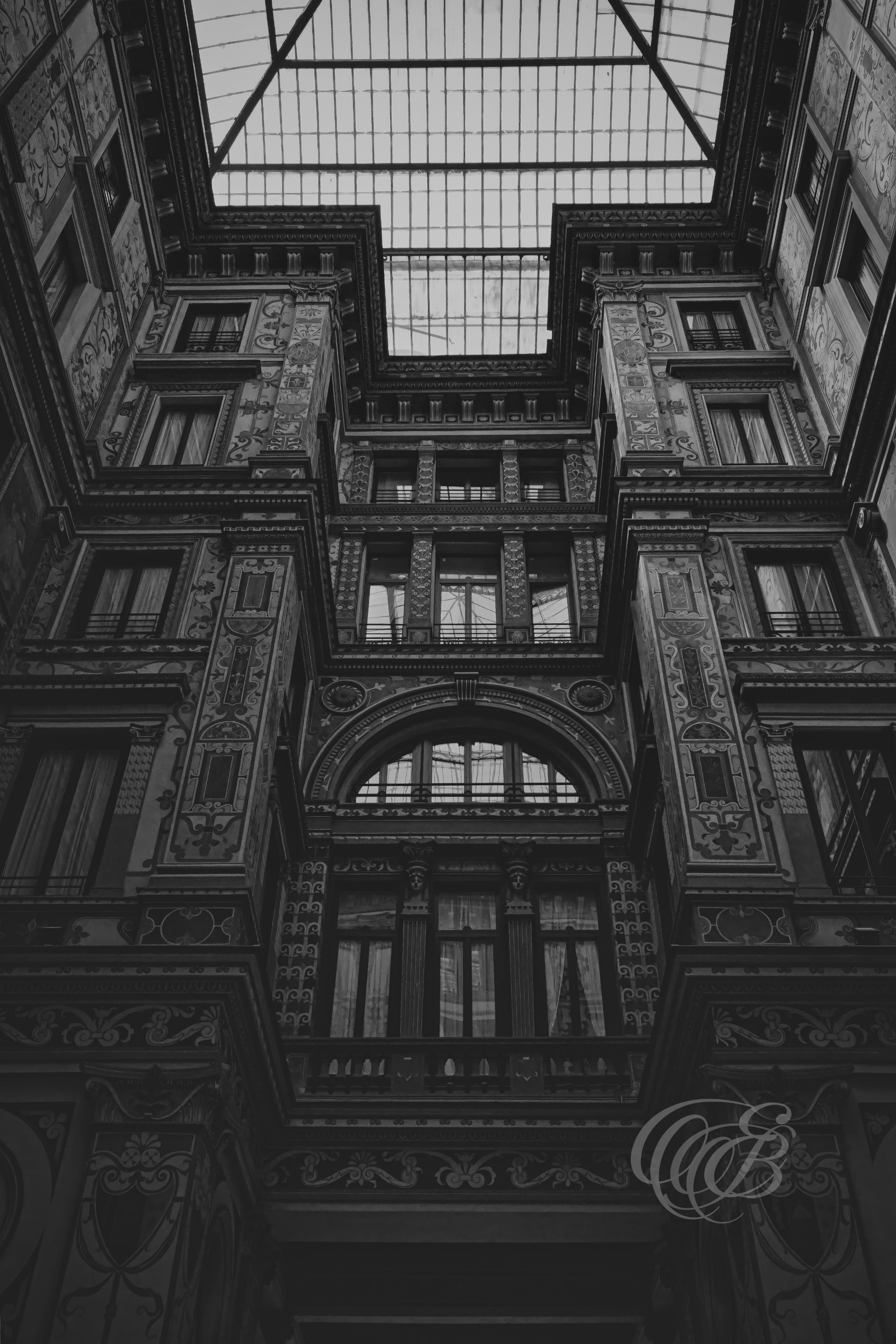
Galleria Sciarra is one of the finest examples of Art Nouveau architecture in Rome. Constructed between 1885 and 1888 for Prince Maffeo Sciarra, the gallery is renowned for its richly decorated frescoes, elegant ironwork, and distinctive blend of architecture and decorative arts within the historic center of the city. Eduardo Bartoli Photography.
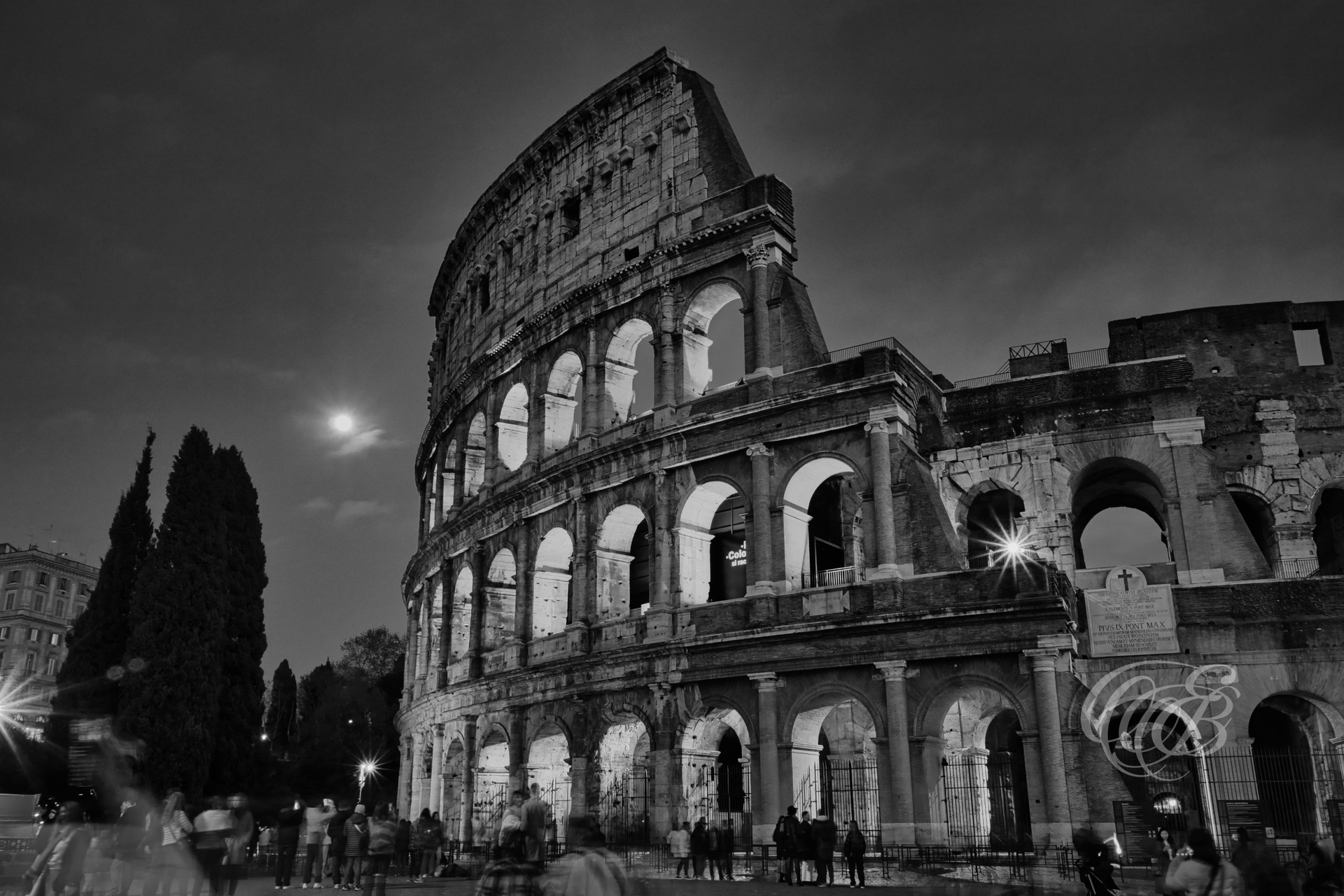
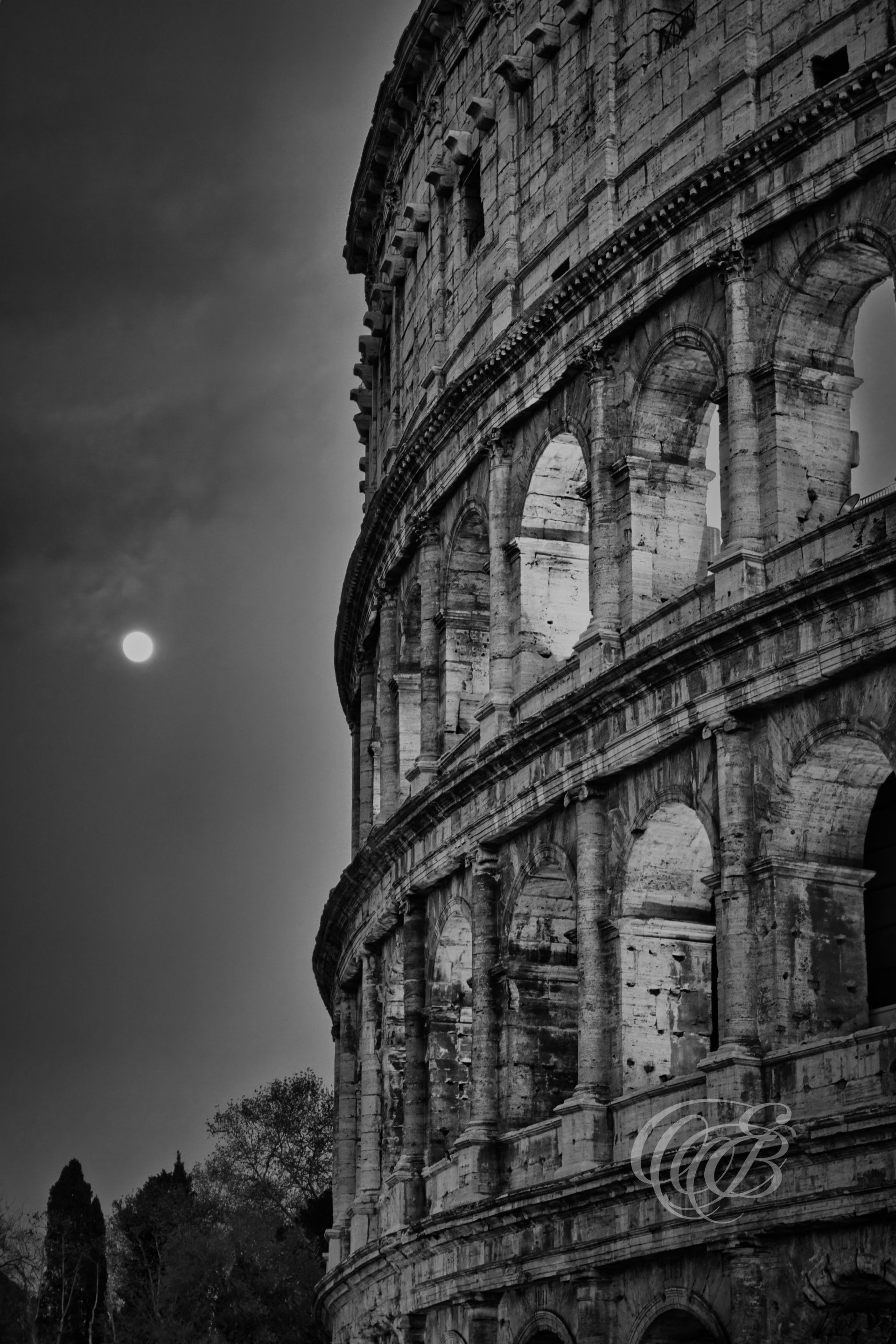
The Colosseum, also known as the Flavian Amphitheatre, remains one of the most recognizable monuments of the ancient world. Seen beneath a full moon, the structure reflects nearly two thousand years of Roman history and engineering achievement, continuing to serve as a symbol of the enduring legacy of ancient Rome. Eduardo Bartoli Photography.
The Colosseum, also known as the Flavian Amphitheatre, was the largest amphitheater built in the Roman Empire and served as a venue for public spectacles, ceremonies, and gatherings. Seen at dusk, the monument continues to stand as one of the most important surviving examples of Roman engineering and architectural achievement. Eduardo Bartoli Photography.
The angel carrying the column is one of the ten angel sculptures that line Ponte Sant’Angelo, a bridge that has connected travelers and pilgrims to the Vatican for centuries. Created as part of a seventeenth-century artistic program inspired by Gian Lorenzo Bernini, the statue represents themes from the Passion of Christ and reflects the Baroque era’s integration of sculpture, faith, and public space. Eduardo Bartoli Photography.
Sunset at Ponte Sant’Angelo with a view toward St. Peter’s Basilica in Rome, where the Tiber River reflects the fading light and the bridge’s historic structure leads the eye toward the Vatican skyline. In the warm tones of dusk, the statues lining the bridge and the distant dome of the Basilica create a layered composition connecting imperial Rome with the heart of Christianity. Eduardo Bartoli Photography.
The Colosseum, also known as the Flavian Amphitheatre, rises above the city as one of the most enduring monuments of ancient Rome. Built in the first century AD under the emperors Vespasian and Titus, it reflects the scale and engineering ambition of imperial architecture. In late afternoon light, its structure reveals the depth and rhythm of its ancient arches. Eduardo Bartoli Photography.
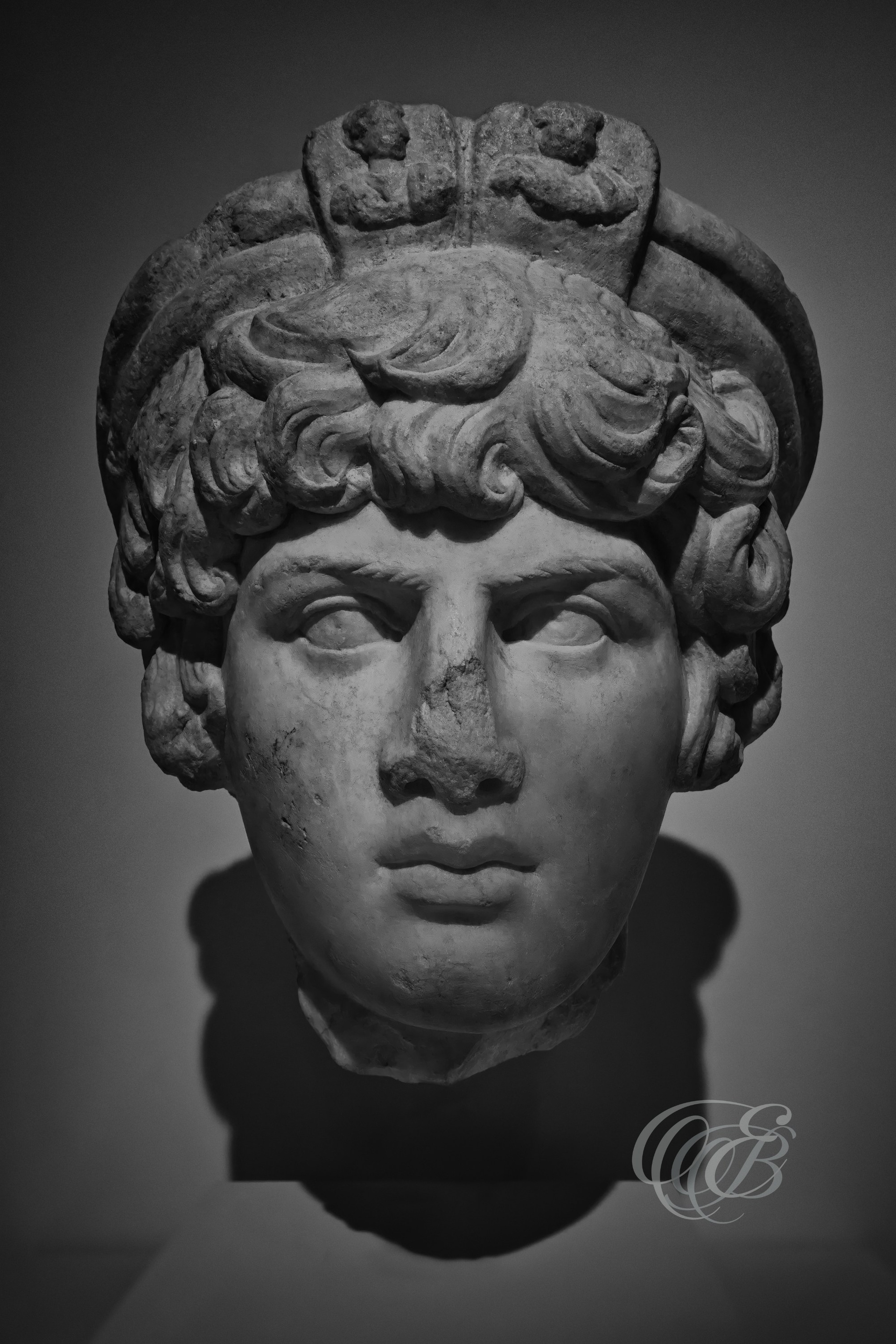
The Antiquarium of Hadrian’s Villa preserves sculptures and archaeological artifacts associated with the imperial residence of Emperor Hadrian. This sculptural detail reflects the artistic traditions of the Roman Empire and offers insight into the craftsmanship, aesthetics, and cultural legacy of one of antiquity’s most influential civilizations. Eduardo Bartoli Photography.
Porta del Popolo has served as one of the principal gateways into Rome for centuries, welcoming travelers arriving from the north along the ancient Via Flaminia. This long-exposure photograph emphasizes the movement of modern city life against a setting defined by historic monuments, illustrating the continuing relationship between Rome’s past and present. Eduardo Bartoli Photography.
The Golden Square, or Piazza d’Oro, is one of the most distinguished areas of Hadrian’s Villa, the vast imperial retreat built for Emperor Hadrian during the second century. Renowned for its sophisticated design and architectural innovation, the complex reflects the wealth, cultural influences, and artistic ambitions of the Roman Empire at its height. Eduardo Bartoli Photography.
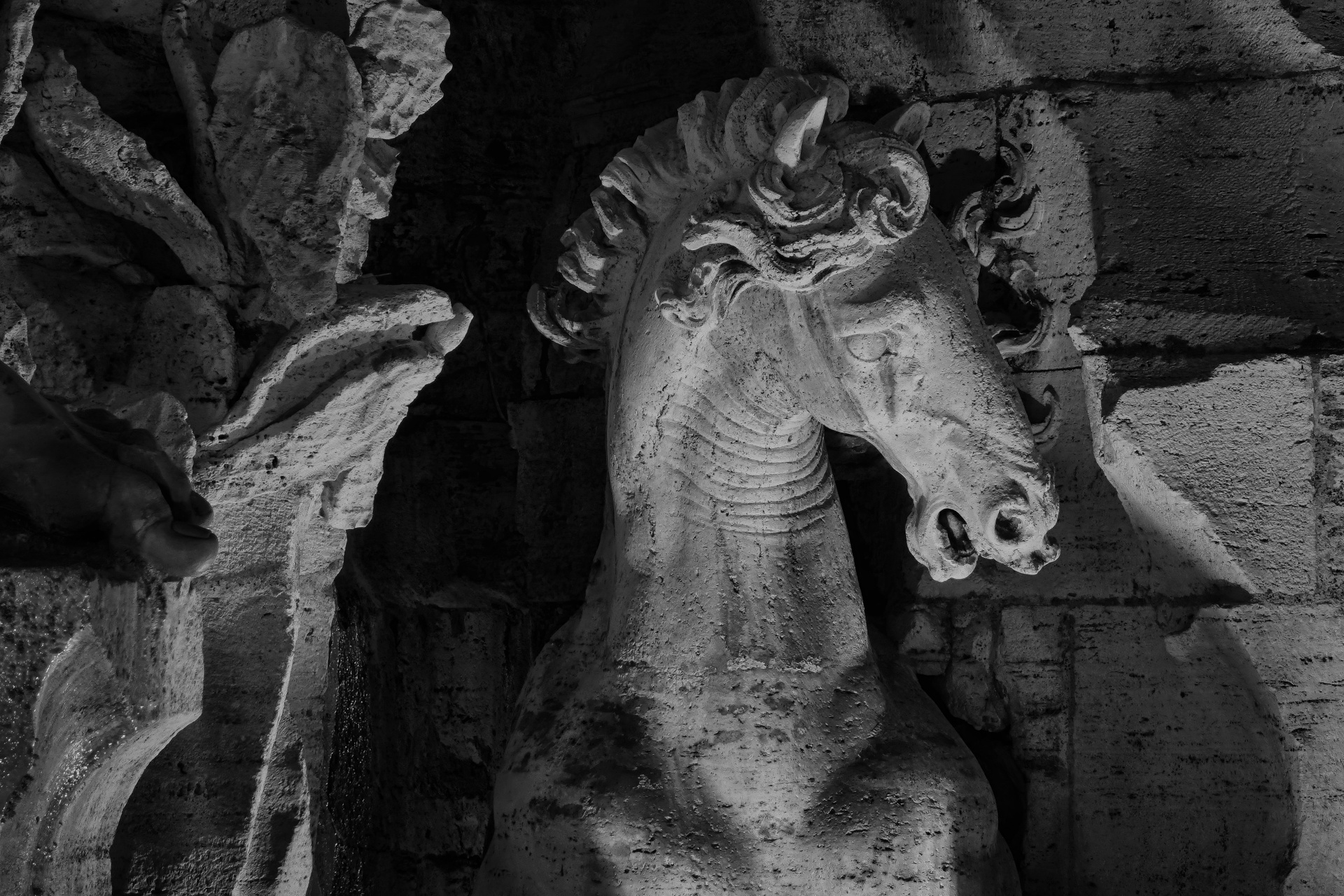
The Fountain of the Goddess of Rome is one of the monumental fountains associated with the Victor Emmanuel II Monument, a landmark dedicated to the first king of unified Italy. The allegorical figure of Rome symbolizes the city’s enduring historical significance and reflects the use of classical imagery in public monuments of the late nineteenth and early twentieth centuries. Eduardo Bartoli Photography.
Piazza del Popolo has long been one of Rome’s most important public spaces, serving as a historic entrance to the city and a setting for monuments, fountains, and sculpture. The Roma Flora statue reflects the classical artistic traditions that have influenced Rome’s urban landscape for centuries, contributing to the square’s cultural and architectural character. Eduardo Bartoli Photography.
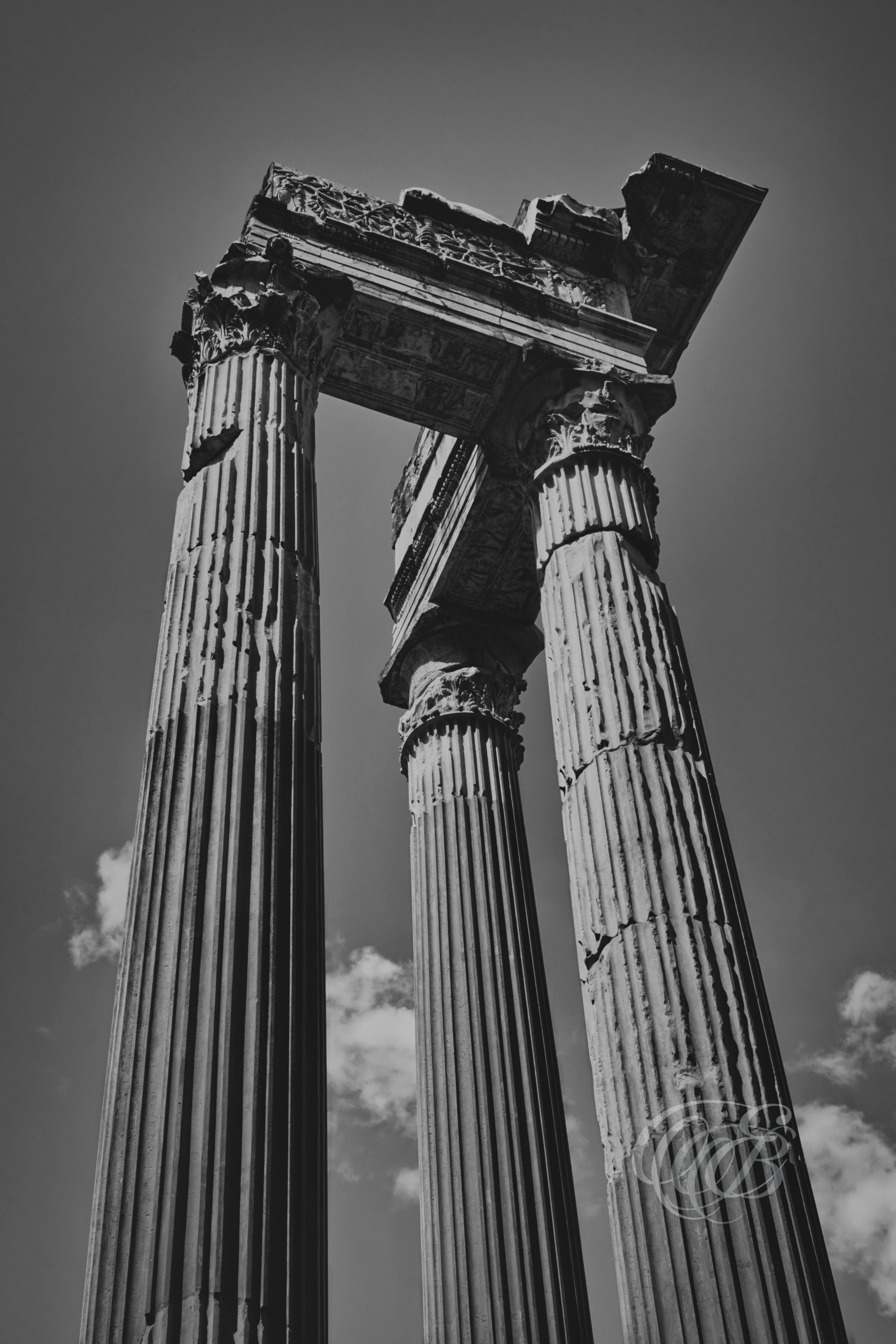
The remains of the Temples of Apollo Sosianus and Bellona preserve part of the religious and civic landscape of ancient Rome. Located near the Theatre of Marcellus, these surviving columns offer a glimpse into the architectural traditions of the Roman Republic and Empire, reflecting the importance of public temples in the political and spiritual life of the city. Eduardo Bartoli Photography.
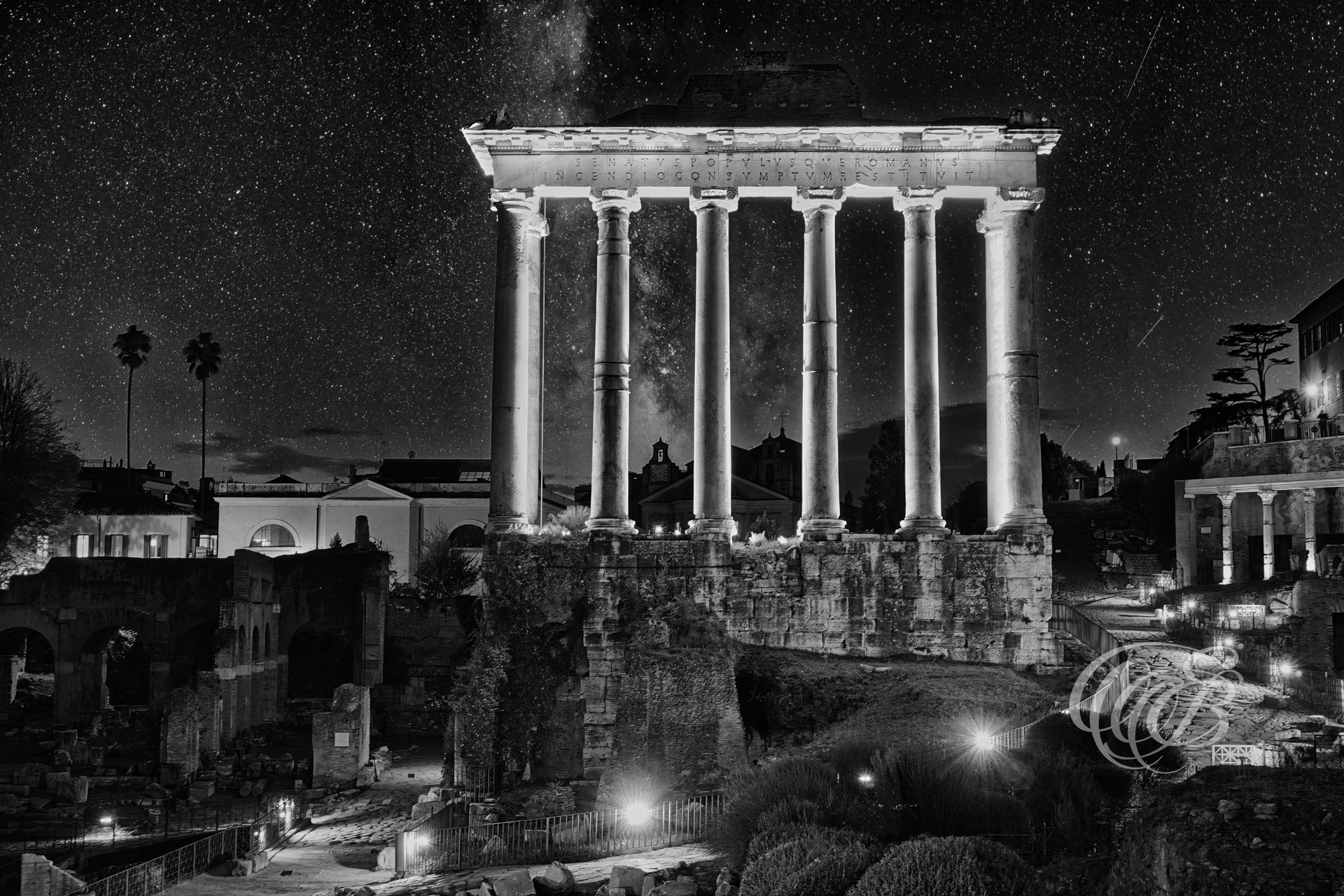
The Roman Forum was the political, religious, and commercial center of ancient Rome for centuries, surrounded by temples, basilicas, and government buildings that shaped the history of the Roman world. This artistic interpretation combines the enduring presence of the Forum’s ruins with an enhanced night sky, creating a reimagined view that blends historical architecture with a more evocative and atmospheric vision. Eduardo Bartoli Photography.
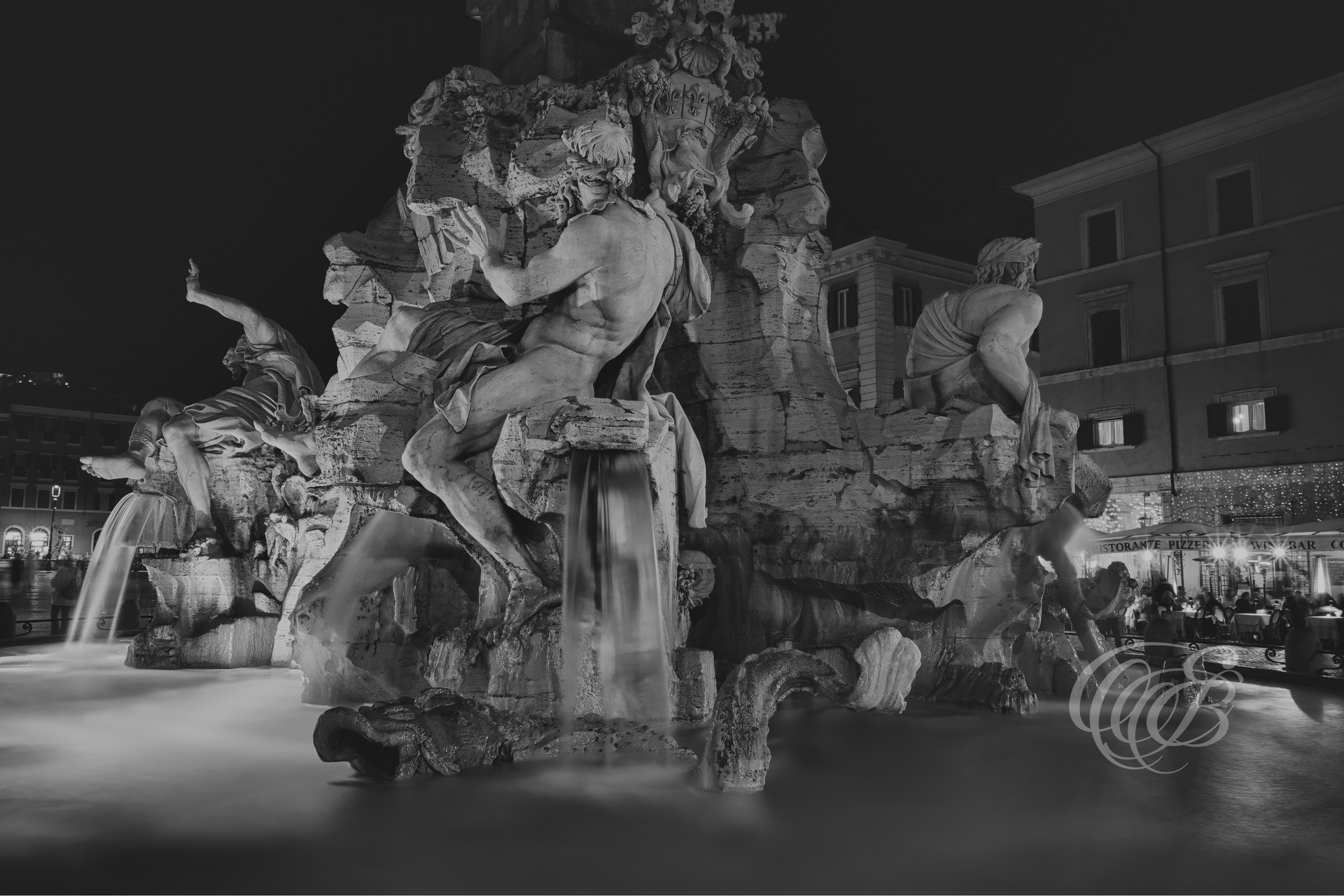
Presented in black-and-white matte tones, the Fontana dei Quattro Fiumi reveals the sculptural depth and dramatic textures of one of Gian Lorenzo Bernini’s most celebrated works. Located at the center of Piazza Navona and created in 1651 for Pope Innocent X, the fountain represents four major rivers known to the seventeenth-century world—the Nile, Danube, Ganges, and Río de la Plata. The monochrome treatment emphasizes form, light, and shadow, drawing attention to the artistry and monumentality of this Baroque masterpiece. Eduardo Bartoli Photography.
Porta del Popolo has marked one of the principal entrances to Rome since antiquity, serving generations of travelers arriving along the Via Flaminia. Presented in black-and-white tones, this architectural detail highlights a portion of the historic gateway, drawing attention to the craftsmanship, scale, and enduring presence of one of the city's most significant urban entrances. Eduardo Bartoli Photography.
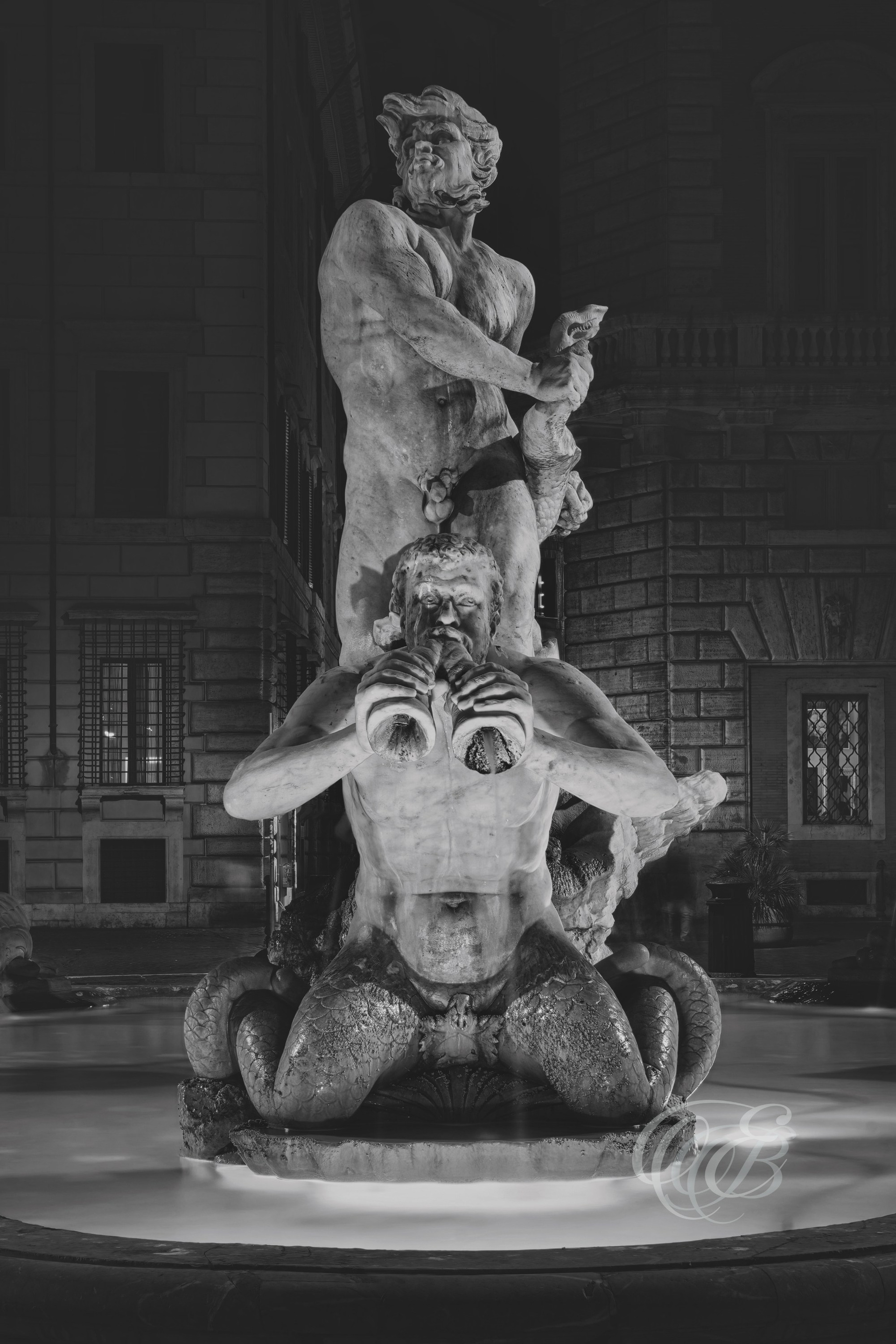
At the southern end of Piazza Navona, the Fontana del Moro stands as a blend of Renaissance and Baroque artistry, with its central figures enhanced by Gian Lorenzo Bernini in the seventeenth century. The black-and-white matte treatment emphasizes the fountain’s sculptural forms and intricate textures, drawing attention to the craftsmanship that has made it one of the square’s most recognizable landmarks. Eduardo Bartoli Photography.
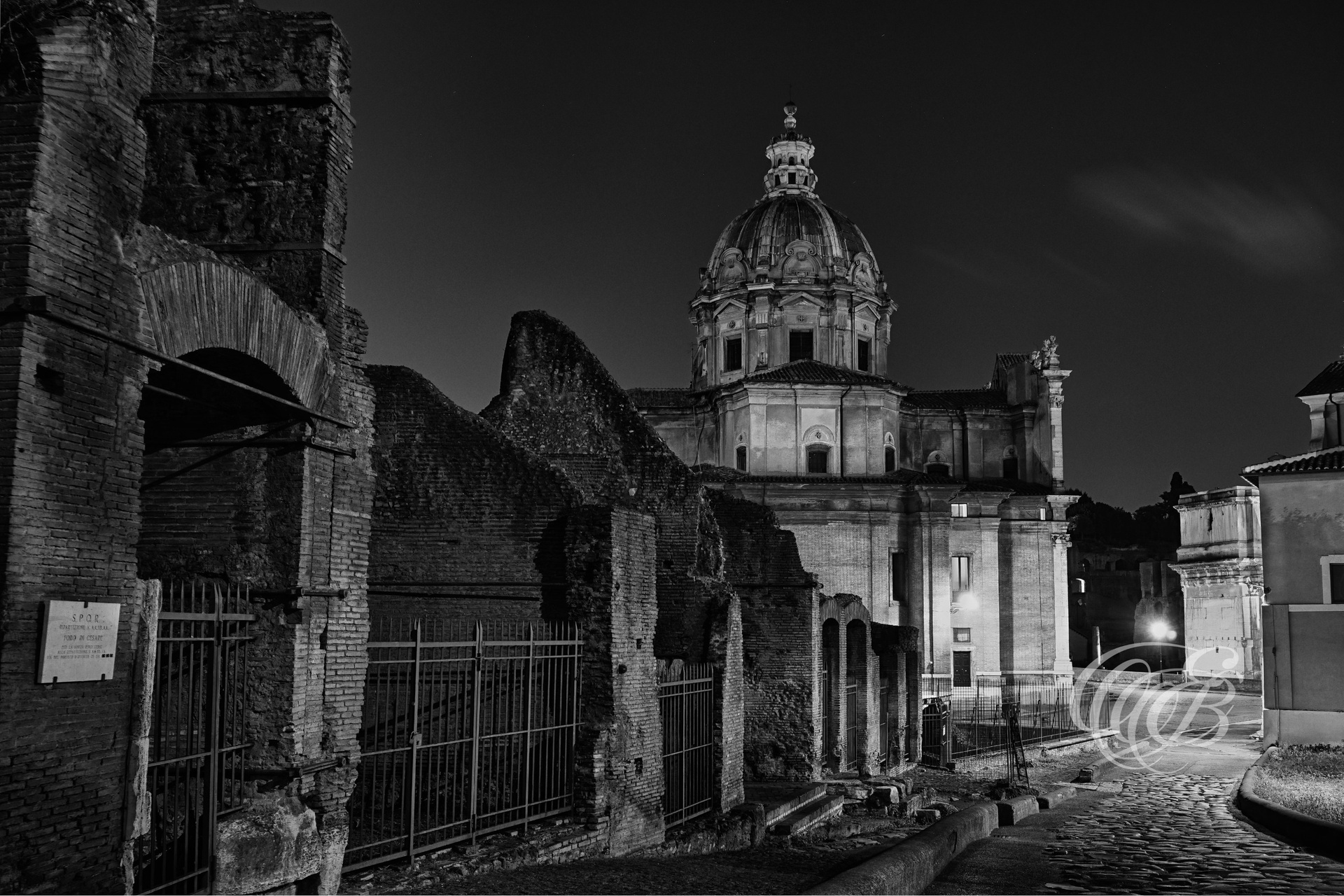
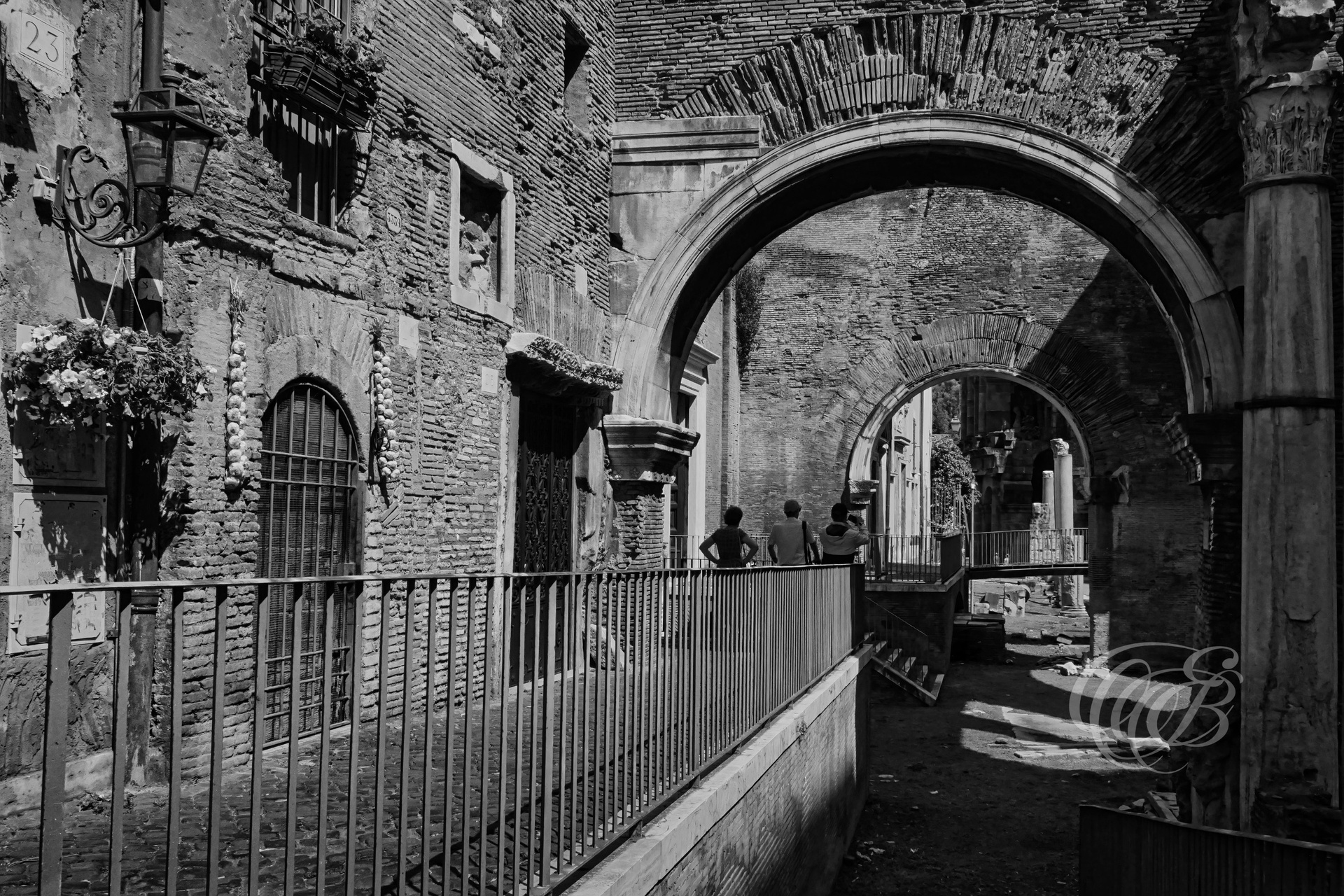
The Clivus Argentarius was an important street in ancient Rome, linking the Roman Forum with surrounding civic and commercial districts. Its surviving stonework and architectural remnants provide a glimpse into the city's urban development, while the black-and-white treatment emphasizes the textures and enduring character of this historic route. Eduardo Bartoli Photography.
Nestled within Villa Borghese, this drinking fountain reflects the attention to detail found throughout one of the city's most renowned historic parks. Once part of the estate of the Borghese family, the grounds feature a rich collection of gardens, sculptures, fountains, and architectural elements that have made the park an important cultural landscape in Rome. Eduardo Bartoli Photography.
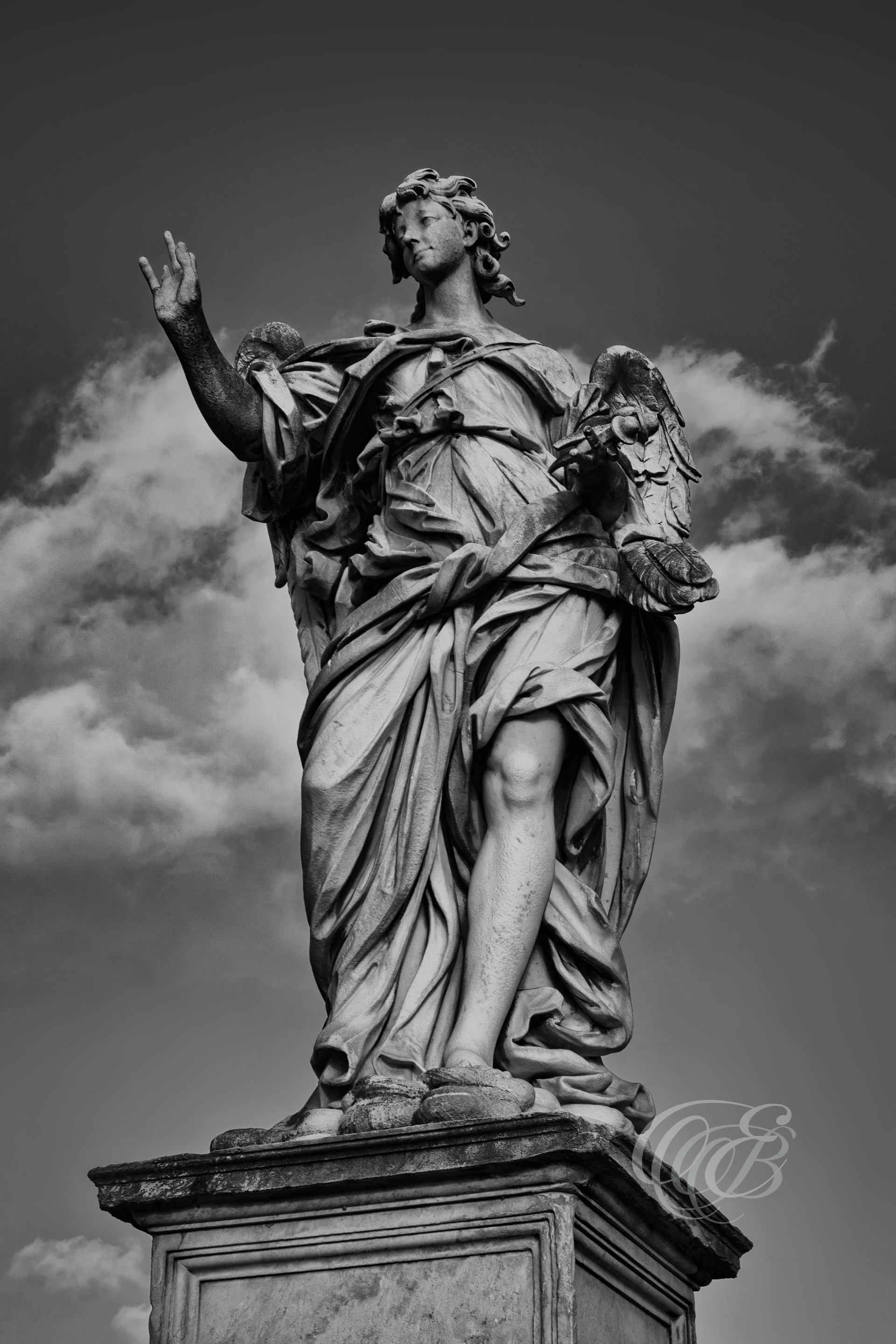
The Angel with the Nails is one of the ten angel sculptures that line Ponte Sant’Angelo, each representing an element of the Passion of Christ. Created as part of the bridge’s seventeenth-century artistic program inspired by Gian Lorenzo Bernini, the sculpture reflects the religious symbolism and Baroque craftsmanship that define one of Rome’s most celebrated public monuments. Eduardo Bartoli Photography.
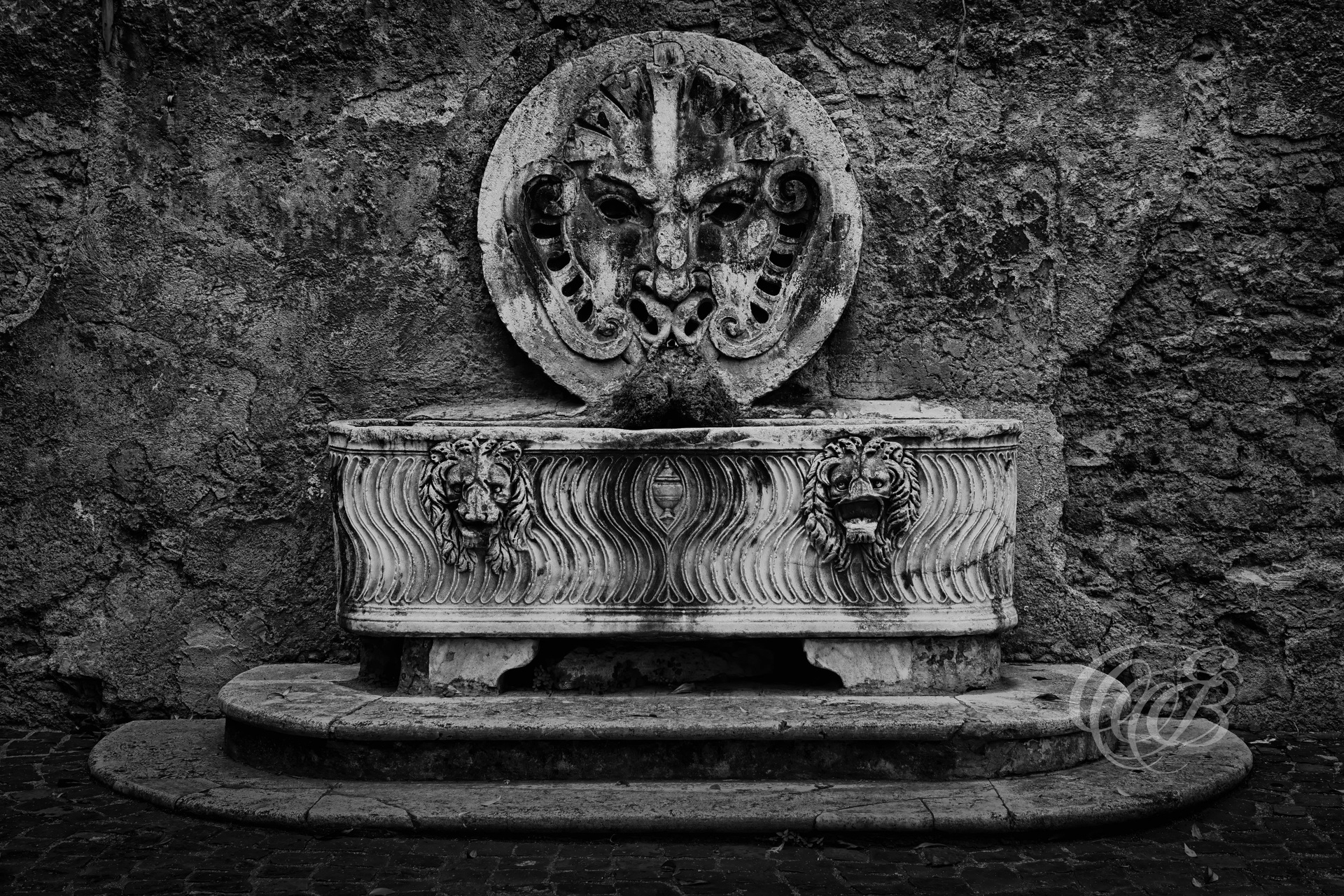
Marble fountains adorned with classical masks are a familiar feature of Rome’s historic streets and courtyards, reflecting artistic traditions that draw inspiration from antiquity. The carved mask and flowing water evoke the enduring presence of Roman decorative arts, where practical urban features often became expressions of craftsmanship and cultural continuity. Eduardo Bartoli Photography.
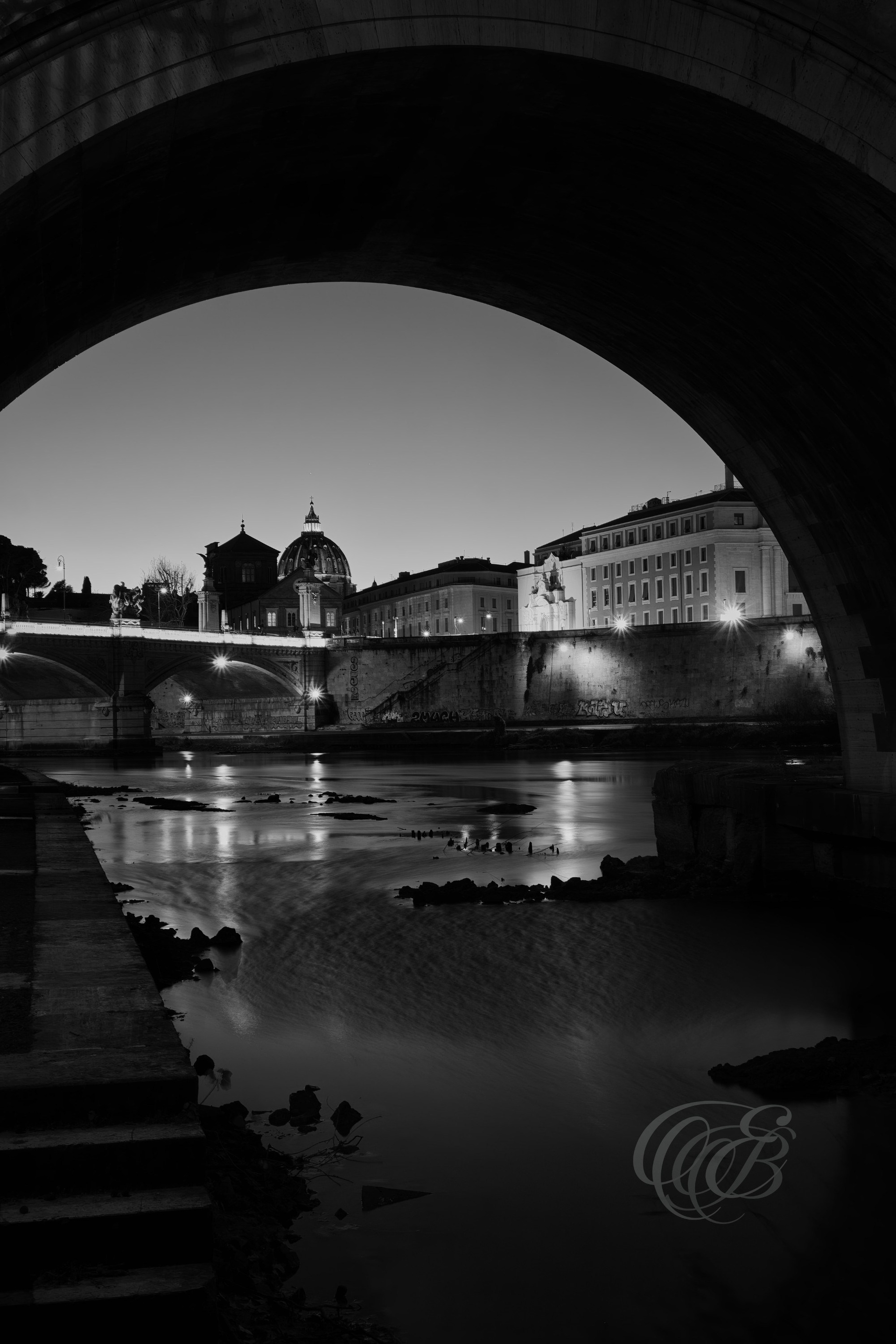
Viewed from beneath Ponte Sant’Angelo, the Tiber River flows past one of the city's most historic crossings, a bridge commissioned by Emperor Hadrian in the second century. As evening light settles over the river, the scene reflects the enduring relationship between Rome’s waterways, monuments, and centuries of urban life. Eduardo Bartoli Photography.
Located in Piazza della Rotonda, the Fontana del Pantheon has been a focal point of the square for centuries, complementing one of the best-preserved monuments of ancient Rome. This sculptural detail highlights the craftsmanship and decorative artistry that contribute to the fountain’s enduring presence within the historic setting of the Pantheon. Eduardo Bartoli Photography.
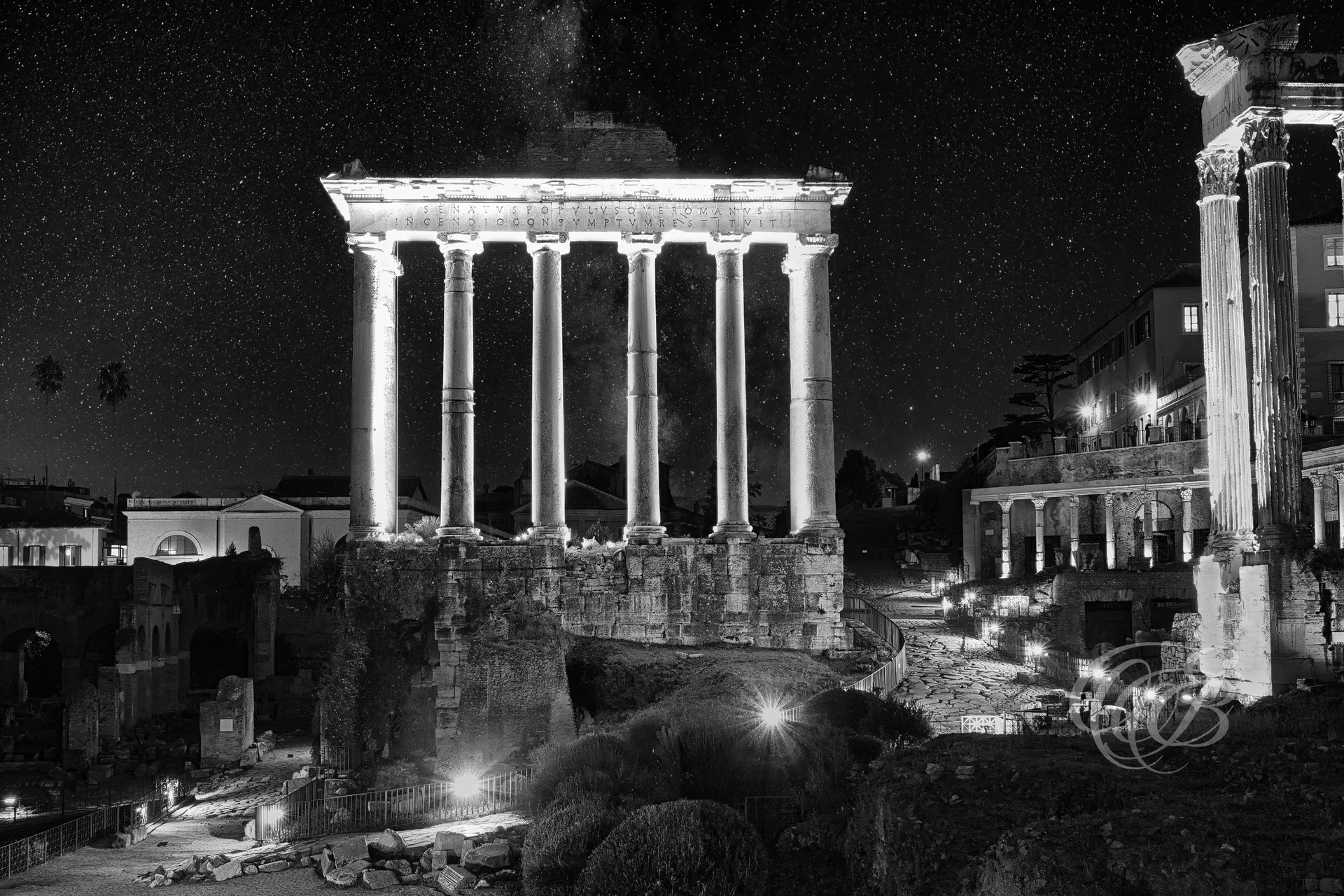
This night-time fine art photograph of the Roman Forum offers a dreamlike view, where only a few ancient columns rise from the shadows beneath a starry sky. The addition of stars creates a sense of Roman fantasy, as such a scene would be impossible to capture in reality. Eduardo Bartoli's artistic vision blends the historical grandeur of the Forum with an imaginative and ethereal atmosphere.
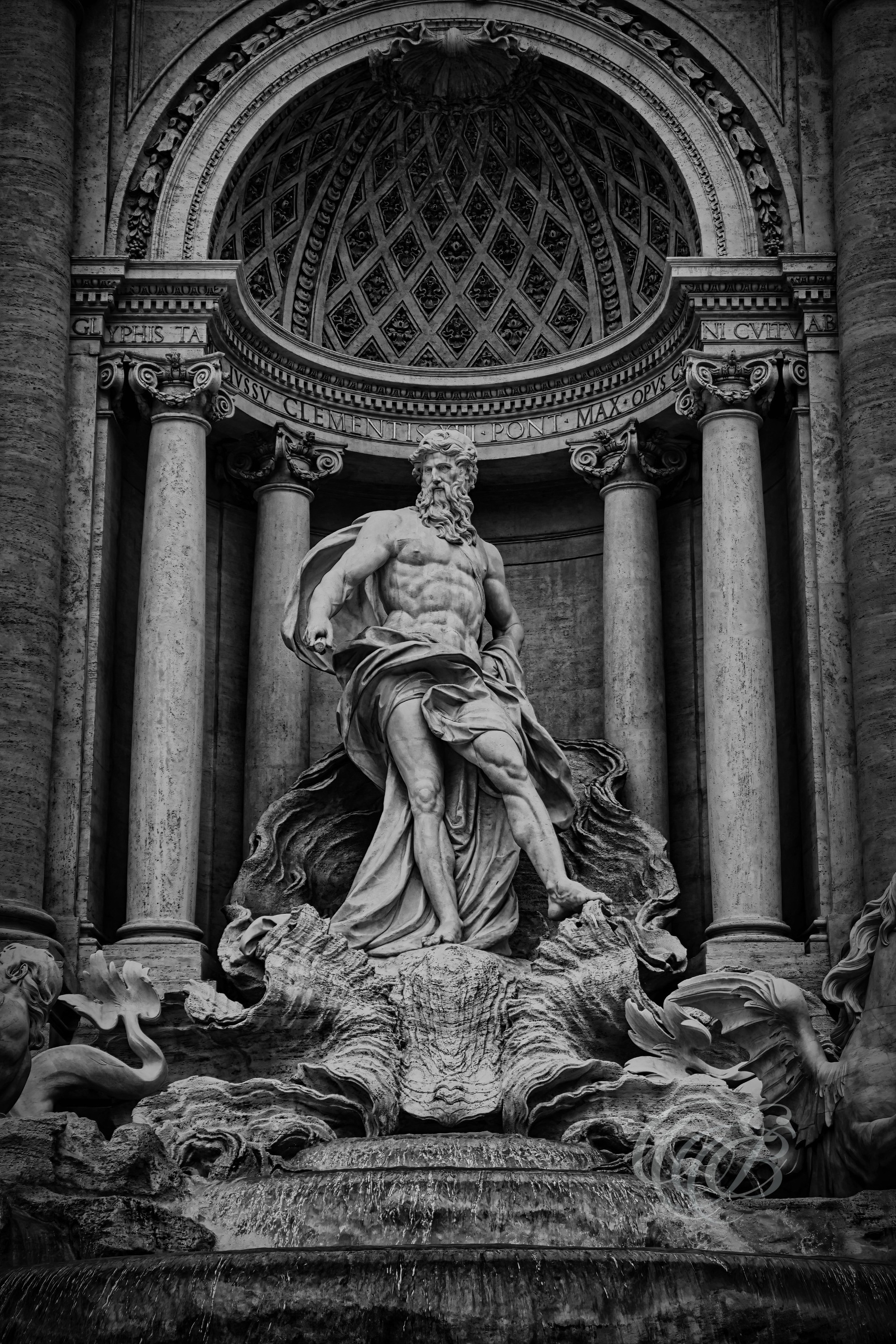
The Trevi Fountain is the largest Baroque fountain in the city and one of the most celebrated public monuments in Italy. Designed by Nicola Salvi in the eighteenth century, it combines sculpture, architecture, and moving water into a dramatic composition that has become a defining symbol of Rome. The black-and-white treatment draws attention to the fountain’s forms, textures, and architectural detail. Eduardo Bartoli Photography.
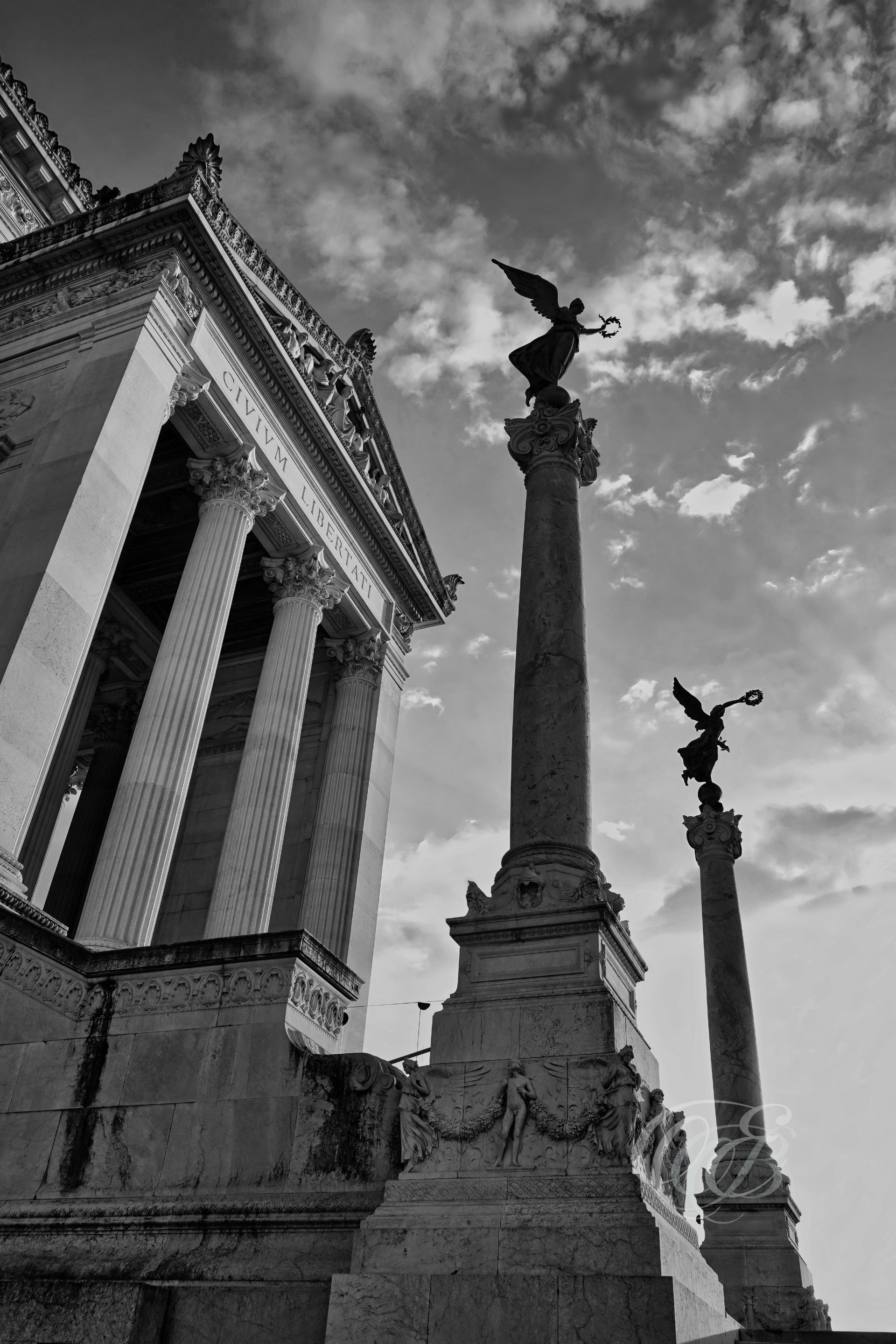
The winged figures crowning the Victor Emmanuel II Monument are among the most recognizable sculptural elements of this national landmark. Built to honor the first king of unified Italy, the monument combines allegorical sculpture and monumental architecture, symbolizing a pivotal chapter in the country's modern history. Eduardo Bartoli Photography.
A close view of the angel sculpture on Ponte Sant’Angelo draws attention to the craftsmanship and detail that characterize the bridge’s celebrated Baroque statuary. Created as part of a seventeenth-century program inspired by Gian Lorenzo Bernini, these angels transformed the historic crossing into one of Rome’s most distinctive artistic and religious landmarks. Eduardo Bartoli Photography.
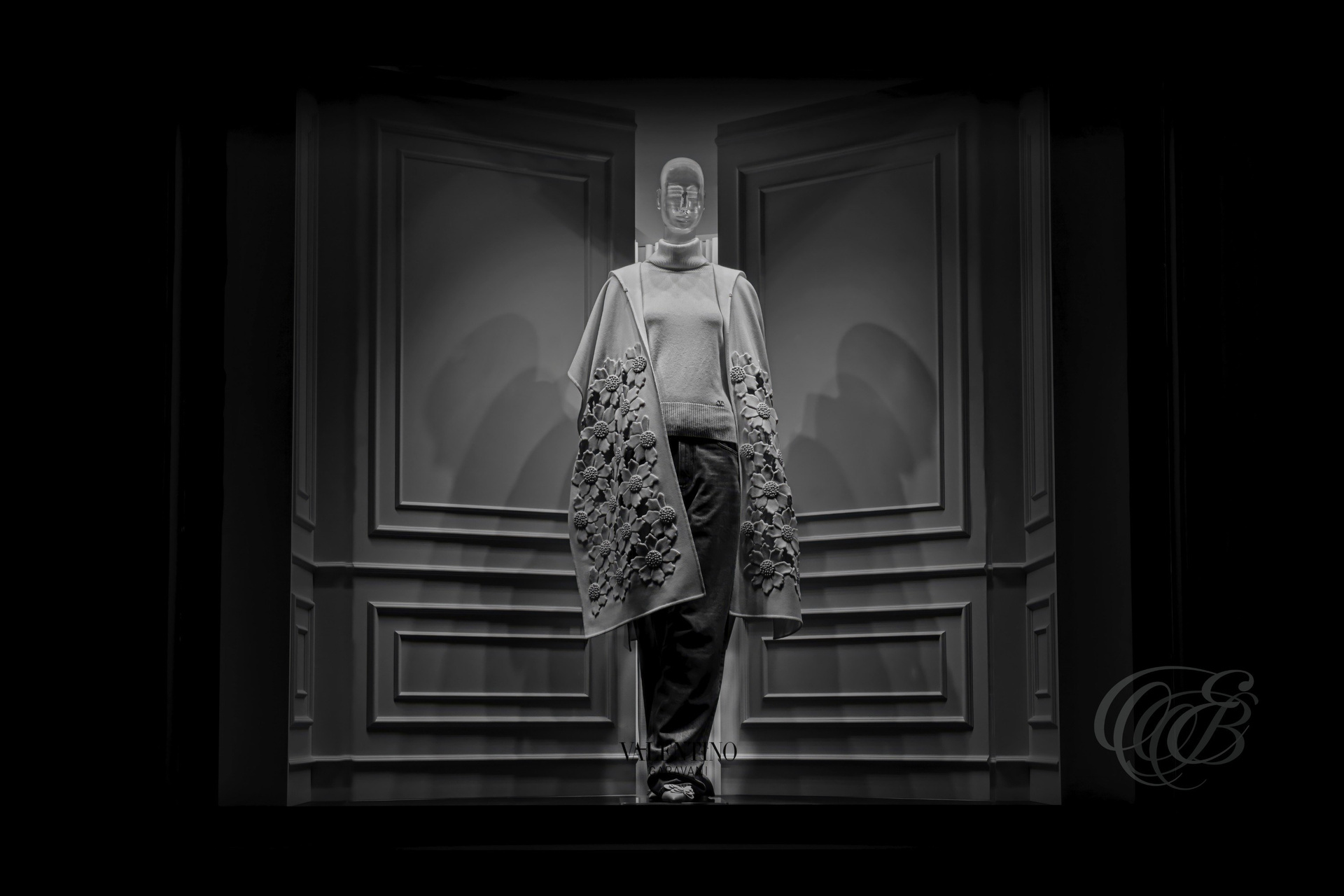
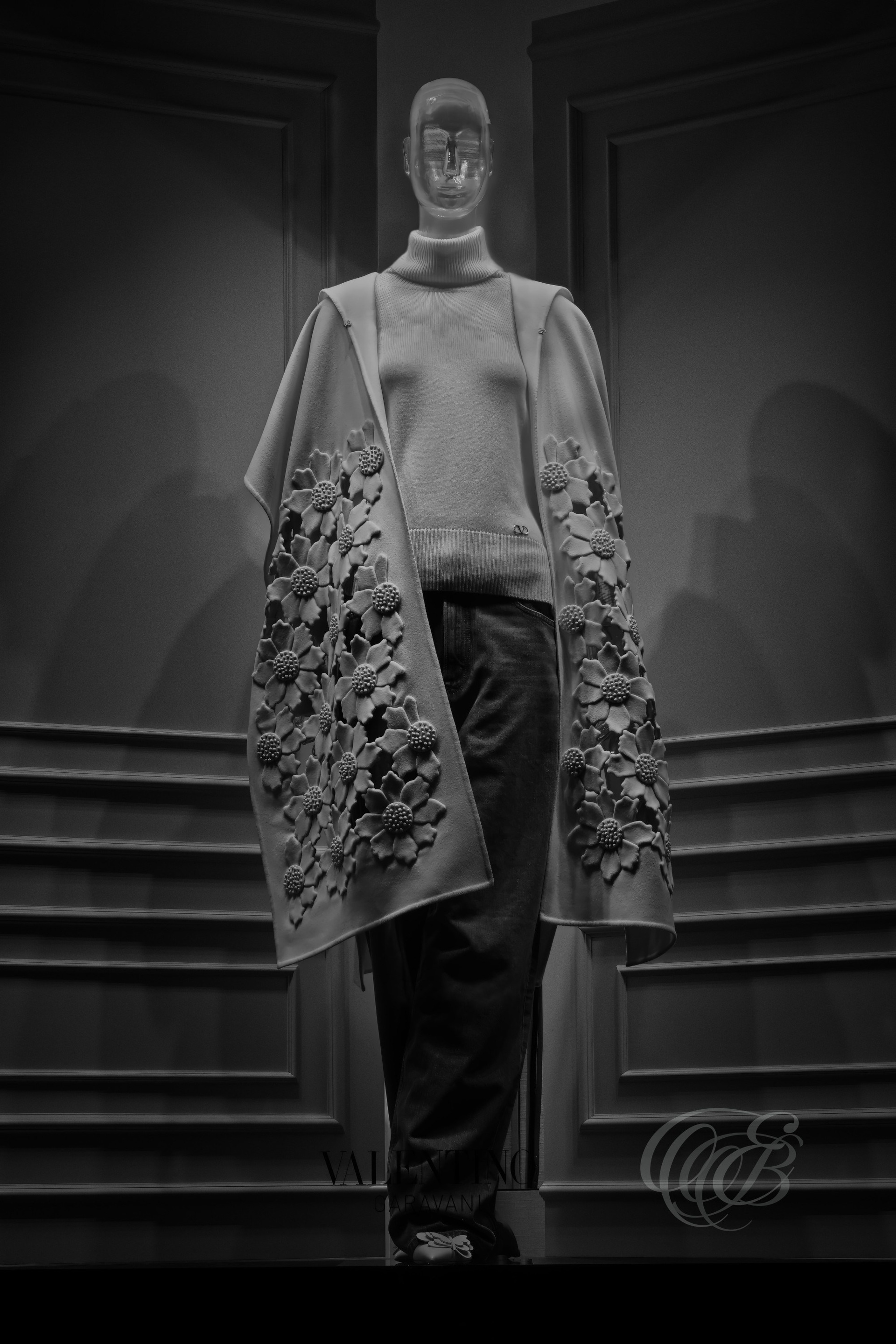
Valentino boutique window display in Rome, presented in black and white, where fashion and architecture meet through glass, reflection, and carefully arranged visual composition. The soft tonal range and monochrome treatment emphasize texture, contrast, and the sculptural quality of the display within the urban setting. Eduardo Bartoli Photography.
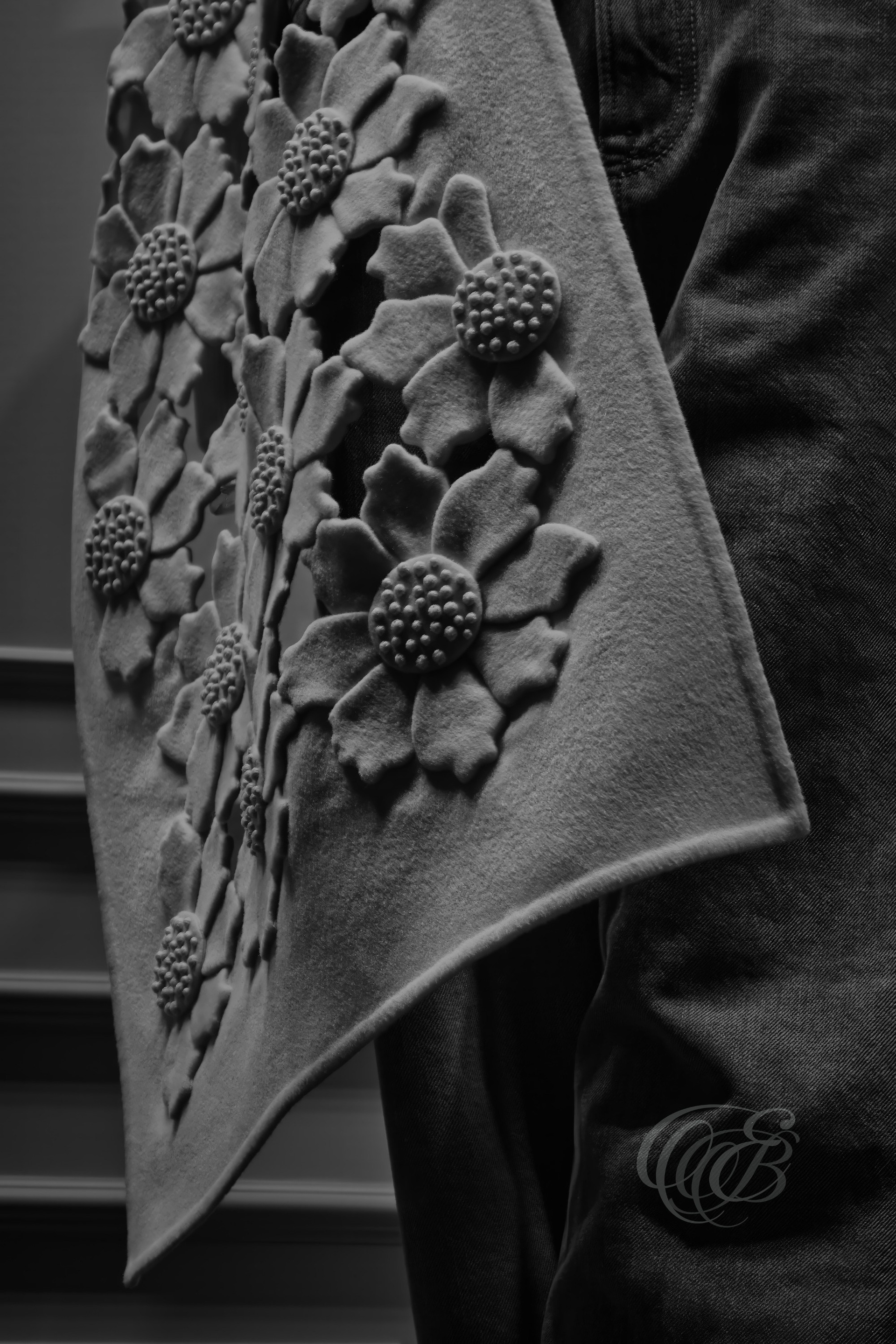
Close-up study of garments and textures inside the Valentino boutique in Rome, captured in black and white. The focus on fabric, stitching, and surface detail transforms the clothing into abstract forms of light and shadow, emphasizing material quality and tactile presence within a refined fashion environment. Eduardo Bartoli Photography.
A mannequin stands centered within the Valentino boutique window in Rome, captured in soft light and black and white tones. The surrounding reflections and subdued contrasts shape a quiet, almost sculptural presence, where fashion display and architectural framing merge into a restrained visual composition. Eduardo Bartoli Photography.
Max Mara window display in Rome, captured in black and white, where layered reflections and curated fashion pieces interact with soft lighting and architectural framing. The composition emphasizes texture, contrast, and the visual rhythm of the boutique storefront within the urban street. Eduardo Bartoli Photography.
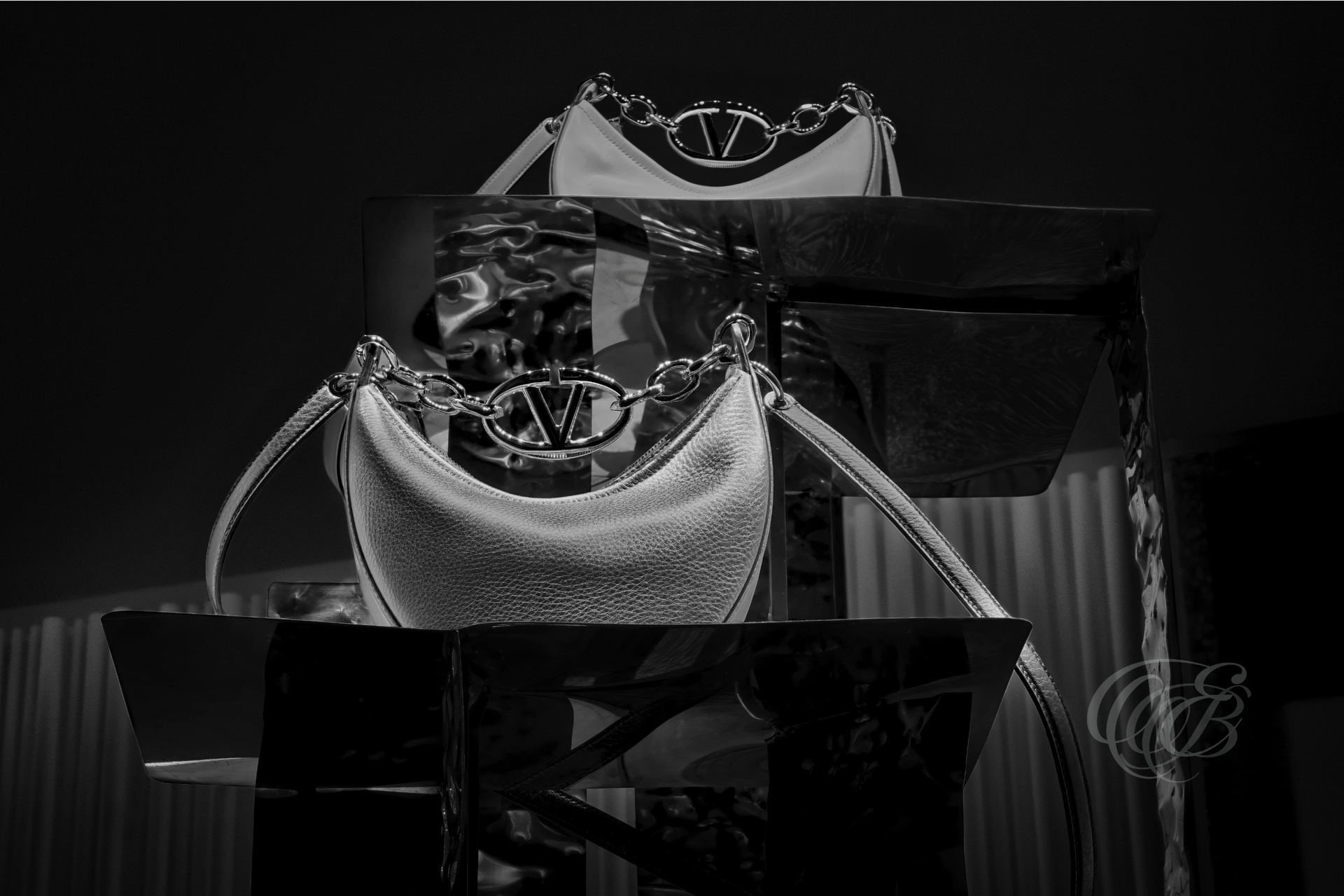
Valentino bags inside the Rome boutique, captured in soft light and black and white tones, where the textures of the materials and metallic details reveal subtle reflections and surface contrast. The composition emphasizes the balance between structure, shine, and fabric within a quiet retail setting. Eduardo Bartoli Photography.
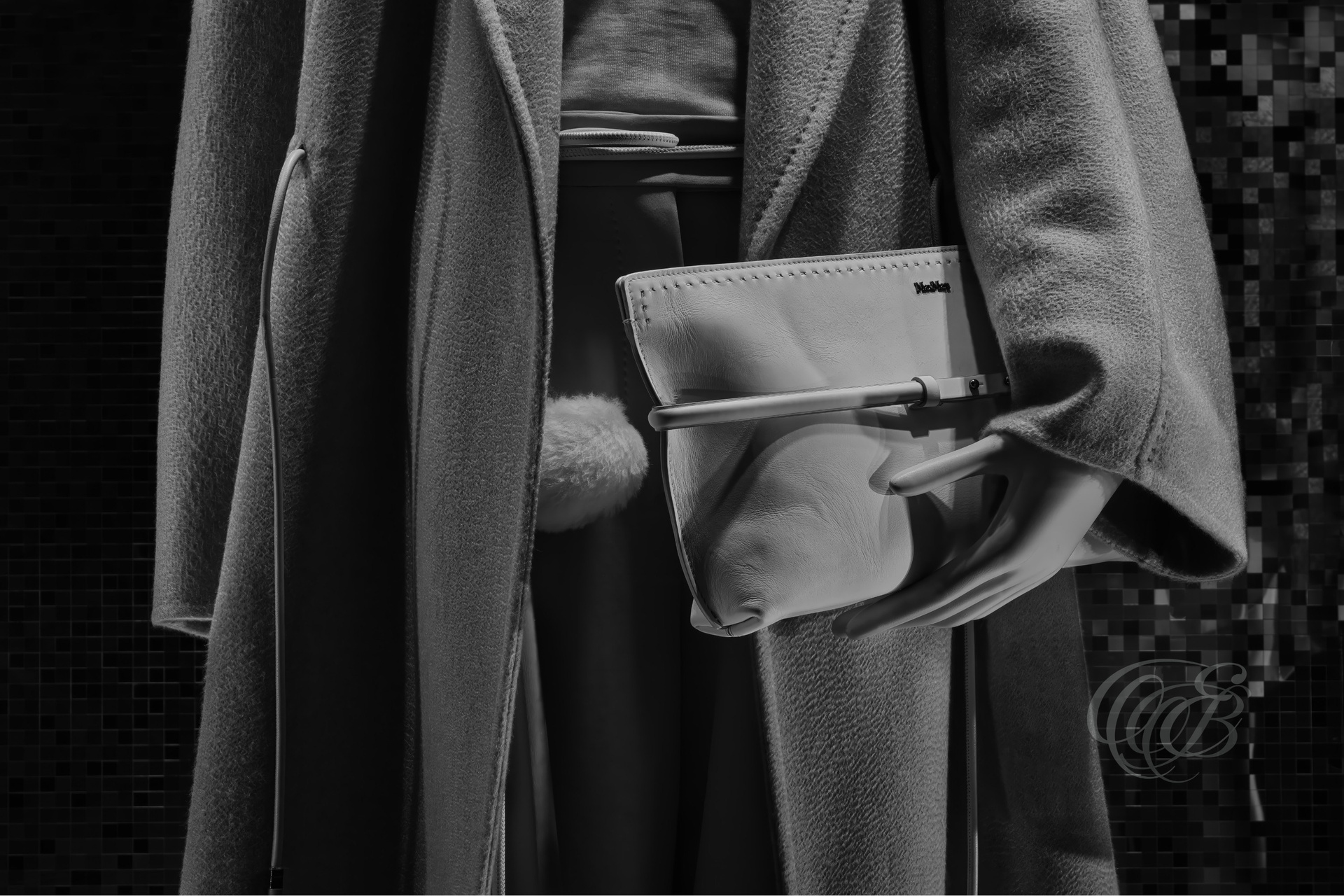
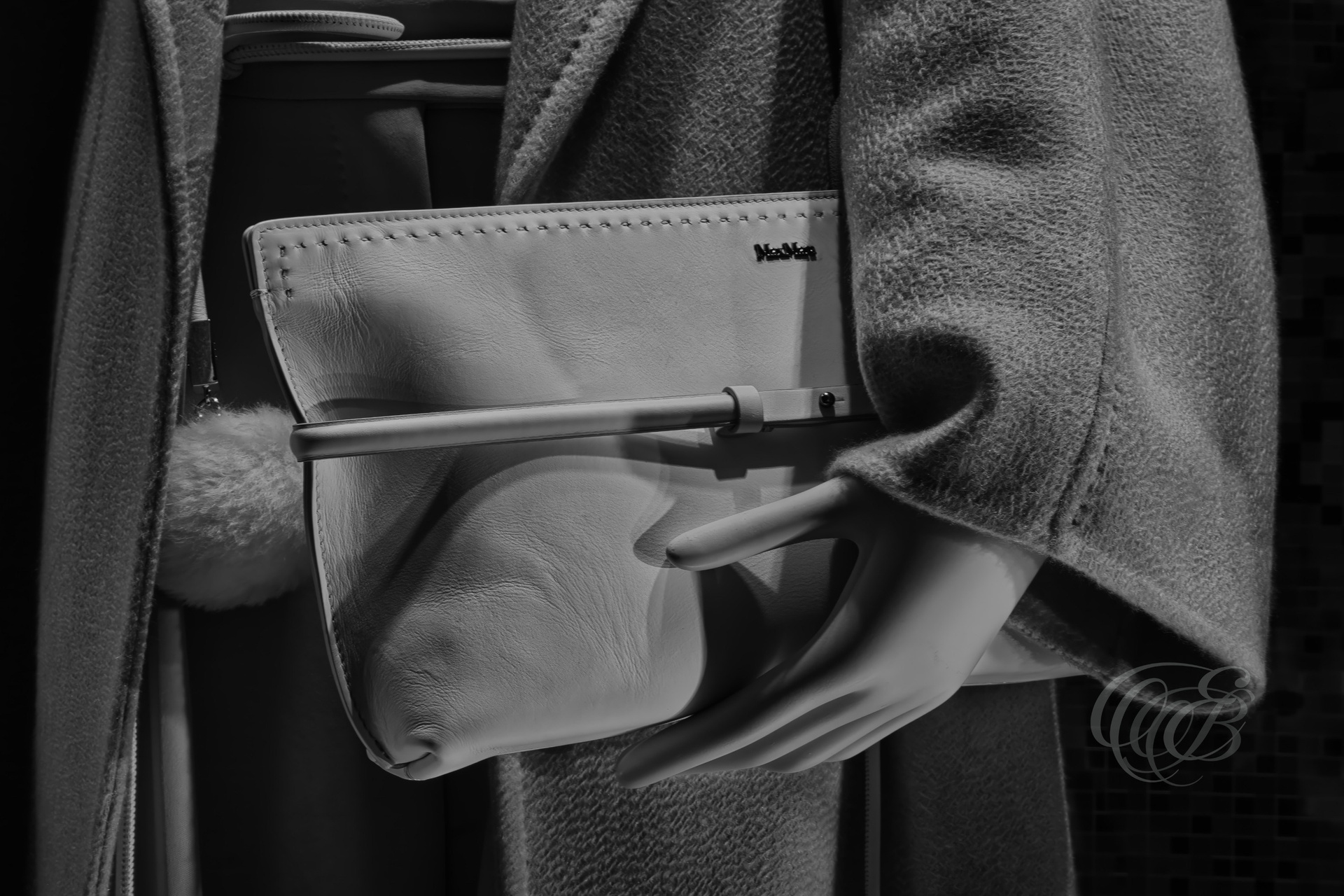
A close-up of a Max Mara bag in Rome, captured in black and white, where the leather texture is visible in fine detail and the coat fabric reveals subtle tonal shifts shaped by soft light and shadow. Eduardo Bartoli Photography.
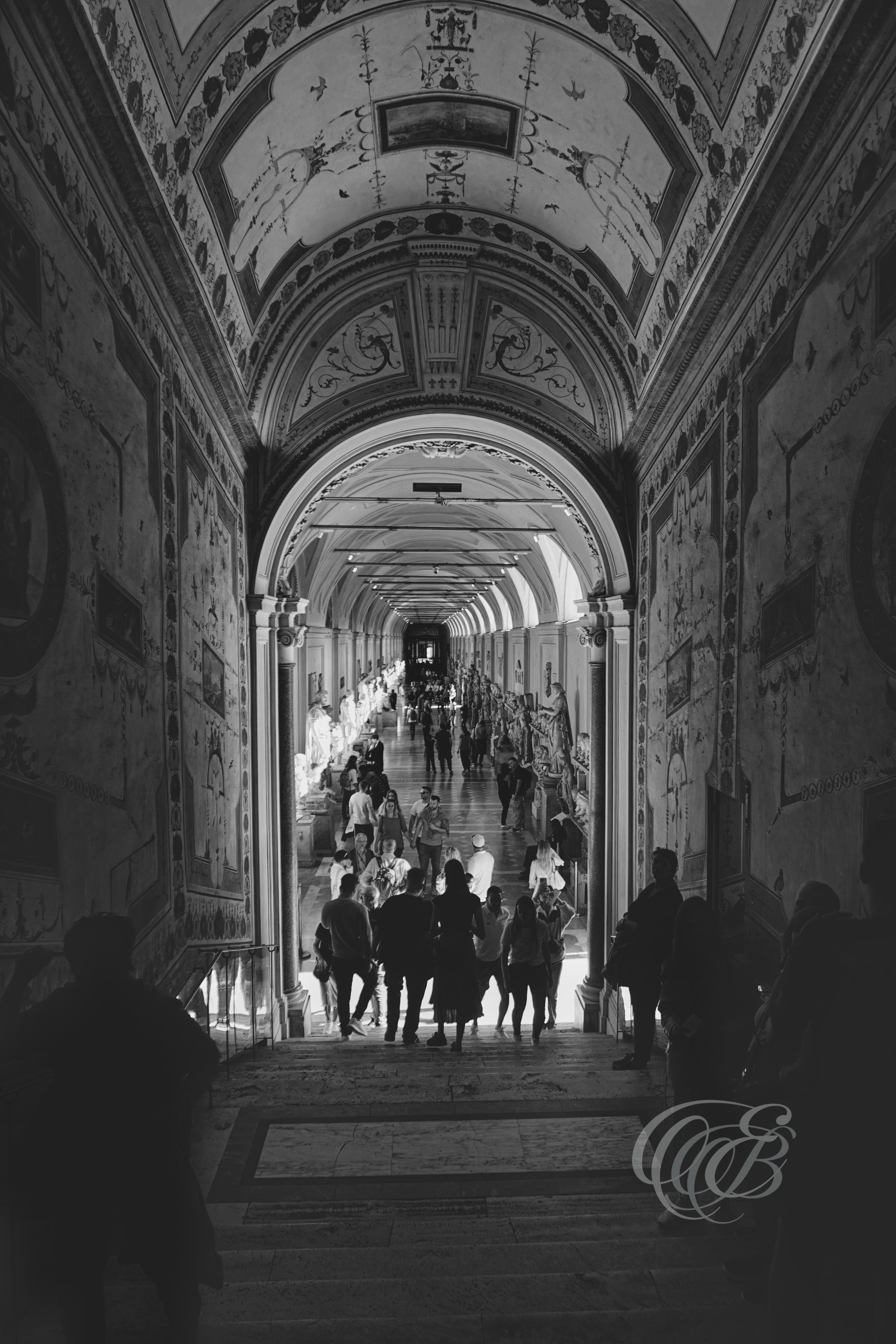
The Vatican Museums house one of the world's most important collections of art, history, and antiquities, with galleries and architectural spaces developed over centuries. This interior staircase reflects the attention to design and craftsmanship found throughout the museum complex, where architecture serves both a practical and aesthetic role within the Vatican’s cultural heritage. Eduardo Bartoli Photography.
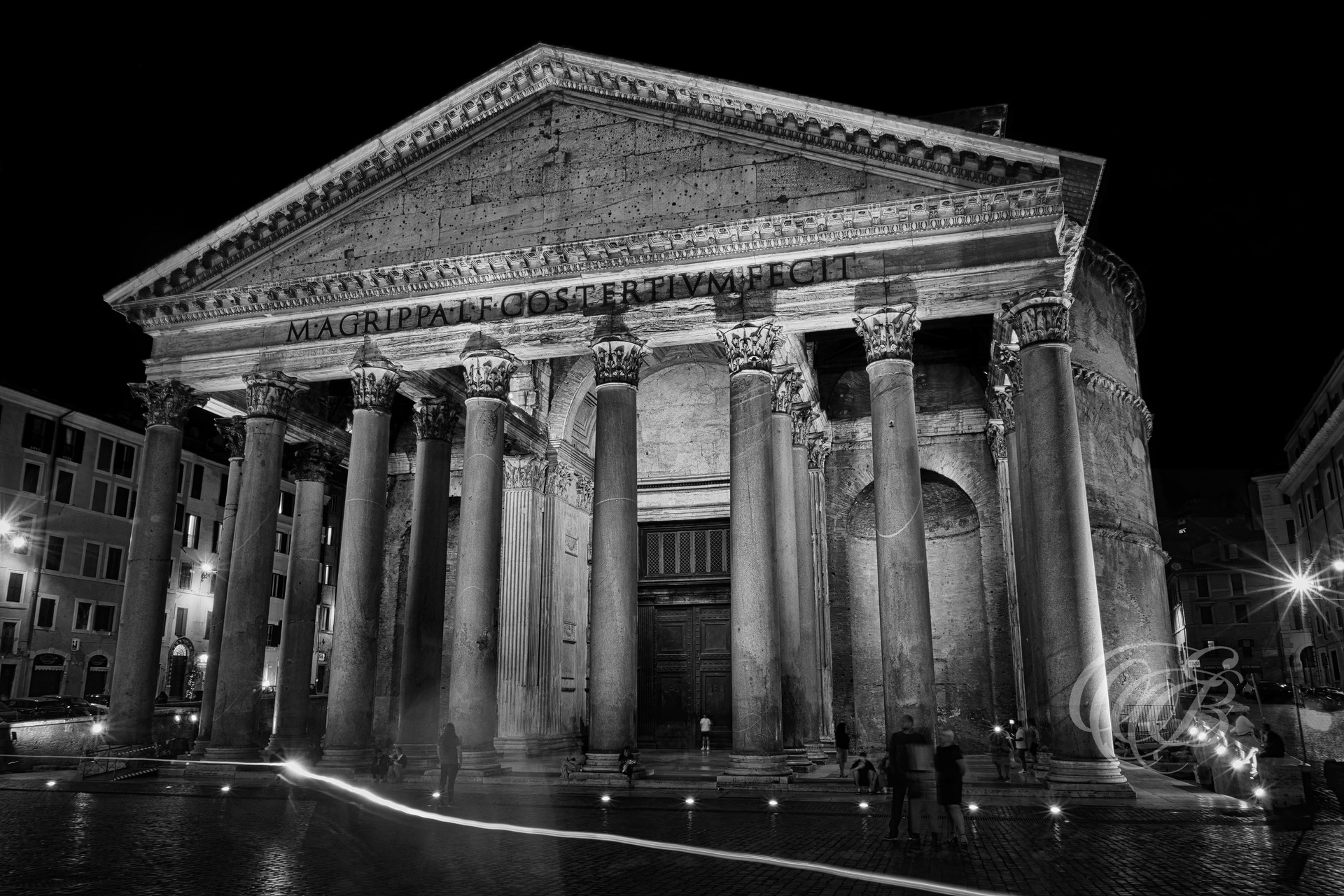
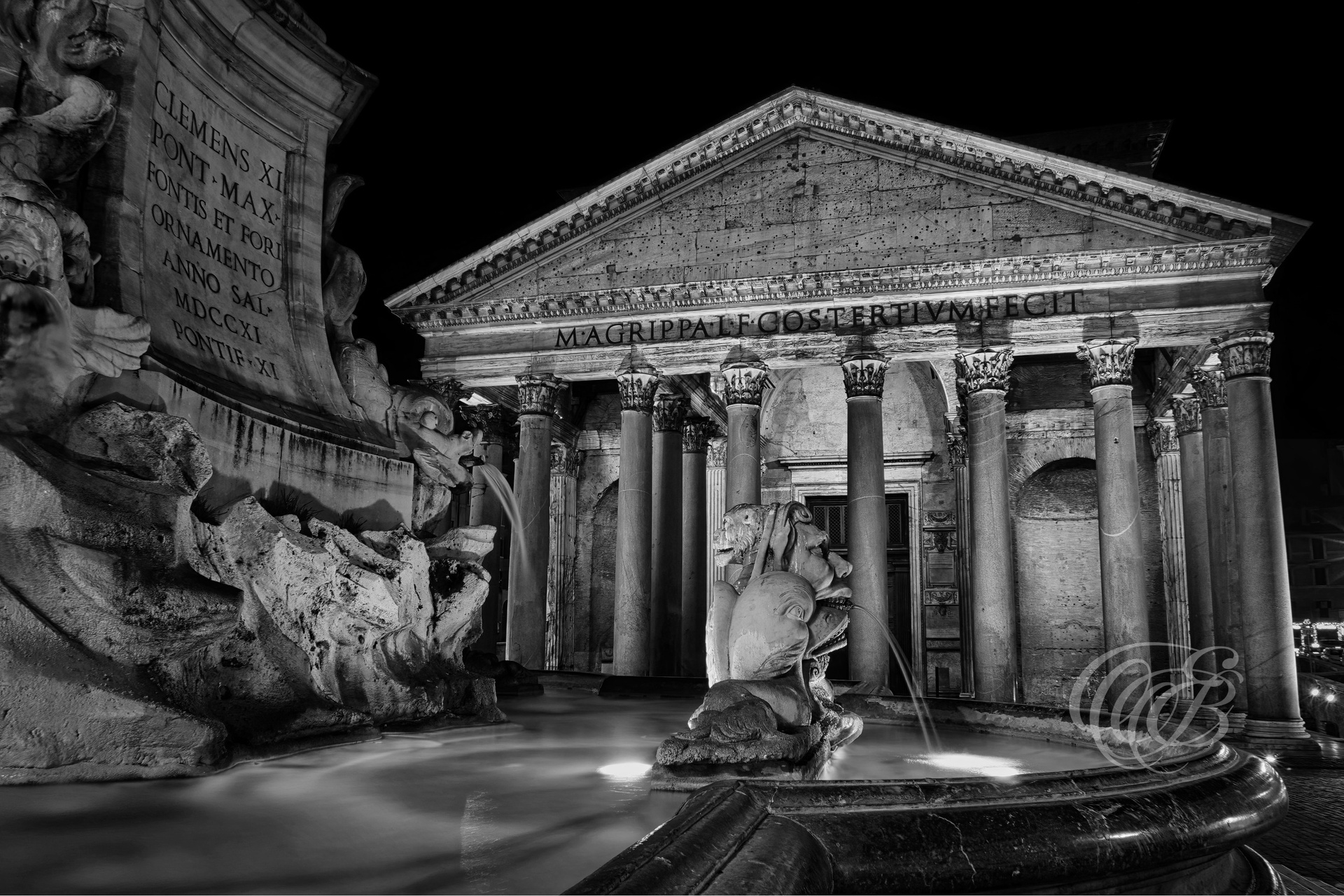
The Pantheon is one of the best-preserved monuments of ancient Rome and has remained in continuous use for nearly two thousand years. Illuminated at night, its classical façade and monumental portico emphasize the architectural achievement of a structure renowned for its harmonious proportions, engineering innovation, and lasting influence on Western architecture. Eduardo Bartoli Photography.
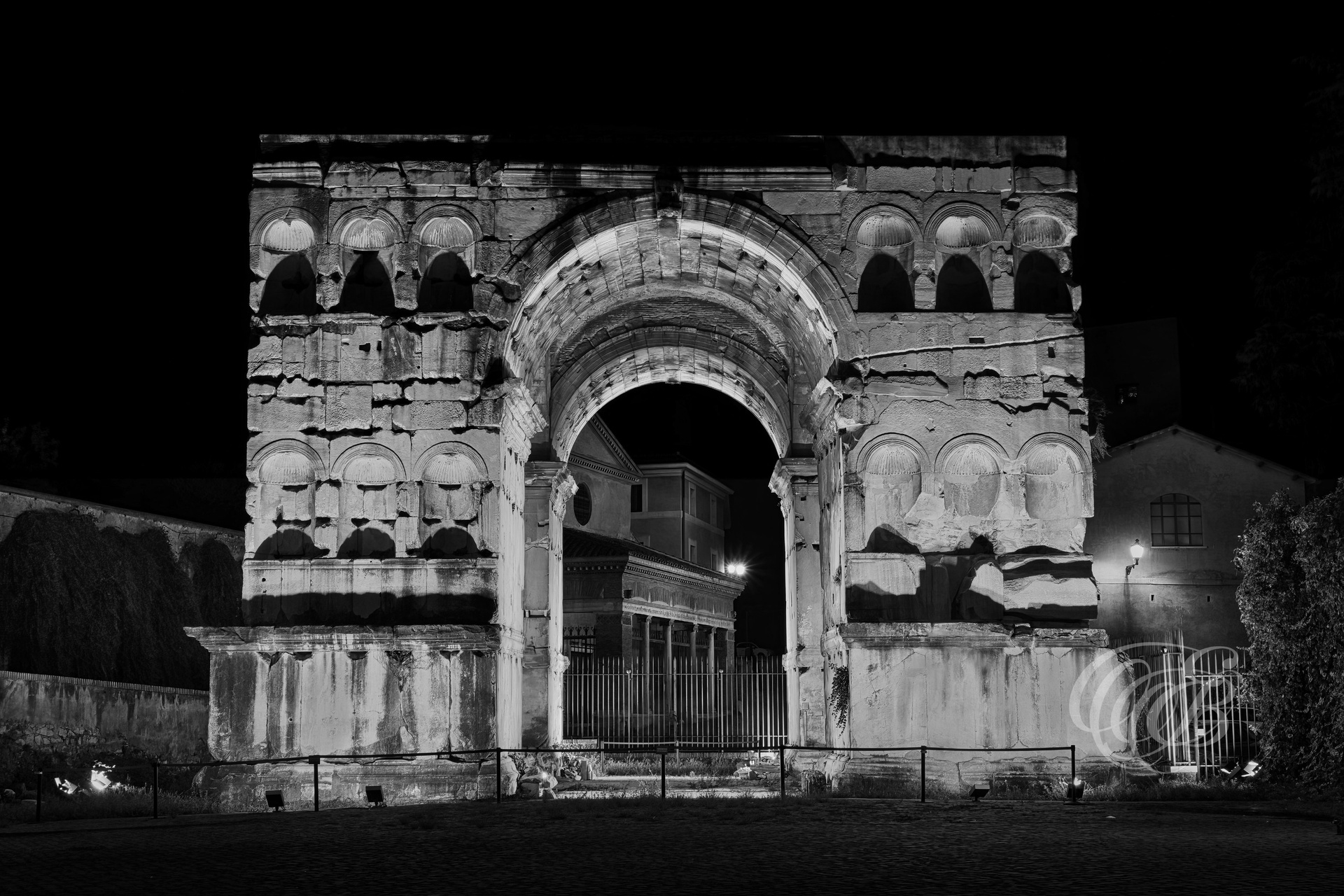
The Arch of Janus is a late Roman monument located near the Forum Boarium, one of the city's oldest commercial districts. Built during the fourth century, the structure is notable for its four-sided design and remains an important reminder of the architectural and urban development of ancient Rome. The black-and-white treatment emphasizes the textures and enduring presence of its weathered stone. Eduardo Bartoli Photography.
The Capitoline Museums preserve one of the world's oldest public collections of art and antiquities, offering insight into the history and culture of ancient Rome. This marble vase reflects the craftsmanship and decorative traditions of the Roman world, while the black-and-white treatment emphasizes its form, texture, and sculptural detail. Eduardo Bartoli Photography.
Ponte Vittorio Emanuele II spans the Tiber River between Rome’s historic center and the Vatican district, creating one of the city's most recognizable vistas. With the dome of St. Peter’s Basilica rising in the distance, the scene brings together two landmarks that reflect both the civic history of modern Italy and the enduring influence of the Vatican. Eduardo Bartoli Photography.
The Temple of Antoninus and Faustina is one of the most prominent monuments in the Roman Forum. Originally dedicated in the second century to Emperor Antoninus Pius and his wife Faustina, the structure was later incorporated into the Church of San Lorenzo in Miranda, a transformation that contributed to its remarkable preservation. The black-and-white treatment emphasizes the temple’s Corinthian columns and the architectural layers that connect ancient Rome with its later Christian history. Eduardo Bartoli Photography.
The Fountain of the Four Rivers stands at the center of Piazza Navona, one of Rome’s most important Baroque squares. Designed by Gian Lorenzo Bernini in 1651, it brings together symbolic figures representing the Nile, Danube, Ganges, and Río de la Plata, reflecting the global vision of the Baroque period and the political and artistic ambitions of papal Rome.
The Porticus Octaviae was originally built during the reign of Augustus and served as an important public and cultural complex, housing temples, libraries, and gathering spaces. Located near the Theatre of Marcellus, its surviving columns and arches provide a tangible link to the architectural and civic life of ancient Rome. The black-and-white treatment emphasizes the structure’s forms, textures, and historical character. Eduardo Bartoli Photography.
The Pantheon has stood at the heart of Rome for nearly two thousand years and remains one of the most influential works of ancient architecture. Originally built as a Roman temple and later consecrated as a Christian church, its monumental portico and celebrated dome continue to inspire architects and visitors from around the world. Illuminated at night, the structure reveals the enduring presence of one of antiquity’s greatest architectural achievements. Eduardo Bartoli Photography.
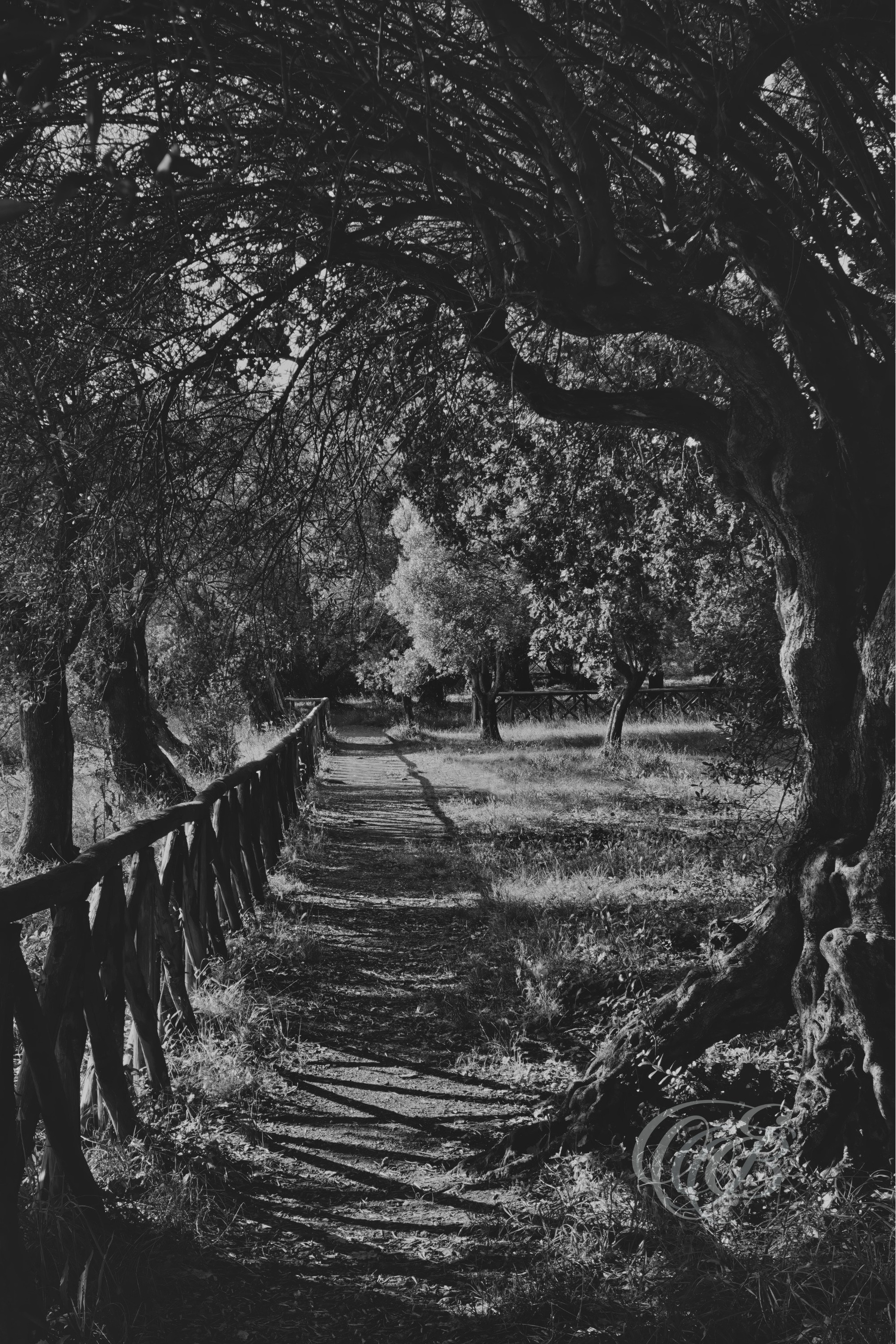
At Hadrian’s Villa in Tivoli, the remains of the Praetorium overlook a landscape shaped by centuries of imperial history and natural growth. Framed by olive branches, the view reveals pathways and ruins that once formed part of Emperor Hadrian’s vast residential complex, reflecting the architectural ambition and spatial scale of Roman imperial design. Eduardo Bartoli Photography.
Standing in Piazza della Rotonda, the fountain before the Pantheon forms an integral part of one of the city's most historic public spaces. This sculptural detail draws attention to the craftsmanship and decorative artistry that complement the ancient monument behind it, while the black-and-white treatment emphasizes form, texture, and the enduring character of Rome’s artistic heritage. Eduardo Bartoli Photography.
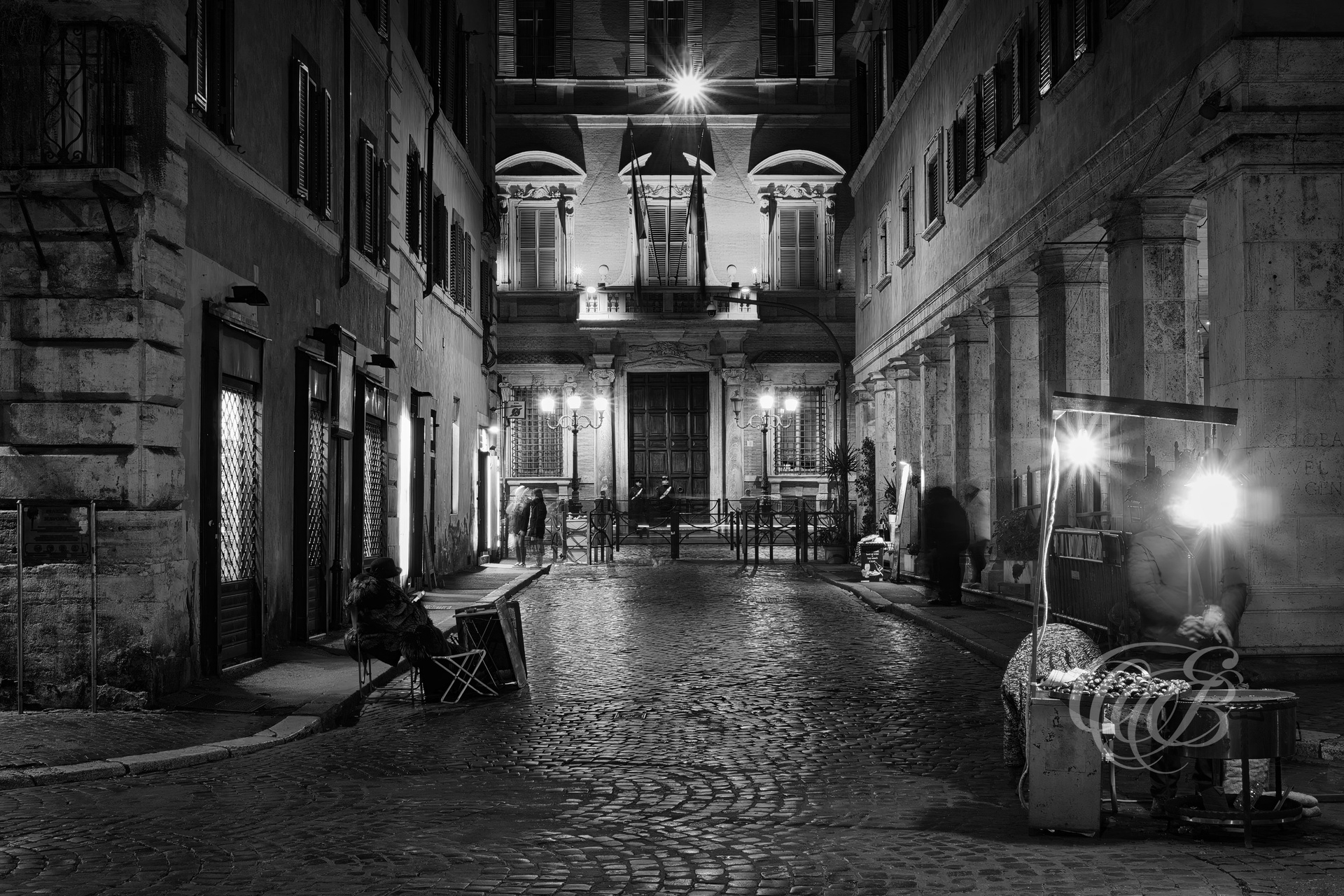
Corsia Agonale is a historic street located near Piazza Navona, shaped by centuries of urban development in the heart of Rome. Surrounded by layered architecture from different periods, it reflects the dense and evolving fabric of the city’s historic center, where ancient, Renaissance, and modern elements coexist within a continuous urban landscape. Eduardo Bartoli Photography.
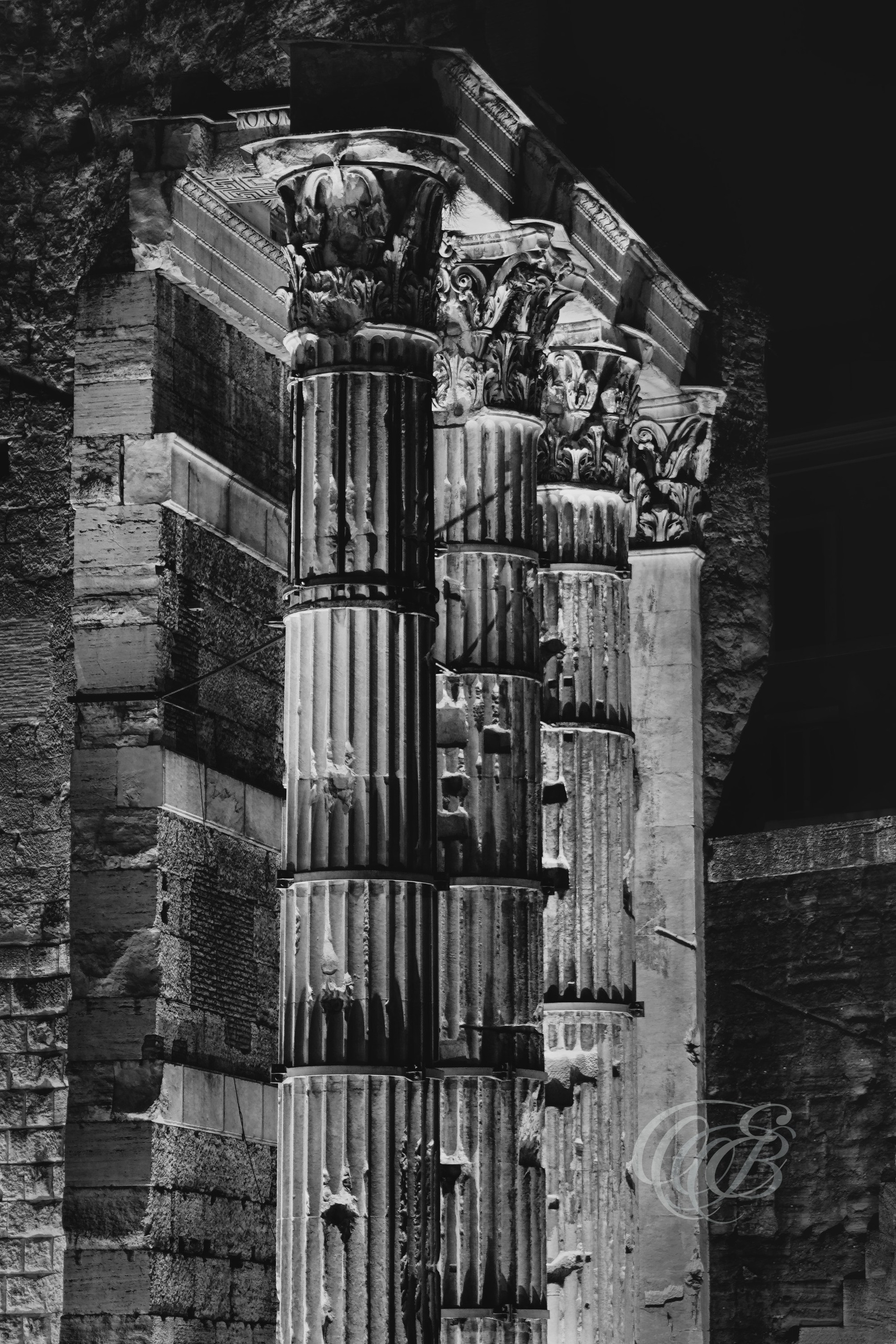
The Forum of Augustus was built in the early Roman Empire under Emperor Augustus as a monumental public space dedicated to Mars Ultor. Its surviving columns and architectural fragments reflect the scale and ambition of imperial Rome, while the black-and-white treatment emphasizes the texture and enduring presence of this ancient complex. Eduardo Bartoli Photography.
Portfolios
Italy Photography
Italy Travel Photography — Rome
Florence in Black & White — Fine Art Photography Noir
Mallorca in Black & White — Fine Art Photography Noir
Mallorca
Street Photography Rome
Street Photography Rome in Black & White — Fine Art Photography Noir
Rome
Florence